The Invasive Ornamental Grass California Experts Want Out Of Your Yard
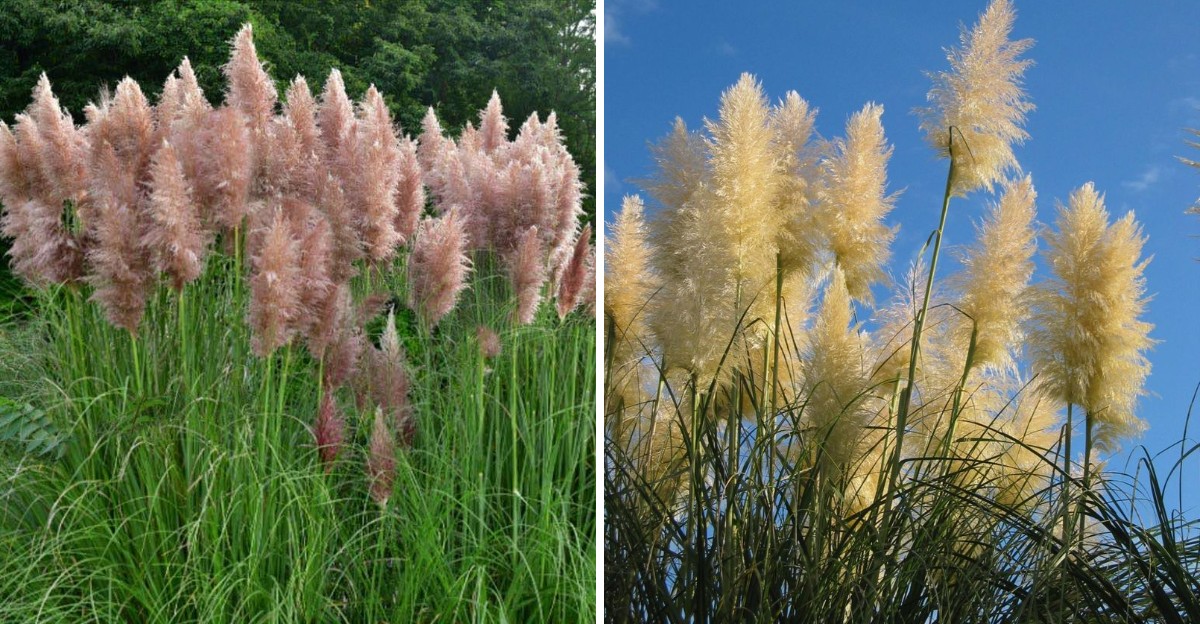
Some of the most eye-catching plants in California yards hide a surprising reputation. Towering clumps topped with creamy plumes glow beautifully in October light, swaying like giant feather dusters beside driveways and fences.
Every breeze, however, sends something drifting far beyond the property line.
What looks like harmless decoration ranks among the most troublesome garden escapes in the state, quietly changing hillsides, creek banks, and coastal bluffs.
Land managers spend enormous time and money undoing the damage, while fire officials keep a wary eye on it, too.
The good news is that homeowners hold real power here, and a few well-timed snips this fall can stop an astonishing number of future problems before they ever take flight.
Pampas Grass Is The Invasive Giant To Remove
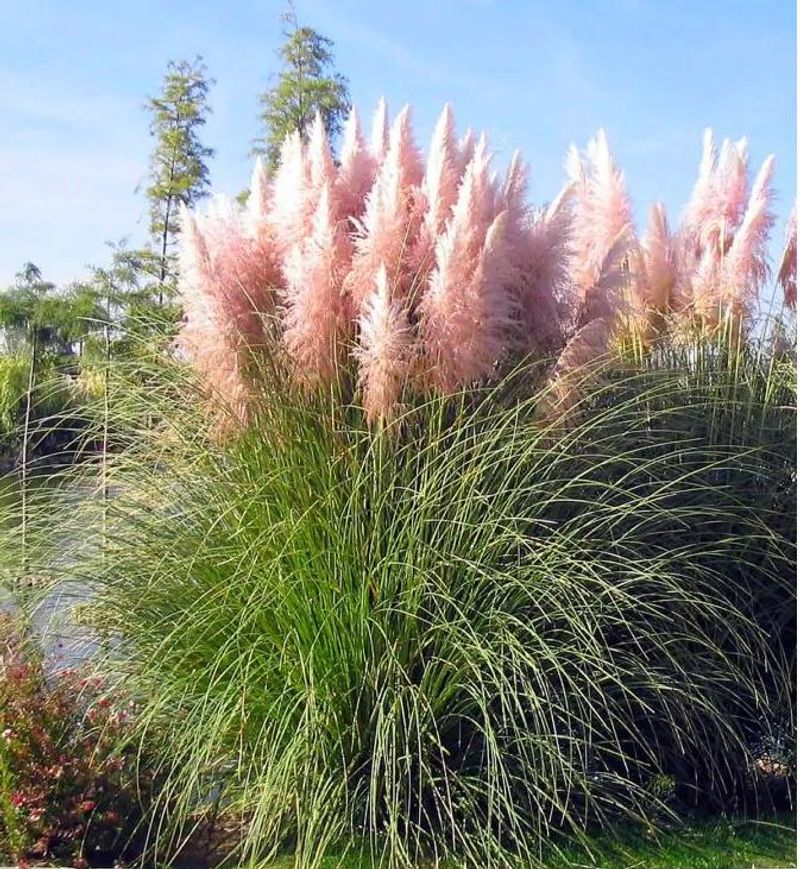
A fountain of green leaves taller than a basketball hoop, topped with fluffy cream or pink plumes, stands in plenty of California yards. Many were planted decades ago as bold landscape features.
Pampas grass came from South America and quickly made itself at home here. Size offers the first clue to its identity.
A mature plant can reach roughly 6 to 13 feet tall and form a massive tussock several feet wide. The base becomes a dense mound of old leaves and roots that grows harder to remove every year.
Plumes rise above the leaves in late summer and fall, exactly when they catch the eye.
The California Invasive Plant Council, known as Cal-IPC, rates pampas grass as High for invasiveness. That label is reserved for plants with severe effects on natural areas, strong spread, and wide distribution.
In plain terms, experts consider it one of the worst garden escapees in the state.
Many nurseries have stopped selling it, thanks to programs like PlantRight that work with growers and stores. Older plants, however, keep seeding new ones, so existing clumps matter most.
Some newer varieties are marketed as sterile, though experts still advise against planting any pampas grass in California.
A quick walk around the property and down the street often reveals these clumps. Long, narrow leaves and feathery plumes make them easy to spot, and finding one marks the first step toward stopping a problem that grows bigger every season.
Each Plume Releases Thousands Of Seeds
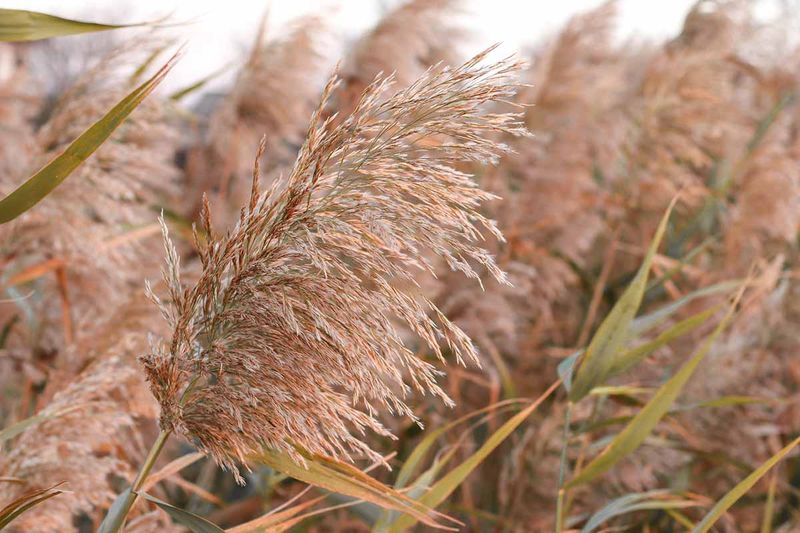
A single plume shaken in autumn can release a puff of tiny seeds that float away like smoke. Each seed is smaller than a grain of rice and wrapped in silky hairs that work like miniature parachutes.
The numbers get wild. Sources estimate that one pampas grass plume can release somewhere from about 10,000 to 100,000 seeds.
A large clump may carry a dozen or more plumes at once. A little quick math shows one yard plant launching well over a million seeds in a single season.
Not every seed sprouts, of course. Plenty land on pavement, rooftops, or dry soil where they go nowhere.
With numbers that high, though, only a tiny share needs to succeed. A few lucky seeds on a moist roadside, a burned hillside, or a creek bank can start a brand-new colony.
Your California Garden Changes Every Week. Your Plan Should Too.
Gardening in California changes quickly throughout the season. Every Friday you’ll receive a simple weekly plan showing exactly what to plant, prune, fertilize, harvest, and protect so you never miss the right timing.
Seedlings grow quickly once they settle in. Within a few years, they can flower and send out clouds of seed of their own.
That cycle repeats faster than most people expect. Each new plant adds fuel to the next wave.
One decorative clump, then, isn’t really just one plant. It acts more like a seed factory running full shifts every fall.
Shutting down that factory, even by snipping plumes each year, makes a real difference for the surrounding land. That small effort ripples outward far beyond the yard.
Wind Carries Seeds For Miles
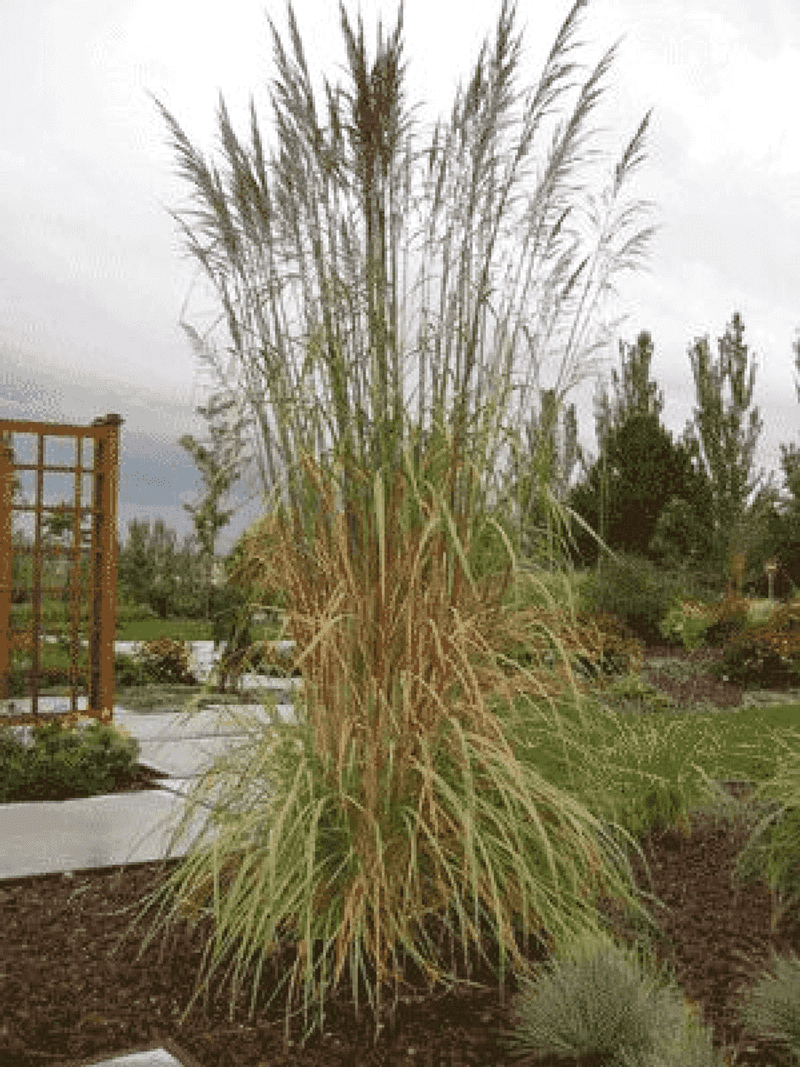
A gusty October afternoon turns pampas grass into a launch pad. Fluffy seeds lift off, ride the breeze, and sail far past the property line.
Neighbors may never know the source of the seedlings that pop up later. Wind serves as the plant’s main travel agent.
Silky hairs keep the seeds airborne for a long time. Reports describe seeds traveling up to about 20 miles from the parent plant.
That distance can carry them from a city yard to a state park, a wetland, or open grassland. Few garden plants travel so far so easily.
Disturbed ground offers the warmest welcome. Freshly graded lots, road cuts, landslide scars, and areas cleared by fire make prime landing zones.
Bare soil and sunlight let seedlings grow without much competition. A single season can turn an empty slope into a young colony.
Highways help the spread, too. Passing cars and trucks stir up air that pushes seeds along roadsides, which explains the long lines of pampas grass along some California freeways.
Distance makes control tricky. Land managers may clear a canyon, only to watch new plants arrive from yards miles away.
Pulling plants in wild areas helps, though cutting off the seed supply at home helps just as much.
Each plume works like a tiny hot air balloon with no return ticket, so every one cut before fall winds blow becomes a fleet that never leaves the ground.
It Crowds Out Native Plants
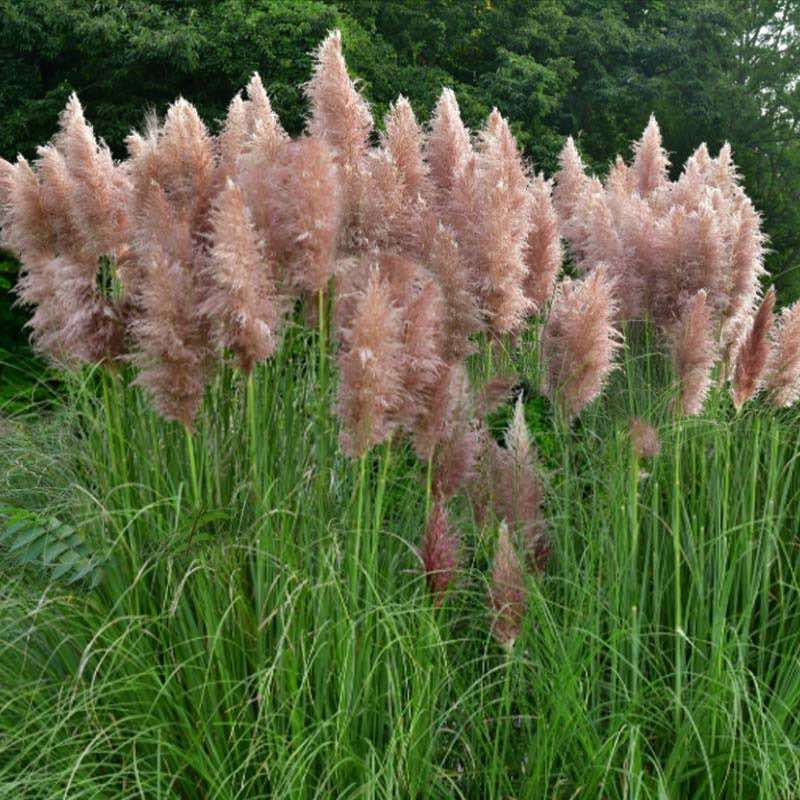
A canyon taken over by pampas grass feels oddly empty. Instead of sages, buckwheats, and wildflowers, wall after wall of the same giant clumps fills the view.
Diversity gets swapped for a single bully. Big tussocks hog space, sunlight, and water.
Their thick roots soak up moisture that smaller native plants need. Wide leaves shade out seedlings trying to grow nearby.
Over time, dense stands form and leave little room for anything else. The landscape loses much of its natural variety.
Wildlife feels the loss, too. Native birds, bees, and butterflies depend on local plants for food and shelter, yet pampas grass offers poor food value for most of them.
Fewer native plants often mean fewer insects, which means fewer birds that eat those insects. The effects ripple through the entire food web.
Cal-IPC notes that these grasses invade coastal scrub, grasslands, dunes, wetlands, and creek corridors. Some of those habitats hold rare plants found nowhere else on Earth.
When pampas grass moves in, those rare species lose ground fast. Restoration crews spend enormous effort clearing stands so natives can return, and many of them are volunteers giving up weekends to dig out clumps.
Stopping new seed from home gardens keeps their hard work from being undone.
Yards connect to these wild places more than most people realize, and choosing what grows there offers a simple way to stand up for California’s homegrown plants.
Dry Clumps Raise Fire Risk
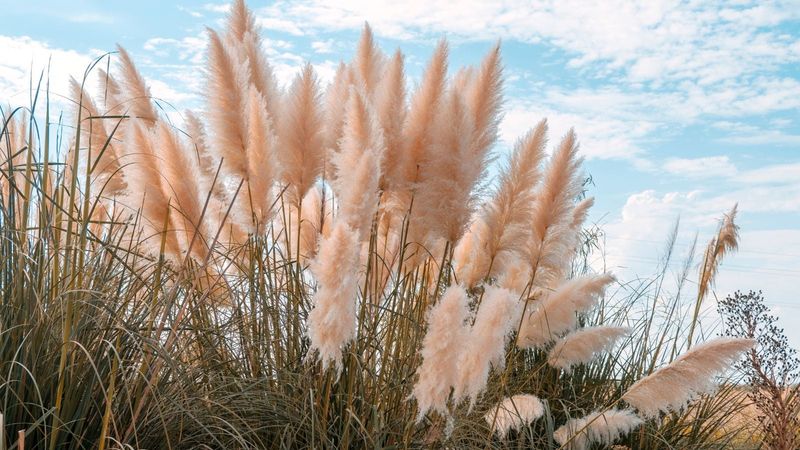
An older clump hides a thick nest of old, papery leaves at its center. Those leaves pile up year after year, and in a hot, dry California summer, that thatch becomes ready-made kindling.
Dense stands add plenty of fuel to the landscape. Native shrubs and grasses burn, too, though pampas grass packs tall, dry material into tight clusters.
Fire officials and Cal-IPC note that invasive stands can change how fires behave. Flames may burn hotter, climb higher, and spread more easily through a patch.
Location raises the risk even further. Many yard clumps sit beside fences, decks, sheds, or houses.
A stray ember landing in that dry mound could ignite quickly. Fire-safe landscaping guidance often urges keeping such plants well away from structures and fences.
Water brings a different danger. Along creeks and drainage channels, big tussocks can trap debris and slow water flow.
During heavy rain, that blockage can push water out of its channel. The result creates a flood hazard for nearby homes and roads.
Removing a clump lowers both risks at once, a rare double win. It clears fuel near the home and keeps seeds from reaching waterways.
Properties near open space or a creek benefit most from tackling this job early in fall. Safety and good ecology happen to point in the same direction here, which makes the choice an easy one.
Jubata Grass Is Its Coastal Cousin
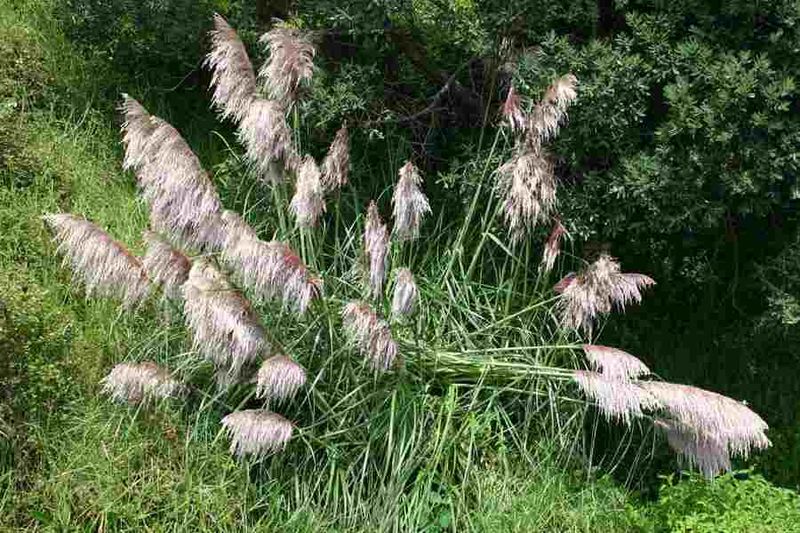
A drive along Highway 1 near Big Sur or the Bay Area often reveals plumes with a purple or pinkish tint. Many of those belong to jubata grass, sometimes called Andean pampas grass or purple pampas grass.
At a glance, it resembles regular pampas grass. Its plumes tend to look looser and droop more, often starting pinkish before fading to tan.
Jubata grass prefers cool, foggy coastal areas. It thrives on bluffs, cliffs, and logged or disturbed hillsides.
Its strangest trick involves reproduction. Jubata grass produces seed without fertilization, a process called apomixis.
Each plant can essentially clone itself through seed. A single plant can start a whole new population with no partner needed.
Officials take it seriously. Cal-IPC rates jubata grass as High for invasiveness, just like its cousin.
Many sources also list it on the California Department of Food and Agriculture’s noxious weed list, which carries legal weight. CDFA’s pages offer the best way to confirm current status.
Coastal habitats suffer the most. Jubata grass invades sensitive areas that shelter rare plants and animals, and clearing it from steep cliffs can be dangerous and costly work for land crews.
Any pink-plumed clump, especially near the coast, deserves a closer look. Removal steps match those for pampas grass.
The county Agricultural Commissioner’s office or a local nursery can help confirm which cousin grows in the yard.
Cut Plumes Before Seeds Ripen And Bag Them
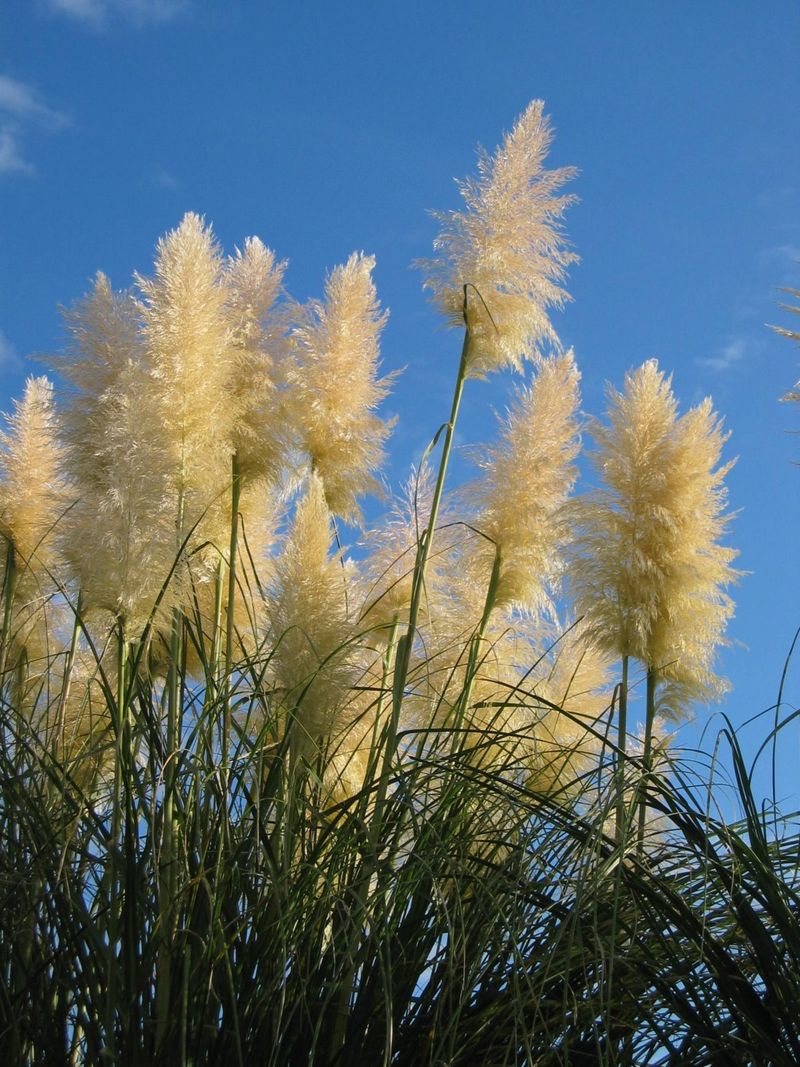
Timing beats muscle in this battle. Plumes usually emerge in late summer, then ripen and release seed in fall, so snipping them while still young stops the spread before it starts.
Protective gear comes first. Pampas grass leaves carry saw-toothed edges that slice skin like paper cuts, only worse.
Sturdy gloves, long sleeves, long pants, and eye protection make the job far safer. Forearms especially appreciate the extra coverage.
Pruners or loppers cut each plume stalk low. Sliding plumes headfirst into a heavy trash bag right away keeps seeds inside.
Sealed bags belong in the trash rather than green waste or a compost pile. Composting can keep seeds viable.
Plume cutting works only as a holding move, though. The roots stay healthy, and new plumes appear the following year.
Permanent control means removing the whole plant. Small clumps can come out with a sturdy shovel or mattock.
Cutting the leaves down first makes the base reachable. Digging deep enough to lift the crown and main roots completes the job, and follow-up checks over the next few months catch any resprouts or seedlings.
Giant, decades-old clumps present a different challenge. Their root crowns can weigh hundreds of pounds, so a landscaper or tree service with the right equipment often offers the safest, smartest solution for those garden giants.
Removing even one large clump keeps millions of seeds out of the wind for years to come.