When To Apply Weed And Feed To Your Virginia Lawn Before Winter
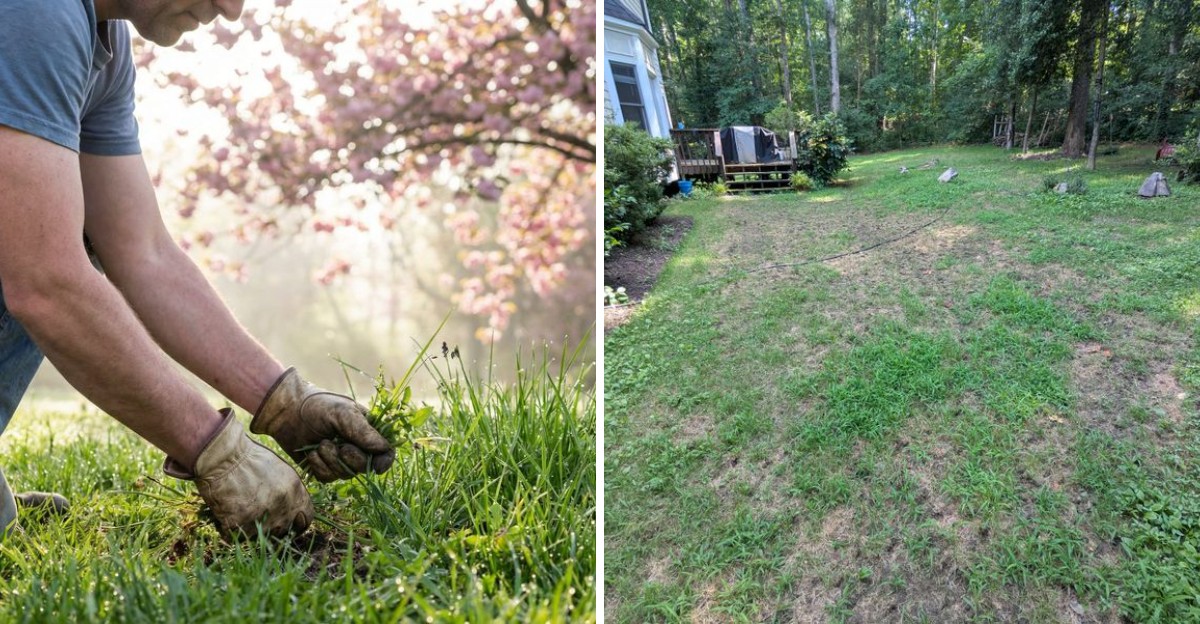
There is a moment in early fall when the air smells like crisp leaves and cut grass. Your Virginia lawn looks tired, a little patchy, and maybe a bit too friendly with uninvited green guests.
Most homeowners spend summer chasing the mower and dragging hoses. Fall is when smart yard care quietly pays off, and timing matters more than effort.
One simple bag on the garage shelf can do two jobs at once. Use it at the right moment and your grass thanks you next spring.
The trick is knowing the calendar, the weather, and your soil. Stick around, and your yard could become the envy of the block.
1. Know Your Grass Type Before Treating Your Lawn
Grass is a lot like people, and each kind has its own favorite season. Before you open any bag, figure out what is growing under your feet.
Most lawns in Virginia fall into two groups. Cool-season grasses like tall fescue and Kentucky bluegrass thrive in the northern and western parts of the state.
Warm-season grasses like Bermuda and zoysia are more common near the coast and in the south.
Why does this matter so much? Cool-season grass is waking up and growing hard in fall, so it loves a feeding.
Warm-season grass is slowing down and getting ready to go brown and rest for winter.
Feeding warm-season grass too late can push tender new growth that frost easily harms. That is the opposite of what you want before cold weather arrives.
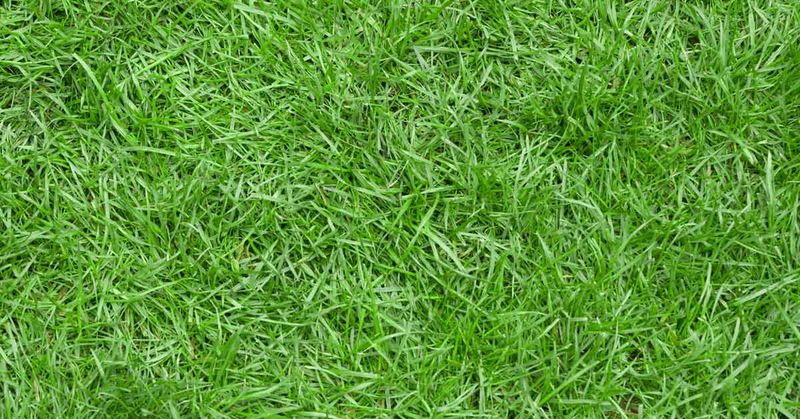
Not sure what you have? Pull a few blades and check their width and texture.
Tall fescue blades are wide with ridges, while Bermuda is fine and spreads with runners above the ground.
Your local Virginia Cooperative Extension office can also help you identify grass for free. Many offices will look at a sample if you bring one in a plastic bag.
Once you know your grass, every other choice gets easier. You will buy the right product, pick the right week, and save money on wasted fertilizer.
2. Target Early Fall For Cool-Season Grass
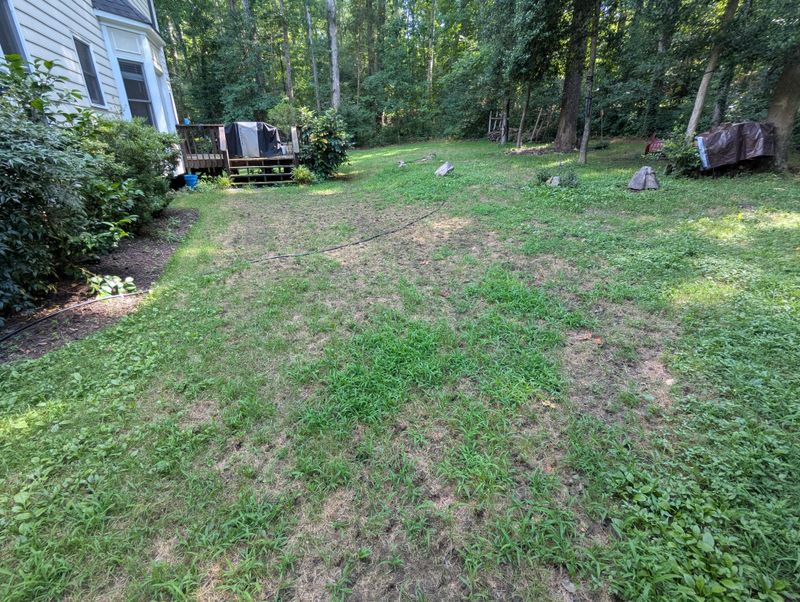
Ask any seasoned lawn pro, and they will grin when you mention September. For fescue lawns, early fall is the sweet spot for weed and feed.
In most of Virginia, aim for mid-September through mid-October. Daytime temperatures usually sit between 60 and 80 degrees, which is perfect for both grass and the weed control to work.
Broadleaf weeds like dandelions and clover are busy storing food in their roots during fall. When they pull nutrients down, they also pull the weed control right along with them.
That makes the product far more effective than a spring treatment.
Meanwhile, the fertilizer half of the bag feeds your grass roots. Strong roots mean a thicker lawn that crowds out weeds next year.
Here is a helpful tip from many gardeners. Mark your calendar around Labor Day and watch the ten-day forecast.
When a stretch of mild, dry weather shows up, that is your window.
Skip applying during a heat wave above 85 degrees. Hot weather can stress your grass and make the weed control less reliable.
Your Virginia Garden Changes Every Week. Your Plan Should Too.
Gardening in Virginia changes quickly throughout the season. Every Friday you’ll receive a simple weekly plan showing exactly what to plant, prune, fertilize, harvest, and protect so you never miss the right timing.
If you miss September, do not panic. Early to mid October still works well in most areas, especially in central parts of the state where warm days linger longer.
3. Go Easy On Warm-Season Grass In Coastal Parts
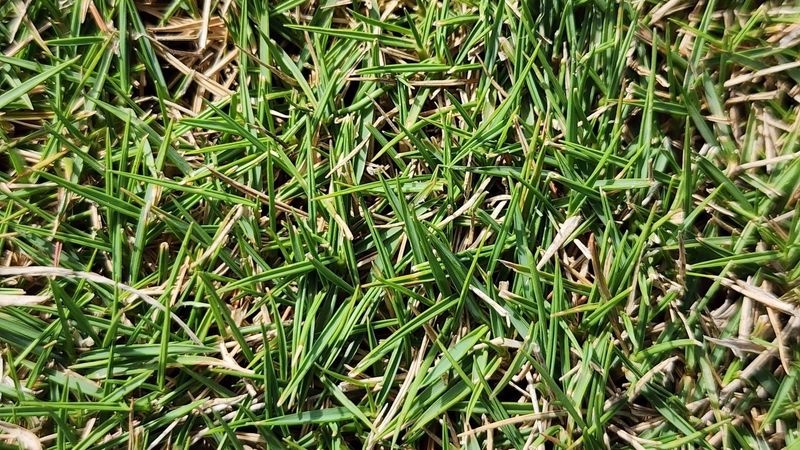
Bermuda grass has a sleepy personality once autumn rolls in. It wants rest, not a big meal.
Homeowners in Virginia Beach, Norfolk, and other coastal towns often grow Bermuda or zoysia, the two most common warm-season lawn grasses. Centipede and St. Augustine grass show up too, mostly in the eastern part of the state.
These lawns do most of their growing in the heat of summer.
Fall feeding depends on which grass you have. For Bermuda, Virginia Cooperative Extension supports an early fall nitrogen application, around one pound per 1,000 square feet in September, followed by smaller doses until frost, as long as the soil has enough potassium.
Heavy or late-season feeding is the bigger concern, since it can push soft growth right before cold weather.
Zoysia and centipede are lighter eaters. Extension recommends only one to two pounds of nitrogen per 1,000 square feet for the entire year, so a heavy fall feeding is usually not a good fit.
For zoysia, extra fall nitrogen can also raise the risk of large patch disease.
So what should you do instead? Many experts suggest a weed-only product in fall for these grasses, without the high-nitrogen feed.
Some folks use a winterizer that is higher in potassium, which helps grass handle cold stress.
If you have Bermuda and prefer a combined product, apply it no later than early September. That gives the grass time to use the nutrients before it slows down.
Bermuda grass is so tough that some golf courses overseed it with ryegrass each fall. That way, the course stays green while the Bermuda naps underneath.
Keep an eye on winter weeds like henbit and chickweed, which love coastal lawns. A targeted weed spray on a mild winter day, when temperatures reach 50 degrees or higher, can handle them without feeding grass that is resting.
4. Watch Soil Temperatures Across Virginia
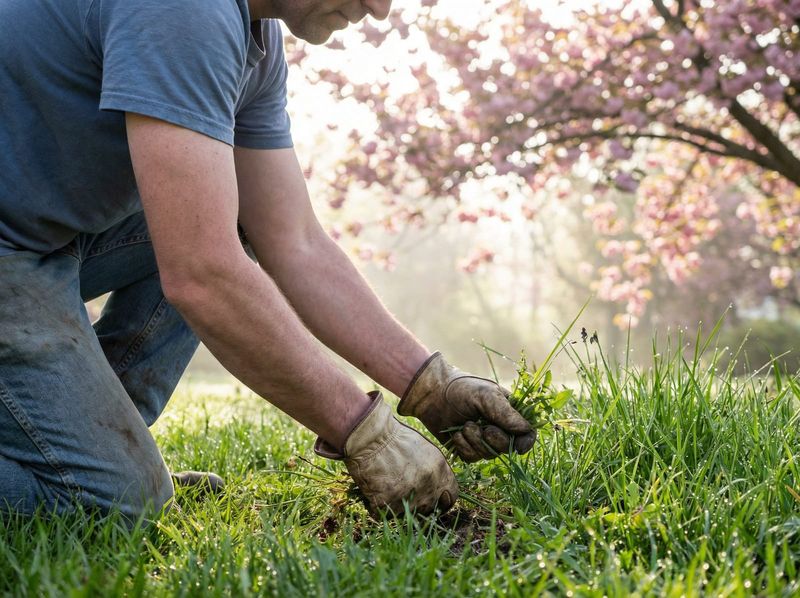
A ten-dollar soil thermometer might be the smartest lawn tool you ever buy. It tells you what the calendar cannot.
Weather changes a lot between the mountains and the shore. Roanoke may cool down weeks before Richmond, and Richmond may cool before the Eastern Shore.
For cool-season lawns, roots generally keep growing until the soil drops to around 40 degrees. That is why fall feeding can still pay off even after the grass blades slow down.
Weed control follows a different clock. Virginia Cooperative Extension says weeds need to be actively growing for weed control to work, and it recommends treating cool-season weeds when temperatures are at or above 50 degrees.
Checking is simple. Push the thermometer about four inches into the ground in the morning, then read it after a minute.
Test a few spots, since shady areas stay cooler than sunny ones.
You can also look up soil temperature maps online. Many universities and weather services post free updates by region.
Why bother with all this? If temperatures drop too low, weeds slow down and shrug off the treatment, and your product goes to waste.
Keep a little notebook or phone note with the dates and readings each year. After a couple of seasons, you will spot patterns for your own yard and take the guesswork out of fall lawn care.
5. Time It Around Rain And Dew

Morning dew is a gift for granular weed and feed. Those tiny water droplets help the product stick right where it needs to be.
Most granular weed and feed products work by clinging to weed leaves. That is why the bag usually says to apply on damp grass.
Early morning, after a light dew, is ideal in most parts of Virginia.
Rain is a different story. You want at least 24 to 48 hours of dry weather after applying.
A heavy downpour can wash the granules off the leaves before they do their job.
Fall often brings leftover tropical storms from the Gulf or Atlantic. Check the forecast carefully during hurricane season, which runs into November.
Try this simple routine. Mow two or three days before treating, so weeds have enough leaf surface.
Then apply on a dewy morning with a clear forecast ahead.
Hold off on mowing for a couple of days afterward too. Cutting too soon removes the treated leaves and wastes your effort.
Once the waiting period passes, the fertilizer part benefits from water. A gentle rain or light watering pushes the nutrients down into the soil where hungry roots can grab them.
6. Avoid Pairing It With New Seed
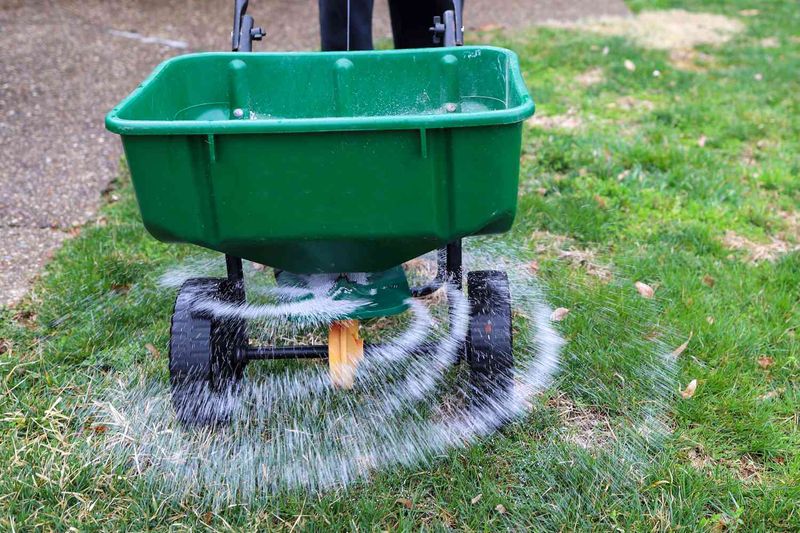
Here is a mistake plenty of eager homeowners make every fall. They overseed and spread weed and feed the same weekend.
Fall is also the best time to overseed cool-season lawns in Virginia. The trouble is that many weed and feed products can stop new grass seed from sprouting or harm young seedlings.
So you have to choose your priority. If your lawn is thin with bare spots, focus on seeding first.
Use a starter fertilizer instead, which is designed to help baby grass grow.
If weeds are the bigger problem, treat first and seed later. Waiting periods vary by product, so check the label for how long to wait before seeding.
Virginia Cooperative Extension also points homeowners to the label for timing weed control around seeding.
Already seeded? Then wait until the new grass has been mowed the number of times the label lists, often three or four, before using weed control.
A lawn seeded in early September may reach that point by mid to late October. If temperatures are still warm enough for weeds to be actively growing, a fall treatment may still work.
If not, plan for spring.
A simple plan works for many people. Seed in early to mid September, then handle stubborn weeds with a spot spray once the new grass is ready, either later in fall or in spring.
Patience pays off here. A thick, healthy lawn is one of the best weed blockers around, because weeds struggle to find room when grass fills in.
7. Follow Fertilizer Rules And Labels
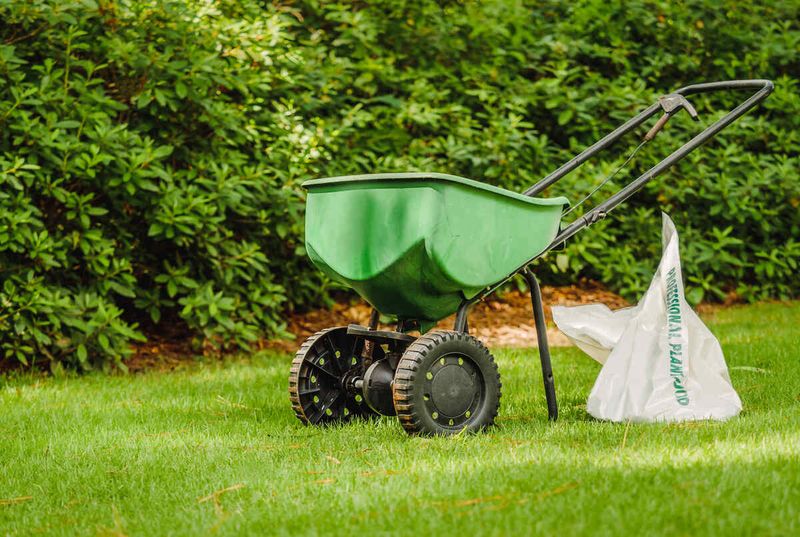
Few people realize their state has rules about lawn fertilizer. Virginia does, and they exist to protect the Chesapeake Bay.
Extra nitrogen and phosphorus from yards can wash into streams and rivers. From there, it travels to the Bay and feeds algae that harms fish and crabs.
Because of this, most lawn fertilizers sold in the state contain little or no phosphorus unless you are seeding or a soil test shows a need. Labels also include application limits you should follow.
Reading the label is not just a formality. It tells you how much to apply, which grasses are safe, and how long to keep kids and pets off the lawn.
Watch where you spread, too. Sweep any granules off driveways, sidewalks, and streets back onto the grass.
Those stray pellets often end up in storm drains.
A quick soil test is a smart investment. Virginia Tech offers affordable kits through local extension offices, and results show exactly what your soil needs.
Feeding by guesswork can waste money and harm water. Feeding by facts keeps your lawn healthy and helps protect the blue crabs everyone loves at summer cookouts.
8. Know The Last Safe Date
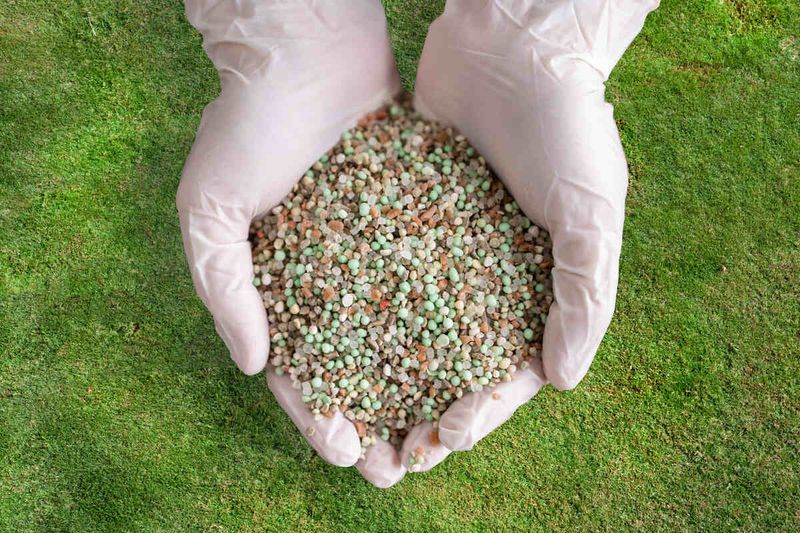
Frost on the windshield is nature saying the clock is ticking. Once it shows up, your weed and feed window starts closing fast.
For most of Virginia, mid to late October is a reasonable last target for a combined weed and feed. In the mountains, the practical cutoff often comes earlier, sometimes in early October.
Those dates are rules of thumb, not hard deadlines. What matters most is temperature.
Virginia Cooperative Extension says cool-season weeds respond best to treatment when temperatures are 50 degrees or higher and the weeds are actively growing.
Once cold weather settles in, weeds slow down and stop pulling the treatment into their roots. You end up spreading product that does very little.
Many lawn experts recommend a separate late fall feeding for cool-season grass. Extension’s fall fertilizing window runs through September, October, and November, and a light nitrogen application in November helps roots store energy for winter.
The grass often greens up faster in spring because of it.
Notice that this late feeding is fertilizer only. Skip the weed control at that point, since cold weeds will not respond well.
A handy rule of thumb goes like this. If the grass still needs mowing every week, you likely still have time.
Once growth slows to a crawl, switch to fertilizer only.
Do not apply anything on frozen or snow-covered ground. Nutrients can run off easily and end up in nearby creeks instead of your lawn.
9. Prep Your Yard For A Strong Spring
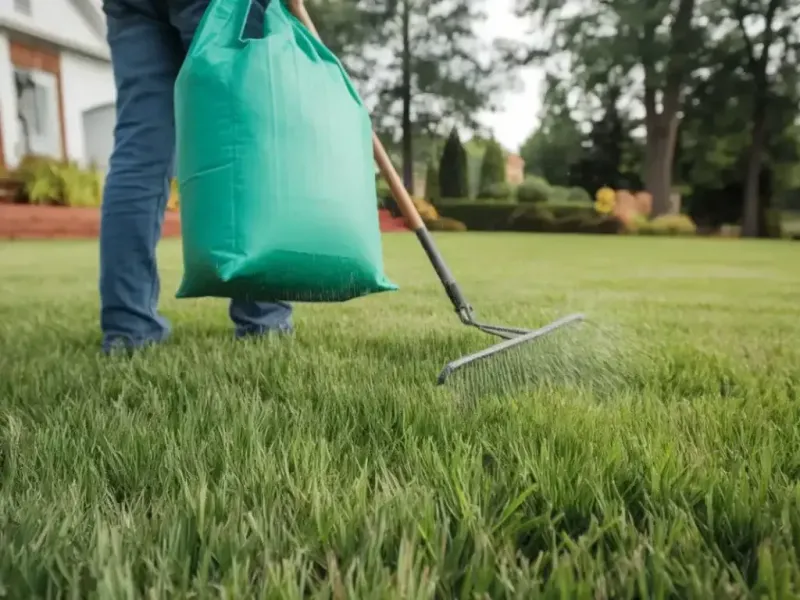
Spring lawns are made in the fall, and that is not just a catchy saying. What you do in October shows up in April.
After your weed and feed, keep mowing at the right height. Virginia Cooperative Extension guidance varies by publication, so about three inches is a safe target for most cool-season lawns, with a little taller during summer heat.
Taller grass shades the soil and can help keep weed seeds from sprouting.
Rake or mulch fallen leaves often. A thick blanket of wet leaves can smother grass and invite mold over the winter months.
Consider core aeration if your soil feels hard. Clay soil is common across the Piedmont, and pulling small plugs lets air, water, and nutrients reach roots.
Many people aerate in early fall before treating.
Clean and store your spreader properly, too. Rinse it, let it dry, and keep it somewhere dry so it is ready next season.
Jot down what worked this year. Write the product, the date, the weather, and how the lawn responded a few weeks later.
By spring, you may see fewer dandelions, thicker turf, and earlier green-up. That fresh carpet of grass under bare feet makes every bit of fall planning feel worth it.