Big Sacaton and Arizona’s Floodplain Grasslands: What Local Restoration Can and Can’t Tell Us
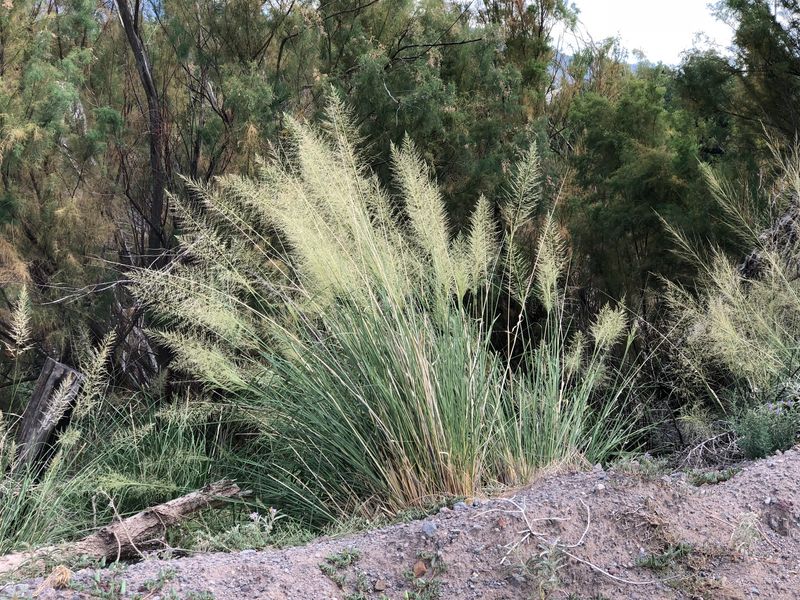
Walk along an Arizona creek bottom and you might spot a tall, bunching grass that looks almost like a small fountain of green. That grass may be big sacaton, a native tied to floodplains and places where water gathers.
Stories about grasses coming back are hopeful, but they can blur what is known and what is only being tried. Here is a clear look at what local restoration can tell us, and what it cannot, before you decide what to plant.
Arizona grasslands were never one continuous sacaton carpet
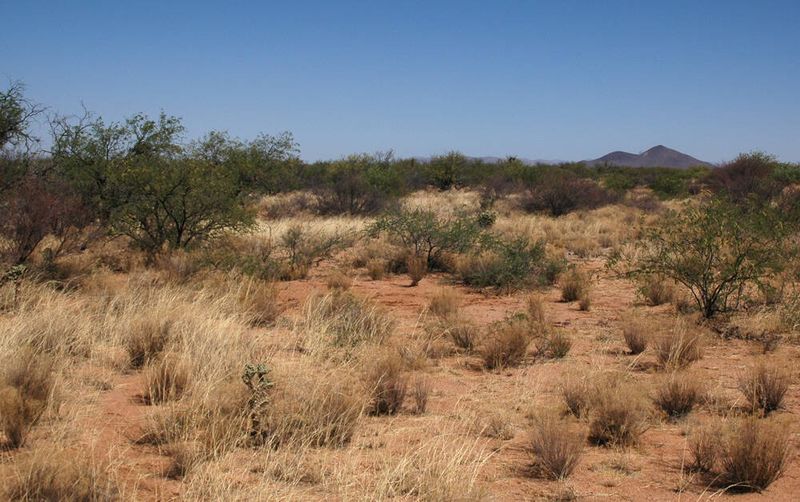
Arizona has several kinds of grassland, each with its own mix of grasses, shrubs, soils, and elevation. Arizona’s wildlife strategy describes these grasslands as varied communities rather than a single uniform habitat.
That variety means no single grass tells the whole story. Black grama, for example, is a historically important grass of southeastern Arizona desert grasslands, and its range and history are not the same as big sacaton’s.
Black grama is covered in a federal species review.
Big sacaton makes a useful lens because it points to one specific setting: floodplains and stream corridors. Treat it as one chapter in a larger grassland story, not the grass that covered the state.
Big sacaton belongs to a narrower landscape
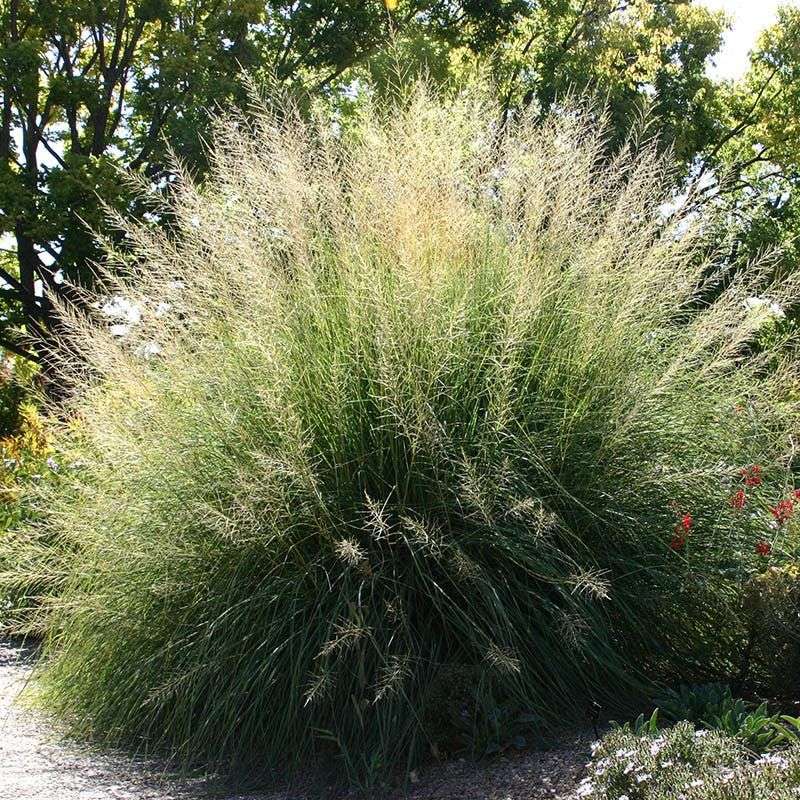
Big sacaton is a native perennial that grows in big, dense clumps. The U.S.
Forest Service describes plants typically 3 to 6 feet tall, with clumps reaching about 3 feet across.
Its home turf is floodplains and other low spots where water collects or stays within reach of the roots. Extension plant information fits that picture.
That habitat profile matters for your yard. A grass that thrives where runoff pools is not automatically a match for a dry, rocky Phoenix or Tucson lot, so treat it as a plant for particular spots rather than a universal lawn replacement.
Changed habitat helps explain grassland decline
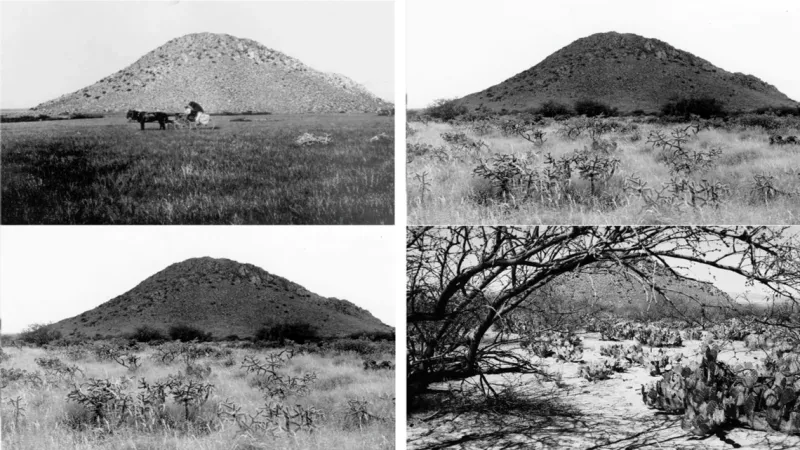
Many Arizona grasslands have changed. Shrubs have moved in, nonnative grasses have spread, and grazing pressure and drought have taken a toll on native grass cover.
Arizona’s wildlife strategy estimates that about 34 percent of former grasslands are shrub-invaded but potentially restorable. That is a state-level estimate for grasslands overall, not a measure of how much big sacaton has been lost.
Other areas have crossed further, becoming true shrubland or filling with exotic grasses. Conservation groups such as Arizona Conservation Science track these shifts across southwestern grasslands.
So the story is less about one lost grass and more about habitats that have been reshaped in different ways.
Local native-grass recovery does not prove a sacaton comeback
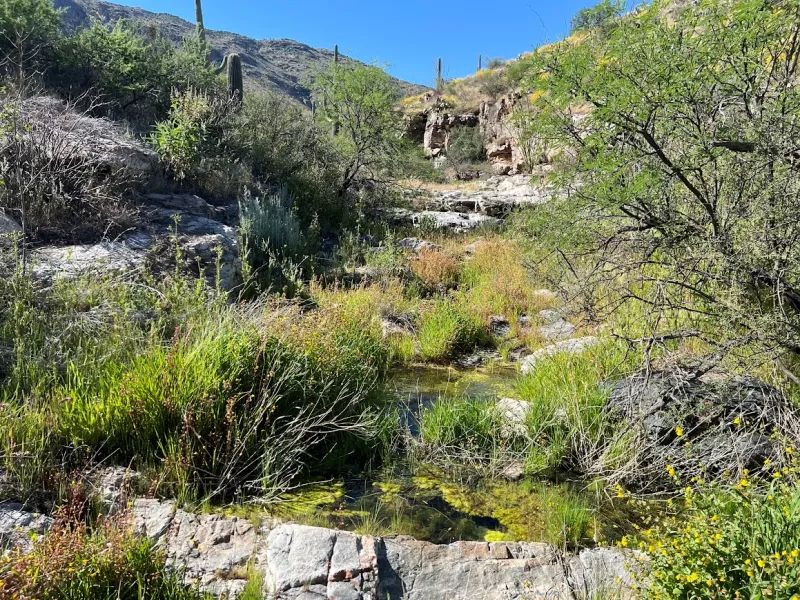
Some good news is real, but it is local. Saguaro National Park reports native grasses returning where invasive fountain grass was removed.
The park does not name big sacaton as one of them.
Along Sonoita Creek, a restoration plan lists sacaton planting as a possible way to restore degraded floodplain patches. It also notes that earlier efforts gave variable results.
Your Arizona Garden Changes Every Week. Your Plan Should Too.
Gardening in Arizona changes quickly throughout the season. Every Friday you’ll receive a simple weekly plan showing exactly what to plant, prune, fertilize, harvest, and protect so you never miss the right timing.
Put together, these examples do not add up to a confirmed, statewide sacaton recovery. Outcomes depend on water, climate, landscape position, and starting conditions, as USDA range researchers explain.
Is big sacaton a fit for your yard?
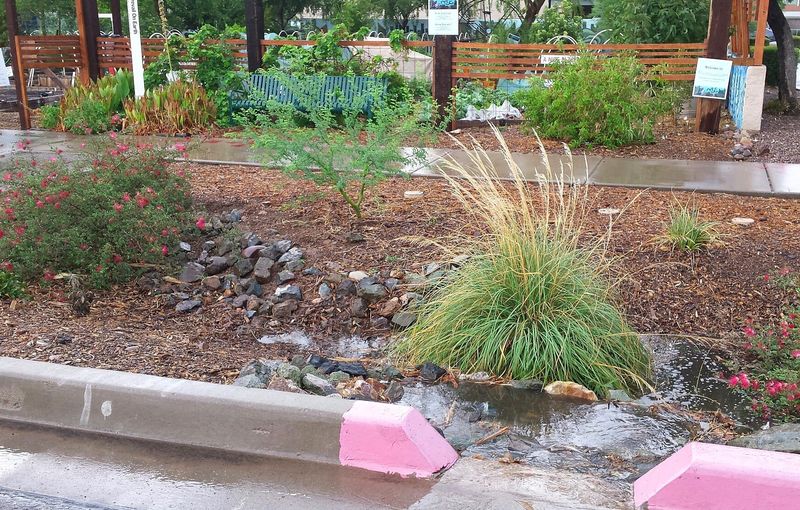
Start with space. A clump that can reach 3 to 6 feet tall and about 3 feet wide needs room, so a narrow bed beside a walkway is a poor candidate.
Next, look at water. Spots where runoff collects, such as the low end of a swale or a basin that catches roof drainage, resemble the floodplain settings where the grass naturally grows.
A high, dry, rocky slope is a different story. Check species details with your local Extension office before buying.
Dense clumps can offer cover that birds and small animals use, according to the federal review. Treat that as possible habitat value, not a promise of visitors.
Fall is not the automatic planting window
Planting calendars depend on the grass type and the method. University of Arizona guidance says warm-season grasses are generally seeded when soils are warm, with monsoon rain helping them get going.
Fall is the preferred season mainly for cool-season grasses. Extension’s grass guide also advises setting out transplants while plants are actively growing, with extra irrigation as they settle in.
Big sacaton is a warm-season grass, so a fall seeding is not a safe default. Ask local nurseries or your county Extension office what timing fits your species, your method, and your site.
Establishment and dry-fuel care still matter
Seed can be a gamble. The Forest Service review reports low germination and establishment for big sacaton seed under high desert temperatures.
For a small planting, plugs may avoid some seed loss or washout. Ask for site-specific advice, and plan supplemental water while plants establish, as the Extension establishment guide recommends.
Then think about fire. Dry grasses ignite readily and can carry flames, so fire-resistant landscaping guidance suggests keeping grasses short in inner defensible-space zones and managing dry fuels near structures.
A tall clump belongs well away from walls, sheds, and wood piles.
Match restoration—and planting—to its place
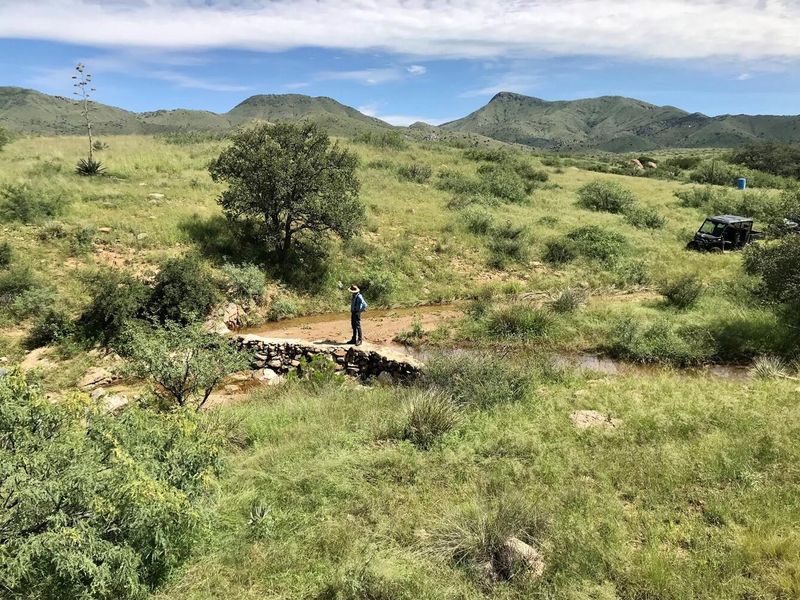
Arizona’s grasslands are many places, not one. Local recovery of native grasses is encouraging, yet it is not proof of a big sacaton comeback.
Before planting, ask whether your spot has the room and the water pattern this grass expects. A good match beats a good story.