8 Things To Consider Before Removing Opossums From New York Yards
Why does the gray stranger on your porch topple over? That reaction is involuntary, and you cannot fake it.
Opossums are the only marsupials north of Mexico, and you share their city. You may gain a night crew that eats ticks.
Rabies is rare in these animals, yet other germs can still spread. Handle them wrong, though, and you risk a bite or a legal headache.
New York law limits who can trap and relocate wildlife, so you need the rules. Season matters because you may meet a mother carrying babies on her back.
Your garden shifts the plan as well, since you decide what draws visitors. Pet food, spilled seed, and open compost invite them to dine at your door.
Smart choices in New York start with knowing what you actually face. Respect that tiny dragon, and you win.
1. Check The State Laws Before You Act
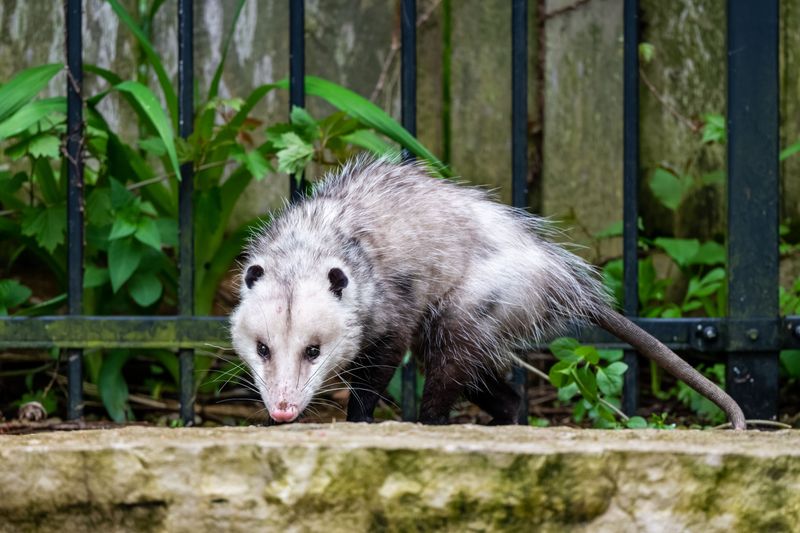
Picture a neighbor in Albany who trapped a backyard visitor and drove it to a park. He meant well, yet he broke state rules without knowing it.
New York treats opossums as furbearing wildlife, managed by the Department of Environmental Conservation. That agency, called the DEC, sets clear rules on handling them.
Homeowners may be allowed to deal with nuisance animals on their own property, but limits apply, so confirm current DEC rules first. Even when it is allowed, trapping yourself is rarely the best choice.
Moving a wild animal to another spot often requires permission or a license. Many people assume a quick drive to the woods is kind and harmless. In reality, DEC rules may require released animals to stay close to where they were caught, so check the current rules.
Rules can also change, so checking the current DEC website is a smart first move. A short phone call to your regional office can clear up confusing details.
Towns and cities may add their own local rules on top of state law. New York City, for example, has extra guidelines about wildlife in its parks and neighborhoods.
Breaking these rules can bring fines, and nobody wants that surprise in the mail. Even worse, stressed animals can be hurt when handled by untrained hands.
Think of the law as your road map before any action begins. A few minutes of reading now can save you real trouble later.
Write down any advice you receive, including the date and the name of the person. That simple record helps if questions come up with neighbors or local officials.
2. Learn Why They Help Your Yard
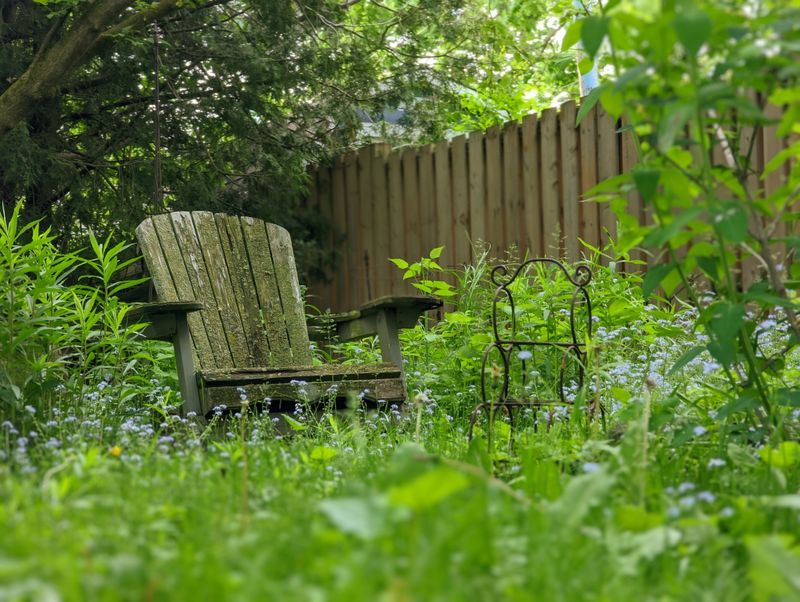
Meet the night-shift cleanup crew you did not even hire. Opossums roam yards after dark, eating things most of us would rather not touch.
They munch on slugs, snails, beetles, and fallen fruit that attracts flies. Some gardeners in places like Westchester report fewer garden pests when one visits regularly.
Ticks are another item on the menu, though scientists still debate how many they eat. Either way, they groom themselves often and pick off many unwanted hitchhikers.
Your New York Garden Changes Every Week. Your Plan Should Too.
Gardening in New York changes quickly throughout the season. Every Friday you’ll receive a simple weekly plan showing exactly what to plant, prune, fertilize, harvest, and protect so you never miss the right timing.
Rabies is less common in opossums than in many other mammals. Their low body temperature may make it harder for the virus to survive inside them.
They also eat mice, rats, and even small snakes when the chance appears. That may help a little for anyone tired of rodents near the shed.
Opossums are the only marsupial north of Mexico, a cousin of kangaroos in a very loose way. Mothers carry babies in a pouch, just like their famous Australian relatives.
Unlike raccoons, they are less likely to dig up lawns or tear into attics. Most simply pass through, staying a few nights before moving to another spot.
Before calling for removal, ask whether your visitor is truly causing harm. Sometimes the best plan is simply letting a quiet janitor finish its rounds.
A wandering animal crossing your lawn is not an emergency or a sign of trouble. Watching from a window can actually become a pretty entertaining evening hobby.
Kids especially love spotting that pointy face and long, bare tail under the porch light. It turns an ordinary night into a small backyard nature show.
3. Spot The Signs Of A Mother With Babies
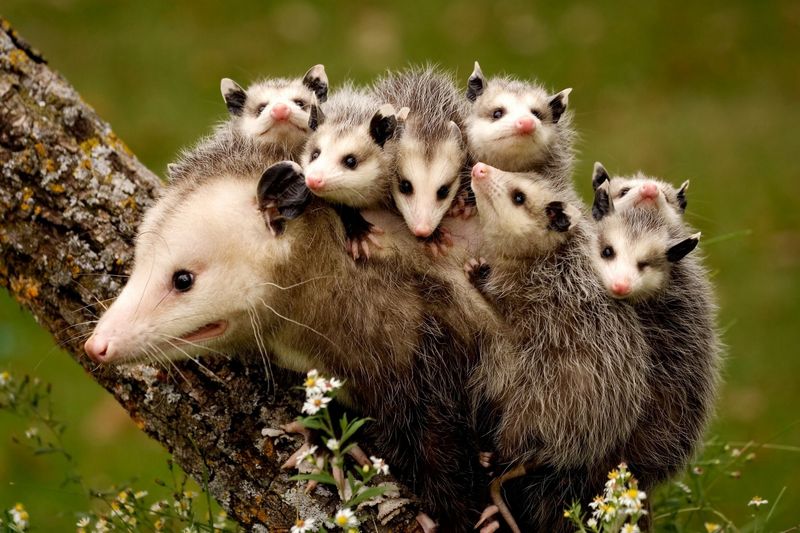
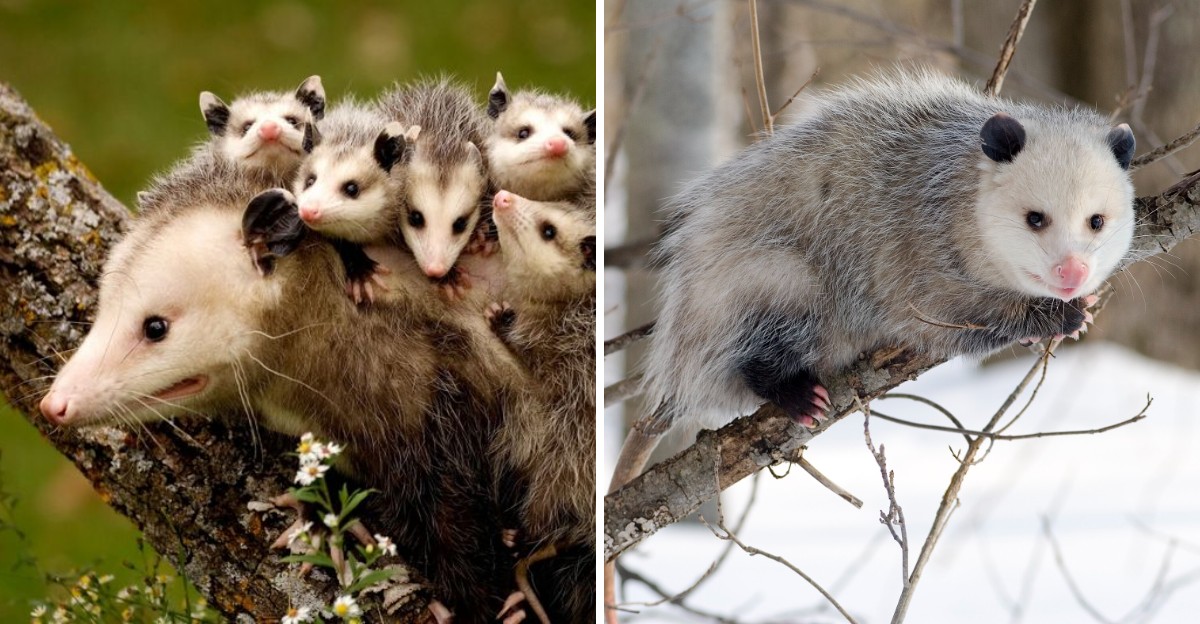
Did you know a mother opossum can carry about a dozen babies at once, though litters often end up smaller? Some ride in her pouch, while older ones cling tightly to her back.
Breeding season in New York usually runs from late winter through summer. By October, many young have left home, but late litters still show up sometimes.
Removing a mother can leave hidden babies alone and helpless. Young ones cannot find food or stay warm without her for very long.
Watch for an adult moving slowly with tiny shapes riding on her fur. You might also hear soft sneezing or clicking sounds coming from under a deck.
Babies that fall off their mother sometimes wander yards by themselves. If one is longer than about seven inches, not counting the tail, it can usually live independently.
Smaller babies need help from a licensed wildlife rehabilitator right away. The DEC website lists rehabbers by county, so finding one nearby is fairly easy.
Please avoid feeding found babies milk from your fridge. Cow’s milk can make them ill, and their bellies cannot handle it well.
Patience is often the kindest tool in this situation. Waiting a few weeks lets the family grow up and leave on their own schedule.
Gloves matter too if you must move a baby a short distance. Wild animals can carry germs, even when they look small and sweet.
Keep pets indoors while a mother and her little ones are nearby. Curious dogs and cats can cause stress, injuries, or a scattered and frightened family.
4. Think About The October Timing
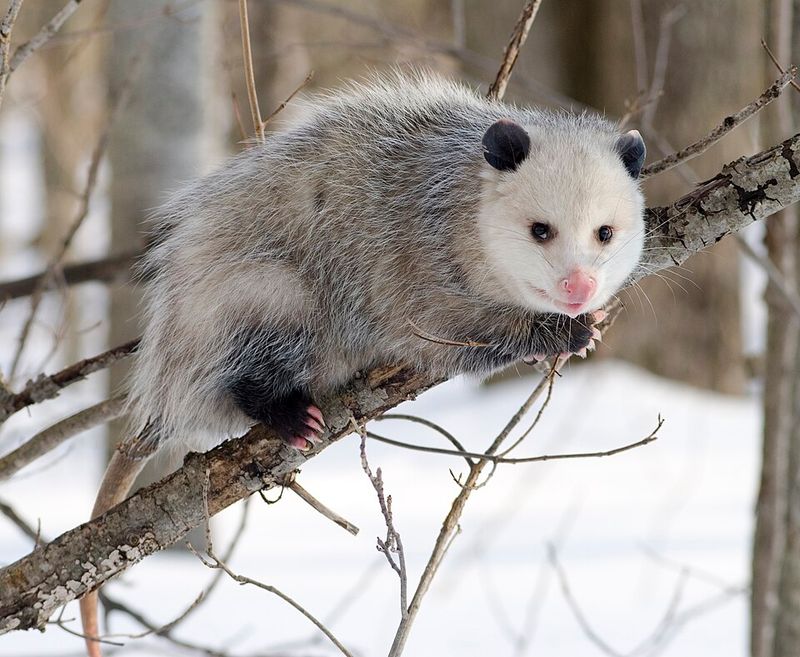
Crunchy leaves, pumpkin spice, and chilly nights make October feel cozy for people. For opossums, though, fall means a scramble for food and safe shelter.
Opossums do not hibernate, so they stay active through cold New York winters. They search for warm dens under sheds, decks, and woodpiles as temperatures drop.
Their thin ears and bare tails are prone to frostbite. You may notice older animals with ragged ear tips, a sign of past winters.
Removing one from a cozy den in late fall can be hard on it. Finding new shelter becomes harder once the first frosts arrive upstate.
Early fall is actually a decent window for gentle exclusion, if you plan carefully. Most young have left their mothers by now, so trapped families are less likely.
Aim to act on mild days rather than during a sudden cold snap. A warmer afternoon gives the animal a fair chance to find another hideout.
Fall is also when yards fill with fallen apples, birdseed, and leftover garden veggies. Cleaning those up now reduces the reasons an animal wants to stay.
Mark your calendar for small tasks across the month. Rake one weekend, check the shed the next, and seal openings before Thanksgiving rolls around.
Timing will not solve every problem, but it shapes how smoothly things go. A little seasonal thinking makes the whole process kinder and much less stressful.
Long Island and New York City often stay milder than the Adirondacks or Buffalo. Adjust your plans to match your own local weather, not a statewide guess.
5. Remove The Snacks That Draw Them In

If your yard were a restaurant, what would the menu say tonight? Open trash cans, pet bowls, and fallen fruit might earn it five stars from wildlife.
Opossums are not particularly picky eaters. They will happily snack on cat food, compost scraps, and the birdseed spilling below your feeder.
Start with garbage, since it is a major attraction in many neighborhoods. Use cans with tight locking lids, and follow your local set-out times.
Bring pet food bowls indoors before sunset each evening. Even a few leftover kibbles can invite a hungry visitor back night after night.
Bird feeders create a messy buffet on the ground below. Try trays that catch seed, or take feeders down for a few weeks.
Compost piles should be enclosed, with no meat, dairy, or greasy leftovers inside. A sturdy bin with a lid keeps the smell from drifting across the yard.
Fruit trees deserve attention this time of year in the Hudson Valley and beyond. Pick up dropped apples and pears every day or two.
Grills can tempt curious noses too, thanks to drippings left behind after cookouts. Scrape and cover your grill after each use to keep that tasty scent down.
Water sources count as well, especially during dry spells. Fix leaky hoses and empty buckets so the yard feels less like a resort.
Once the free food disappears, many animals simply move along without any drama. Removal may not be needed after consistent cleanup.
6. Seal The Spots Where They Shelter
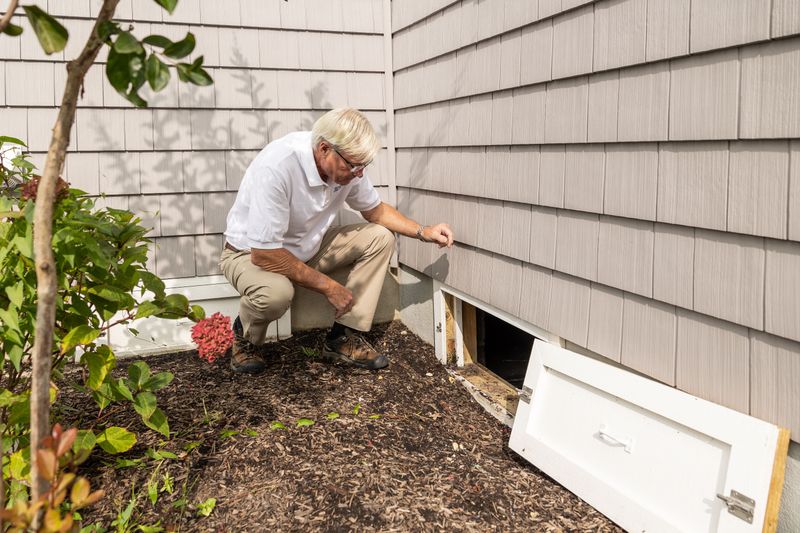
Opossums are like house hunters with very low standards. A gap under the porch looks like a luxury apartment to them.
They seldom dig their own dens, preferring spaces someone else already made. Decks, sheds, crawl spaces, and woodpiles top their wish list.
Walk your yard in daylight and look for any opening wider than a couple of inches. Check for flattened grass, tracks, or bits of fur near those gaps.
Before sealing anything, make sure nobody is home inside. Sprinkle flour near the entrance at night and look for footprints the next morning.
Another trick is stuffing loose newspaper into the hole. If it stays untouched for two or three nights, the space is probably empty.
Galvanized hardware cloth works well for blocking openings under decks and sheds. Bury it about eight to twelve inches deep, bent outward in an L shape.
That L-shaped skirt stops animals from digging underneath your new barrier. It sounds fancy, but most handy homeowners can finish it in an afternoon.
Stack firewood off the ground and away from the house. Trim thick shrubs near foundations so hiding spots become harder to find.
One-way doors are another option for animals already living under a structure. They let the animal leave but block its return, so confirm no babies are inside first.
Sealing spaces can prevent repeat visits, not just tonight. A home with no vacancies simply sends wandering guests down the street.
Inspect your repairs again after big storms or heavy snow. Shifting soil and fallen branches can open fresh gaps you did not notice before.
7. Skip The DIY Trapping And Relocating
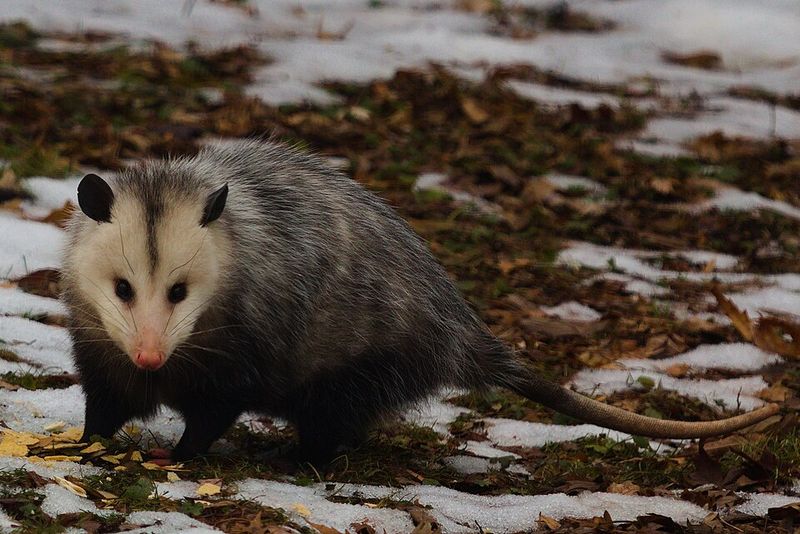
Grabbing a trap from the hardware store feels like a quick fix. It can create more problems than it solves.
Wildlife experts say relocated animals often have difficulty in unfamiliar territory. They do not know where food, water, or safe dens are located.
Some are hit by cars or driven off by animals already living there. Moving one far away is not the gentle rescue it seems.
New York rules may also restrict where trapped animals can be released, so check with the DEC first. Without the right permission, a well-meaning homeowner could face a fine.
Traps catch more than the target too. Neighborhood cats, skunks, and even raccoons might wander inside before your intended guest does.
Opossums can also look intimidating when cornered, hissing and showing all fifty teeth. That is more teeth than any other North American land mammal, which surprises many people.
Despite the show, they prefer bluffing over fighting. Some even flop over and play possum, drooling and giving off a strong odor.
A frightened animal in a cage can still bite or scratch during handling. Bites need medical attention, and that trip can cost more than prevention.
Instead of trapping, focus on removing food and sealing shelter spots first. Those steps convince many visitors to leave on their own terms.
Bright lights or a radio near a den can sometimes nudge an animal out, once you confirm no babies are inside. Try these harmless tricks for a few nights before considering anything stronger.
If trapping truly seems necessary, hand the job to someone trained and licensed. Your hands, your pets, and your wallet will thank you later.
8. Call A Licensed Wildlife Pro For Help
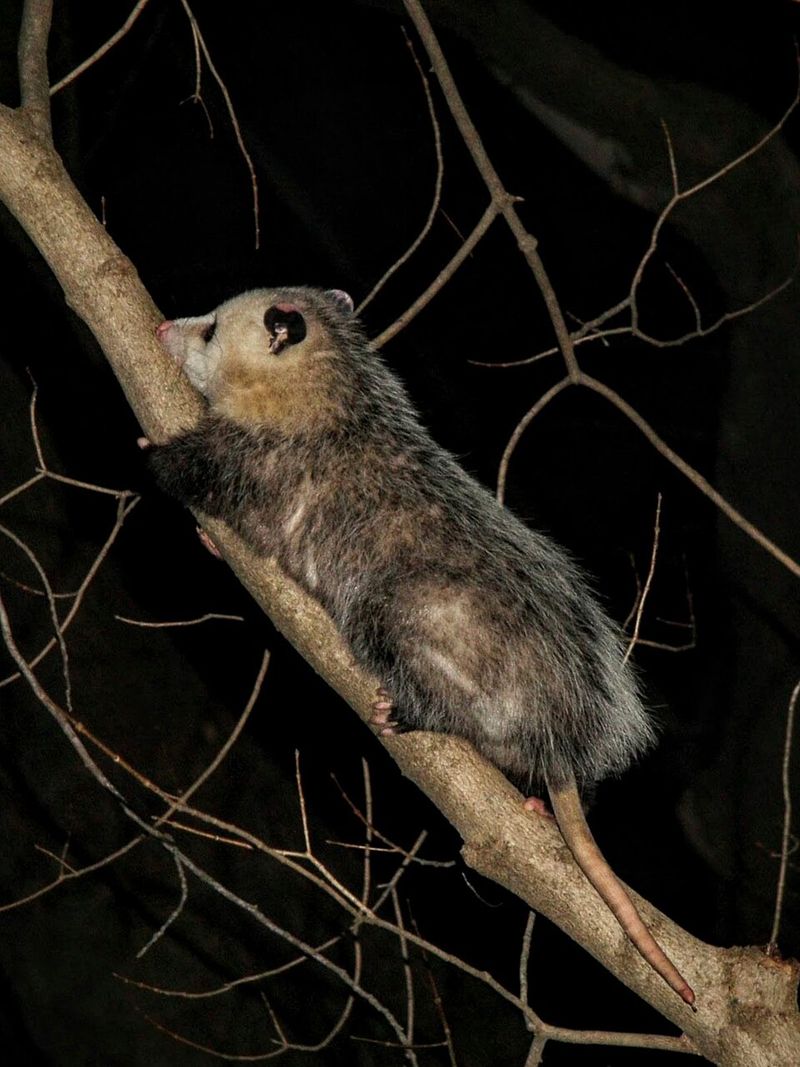
Sometimes the smartest move is admitting the job needs a pro. A licensed expert turns a stressful mess into a calm, safe solution.
In New York, these experts are called Nuisance Wildlife Control Operators, or NWCOs. The DEC licenses them and expects them to follow handling rules, so confirm current requirements on its website.
Call one if an animal is inside your home, attic, or walls. Professional help also makes sense when an animal seems sick, injured, or unusually aggressive.
A good operator inspects your property and explains what they find. They should offer humane options, like exclusion and one-way doors, before anything else.
Ask questions before you hire anyone for the job. Request their DEC license number, check reviews, and get a written price estimate.
Prices vary across the state, from Rochester to Brooklyn, so compare written estimates. Full exclusion work usually costs more than a simple inspection.
Be cautious of companies promising instant results or very cheap deals. Quality work takes time, especially when sealing a home properly.
For injured or orphaned animals, a wildlife rehabilitator is the better call. Rehabbers care for animals and return them to the wild when ready.
Keep your local contacts saved in your phone before trouble starts. That way, you will not panic when a surprise visitor appears one night.
Hiring help is not giving up on doing things yourself. It is simply choosing the safest path for your family and your furry neighbor.
Many operators also give tips on preventing future visits after the work ends. Treat that advice like a free bonus lesson for your whole household.