The Fall-Color Tree North Texans Are Planting Before The First Freeze
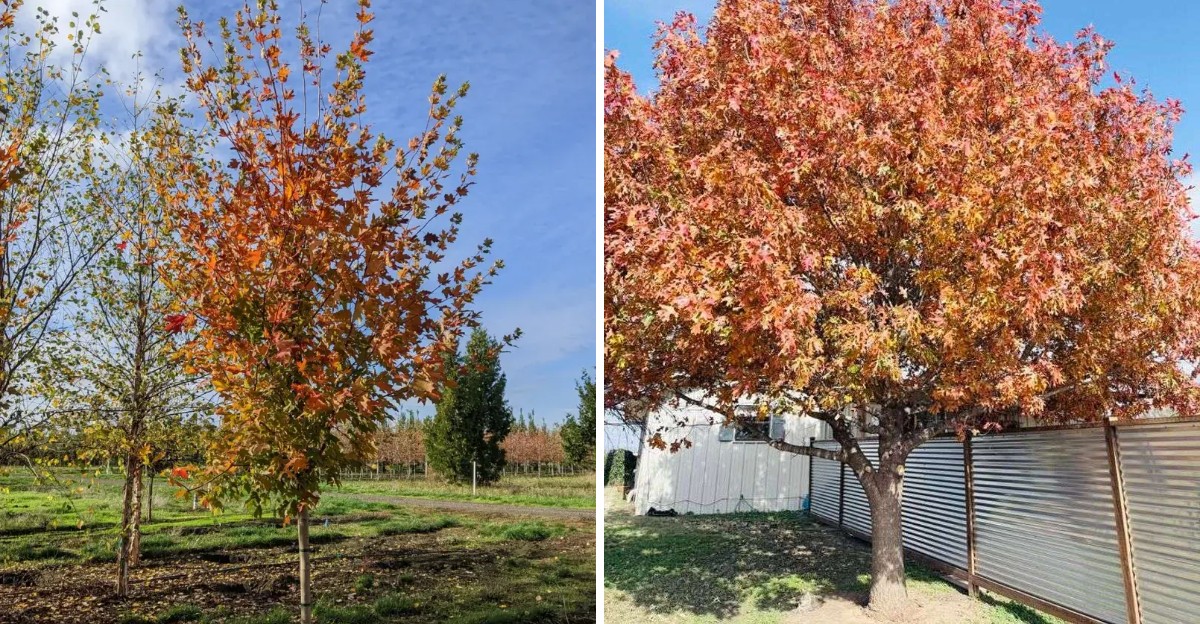
Walk into almost any North Texas nursery this month, and you’ll likely hear about one tree in particular. Gardeners are snapping it up, hoping to get it in the ground before the first freeze.
The reason is simple. This tree delivers the kind of fall color most Texans assume only grows up north.
It’s a special strain that grows wild in rocky canyons just north of the Red River. It looks like its northern cousins, but it evolved in a much tougher climate.
Its thick, leathery leaves resist summer scorch, and it handles dry spells and alkaline soil far better than you’d expect. Come autumn, it puts on a stunning show of gold, orange, and red.
Planting it now gives roots time to settle in before next summer. In a few years, your yard could be the one people stop to admire.
A Sugar Maple Built For Tough Conditions
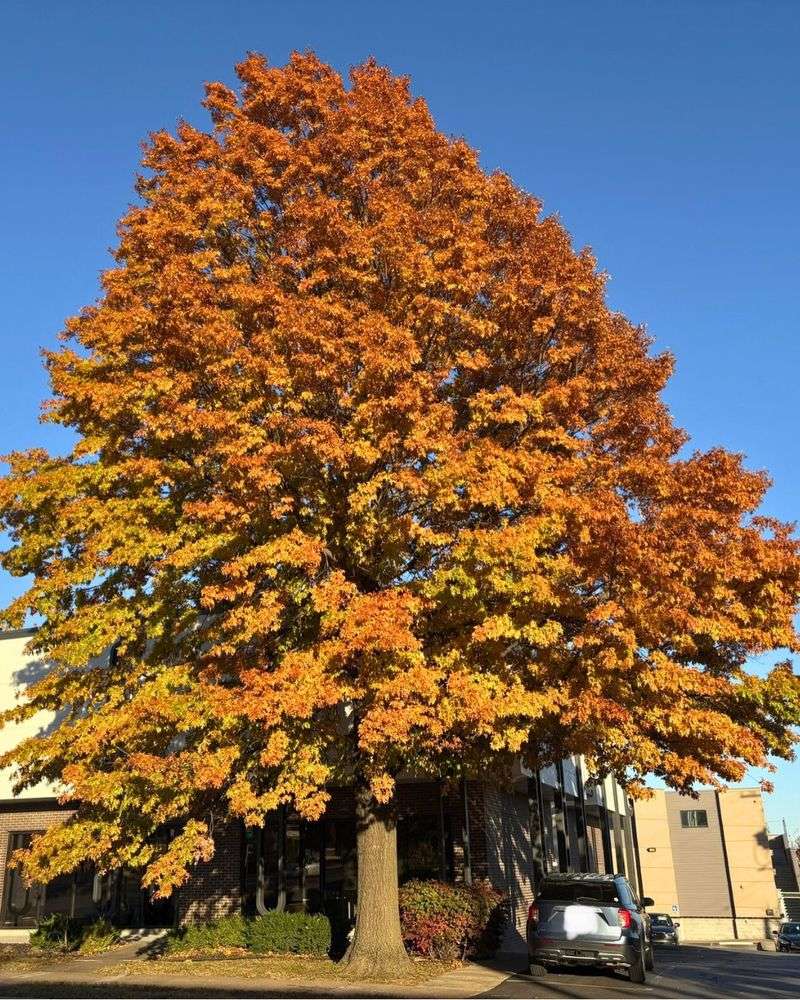
Deep in the canyons of Caddo County, Oklahoma, a hidden group of sugar maples has been quietly beating the odds for thousands of years.
Most sugar maples love cool, wet places like Vermont or Michigan. These rugged trees chose a very different home.
The canyons where they grow get hot and dry in summer. Rocky soil, strong winds, and long stretches without rain are all part of life there.
Over many generations, the trees adapted to these harsh conditions and became tougher than their northern cousins.
Plant experts noticed these special maples and started growing them for home gardens. They named the trees Caddo maples after the county where they were found.
Botanists often list them as Acer saccharum, the same species as the classic sugar maple, but with a hardy local twist.
Why does that matter to you? A regular sugar maple planted in a Plano or Denton yard often looks miserable by August.
Its leaves can turn crispy, and the tree may slowly decline. A Caddo maple, on the other hand, comes from a place with weather a lot like ours.
Think of it like picking a pet. You would not choose a husky for a hot apartment with no air conditioning. In the same way, it makes sense to pick a tree that already knows how to handle the climate you live in.
Fun fact: Some of the wild Caddo maple groves are believed to be leftovers from a cooler time long ago.
When the climate warmed, these trees stayed tucked in shady canyons and learned to survive. When shopping, look for trees labeled Caddo or grown from Caddo seed, since that origin is what gives them their toughness.
Brilliant Leaves That Light Up Late Autumn
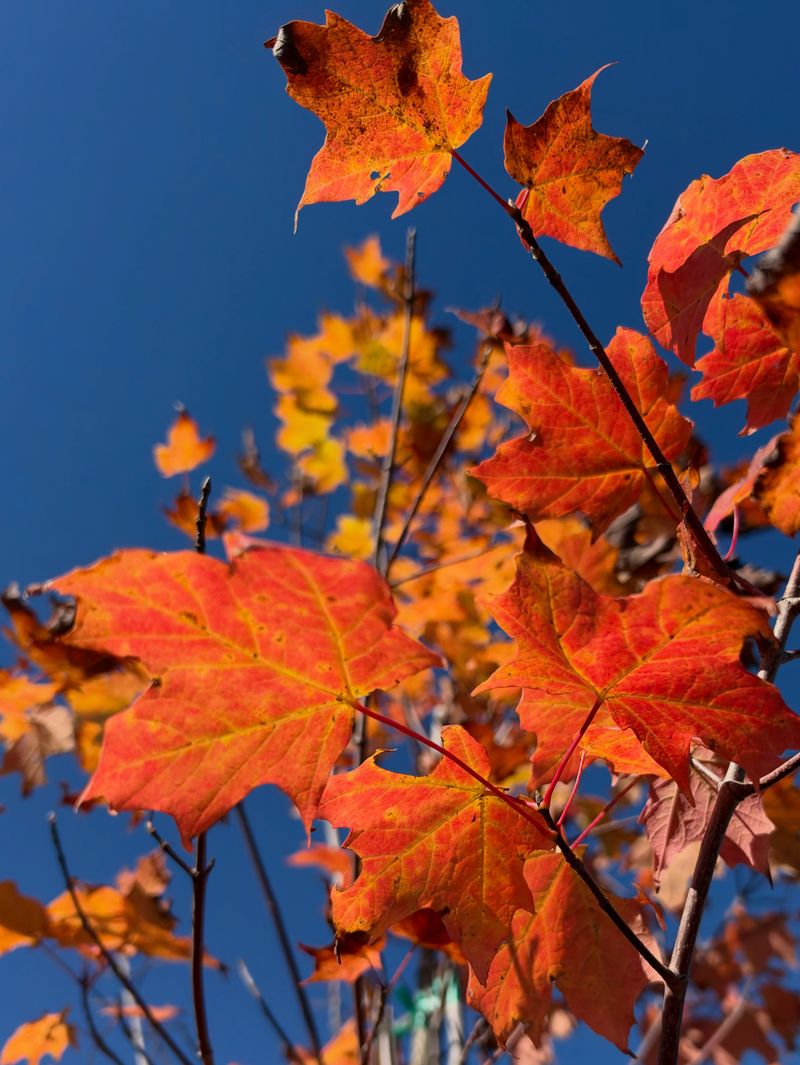
November in North Texas usually looks a bit dull. Live oaks stay green, cedar elms turn a plain yellow, and many trees just go brown. Then a Caddo maple bursts into color and suddenly the whole street looks brighter.
The leaves change slowly in autumn. First, a few edges turn golden yellow. Next comes warm orange, and on many trees a rich red shows up near the top. One tree can wear all three colors at the same time, like a giant bouquet.
Your Texas Garden Changes Every Week. Your Plan Should Too.
Gardening in Texas changes quickly throughout the season. Every Friday you’ll receive a simple weekly plan showing exactly what to plant, prune, fertilize, harvest, and protect so you never miss the right timing.
Timing is part of the magic. Caddo maples often peak in late fall, sometimes into early December. By then, most other trees in the neighborhood have already lost their leaves, so your maple gets the spotlight all to itself.
Color can change a bit from year to year. A dry summer or a very warm fall may make the show shorter or less bright. Cool nights and sunny days usually bring out the best reds and oranges.
Want the strongest display? Give the tree plenty of sun, since leaves in full light tend to color up more. Also, avoid heavy doses of fertilizer in late summer, because it can push green growth instead of fall color.
Here is something neat to share with your kids. Leaves already hold yellow and orange colors all summer long. Green chlorophyll just covers them up. When days get shorter, the green fades away and the hidden colors finally appear.
The red comes from new pigments the tree makes in fall. So every autumn, your Caddo maple is basically pulling off a little science magic trick right in your front yard.
Tough Enough For Scorching Texas Summers
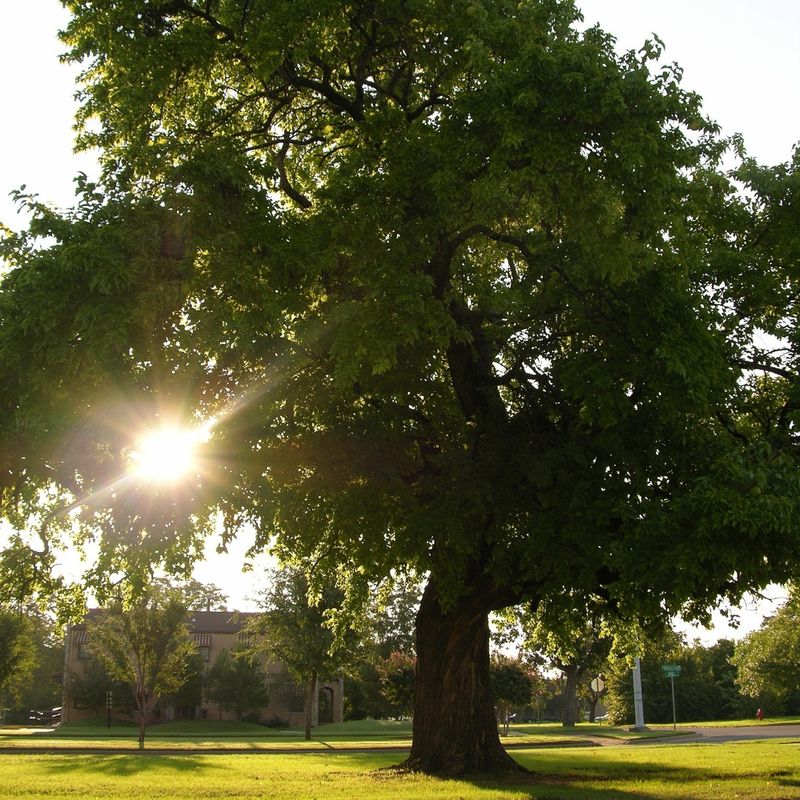
Let’s be honest. A North Texas summer can feel like living inside an oven, with weeks of triple-digit heat and hardly any rain. Many trees just try to hang on until fall.
Caddo maples handle the heat better for a few clever reasons. Their leaves are thicker and a bit leathery compared to a regular sugar maple.
That tougher surface helps them hold moisture and resist leaf scorch, which is when leaf edges turn brown and crispy.
Drought is another big test. Once a Caddo maple has settled in for a few years, it can handle dry spells quite well.
Its roots reach deeper into the ground to find water. Young trees still need your help, but older ones are surprisingly self-reliant.
Soil is a common problem around here too. Much of North Texas has alkaline soil, which often sits on top of limestone or heavy clay.
Lots of maples turn yellow and weak in this kind of dirt. Caddo maples grow naturally on rocky ground, so they deal with alkaline soil much better.
Still, no tree is completely heat-proof. During a long summer without rain, give even an older tree a deep soak every couple of weeks. A slow trickle from a hose for an hour or so works great.
Watch for signs of stress, like drooping leaves in the morning or brown edges spreading inward. Those are hints your tree wants a drink.
Afternoon wilting on a brutal day can be normal, though. If the leaves perk up by evening, your maple is simply taking a little nap from the heat.
Why Fall Beats Spring For Planting
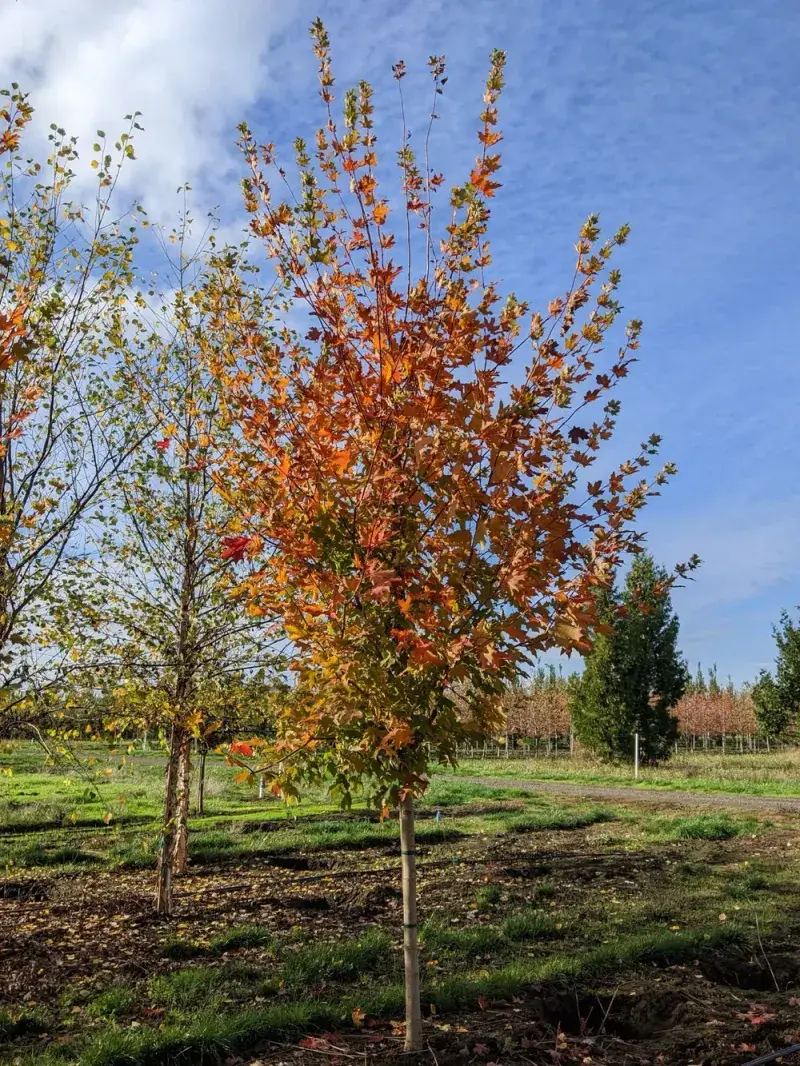
Many people think spring is the best time to plant anything. For trees in North Texas, that idea is a bit backward. Fall is actually the golden season for getting a Caddo maple into the ground.
Here is the reason. In fall, the air cools down, but the soil stays warm for weeks. Warm soil helps roots grow, while cool air means the leaves are not losing much water. The tree can put its energy into building roots instead of fighting the heat.
Roots keep working all winter in our area. Our winters are mild, and the ground rarely freezes deep. So a tree planted in October or November has several months to spread its roots before summer arrives.
Compare that to a spring planting. A tree set out in April only gets a few weeks before hot weather hits. Its small root ball has to supply water to a full set of leaves in July. That is a lot of pressure for a new tree.
Planting before the first freeze is the sweet spot. In much of North Texas, the first freeze usually shows up in mid to late November. Aim to plant from late September through early November for the best results.
Nurseries often have good selection in fall too. Some even run sales to clear out stock before winter. That means you might find a healthy Caddo maple at a better price.
Pick a tree with a straight trunk, healthy bark, and roots that are not circling tightly around the pot. A little extra care at the store can save you trouble later.
A Shade Tree That Sticks Around For Decades
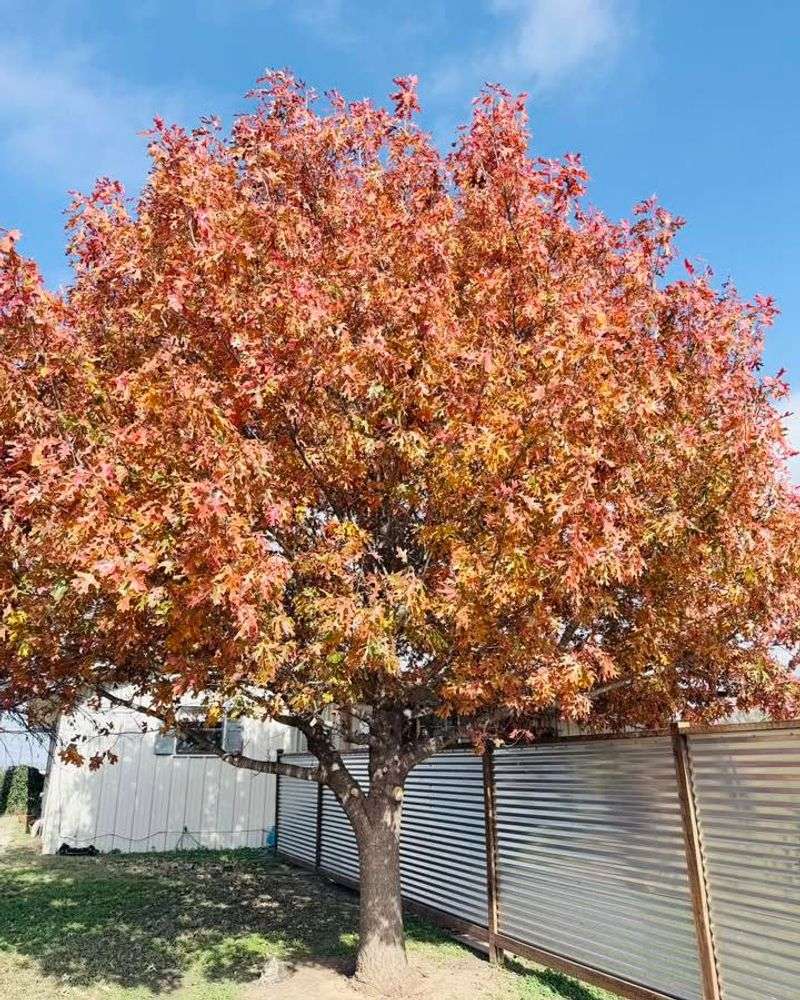
Some trees are like fireworks. They grow fast, look great for a few years, and then fall apart in the first big storm. The Caddo maple is more like a loyal friend who sticks with you for a lifetime.
A grown Caddo maple usually reaches about 30 to 50 feet tall. Its canopy forms a nice rounded shape that spreads wide. That makes it a fine choice for shading a front yard, a patio, or the sunny side of a house.
Growth is steady rather than speedy. You might see a foot or two of new growth each year once the tree settles in. Slower growth may sound boring, but it helps the tree build strong, dense wood.
Sturdy wood matters a lot in North Texas. We get strong winds, ice storms, and the occasional hail.
Fast-growing trees like Bradford pears often split and break. Caddo maples hold up much better because their branches are tougher.
Shade also saves money. A big tree on the west or south side of your home can cool your walls and roof in summer. Some homeowners notice lower electric bills once their trees get large enough.
Plan for the future when picking a spot. Keep the tree at least 15 to 20 feet from your house, driveway, and power lines. Give it room to spread out.
Someday, your grandkids might climb those branches or rake up its bright leaves. Planting a Caddo maple is a gift that keeps on giving for many years.
Simple Steps To Help Your New Maple Thrive
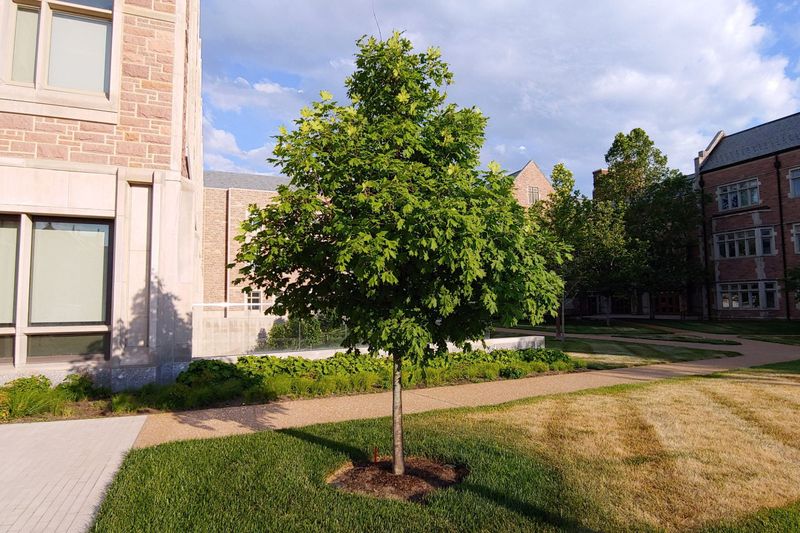
A great tree starts with a great planting day. Get a few simple steps right, and your Caddo maple will reward you for years.
Start by choosing the right spot. Caddo maples like full sun to part shade. They also need good drainage, so avoid low places where water sits after a rain.
Pour a bucket of water into a test hole. If it is still full the next day, pick another spot.
Next, dig a wide hole. Make it two to three times wider than the pot but no deeper. Set the tree at the same depth it grew in the container. Planting too deep is one of the most common mistakes, and it can choke the roots.
Loosen any circling roots with your fingers before planting. Fill the hole back in with the soil you removed. You do not need fancy soil mixes. Water slowly and deeply right away to settle the dirt.
Watering is the big job during the first two summers. Give the tree a deep soak once or twice a week when it is hot and dry. Push a finger into the soil a few inches down. If it feels dry, it is time to water.
Mulch is your secret helper. Spread two to three inches of shredded wood or bark over the root zone. Keep it a few inches away from the trunk, though. Mulch piled against the bark can cause rot and invite bugs.
Finally, hold off on heavy pruning for the first couple of years. Just trim broken branches. Patience now means a stronger tree later.