Those Runways Appearing In Your New York Lawn Are Trying To Tell You Something
Something tiny is snacking on your yard, and it hopes you never notice. Voles look like chubby mice, but they have shorter tails, smaller ears, and beady little eyes.
Unlike chipmunks, they don’t take a long winter nap. They stay busy under the grass and snow all season.
As fall arrives in New York, these hungry rodents hunt for cozy shelter and easy meals. Lawns, flower beds, and young tree bark look like a free buffet to them.
Many homeowners miss the clues until spring, when melting snow reveals a messy surprise. Voles do leave a trail, though, and it’s easy to spot if you know where to look.
The signs below will help you catch these sneaky diggers early. A slow walk around your yard this week could save your lawn and your young trees.
Narrow Runways Say Voles Travel This Route Every Day
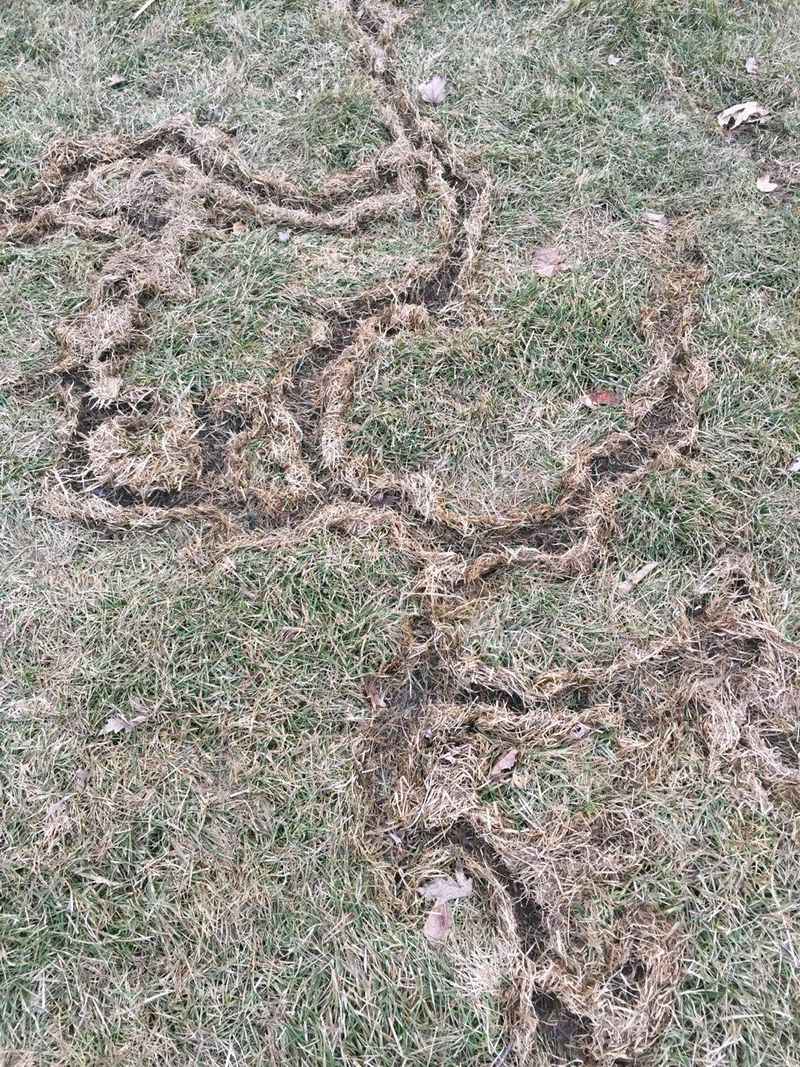
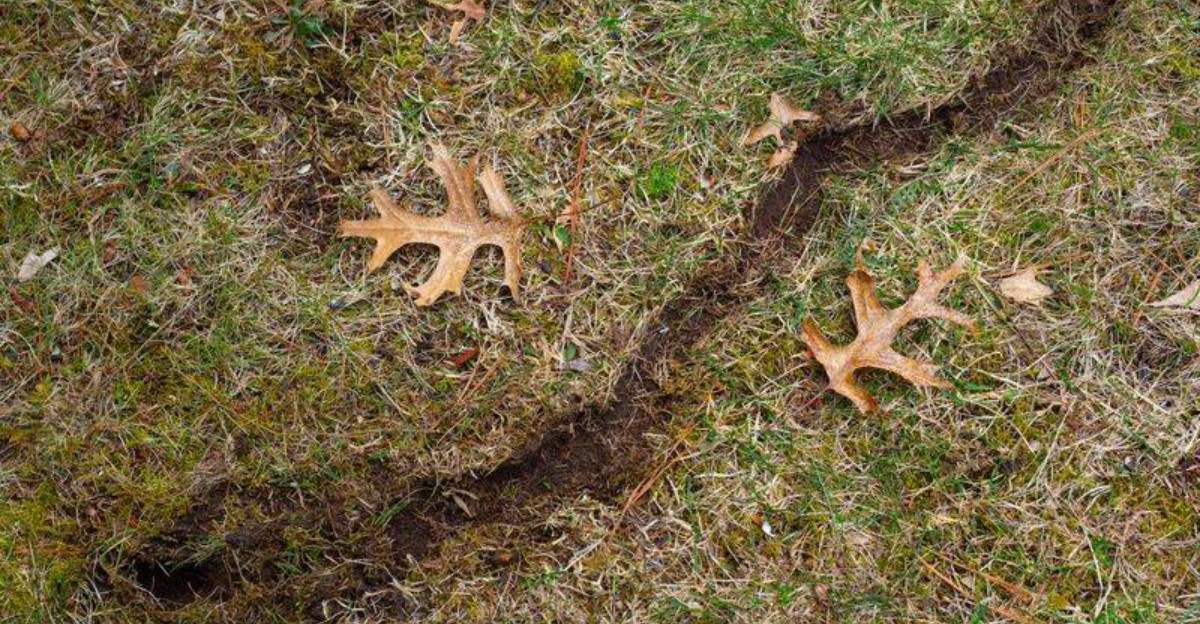
Picture a tiny highway system carved right into your turf. Vole runways look like skinny, curvy paths snaking from one hiding spot to another.
Most runways measure about 1.5 to 2 inches wide. They sit flat against the ground like shallow ditches, not raised bumps.
Voles build these paths by nibbling grass blades and scurrying back and forth all day. Their constant travel wears the trail down until bare soil shows through.
Folks often blame moles at first glance. Mole tunnels push up soft ridges of dirt, while vole runways stay open and level with the surface.
Late fall is a great time to check your yard for these paths. Leaves drop, grass slows its growth, and the trails become easier to spot.
Early spring offers another clear view once the snow melts away. Many homeowners gasp when they see a whole maze revealed beneath the white blanket.
Walk your lawn slowly and look along fences, garden edges, and woodpiles. Voles like routes that keep them close to cover and away from hawks.
Here is a handy tip for checking activity. Drop a small apple slice in a runway and see if it disappears overnight.
Spotting runways early gives you a head start before winter settles in. Mowing low around beds and clearing tall weeds takes away the hiding spots voles love.
Fewer hiding spots mean fewer visitors. Predators like owls and foxes can then spot them more easily, which helps you too.
Quarter-Sized Holes Without Dirt Mounds Say Voles, Not Moles, Live Below
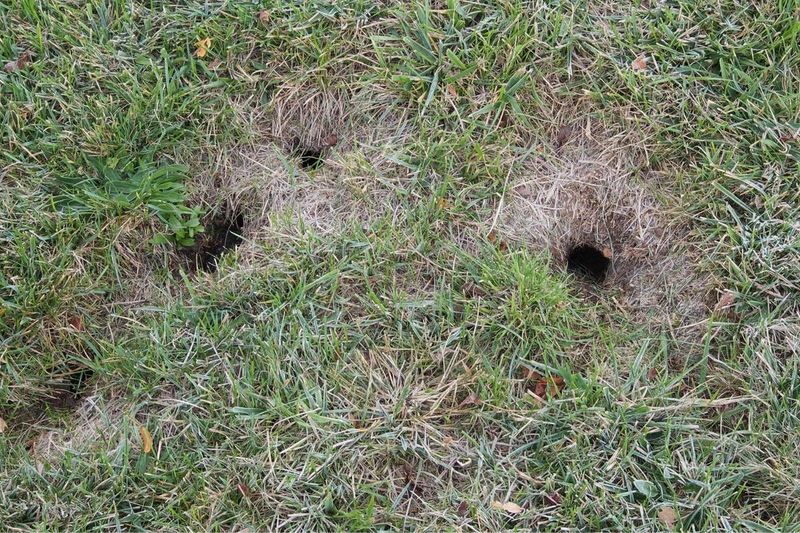
Some holes in your yard are louder clues than others. Vole burrows are small, neat openings that seem to appear out of nowhere.
Each hole is about 1 to 2 inches across. Think of something between a dime and a golf ball in size.
Here is the big giveaway that sets them apart. Vole burrows have no piles of loose dirt sitting around the entrance.
Gophers and moles toss soil into mounds while digging. Voles scatter or pack their dirt, so the opening looks clean and tidy.
Across New York, these holes often hide in quiet corners. Check near retaining walls, along landscape edges, and tucked between foundation shrubs.
Your New York Garden Changes Every Week. Your Plan Should Too.
Gardening in New York changes quickly throughout the season. Every Friday you’ll receive a simple weekly plan showing exactly what to plant, prune, fertilize, harvest, and protect so you never miss the right timing.
Ground covers like pachysandra and ivy make perfect cover too. Gently pull back the leaves, and you may find a hidden doorway underneath.
Kids can actually help with this detective job. Give them a flashlight and turn it into a fun backyard search.
Once you find holes, try a simple test. Lightly cover a few with grass clippings, then check them again the next day.
Reopened holes mean someone is still living there. Untouched ones may belong to an old, empty tunnel system.
Knowing which burrows are active helps you focus your efforts. You can place traps or deterrents in the right spots instead of guessing all over the yard.
Fun fact: one vole family can use many entrances. A single colony might have a dozen or more holes spread across one lawn.
Grass Clipped Short Along The Trails Says They’re Feeding Right Here
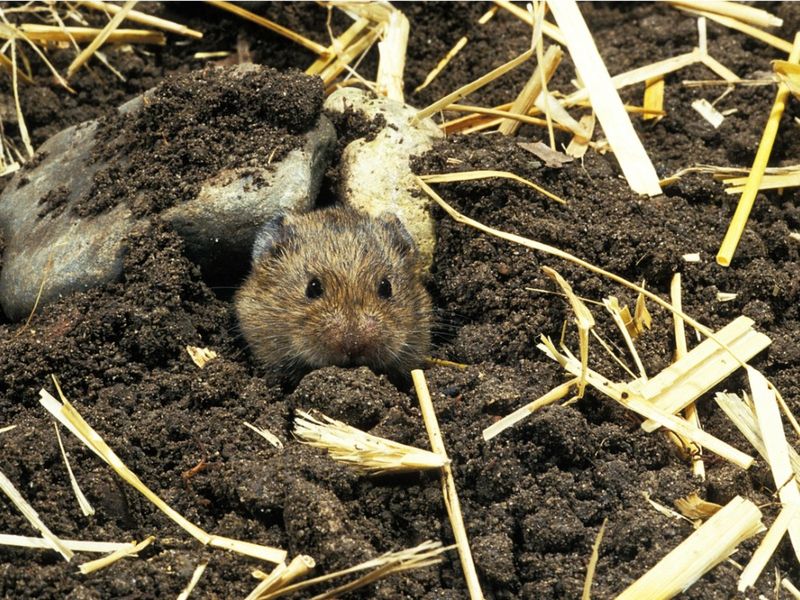
Ever notice a strip of lawn that looks freshly trimmed with tiny scissors? Voles can leave that oddly neat look along their favorite paths.
These little rodents eat grass stems, leaves, and young seedlings. They nibble blades close to the ground, often leaving bits of clipped grass in the runway.
Get down on your knees and look closely. Grass right beside the runway may stand much shorter than the rest of the lawn.
Small piles of clipped grass sometimes rest in the trail too. Voles may drop bits while snacking on the go.
Why does this matter so much? Fresh clipping tells you the runway is in active use, not left over from last year.
Old trails can fool you, especially in spring. Brown, untouched edges suggest the voles moved on, while green cut tips mean they are still around.
magnifying glass can make this check easier. Rabbits leave neat, angled cuts higher on stems, while vole feeding stays low along the runway.
New York lawns often grow thick fescue and bluegrass. Voles happily munch both, so no common turf type is safe from them.
Try mowing your lawn a bit shorter before the first snow. Tall grass gives voles extra food and cover all winter long.
Also rake up thick thatch and leftover clippings. A cleaner lawn makes it harder for voles to feel safe while they feed.
Gnawed Bark At The Base Of Young Trees Says Winter Hunger Has Started
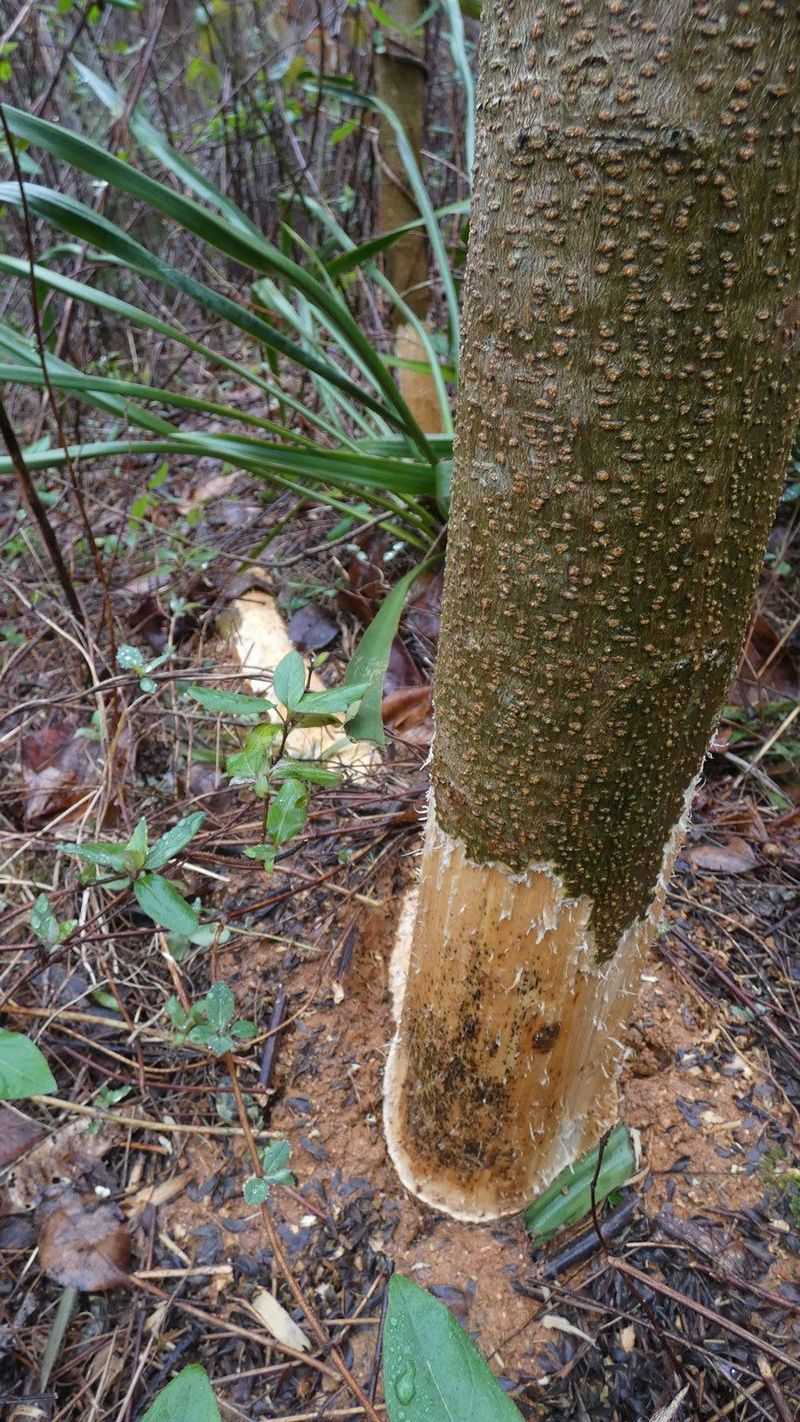
Young trees seem tough, but their bark hides a weak spot near the ground. Voles find that spot and chew it like a crunchy snack.
Look closely at the bottom few inches of each trunk. Damage often shows up right at the soil line or just below it.
The gnaw marks look rough and uneven. Each tiny bite measures roughly 1/8 inch wide and 3/8 inch long.
Rabbits chew higher and leave cleaner, bigger cuts. Vole damage stays low and looks scratchy, like it was sanded with a nail file.
Bark carries water and food up and down the tree. When chewing circles the whole trunk, experts call it girdling.
A fully girdled tree can decline quickly and may not recover. Fruit growers in orchards battle this problem every cold season.
Winter makes things worse because food gets scarce. Snow also hides voles while they work, so damage stays secret for months.
Protect your trees with hardware cloth guards before snow arrives. Wrap them around the trunk and bury the bottom edge a few inches deep.
Keep mulch and grass pulled back several inches from the trunk. A bare ring makes voles feel exposed and less likely to linger.
Check guards again in early spring. A little effort now can save a young apple or maple you planted with care.
Girdled Shrubs Hidden Under Mulch Say The Damage Is Already Underway
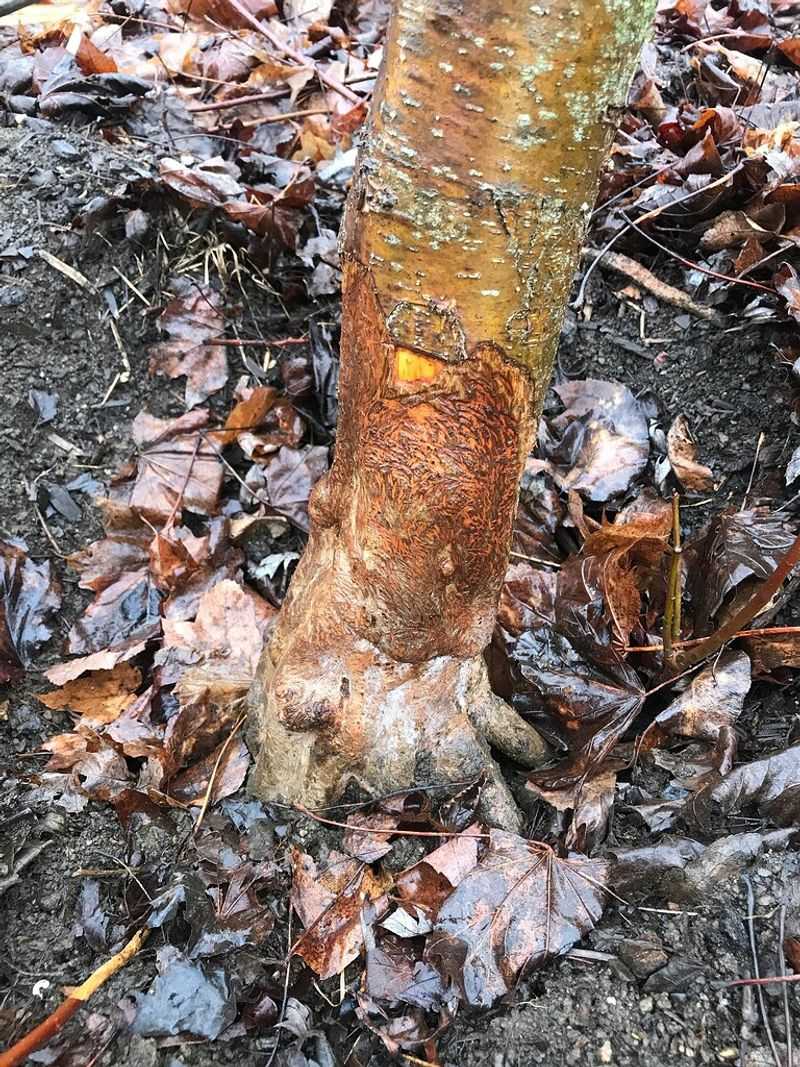
Mulch is a gardener’s best friend, yet it can turn into a vole hideout. That cozy layer gives them shelter, warmth, and a quiet place to eat.
Voles love to chew the bark at the base of shrubs. Under thick mulch, nobody sees the damage until the plant starts struggling.
Hawks, owls, and cats have a hard time spotting voles under cover. So the rodents feel bold enough to feed for hours.
Shrubs like boxwood, yew, and arborvitae are common targets in New York yards. Burning bush and holly can also get hit.
Watch for branches that turn yellow or brown without a clear reason. Wilting in cool weather is another clue worth checking.
Pull the mulch away from the base with gloved hands. Chewed, pale wood around the stem points straight to voles.
Girdling cuts off the shrub’s flow of water and nutrients. Severe cases can leave a once healthy plant looking sad by spring.
Spread mulch no deeper than 2 or 3 inches. Keep it pulled back a few inches from each stem.
Some gardeners swap wood mulch for gravel near prized plants. Sharp stones feel uncomfortable for voles and discourage tunneling.
Dense ground covers can hide the same trouble. Trim them back in fall so you can peek at shrub bases more easily.
Small Piles Of Droppings Say The Burrow Entrances Are Active
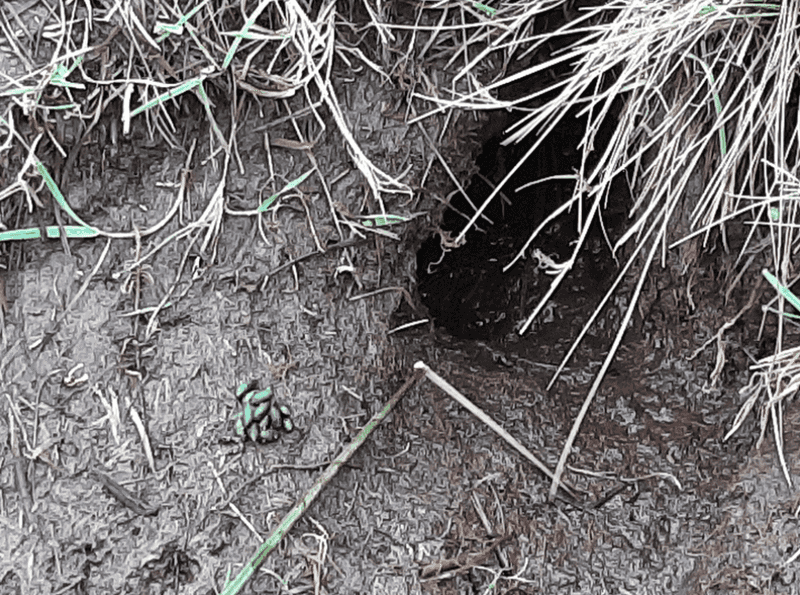
Nobody likes poop patrol, but this clue is surprisingly helpful. Vole droppings tell you exactly where these critters hang out.
The pellets are tiny and shaped like grains of rice. Some people compare them to little Tic Tac mints.
Color depends on what the voles have been eating. Droppings may look brown, green, or almost black.
Green pellets often mean fresh grass is on the menu. Darker ones suggest a diet heavy in roots, bark, or seeds.
Check inside surface runways first. You will also find little piles near burrow openings where voles pause and rest.
Mouse droppings look similar but tend to be thinner with pointy ends. Vole pellets are a bit plumper and rounder.
Fresh droppings appear soft and shiny. Old ones look dry, dull, and crumble easily when poked with a stick.
Always wear gloves when handling anything near droppings. Rodent waste can carry germs, so wash your hands well afterward.
Use a small shovel to scoop up piles and bag them. Clearing old droppings helps you notice new activity later.
Many homeowners keep a simple notebook of where they find piles. Over a few weeks, a pattern shows which zones need the most attention.
Chewed Bulbs And Garden Roots Say Your Beds Are On The Menu
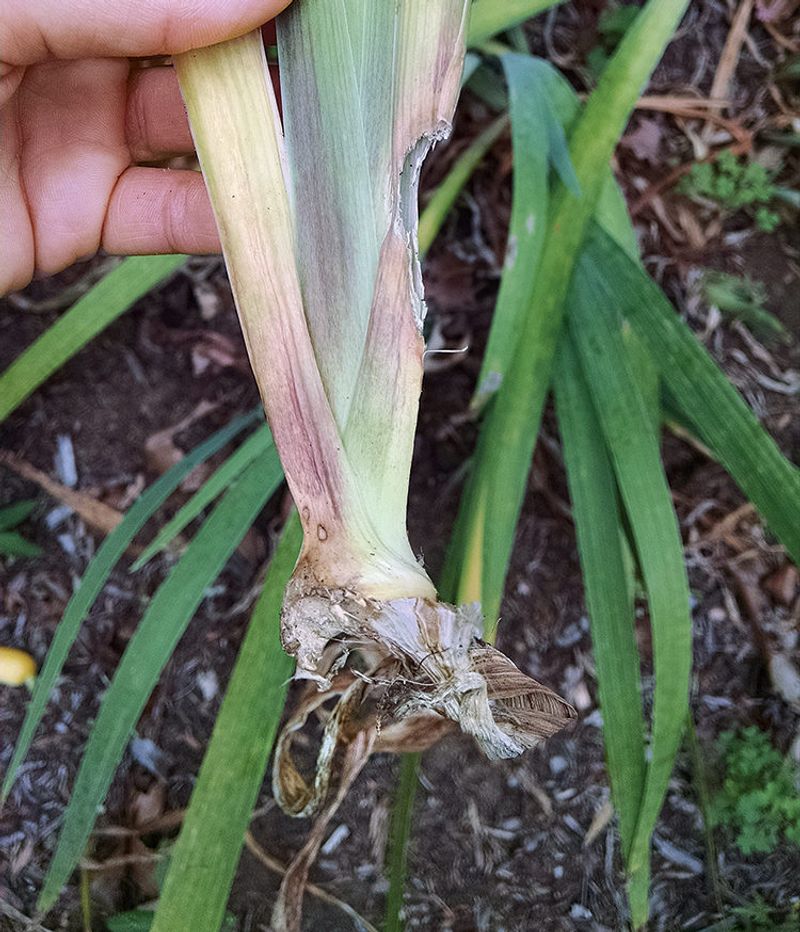
You planted fifty tulips last fall, and only six came up. Sound familiar?
Voles may have enjoyed a hidden feast all winter.
These rodents are plant eaters through and through. Roots, bulbs, and tubers buried underground rank high on their list.
Tulip bulbs are a special favorite. Crocus, lilies, and hostas also tempt hungry voles in many gardens.
Vegetable beds are not safe either. Potatoes, sweet potatoes, and carrots can end up hollowed out or covered in tooth marks.
Damage usually stays out of sight for weeks. You may only notice when plants suddenly wilt, yellow, or fail to sprout.
Give a struggling plant a gentle tug. If it slides out easily with few roots left, voles are a likely culprit.
Daffodils make a smart choice for New York gardeners. Their bulbs taste bitter, and voles tend to leave them alone.
Planting bulbs inside wire mesh baskets also works well. Add a handful of sharp gravel around each bulb for extra defense.
Harvest root vegetables promptly in fall. Leftover potatoes in the soil act like an open invitation before winter.
Raised beds lined with hardware cloth on the bottom offer strong protection. A little setup now spares you a lot of spring disappointment.
Brown Patches Say The Roots Underneath Have Been Eaten
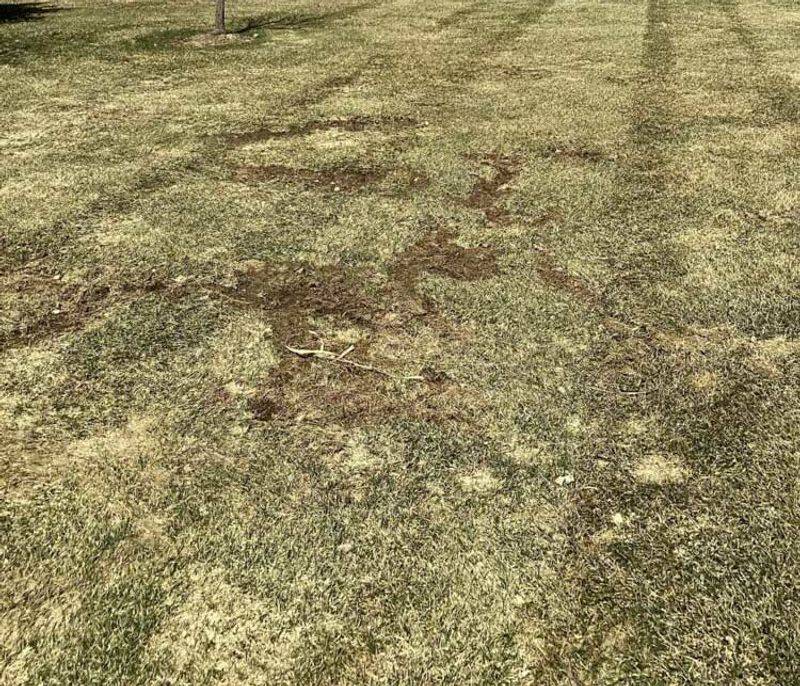
Brown spots in the lawn can puzzle even seasoned gardeners. Before blaming drought or grubs, consider the furry suspects living below.
Voles chew the roots of grass and other plants underground. Without roots, the turf above slowly turns brown and lifeless.
Patches may look random at first. Often they sit near runways, burrow holes, or garden beds where voles feed.
Step onto the area and notice how it feels. Damaged turf often feels soft or spongy under your shoes.
Grab a handful of brown grass and pull gently. If it lifts like a loose rug, the roots have likely been eaten away.
Grubs can cause similar damage, so dig a little deeper. Fat white larvae point to grubs, while tunnels and clipped roots suggest voles.
Spring in New York often reveals the worst of this damage. Snow melts and suddenly shows patches that formed all winter.
Rake out the brown grass and loosen the soil. Then reseed with a hardy cool season mix suited to your area.
Fixing the cause matters more than patching the spot. Reduce cover, set traps if needed, or call a local pest pro for heavy problems.
Catch the signs early this fall, and your lawn has a much better shot. A greener spring could be just a few smart steps away.