Georgia Native Plants To Grow Instead Of Ornamentals That Attract Stink Bugs
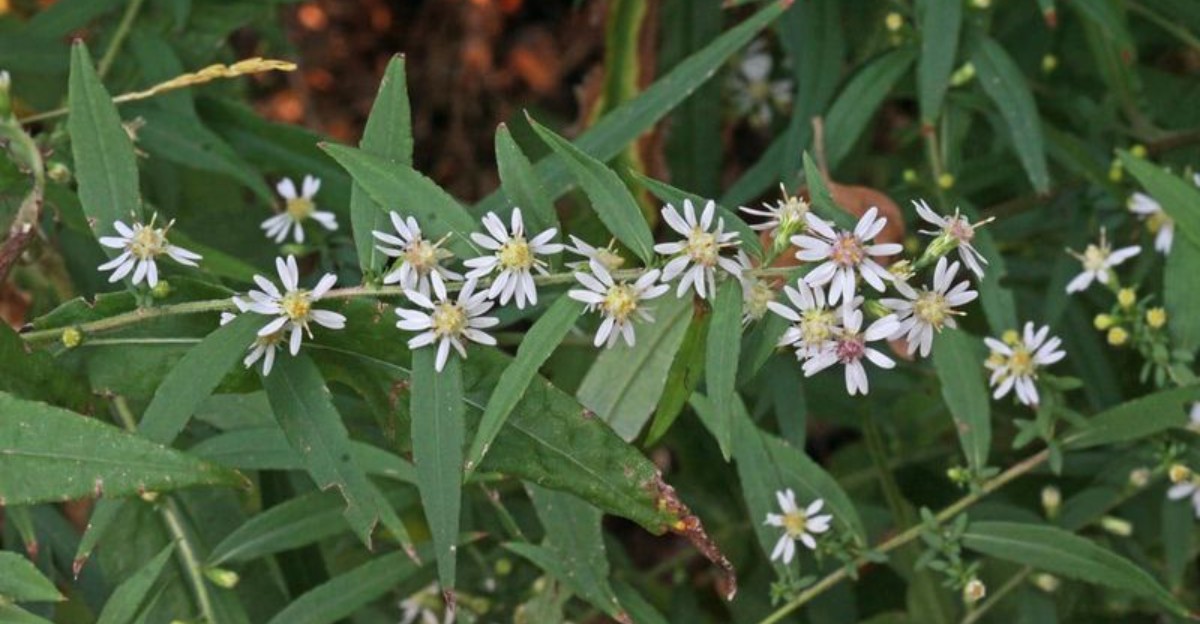
Stink bugs can become a frustrating sight in your yard during fall, especially when they begin gathering near the house.
Your choice of garden plants can make a difference by supporting insects that naturally feed on common pests.
Several Georgia native flowers attract beneficial wasps, flies, and other insects that contribute to a healthier garden environment.
Some of these visitors also prey on stink bugs, although planting flowers alone cannot guarantee fewer of them around your home.
Choosing a mix of native species gives beneficial insects access to nectar and shelter throughout different seasons. This approach supports natural pest control while bringing more color and variety into your landscape.
Fall is a good time to rethink your planting choices and make room for native flowers that support these helpful visitors.
1. Common Boneset’s Flat-Topped Blooms Pull In Beneficial Wasps And Flies
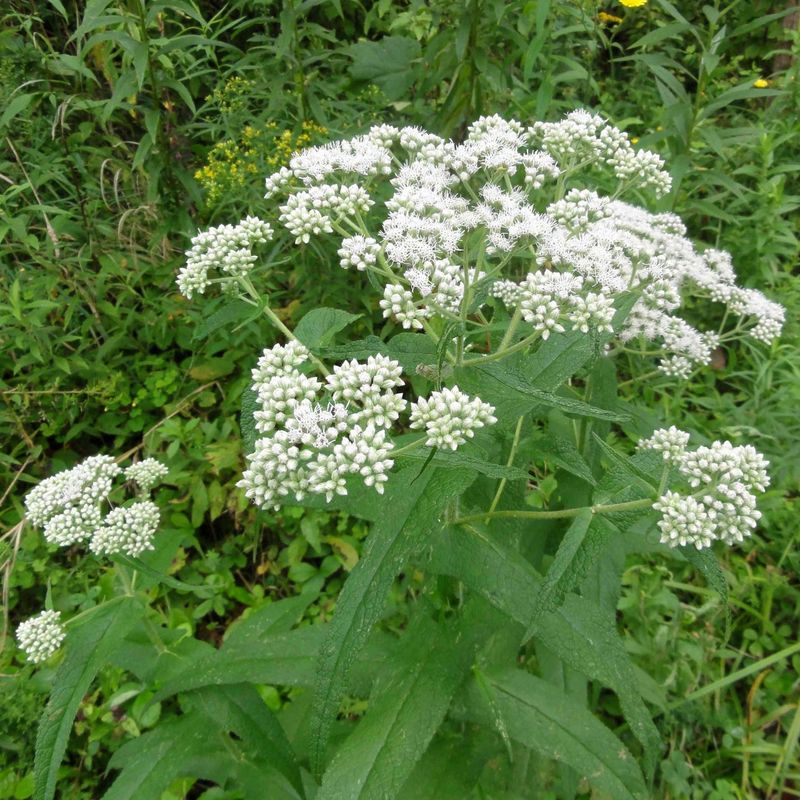
White, fuzzy, and a little plain at first glance, boneset is one of the busiest flowers you can grow. Its broad, flat flower heads work like landing pads for small insects that cannot handle deep blooms.
Short-tongued wasps and flies reach the nectar easily on these shallow flowers.
Tachinid flies are worth watching for here. Some kinds lay eggs on adult stink bugs, and the larvae feed inside the host.
Boneset grows wild in wet ditches and pond edges across Georgia, so it handles soggy ground well. Give it full sun to light shade and soil that stays fairly moist.
Blooms usually open from late summer into early fall, though timing shifts a bit with weather and location.
Plants often reach three to four feet tall, so tuck them toward the back of a bed. A clump of three or more looks fuller and gives insects a bigger target to find.
Skip the urge to spray when you see crowds of bugs on the flowers.
Broad insecticides can harm the very helpers you are trying to attract. Most visitors on boneset are harmless or helpful, so a little patience pays off as the season goes on.
Leave a few seed heads standing after bloom if you like a natural look, since birds may pick at them.
If your yard has a low spot that stays damp after rain, boneset can make good use of that space. Keep nearby vegetation from crowding young plants while they establish.
Once mature, the tall stems create a natural backdrop for shorter flowers.
2. Partridge Pea’s Leaf Nectar Glands Feed Ants And Wasps
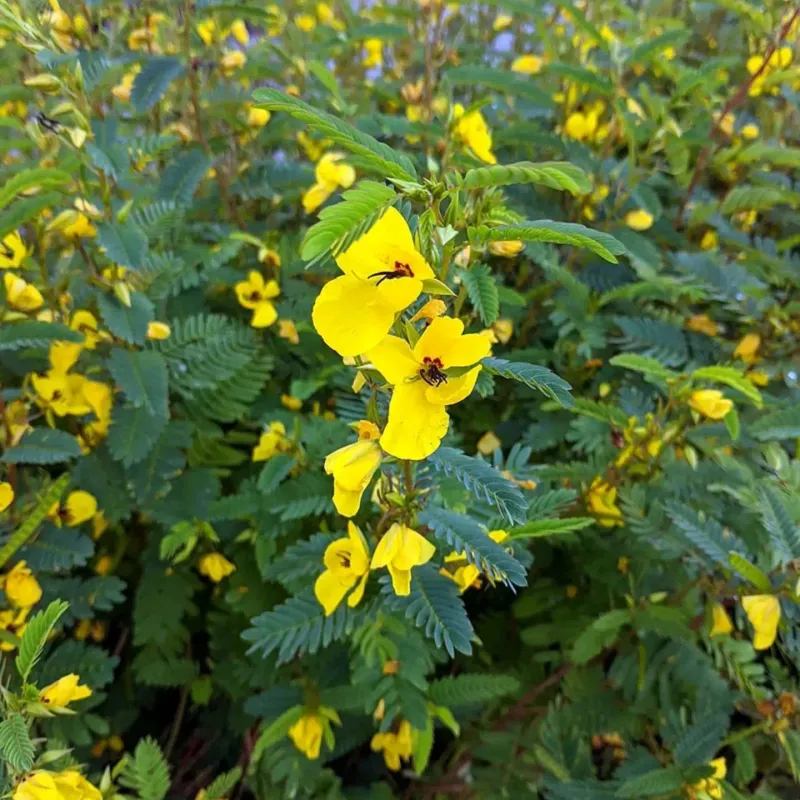
Flowers are only half the story with partridge pea. Tiny nectar glands sit on the leaf stalks, and they offer sugar even when no blooms are open.
Ants and small wasps visit those glands regularly, which keeps hunting insects patrolling the plant.
Bright yellow flowers appear in summer and often continue into early fall. Bumblebees shake pollen from them, adding even more life to your planting.
Sandy, poor soil suits this annual legume just fine. You will find it along roadsides and old fields in much of Georgia, especially in sunny spots.
Your Georgia Garden Changes Every Week. Your Plan Should Too.
Gardening in Georgia changes quickly throughout the season. Every Friday you’ll receive a simple weekly plan showing exactly what to plant, prune, fertilize, harvest, and protect so you never miss the right timing.
Sow seeds in fall or early spring right where you want plants to grow.
Scratch the soil lightly, press the seeds in, and keep the area moist until sprouts show up. Plants usually reseed on their own, so a patch can return year after year if the ground stays open.
One word of caution helps here.
Partridge pea is a legume, and some stink bugs do feed on pea and bean pods. You may see a few on the seed pods, so treat it as a helper plant in a mix rather than a pest-free zone.
Pair it with other natives so beneficials have food all season long.
Watch where new seedlings appear the following spring before clearing the bed. Partridge pea grows quickly once temperatures warm, and its delicate leaves give a planting a softer appearance.
Leave some open ground nearby if you want future generations to establish naturally.
3. Rattlesnake Master’s Spiky Globes Draw Predatory Wasps In Summer
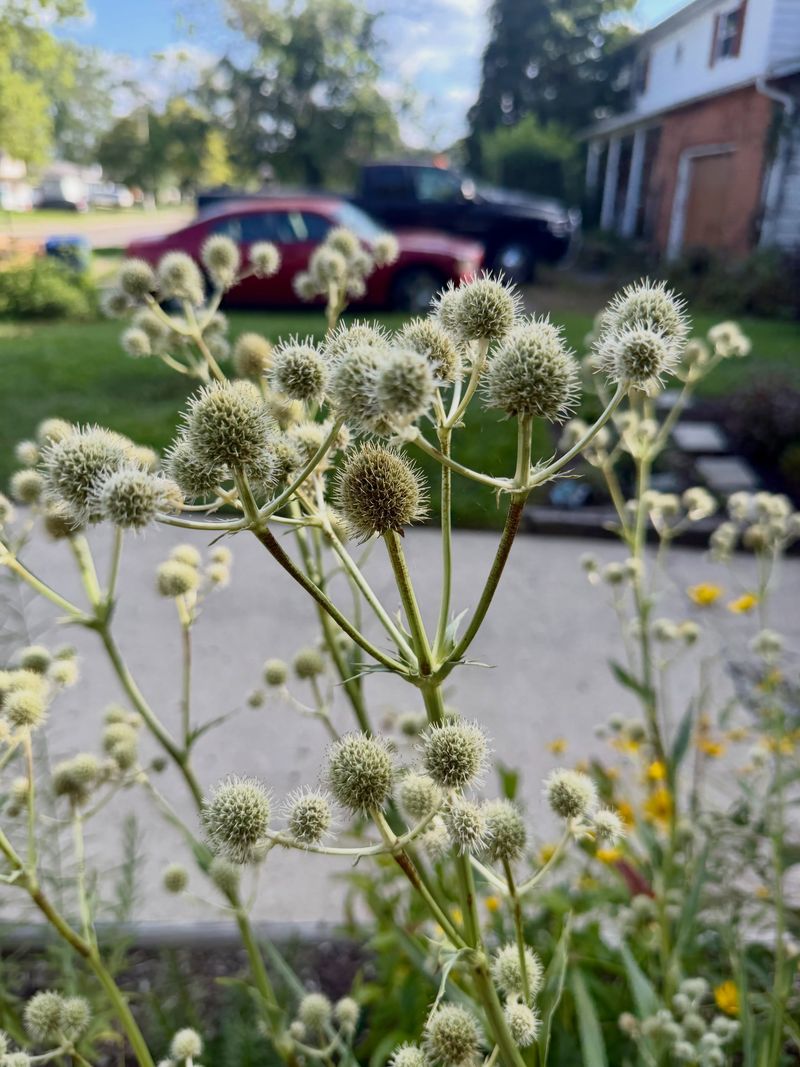
Picture a golf ball covered in tiny spikes, and you have a good idea of these blooms. Rattlesnake master looks almost unreal, yet it is a true native of open woods and prairies.
Wasps seem to love it.
On a warm summer afternoon, the globes can host a steady stream of wasps, beetles, and flies. Several of those visitors hunt caterpillars or other soft-bodied insects in nearby beds.
Flowers usually open in early to midsummer and hold their shape for weeks. Even after they fade, the dry heads keep a neat, sculptural look.
Full sun and well-drained soil give the best results here.
Wet clay can cause crown rot, so pick a slope or raised spot if your yard holds water. In Georgia, it fits nicely in sunny borders, meadow plantings, and dry pockets near driveways.
Stiff, strappy leaves look a bit like yucca and stay attractive through the season. Edges have small soft prickles, so plant it a step back from walkways.
Patience matters with young plants, which may take a season or two to bloom well.
Once settled, it handles heat and dry spells with little help from you.
Give each plant enough space for its broad leaves to spread without crowding nearby flowers. The unusual flower heads also stand out against softer foliage, making them useful in mixed borders.
Choose a permanent spot because established plants develop substantial root systems.
4. Mountain Mint Buzzes With Tiny Wasps That Hunt Garden Pests
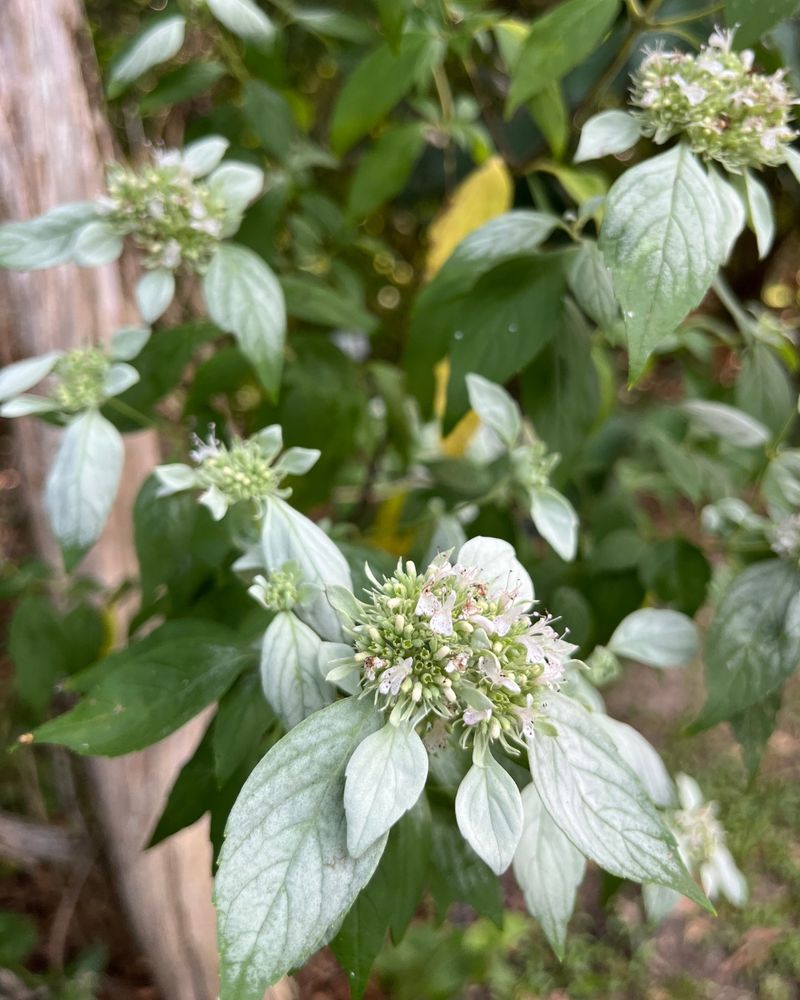
Stand next to a blooming mountain mint in July and just listen. The hum comes from a crowd of bees, wasps, and flies, many of them small enough to miss at first.
Gardeners who try it once often add more.
Silvery bracts surround clusters of tiny white to pale pink flowers. Those shallow blooms make nectar easy to reach for little parasitic wasps that attack pest insects.
Several species grow in Georgia, including clustered mountain mint and hoary mountain mint. Check with a local native nursery to find the type best suited to your area.
Plants handle full sun to part shade and average soil.
Like many mints, it spreads by underground stems, though usually more slowly than garden mint. Give it room, or plant it where a spreading clump is welcome.
Crush a leaf and you will notice a strong, minty scent. Deer often leave it alone, which is a bonus in suburban yards, though hungry deer may nibble almost anything.
Cut stems back in late winter to make room for fresh spring growth.
Bloom usually lasts from midsummer into late summer, giving beneficial insects a reliable food source during the hottest months.
Place mountain mint where you can enjoy its flowers without needing to keep the clump tightly contained. A sunny corner beside other native perennials works well.
Check its spread each spring and divide unwanted growth before it reaches neighboring plants.
5. Goldenrod’s Late Flowers Support Predatory Insects Into Fall
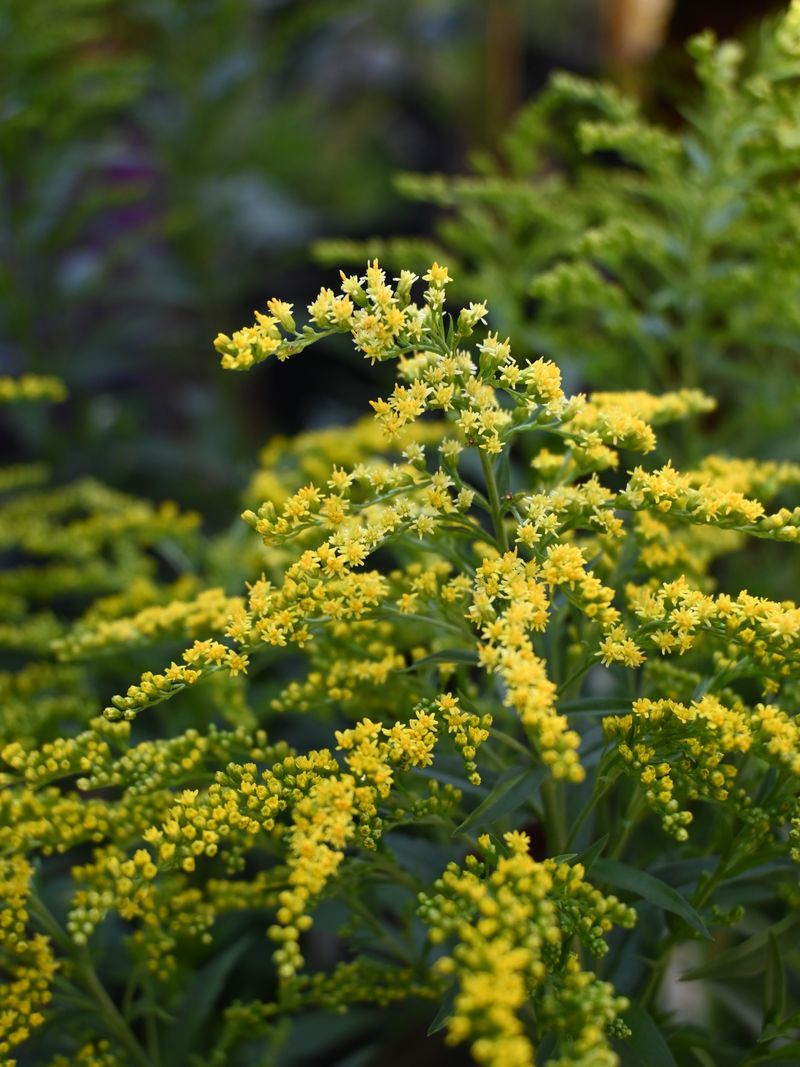
Blame ragweed, not goldenrod, for those fall sneezes. Goldenrod pollen is heavy and sticky, so insects carry it rather than the wind.
That sticky pollen is part of why so many insects visit.
Bright yellow plumes open from late summer through fall, when many garden flowers have faded. Soldier beetles, assassin bugs, wasps, and flies often gather on the blooms during that time.
Some of those insects prey on stink bugs and other pests. Others simply feed on nectar, but a crowded patch builds a lively community in your yard.
Not every goldenrod behaves the same way.
Tall goldenrod and Canada goldenrod spread fast and can take over a small bed. For tidy gardens in Georgia, try clumping types like wreath goldenrod, seaside goldenrod near the coast, or the compact cultivar ‘Fireworks’.
Most kinds want full sun and tolerate average or lean soil. Rich soil and extra fertilizer can make stems flop, so go easy on feeding.
Leave stems standing through winter if you can.
Hollow and pithy stems may shelter overwintering insects, and seeds feed birds. Trim back old growth in late winter before new shoots appear.
Choosing the right goldenrod for your available space makes maintenance much easier. Smaller clumping selections fit neatly between established perennials, while taller types need more room.
Check the mature height and spreading habit before bringing a new plant home.
6. Golden Alexanders Offer Flat Clusters Small Beneficial Wasps Can Reach
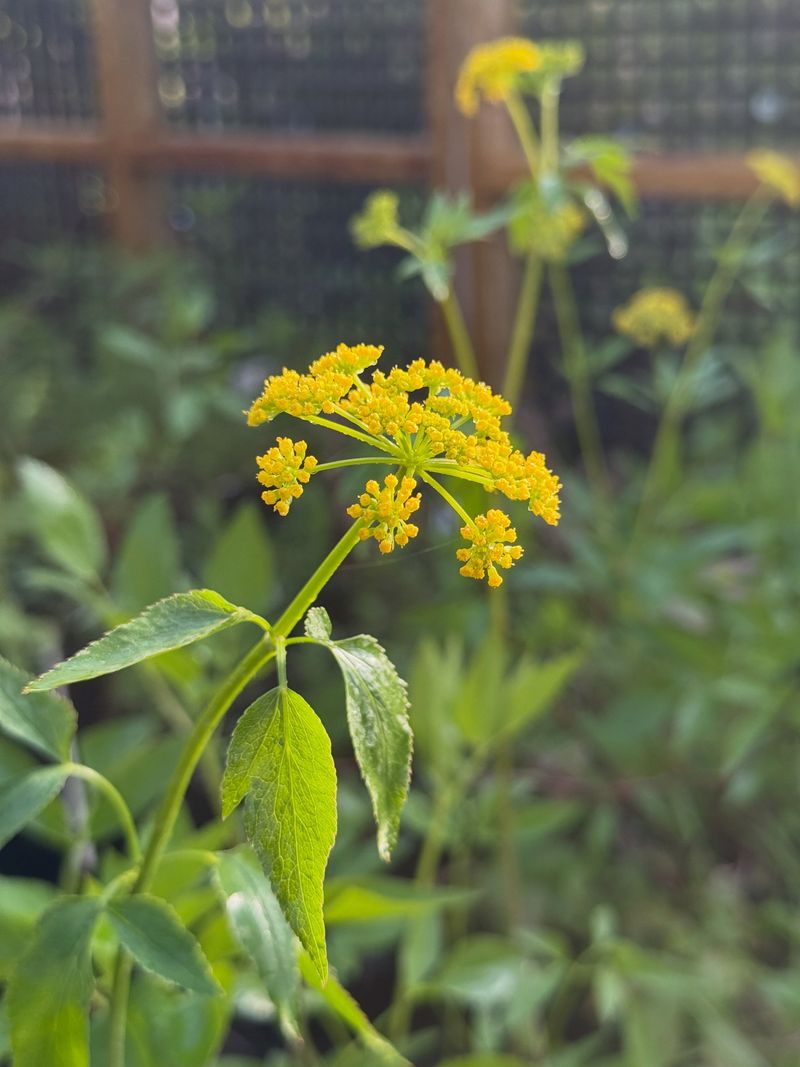
Spring gets a head start with golden alexanders. Its yellow, umbrella-shaped clusters often open in April or May, well before most summer bloomers.
Early food matters a lot for beneficial insects waking up after winter.
Each cluster holds dozens of tiny flowers packed into a flat shape. Small wasps and flies can walk across the top and sip nectar without needing a long tongue.
Relatives of carrot and dill share this flower style, and those herbs are well known for drawing helpful insects. Golden alexanders brings the same benefit as a hardy perennial.
Black swallowtail caterpillars may also munch the leaves.
Light damage is normal, and the plant usually bounces back. Consider it a fair trade for having butterflies around.
Moist soil and full sun to part shade suit it best. In Georgia, it often does well along woodland edges or in beds with afternoon shade.
Plants stay around one to three feet tall and can reseed gently over time.
Pair it with summer and fall natives so insects find blooms after it finishes. A staggered planting gives helpers a reason to stay in your garden from spring to frost.
Mark the planting spot so you recognize the foliage when it returns in spring. Young plants can be easy to overlook among emerging garden growth.
Give them space to develop, and avoid disturbing the roots while refreshing nearby beds.
7. Calico Aster’s Tiny Flowers Feed Late-Season Beneficials In Light Shade
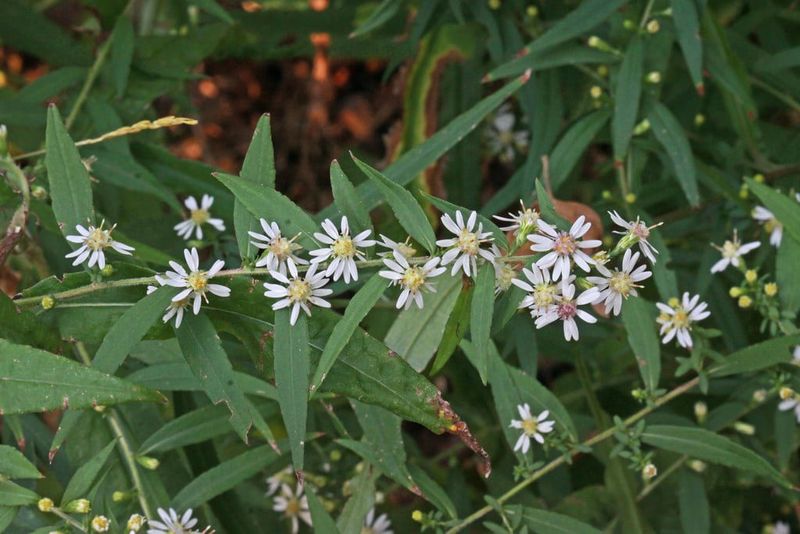
Shady yards deserve fall flowers too. Calico aster fills that gap with clouds of tiny white blooms along arching stems.
Look closely and you will see why it earned its name.
Flower centers start pale yellow and often shift to pink or purple as they age. Mixed colors on one plant create a calico look that seems to sparkle in low light.
Bloom time usually falls in early to mid fall. Small bees, wasps, and flies use those flowers when few other nectar sources remain.
Most sun-loving asters sulk in the shade, but this one handles it better.
Part shade or dappled light under tall trees works well, and full sun is fine with steady moisture. It grows wild in woods and along streams in much of Georgia.
Average soil is enough, though plants look best when they do not dry out for long stretches. Mulch helps keep roots cool during hot summers.
Pinch stems back once or twice in early summer for a fuller, bushier plant.
Stop pinching by midsummer so you do not remove the buds. The cultivar ‘Lady in Black’ offers dark leaves if you want extra contrast in the bed.
Give calico aster enough room for its branching stems to spread naturally. Its loose shape works especially well beside plants with broader leaves or more upright growth.
Watch how sunlight moves through the planting area before choosing its permanent position.
8. Wild Quinine’s Button Flowers Attract A Crowd Of Small Pollinators And Wasps
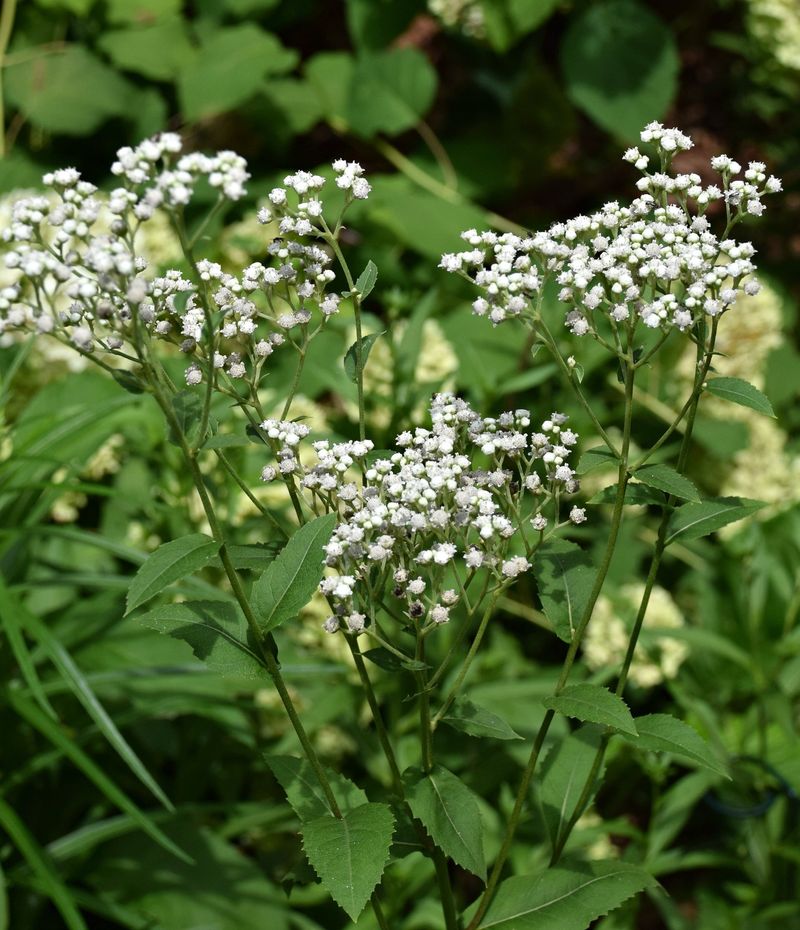
Small white buttons in flat clusters might not sound exciting. Wild quinine wins people over once they see how many insects it feeds.
Tiny bees, beetles, and wasps cover the flowers on sunny days.
Blooms often start in late spring or early summer and can last for many weeks. That long show gives beneficial insects a steady meal during the busy middle of the season.
Sturdy stems hold the flowers upright, and the broad leaves feel a bit like sandpaper. Plants usually reach two to four feet tall with a tidy, clumping habit.
Full sun to light shade works, along with well-drained soil.
Native to open woods and prairies in parts of Georgia, it tolerates heat and short dry spells once settled. Heavy, soggy soil is the main thing to avoid.
Flowers fade to a soft gray-green and still look neat in the garden. Many gardeners also cut stems for fresh or dried arrangements.
Group it with mountain mint, rattlesnake master, and goldenrod for a strong lineup.
Together they offer flat, easy flowers from spring into fall. A mix like that will not remove every stink bug, but it can help natural enemies stay busy in your yard.
Wild quinine works especially well where you want a structured planting without constant trimming. Its upright stems contrast nicely with softer grasses and lower-growing flowers.
Space young plants according to their mature width so air can circulate freely as the clumps expand.