The North Carolina Shrubs Most Likely To Show Drought Stress Next Spring
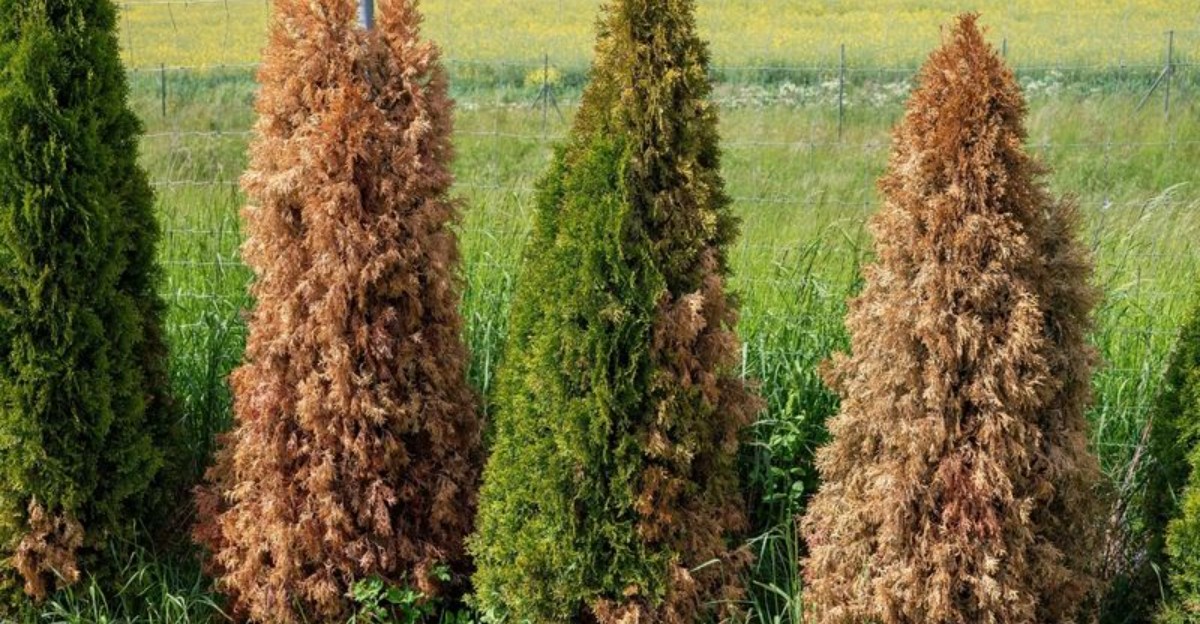
A shrub can look fine in October and still be hurting. Drought damage often hides for months. Roots lose strength, buds form poorly, and stored energy runs low.
Then spring arrives, and the problems show up all at once. North Carolina has been dry for a long time, so many shrubs have been under stress for a year. Some types handle that better than others.
Shallow-rooted plants and broadleaf evergreens tend to show trouble first. Signs include thin leaves, small flowers, and branches that fail to leaf out. You cannot undo a dry year with one soaking, but you can help.
Deep watering before the ground freezes, plus a few smart habits, gives struggling shrubs their best chance of a strong comeback.
1. Azaleas Have Shallow Roots That Dry Out Fast
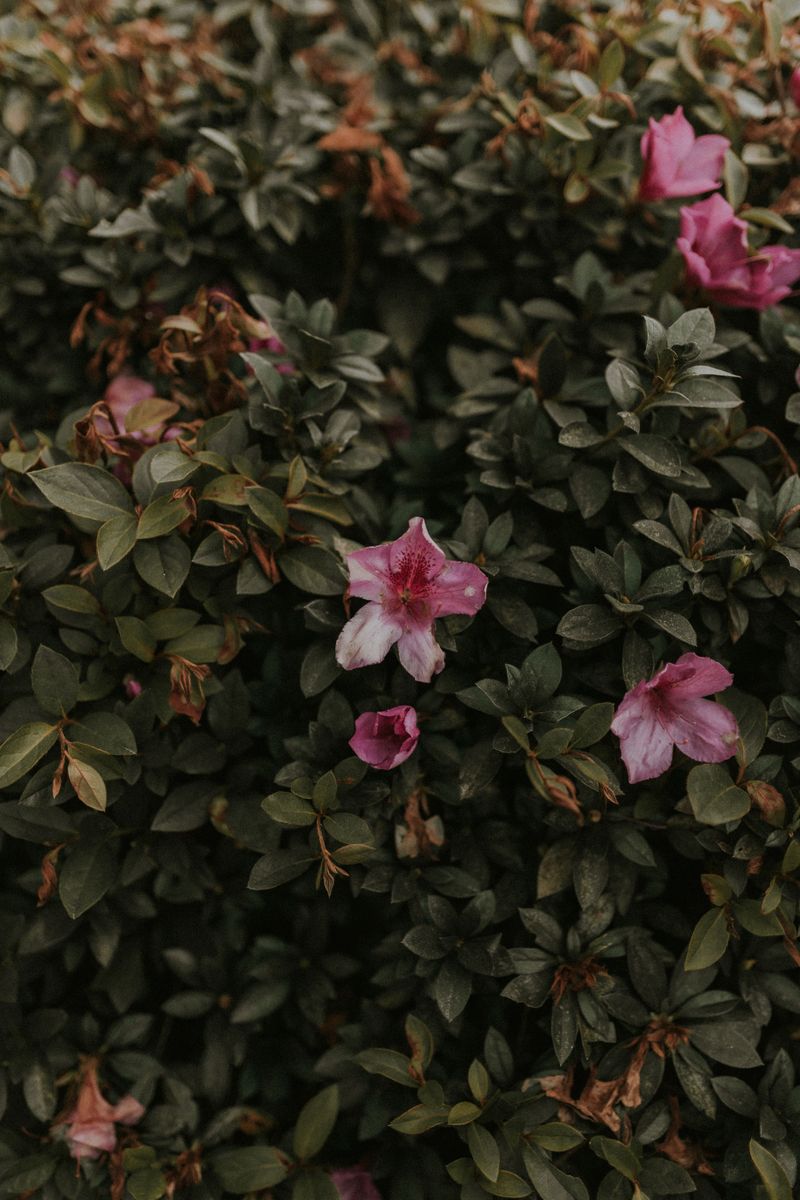
Walk through almost any neighborhood in North Carolina in April, and azaleas steal the show. Those bright pink, red, and white blooms are a true sign of spring here. Sadly, they are also one of the first shrubs to show trouble after a long dry spell.
The reason sits just below the surface. Azaleas have fine, shallow roots that spread close to the top of the soil, so they dry out much faster than deeper-rooted plants. When a drought drags on, the damage often waits until the following spring to appear.
Watch for fewer flowers, browned leaf tips, thin new growth, or branches that fail to leaf out. Some shrubs look fine on one side and rough on the other. That patchy look is a common clue that the roots went thirsty.
Good news, though. You can help a lot during fall and winter. Water deeply every week or two during dry spells whenever the ground is not frozen, letting the hose trickle slowly so moisture soaks down instead of running off.
Mulch is your best friend here. Spread 2 to 3 inches of pine bark or pine straw over the root zone, but keep it pulled back from the stems so bark stays dry and healthy. Hold off on fertilizer until spring, since feeding a stressed plant in winter can do more harm than good.
Patience pays off when it comes to pruning. Wait until new growth starts in spring so you can clearly see which branches made it. Then trim out any bare, brittle wood.
Since azaleas are planted everywhere across the state, a little extra care now can keep whole streets blooming beautifully.
2. Rhododendrons Need Steady Moisture Year Round
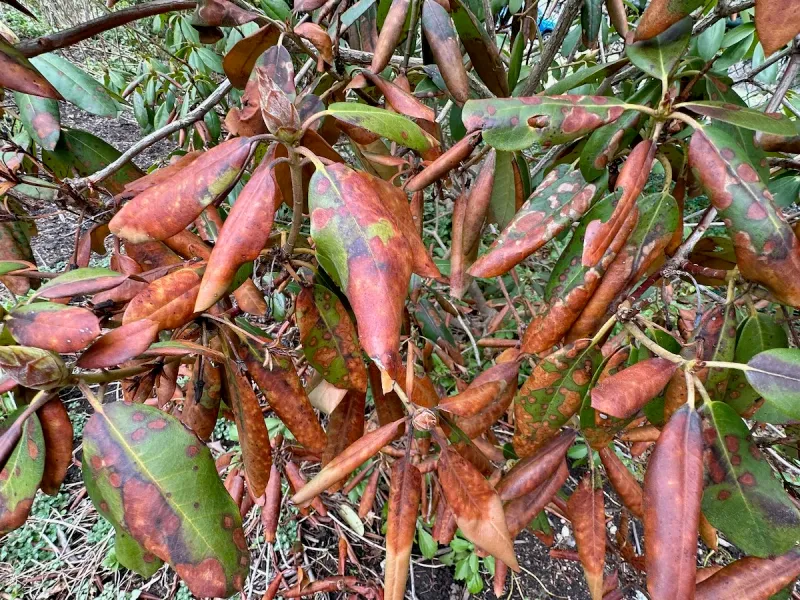
Ever notice rhododendron leaves curling up tight like little cigars on a cold day? That is their natural way of saving water. When those leaves stay curled, brown, or start dropping well into spring, though, drought may be the real story.
Rhododendrons share a weakness with their azalea cousins. Their roots are shallow and spread near the surface, so they have little to fall back on when rain stops.
On top of that, their big evergreen leaves keep losing moisture all winter long, even when the plant looks quiet.
Your North Carolina Garden Changes Every Week. Your Plan Should Too.
Gardening in North Carolina changes quickly throughout the season. Every Friday you’ll receive a simple weekly plan showing exactly what to plant, prune, fertilize, harvest, and protect so you never miss the right timing.
Put those two things together and you get a shrub that runs low on water fast. In spring, stressed plants may show scorched leaf edges, yellowing, dropped foliage, and weak or missing blooms. Some branches may also fail to push out fresh growth.
Slow and steady watering makes a huge difference. During dry winter weeks, soak the root zone gently with a soaker hose or a slow trickle so the water sinks in deep. A layer of mulch keeps those roots cool and holds moisture where the plant needs it most.
Placement matters, too. If you are adding new rhododendrons, choose a spot with afternoon shade, since hot sun only adds to their water needs. North-facing slopes and spots under tall trees often work well.
In early spring, take a close look for leaf scorch and branch wilt, then trim out any bare stems once new growth appears.
These shrubs thrive in the Mountains and cooler parts of the Piedmont, where they feel right at home. Even there, dry spells can catch them off guard, so steady moisture keeps them happy.
3. Bigleaf Hydrangeas Show Stress In Their Blooms
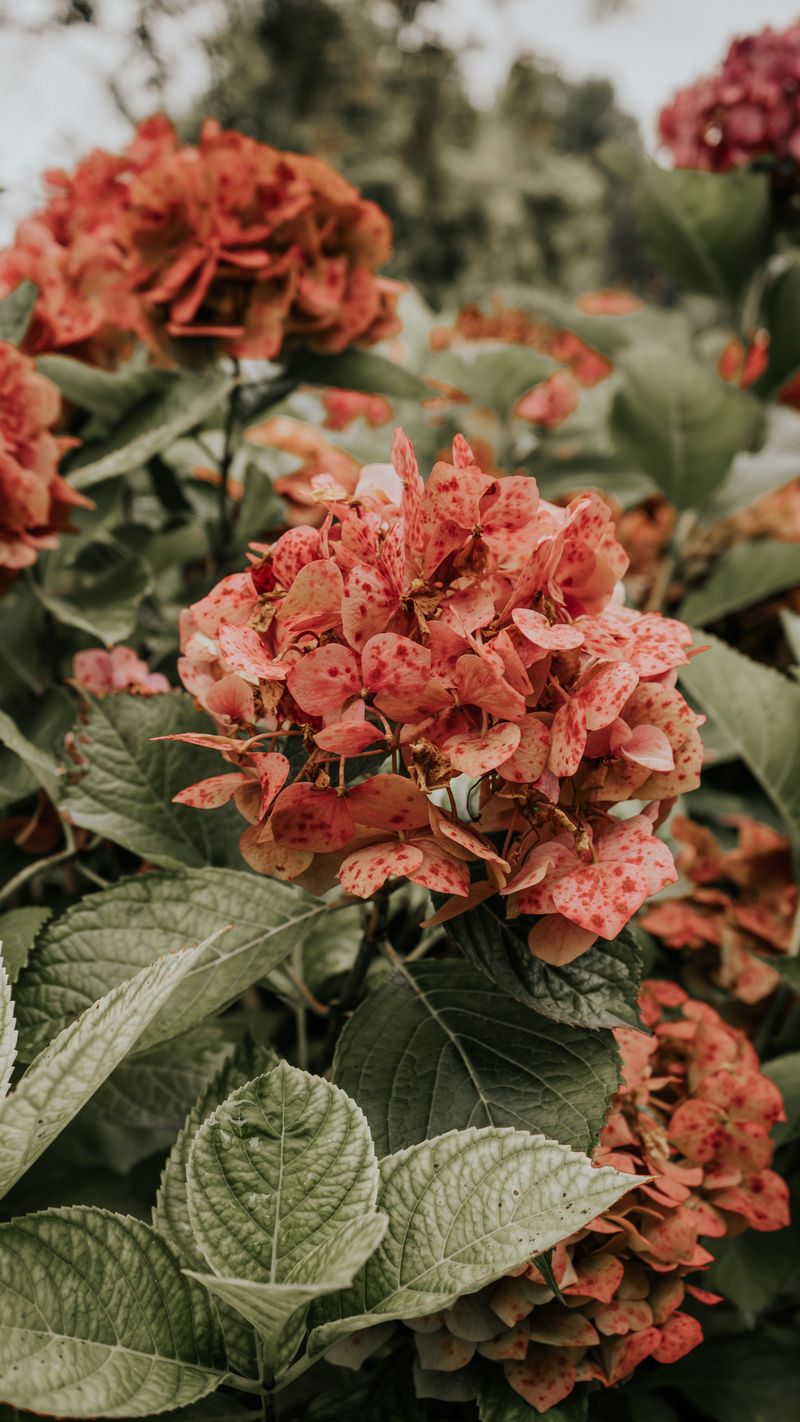
Those big blue and pink flower balls are a summer favorite, so it stings when a hydrangea shows up with just a few blooms. If last fall was dry, there is a good chance drought is behind the letdown. Bigleaf hydrangeas often reveal their stress a full year later.
Timing explains the mystery. Bigleaf hydrangeas form next year’s flower buds on their stems in late summer and fall. If the plant goes thirsty during those months, the buds can come out weak, and you end up with fewer flowers the following summer.
Stems can suffer, too. Drought-stressed canes are more likely to dry out and fail over winter, leaving bare sticks where leaves should be. These shrubs simply love moisture, and their big leaves wilt quickly when they do not get enough.
So what can you do? Water deeply during dry fall weeks, giving the soil a long soak rather than a quick sprinkle. Then pile on mulch around the base to hold moisture in and protect the roots from swings in temperature.
Resist the urge to tidy up with your pruners in fall. Cutting stems at that time removes the very buds that would become next summer’s flowers. Wait until new leaves appear in spring, and then snip out only the canes that stay bare and brittle.
Across the Piedmont and Coastal Plain, bigleaf hydrangeas fill shady yards and line porches. A little attention during dry seasons helps protect those buds, and that means more of the cheerful blooms you planted them for in the first place.
4. Boxwoods Can Decline Slowly After Drought

Boxwoods are the quiet workers of the garden. They frame front steps, line walkways, and keep their neat shape for years. Because they look so steady, it is easy to miss the slow trouble that drought can cause.
Shallow roots are part of the problem. When soil dries out for weeks, boxwoods cannot reach deeper water, and the stress builds up quietly.
Often the signs appear months after the dry weather is over, which leaves many homeowners scratching their heads.
Keep an eye out for leaves that turn bronze, yellow, or brown. Branches may thin out, leaving gaps in a once-solid hedge. Stressed boxwoods also become easier targets for diseases and winter injury, so one problem can lead to another.
Deep watering is the first line of defense. During dry spells through fall and winter, give the soil a good soaking rather than a light splash. Add mulch about 1 to 2 inches deep, and keep it away from the stems so moisture does not sit against the bark.
Hold off on heavy pruning until spring, since cutting a stressed shrub only adds strain. As the plant leafs out, look closely for discolored foliage and branches that stay bare. Remove those carefully and clean your tools between plants.
In North Carolina, boxwoods are one of the most common foundation shrubs around. They also face boxwood blight, a serious disease that causes leaf spots and rapid leaf drop.
Since stressed plants are more open to trouble, keeping them well watered helps them stay strong against more than just dry weather.
5. Camellias May Drop Their Buds
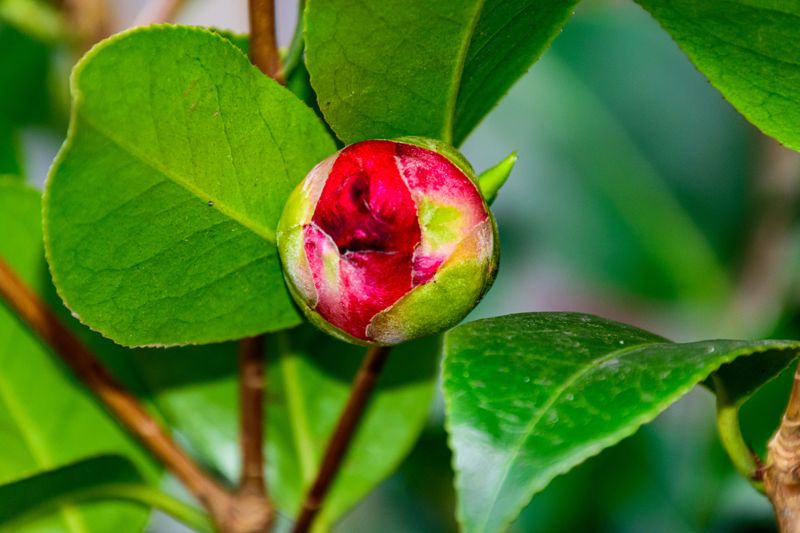
Few things brighten a gray January like a camellia in full bloom. Southern gardeners have treasured these glossy shrubs for generations, and some old plants in Wilmington and Charleston date back more than a century.
So finding a pile of brown buds under your camellia can feel like a real heartbreak. Bud drop is one of the clearest signs of drought stress in these plants.
Camellias form their flower buds during summer and fall. If the shrub goes without enough water in those months, the buds may dry out, turn brown, and fall off before they ever open.
The leaves might still look shiny and healthy, which makes the problem easy to miss. That is why checking buds is so helpful. Gently squeeze a few, and look for ones that feel dry or show brown edges. A steady water plan works wonders.
During dry weather in fall and winter, water deeply every week or two, letting the moisture soak well into the root zone. Keep the soil covered with pine bark or pine straw to hold that water in and protect roots from cold snaps.
Do not panic if this year’s show is thin. Camellias are tough, long-lived shrubs, and they usually bloom much better the next year once moisture improves. Steady care now sets up stronger buds for the coming season.
Across the Piedmont and Coastal Plain, camellias are prized for their winter and early spring flowers. Protecting those buds keeps color in the yard when almost nothing else is blooming.
6. Leyland Cypress Is Prone To Drought-Related Disease
Plenty of homeowners plant Leyland cypress for one reason: speed. It can grow 3 feet or more in a single year, turning a bare property line into a green wall in no time. That fast growth comes with a catch, especially after a long dry stretch.
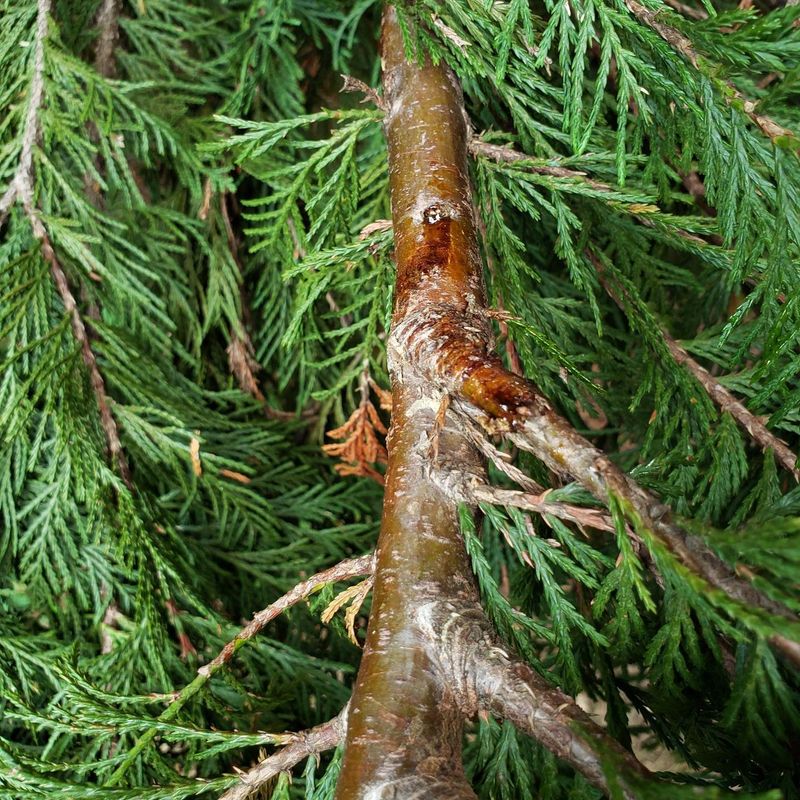
Drought does not usually harm Leyland cypress directly as much as it opens the door to disease. Stressed trees are far more likely to develop canker diseases, such as Seiridium and Botryosphaeria canker.
These fungi attack the branches and cause them to turn brown and fade back. The damage often appears the following spring and summer, long after the rain returns.
You might see one branch turn reddish brown, then another, until the screen has ugly gaps. Sunken or oozing spots on the bark are another clue.
Younger trees need the most help. Water deeply during dry periods, giving the root zone a long, slow soak. Spread mulch over the roots to hold moisture, and be careful with mowers and string trimmers, since wounds give fungi an easy way in.
When you spot browned branches, prune them out during dry weather, when fungal spores spread less easily. Use clean, sharp tools and wipe them with rubbing alcohol between cuts. That simple step helps keep the disease from hopping to healthy wood.
Leyland cypress is everywhere in North Carolina privacy screens, and drought often sparks canker problems here.
For future plantings, think about mixing in tougher choices like eastern red cedar, holly, or Southern wax myrtle for a screen that handles dry years better.
7. Arborvitae Browns When Roots Run Dry
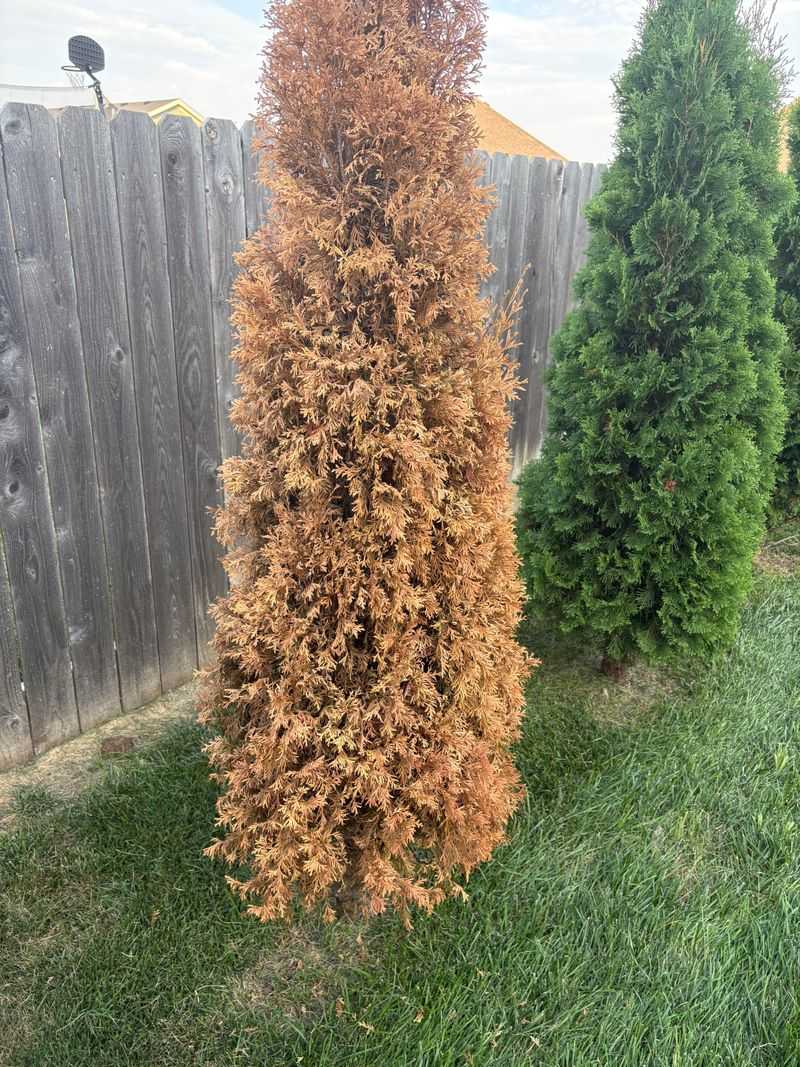
A tidy row of arborvitae can make a backyard feel private and peaceful. These tall, narrow evergreens are easy to find at garden centers and fit nicely along fences. Still, they have a soft spot that shows up after dry seasons.
Look at how the plant is built, and the problem makes sense. Arborvitae has fairly shallow roots holding up a thick mass of evergreen foliage. All those scale-like leaves keep using water, while the shallow roots struggle to keep up when the soil dries out.
Long dry spells can lead to browning foliage, thinning, and wilt inside the shrub. The tricky part is timing, because the damage often appears in late winter and spring after the drought has already ended.
By then, many people assume cold weather is to blame. Slow, deep watering is the fix. During dry fall and winter weeks, when the ground is not frozen, let a hose trickle at the base for a long soak.
Spread mulch around each plant to keep moisture in and soil temperatures even. Where you plant matters just as much.
Avoid hot, exposed spots with poor or compacted soil, since those places dry out fastest. A site with decent soil and some protection from harsh afternoon sun gives arborvitae a much better shot.
In spring, wait for new growth to begin, then trim away foliage that stays brown. Keep in mind that arborvitae does not regrow well from old bare wood.
Across North Carolina suburbs, these shrubs are a top pick for hedges and screens, so steady watering keeps them full and green.