7 Things Moles Can’t Resist In Your Pennsylvania Yard
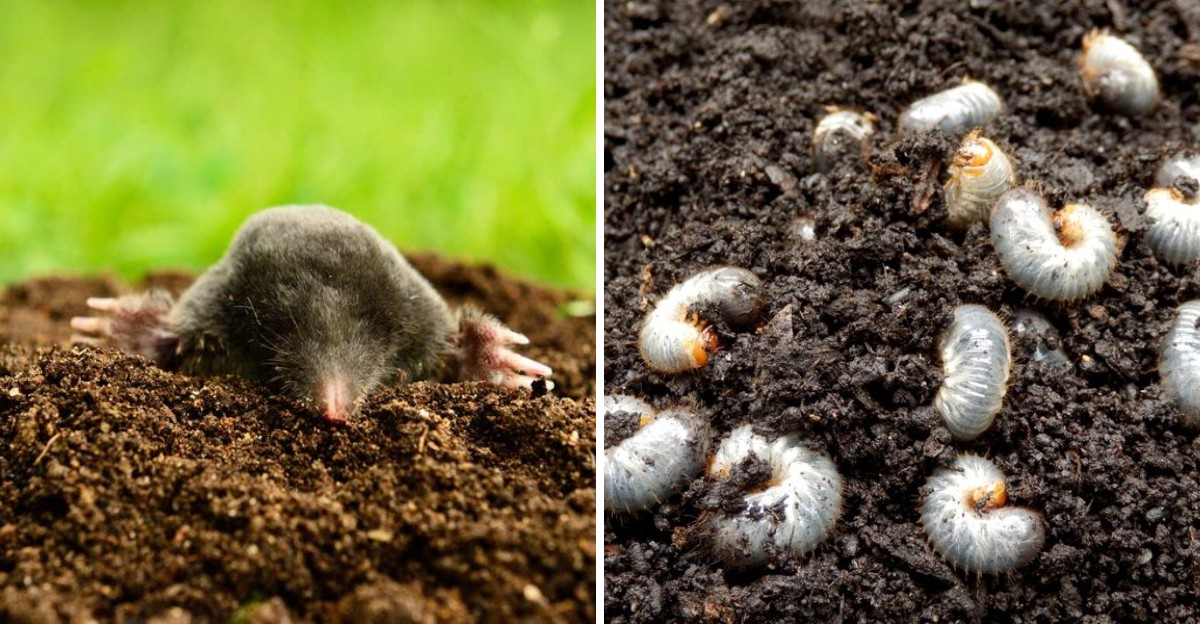
Ever walk across your lawn and feel the ground give way under your shoe? Look down, and you’ll often find a soft, raised ridge snaking through the grass.
That’s the work of a mole, and it rarely stops at one tunnel. Moles don’t eat grass, flowers, or roots.
They’re after earthworms, grubs, and other critters living in the soil. When they find a spot loaded with those snacks, they dig in, literally.
Before long, ridges, trails, and small mounds of dirt are showing up all over the yard. Fall is a busy season.
Cool, damp soil keeps earthworms close to the surface, and moles take full advantage before the ground freezes. Certain conditions in your yard make it especially hard for them to stay away.
1. Juicy Earthworms
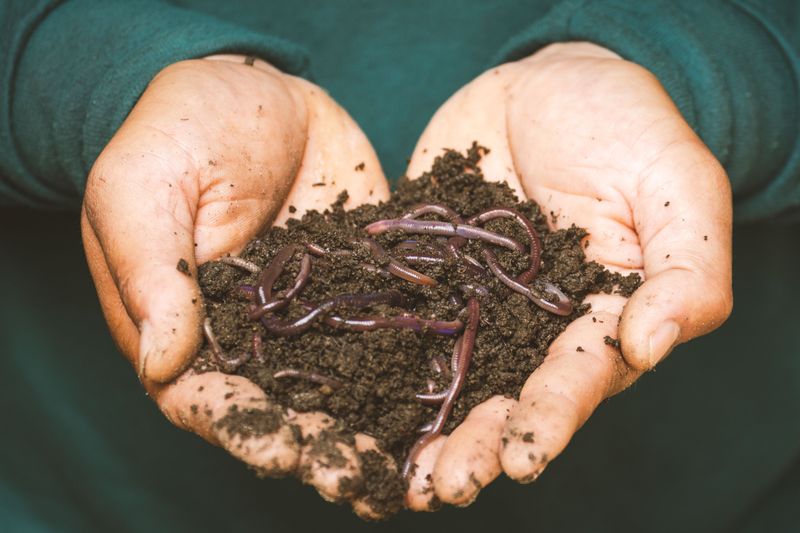
Ask any mole what is for dinner, and the answer is almost always worms. The eastern mole is the most common mole in Pennsylvania. Earthworms make up the biggest part of its diet.
A single mole can eat close to its own body weight in food each day. That adds up to a lot of worms. Moles have to keep hunting nearly all the time to stay fueled.
Here is the funny twist. Worms show up in large numbers where soil is healthy. So if your lawn is green, thick, and well cared for, it probably has plenty of worms. That is exactly why moles often move into the nicest yards on the block.
Moles find worms using their sensitive snouts and their ability to feel tiny movements in the soil. Their tunnels work almost like traps. Worms wiggle into the tunnels, and the mole patrols them to grab a quick snack.
Should you get rid of your worms? Probably not. Earthworms help air move through the soil.
They also break down dry plant matter and feed your grass naturally. Wiping them out would hurt your yard more than the moles do.
A better plan is to manage how much you water. Soggy lawns pull worms close to the surface, which makes hunting easy. Watering deeply but less often helps keep worms lower in the ground.
You can also press down fresh ridges with your foot after you see them. Then watch which tunnels pop back up. Those are the active runways, and they show you where the mole is spending its time.
Fun fact: moles have a special saliva that can stun worms. Some moles even store live worms in underground pantries for later meals.
2. Japanese Beetle Grubs
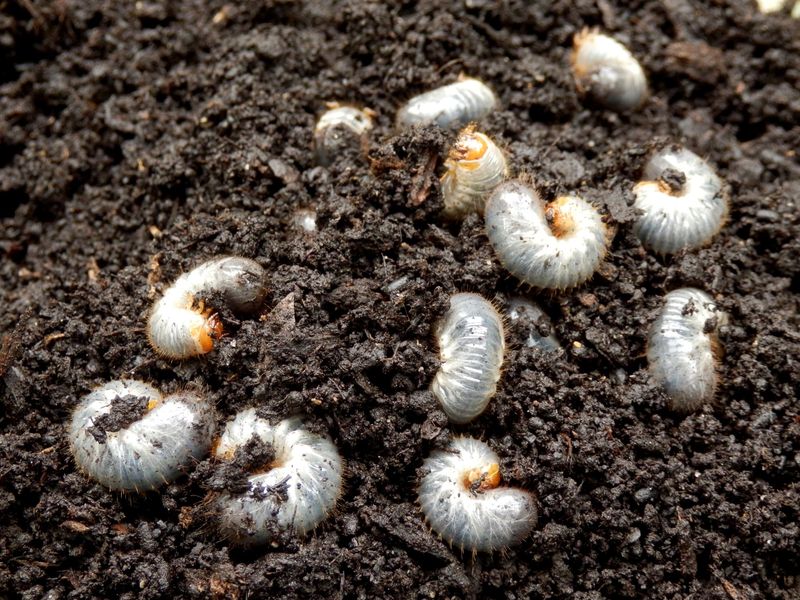
Shiny green beetles munching your rose leaves in July might seem like a separate problem. Underground, though, their babies are feeding a mole near you. Japanese beetle larvae, called white grubs, live in the soil of many Pennsylvania lawns.
These grubs are fat, white, and curled into a C shape. They chew on grass roots, which can leave brown, dry patches. To a hungry mole, they are a tasty bonus snack.
Lots of homeowners hear that destroying grubs will make moles leave. It sounds logical. Sadly, it usually does not work that way.
Your Pennsylvania Garden Changes Every Week. Your Plan Should Too.
Gardening in Pennsylvania changes quickly throughout the season. Every Friday you’ll receive a simple weekly plan showing exactly what to plant, prune, fertilize, harvest, and protect so you never miss the right timing.
Remember, moles eat mostly earthworms. Grubs are more like a side dish than the main course. Even if every grub disappears, the worms are still there, and so is the mole.
That does not mean grub control is useless. Fewer grubs means healthier grass roots. Your lawn will look better, and Japanese beetles will have a harder time multiplying next year.
Want to check for grubs? Cut a small square of sod about one foot wide. Peel it back and count the grubs you see. More than about ten in that square often means it is time to act.
Milky spore is a natural bacteria that targets Japanese beetle grubs. It takes a few years to build up, but it can last a long time. Beneficial nematodes are another natural choice that you water into the soil.
Timing matters too. Late summer is when young grubs are small and easiest to treat. Treat too late in fall, and they have already burrowed deep.
Just keep your hopes realistic. Grub control helps the grass, but it is not a magic mole eraser.
3. Cool, Moist Fall Soil
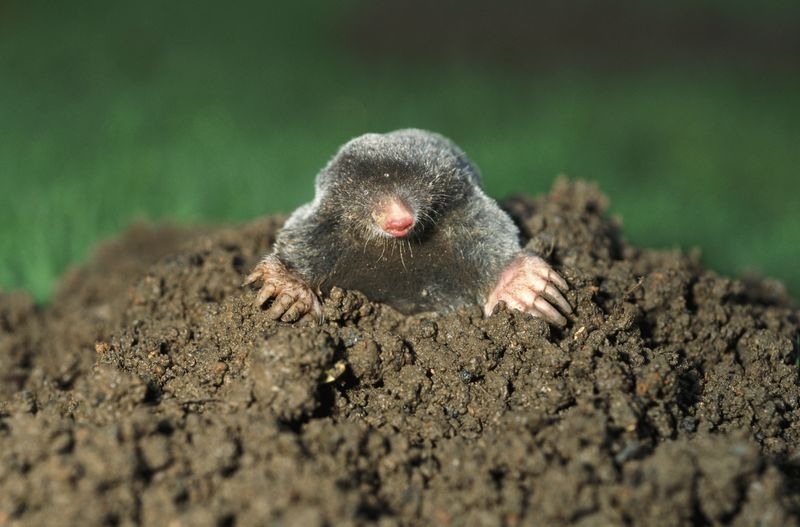
Rainy October weekends in Pennsylvania feel cozy indoors. Out in the yard, moles are having a party. Fall rains soak the ground and change the whole menu underneath.
When soil gets moist and cool, earthworms and insects move up toward the surface. Summer heat had pushed them deeper to stay damp. Now they rise again, right into the mole’s hunting zone.
Shallow food means shallow tunnels. That is why you often see more raised ridges in fall. Spring brings the same thing for the same reason.
During hot, dry summer weeks, moles still dig, but they go deeper. You might not notice them at all. Then the first good rain hits, and suddenly your lawn looks like a road map.
Winter changes things again. When the ground freezes, moles follow the worms down below the frost line. They do not hibernate, so they keep working out of sight.
So what can you do in the soggy season? Start by fixing drainage problems. Low spots that stay wet are magnets for worms and moles alike. Adding a little soil to fill dips can help water run off.
Also, ease up on fall watering. Many people keep sprinklers running long after the rain returns. Your grass rarely needs extra water in a wet Pennsylvania autumn.
Fall is also a smart time to rake ridges flat and reseed bare spots. Cool weather helps grass seed sprout well. Your lawn can recover before winter.
A little patience goes a long way here. Seasonal tunneling often calms down once the weather settles. Knowing the pattern helps you stay calm instead of panicking over every new bump.
4. Loose, Easy-To-Dig Soil
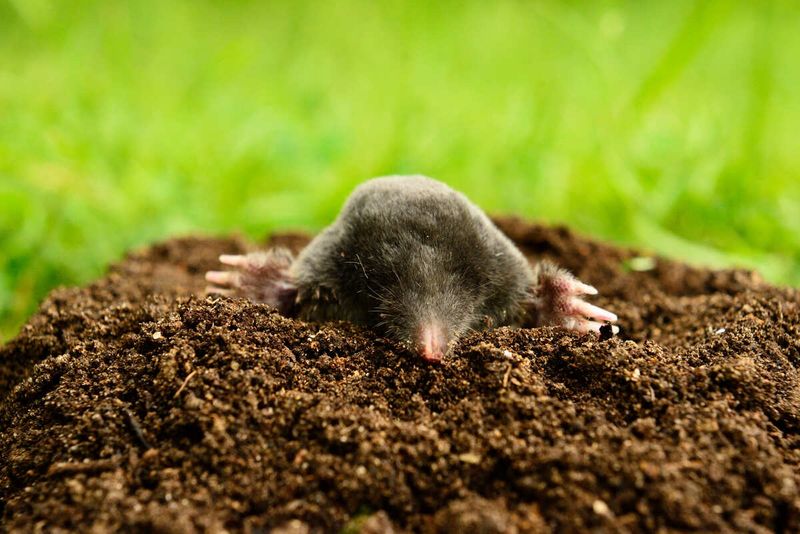
Think about digging a hole at the beach versus digging in a hard dirt path. One is easy, and one is exhausting. Moles feel the same way about soil.
Loose, crumbly soil lets a mole push through fast. Its big front paws work like shovels. In soft ground, it can tunnel many feet in an hour.
Hard, packed soil is a different story. It takes more effort and burns more energy. Moles tend to skip it when easier ground is close by.
That is why freshly tilled garden beds are so tempting. You spend a whole Saturday loosening the dirt and planting seeds. A few days later, a ridge cuts right through your new rows.
Newly planted lawns and flower beds get the same treatment. Fresh topsoil and loosened ground are basically an open invitation. Seedlings can get pushed up and dry out when tunnels pass beneath them.
Of course, you should not pack your garden like concrete. Plants need loose soil to grow good roots. The goal is protection, not ruining your beds.
One helpful trick is installing a barrier around small, valuable beds. Bury hardware cloth about two feet deep, with a few inches bent outward at the bottom. Moles usually will not dig under it.
Raised beds can also get a mesh liner on the bottom before you add soil. It is a simple step that saves a lot of headaches later.
After moles pass through, gently press the soil back down around your plants. Then water lightly to settle the roots. Most seedlings bounce back if you catch the damage early.
Quick fact: a mole’s front paws are wider than they are long, perfect for swimming through dirt.
5. Mulched Garden Beds

Mulch is like a cozy blanket for your garden. Gardeners love it for good reasons. Moles love it for reasons of their own.
A layer of mulch keeps soil cool on hot days. It also holds in moisture after rain or watering. Weeds have a harder time sneaking through.
Those same cool, damp conditions are paradise for earthworms and insects. They gather right under the mulch, where life is comfortable. Moles follow the food, and suddenly your flower bed becomes a buffet line.
You might notice soil bumps poking up through wood chips. Or plants near the edges start to look wobbly. That is a clue moles have moved into the neighborhood.
Does this mean you should toss your mulch? Not at all. Mulch helps your plants far more than it hurts them.
Instead, watch how thick you spread it. Two to three inches is plenty for most beds. Piling it much deeper keeps soil extra soggy and invites more worm activity near the surface.
Pull mulch back a few inches from tree trunks and plant stems too. That helps prevent rot and gives you a clear view of any tunneling.
Some folks switch to stone or gravel in a narrow strip along the bed edge. That creates a small border that is less inviting. It also looks neat and tidy.
Castor oil based repellents are sold for mole problems. Results are mixed, but some homeowners say they help in small areas. Reapply after heavy rain if you try one.
Bottom line: keep the mulch, just use it wisely. A healthy garden and a few moles can often share the same space.
6. Rich, Compost-Filled Soil
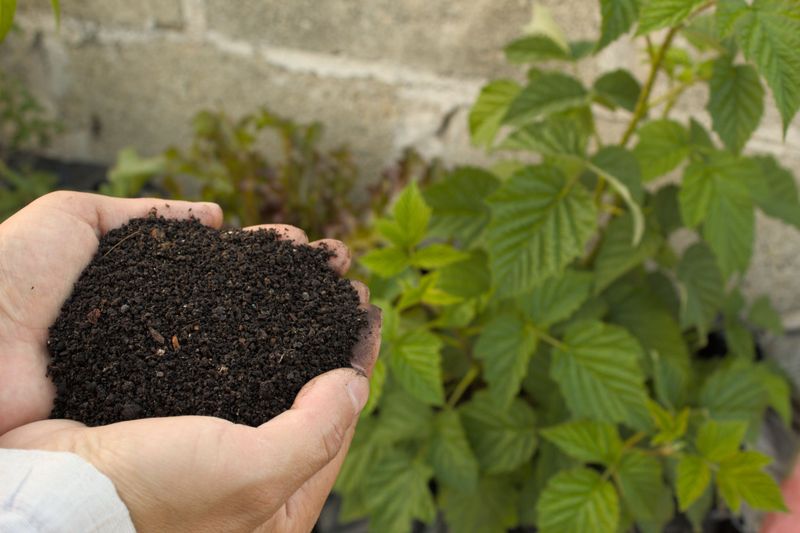
Every gardener dreams of dark, crumbly soil that smells sweet and earthy. Compost helps make that dream come true. Unfortunately, moles share the same dream.
When you add compost, leaf mold, or other organic matter, you are feeding the soil. Tiny creatures move in to break it down. Earthworms, beetle larvae, and other critters multiply fast.
More critters mean more food for moles. A compost-rich garden can hold far more worms than plain dirt. To a mole, that is like finding an all-you-can-eat restaurant.
Honestly, it is kind of a compliment. Moles showing up can be a sign you are doing a great job with your soil. Your plants are probably thriving too.
Still, nobody enjoys tunnels through their tomato patch. So how do you keep the good soil and limit the trouble?
First, focus compost where plants need it most. Mix it into planting holes and beds instead of spreading it thick across the entire lawn. That keeps the worm hot spots smaller.
Second, keep your compost pile on a hard surface or inside a bin with a wire mesh bottom. Open piles on bare ground can become a worm nursery right next to your yard.
Third, protect your favorite beds with underground barriers. Raised beds with mesh liners work especially well with rich soil.
Here is a cheerful thought. Mole tunnels actually help mix and loosen soil. They let air and water reach plant roots. In wild areas, moles do a lot of useful work.
So keep building that healthy soil. Just plan ahead so your hard work feeds your plants first and your underground visitors second.
7. Yards Near Woods Or Wet Areas
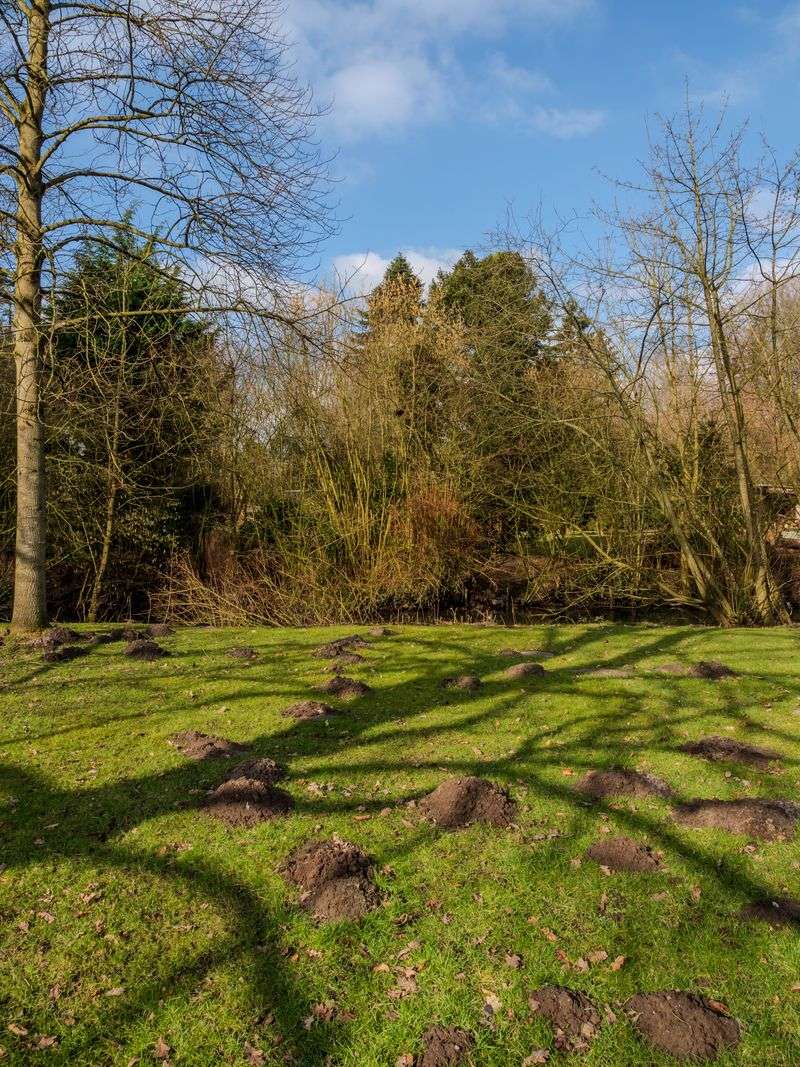
Live next to a creek or a patch of woods? Then you may be meeting more than one kind of mole. Pennsylvania is home to several species, not just the eastern mole.
The star-nosed mole is the strangest looking of the bunch. Its nose has 22 pink, fleshy tentacles shaped like a star. It loves wet soil near streams, ponds, and marshes.
Star-nosed moles are even good swimmers. They hunt underwater for small insects, worms, and tiny fish. Scientists say they are among the fastest eaters in the animal world.
The hairy-tailed mole prefers different turf. It often lives near woodlands, in loose, well-drained forest soil. You can tell it apart by its short, furry tail.
When your yard borders these natural habitats, moles can wander in easily. Woods and wetlands act like home base. Your lawn becomes a handy place to grab extra food.
Because of that, getting rid of every mole is not really realistic. New ones may move in from nearby. A more peaceful approach often works better.
Try creating a buffer zone between the wild edge and your lawn. A strip of gravel or a shallow underground barrier can slow them down.
Improve drainage in wet corners of your yard too. Less soggy ground near the border makes it less attractive.
Also remember that wetlands and woods matter for wildlife. Moles are a natural part of those places, and they help keep soil healthy.
If tunneling gets out of hand, call a licensed wildlife professional. They know Pennsylvania rules and can recommend safe, humane options. Sometimes, a little sharing is the easiest path to a happy yard.