How To Protect Pennsylvania Plants From 45 Mph Wind Gusts
A 45 mph gust doesn’t sound like much until you’re standing in it. It’s strong enough to rip an umbrella inside out, send trash cans rolling down the street, and make tall trees bend and groan. Your garden feels every bit of it.
Pennsylvania’s fall and winter storms can bring powerful winds with little warning. Young trees can snap or lean. Tall perennials flatten in seconds. Potted plants tip over and crack.
Evergreens take a quieter beating, as dry, cold wind pulls moisture from their needles and leaves them browned by spring. Even sturdy shrubs can lose branches if they’re already weak or overgrown.
You can’t stop the wind, but you can prepare for it. A few smart steps before the next big blow can save your plants, your pots, and a lot of cleanup.
1. Move Or Secure Potted Plants
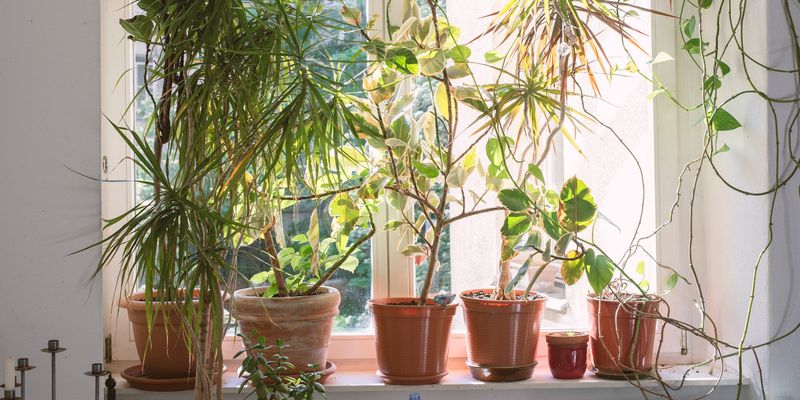
Last spring, a neighbor of mine lost a lovely clay pot of geraniums to one wild gust. It flew off her porch rail and shattered on the sidewalk. Containers are easy targets because they sit up high and have no roots in the ground.
Wind pushes against the leaves like a sail. A tall plant in a light plastic pot can tip over in seconds. When it falls, stems snap, soil spills, and roots get exposed to the drying air.
Start by checking the forecast. When you hear about gusts near 45 mph, take action that day. Move smaller pots into a garage, shed, or mudroom. Even a quiet corner of the basement works for a night or two.
Bigger pots can be harder to move. Slide them against a sheltered wall on the side of your house away from the wind.
In much of Pennsylvania, strong winds often come from the west or northwest, so an east-facing wall usually offers good cover.
Grouping pots together also helps. Plants packed close act like a team and block wind for one another. Place the heaviest pots on the outside of the group and the lighter ones in the middle.
Sometimes a pot is just too heavy or awkward to carry. In that case, gently lay it on its side. A plant lying down cannot be blown over, and it will catch far less wind.
Here is a handy trick for the future. Add a few rocks or bricks to the bottom of tall containers when you plant them.
That extra weight lowers the center of gravity and keeps pots steady. Clay and ceramic pots are also sturdier than thin plastic ones during windy seasons.
2. Stake Young Trees And Tall Plants
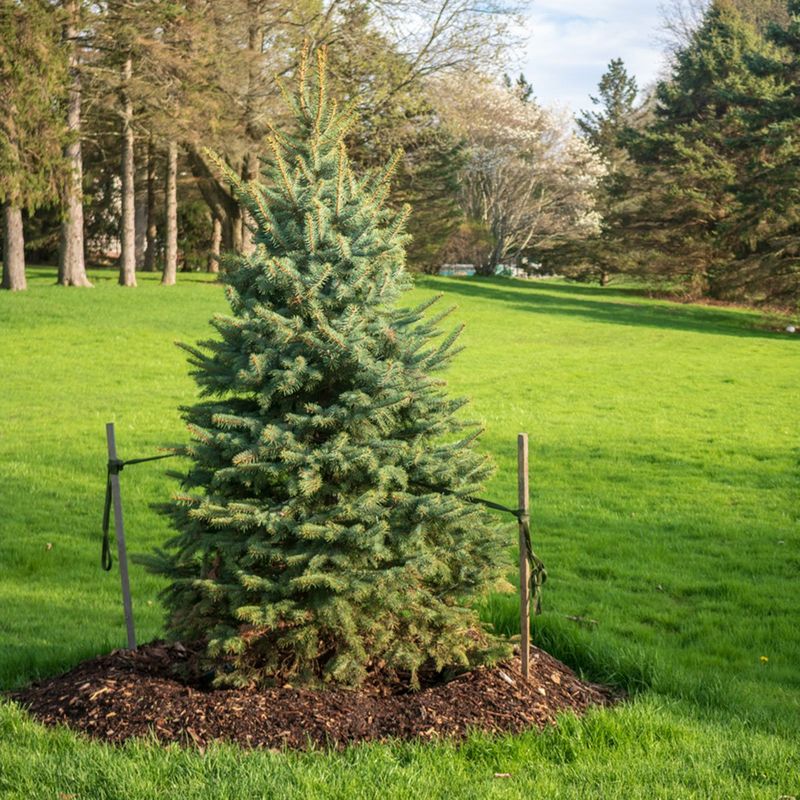
Did you know that trees actually grow stronger when they sway? Gentle movement tells a tree to build thicker wood and deeper roots. That fun fact matters a lot when you decide how to stake your plants.
Newly planted trees have small root systems. They have not had time to grip the soil yet. A 45 mph gust can lean them over or even pull them partly out of the ground.
Your Pennsylvania Garden Changes Every Week. Your Plan Should Too.
Gardening in Pennsylvania changes quickly throughout the season. Every Friday you’ll receive a simple weekly plan showing exactly what to plant, prune, fertilize, harvest, and protect so you never miss the right timing.
Tall perennials face a different problem. Plants like delphiniums, sunflowers, hollyhocks, and dahlias have long stems that bend and break. Once a stem cracks, the flowers above it usually droop for good.
For young trees, use two or three sturdy wooden or metal stakes. Place them a foot or two away from the trunk. Connect the stakes to the tree with soft, wide ties made of fabric, rubber, or old pantyhose.
Never use bare wire or thin rope. Those can cut into the bark as the tree moves. Keep the ties a bit loose so the trunk can shift an inch or two in the breeze.
For flowers and tall veggies, a single bamboo stake or a round plant cage works well. Tie stems loosely in a figure-eight pattern. That loop keeps the stem from rubbing directly against the stake.
Timing is the final piece. Tree stakes should come off after about one year. Leaving them longer can make the trunk weak and dependent. Mark your calendar when you plant, so you remember to check.
Got tomatoes? They love support too. Strong cages put in early help them handle summer thunderstorms that roll across Pennsylvania.
3. Secure Garden Structures And Covers
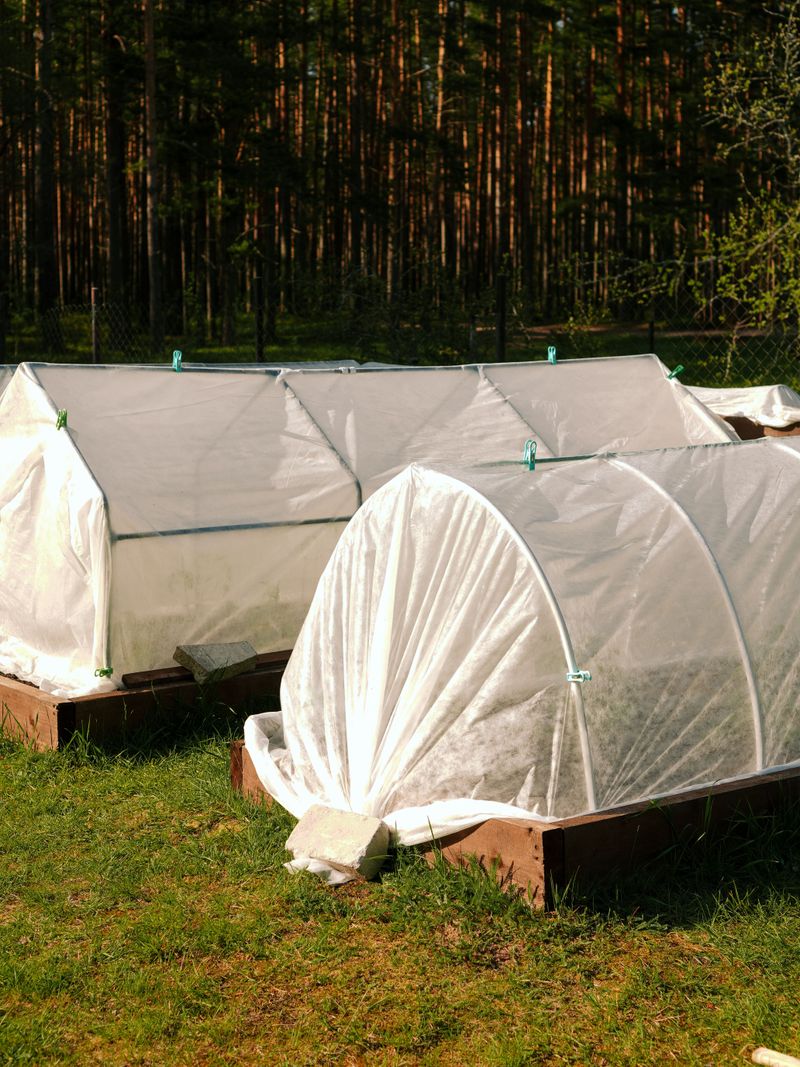
Ever seen a row cover tumbling across a yard like a runaway kite? It is funny for about two seconds. Then you realize your seedlings are now out in the cold and wind with nothing protecting them.
Garden structures help plants grow, but they can turn into problems during big storms. Trellises, arbors, hanging baskets, cold frames, and fabric covers all catch wind. If they break or blow away, they can damage plants, fences, cars, or windows.
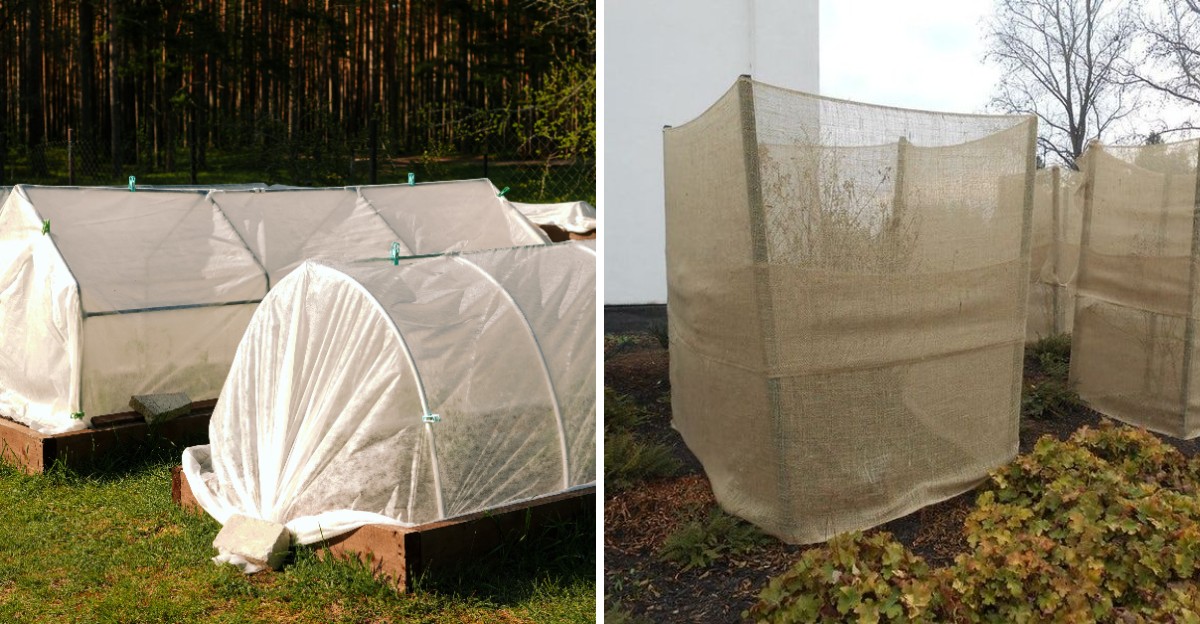
Let us start with row covers. Pin the edges every few feet with U-shaped landscape staples. Add weight on top of the edges using sandbags, bricks, or heavy boards. Covers held down on all sides are much less likely to lift.
Hanging baskets are next. Take them down before the wind picks up. Set them on the ground in a sheltered spot or carry them into the garage. A swinging basket can slam into walls and shred its own flowers.
Cold frames need attention too. Close the lids and latch them if you can. A lid propped open on a windy day can snap right off its hinges.
Walk around and wiggle your trellises and arbors. If they rock back and forth, drive the posts deeper or add metal stakes beside them. Zip ties or garden wire can help attach them to a fence for extra strength.
Also look for loose items like plant labels, empty pots, and lightweight lawn chairs. Stash them away.
In a 45 mph gust, small objects become flying hazards that can bruise leaves and break stems. A quick ten-minute walk around the garden saves hours of cleanup later.
4. Water Plants Before The Wind Arrives

Think about how your lips feel after a long walk on a windy day. They get dry and chapped. Plants go through something very similar when strong gusts blow past them.
Wind pulls water out of leaves faster than normal. It also dries the top layer of soil. If roots cannot replace that lost moisture fast enough, leaves wilt, curl, or turn brown at the edges.
The fix is simple and cheap. Give your plants a deep drink a day or two before the wind arrives. Moist soil also holds roots more firmly, which helps plants stay anchored.
Deep watering means soaking the soil several inches down. A quick sprinkle only wets the surface and dries out fast. Let a hose trickle slowly at the base of each plant for several minutes, or use a soaker hose.
Some plants need extra care. Evergreens keep their leaves all year, so they lose water even in winter. Newly planted shrubs and trees also have small roots that cannot reach deep moisture yet.
Here in Pennsylvania, fall watering is especially useful. Dry autumn winds followed by frozen ground can leave evergreens thirsty for months. Keep watering until the ground freezes, usually around late November or December.
A layer of mulch helps too. Spread two to three inches of shredded bark or wood chips around plants. Mulch slows evaporation and keeps roots cool and damp. Just keep it a few inches away from trunks and stems.
One caution matters, though. Do not flood soggy ground. If your soil is already soaked from heavy rain, skip the extra water so roots do not sit in mud.
5. Shield Evergreens With Burlap
Brown, crispy patches on a boxwood in March are a sad sight. Many Pennsylvania gardeners know that look well. It usually comes from a mix of harsh wind and dry winter air, a problem called winter burn.
Evergreens like boxwood, rhododendron, holly, arborvitae, and young conifers keep their leaves through the cold months.
Those leaves keep losing water. When the ground is frozen, roots cannot pull up more water, and gusty winds make the drying even worse.
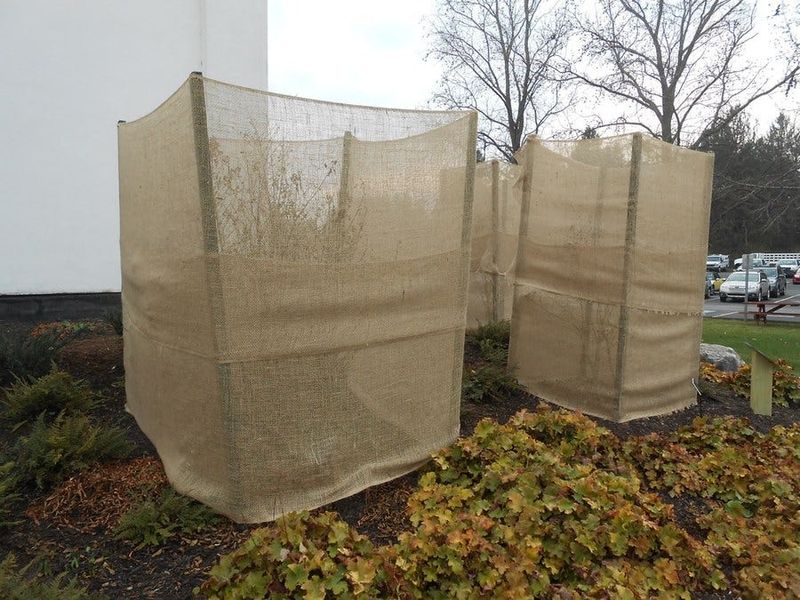
Burlap is an old-school hero for this job. It is a rough, natural fabric that blocks wind but still lets air and moisture pass through. Plastic, on the other hand, traps heat and moisture, which can cause mold or scorched leaves.
Setting up a screen is easy. Pound three or four wooden stakes into the ground on the windward side of the plant. That is the side where the wind usually hits hardest, often the west or northwest here.
Next, staple or tie burlap to the stakes. Leave several inches of space between the fabric and the plant. Wrapping burlap directly against the branches can rub leaves and hold in too much dampness.
Put up your screens in late fall, before the ground freezes. Take them down in early spring when the weather warms up and gusts calm down. Most burlap can be reused for a few seasons if you dry and store it.
Fun fact time. Burlap is usually made from jute, a plant fiber also used for rope and sacks. Gardeners have trusted it for over a century. Sometimes the simplest tools really do work best.
6. Remove Weak Or Dry Branches
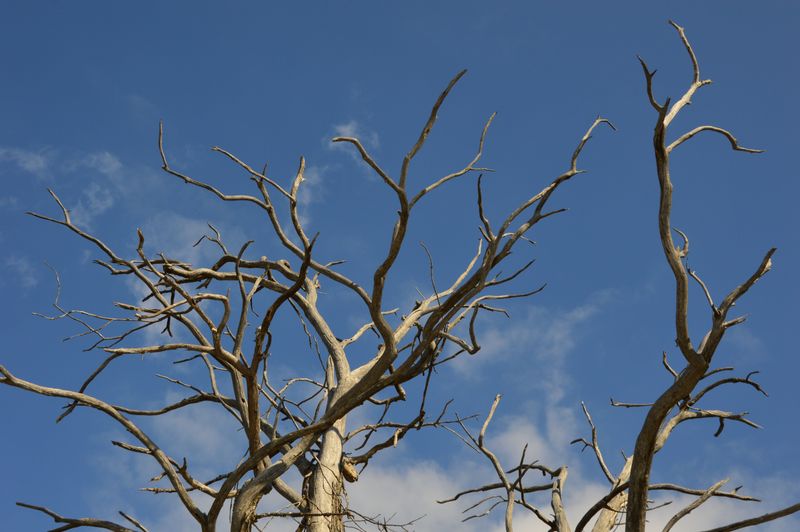
Picture-perfect trees can still hide trouble. Up in the canopy, a cracked or dried-out branch might be waiting for the right gust. At 45 mph, that weak limb can snap and crash onto your roof, car, or flower beds.
Arborists often say the best storm protection happens long before the storm. Healthy, well-pruned trees bend and flex. Brittle or damaged branches break.
So what should you look for? Watch for branches with no leaves during the growing season. Check for cracks, peeling bark, fungus, or limbs that hang at odd angles. Also notice branches that grow in tight V shapes, since those joints tend to split.
Small branches are easy to handle with hand pruners or a pruning saw. Cut just outside the branch collar, the slightly swollen ring where the branch meets the trunk. That spot helps the tree seal the wound on its own.
Big limbs are a different story. If a branch is thick, high up, or near power lines, call a certified arborist. Climbing ladders with saws is risky, and pros have the right gear and training.
Late winter is a great time to prune many Pennsylvania trees. Leaves are gone, so weak spots are easy to see. Pests and diseases are also less active then.
After the wind passes, take a careful walk around your yard. Look for torn or hanging branches. Make clean cuts to remove ragged edges, because jagged wounds heal slowly and invite insects.
Skip the wound paint or tar. Research shows trees heal better without it. A clean cut and a little patience let nature handle the rest.