Why A Quick Drop From 80 Degrees To Freezing Is Tougher On Michigan Plants Than A Slow Cool Down
Plants prepare for cold the way people prepare for a trip. They need time. A slow autumn gives them weeks to adjust.
They move sugars into their cells, slow their growth, and harden off. A sudden swing from summer heat to freezing skips all of that. This week in Michigan, unusual October warmth gave way to a sharp cold front within days.
Soft, tender growth is the most exposed, and it is the kind that grew during the heat. Cells filled with water can be damaged when temperatures fall fast. Some plants shrug it off.
Others look battered for weeks. You cannot stop the weather, but you can respond wisely. Knowing which plants suffer most, and what helps, lets you protect the ones that matter.
1. Plants Need Time To Harden For Winter
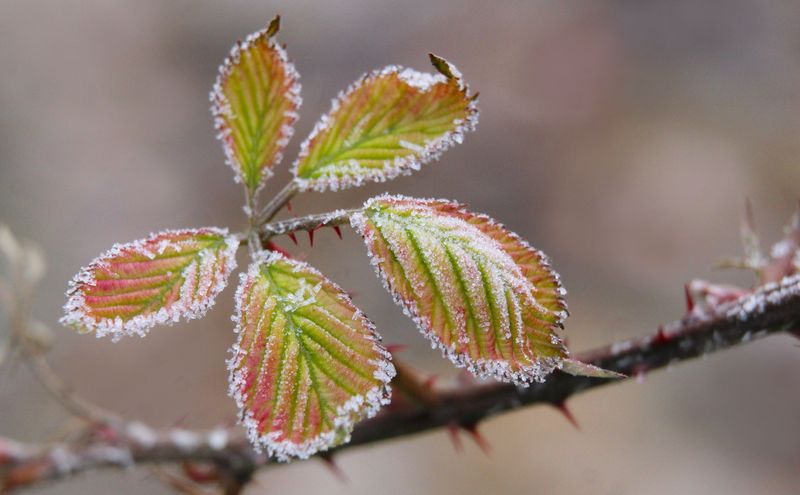
Think of a runner getting ready for a big race. Nobody jumps off the couch and sprints a marathon, and plants work the same way when winter is coming. They need practice, and that practice is called cold acclimation, or hardening.
As fall days get shorter and nights slowly cool over several weeks, plants start changing on the inside.
They pack their cells with sugars and other helpful compounds that work a little like antifreeze in a car. Their tissues also adjust, shifting water around so ice is less likely to form in harmful places.
Shorter days start the process, but cool temperatures push it much further. When the weather drops gently, a plant has plenty of time to finish each step.
When it jumps from 80 degrees to near freezing in just a few days, much of that preparation simply gets skipped.
So what will you notice? Plants that missed a steady cool down often show more browning, curled leaves, and damaged tips after one cold night. The same plant might have barely flinched if fall had arrived slowly.
Michigan gardeners saw this up close in 2026. Unusual heat in mid October felt wonderful for a few days, but a strong cold front quickly swept through behind it. Many plants were still acting like it was summer when the chill hit.
The best move is to watch the forecast closely during warm fall stretches. If a big drop is coming, plan ahead to protect the plants you care about most.
Hardy trees and shrubs usually bounce back, while younger plants appreciate extra help. A little planning goes a long way when nature refuses to take things slow.
2. A Warm Spell Can Undo Some Of Their Progress

Early fall in Michigan often starts out just right. Crisp nights in September nudge plants into winter mode, and everything seems on track. Then a surprise heat wave rolls in and scrambles the plan.
Plants read the weather like a calendar. Cool nights tell them winter is near, so they begin building cold tolerance. A run of warm days sends the opposite message, and some of that hard work can fade away as plants loosen up and become more active again.
Your Michigan Garden Changes Every Week. Your Plan Should Too.
Gardening in Michigan changes quickly throughout the season. Every Friday you’ll receive a simple weekly plan showing exactly what to plant, prune, fertilize, harvest, and protect so you never miss the right timing.
Scientists call this losing hardiness, or deacclimation. A plant that could have handled a frosty night in late September may be more fragile after a week of summer-like heat. When the cold comes back fast, it finds a plant that has partly let its guard down.
You can help by not sending any more growth signals. Hold off on fertilizer in the fall, since extra nitrogen tells plants to grow instead of rest. Skip pruning too, because fresh cuts often wake up buds and push new shoots right before cold weather.
Keep an eye on the first cold nights after the heat breaks. Those are the riskiest, so cover sensitive shrubs, young perennials, and anything you planted this year. Older, well-rooted plants usually handle the swing better than newcomers.
Michigan sits between big lakes and wide open plains, so warm October spells followed by sharp drops are pretty normal here.
Gardeners who expect the flip-flop and stay patient tend to see healthier plants in spring. Enjoy the sunshine, but keep your garden tools resting and your frost covers close by.
3. Tender New Growth Is Especially Vulnerable

Have you ever spotted bright green leaves popping out on a shrub in October? It looks cheerful, but that fresh growth is in a risky spot. Warm fall days can trick plants into sending out soft new shoots right before winter.
Young leaves, stems, and flower buds are full of water and still have thin, tender walls. They have not had time to toughen up like older parts of the plant. When temperatures fall near freezing, these baby shoots are usually the first to get hurt.
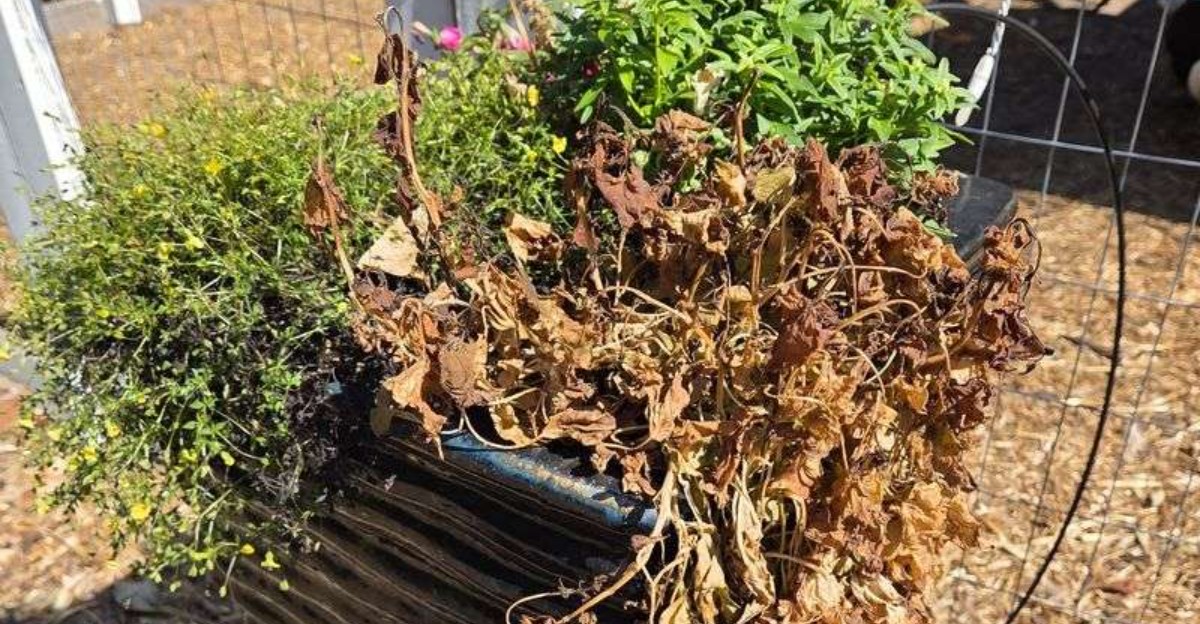
After a cold night, the damage is easy to see. New growth may turn black, brown, or go limp and droopy, almost like cooked spinach. Meanwhile, older stems that grew back in spring and summer often come through looking perfectly fine.
Don’t panic when this happens. Most shrubs and perennials only lose those soft tips, and the main plant stays healthy underneath. Resist the urge to grab your pruners right away, because cutting now could spark even more fragile growth.
Wait until the right season to clean things up. For most shrubs, late winter or early spring works well, once you can see which branches are leafing out.
Spring-blooming shrubs like lilacs are better trimmed right after they flower, so you keep next year’s blooms.
In Michigan, roses, hydrangeas, butterfly bushes, and many perennials often push late growth after a warm stretch.
A light cover on cold nights can protect those tender shoots. And if a few tips get nipped anyway, think of it as a small trim nature handled for you.
4. Active Plants Hold More Water In Their Tissues

Water is a plant’s best friend during summer. On hot days, plants pull it up from the roots and push it through leaves and stems at a fast pace, carrying nutrients along the way.
That busy flow is great for growing, but it becomes a problem when a freeze shows up suddenly.
Here is the science in simple terms. When water freezes, it expands and forms sharp ice crystals. If ice forms inside plant cells, it can break them apart, leaving mushy, darkened spots once the plant thaws.
Plants that cool down slowly have time to prepare. They gradually move some water out of their cells and slow their activity, so there is less to freeze in harmful places.
A plant still racing along in summer mode has soft, water-packed tissues that are much easier to damage.
Covering plants overnight is one of the simplest fixes. A blanket, frost cloth, or old sheet slows down heat loss, keeping the air around the plant a few degrees warmer. Those few degrees can make a big difference on a borderline night.
Put covers on in the evening, before the sun sets and warmth escapes. Then take them off in the morning once temperatures climb above freezing. Leaving them on all day can trap too much heat and block sunlight your plants still need.
Michigan gardens are often still growing strong when October warmth suddenly ends. Lawns are green, perennials are lush, and veggies are full of juice. That makes a quick cover routine one of the smartest habits a local gardener can build.
5. Warm Season Crops And Annuals Have No Defense
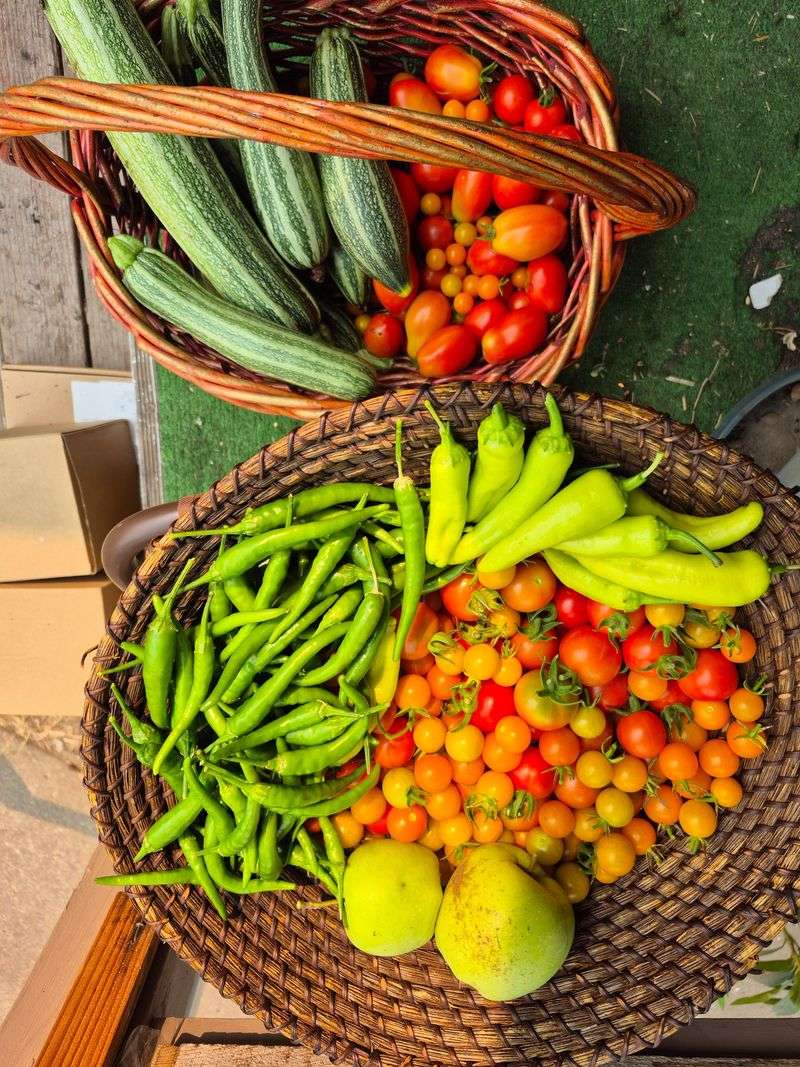
Tomatoes still blushing on the vine, peppers dangling everywhere, basil smelling like summer. A long warm spell can make a fall garden look amazing. Sadly, one freezing night can wipe that scene away quickly.
Warm season crops and many annual flowers simply cannot harden against freezing. Tomatoes, peppers, basil, beans, squash, coleus, and impatiens come from warm climates, and their cells have no real protection from ice.
Basil even sulks when nights dip into the 40s. After a stretch of heat, these plants are often loaded with flowers and fruit. They are spending all their energy on producing, not protecting. That is why a sudden frost can end their season overnight.
Start by harvesting before the cold arrives. Pick ripe produce, plus mature green tomatoes that have a light shine and pale color. They can finish ripening on your kitchen counter, away from direct sun.
Potted tender plants can roll into a garage or come indoors for the night. Love a certain coleus or geranium? Snip a few cuttings, place them in water or moist potting mix, and grow them on a sunny windowsill all winter.
Want a few more weeks of harvest? Cover beds with frost cloth or sheets in the evening, and some plants may hang on through a light frost.
Many Michigan gardens were still pumping out vegetables during the unusual heat, so a quick plan can save a lot of food. Even a few extra days can mean one more batch of salsa.
6. Sudden Swings Stress Roots In Containers

Porch pots are the hardworking stars of many Michigan homes. They brighten steps, welcome guests, and hold mums, herbs, and summer flowers well into fall. Yet those same containers face a bigger challenge than garden beds when the weather flips.
Soil in a pot has very little around it. On hot days it heats up fast, especially in dark plastic or metal containers. When cold rushes in, it loses that warmth just as quickly because air surrounds it on every side.
Roots in the ground enjoy steady temperatures, since the earth works like a giant blanket. Roots in pots get no such comfort, so they ride a wild roller coaster from hot to cold. That shock stresses the whole plant, from root tips all the way to the leaves.
Luckily, a few easy moves help a lot. Slide pots against a sheltered wall, ideally on the south or west side of your house, where bricks release stored warmth at night. Group containers close together so they share heat and block wind.
Check the soil during the day before a cold night. If it feels dry, give it a good drink, since moist soil holds heat better than dry soil. Tender plants like tropical hibiscus or geraniums should come inside to a garage or bright room.
Michigan gardeners love keeping patio containers out through October, and that is part of the charm of fall. Just be ready to play musical chairs with your pots when a cold front heads your way.
7. Moist Soil And Covers Help Soften The Blow

Some of the best frost protection costs almost nothing. A garden hose and a few old bedsheets can give your plants a real fighting chance. Gardeners have used these tricks for generations, and they still work beautifully.
Moist soil acts like a heat battery. It soaks up warmth from the sun during the day and slowly releases it after dark, much more than dry soil can. Covers then trap that rising warmth around your plants, which can be enough to carry them through a light freeze.
Timing matters most. Water dry beds earlier in the day before a cold night, giving the soil time to absorb sunshine. Avoid soaking plants late at night, since wet leaves in freezing air are not ideal.
Covering comes next, in the evening. Use frost cloth, old sheets, or light blankets, and let them drape all the way to the ground. That way, heat from the soil stays tucked underneath instead of floating off into the sky.
Plastic sheeting needs care. If it touches leaves, cold passes right through and can damage them, so prop it up with stakes or skip it for fabric instead. Weigh down edges with rocks or bricks so wind cannot steal your cover.
Remove everything the next morning once temperatures rise above freezing. Michigan gardeners can expect more sudden swings between warm and cold before winter truly settles in.
Keep a basket of sheets and some clothespins near the back door, and you will be ready whenever the forecast surprises you.