What It Really Means When A Raccoon Keeps Returning To Your California Garden Every Night

Some nighttime visitors leave a trail of clues by morning. Scattered scraps, overturned containers, and small, handlike prints often tell a story long before anyone spots the culprit.
A guest who returns night after night rarely does so by accident. Wild animals rarely waste energy on empty trips.
Repeat visits usually mean the yard offers something worth remembering, and this particular visitor has an excellent memory.
Understanding what draws it back, from the kitchen to the garden, makes the solution far clearer.
The most effective approach skips harsh measures entirely, relying instead on simple, steady changes around the home.
Patience and a little teamwork can turn a nightly hotspot into just another quiet yard on the block.
1. They Have Found A Reliable Food Source
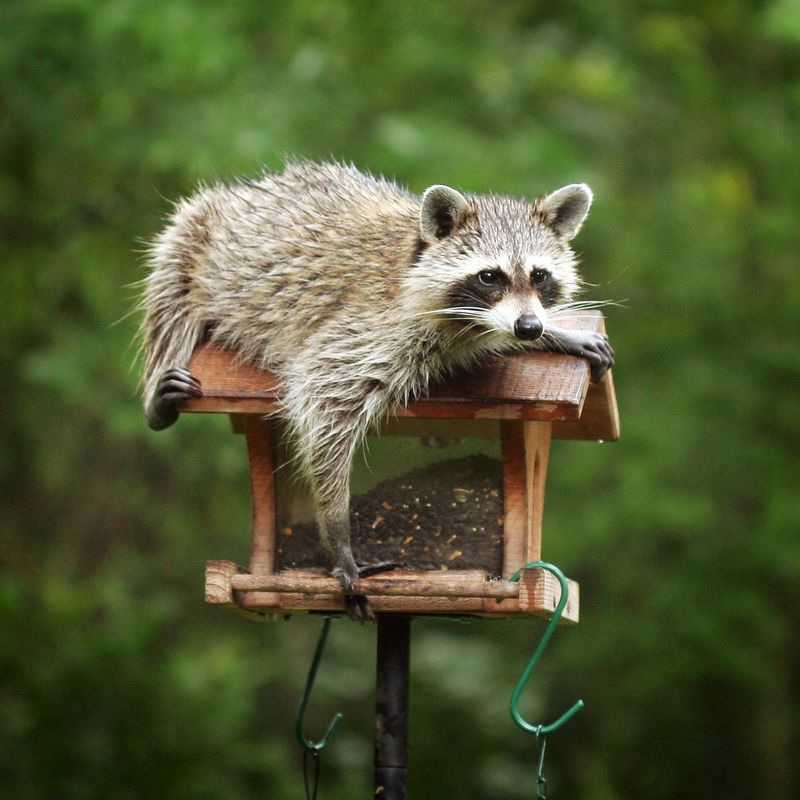
A diner that’s always open and always free describes exactly how a garden looks to a raccoon visiting every night. Each repeat trip signals that something in the yard keeps paying off.
Raccoons forage at night, moving along a loose route and checking spots that rewarded them before. A yard lands on that list after delivering a meal at least once, and usually more than once.
As omnivores, raccoons treat almost anything edible as fair game. Insects, worms, fruit, nuts, eggs, small animals, fish, and plenty of human leftovers all count.
A single California yard can offer several of these in one small space, which makes it especially tempting.
Morning clues reveal the menu. Tipped bowls, shredded trash bags, half-eaten oranges, and torn-up turf all point toward the attraction pulling the visitor back.
A few days of jotted notes usually reveal clear patterns.
Detective work pays off here. Once the main food source becomes clear, removing it becomes straightforward.
Many homeowners discover two or three attractions working together, such as a cat bowl, a fig tree, and an open compost pile.
Removing one reward helps, while removing all of them works far better. A raccoon that finds nothing for several nights in a row usually shifts its route to a yard that still pays.
Fall, when natural food grows scarcer, makes consistency especially important.
2. Pet Food And Trash Draw Them Back
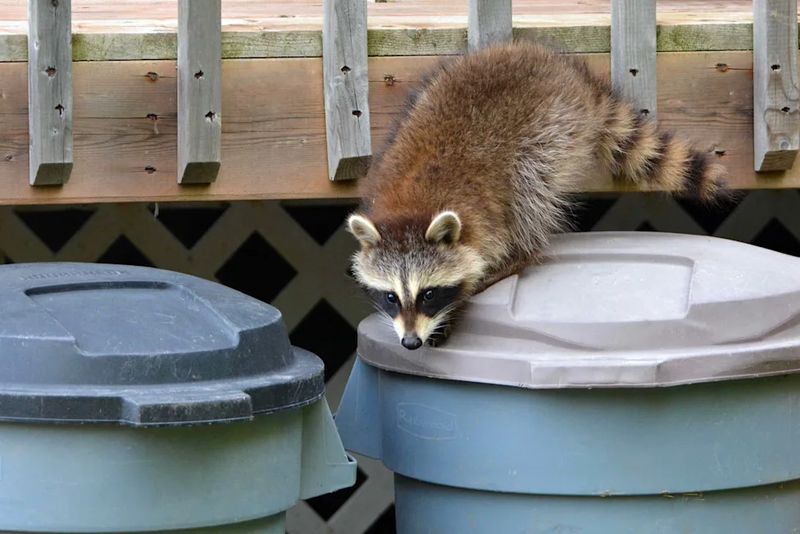
A bowl of kibble on the back step works like a dinner invitation with the address attached. Many raccoon problems start with something left outside on purpose.
Pet food is rich, smelly, and easy to grab, and raccoons can detect it from a good distance. Even a few crumbs left in an outdoor bowl overnight can keep one checking back.
Feeding cats and dogs indoors, or bringing bowls inside before dark, solves the problem simply.
Trash cans form the next big magnet. Raccoons have nimble front paws that work almost like human hands, prying off loose lids, tipping light cans, and ripping open bags in seconds.
A can that smells like last night’s chicken proves hard to resist.
Compost bins round out the buffet. Open piles containing food scraps, especially meat, dairy, or greasy leftovers, offer a feast, and UC IPM advises keeping animal products out of compost and using enclosed bins.
Your California Garden Changes Every Week. Your Plan Should Too.
Gardening in California changes quickly throughout the season. Every Friday you’ll receive a simple weekly plan showing exactly what to plant, prune, fertilize, harvest, and protect so you never miss the right timing.
Regular turning also helps reduce smells.
Trash cans stored in a garage or shed until pickup day stay out of reach. Tight-locking lids or bungee cords add security, and an occasional rinse with soap and water cuts lingering odors.
Timing matters, too. Setting trash out the morning of pickup rather than the night before cuts off a raccoon’s easiest late-night snack.
That small habit shift pays off quickly as longer fall nights give visitors more time to explore.
3. Ripe Fruit And Koi Ponds Are Targets
A backyard orange tree that finally delivers a great harvest often catches a raccoon’s attention at the same moment it catches the gardener’s.
California gardens grow plenty of raccoon favorites. Figs, grapes, plums, peaches, avocados, citrus, persimmons, and berries all draw them in once ripe.
Raccoons climb well, so tall branches offer little protection. They often take a bite or two and drop the rest, leaving a mess below.
Fruit picked as soon as it ripens, along with fallen fruit gathered daily, removes a free snack that keeps raccoons on schedule. Netting or fruit bags can protect smaller trees and vines during peak season.
Fall brings ripening persimmons, pomegranates, and late figs, making October a key month for this habit.
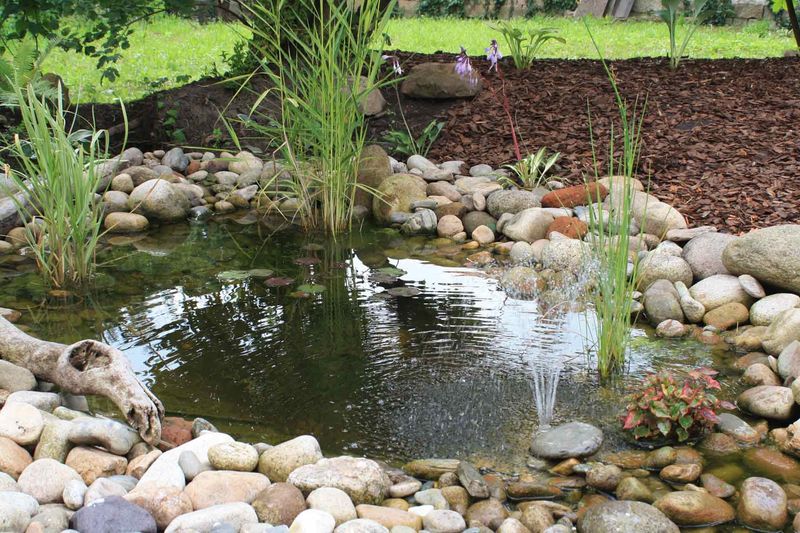
Koi and goldfish ponds tell a different story. To a raccoon, a shallow pond full of bright fish looks like a seafood counter.
They wade in at the edges and grab fish with quick paws, and many pond owners wake to missing fish and knocked-over plants.
Sturdy wire mesh or pond netting laid over the water at night offers strong protection. Steep sides, or sections deeper than about three feet, give fish a safe zone out of reach.
Fish caves or pipes provide additional escape routes. Since raccoons hunt best in shallow water, removing easy wading spots makes a pond far less worth the trip.
4. Grubs In The Lawn Add To The Menu
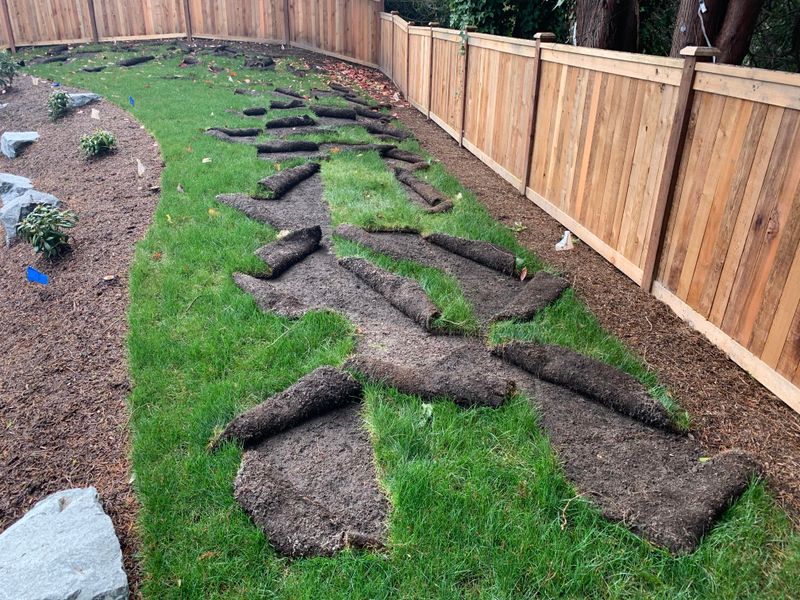
Strips of sod rolled back like carpet and small holes everywhere can look like vandalism. More often, the culprit is a hungry raccoon on a grub hunt.
White grubs are the young of beetles. They live in the soil, feed on grass roots, and make crunchy, protein-packed snacks for raccoons.
Clever paws peel back turf to dig them out, especially in moist, freshly watered lawns.
Newly laid sod makes a common target. Its roots haven’t anchored into the soil yet, so raccoons can flip whole pieces with little effort.
Damage often appears in late summer and fall, when grubs sit close to the surface, which makes October one of the busiest months for this kind of digging.
A quick check reveals whether grubs explain the problem. Peeling back a small square of turf and counting what lies beneath tells the story.
A handful of grubs is normal, while a crowd could explain the nightly digging.
Deep but less frequent watering helps, because soggy soil keeps grubs near the top.
UC IPM Pest Notes and local nurseries can suggest grub control options suited to each area, including beneficial nematodes. New sod staked or pinned in place until roots take hold resists flipping.
Once the grubs disappear, the digging usually stops. A raccoon rarely keeps flipping sod that reveals only plain dirt, and with no buried treasure, the reason to return fades.
5. Water Features Keep Them Close
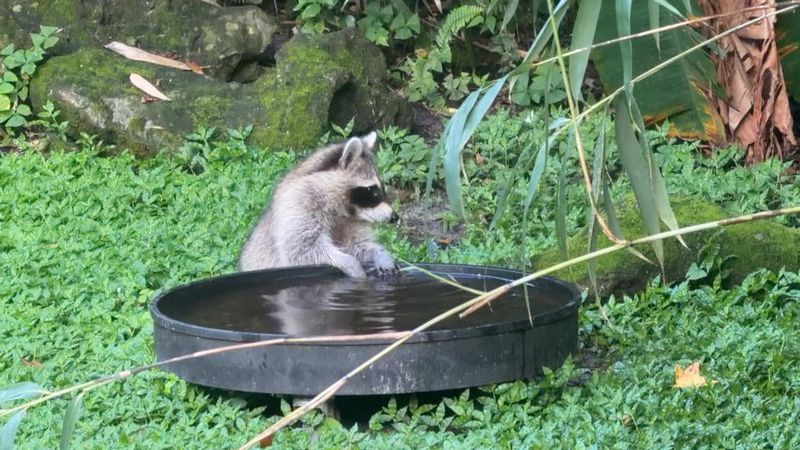
Muddy little handprints on the rim of a birdbath often reveal a nighttime visitor. Raccoons love water and will happily visit a yard just for a drink and a splash.
They often handle food near water, dipping and rubbing items with their front paws. Those paws are packed with sensitive nerves, so wet fingers give them extra detail about what they’re holding.
That habit earned raccoons their old reputation for washing their food before eating.
During hot, dry California summers and early falls, water grows scarce. A fountain, birdbath, pool, or pet water dish can become a key stop on a raccoon’s nightly loop.
Water and food in the same yard make a winning combination for any wild animal.
Draining every feature isn’t necessary, though. Pet water bowls brought inside at night remove one easy draw.
Birdbaths emptied or tipped in the evening during peak raccoon trouble, then refilled in the morning, help as well. Repaired hoses and drippy faucets eliminate puddles that invite visits.
Pools can prove trickier. Raccoons sometimes use pool steps or edges and may leave droppings nearby, so regular checks and cleanup matter.
Gloves during cleanup, followed by thorough handwashing, protect against diseases such as raccoon roundworm.
Small changes like these make a yard feel a little less like a resort, and fewer comforts usually mean shorter, less frequent visits over time.
6. A Nearby Den Makes It A Routine
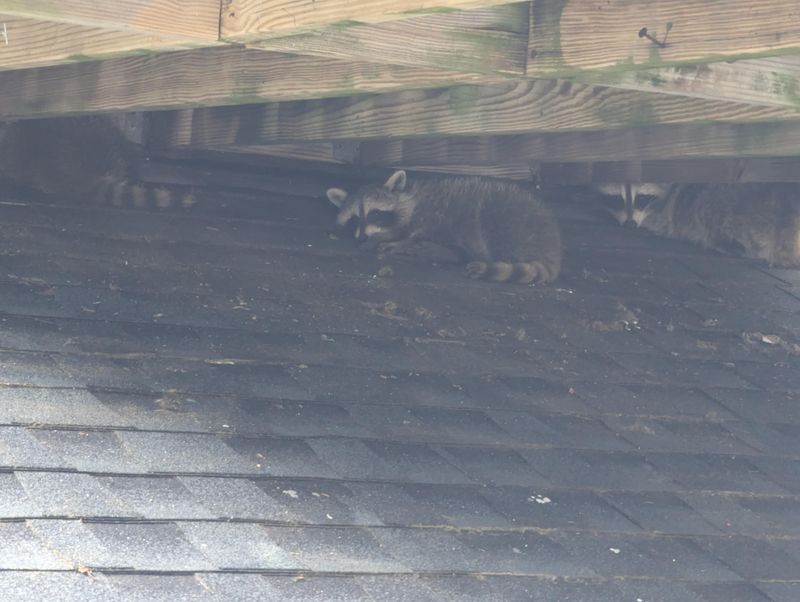
Scratching noises in the attic at dawn and a worn path leading under the deck suggest a raccoon may be more than a visitor. It could be living next door, or even beneath the same roof.
Raccoons rest during the day in sheltered spots called dens. In the wild, they use hollow trees and rock crevices.
In neighborhoods, they readily move into attics, crawl spaces, chimneys, sheds, and the dark space under decks. A den close to food turns random visits into a nightly commute.
Kits usually arrive in spring and stay with their mother for months.
A family discovered in spring often calls for patience, since they tend to move on once the young can travel. By fall, young raccoons travel with their mother, so dens are less likely to hold helpless kits, making autumn a good time to check and seal.
Bent vents, torn screens, and loose roof shingles all signal possible entry points. Dug-out gaps under porches, decks, and sheds, along with droppings piled in one spot, often called a latrine, point the same way.
Once animals leave, sturdy hardware cloth or metal flashing seals openings. Wire buried several inches below ground along deck edges blocks digging.
Loosely stuffed paper in an opening offers a simple test, since undisturbed paper after a few nights suggests the space is empty.
Sealing an animal inside is best avoided, as trapped young can lead a frantic mother to tear into the home.
7. Raccoons Remember Easy Meals
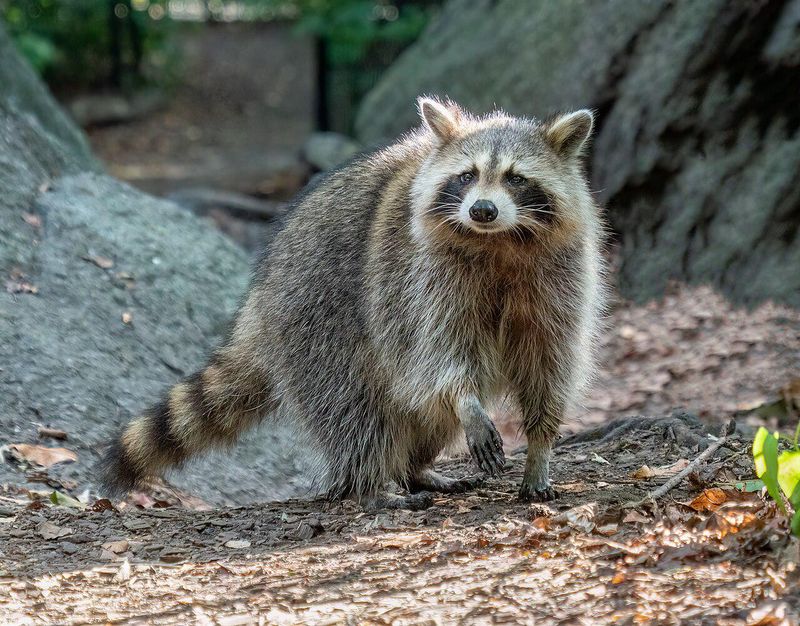
Scientists have watched raccoons solve puzzles, open latches, and remember tricks for years. A backyard bandit is no ordinary snack thief but a furry problem-solver with a long memory.
Research on raccoon learning shows they can recall how to solve a task long after first mastering it. That skill serves them well in neighborhoods.
Once a raccoon learns cat food appears at 9 p.m., it remembers. Once it figures out a bin lid, it tries that same move again.
Front paws give them a major edge. Raccoons twist, pull, and pry with surprising skill, so simple hooks, loose clasps, and flimsy lids rarely stop a determined one.
Some even learn to open doors or unzip soft coolers.
All that brainpower has an upside. Raccoons also learn when a spot stops paying off, and locked lids and empty bowls night after night prompt them to update their mental map and look elsewhere.
Consistency matters enormously. Leaving food out even occasionally can restart the habit, convincing the raccoon the diner has reopened.
Every member of the household plays a role, along with roommates and neighbors. One person feeding stray cats down the street can undo everyone else’s effort.
A short, friendly conversation with neighbors often works wonders. Raccoons are smart, but a united block is smarter, especially heading into fall, when natural food runs thin and yards grow more tempting.
8. Remove Rewards And Secure Lids To Break The Habit
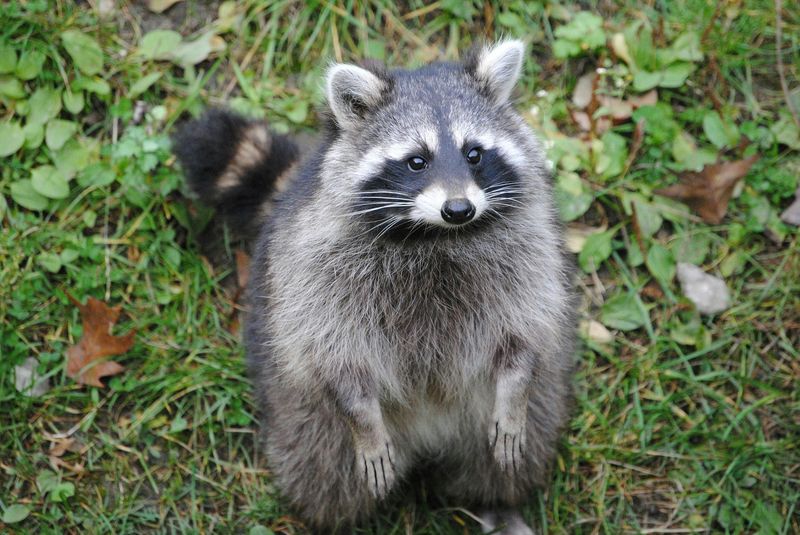
Tonight could mark the last free meal for a masked visitor. Breaking the habit takes some effort, though the steps stay simple and humane.
Cutting off every food reward comes first. Pets fed indoors, trash cans locked with tight lids or straps, and compost kept free of meat and dairy in a closed bin all remove major draws.
Ripe fruit picked promptly, fallen fruit cleaned up daily, and ponds covered or screened at night finish the job.
Closing off shelter comes next. Openings to attics, crawl spaces, and the area under decks can be sealed with hardware cloth and metal flashing once no animals remain inside.
Trimming tree branches that hang over the roof removes the bridges raccoons use to reach it.
Trapping is best avoided. California regulations under Title 14, Section 465.5 bar relocating trapped wildlife elsewhere, and moving a raccoon fails to fix the cause anyway, since another simply moves in while food and shelter remain.
Poisons pose serious risks to pets and other wildlife and are best left out entirely.
Safety stays important throughout. Keeping a respectful distance and avoiding any feeding or handling protects everyone, since raccoons can carry rabies and raccoon roundworm.
Gloves for cleaning droppings, care to avoid stirring up dust, and thorough handwashing afterward reduce risk.
A raccoon that seems sick or aggressive calls for local animal control or CDFW, and a little patience plus a tidy yard usually sends the visitor on its way.