Why Smart Texas Gardeners Plant Trees In November Instead Of Spring
Spring in Texas can feel like it lasts about five minutes. One week, the bluebonnets are blooming.
A few weeks later, the thermometer is creeping toward 95 degrees. That’s a tough start for a young tree.
Plant in spring, and a new tree has only a short window to grow roots before summer heat arrives.
It ends up spending its first months fighting for water, often with a root system that’s still small and shallow. Many trees survive that first summer, but plenty struggle.
November offers a much smarter timeline. As trees slow down for winter, they can put their energy into roots instead of leaves. Texas winters are usually mild enough for that root growth to keep going for months.
By the time spring rolls around, the tree is settled in and ready to take on the heat. A little patience now can pay off for decades.
1. Roots Keep Growing Through Mild Texas Winters
Here is something many new gardeners never learn. Tree roots do not take the winter off just because the leaves fall. As long as the soil stays above about 40 degrees, roots keep quietly growing underground.
Texas is perfect for this hidden work. In places like Houston, Austin, and San Antonio, the ground almost never freezes. Even in Dallas, cold snaps usually pass in a day or two, and the soil warms back up quickly.
Think of the soil as a cozy blanket. Summer heat soaks into the ground, and it holds onto that warmth well into December.
A tree planted in November slides right into that warm earth while the air above stays cool and comfortable.
Every mild winter day becomes a chance for roots to stretch out. They push into new soil, find moisture, and build tiny root hairs that soak up water and nutrients.
By March, a fall-planted tree may have several extra months of root growth compared to a spring-planted one.
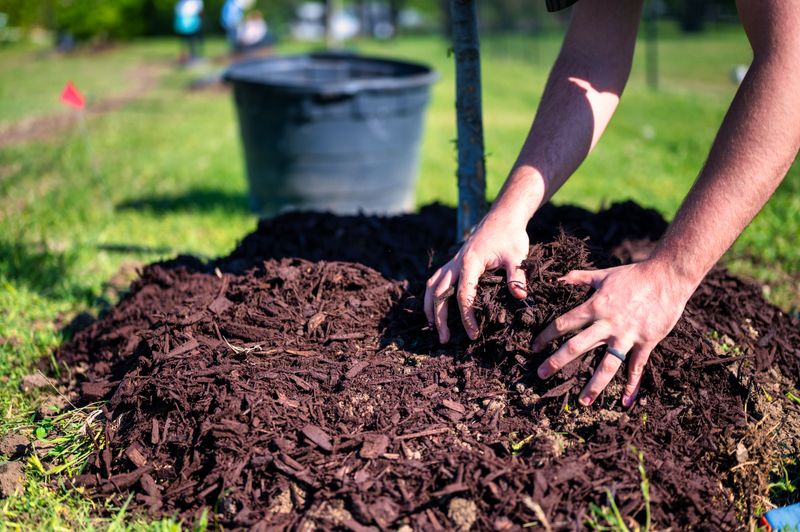
You can help that process along with a few simple steps. Dig a hole two to three times wider than the root ball but no deeper. Loosen any circling roots with your fingers before planting.
Next, spread two to three inches of mulch in a wide circle around the trunk. Keep the mulch a few inches away from the bark itself. Mulch acts like insulation and helps the soil stay warm and moist on chilly nights.
Fun fact: some tree roots can grow an inch or more in a single week during mild weather. That quiet progress adds up fast. When spring finally arrives, your tree will already have a strong foundation waiting underneath.
2. Spring-Planted Trees Face Summer Heat Too Soon
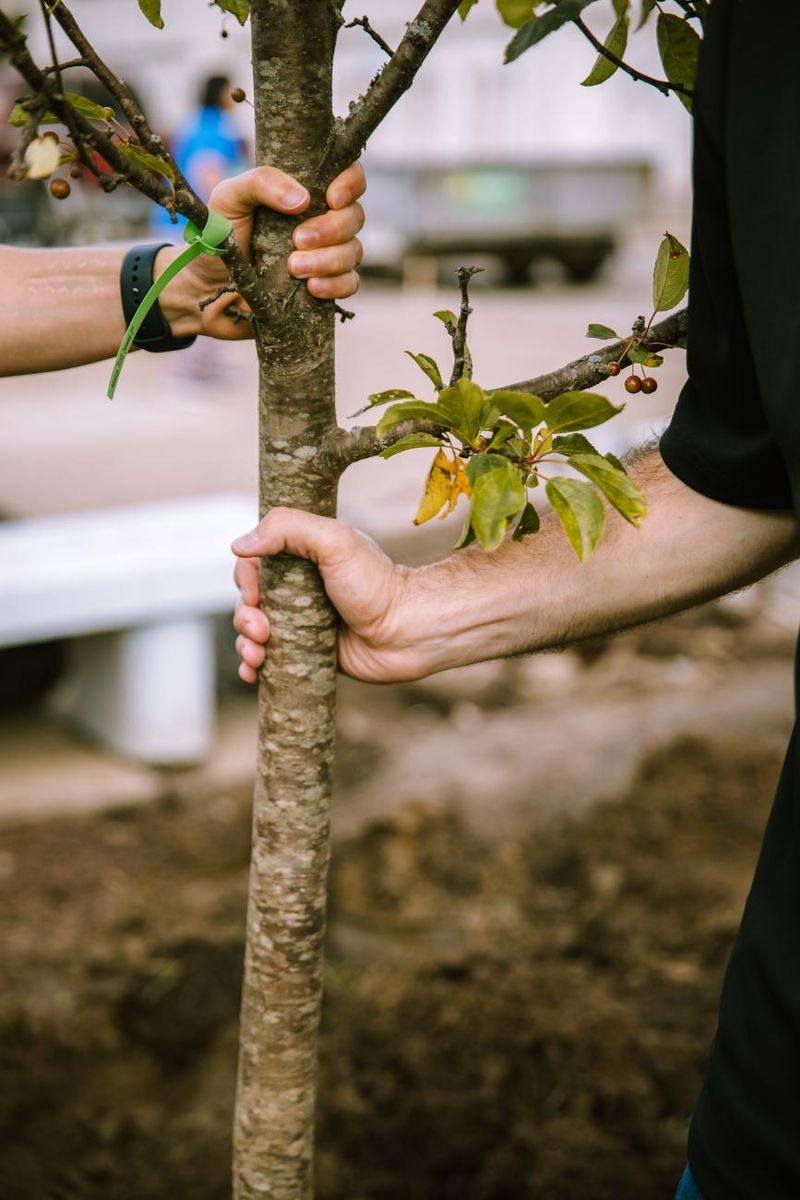
Ask any Texan about spring, and you might hear a laugh. Around here, spring can feel like a quick weekend between winter and summer. One week it is 70 degrees, and the next it is pushing 95.
That short window causes big problems for new trees. A tree planted in April has to do two hard jobs at once. It must grow new roots while also pushing out fresh leaves and shoots.
Your Texas Garden Changes Every Week. Your Plan Should Too.
Gardening in Texas changes quickly throughout the season. Every Friday you’ll receive a simple weekly plan showing exactly what to plant, prune, fertilize, harvest, and protect so you never miss the right timing.
Leaves are thirsty. They lose water all day long through tiny openings, especially when the sun is blazing. A young tree with a small root system simply cannot pull up enough water to keep up.
The result is a tree under constant stress. Leaves may curl, scorch along the edges, or drop early. Growth slows down, and the tree spends the whole summer just trying to hang on.
Many gardeners respond by watering more and more. Sadly, too much water can drown roots and cause rot. It becomes a tricky balancing act that is tough to get right.
November planting avoids that trap completely. The tree arrives in your yard as temperatures drop, so its leaves are either gone or slowing down. There is no rush to support a full canopy right away.
Instead, it gets months of easy weather to settle in. By the time the first heat wave rolls in, the roots have spread out and the tree is ready to grow leaves it can actually support.
So if you missed fall and still want to plant in spring, aim for February or early March. Any extra cool weeks you can give your tree will make a real difference once summer hits.
3. Cooler Temperatures Mean Less Watering
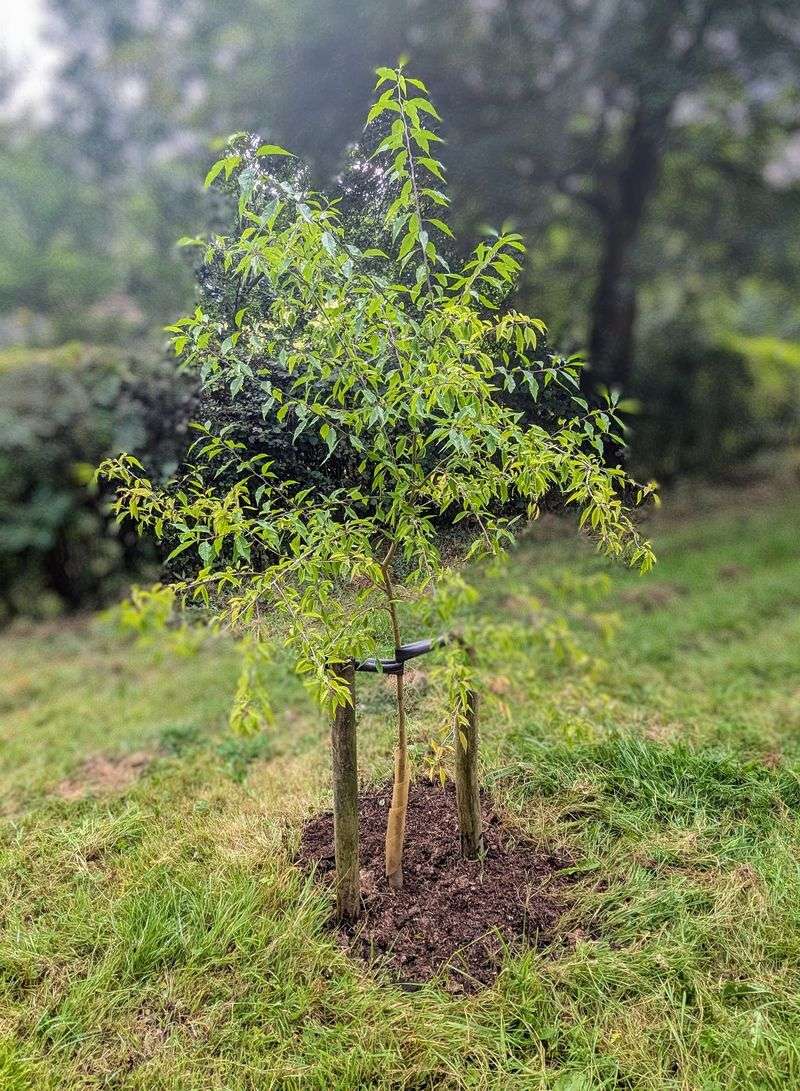
Good news for anyone who dreads dragging a hose across the yard in August. Fall-planted trees ask for much less water. Your back, your schedule, and your water bill will all thank you.
The reason is simple science. Water disappears from soil faster when it is hot, sunny, and windy. That process is called evaporation, and Texas summers crank it up to full blast.
In November and December, the sun sits lower in the sky and the air stays cool. Moisture lingers in the soil for days instead of hours. Texas also tends to get some helpful rain during late fall and winter.
A newly planted tree still needs care, of course. Water deeply right after planting so the soil settles around the roots. After that, check the soil every few days by sticking your finger about two inches down.
If it feels dry, give the tree a slow, deep drink. A garden hose on a gentle trickle for about 15 to 20 minutes works well. Many fall trees only need watering once a week, and sometimes even less after a good rain.
Compare that to summer, when new trees may need water every other day. That is a lot of time and a lot of gallons. Cities across Texas often have watering limits in summer, which makes spring planting even harder.
Here is a smart tip. Watch the forecast for hard freezes and water your tree a day before the cold arrives. Moist soil actually holds heat better than dry soil, so it helps protect those young roots on frosty nights.
4. Trees Can Focus On Their Roots
Trees are surprisingly good at managing their energy. They work a bit like a student who sets aside video games to focus on a big test. When the season changes, they shift their priorities.
During fall and winter, many trees go dormant. That means they stop making new leaves, flowers, and shoots for a while. Above ground, they might look bare and sleepy.
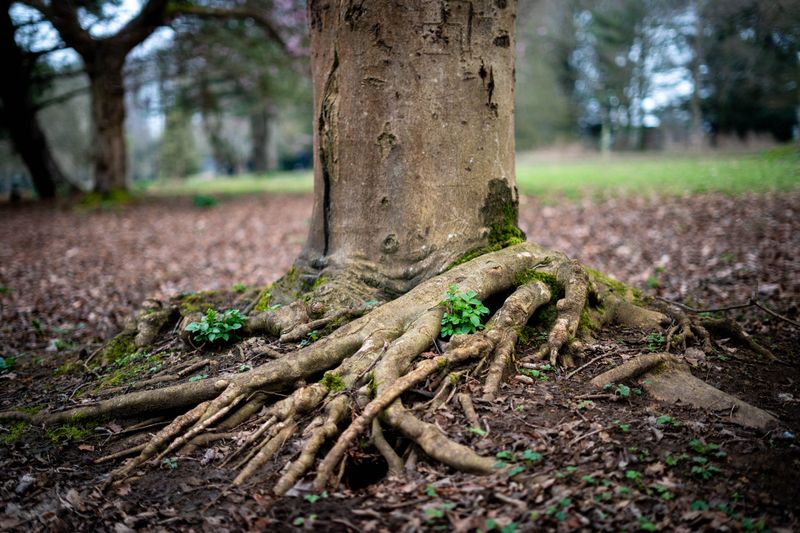
Underground is a different story. With no leaves to feed, the tree can send its stored energy downward. Roots become the main project, and they get almost all of the attention.
That focus matters a lot for young trees. A strong root system acts like an anchor during storms and a straw for pulling up water. The bigger and healthier the roots, the better the tree handles tough conditions later.
Even evergreen trees, like live oaks and yaupon hollies, slow down their top growth in cool weather. They also benefit from putting extra effort into roots during the off-season.
You can support this natural process by keeping things simple. Skip the strong fertilizer at planting time. Heavy feeding can push the tree to grow leaves when it should be resting.
Also, avoid heavy pruning right after planting. Only remove branches that are broken or damaged. The tree needs its stored energy, and every healthy branch helps it recover from the move.
Did you know that a tree’s roots can spread two to three times wider than its branches? Most of those roots live in the top 12 inches of soil. Protecting that zone with mulch and avoiding foot traffic gives your tree the best possible start.
5. A Stronger Start For Their First Summer
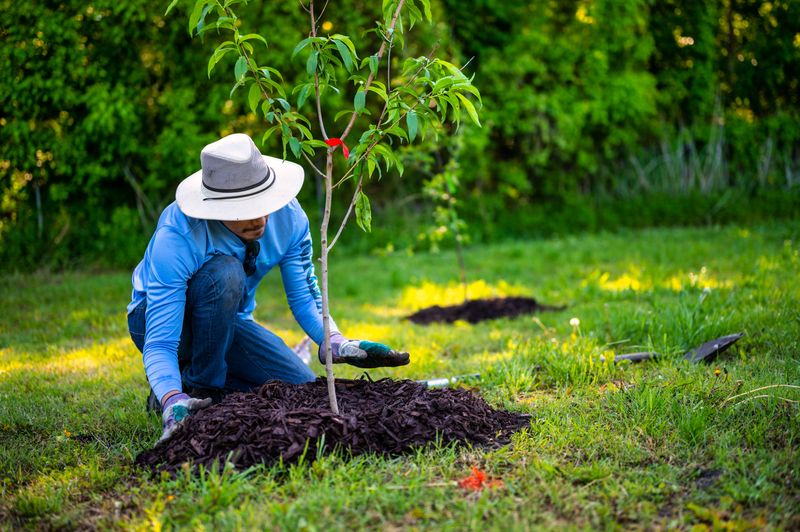
Picture two neighbors on the same street. One planted a red oak in November, and the other planted the same kind of tree in April. By July, the difference between them can be easy to spot.
The November tree usually looks fuller and greener. Its leaves stay firm instead of drooping in the afternoon sun. It may even put on a little new growth, which is a great sign.
The April tree often tells a different story. It might have scorched leaves, thin branches, and a tired look. Its owner is likely out there with a hose every evening, hoping for the best.
Why the big gap? It all comes back to roots. A fall-planted tree has had about seven months to spread out and dig deeper before the worst heat arrives.
Deeper roots reach cooler, moister soil. That helps the tree ride out dry spells and long stretches of 100-degree days. Texas droughts can be brutal, so that extra reach can mean everything.
A tree that handles its first summer well tends to grow faster in the years that follow. It spends less energy recovering and more energy building strong branches and a healthy canopy.
Still, give your fall tree some help during its first summer. Water deeply once or twice a week when there is no rain. Refresh the mulch layer in late spring so it stays about three inches thick.
Most experts say a new tree needs one to three years to fully settle in. Planting in November simply gives yours a head start in that race. Over time, that early advantage can lead to a sturdier, longer-lived shade tree.
6. Great Selection And Fall Sales
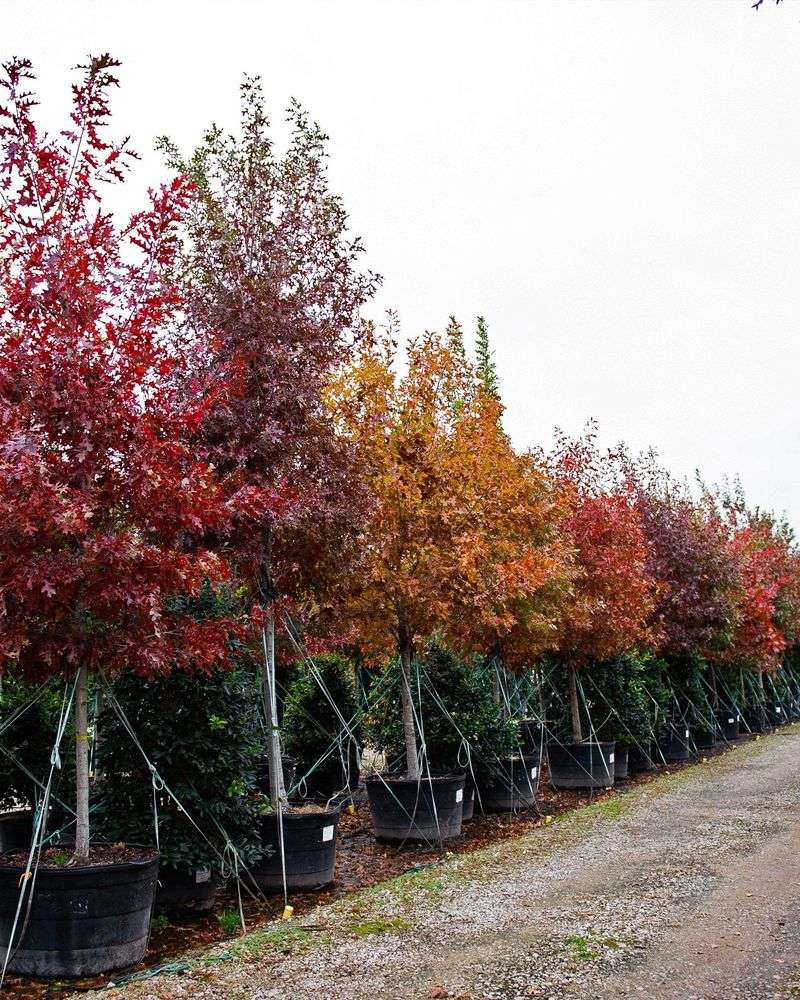
Few things beat a good bargain, especially when it grows into shade for decades. Fall is a fantastic time to shop for trees in Texas. Many local nurseries roll out sales in October and November.
Nurseries want to clear space before winter, so prices often drop. You might find deals like 20 to 40 percent off, or buy-one-get-one offers on certain trees. Some stores also restock with fresh trees made for fall planting.
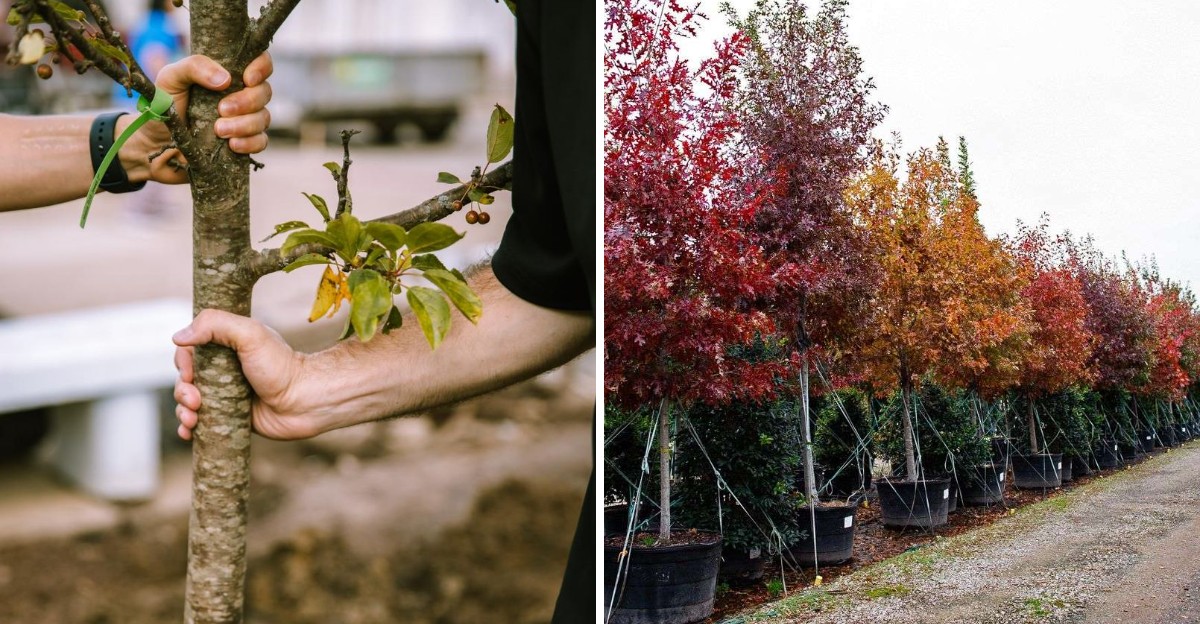
Shopping in fall comes with another fun bonus. You get to see trees showing their autumn colors right in the pot. That makes choosing the perfect tree much easier.
Shumard oak is a Texas favorite that turns deep red and orange. Bigtooth maple, found naturally in places like Lost Maples State Natural Area, glows in shades of gold and scarlet. Both handle Texas weather well once they are established.
Chinese pistache was once a popular pick for fall color, but it can spread into wild areas. Many Texas gardeners now choose native options instead, like Texas red oak, cedar elm, or Mexican plum.
Before you buy, take a careful look at each tree. Check for a straight trunk, healthy branches, and roots that are not circling tightly around the pot. Ask nursery staff how big the tree will get, so you can pick the right spot.
Bring a list of questions and your yard measurements. Local nursery workers know your soil and climate better than any big-box label.
With smart shopping and a little planning, November can fill your yard with beauty while keeping your wallet happy.