Purple Berries Dangling From Tall Magenta Stems In Pennsylvania Yards Deserve A Closer Look
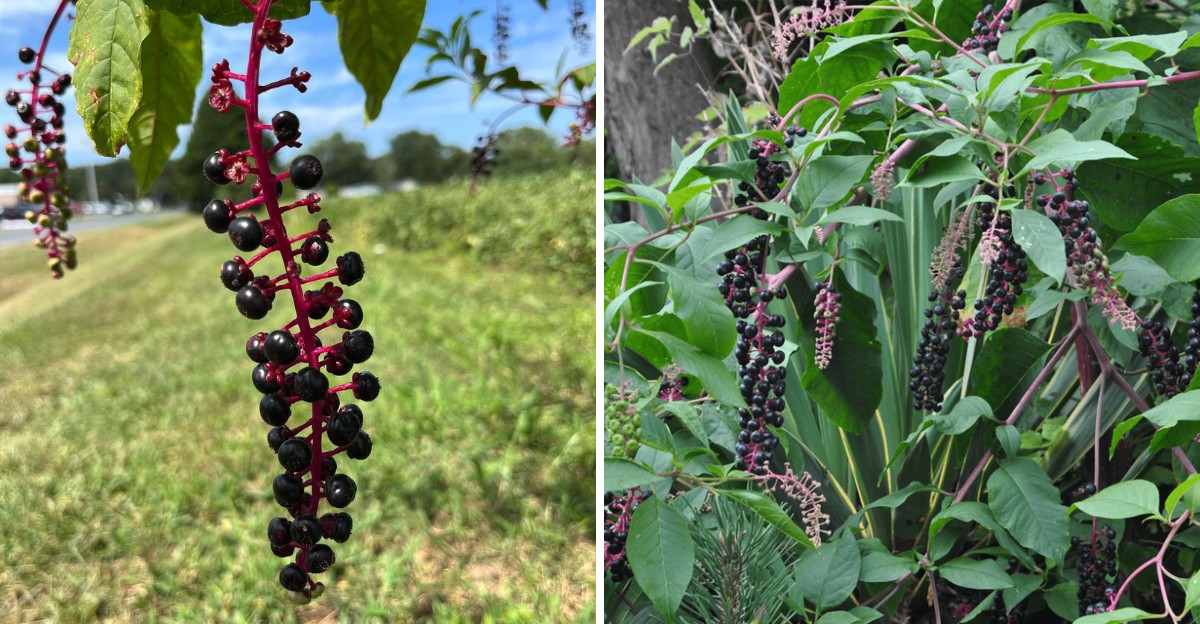
It’s hard to miss once it shows up. A tall, leafy plant shoots up along the fence or at the edge of the yard, sometimes growing taller than a person. Its thick stems glow a bright magenta, almost as if someone painted them.
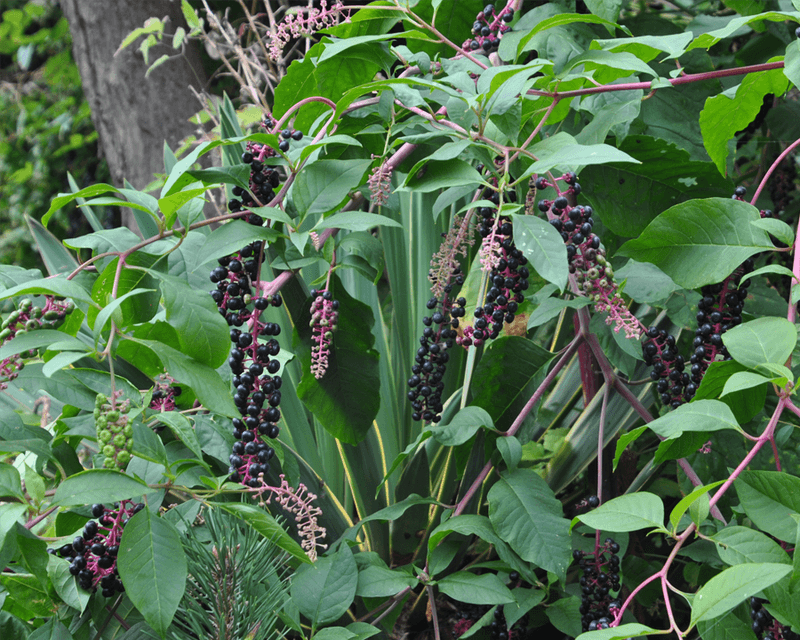
By late summer and fall, long clusters of glossy, dark purple berries hang from the branches like strings of beads. Songbirds swarm them, and the plant often pops up wherever those birds drop the seeds.
It’s a striking native, and it plays a real role in feeding wildlife. But it comes with a serious catch. Its berries, leaves, and especially its roots are toxic to people and pets.
Before you pull it, admire it, or let the kids get curious, it’s worth knowing exactly what you’re dealing with.
The Striking Native Plant
Some plants sneak into a yard quietly. Pokeweed does not. It can shoot up from bare ground in spring and tower over a grown adult by late summer.
Pokeweed is a native perennial, which means it has grown in North America for a very long time. It also means the plant comes back year after year from the same root.
The top part fades away in winter, but the root stays alive underground and sends up fresh stems each spring.
Most pokeweed plants reach 4 to 10 feet tall. That is a lot of growth for just one season! The stems get thick and sturdy, and the plant spreads out wide like a small tree. Some people even mistake it for a young shrub at first.
In Pennsylvania, you will often find pokeweed in the same kinds of places. It likes fence lines, woodland edges, empty lots, and spots where soil has been dug up.
Gardeners call these disturbed areas. A new flower bed or a patch where a tree was removed can be perfect for it.
So how does it get there? Usually, a bird drops the seed. Birds eat the berries, fly off, and leave seeds behind wherever they rest. That is why pokeweed so often pops up right under fences, power lines, and tree branches.
Here is a fun bit of history. Pokeweed has many nicknames, including poke, pokeberry, inkberry, and pigeon berry. The name poke may come from a Native American word for plants used to make dye.
Once you learn to notice pokeweed, you may start seeing it everywhere on your Pennsylvania drives and walks around town.
How To Recognize It
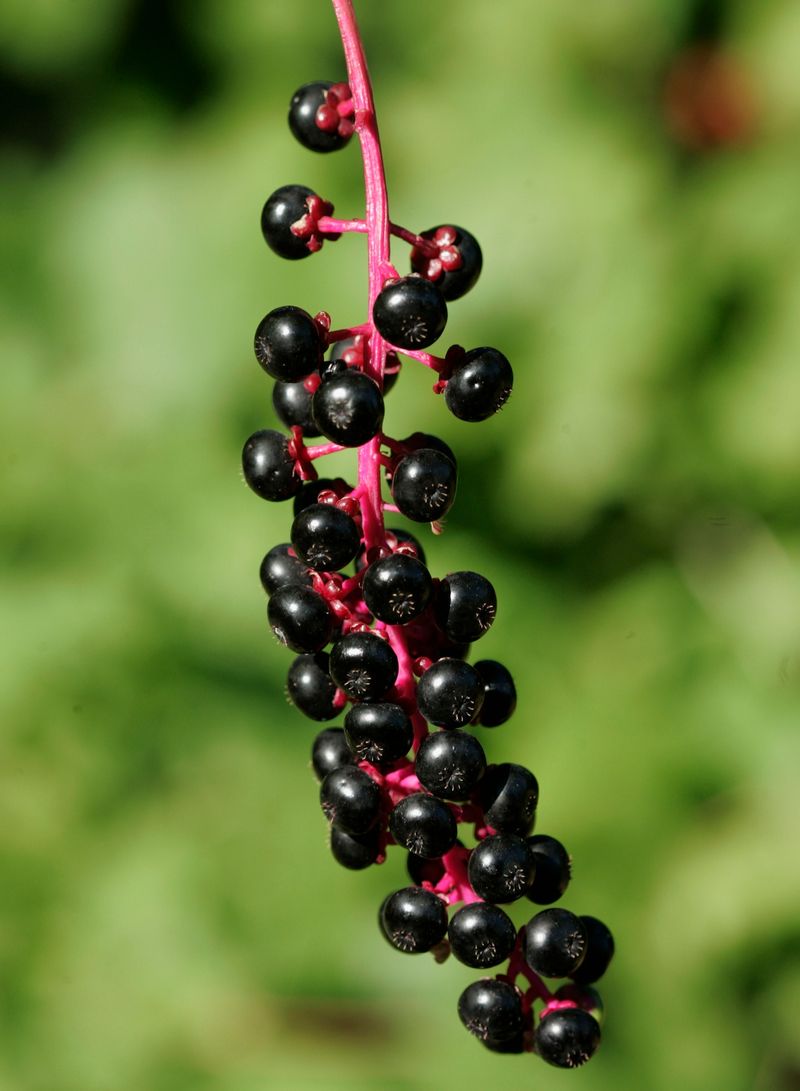
Spotting pokeweed is a bit like playing detective. Once you know the clues, the case is easy to crack.
Start with the stems. They are thick, smooth, and have no hairs or thorns. Early in the season they may look green.
As summer moves along, they turn bright magenta or a deep reddish-purple. That color stands out so much that you can often see it from across the yard.
Next, check out the leaves. They are large and oval, often pointed at the tip. Some can grow almost a foot long. They are smooth and a medium green, and they sit one at a time along the stem instead of in pairs.
Your Pennsylvania Garden Changes Every Week. Your Plan Should Too.
Gardening in Pennsylvania changes quickly throughout the season. Every Friday you’ll receive a simple weekly plan showing exactly what to plant, prune, fertilize, harvest, and protect so you never miss the right timing.
Then look for the flowers. In early summer, small white or pale pink flowers bloom on long, skinny stalks. They are not flashy, so many people miss them. But those flower stalks are where the famous berries come from.
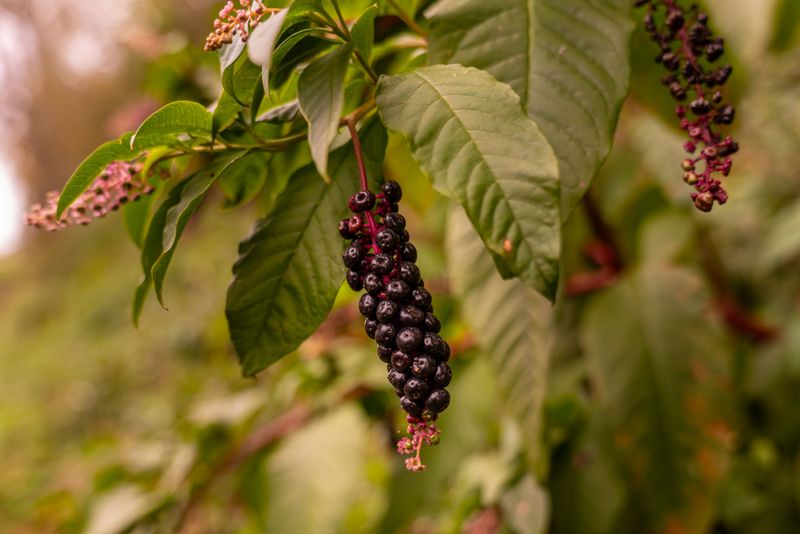
By late summer and fall, the berries take center stage. They hang in long, drooping clusters that look a lot like tiny bunches of grapes.
Each berry is round, slightly flattened, and very shiny. They start out green, then ripen to a deep purple-black.
One cool detail is that a single cluster can show berries in different stages at once. You might see green, reddish, and dark purple berries all on the same stalk.
Here is a quick tip. If you are not sure, take a photo and use a plant ID app or ask your county extension office. Pennsylvania has Penn State Extension offices that help people identify plants for free.
It’s Toxic To People And Pets
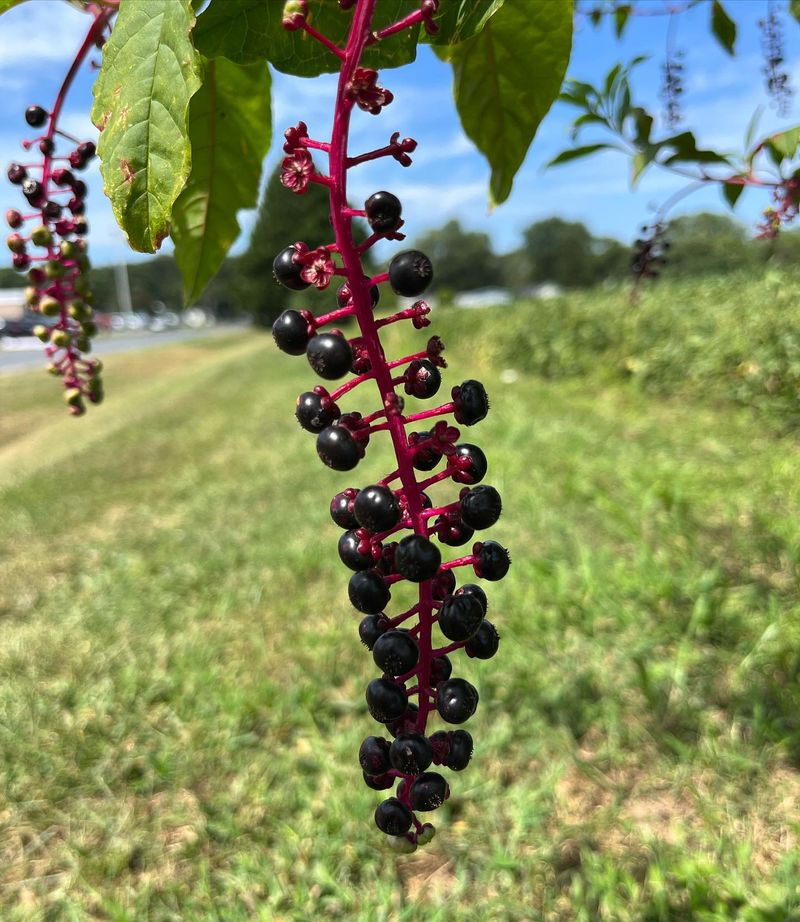
Those shiny berries may look like a tasty snack, but looks can fool you. Pokeweed is toxic from top to bottom.
Every part of the plant contains natural chemicals that can make people and animals very sick. The roots are the most dangerous part.
The stems and leaves are toxic too, especially as the plant gets older. The berries and the seeds inside them can also cause serious trouble if swallowed.
Kids are at the highest risk. The berries look a lot like grapes or blueberries, and young children may pop them into their mouths.
Eating them can cause stomach pain, vomiting, and other harmful symptoms. Dogs, cats, and even farm animals like pigs and horses can get sick too.
Now for the twist. In Appalachia, people have a long tradition of eating young pokeweed shoots in spring. The dish is called poke sallet.
Cooks would boil the tender leaves several times, pouring out the water each time to remove toxins. There is even a classic song from 1969 called Polk Salad Annie.
Still, experts warn against eating any part of the plant. Even careful cooking can go wrong, and mistakes can lead to a hospital visit. It is simply not worth the risk.
So what should you do? Teach kids to never eat wild berries without checking with an adult first. Keep pets away from pokeweed patches.
If someone does swallow part of the plant, call Poison Control right away at 1-800-222-1222. For pets, call your vet or an animal poison hotline quickly.
Birds Love The Berries
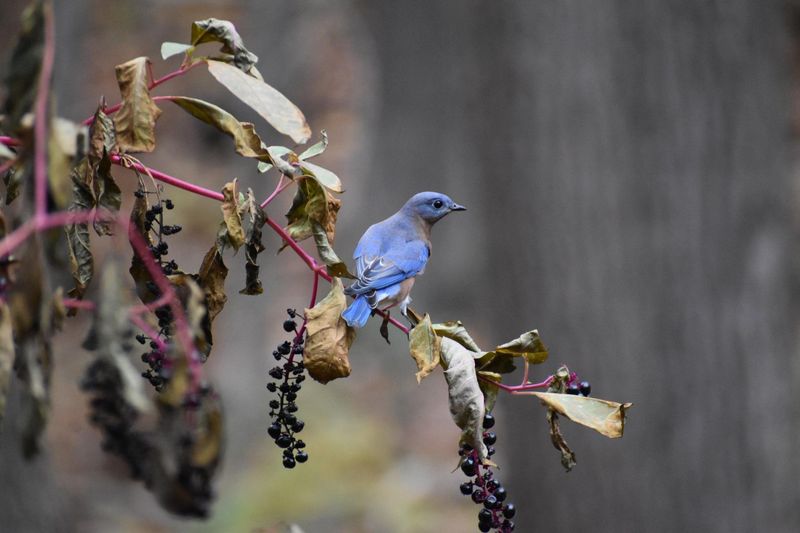
Step outside on a crisp October morning in Pennsylvania, and you might catch a feast in progress. A robin hops onto a magenta stem, grabs a berry, and gulps it down whole.
It seems strange, right? A berry that can make people sick is a favorite treat for birds. Birds handle the toxins differently than we do, so the berries do not harm them the same way. For them, pokeweed is a rich, juicy energy source.
Lots of songbirds join the party. Northern mockingbirds, gray catbirds, American robins, eastern bluebirds, cedar waxwings, and brown thrashers all enjoy the fruit.
Woodpeckers and some sparrows will snack on it too. Even a few mammals, like raccoons and opossums, nibble the berries.
Timing makes pokeweed extra valuable. The berries ripen in late summer and fall, right when many birds are heading south for the winter.
Migrating birds need lots of fuel for their long trips. A big pokeweed plant works like a roadside diner along their route.
Birds also do the plant a favor. After eating the berries, they fly away and drop the seeds in their droppings. Those seeds can stay alive in the soil for many years, waiting for the right moment to sprout.
That explains why pokeweed shows up in a new corner of your Pennsylvania yard almost every year. A bird probably planted it there for free!
If you enjoy birdwatching, keep a pair of binoculars near a window that faces a pokeweed plant. You might be surprised how many visitors stop by in a single afternoon.
Its Berries Leave A Lasting Stain
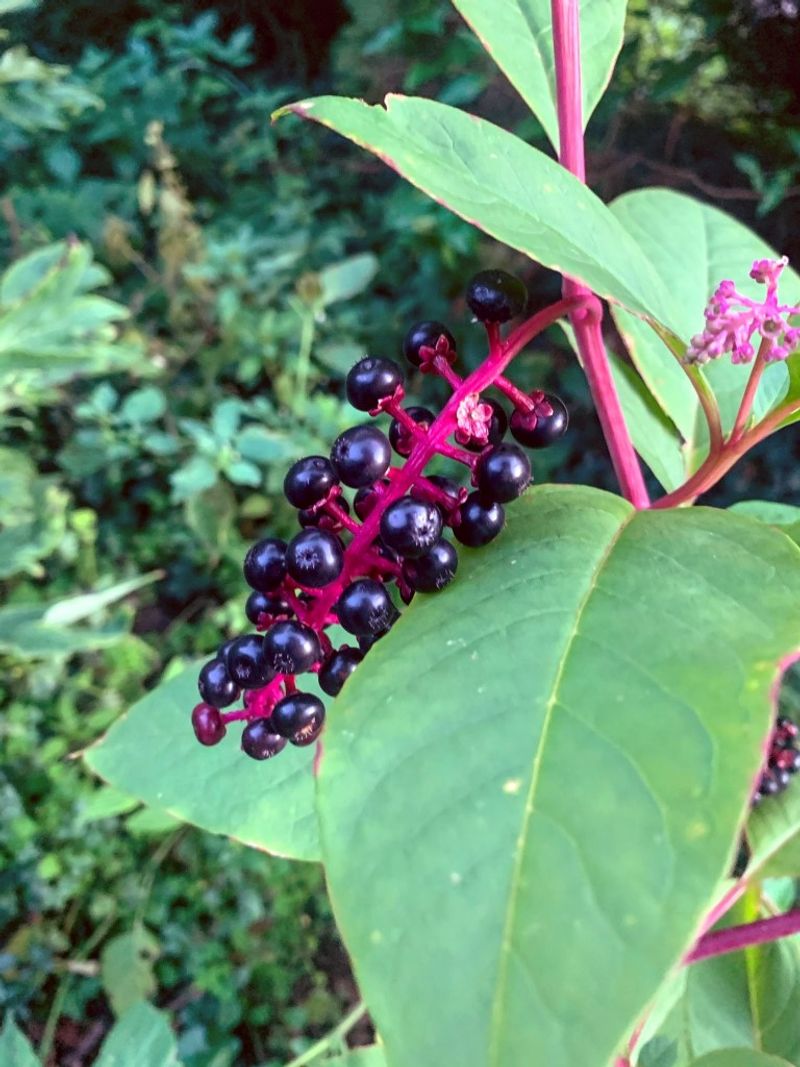
Ever squished a pokeweed berry by accident? If so, you probably still remember the bright purple mess it left behind.
The juice inside each berry is a deep, powerful purple-red. It stains skin, clothes, shoes, sidewalks, and wooden decks.
Once it soaks into fabric, it can be very hard to wash out. Many parents have learned this lesson the hard way after a kid’s berry fight.
That strong color once made pokeweed useful. Long ago, people crushed the berries to make a natural ink and dye.
Some say letters during the Civil War were written in pokeberry ink. That is why one of its old nicknames is inkberry.
Early settlers and Native Americans also used the juice to color cloth, baskets, and even horses for special events.
Here is the catch. Pokeberry ink fades over time and can turn brownish. So while it looked great at first, it did not always last for centuries.
There is another staining surprise. Birds that eat lots of pokeweed berries leave purple droppings.
You might find bright purple splotches on your car, patio, deck railing, or outdoor furniture. It can look alarming, but now you know the cause.
A few simple tips can help. Wear gloves and old clothes when working near ripe berries. Clean bird droppings off surfaces quickly, before the sun bakes the stain in.
For fabric, rinse with cold water right away, then try a stain remover. Avoid hot water, since heat can set the color.
Moving bird feeders and parking spots away from pokeweed can also save you some scrubbing.
How To Manage It In Your Yard
Good news first. You do not need fancy tools or harsh sprays to keep pokeweed under control. A little planning and a pair of gloves go a long way.
Always start with protection. Wear thick gloves, long sleeves, and long pants. The sap can bother your skin, and you do not want it getting into small cuts. Wash your hands well when you finish, even if you wore gloves.
Young plants are the easiest to handle. When pokeweed is small, you can dig it out with a shovel or garden trowel. Try to get as much of the root as you can. Spring, when the soil is soft after rain, is the perfect time.
Older plants are tougher. They grow a huge, thick taproot that can look like a giant carrot or even a sweet potato.
Some roots go down more than a foot. Digging these out takes real effort, so you may need to work at it over a couple of seasons.
Here is a smart shortcut. Cut off the flower and berry clusters before the berries turn dark. That stops new seeds from spreading. Bag the clusters and put them in the trash instead of the compost pile.
Not everyone wants to remove every plant, though. If you have a wild corner far from where kids and pets play, leaving one pokeweed can feed lots of hungry birds in fall.
Whatever you choose, keep an eye out each spring. Seeds can sprout for years, so quick action on new seedlings will save you work later.