Cherry Blossoms In October? Missouri Gardeners Are Spotting A Cherry Tree That Blooms In Spring And Fall
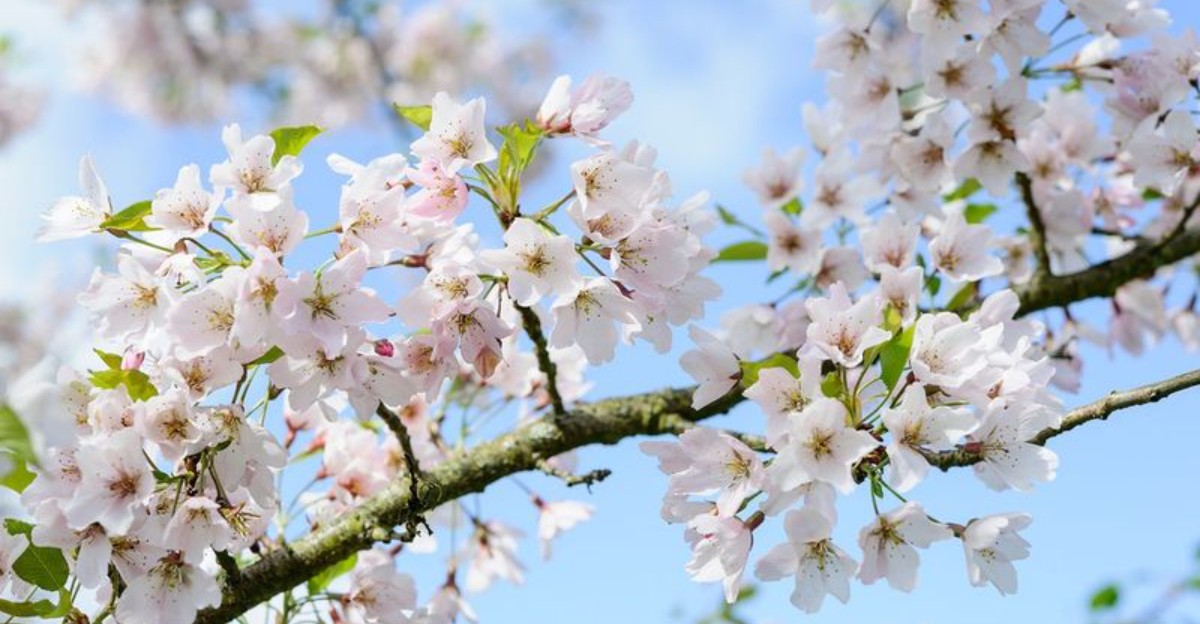
A pink flowering tree in some Missouri yards opens fresh blossoms while maple leaves turn orange around it. I did a double take when I first saw petals drifting beside crunchy brown leaves outside.
Most of us connect soft pink petals with chilly April mornings and the first warm breezes after winter. Seeing them in October feels like finding a snowman on a sandy, sunny beach in July.
This tree is not confused or sick, even though its timing seems wildly out of step with the season. It is a selected form that naturally flowers twice, and Missouri gardeners who plant one get a quiet autumn surprise.
I like how the fall flowers appear a few at a time, like tiny hints of spring. You need a sharp eye on gray days, because the blossoms tend to hide among the changing leaves.
Weather plays a bigger role than most people expect, and the tree has a few neighbors that mimic it. So what makes one tree bloom twice while its cousins wait patiently for spring to come back around?
You Can Thank A Japanese Cherry For These Fall Flowers
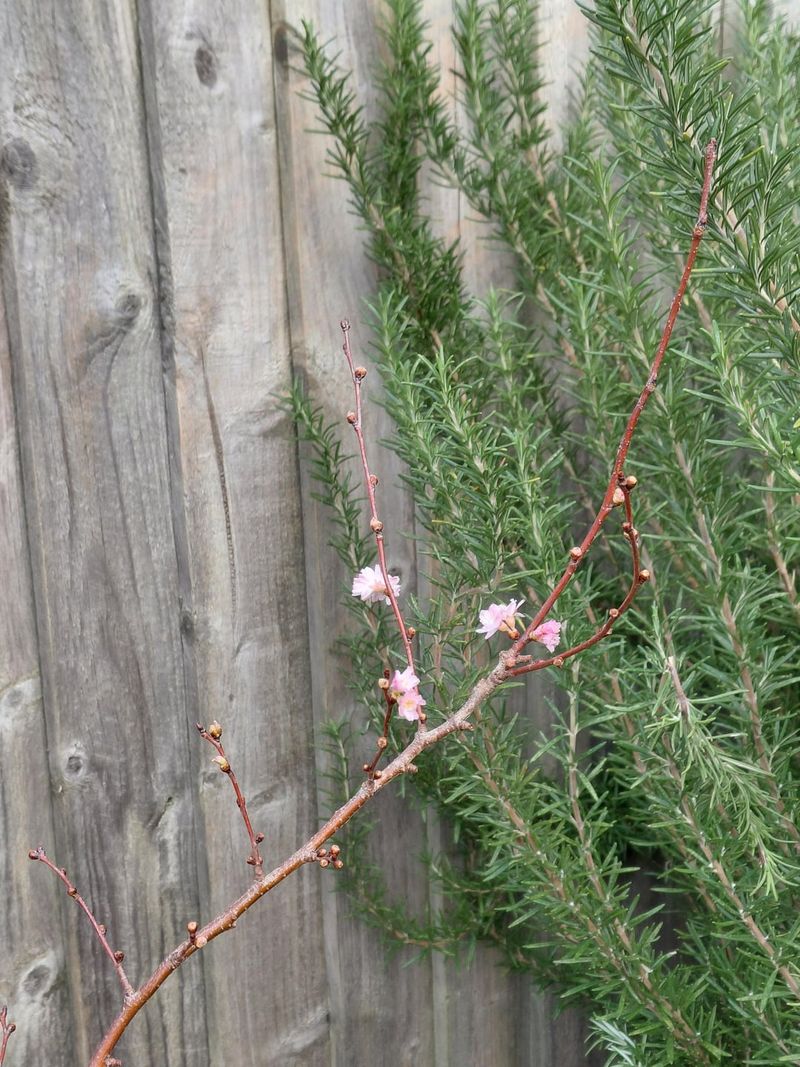
Gardeners in Japan have admired this little tree for centuries, and its name gives away its biggest secret. The plant is called autumn flowering Higan cherry, known to botanists as Prunus subhirtella Autumnalis in most nursery catalogs.
Its flowers are pale pink to nearly white, and each one carries extra petals that give a ruffled look. Gardeners call these semi-double blooms, and they look lovely against a crisp, clear blue October sky.
Autumn flowering Higan cherry is a small tree that often reaches twenty to thirty feet tall. Its branches spread wide, creating a rounded crown that fits nicely in a front yard or side garden.
Fall flowering happens in small bursts, with a scattering of blossoms opening from October into early winter. The main show waits until spring, when the branches fill with color before the new leaves unfold.
Experts are not fully certain why this variety reblooms, but the habit has been noted for many generations. It is a trait passed along through grafting, since nurseries copy the parent tree to keep it consistent.
Did you know the word Higan refers to a Buddhist holiday near the spring and fall equinoxes in Japan? The name comes from that tradition, though the tree’s fall blooms usually open a few weeks after the equinox.
So if you spot pink petals on a cool fall afternoon, check the tag or ask the homeowner. Chances are good that you have found an autumn flowering cherry doing exactly what it was chosen to do.
Warm Autumn Days Can Wake Up Those Sleepy Buds
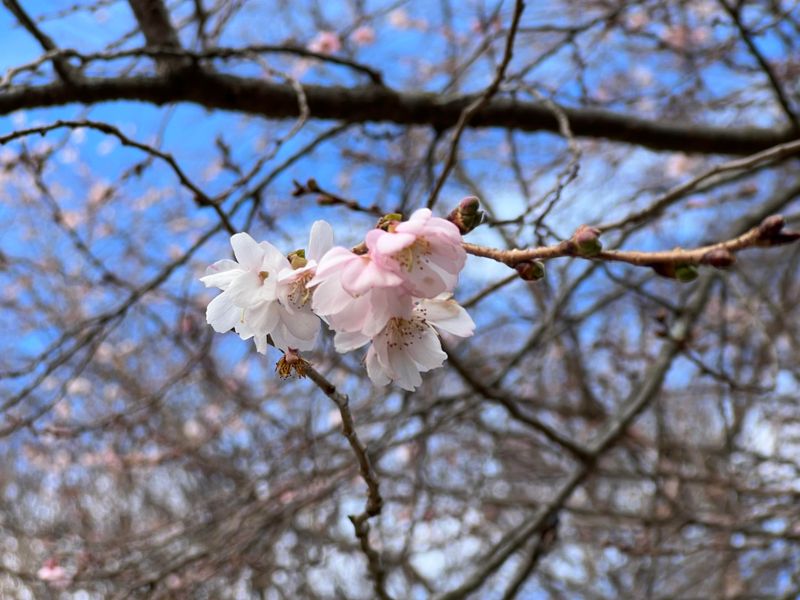
Trees keep a surprisingly careful calendar, and temperature is one of the main signals they use to time flowering. Autumn flowering cherry sets its flower buds during the growing season, much like other flowering cherries do.
Most cherry buds stay tightly closed until they experience a long stretch of winter chill followed by warmth. Some buds on this variety seem to need less chill, so a mild fall week can coax them open.
Your Missouri Garden Changes Every Week. Your Plan Should Too.
Gardening in Missouri changes quickly throughout the season. Every Friday you’ll receive a simple weekly plan showing exactly what to plant, prune, fertilize, harvest, and protect so you never miss the right timing.
In Missouri, October often swings between frosty mornings and afternoons that feel more like early September. Those sunny, mild stretches are when you are most likely to see fresh blossoms popping along the branches.
Researchers have not pinned down every detail of the process, so treat these explanations as reasonable guesses. Even so, many gardeners notice that warmer autumns bring more flowers than cold, gloomy ones do.
A hard freeze usually ends the fall show quickly, turning open petals brown within a night or two. Unopened buds are tougher, though, and they wait patiently for the next warm spell to arrive.
In milder winters, a few flowers may even appear in December or January during brief thaws. That stop-and-go pattern is part of the fun, since every sunny afternoon becomes a chance for a surprise.
Keep a simple notebook beside the back door and jot down the dates when you spot new blooms. After a few years, you will start to see how your local weather shapes the tree’s fall timing.
Expect A Light Fall Show Before The Big Spring Party
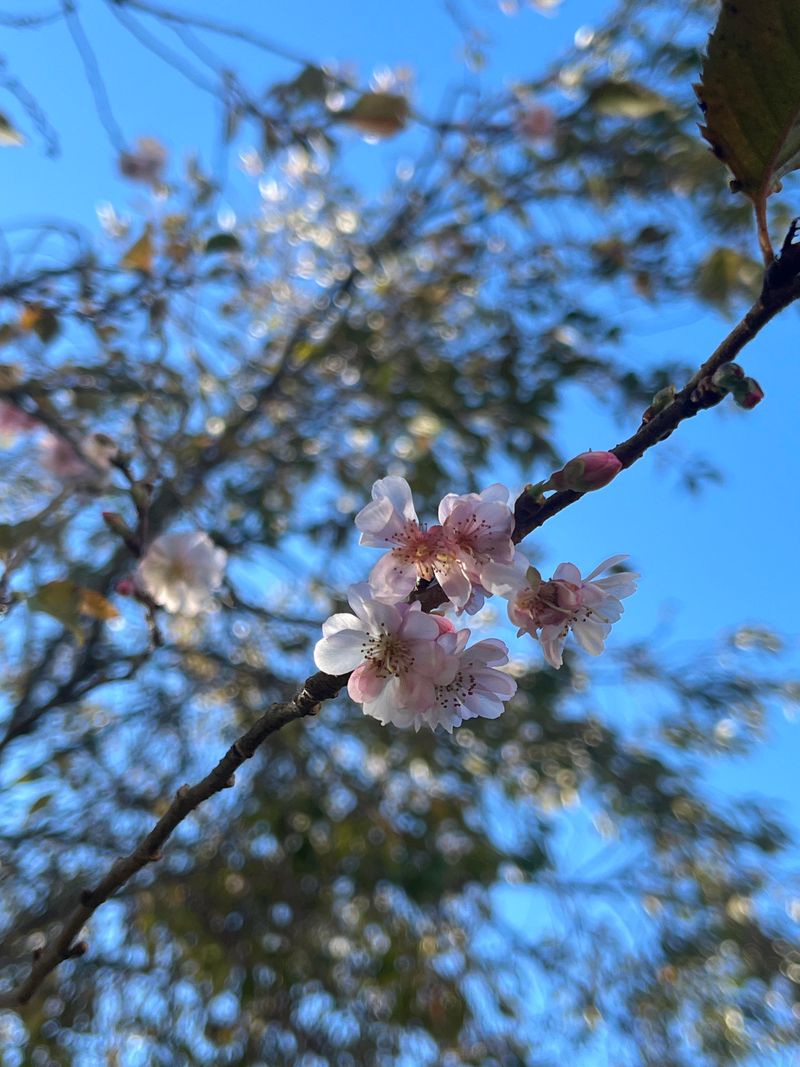
Think of the October flowers as a movie trailer rather than the full feature film playing next spring. You get a few exciting glimpses, but the big story arrives once winter finally loosens its grip.
During fall, only a portion of the flower buds open, so the tree looks lightly sprinkled with pink. Many branches stay bare of blossoms, especially while the leaves are still hanging on and turning bronze.
First-time owners sometimes feel let down, expecting a cloud of color like the photos from cherry festivals. Patience pays off, though, because the remaining buds hold their energy for a much fuller spring performance.
In early spring, the tree often blooms before its leaves come out, so nothing hides the flowers. That bare-branch display can make the whole canopy glow a soft pink for a week or two.
Fall blossoms also tend to be a bit smaller and paler than spring ones, at least to many eyes. Cool nights and shorter days probably play a part, although the exact reasons are still a little fuzzy.
For the best fall viewing, plant the tree where you can see it from a kitchen or living room window. A dark evergreen backdrop, like a row of hollies or junipers, helps the pale blossoms really pop.
Cut a few flowering twigs in fall and set them in a small vase for a cheerful indoor treat. Just keep the pruning light, since every bud you clip is one less bloom waiting for spring.
Your Late Bees Will Appreciate The Extra Snack
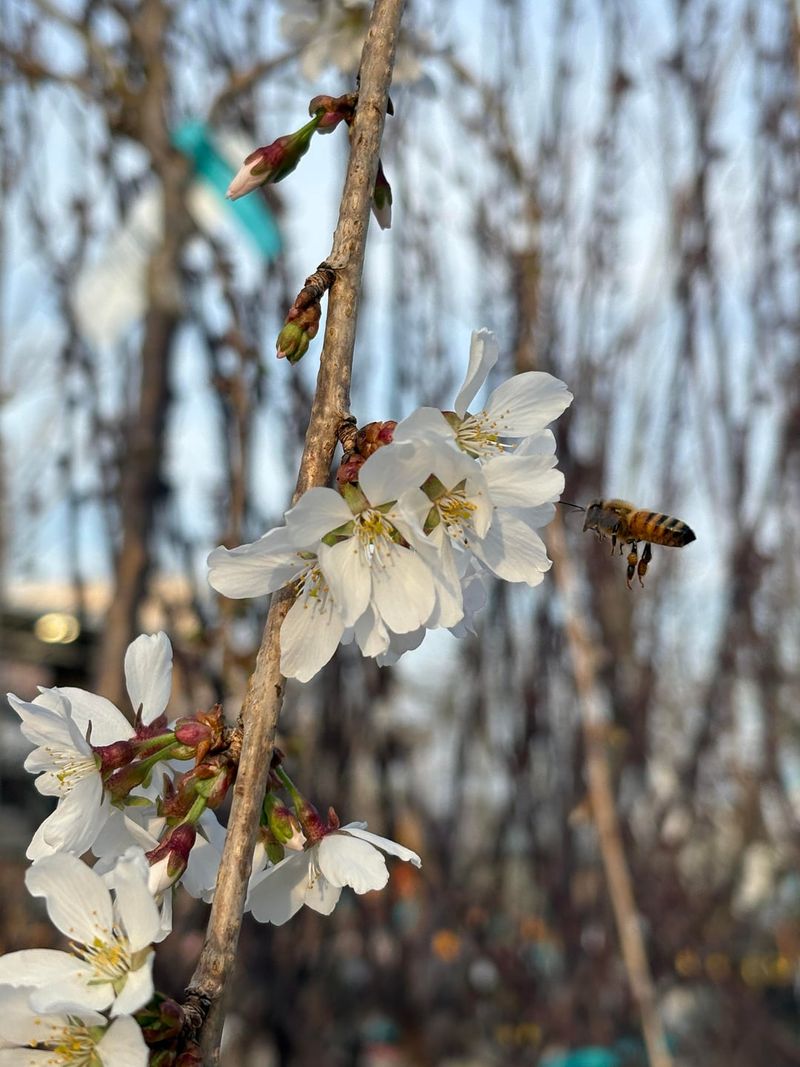
Fat, shiny bees buzzing around the porch railing in October are often eastern carpenter bees searching for food. Young adults emerge in late summer and feed on flowers before tucking into old tunnels for winter.
By mid-fall in Missouri, many of their favorite blooms have faded, so food can get a little scarce. Asters and goldenrod help, but a flowering tree offers one more option on a sunny, warm afternoon.
Cherry flowers produce nectar and pollen, and they welcome bees along with hoverflies and other small insect visitors. How much the fall flowers offer is not well studied, so think of them as a bonus snack.
Carpenter bees sometimes cheat by slicing a hole near the base of a flower to sip nectar directly. Scientists call this nectar robbing, and it happens more often with deep, tube-shaped blooms than open cherry flowers.
Honeybees and bumblebees may stop by as well, especially when temperatures climb comfortably above the mid-fifties. Cold, cloudy days keep most pollinators at home, so the tree may bloom with few visitors at times.
Some homeowners worry about carpenter bees drilling into decks, but a flowering tree does not cause that problem. Painting or staining bare wood is a common extension tip for discouraging the bees from nesting there.
Skip insecticide sprays on blooming trees, because even a light mist can harm the helpers you want around. Sit near the branches with a warm mug on a sunny day and enjoy the busy buzzing crowd.
Fall Flowers On Other Cherries Can Signal Summer Stress
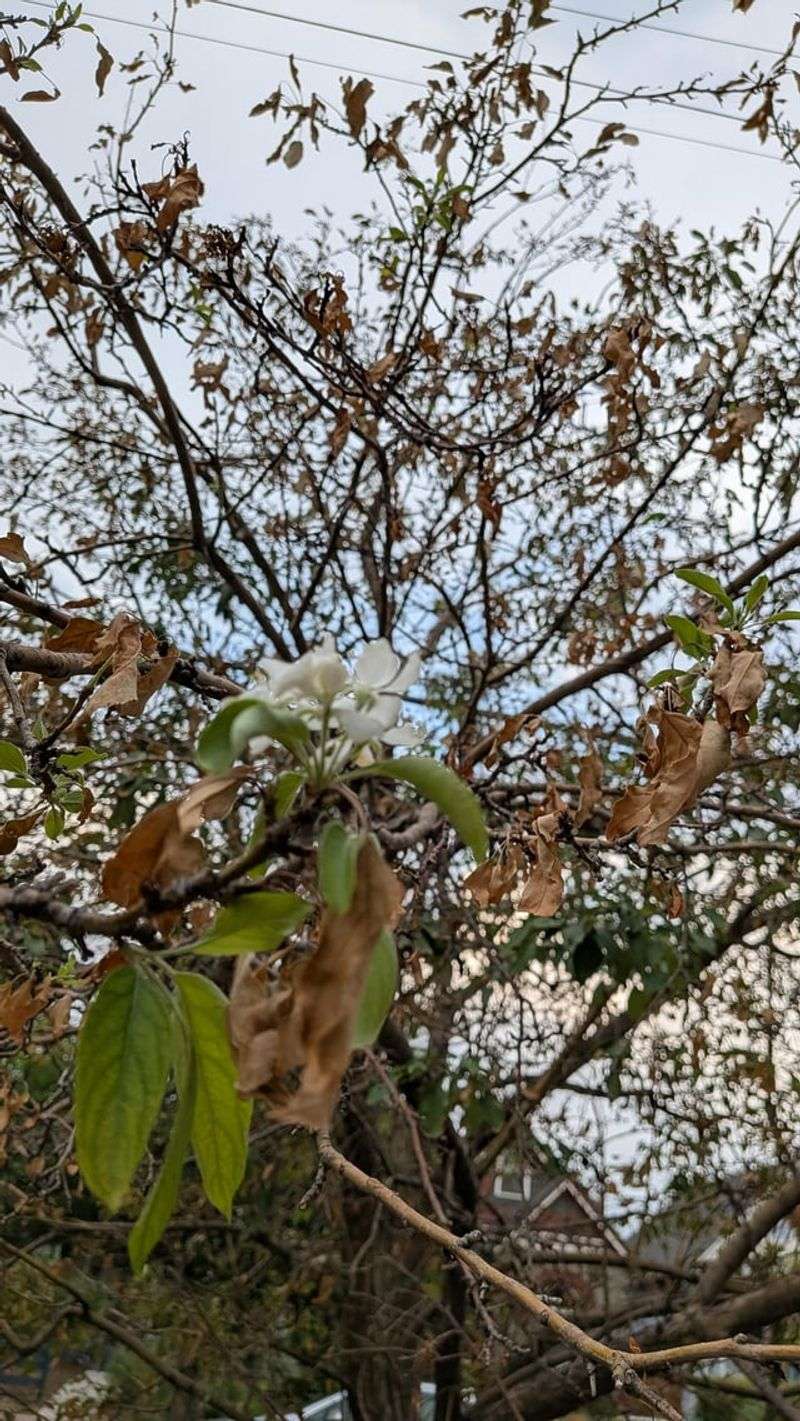
Not every cherry blooming in fall is showing off a special talent, and some are sending a distress signal. Yoshino and Kwanzan cherries, along with fruiting types, normally save their flowers until spring arrives next year.
When these trees lose their leaves early, the buds can miss the chemical signals that keep them sleeping. Extension experts explain that leaves help hold buds dormant, so heavy leaf loss can trigger an early bloom.
Summer drought is a frequent culprit, especially during hot Missouri summers with weeks of little rain. Cherry leaf spot, a fungal disease, can also strip branches bare by late summer in wet years.
Japanese beetles and other leaf chewers sometimes add to the damage when populations run high in July. After that stress, a warm fall spell may push a few unlucky buds to open months ahead of schedule.
The trouble is that those flowers are spent before spring, so next year’s display may look thin. Fruit trees can also produce fewer cherries, since the buds that bloomed in fall rarely set fruit.
You can help a stressed tree by watering deeply every week or two during dry spells, even in autumn. Rake up fallen leaves this month, since they can carry leaf spot spores into next season.
Spread a ring of mulch two to three inches deep, keeping it a few inches away from the trunk. Good care now gives the buds their best chance to wait quietly through winter for a proper spring show.
You Can Grow One In Your Own Missouri Yard
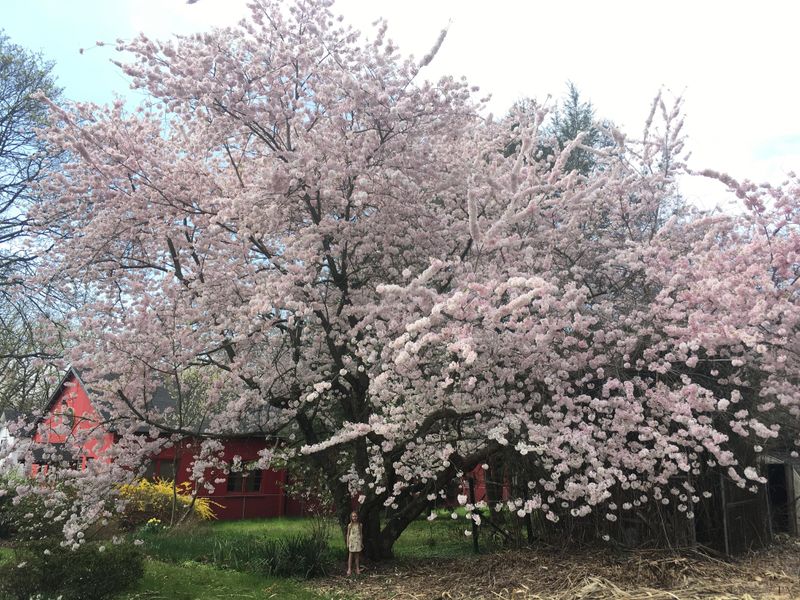
Fall is one of the best times to plant a new tree, and October sits right in that sweet spot. Cool air eases stress on the leaves while warm soil encourages roots to spread before the ground freezes.
Autumn flowering cherry grows well in USDA zones 5 through 8, which covers nearly all of Missouri. Choose a spot with full sun, meaning at least six hours of direct light on most days.
Soil matters a lot, because cherries struggle in heavy clay that stays soggy after a long rain. Many Missouri yards have dense clay, so a gentle slope or slightly raised bed can improve drainage.
Dig the hole two to three times wider than the root ball but no deeper than the roots. The flare where the trunk widens at the base should sit at or slightly above ground level.
Water the new tree deeply once a week until the ground freezes, unless rain does the job for you. Young cherries have thin bark, so a loose trunk guard can protect them from hungry rabbits this winter.
Give the tree room to spread, since mature branches can reach twenty feet or more across. Keep it away from power lines and sidewalks, so you will not need heavy pruning down the road.
Cherries tend to live shorter lives than oaks, but Higan cherries are among the longer-lived flowering types, often lasting several decades with steady care. That means many years of double blooming, which sounds like a pretty sweet deal for one small tree.