Strange Mud Is Showing Up On Trees Across New Jersey And You Should Not Ignore It
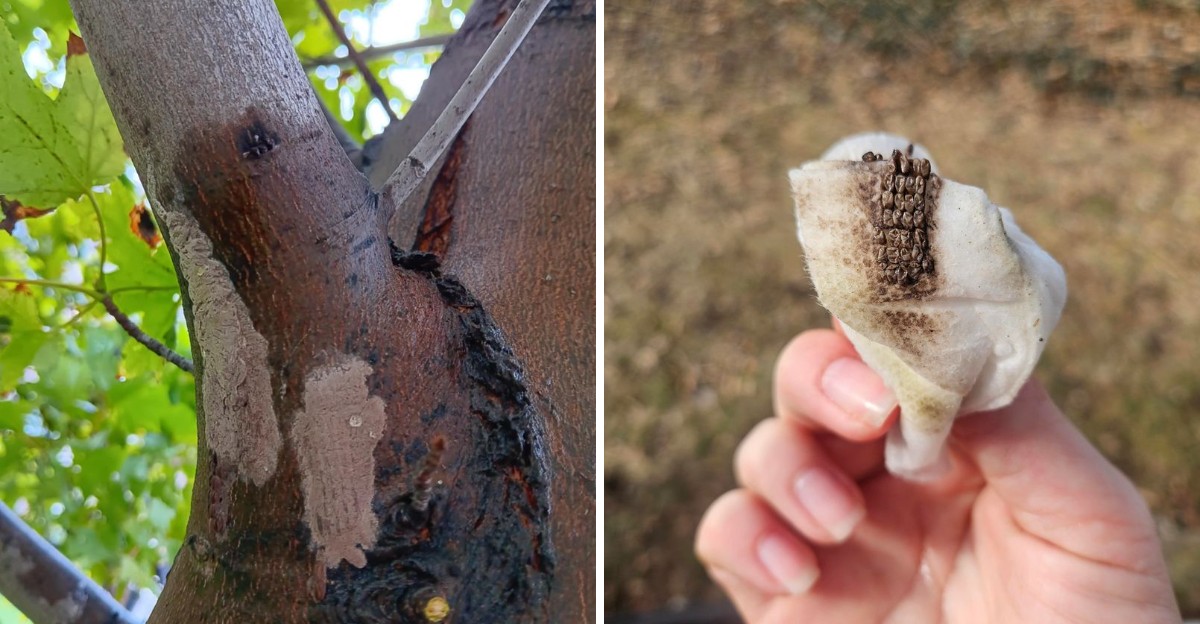
You walked past a secret today, and it looked like gray plaster. Female insects coat bark with these smudges before winter arrives.
Each smudge shelters a crowd of tiny travelers waiting for warm weather. They also settle on cars, stones, trailers, and patio furniture.
Scientists across New Jersey are asking you to check bumpers, bricks, and branches. Your flashlight reveals faint rows of tiny ridges beneath that gray coating.
Spotting a patch early gives you a head start on spring. Adults emerging later may gather on your trees, decks, and grapevines.
Their sticky trail coats surfaces and invites sooty growth. Farmers in New Jersey already watch vineyards and orchards closely.
Check your own bumpers before you drive anywhere. Pocket a plastic card for gentle, careful lifting. Tilt your light low, since tiny exit holes separate hatched patches from fresh ones.
Spotted Lanternfly Eggs Hiding In Plain Sight
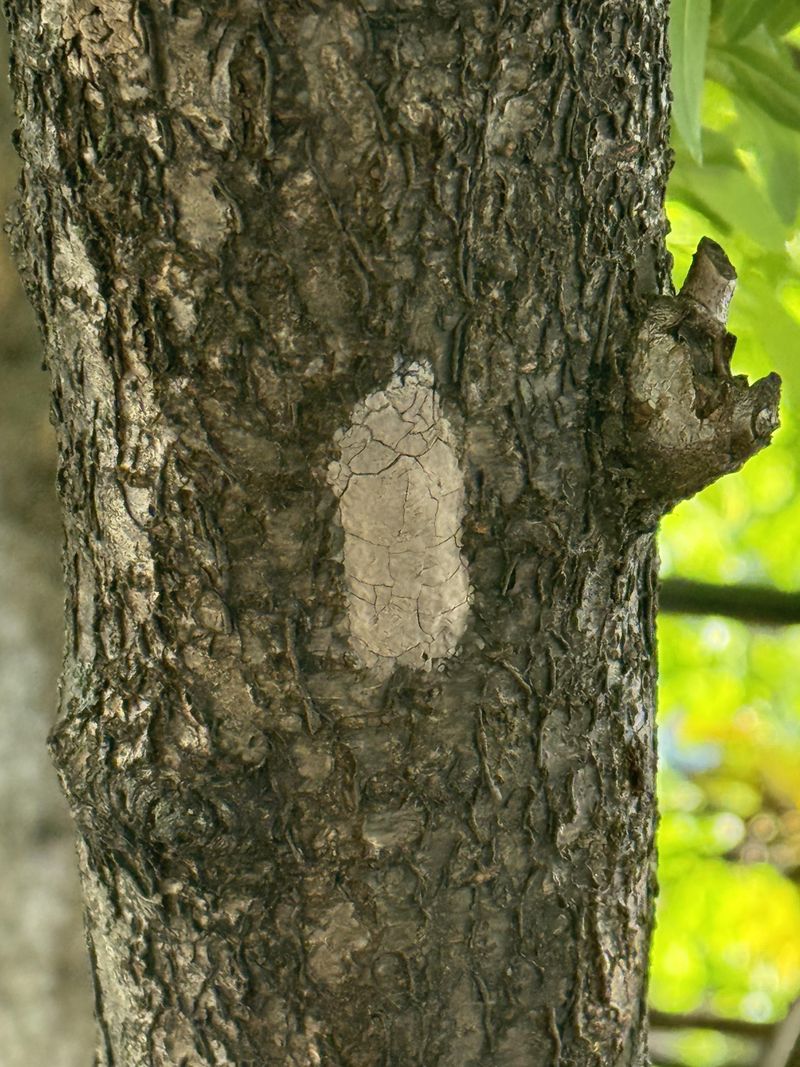
That mud is not mud at all. It is a spotted lanternfly egg mass, and each one holds about 30 to 50 eggs.
Female lanternflies lay these clusters in rows, then cover them with a gooey coating. The coating dries into a gray, cracked crust that looks a lot like dried clay.
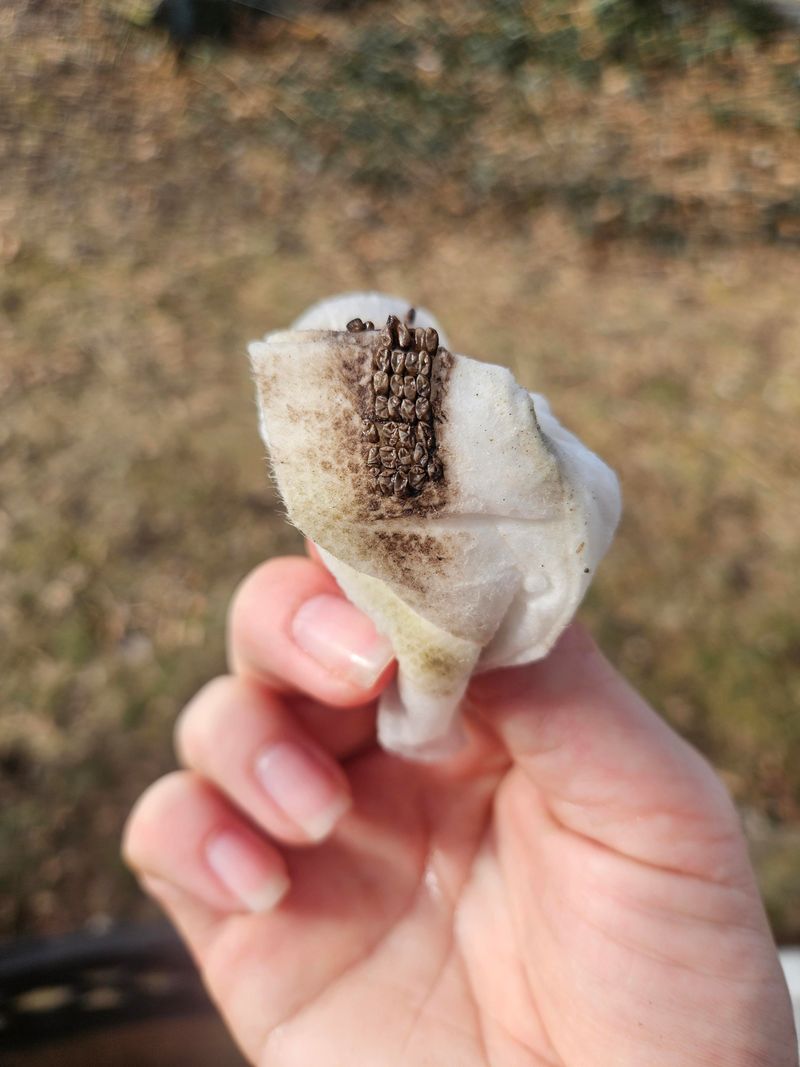
A fresh mass looks shiny and putty-like, almost like gray chewing gum. Older masses dry out, crack, and can look like rows of tiny seeds peeking through.
Most masses measure about one inch long. They are roughly the size of your thumb, which makes them easy to overlook on rough bark.
Spotted lanternflies came from Asia and were first found in Pennsylvania in 2014. They were later found in New Jersey, and the state now lists all counties under quarantine.
Tree of heaven is their favorite plant, but they feed on maples, willows, birches, and grapevines too. Their egg masses can turn up on almost any flat or rough surface nearby.
Look for them on trunks, stones, fence posts, grills, trailers, and even the underside of car bumpers. The insects are not picky about where their babies start out.
Once you train your eye, you may start spotting these gray smears everywhere. Finding the first one can feel like cracking a hidden code.
That moment of recognition is the first step toward protecting your yard. Knowing the real identity of this mud gives you a head start for spring.
October Is Peak Egg-Laying Season
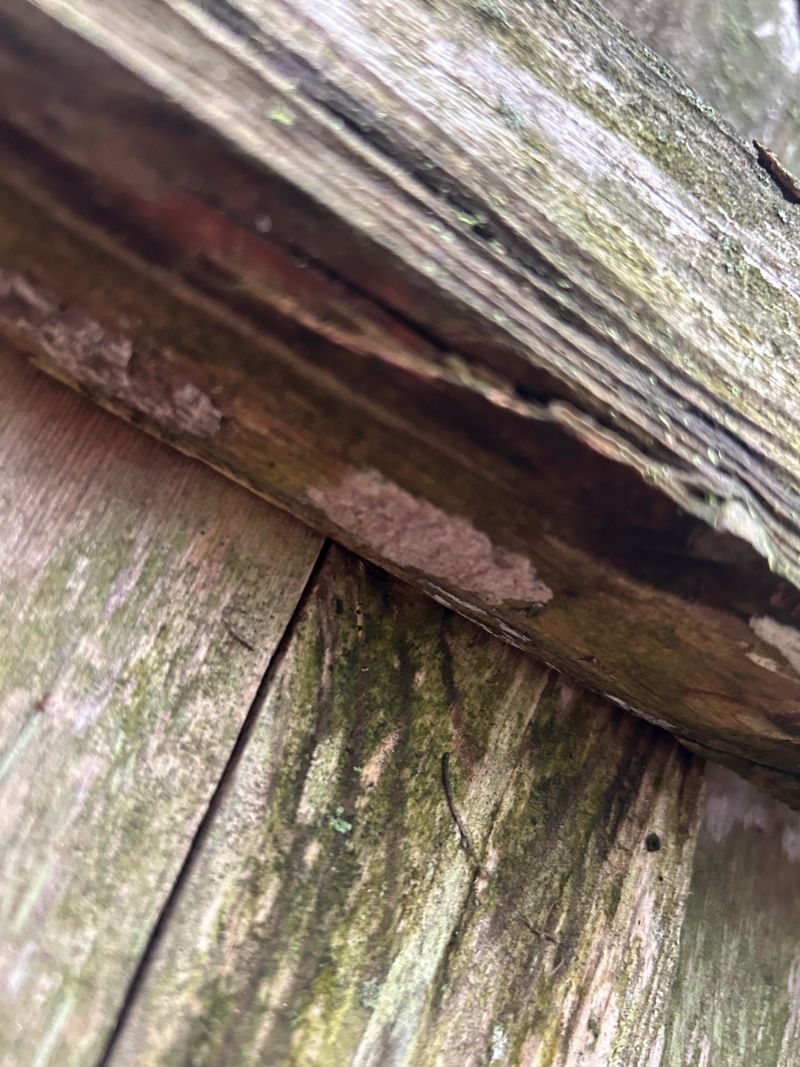
Ask any New Jersey gardener about fall, and pumpkins come up first. Lanternflies, however, keep laying eggs through October.
Adults start laying eggs in early to mid-September, and the work continues until the first hard frost. Hard frost ends the adults’ life cycle, but their eggs survive the winter.
Each mass sits quietly on its surface all winter long. Snow, ice, and freezing winds rarely harm the eggs inside.
Hatching usually begins in late April or May, when warm days return. Tiny black nymphs with white spots crawl out and search for tender plants to feed on.
That gives you roughly six months to find and remove egg masses. Fall and winter are good seasons to search, since bare branches make trunks easier to see.
Your New Jersey Garden Changes Every Week. Your Plan Should Too.
Gardening in New Jersey changes quickly throughout the season. Every Friday you’ll receive a simple weekly plan showing exactly what to plant, prune, fertilize, harvest, and protect so you never miss the right timing.
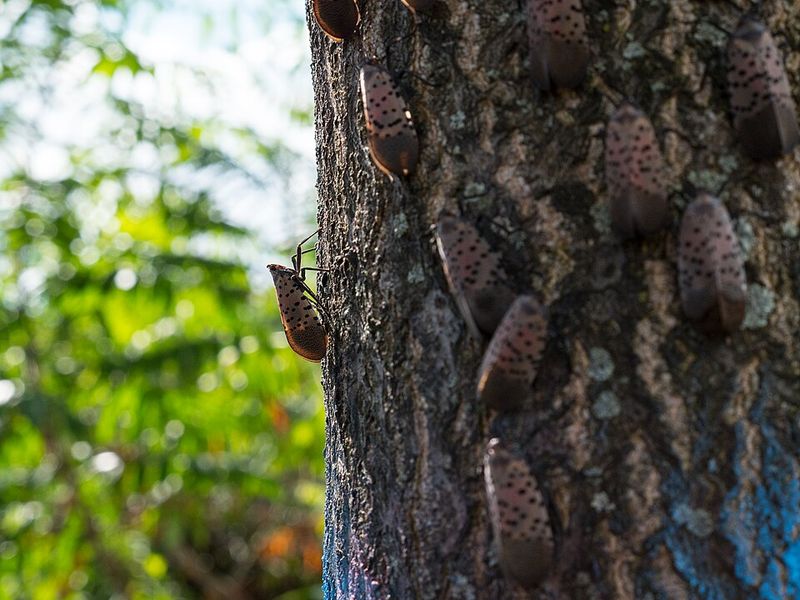
October is a smart time to start because adults are still around. If you notice clusters of them on a tree, egg masses are probably nearby.
Check again in November and December once leaves drop. Bare bark shows off those gray patches far better than leafy summer branches do.
Late winter is your final chance before the spring hatch begins. After that, the gray crust turns into an empty shell with tiny exit holes.
Mark a few dates on your calendar for egg hunting walks. Making it a monthly habit keeps the task light and the results steady.
Think of it like raking leaves, only with a bigger payoff later. Every mass you catch now means fewer hungry bugs on your plants next summer.
Why Removing Egg Masses Matters
Imagine a quiet street where one family ignored a few gray smudges on their maple. Spring could bring a hundred or more nymphs.
Leaving egg masses in place is a common oversight. A single mass can release up to 50 nymphs, and many trees carry several.
Those nymphs grow into adults that feed on sap from trees and vines. They also drip a sticky liquid called honeydew onto everything below them.
Honeydew attracts bees and wasps, which can make patio time pretty unpleasant. It also feeds a black, sooty mold that coats decks, cars, and plants.
Sooty mold blocks sunlight from reaching leaves underneath. Garden plants and shrubs can weaken and grow poorly under that dark, gritty film.
Heavy lanternfly feeding has damaged vineyards in neighboring Pennsylvania, so this pest threatens local farms and family businesses.
Another common mistake is moving firewood, lawn chairs, or vehicles without checking them first. Egg masses can hitch a ride to a brand new town that way.
Some people also smash a mass with a shoe and walk away. Stepping on it may miss some eggs, so a few could still hatch later.
Even one overlooked mass can restart the problem in your yard. Taking a few minutes now saves hours of sticky cleanup and frustration next summer.
Treat gray smears as worth a closer look. Your trees, your car, your garden, and your neighbors all benefit.
Scraping Tools And A Bag Of Rubbing Alcohol

This is a simple pest control job. All you need is a plastic card, a zip-top bag, and some rubbing alcohol.
Old gift cards or library cards work great as scrapers. A putty knife also works well on hard surfaces like stone or metal.
Pour a little rubbing alcohol or hand sanitizer into a sealable plastic bag. Hold the bag open just below the egg mass before you start.
Scrape downward with firm pressure so the eggs fall right into the bag. You may hear a soft crunching sound, which means the eggs are breaking apart.
Seal the bag tightly and squish it a bit to soak every egg. Then toss it in your regular household trash.
Another option is smashing the eggs directly on the surface. Press hard with the edge of your card until every egg pops and oozes.
Be gentle with tree bark, though, since deep scraping can hurt thin bark on young trees. Light, steady strokes remove eggs without damaging the trunk.
Some masses sit high up in branches out of easy reach. A scraper attached to a long pole can help, or you can call a tree professional.
Kids can help with low masses, as long as an adult supervises. It turns into a satisfying treasure hunt that also protects the neighborhood.
Wear gloves if you like, though the eggs are harmless to people. Afterward, wash your scraper so it is ready for the next hunt.
A Spring Hatch From A Single Mass
Fifty tiny bugs might not sound like much at first. Multiply that by a dozen egg masses on one tree, and the numbers add up quickly.
Missed masses hatch into black nymphs speckled with white dots each spring. They climb trunks and stems, then feed on soft, tender new growth.
By midsummer, the nymphs turn bright red with black and white markings. They look almost pretty, but their appetite grows right along with them.
Adults show up around July with gray wings and flashy red underwings. They hop and glide from tree to tree in large groups.
A heavy infestation leaves branches coated in honeydew. Sidewalks turn sticky, and decks and patio chairs can look like someone spilled maple syrup everywhere.
Trees under pressure may lose sap, look stressed, and grow weaker over time. Young trees and grapevines can struggle when feeding gets intense.
On the flip side, scraping eggs helps reduce the number of nymphs that hatch. Yards where neighbors work together may see fewer bugs by summer.
Neighbors who team up on egg hunts can lower local numbers. Each family that pitches in helps the whole block.
Your choices this fall shape what summer looks like outside your door. Fewer masses now means cleaner cars, happier gardens, and more peaceful picnics.
Picture a backyard barbecue without bugs landing on your burger. That relaxing summer starts with a few gray smudges you scraped away this October.
Smart Habits For Slowing The Spread
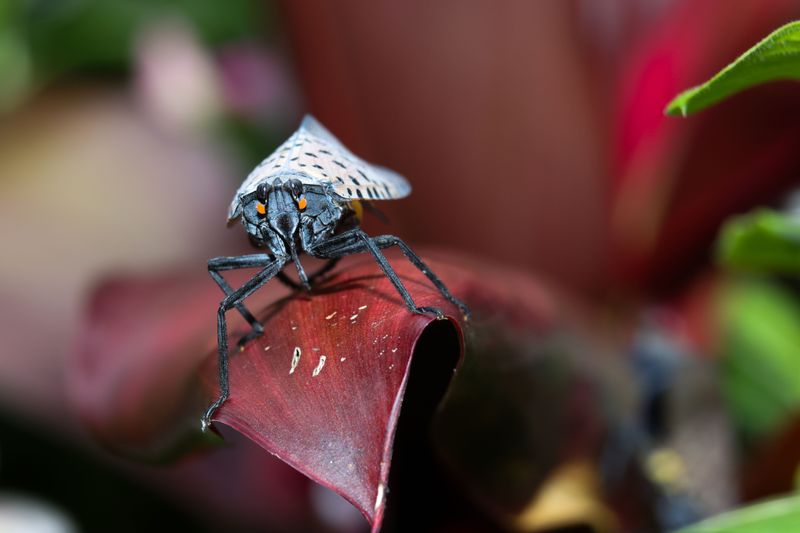
Prevention is less about one big effort and more about small, steady habits. A few simple routines can keep your yard from becoming a lanternfly hotel.
Before any road trip, walk around your car and check bumpers, wheel wells, and trailer hitches.
New Jersey’s quarantine asks residents to inspect vehicles and outdoor items before traveling, and businesses that routinely travel in and out of the quarantine zone need a permit.
Firewood is another common carrier. Buy it close to where you plan to burn it rather than hauling logs between towns.
Tree of heaven is the lanternfly’s top food source. If you spot one in your yard, ask a local expert about safely removing it.
Circle traps wrapped around trunks can catch climbing nymphs in spring and summer. Avoid open sticky bands, since they can trap birds and other helpful wildlife.
Check the New Jersey Department of Agriculture website for current reporting guidance before you submit a sighting.
Talk with your neighbors about what these egg masses look like. Sharing a quick photo can turn a whole street into a team of spotters.
Local schools, scout troops, and community groups may hold egg scraping events in the fall, so check local listings.
Check outdoor items before storing them for winter. Grills, kayaks, and lawn furniture make cozy hiding spots for egg masses.
Keep a scraper and a bag of alcohol in your garage all season. Ready tools make it easy to act the moment you spot a suspicious smear.