Should You Fertilize Your Florida Garden After Hurricane Isaias? The Mistake That Can Make Recovery Harder
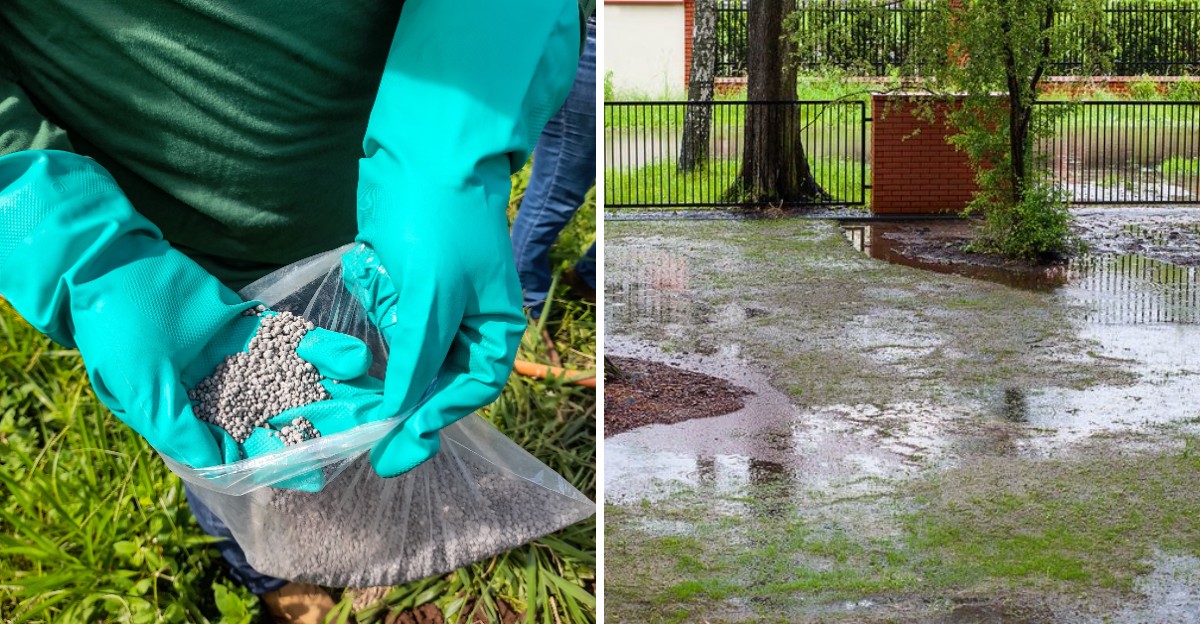
Your garden looks battered, and every instinct says feed it. Hold that thought.
Isaias left Florida beds a mess. Leaves shredded, stems bent, soil soaked through.
A bag of fertilizer feels like the kind thing to do, a little comfort food for stressed plants. Plenty of neighbors will reach for one this weekend.
Recovery works on its own clock, though, and the wrong meal at the wrong moment can set it back. Some plants are not ready to eat.
Others have already lost what you plan to give them.
The storm changed more than the foliage. It changed the ground itself, and that matters more than most people expect.
Wait a few days before you open that bag. Patience pays off here.
1. Holding Off Is The Short Answer
Put the fertilizer bag down and back away slowly. That is the simple advice most garden experts give after a big storm like Hurricane Isaias.
It might feel strange to do nothing when your yard looks so rough. Still, waiting is a real choice, and often the smartest one.
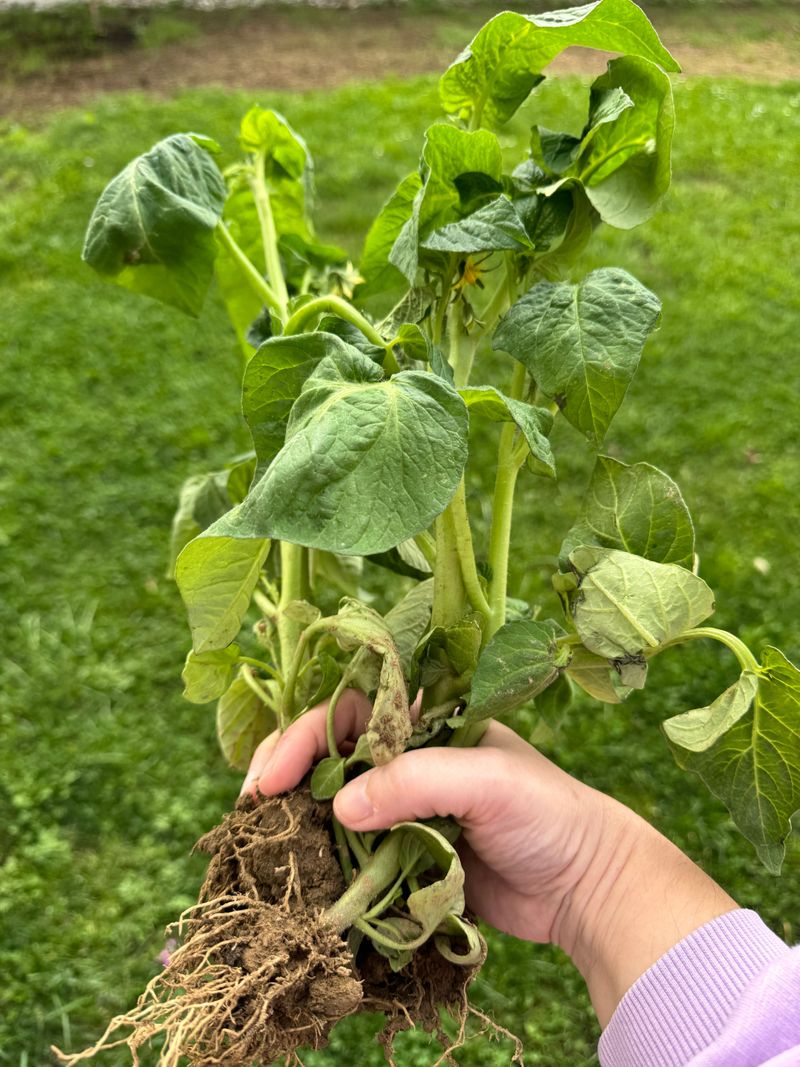
Plants that just survived pounding wind and heavy rain are in a fragile state. Their roots may be soggy, torn, or soaked with salt.
Feeding them now is a bit like giving a sports drink to someone with a stomach bug.
Think of recovery as a slow, steady process. First, plants need to settle back into their soil and repair hidden damage.
Then they can start pushing out fresh leaves. Only after that does extra food make sense.
So what can you do in the meantime? Plenty of useful jobs are waiting.
You can pick up broken limbs, clear debris off plant beds, and gently rinse leaves with fresh water. You can also take photos of damaged plants so you can track their progress over the next few weeks.
Patience is a gardening skill, just like pruning or planting. A little restraint now can save you money and protect your plants from extra trouble.
Your garden will thank you later with healthier, stronger growth when the timing is right.
2. Fertilizer Adds More Salt To Surge-Soaked Soil
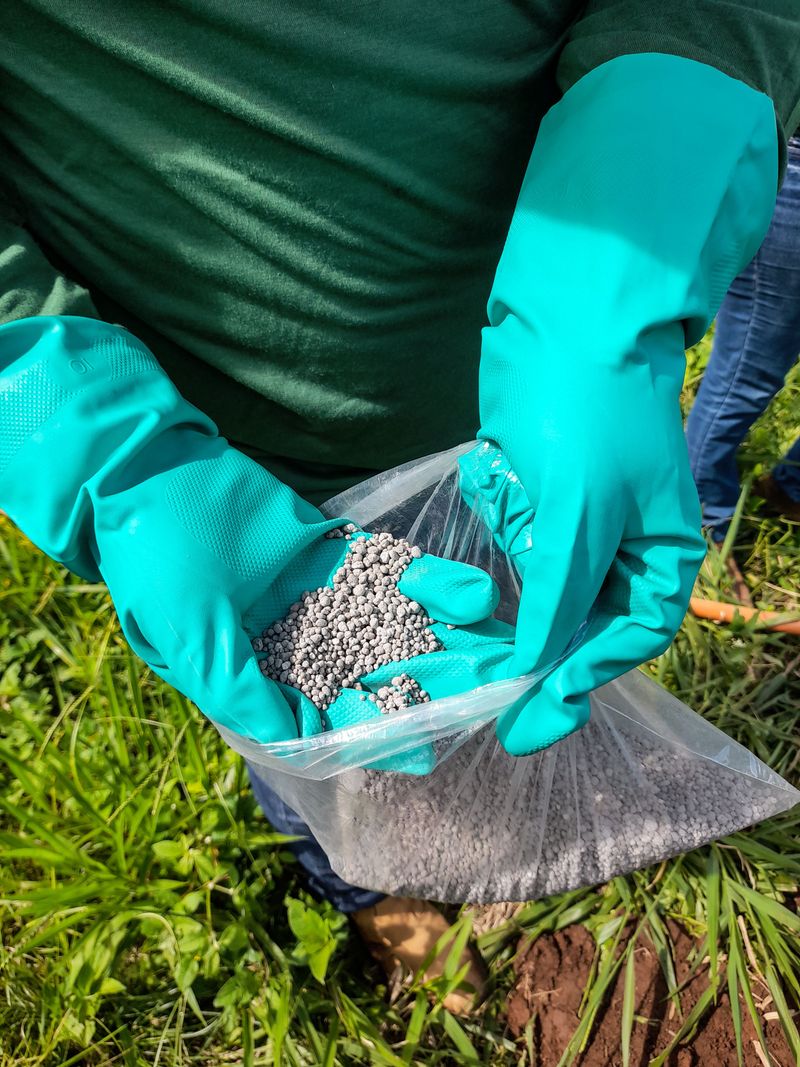
Here is a surprise for many gardeners. Most fertilizers are made of soluble salts, the same basic chemistry that makes them dissolve so easily in water.
Now imagine a coastal Florida yard that just got hit by storm surge from Hurricane Isaias. Seawater rushed in, soaked the ground, and then drained away.
What it left behind was salt, sometimes a lot of it. You might even spot a whitish crust on the soil surface or on low leaves.
Adding fertilizer on top of that is like pouring extra salt into soup that is already too salty. The soil becomes even harder for roots to work with.
Salt pulls water away from roots instead of letting them drink it in. Plants can look thirsty and wilted even when the ground is wet.
That is why fertilizer can turn a tough situation into a worse one. The plant struggles to take up water and nutrients, and leaf edges may turn brown or crispy.
Your Florida Garden Changes Every Week. Your Plan Should Too.
Gardening in Florida changes quickly throughout the season. Every Friday you’ll receive a simple weekly plan showing exactly what to plant, prune, fertilize, harvest, and protect so you never miss the right timing.
Quick fact: salt damage often shows up days or weeks after a storm, not right away. So even if your plants look okay today, they may still be dealing with salty soil underneath.
Give them time and fresh water before thinking about any feeding plan.
3. Flooded Plants Are Already Under Stress
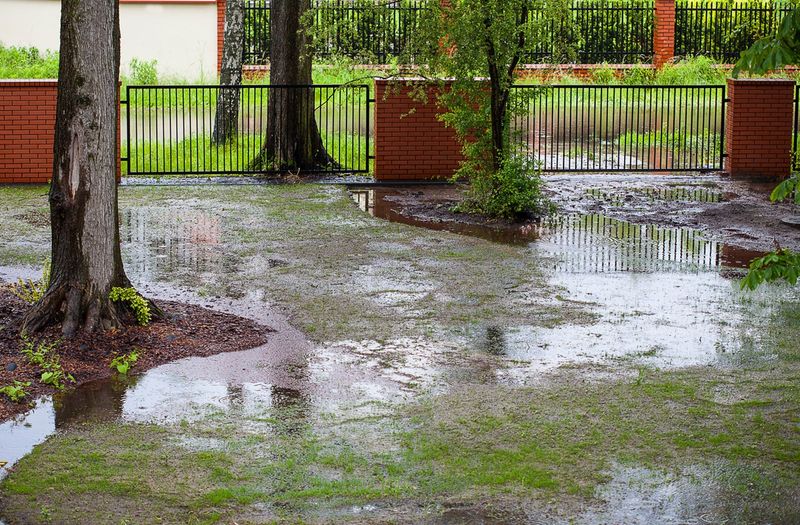
Roots breathe. That fact surprises a lot of people, but it matters a great deal after a flood.
Healthy soil has tiny air pockets between grains of dirt. Roots use the oxygen in those pockets to stay active and pull up water and food.
When floodwater fills every gap, those air pockets vanish. Roots are left holding their breath, sometimes for days.
Without oxygen, roots slow way down. They cannot take up water or nutrients the way they normally would.
Strangely, a flooded plant can wilt just like a dry one. Leaves may yellow, droop, or drop early.
Inside the plant, energy runs low, and stress chemicals build up.
It does not matter much whether the water was fresh or salty. Either kind can starve roots of air if it sits too long.
Salty water just piles on an extra problem.
So picture a plant gasping, low on energy, and barely able to drink. Does it really need a big dose of fertilizer right now?
Probably not. Its roots cannot use that food well yet, and the extra load may stress them more.
Your best move is to help the soil drain and dry out. Avoid walking on soggy beds, since that packs the soil and squeezes out even more air.
4. Extra Feeding Can Invite Disease
Picture a buffet sign that says open to every bug and fungus in town. Too much fertilizer on a stressed plant can send that exact message.
Nitrogen is the big culprit. It pushes plants to grow lots of soft, tender leaves very quickly.
On a healthy plant, that can look lovely. On a weakened plant, though, those soft shoots are easy targets.
Aphids, whiteflies, and other sap-sucking pests love juicy new growth.
Diseases join the party too. After a hurricane, the air stays warm and damp for days.
Fungi and bacteria thrive in those conditions. Torn leaves and broken stems already give germs easy doorways.
Overfed plants can have a harder time fighting back, since feeding can throw off their natural defenses.
Here is a helpful way to think about it. A plant has only so much energy.
If fertilizer forces it to grow fast, it has less energy left for healing wounds and guarding against invaders.
Keep an eye out for spots on leaves, mushy stems, or sticky residue. Clip away badly damaged parts with clean pruners, and toss them in the trash rather than the compost pile.
Good airflow and clean tools do far more for plant health right now than a scoop of plant food.
5. Wait For Strong New Growth First
Your plants will tell you when they are ready. You just have to learn their signal.
That signal is fresh, healthy growth. Look for new green leaves that open fully, stems that stand firm, and buds that keep coming.
A few weak sprouts do not count. You want steady, vigorous growth that shows the plant has found its footing again.
This could take a few weeks, or longer for badly hit plants. Some shrubs bounce back fast.
Others sulk for a while before showing any progress. Every plant moves at its own pace, so try not to compare your gardenia to your neighbor’s roses.
Once you spot that strong growth, you can think about a gentle meal. Experts often suggest a water-soluble fertilizer mixed at half strength.
Another good choice is a thin layer of organic compost spread around the base. Compost feeds slowly and also helps improve soil texture.
Go light at first. A small serving is better than a heaping plate.
You can always add more later if the plant keeps thriving.
A simple trick helps here. Mark a calendar or snap weekly photos of a few plants.
Comparing pictures makes it much easier to see real progress instead of guessing.
6. Skip Fertilizer For A Year On Trees You Stood Back Up
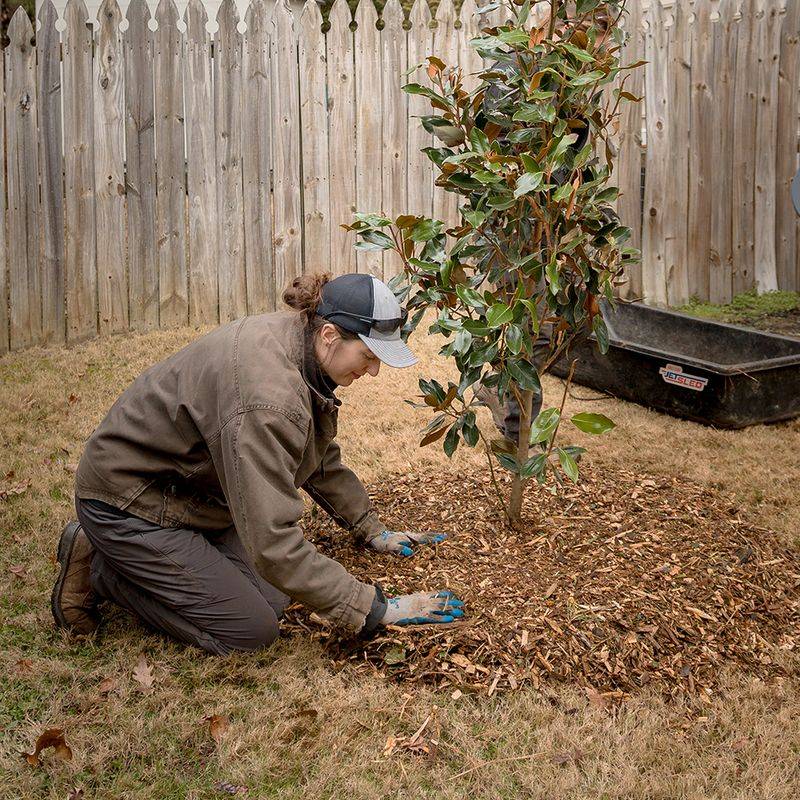
Congratulations, you pushed a toppled tree back upright. That took muscle and hope, and now comes the waiting game.
A tree that was lifted or leaning has lost many of its roots. Some snapped, and others were pulled out of the ground.
In many ways, it is now like a brand new tree that just went into the soil. Garden experts suggest treating it exactly that way.
That means no fertilizer for about a year. It might sound harsh, but there is good logic behind it.
The tree needs to pour its energy into growing new roots. Fertilizer can push leafy top growth instead, and a big leafy crown on a small root system is a wobbly combination.
So what does the tree need? Water, mostly.
Give it deep, slow drinks during dry spells, especially in the first few months. A layer of mulch a few inches thick helps hold moisture, but keep it pulled back from the trunk.
Stakes and soft straps can steady the tree while roots grab hold. Check them often so they do not rub or cut into the bark.
Most trees can lose the stakes within a year.
Next fall, you can take a fresh look and decide whether feeding makes sense.
7. Root-Damaged Trees Don’t Need A Boost Either
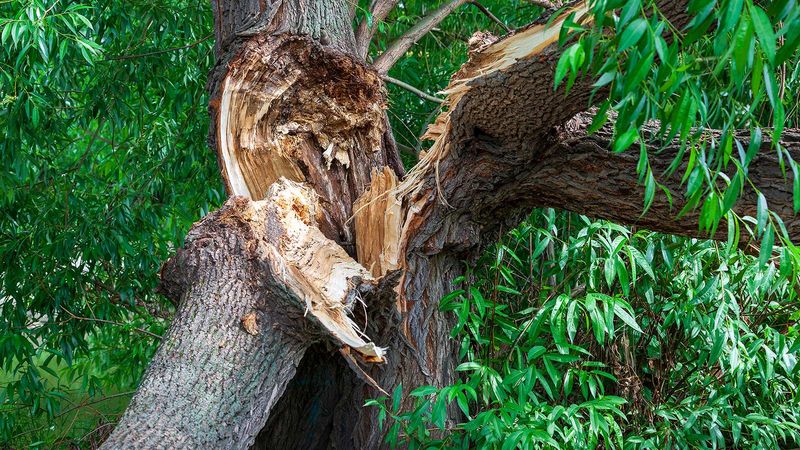
Not every injured tree falls over. Some stay standing while hiding real trouble under the ground.
Strong hurricane winds rock trees back and forth for hours. That motion can tear roots, crack soil, and loosen the whole root zone.
You might notice a lifted sidewalk, cracks in the dirt near the trunk, or exposed roots. Sometimes there are no clear signs at all.
Fertilizing a tree like this may seem like a kind gesture. Sadly, it can do more harm than good.
Damaged roots already struggle to soak up water. Adding fertilizer salts near those wounded roots can make water uptake even harder.
It can also burn tender root tips that are trying to regrow.
Instead, focus on simple, steady care. Water deeply when rain is scarce.
Spread mulch over the root area to keep soil cool and moist. Avoid parking cars, piling debris, or digging near the trunk, since those things squash roots further.
Fun fact: most of a tree’s feeding roots live in the top foot or so of soil. They also spread out well past the edge of the branches.
That means even a trampled lawn far from the trunk can affect a tree.
For big trees near your home, calling a certified arborist is a wise move.
8. North Florida’s Lawn Fertilizer Window Already Closed
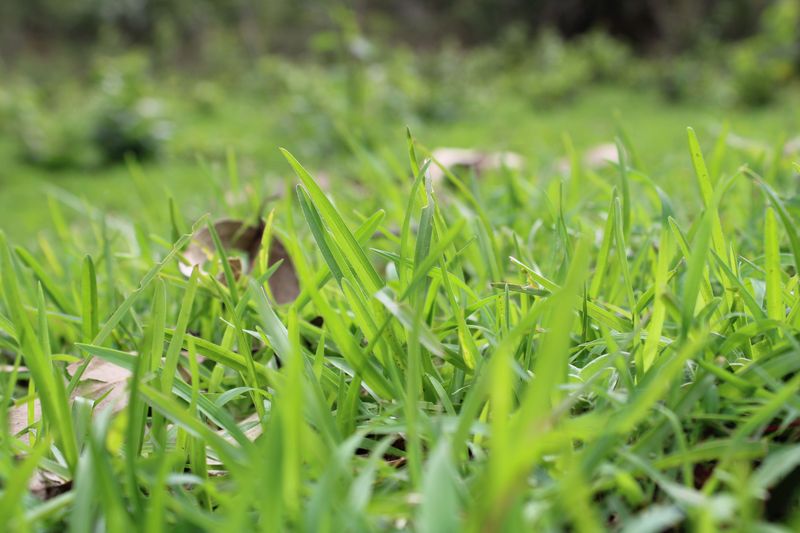
Timing is everything, and lawns in North Florida run on a strict schedule.
Warm-season grasses like St. Augustine, centipede, and bahia grow best during warm months. Their main fertilizer window usually runs from about mid-April to late September, sometimes stretching into early October.
After that, the grass starts slowing down for its cooler, quieter season.
Feeding a lawn as it heads toward dormancy is not helpful. The grass cannot use much of that food.
Leftover nutrients may wash away in rain and end up in ponds, rivers, or the ocean. That runoff can feed algae blooms and harm local waterways.
On top of that, many Florida counties and cities have summer fertilizer bans. These often last from June through September, during the rainy season.
So between the bans and the calendar, the best chance to feed your lawn may already be gone.
If your grass looks battered, there are better steps to take. Rake up storm debris so sunlight can reach the blades.
Mow high and keep your mower blade sharp. Let the lawn dry out if it is soggy.
Mark next spring on your calendar instead. A healthy feeding at the right time will do much more good than a rushed one now.
9. Fresh Water Is What Plants Need Most Right Now
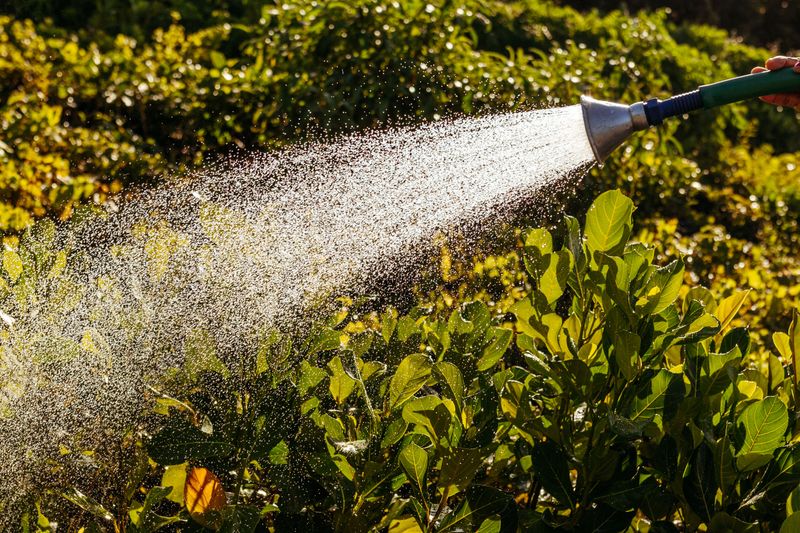
Grab the garden hose. It might be the most powerful recovery tool you own after a salty storm.
Salt spray from hurricane winds can coat leaves far inland. Left alone, it can scorch leaf edges and leave plants looking burnt.
A gentle shower of fresh water rinses that salt away. Try to do it as soon as you safely can, aiming at both the tops and undersides of leaves.
Next comes the soil. Experts suggest giving salt-soaked areas about one to two inches of fresh water each week.
Keep this up for several weeks. The extra water dilutes the salt and pushes it deeper into the ground, away from roots.
Not sure how much an inch is? Set an empty tuna can in the bed while you water.
When it fills up, you have delivered about an inch.
Of course, if heavy rain is falling regularly, nature may handle some of this for you. Just watch for puddles that do not drain, since soggy soil causes its own problems.
Water is simple, cheap, and safe. It helps plants drink again and clears the way for real healing.
Once the salt is gone and new growth appears, then it may finally be time to talk about fertilizer.