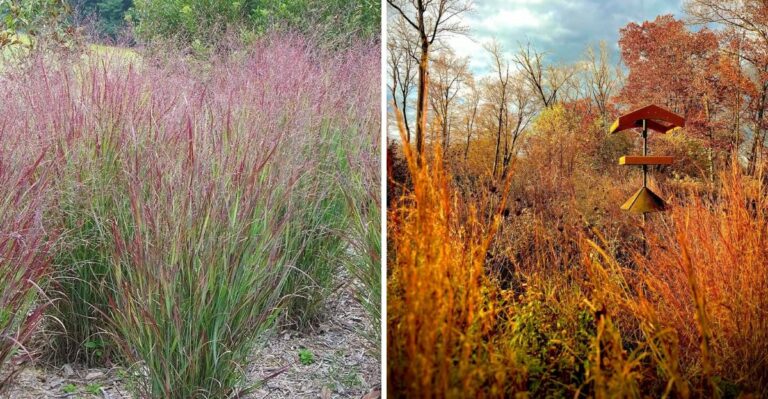
Make Your Virginia Yard “Bay-Friendly,” And Your Local District May Help Pay For It
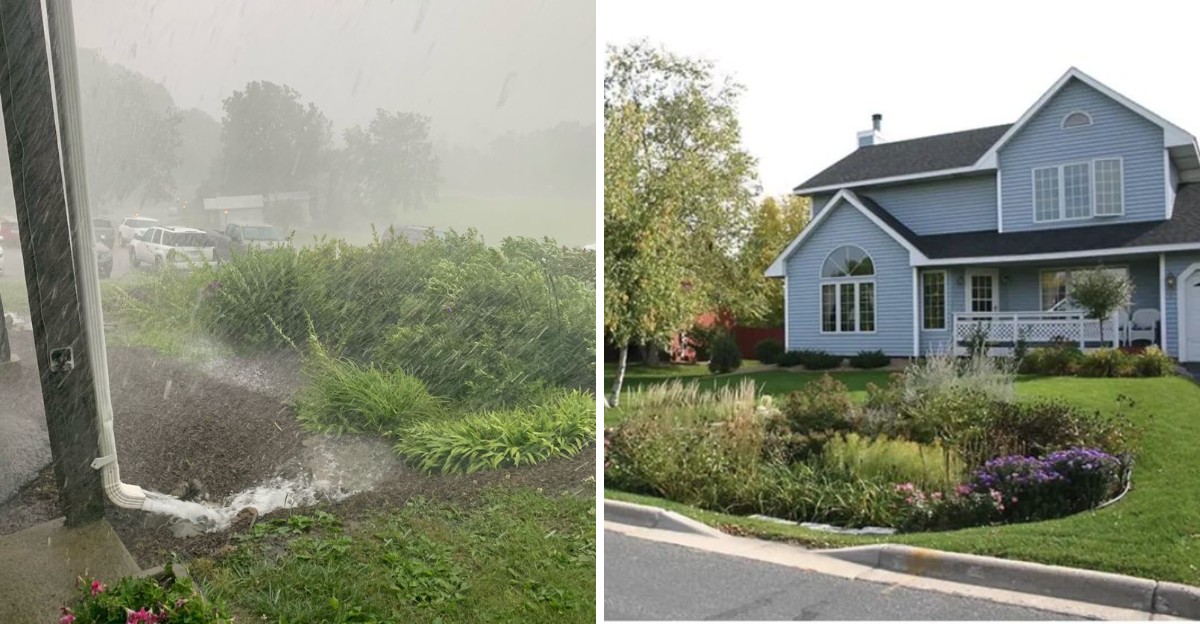
Every heavy rain sends a muddy stream rushing down your driveway. Along the way, it picks up fertilizer, oil, and loose soil.
Sooner or later, much of it ends up in the Chesapeake Bay. Crabs, oysters, and fish all feel the effects downstream.
Your yard can actually slow that water down. A few smart changes can turn a soggy lawn into a sponge that soaks up rain and filters out pollution.
Even better, local conservation districts across Virginia may help cover the bill. Some projects qualify for cost-share that can reach thousands of dollars.
Rain gardens, native plantings, and a few other upgrades all count. With a little planning and a helping hand, your yard could become one of the Bay’s heroes.
Rain Gardens Catch Runoff Before It Reaches The Bay
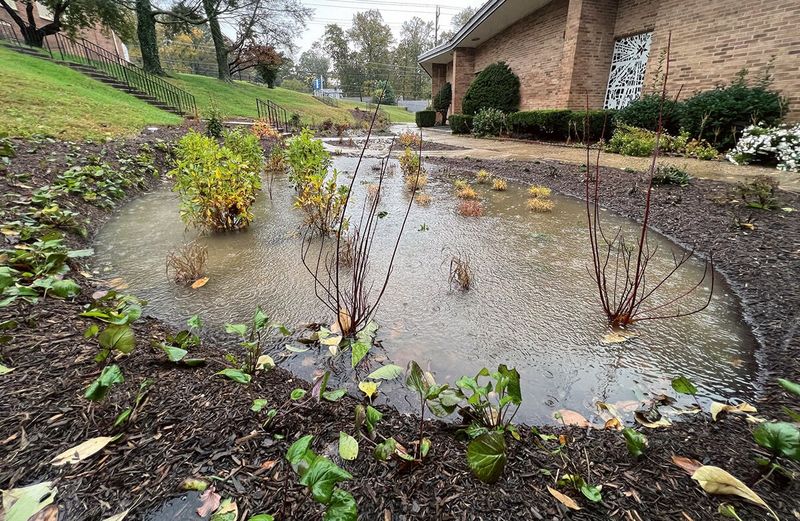
Picture a pretty flower bed that quietly works as a stormwater trap. Rain gardens are shallow dips in your yard built to hold runoff for a short time.
Water from roofs, driveways, and lawns flows into the low spot and pauses there. Within about 48 hours, it soaks into the soil below instead of racing toward a storm drain.
Along the way, soil and roots filter out fertilizer, pesticides, and car fluids. Cleaner water then recharges the groundwater and protects nearby creeks and lakes.
Native plants are the stars of a good rain garden. Their deep roots drink up lots of water and hold the soil firmly in place.
Try swamp milkweed, blue flag iris, or switchgrass for the wettest center area. Black-eyed Susans and coneflowers handle the drier edges with cheerful color.
Butterflies, bees, and songbirds will likely show up within the first season. Once the plants settle in, they usually need little watering or fussing.
Placement matters more than most people expect. Keep the garden at least ten feet from your house so water stays away from the foundation.
A simple soak test helps you check drainage before digging. Fill a small hole with water and see if it drains within a day.
Here is the exciting part for Virginia residents. The Virginia Conservation Assistance Program, called VCAP, can reimburse up to 80 percent of costs.
Rain garden payments can reach $7,000 per project. That support turns a dream garden into a realistic weekend plan.
Native Plants Can Replace Thirsty Lawn
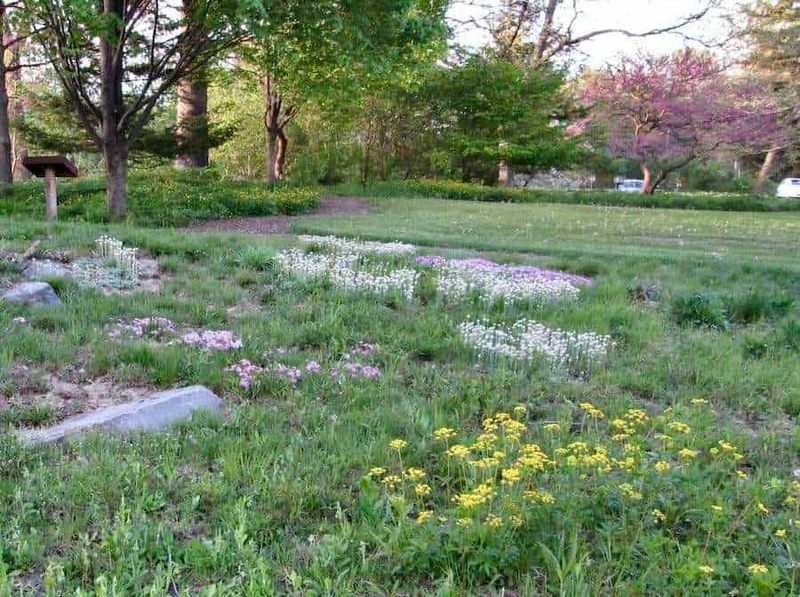
Mowing every Saturday in July gets old fast. Swapping some grass for native plants can free up your weekends and help the Bay too.
Lawns look tidy, but their short roots let water slide right off. Thick turf often needs fertilizer, watering, and weed treatments to stay green.
Native plants grew up with Virginia weather, clay soil, and summer droughts. They thrive with far less help once their roots take hold.
Fewer chemicals mean less nitrogen and phosphorus washing into streams. Deeper roots also grab soil and slow down muddy runoff after storms.
Wildlife notices the change quickly. Birds find seeds and insects, while bees and butterflies gain steady sources of nectar.
Your Virginia Garden Changes Every Week. Your Plan Should Too.
Gardening in Virginia changes quickly throughout the season. Every Friday you’ll receive a simple weekly plan showing exactly what to plant, prune, fertilize, harvest, and protect so you never miss the right timing.
You do not have to rip out the whole lawn at once. Start with a tricky slope, a shady corner, or a strip along the sidewalk.
Good starter picks include Virginia sweetspire, mountain mint, little bluestem, and Christmas fern. Mixing heights and bloom times keeps the space lively from spring to fall.
Fun fact: one oak tree can support hundreds of caterpillar species. Those caterpillars feed baby birds, so a single tree helps a whole neighborhood.
Plant Virginia Natives offers free regional guides for each part of the state. They list plants that suit your local soil and sunlight.
Better yet, VCAP calls this practice conservation landscaping. Eligible projects can earn back up to 80 percent of costs, capped at $7,000.
Rain Barrels Put Roof Water To Work
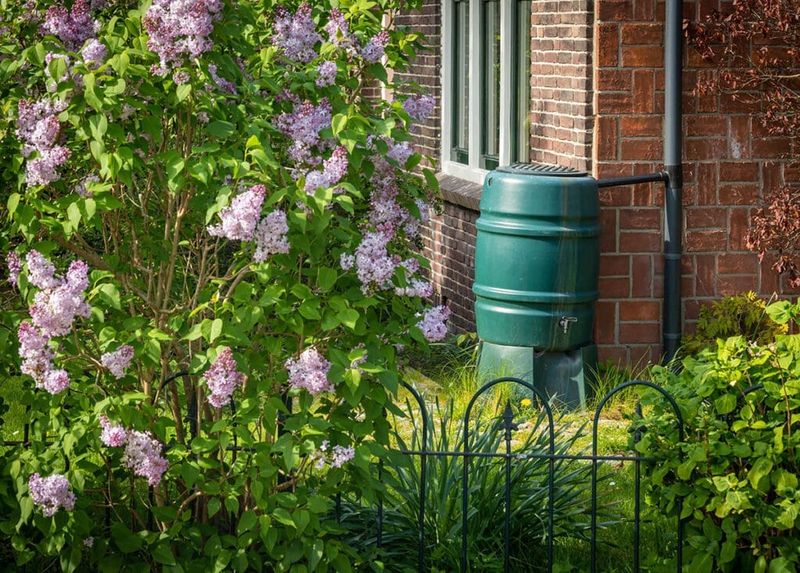
One inch of rain on a typical roof can produce hundreds of gallons of water. Most of it gushes out the downspout and disappears down the street.
A rain barrel catches that free water before it leaves your property. It hooks to a downspout and stores the rain for later use.
Stormwater runoff is a top cause of stream pollution today. Each barrel you fill means a little less dirty water rushing toward the Bay.
Plants seem to love rainwater more than tap water. It is naturally soft and free of the chlorine found in city supplies.
Use it for vegetable beds, flower pots, or rinsing muddy boots. You might even notice a small drop in your summer water bill.
Keep a few simple habits for the best results. A tight screen on top keeps mosquitoes and leaves out of the barrel.
Empty it between storms so it has room for the next rain. In winter, disconnect and drain it to prevent cracks from freezing.
Raising the barrel on cinder blocks adds helpful water pressure. Gravity then pushes water through a hose more easily.
Money help is out there for this upgrade. Some groups and localities offer rain barrel rebates, so check what’s available near you.
Some Virginia cities and conservation districts add extra savings. A few even give credits on stormwater utility bills, so ask around.
Permeable Pavers Let Rain Soak In
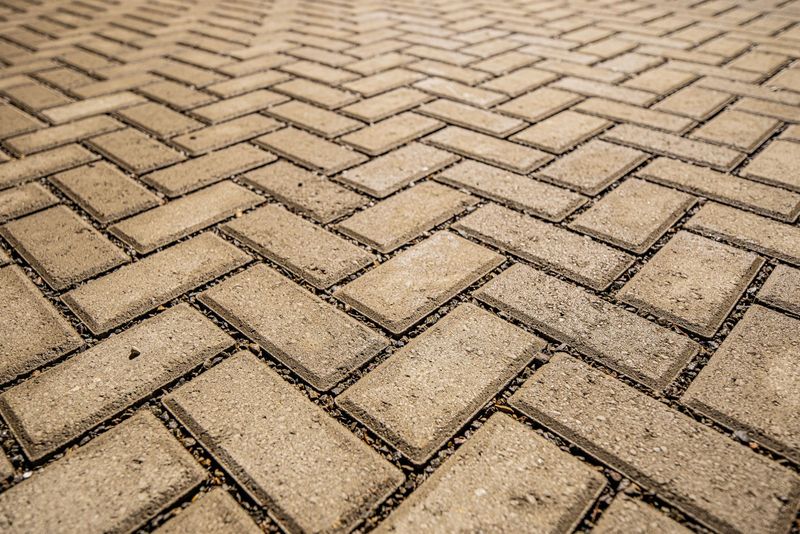
Ever watched rain sheet off a blacktop driveway like it was a waterslide? Traditional paving blocks water from soaking into the ground.
Permeable pavers offer a clever fix. Small gaps between the blocks let rain trickle down into layers of gravel and soil.
That slow soak does several helpful jobs at once. It cuts runoff, eases puddling, and keeps soil from washing away.
Gravel layers underneath also act like a natural filter. Water gets cleaner as it moves down to refill groundwater.
These pavers work well for driveways, patios, walkways, and extra parking spots. They come in many colors and shapes to match your home.
Cost is the main hurdle for most families. Installation can run 20 to 50 percent higher than regular concrete or asphalt.
Over time, though, the math often looks better. Upkeep tends to be cheaper, and you may skip costly drainage fixes later.
Maintenance is fairly simple once the job is done. Sweep the surface and refill the joints with fresh gravel every year or two.
Skip sand in the joints if you can. Fine sand can clog the gaps and slow drainage much faster.
Good news for budgets: VCAP lists permeable pavers as an eligible practice. Talk with your district early, since paver projects need careful design to qualify.
Dry Wells Fix Soggy Downspout Areas
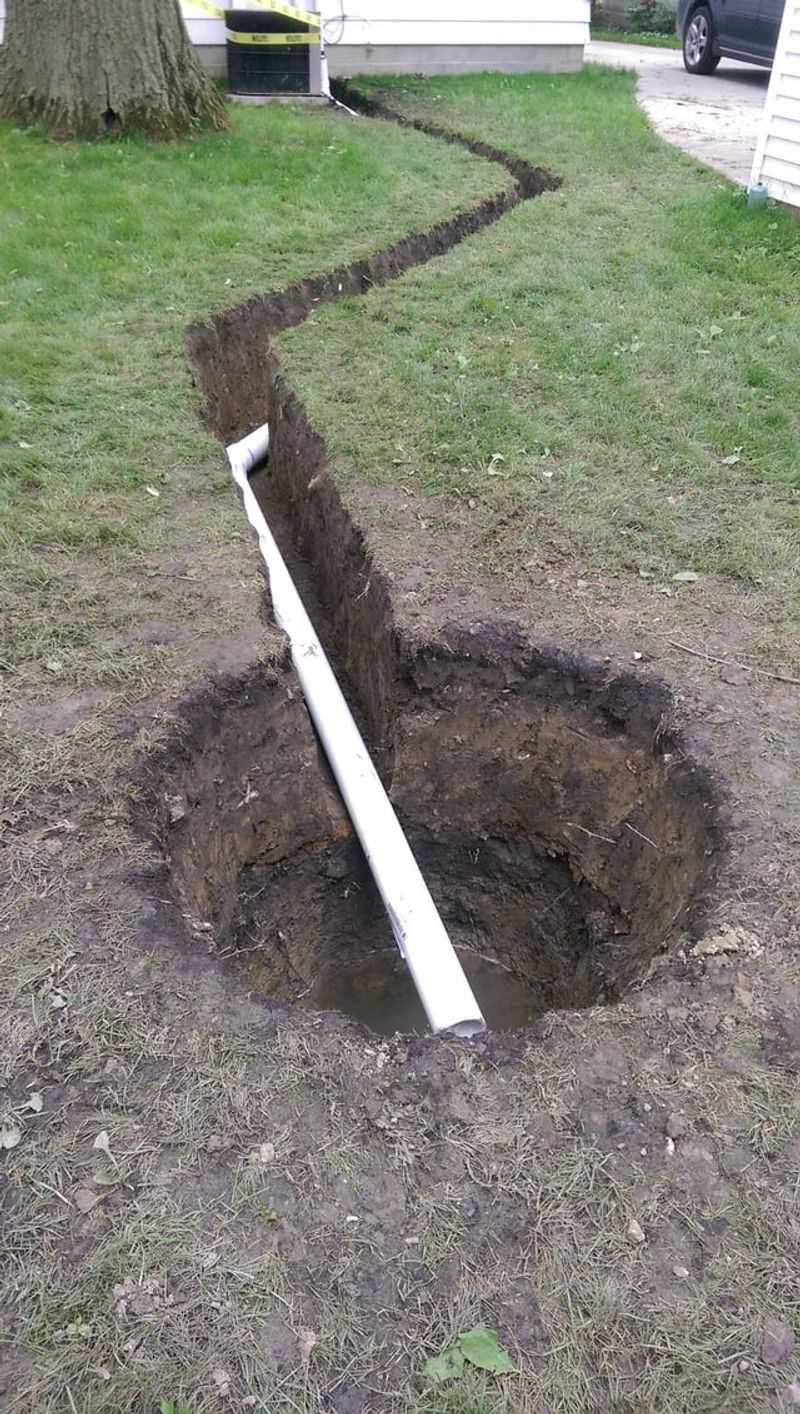
Squish, squish, splash. If walking near your downspout feels like crossing a swamp, a dry well might be your new best friend.
A dry well is an underground pit filled with gravel or a plastic chamber. Roof water flows through a buried pipe and gathers there.
From that hidden spot, the water slowly seeps into the surrounding soil. Your yard stays drier, and runoff stops flooding the street.
Homes benefit in a big way. Steering water away from foundations helps prevent cracks, damp basements, and costly repairs.
Standing puddles shrink, and soil erosion slows down. Mosquitoes also lose a favorite place to lay their eggs.
There is an environmental bonus as well. Gravel and soil trap oils, sediment, and other pollutants before they reach waterways.
Location makes or breaks a dry well. Place it at least ten feet from your house and away from septic systems.
Call 811 before digging anything. The free service marks buried gas, water, and power lines.
Heavy clay soil can slow the soaking process. Your district can run a quick test to see if your ground drains well enough.
Through VCAP, dry wells can earn up to 80 percent reimbursement. The program caps payments for this practice at $7,000.
Cutting Back On Fertilizer Protects Local Streams
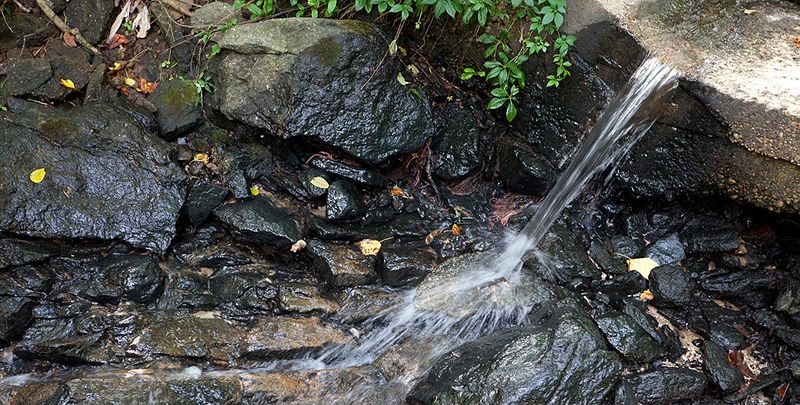
More fertilizer does not mean a greener lawn. Often, extra pellets simply wash away with the next rainstorm.
Fertilizer contains nitrogen and phosphorus, which feed plants. In water, those same nutrients feed huge blooms of algae.
Algae blooms can cloud the water and block sunlight from underwater grasses. As algae breaks down, it uses up oxygen fish and crabs need.
Low-oxygen zones show up in the Chesapeake Bay most summers. Yard runoff is one piece of that larger puzzle.
Virginia has set goals to shrink nitrogen and phosphorus loads for Bay restoration. Homeowners can quietly help with a few easy habits.
Start with a soil test from Virginia Cooperative Extension. It tells you exactly what your lawn needs, so you skip guesswork.
Timing matters too. Cool-season grasses like tall fescue do best when fed in fall, not spring.
Read the forecast before spreading anything. Heavy rain within two days can carry fresh fertilizer straight to storm drains.
Sweep stray pellets off sidewalks and driveways back onto the grass. Hard surfaces act like highways for pollution.
Leaving grass clippings on the lawn returns free nutrients to the soil. Planting a buffer of native plants near streams adds another layer of protection.
Leaves And Grass Clippings Should Stay Out Of Storm Drains
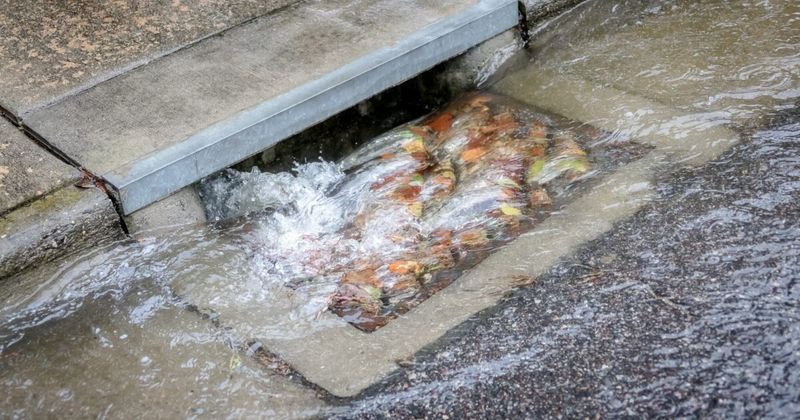
Leaves seem harmless, right? They are natural, after all, yet piles of them in a storm drain create real trouble.
Storm drains usually do not lead to a treatment plant. Most send water straight into local creeks and, eventually, the Bay.
When leaves and clippings wash down, they break apart and release nutrients. That extra food fuels algae growth, much like fertilizer does.
Clumps of yard debris can also clog drains. Blocked drains lead to flooded streets and messy puddles at the curb.
Simple habits make a big difference here. Blow or sweep clippings back onto your lawn instead of into the street.
Mulch fallen leaves with your mower and let them feed the grass. Shredded leaves break down quickly and add rich organic matter.
Extra leaves make terrific garden mulch or compost. Many gardeners call them free black gold for flower beds.
Check your town’s yard waste pickup schedule each fall. Many localities collect bagged leaves or offer free mulch.
Here is a neighborly tip worth trying. Adopt the storm drain nearest your home and clear it before big storms.
Some communities paint fish symbols near drains as reminders. Those little pictures say it well: anything dumped here flows to the water.
Cost-Share Can Cover A Big Chunk Of The Project
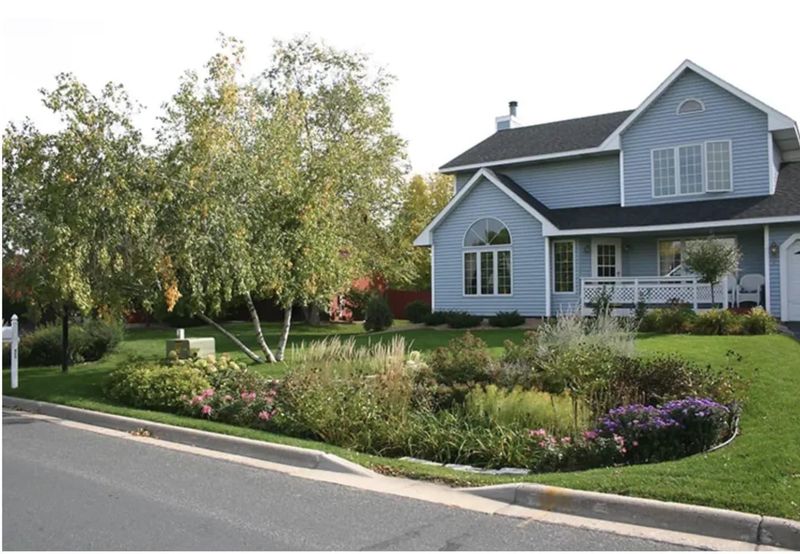
Eighty percent. That number grabs attention, and it is the heart of Virginia’s biggest yard-friendly funding program.
The Virginia Conservation Assistance Program supports stormwater practices on private property. It offers both money and expert advice to homeowners.
VCAP covers up to 80 percent of installation costs for approved projects. Rain gardens, dry wells, and conservation landscaping often top out at $7,000.
Larger projects may qualify for even more help. Fairfax County, for instance, may offer up to $20,000 for bioretention systems.
Eligible practices include several items from this list. Permeable pavers, rainwater harvesting, and living shorelines may also qualify.
One detail surprises many people. You pay the upfront costs first, and the money comes back later.
Reimbursement arrives after the project is finished and inspected by district staff. Plan your budget so you can cover the full bill for a while.
Save every receipt, invoice, and photo during the project. Clear records help your paperwork move along smoothly.
Most practices require a maintenance agreement, usually for 5 or 10 years. You agree to keep the garden or pavers working properly.
Funding is limited and can run out each year. Applying early in the season gives you the best shot at approval.
Your Local Soil And Water District Is The First Call
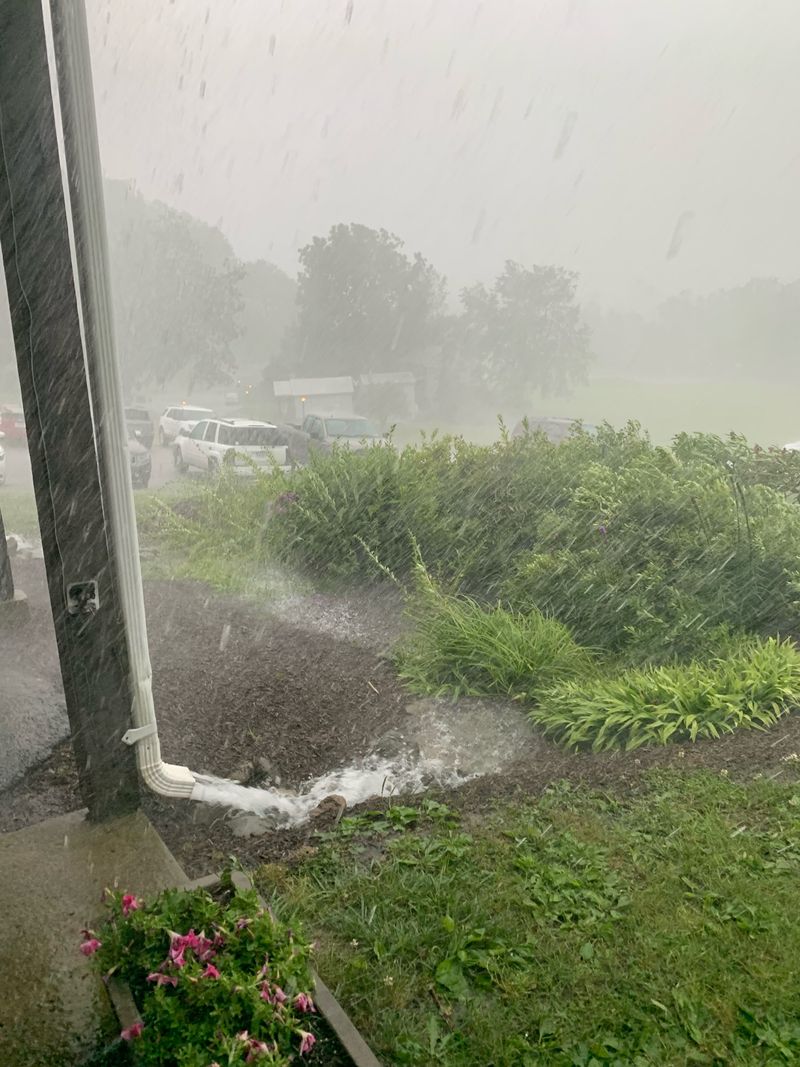
Before you rent a shovel or buy a single plant, pick up the phone. Your local Soil and Water Conservation District holds the keys to VCAP.
Virginia has dozens of these districts, each serving one or more counties. They manage the cost-share program right in your area.
Step one is requesting a site visit through the district website or office. A staff member then comes out to walk your property.
During the visit, they study slopes, soggy spots, downspouts, and soil. You get friendly advice tailored to your yard’s real problems.
They might suggest a rain garden instead of a dry well, or vice versa. Their trained eyes can save you from costly mistakes.
Here comes the most important rule. Do not start any work until the district approves your project and signs a contract.
Projects begun early usually lose their chance at reimbursement. Patience truly pays off in this situation.
Districts also share plenty of free learning resources. Workshops, plant lists, and how-to guides are often available.
Not sure which district is yours? The Virginia Association of Soil and Water Conservation Districts lists every office online.
Bring photos of puddles and problem areas to your first chat. Pictures from a rainy day help staff understand your yard quickly.
Newly Built Homes Have To Wait A Few Years To Qualify
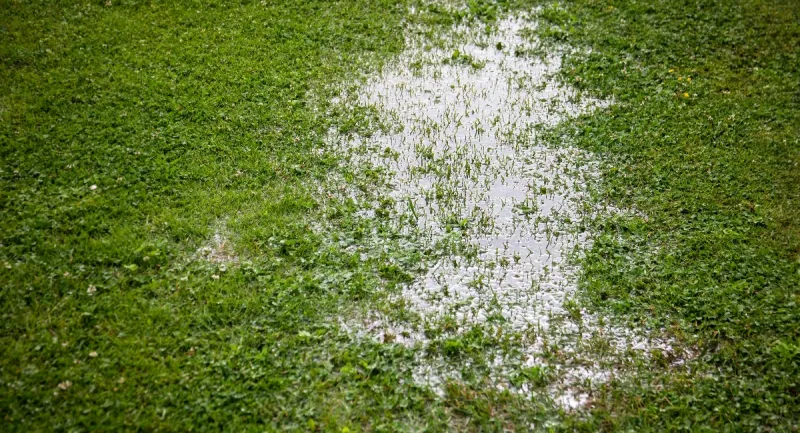
Just got the keys to a brand-new house? Congratulations, though your bay-friendly funding plans may need a short pause.
VCAP generally does not fund projects on freshly built homes right away. A waiting period applies after construction wraps up.
Depending on your district, the wait runs from one to three years after the occupancy permit. Check locally before you plan.
The reason makes sense once you hear it. VCAP focuses on fixing stormwater issues at homes that already exist.
New developments often must meet stormwater rules during building. Funding those required features again would double up on public money.
Projects required by county ordinances usually do not qualify either. Work done to correct code violations also falls outside the program.
Major renovations can trigger a similar waiting period. Ask your district before you plan big changes to the property.
Use the waiting time wisely, though. Watch where water pools during storms and take notes or photos.
Get a soil test and start sketching garden ideas. You might also add a rain barrel through other rebate programs.
When your home becomes eligible, you will be ready to move fast. A well-prepared homeowner often lands funding before money runs low.