Georgia Southern’s Botanic Garden Hosts A Fall Plant Sale This October
October plant sales offer a chance to bring home plants, but the best finds start with planning.
Georgia Southern’s Botanic Garden hosts a fall plant sale for gardeners looking beyond familiar local nursery selections. Availability and event details can vary, so check the announcement carefully.
Think about the planting spaces you want to fill before heading out.
A sunny border and a shaded corner need very different choices, even if both look appealing. Knowing your light and drainage conditions can help you avoid an impulse purchase.
The sale also offers a reason to explore what the garden is highlighting for the season.
Check the published date, location, and shopping details before making the trip this October.
Arriving with a clear idea of your garden’s needs makes browsing especially rewarding.
1. The Fall Plant Sale Returns In Late October
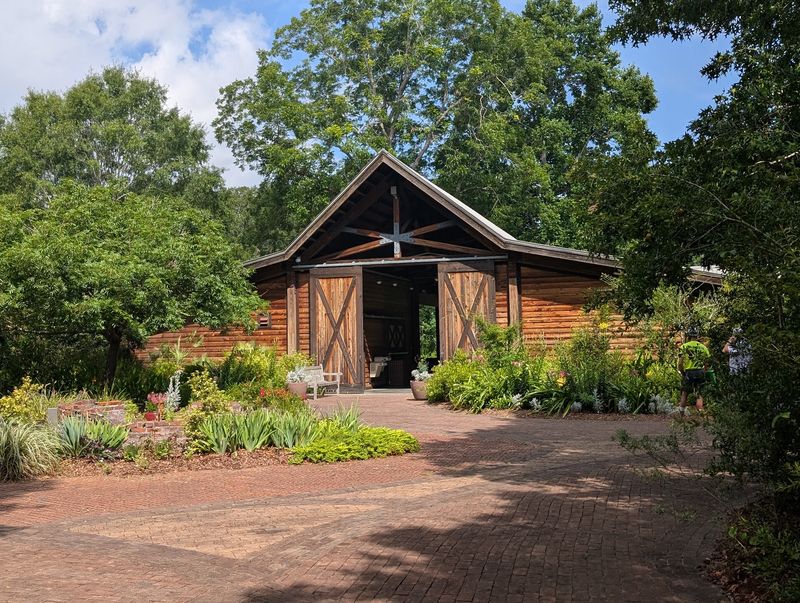
Mark your calendar now, because the fall sale tends to arrive quickly once October rolls in. It takes place at the Botanic Garden at Georgia Southern University, 1503 Bland Avenue, Statesboro, GA 30458.
Exact dates and hours can shift from year to year.
Your best bet is to check the garden’s official website or social media pages a few weeks ahead. Announcements there usually include parking details and any early shopping options for members.
Late October timing makes good sense for gardeners in Georgia. Soil stays warm enough for roots to keep growing even as air temperatures ease.
Planting in fall gives many trees and shrubs time to settle in before summer stress returns.
Results still depend on your soil, rainfall, and how well you water during dry spells. A new plant needs steady moisture through its first season, even when the weather feels mild.
Arriving early is helpful if you want the best selection.
Popular plants can sell out within the first few hours, especially fruiting varieties and native favorites. Bring a wagon or sturdy boxes so your new plants ride home safely.
Wear comfortable shoes, since the sale area may include grass, gravel, or uneven paths.
A short shopping list helps you stay focused when every table looks tempting. Measure your planting spots at home first so you buy plants that fit the space.
2. Backyard Orchard Plants Take Center Stage This Year
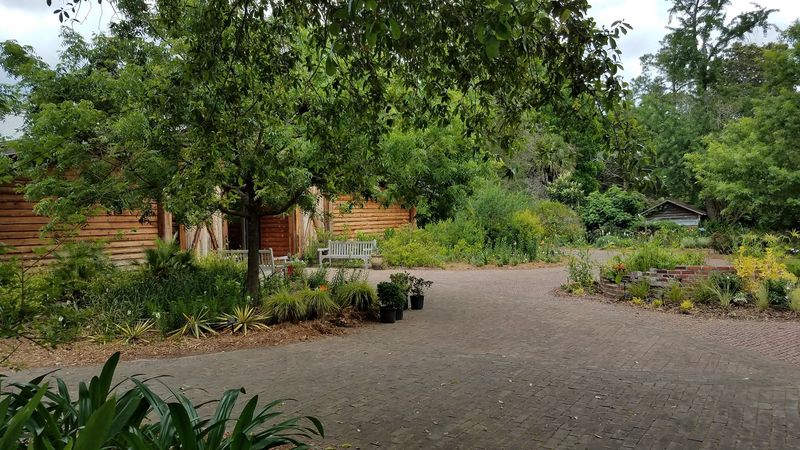
Fresh fruit from your own yard is hard to beat. Plant sales in the Statesboro area often feature fruiting plants suited to the coastal plain.
Blueberries are a common favorite across south Georgia, and rabbiteye types are widely grown in the region.
Figs and muscadine grapes also tend to do well in local heat and humidity. Availability at any sale can vary, so treat these as examples rather than promises.
Pollination is worth asking about before you buy.
Rabbiteye blueberries generally produce better when two or more different varieties grow near each other. Some fig types, on the other hand, can set fruit on a single plant.
Patience matters with fruit plants, since most need a few seasons before giving a solid harvest.
Your Georgia Garden Changes Every Week. Your Plan Should Too.
Gardening in Georgia changes quickly throughout the season. Every Friday you’ll receive a simple weekly plan showing exactly what to plant, prune, fertilize, harvest, and protect so you never miss the right timing.
Yields depend on sunlight, soil acidity, watering, and how cold the winter gets. A soil test through your county Extension office can tell you if adjustments are needed.
Sunny spots are best for most fruiting plants, with at least six hours of direct light.
Good drainage also helps, since soggy roots can cause trouble for blueberries and figs alike. Raised beds or slightly mounded planting areas can help in heavy or low-lying soil.
Talking with volunteers at the sale can save you guesswork. They often know which varieties have performed well in nearby yards.
3. Native Plants Offer More Choices For Georgia Gardens
Local roots run deep at this garden. Native plants are a big part of its mission, and the sale often reflects that focus.
Plants that evolved in Georgia are usually adapted to the area’s climate and rainfall patterns.
Adapted does not mean care-free, though. Native shrubs still need watering while their roots get established, especially during a dry fall.
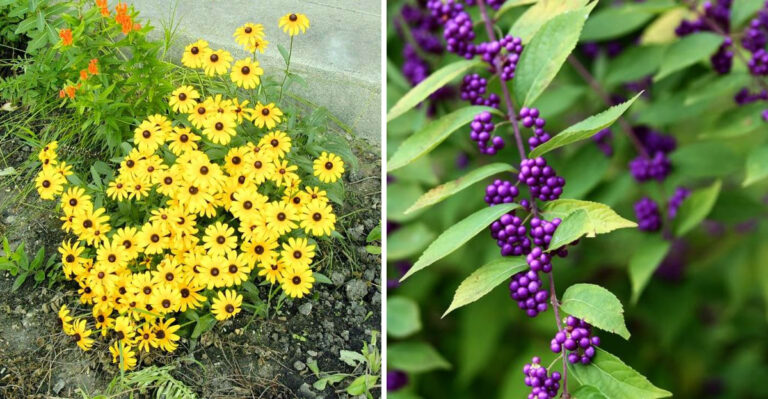
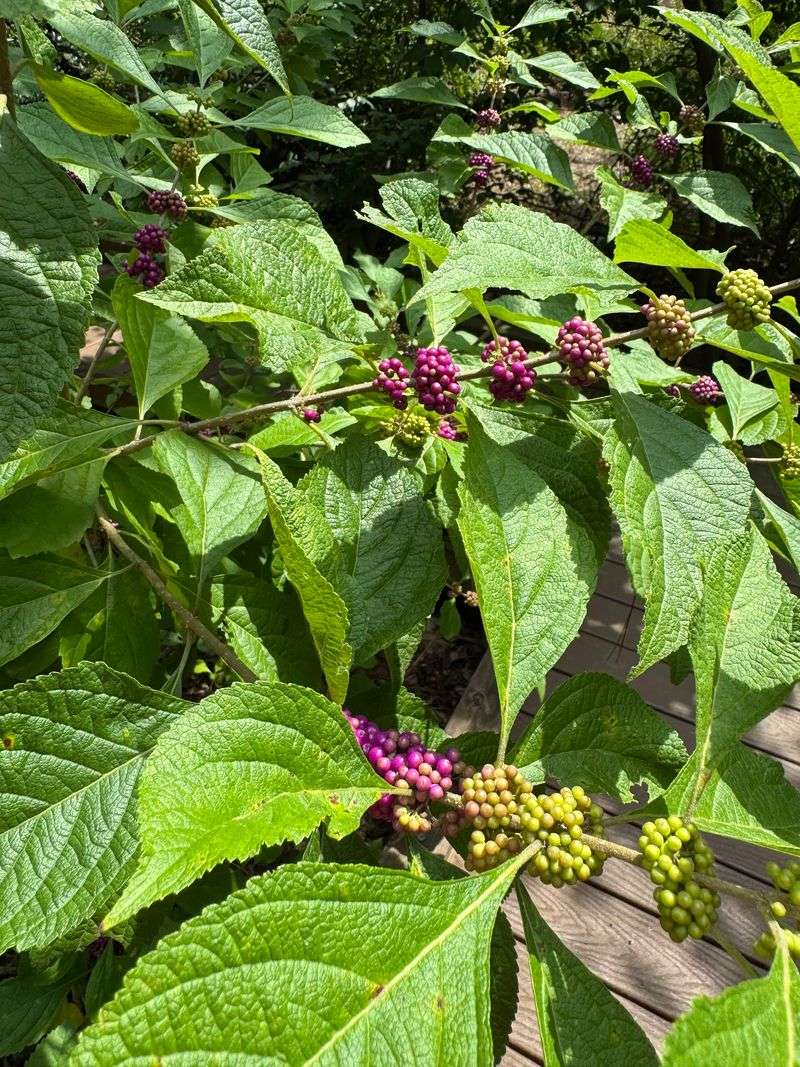
American beautyberry is one example you might spot, known for its bright purple berries.
Oakleaf hydrangea and native azaleas are other shrubs commonly grown in southeastern landscapes. Coneflowers and native grasses may show up too, depending on the year.
Matching the plant to your site makes the biggest difference.
Some natives prefer dry, sandy ground, while others want shade and moist soil. Reading the tag and asking staff about light needs can prevent disappointment later.
Native plants also support local insects and birds that rely on them for food and shelter.
Small changes count. Swapping even one or two ornamental shrubs for native options can add value for wildlife in your yard.
Fall planting gives these plants a head start before spring growth begins. Mulch around the base helps hold moisture and keeps soil temperatures steady.
4. Pollinator Friendly Plants Are Part Of The Selection
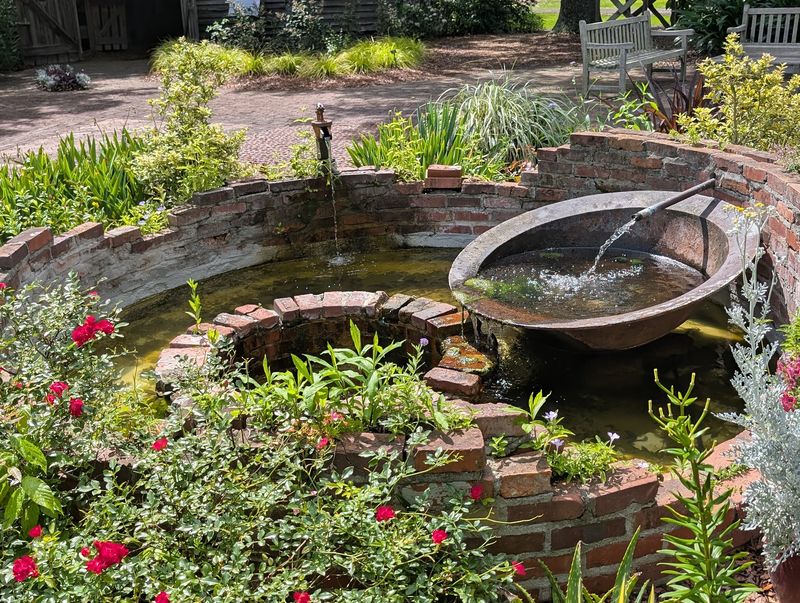
Bees do not care how fancy your garden looks. They care about flowers, and the right plants can keep them visiting from spring into fall.
Pollinator plants often appear at the sale, though the exact mix changes each season.
Salvias, mountain mint, and native asters are a few types gardeners commonly grow for bees and butterflies. Milkweed is another option, since monarch caterpillars feed on its leaves.
Bloom timing deserves some thought.
Choosing plants that flower at different times can help provide food over a longer stretch of the year. Late-blooming asters and goldenrods, for example, can offer nectar when summer flowers fade.
Planting in groups usually works better than scattering single plants around the yard.
Clusters of the same flower can be easier for pollinators to find. Leaving a few seed heads standing into winter may also feed birds.
Pesticide use is worth a second look if pollinators matter to you. Some products can harm bees, so read labels carefully and spray only when truly needed.
Results vary by neighborhood and nearby habitat.
Gardeners in Georgia often see more visitors after a season or two, but there is no set timeline. A shallow dish of water with pebbles can be a simple bonus for thirsty insects.
5. Houseplants And Unusual Specimens Add More Variety
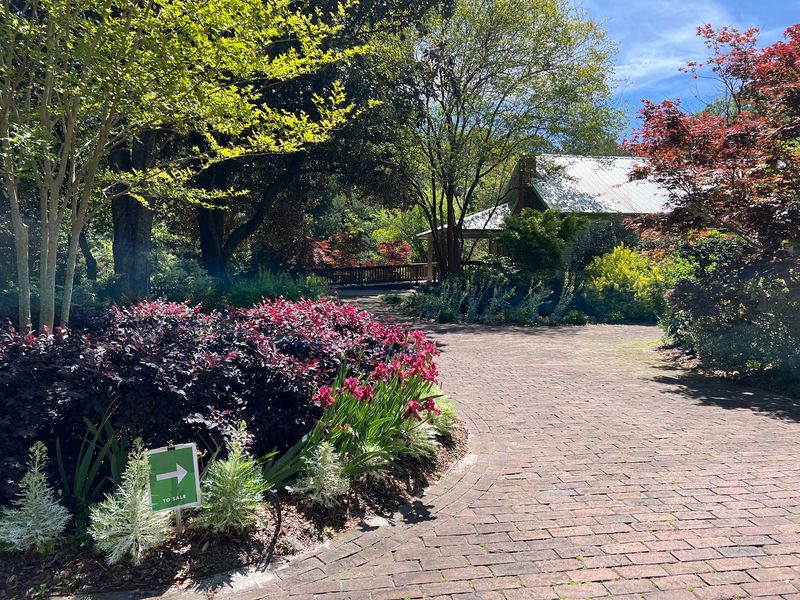
Not every treasure belongs outside. Indoor plant lovers may find houseplants and odd little specimens tucked between the shrubs and perennials.
Selections like these tend to change a lot from one sale to the next.
Some years might bring succulents or tropical foliage plants, while others feature something rarer. Showing up with an open mind often leads to the most fun finds.
Light is the first thing to consider before buying an indoor plant. A bright window and a dim hallway support very different kinds of growth.
Asking how a plant behaves indoors can save you trouble.
Tropical plants generally need protection once fall nights turn cool in Georgia. If you buy one meant for a porch, plan to bring it inside before frost arrives.
Unusual plants sometimes come with unusual needs, like special soil mixes or extra humidity.
Overwatering is a frequent problem with houseplants, especially in winter when growth slows. Checking soil moisture with your finger before watering is a simple habit that helps.
Pots with drainage holes are worth the extra effort.
Transport matters too, since cold wind or a hot car can stress delicate leaves. Wrap tender plants lightly or set them in a box for the ride home.
6. Woodland Trails And Garden Collections Surround The Sale
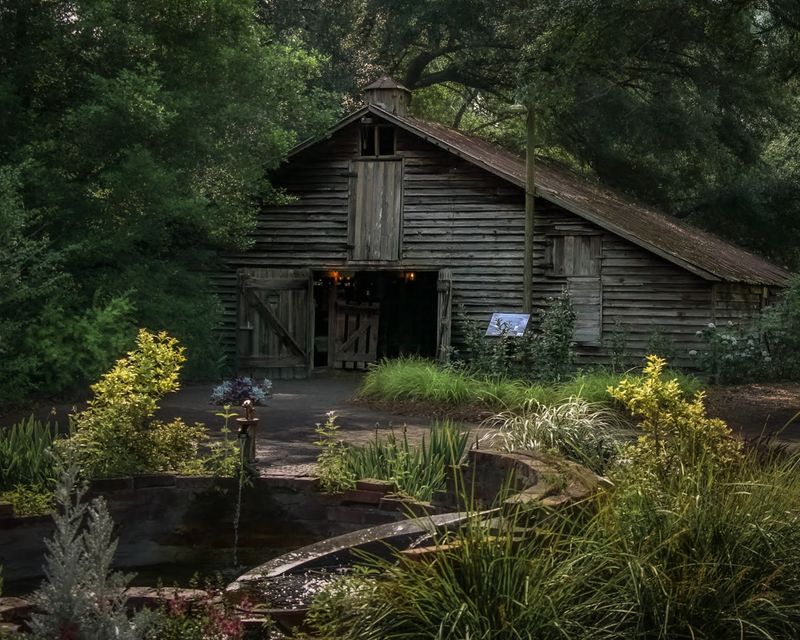
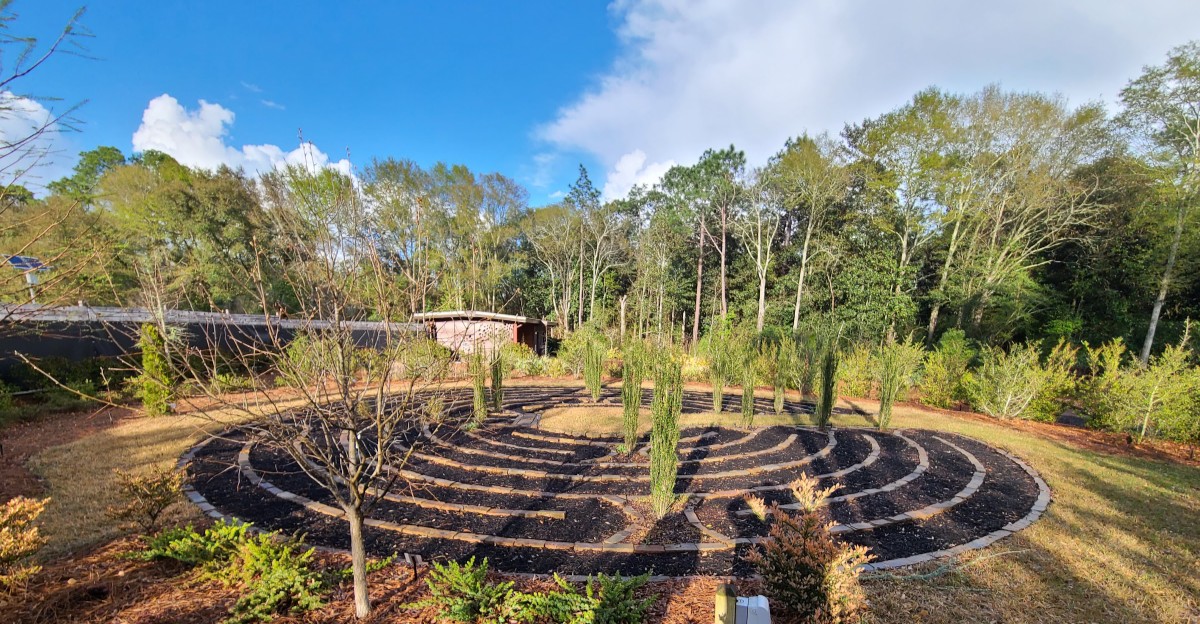
Shopping is only half the fun here. Once your plants are loaded up, the garden’s trails and collections are right there waiting.
Woodland paths wind through shaded areas with native trees and understory plants.
Walking them in October is usually pleasant, with milder weather than late summer brings. Fall color in south Georgia is often softer than in the mountains, but some trees still show nice tones.
Garden beds near the sale can double as a living catalog.
Seeing a mature shrub in the ground helps you picture how your small potted plant may grow. Pay attention to spacing, height, and how plants handle sun or shade.
Bring a notebook or snap photos of plants you like, along with their labels.
Those notes come in handy when you shop at future sales or local nurseries. Staff and volunteers may also share tips if you catch them during a quiet moment.
Comfortable walking shoes and bug spray are smart additions to your bag.
Mosquitoes can still be active on warm fall days in the region. A water bottle helps too, especially if the afternoon turns sunny.
Families with kids often enjoy the trails as much as the plant tables.
7. Plant Purchases Help Support The Botanic Garden
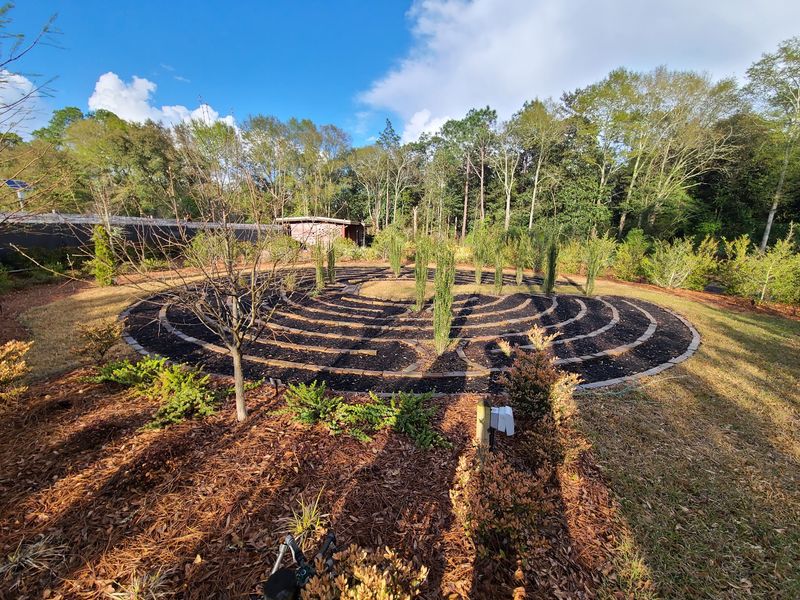
Every pot you carry home does a little extra good. Sales like this one help fund the work happening at the Botanic Garden in Statesboro.
Gardens rely on several sources of support, including memberships, donations, and events.
Plant sales are one way the community can pitch in while getting something useful in return. Money raised generally supports garden care, educational programs, and other ongoing needs.
Education is a big piece of what the garden offers to visitors across Georgia.
School groups, workshops, and public events help people learn about plants and local habitats. Your purchase becomes part of keeping those programs going.
Membership is another option if you plan to visit often.
Some gardens offer members early access to plant sales or discounts, though benefits vary. Checking the garden’s website will show what is currently available.
Volunteering is a hands-on way to help, and it often teaches practical skills.
Helping at a sale or in the beds puts you around experienced gardeners. Many volunteers say they learn as much as they give.
Spreading the word counts too, since bigger crowds mean more support.
Share the sale date with neighbors or friends who garden. A plant bought here can grow in your yard for years while supporting a local treasure.