Trees In Ohio That Could Cost You If You Fail To Take Them Out
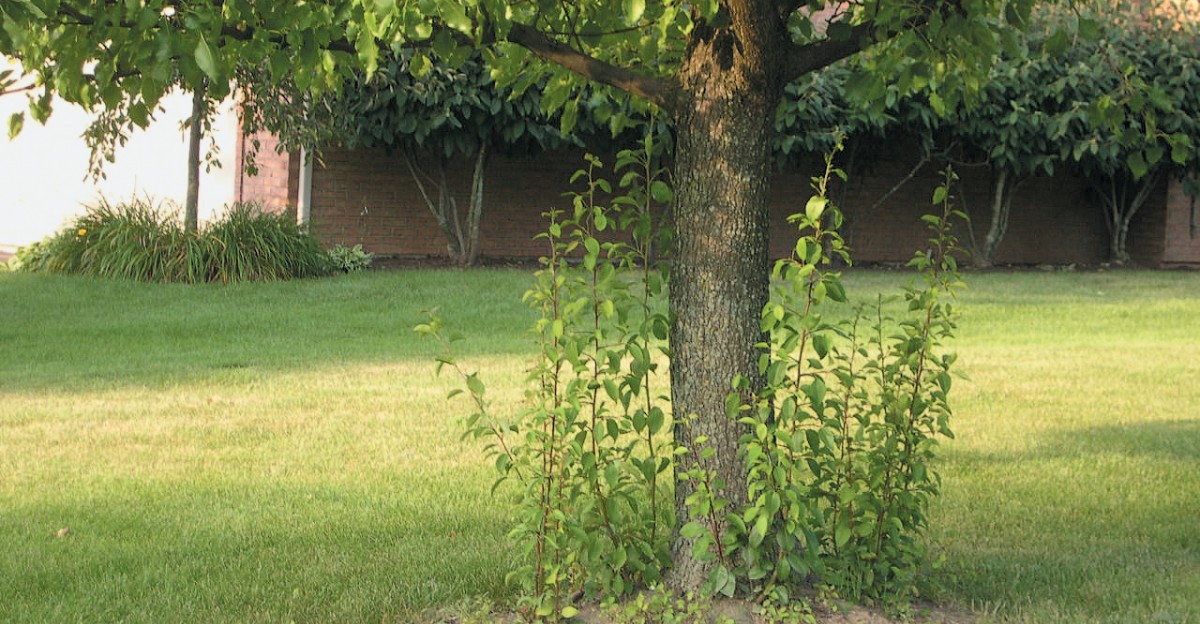
That tree in your yard looks innocent enough, right up until the bill shows up.
Ohio has a handful of trees that come with strings attached. Some cause trouble with your neighbors.
Some cause trouble with your insurance. A few cause trouble with the law, and the notice tends to arrive when you least expect it.
Homeowners rarely hear about this at closing. The nursery tag never mentions it, and the previous owner certainly didn’t.
You find out when a branch lands on a fence, a root cracks a pipe, or an official shows up with a clipboard.
The price tag swings wide. One tree might cost you a few hundred dollars.
Another could cost you thousands.
Walk your property with a sharp eye and a notepad this weekend. Some of those trees deserve a second look before they become somebody else’s headache.
1. Ohio Doesn’t Make You Remove Invasive Trees You Already Have
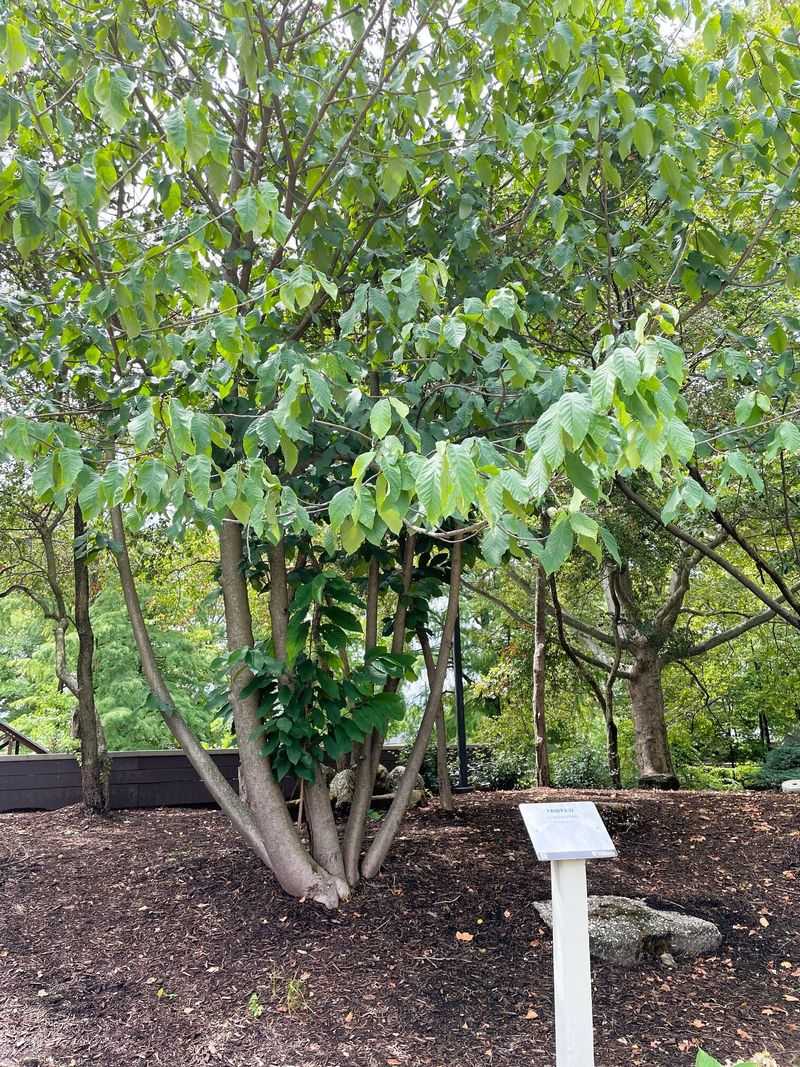
Good news first, because everyone deserves a breather. Ohio law focuses on stopping the sale of invasive plants, not on forcing you to rip out ones already growing in your yard.
The Ohio Department of Agriculture is in charge of these rules. Since January 7, 2018, many invasive plants have been banned from being sold or handed out by businesses.
That means a nursery cannot legally stock certain troublemakers anymore. Your neighbor’s garden center, however, is not going to come knocking about the tree you planted years ago.
So why should you care at all? Invasive trees spread fast, crowd out native plants, and can make woods less friendly to birds and bugs that depend on local species.
The Department of Natural Resources Division of Forestry encourages people to control and remove invasive trees anyway. Think of it as a friendly nudge rather than a legal shove.
Here is a practical tip. Walk your property and make a list of every tree you can name, then look up whether any appear on the invasive plant list.
If you find one, you have time to plan. You can budget for removal, pick a good season, and choose a native replacement that adds real value to your yard.
Native swaps like serviceberry, redbud, or eastern red cedar look lovely and support local wildlife. Many local soil and water conservation districts even hold yearly tree sales with affordable choices.
Just remember that state rules are only one layer. Your city or village may have its own ordinances, and those local rules are where the real costs often hide.
Freedom from a state mandate does not equal freedom from every rule. Keep reading, because the next few sections explain where the money trouble usually starts.
2. Callery Pear Trees Are Banned From Sale But Still Worth Pulling
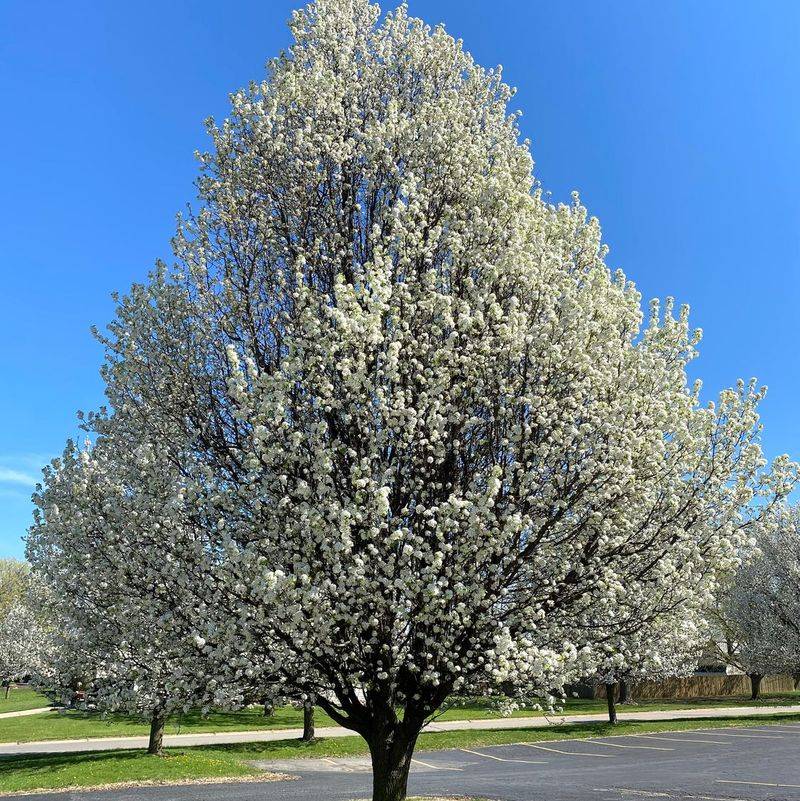
Every April, parts of Ohio look like they got hit by a snowstorm of white petals. Those fluffy blooms often belong to Callery pear, including the popular Bradford variety.
The flowers are pretty, but the smell is famously unpleasant. Some folks compare it to old fish, which is not the vibe most people want near the front door.
Your Ohio Garden Changes Every Week. Your Plan Should Too.
Gardening in Ohio changes quickly throughout the season. Every Friday you’ll receive a simple weekly plan showing exactly what to plant, prune, fertilize, harvest, and protect so you never miss the right timing.
As of January 2023, selling, propagating, or distributing Callery pear in the state became unlawful. Even so, homeowners are not required to remove the ones already standing in their yards.
Here is the catch that can cost you. Callery pears have weak branch angles, so they tend to split apart in strong wind, heavy snow, or ice storms.
A split tree can crash onto a car, roof, fence, or sidewalk. Once it becomes a safety risk, your city may treat it as a hazard rather than just a pretty nuisance.
Fun fact for your next cookout. Callery pear was once promoted as a perfect street tree because it was thought to be sterile, but cross-pollination proved that idea wrong.
Birds now spread its seeds into fields and woods. Thorny wild versions pop up along highways and choke out native plants across the state.
If you own one, check it after big storms. Look for cracks where large limbs meet the trunk, since that is where trouble usually begins.
Removing a small or medium pear costs far less than cleaning up after a large one fails. Replacing it with a native flowering tree like serviceberry keeps the spring show going.
Some groups have even run bounty programs. They offer free native trees to people who cut down a Callery pear, so it pays to search for one near you.
3. But Many Ohio Cities Can Order Hazardous Trees Removed
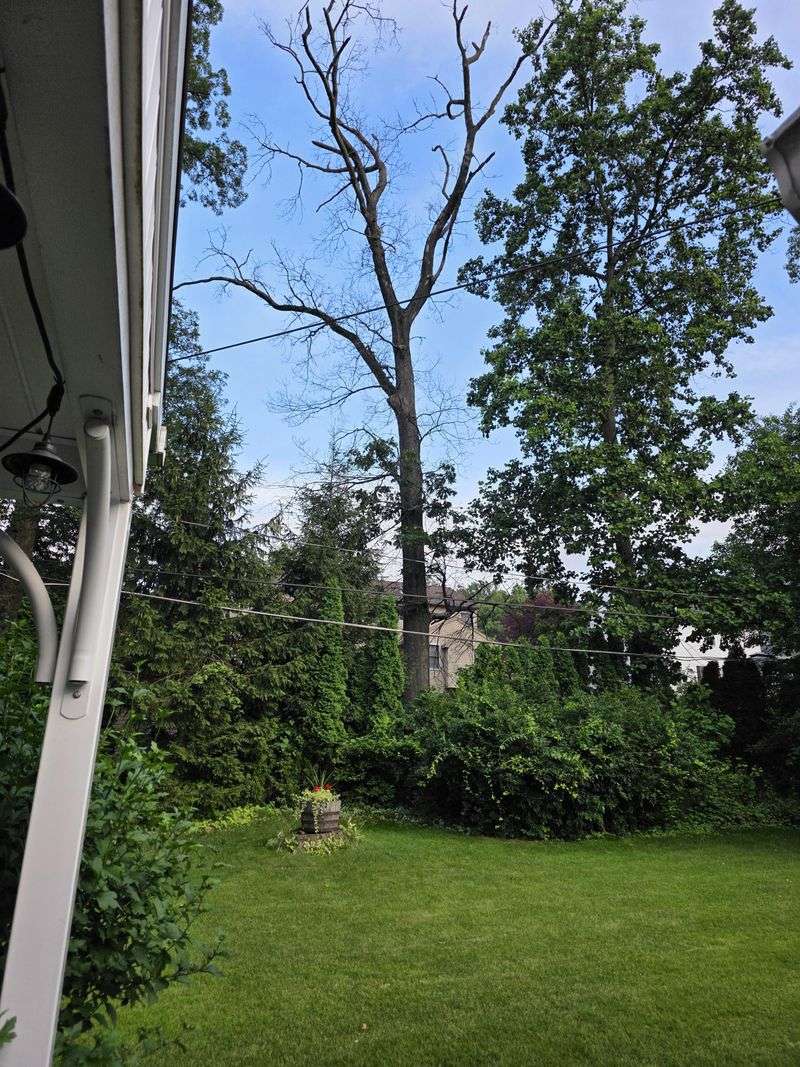
Here is where things get interesting. The state may leave your invasive trees alone, but your city might have something to say about a tree that looks risky.
Many municipalities have ordinances that let them order hazardous trees removed. These rules exist mainly to protect people, homes, power lines, roads, and sidewalks.
Picture a huge maple leaning over a busy street. If it falls on a school bus or a passing driver, the results could be awful, so cities want the power to step in early.
Ohio law even allows municipal corporations to charge special assessments against nearby property owners. That covers the cost of removing dangerous trees from public roads.
Each town writes its own version of these rules. Columbus, Cleveland, Akron, and tiny villages may all handle tree problems in slightly different ways.
Local ordinances can carry more weight than general guidelines you read online. So the smartest move is checking your own city’s code before assuming anything.
Finding these rules is easier than it sounds. Most cities post their codified ordinances online through sites like American Legal Publishing, and you can search for words like tree or nuisance.
You can also call your city’s forestry or service department. Staff members often know the rules by heart and can explain them in plain language.
Ask a few simple questions during that call. What counts as hazardous, who inspects it, and how long do owners usually get to fix it?
Knowing the answers puts you ahead of the game. Instead of being surprised by a letter, you can spot problems yourself and handle them on your own schedule and budget.
4. Diseased And Hazardous Trees Are The Usual Targets
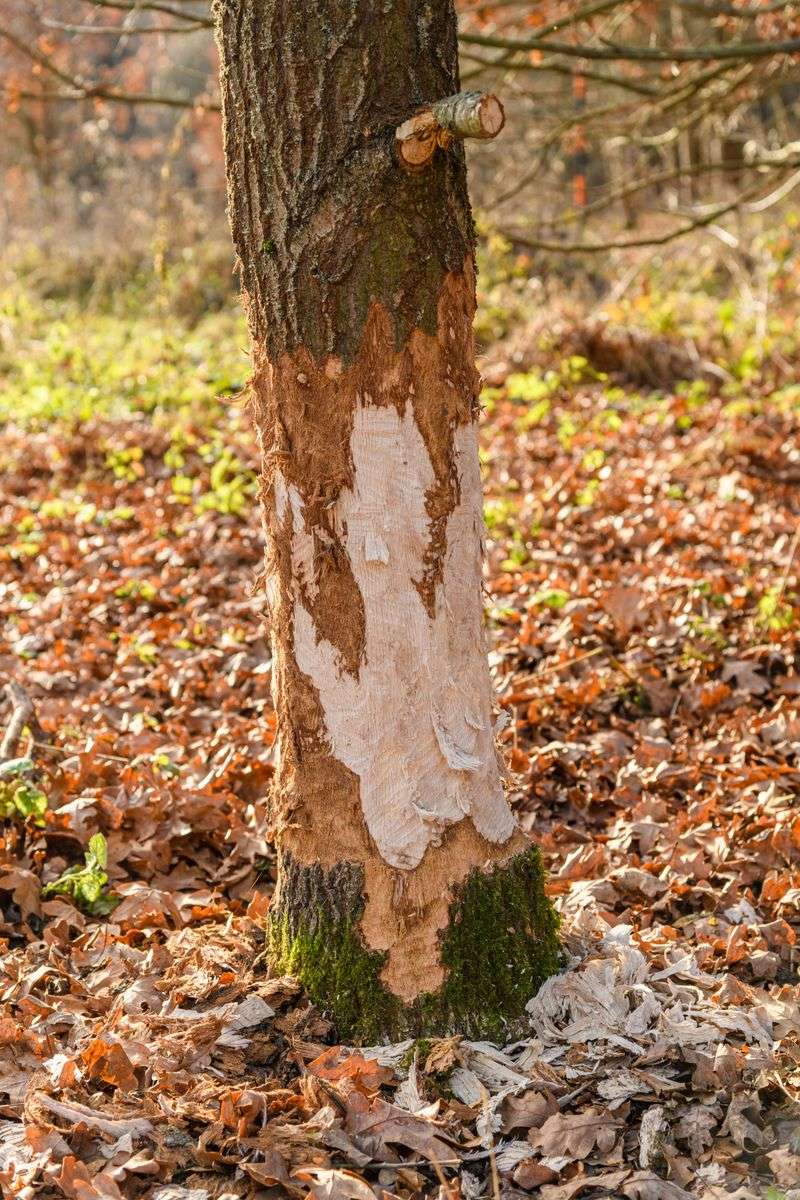
Mushrooms sprouting at the base of a trunk might look charming in a storybook. In real life, they can signal rot eating away at the wood inside.
City ordinances usually zero in on trees weakened by disease, damage, or poor structure. The big concern is whether the tree could hurt someone or something nearby.
A hazardous tree is often defined as one likely to cause harm or damage. It may threaten the health and safety of people or property close by.
Warning signs are not always dramatic. Watch for deep cracks, large lifeless limbs, peeling bark, hollow spots, or a sudden new lean after a storm.
Roots matter too. If soil is heaving on one side or roots were cut during a construction project, the whole tree may be less stable than it looks.
Some trees land on the hazard list for blocking things. Branches that hang over sidewalks, crowd roads, or hide stop signs at intersections can also trigger city action.
Try a simple twice-a-year checkup. Walk around each large tree in spring and fall, looking up, down, and all around the trunk.
Snap photos so you can compare changes over time. A crack that grows wider each season is a much bigger worry than one that stays put.
When something looks off, call a certified arborist. Many offer affordable inspections and can tell you whether pruning, cabling, or removal makes the most sense.
That small fee can save you a giant headache. Catching trouble early often means trimming one limb instead of paying for an emergency removal and a crushed garage roof.
5. Overhanging Branches On Sidewalks And Streets Can Trigger Orders
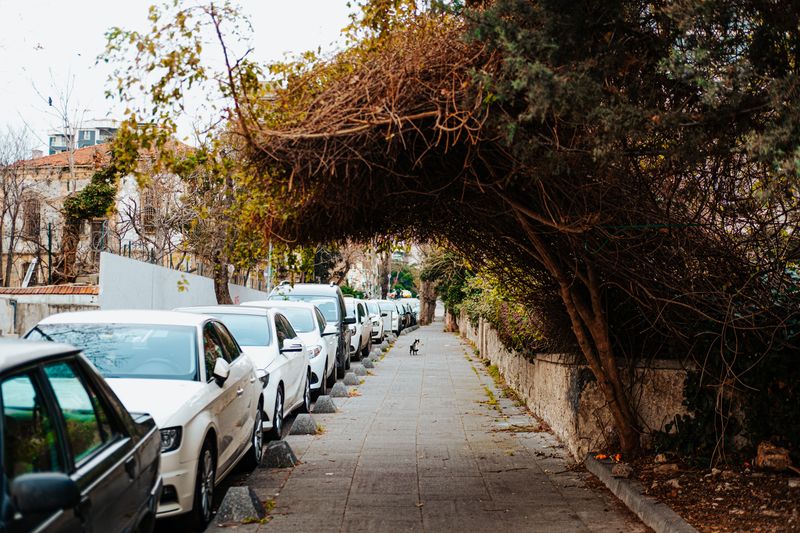
Ever ducked under a branch while walking the dog? That little dodge might seem harmless, but cities pay close attention to trees that crowd public spaces.
Many Ohio ordinances require branches to stay a certain height above sidewalks and streets. Common rules call for clearance of around eight feet over walkways and higher over roads.
The reason is simple safety. Low limbs can poke pedestrians, scrape delivery trucks, and block the view of stop signs, traffic lights, or kids crossing the street.
Visibility at corners is a big deal. A leafy branch hiding a stop sign could lead to a crash, and cities do not want that risk on their streets.
If your tree causes trouble, you may get an order to trim it. In more serious cases, a city could decide the tree must come down entirely.
The good news is that this problem is usually cheap to fix. A few pruning cuts in late winter often solve it before anyone notices.
Grab a tape measure and check your sidewalk clearance. If you need to stretch on tiptoe to touch a branch, it may already be too low.
For big limbs or anything near power lines, call a professional. Utility lines are dangerous, and many power companies handle trimming near their equipment for free.
Keep your neighbors in mind too. Overhanging branches can drop leaves, sap, or fruit into nearby yards and spark arguments you would rather avoid.
A tidy canopy makes your home look cared for. It also keeps city inspectors focused on someone else’s street, which is exactly where you want them.
6. Trees Harboring Pests That Threaten Other Trees Count Too
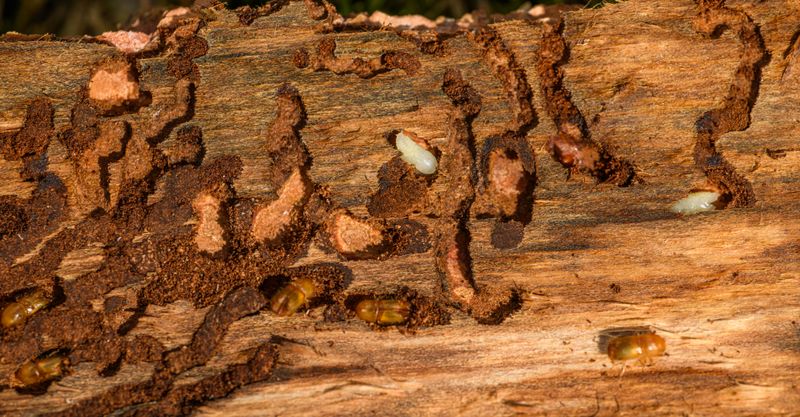
One sick tree rarely stays a private matter for long. Bugs and diseases can hop from yard to yard like gossip at a block party.
That is why many cities can order the removal of private trees that shelter harmful insects or diseases. If the problem could spread to community trees, officials may step in.
State power backs this up as well. The Ohio Director of Agriculture can order treatment or disposal of a pest, host plant, or item that is infested or poses a threat.
Shaker Heights offers a good example. Its Forestry Department investigates reports of Dutch elm disease, Asian longhorned beetle, and emerald ash borer.
Think of it like a neighborhood flu season for trees. One infected tree left alone can expose dozens of healthy ones on the same street.
Spotting trouble takes a sharp eye. Look for small exit holes in bark, sawdust near the base, thinning crowns, or leaves that change color far too early.
Woodpeckers can be helpful detectives. When they start hammering away at one tree more than usual, they may be hunting insects hiding under the bark.
If you suspect a pest, report it or ask an arborist to check. The Ohio Department of Agriculture and your county extension office can also help with identification.
Removing a compromised tree early is often cheaper and safer. Weakened wood gets brittle over time, which makes later removal riskier and more expensive for crews.
Acting fast also makes you a good neighbor. Your quick choice might protect the old oak next door that everyone on the street loves.
7. Ash Trees Hit By Emerald Ash Borer Become Brittle Fast
Back in 2003, a tiny metallic green beetle was found in the state. Since then, the emerald ash borer has wiped out millions of ash trees across the state.
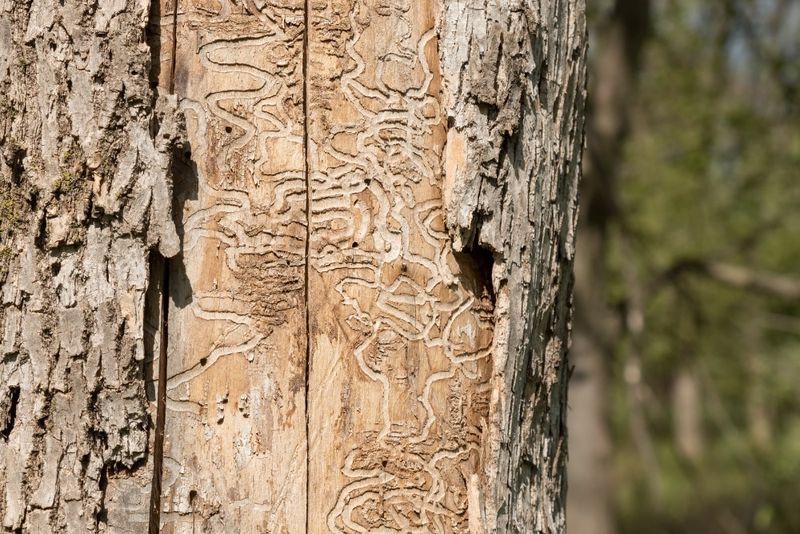
The adult beetle is smaller than a penny and shines like a jewel. Its larvae do the real damage by tunneling under the bark and cutting off the tree’s food and water supply.
Signs are fairly easy to learn. Look for D-shaped exit holes, S-shaped tunnels under loose bark, thinning tops, and lots of new sprouts near the base.
Here is why this matters for your wallet. Infested ash wood turns brittle surprisingly quickly, and limbs can snap without much warning.
Tree crews often charge more to remove brittle ash. Climbing a weak tree is dangerous, so they may need bucket trucks or cranes instead.
Cities may label a declining ash as hazardous. If it stands near a street, sidewalk, or house, you could receive an order to take it down.
Not every ash is a lost cause. Healthy, valuable ash trees can sometimes be protected with insecticide treatments applied by trained professionals every year or two.
Treatment makes sense mostly for trees in good shape. Once more than about half the canopy is thinning, removal is usually the wiser choice.
Not sure what kind of tree you have? Ash trees have leaves arranged in pairs across from each other, with several leaflets on each stem.
Take a leaf sample to your county extension office if you need help. A quick answer today could spare you a pricey emergency later.
8. Tree-Of-Heaven Can Invite The Spotted Lanternfly
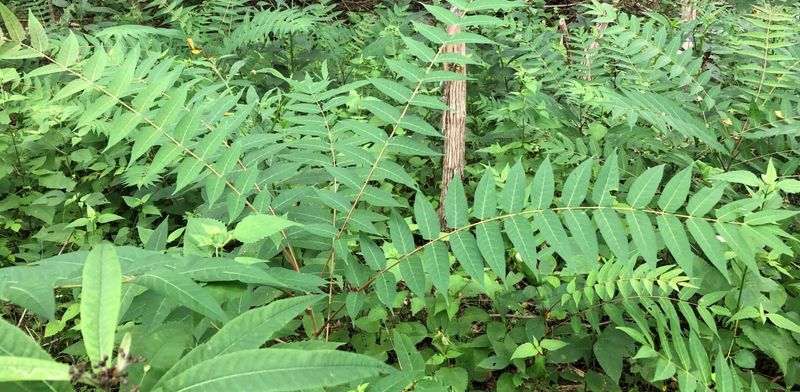
Its name sounds lovely, almost like a fairy tale. Tree-of-heaven, though, is one of the most aggressive invasive trees you can find in the state.
It grows like a weed along alleys, fences, and empty lots. Some shoots can stretch several feet in a single season, which is pretty wild for a tree.
Crush a leaf and you will notice a smell like burnt peanut butter. That odor is a handy clue when you are trying to tell it apart from look-alikes.
Tree-of-heaven is the favorite host of the spotted lanternfly. This colorful insect has been showing up in parts of the state and can harm grapes, maples, and other plants.
Lanternflies also leave behind a sticky liquid called honeydew. Black mold grows on it, coating patios, cars, and decks in a gross gray film.
Having this tree nearby may make your yard a lanternfly hotspot. Cities and state officials watching for pests could take a keen interest in that situation.
Removal is tricky, so do not just grab a chainsaw. Cutting the trunk often triggers dozens of new sprouts from the roots, making the problem bigger.
Experts often suggest treating the tree with herbicide first, then cutting it later. A licensed applicator or arborist can do this safely and correctly.
Look-alikes include black walnut and sumac. Check for small bumps near the base of each leaflet, a feature found on tree-of-heaven leaves.
If you spot lanternflies, report them to the Ohio Department of Agriculture. Your quick report helps track where they are spreading.
9. Elms With Dutch Elm Disease Face Strict Rules In Some Towns
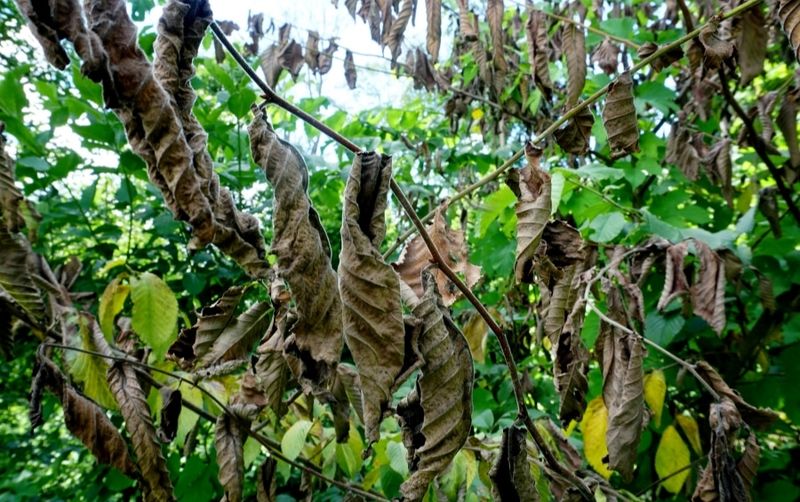
Grandparents across Ohio may remember streets lined with towering elms. Those leafy tunnels vanished in many towns after Dutch elm disease swept through in the mid-1900s.
That history left a mark on local laws. Some Ohio communities still keep specific rules about infected elms on private property.
Shaker Heights is a clear example. City ordinance 747.06 makes property owners responsible for removing trees affected by Dutch elm disease.
State law backs this up as well. Under Ohio Revised Code 927.22, the disease counts as a public nuisance, and the Director of Agriculture can order removal or treatment.
The disease is caused by a fungus spread mostly by elm bark beetles. It can also travel through connected roots between neighboring elms.
So what should you watch for? Leaves that turn yellow and wilt early in summer, often starting on one branch, are a classic warning sign.
Peel back a bit of bark on an affected twig. Brown streaks in the wood underneath can point toward the disease.
Speed matters with elms. Removing an infected tree quickly helps protect others on your block, and it may keep a city order from landing in your mailbox.
Do not keep elm firewood with bark still attached. Beetles can breed in stacked logs and carry the fungus to fresh trees nearby.
Want an elm anyway? Newer disease-resistant varieties like Princeton and Valley Forge offer that classic vase shape with a lot less worry.