This Invasive Weed Is Spreading Along Texas Creeks
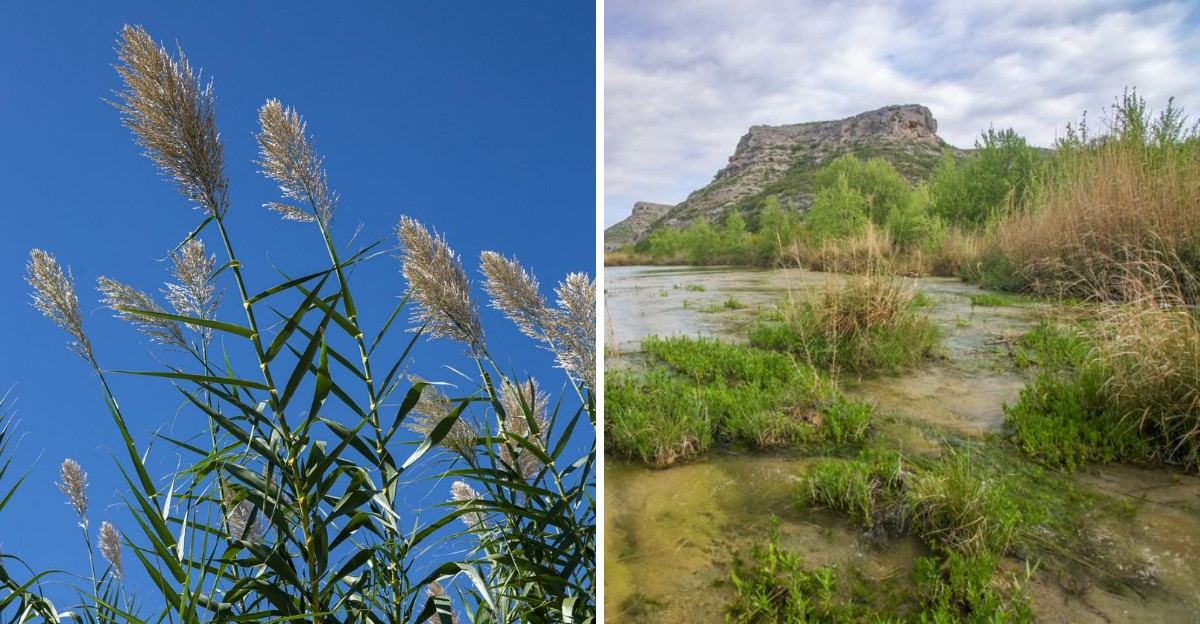
Tall, leafy stalks crowd the edges of creeks and riverbanks, swaying in the breeze like a green wall. Many Texans drive right past without giving it a second thought. They probably should.
This invasive grass can tower more than 20 feet high and grow several inches in a single day. Originally from the Mediterranean and Asia, it forms dense stands along banks, crowding out native trees and plants that wildlife depend on.
It also soaks up huge amounts of water and can fuel fast-moving wildfires once it dries out. Floods only help it spread. When high water breaks off pieces of its roots or stems, those fragments drift downstream and sprout new stands wherever they land.
Spotting it early is key to keeping Texas waterways healthy.
The Creek-Choking Invader
Centuries ago, people thought giant reed was a wonderful plant. Farmers and builders used it to hold soil in place, make roofs, and craft fences. Nobody guessed it would turn into a major headache for Texas creeks.
Giant reed, known to scientists as Arundo donax, is a huge grass. It is native to the Mediterranean region and parts of Asia.
Settlers brought it to North America long ago because it grew fast and seemed useful. It was planted along ditches and slopes to stop erosion.
Some people also used it for musical instruments, since its canes make great reeds for clarinets and saxophones.
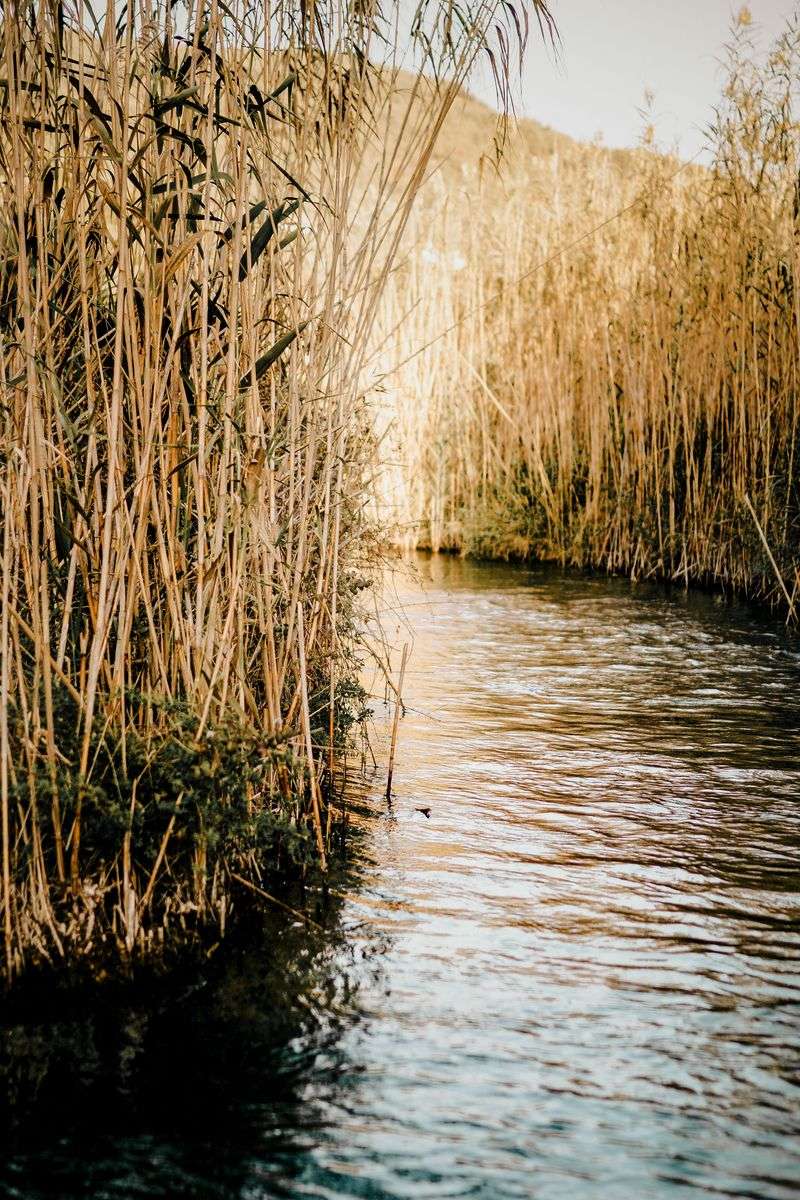
Over time, the plant escaped from gardens and farms. It found a perfect home along creeks and rivers, where water is easy to reach.
Today it grows across much of Texas. Some of the worst patches line the Rio Grande, where it stretches for many miles along the border.
Texas now treats giant reed as a noxious plant. That means it is illegal to sell or distribute it in the state. Even so, old plantings still exist in backyards and on ranches. Some people keep it without knowing the trouble it can cause.
Here is a fun bit of history. Ancient people in Egypt wrapped some remains in giant reed leaves, and Romans used the canes for building. The plant has traveled with humans for thousands of years.
So what can you do right now? Start by learning whether giant reed grows near you. Check local creeks, ditches, and old farm sites.
If you find it, avoid planting more or sharing pieces with friends. Spreading awareness is a great first step in protecting Texas waterways.
How To Recognize It
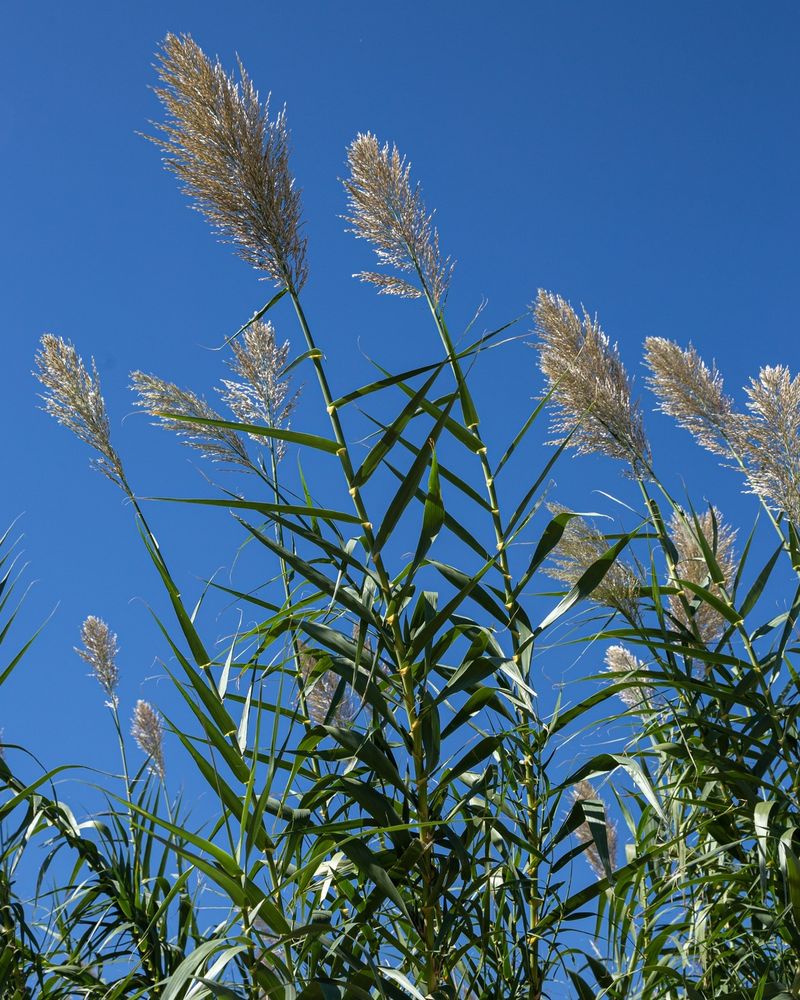
At first glance, you might swear you are looking at bamboo. Plenty of people make that mistake, and it is an easy one. Still, a few clues can help you tell giant reed apart from other tall plants.
Start with the size. Giant reed grows in thick clumps of canes that often reach 20 feet tall. Some stands grow even higher.
The canes are thick, often about an inch across, and hollow inside like a straw. They have joints, or nodes, spaced along the stem, much like bamboo.
Your Texas Garden Changes Every Week. Your Plan Should Too.
Gardening in Texas changes quickly throughout the season. Every Friday you’ll receive a simple weekly plan showing exactly what to plant, prune, fertilize, harvest, and protect so you never miss the right timing.
Next, look closely at the leaves. They are long, flat, and somewhat wide, often a foot or more in length. Each leaf wraps around the stem at its base, which is called clasping.
The leaves usually grow in two neat rows, one on each side of the cane. They may look blue green and sway easily in the wind.
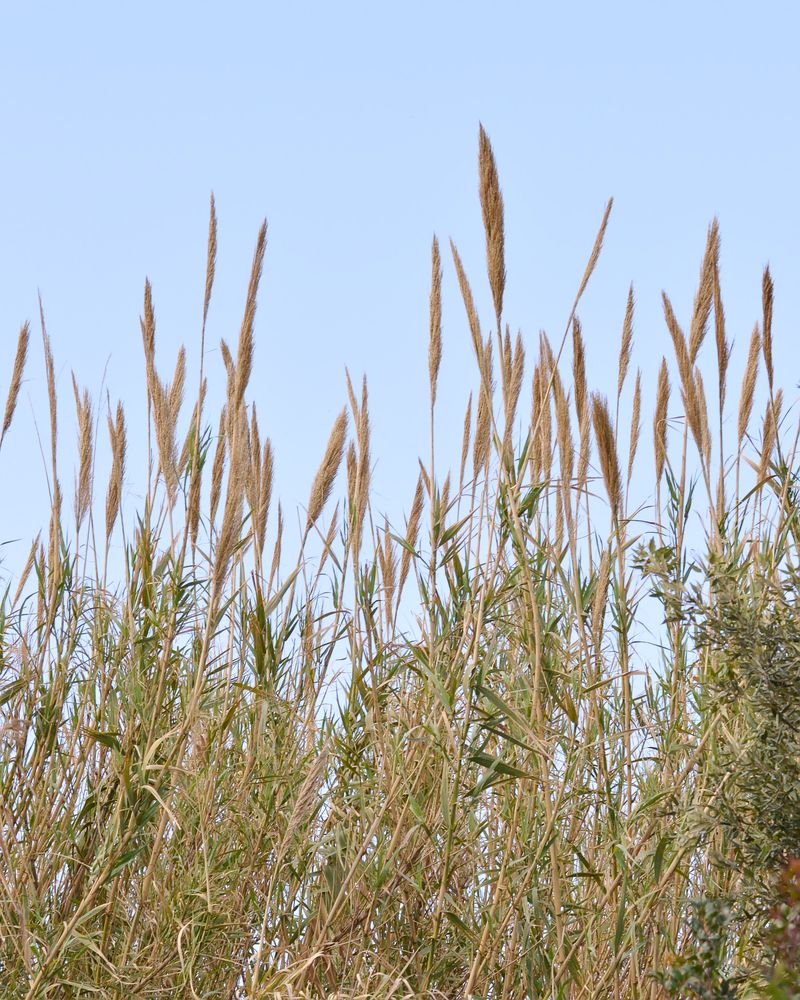
Timing helps too. In late summer and fall, giant reed produces big, feathery plumes at the tops of the canes. These plumes can be up to two feet long. They start out purple or reddish and fade to a soft tan color.
So how is it different from true bamboo? Bamboo leaves have short stalks, while giant reed leaves clasp the stem directly. Bamboo also rarely flowers. Native cane grasses tend to be shorter and thinner.
Here is a handy tip. Take photos of the leaves, canes, and plumes when you find a suspicious plant.
You can share them with your county extension office or a plant app to confirm what you have found. Spotting it early makes control much easier.
How It Spreads Along Waterways
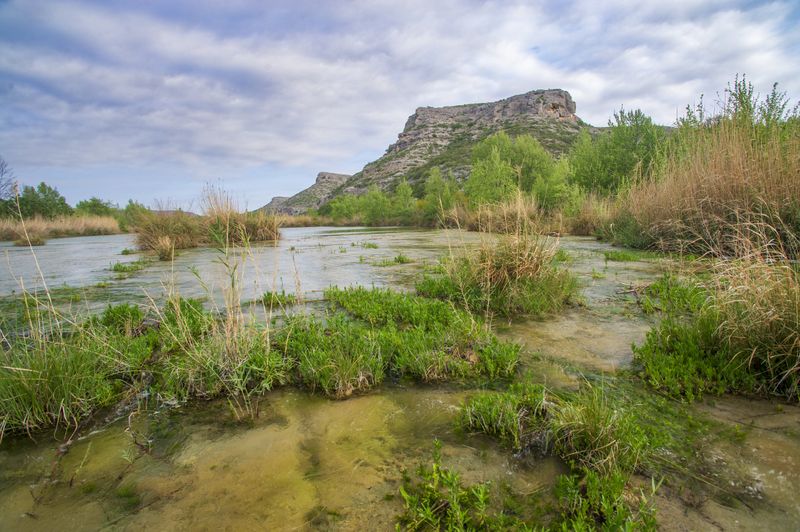
Here is a strange fact. In Texas, giant reed almost never makes seeds that can grow. You might think that would slow it down. Sadly, it does not, because this plant has other clever tricks.
Most of its spreading happens underground. Giant reed has thick, knobby roots called rhizomes.
These rhizomes grow sideways under the soil and send up new canes. Over time, one small clump can become a huge stand that covers a whole creek bank.
Water is its best travel buddy. When heavy rains hit, creeks rise fast and rush along. Floodwaters tear off chunks of rhizomes and pieces of cane.
Then the current carries these fragments far downstream. When the water drops, the pieces get stuck in mud or sand.
Even tiny pieces can cause big problems. A small chunk of rhizome or a cane section with a node can sprout roots. Within weeks, new shoots may pop up. In a year or two, a fresh stand may be growing where none existed before.
People help it spread too, often by accident. Moving soil that contains rhizomes can carry the plant to new places. Dumping yard waste near a creek is another common mistake.
So what does that mean for you? Think of every broken cane as a possible new plant. After floods, walk your creek banks and look for young sprouts. Pull small ones carefully, roots and all, before they settle in.
Also, never toss cuttings into ditches or streams. Being careful with soil and plant waste can stop giant reed from hitching a ride.
The Damage It Causes
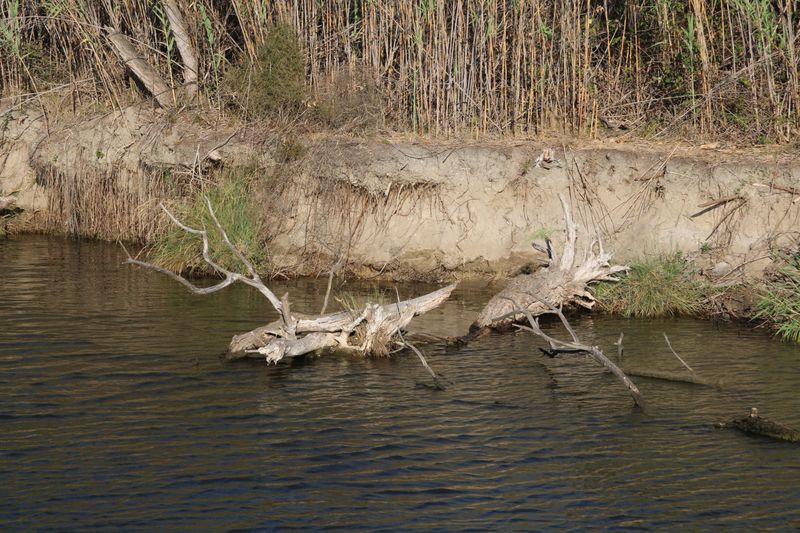
Think of giant reed as a bully on the playground. It pushes everyone else out of the way and takes all the snacks. Along Texas creeks, that bully behavior hurts plants, animals, and people.
Native plants suffer first. Willows, cottonwoods, sedges, and other local plants help hold creek banks together. Their roots grip the soil and slow erosion.
Giant reed grows so thick that these natives cannot get enough sunlight or space. Once they fade away, banks can become weaker.
Wildlife feels the loss too. Birds, insects, deer, and fish depend on native plants for food and shelter. Giant reed offers very little for them to eat. Few animals use it as a home, so a creek full of it becomes much quieter.
Water is another big issue. Giant reed is thirsty. Some studies suggest it uses far more water than native plants. In a dry state like Texas, that matters a lot, especially along the Rio Grande where farms and towns need every drop.
Flooding can get worse as well. Thick stands slow water flow and trap branches and trash. During storms, these piles can block channels and push water over the banks. Bridges and roads may face extra damage.
Then there is fire. When the canes dry out, they burn hot and fast. A spark can turn a creek bank into a dangerous blaze, and the plant often regrows quickly afterward.
A smart move is to keep dry stands away from homes, barns, and fences. Clearing a safe buffer zone can protect your property while you plan for long-term control.
How It’s Being Fought In Texas
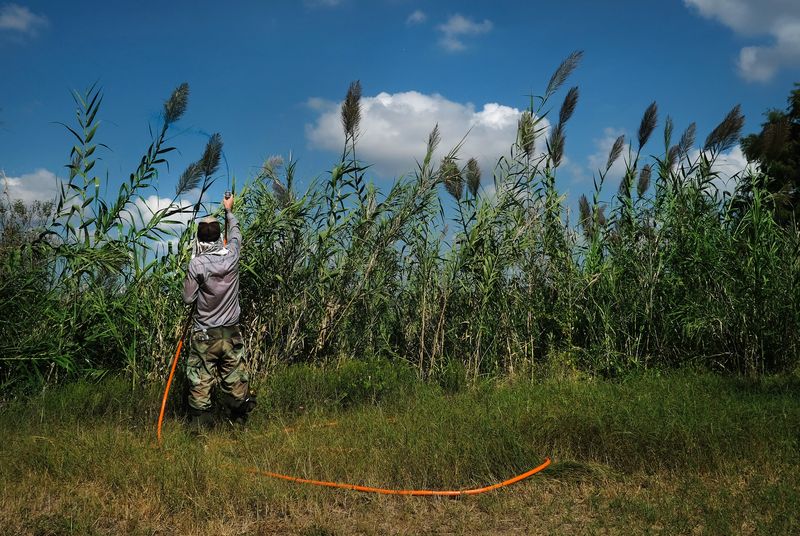
Some of the bravest fighters in this battle are smaller than a grain of rice. Along the Rio Grande, scientists have teamed up with tiny insects to take on giant reed. It sounds like a science fiction story, but it is real.
One helper is the arundo wasp. This little insect comes from the plant’s native range. It lays its eggs inside the growing tips of giant reed.
As the young wasps develop, they create swellings called galls. These galls stop the canes from growing taller and drain the plant’s energy.
Another helper is the arundo scale, a small insect that feeds on the plant’s sap. Together, these bugs slowly weaken thick stands over time.
Researchers tested them carefully first to make sure they would only eat giant reed and leave crops and native plants alone.
Results take patience. Biological control does not wipe out stands overnight. Instead, it reduces growth year after year, letting native plants slowly return.
Landowners use herbicides as well. Timing makes a big difference here. Treatments often work best in late summer and fall.
During those months, the plant moves sugars and energy down into its roots for winter. Herbicide applied then travels down with that energy and reaches the rhizomes.
Only products labeled for use near water should be used along creeks. Following the label exactly protects fish and other wildlife.
If you want to help, reach out to Texas A&M AgriLife Extension or your local soil and water district. They often share updates, offer advice, and can tell you about programs that support control efforts in your area.
What Property Owners Should Do
Grabbing a mower and chopping everything down feels like the obvious fix. Unfortunately, giant reed loves a haircut. Cutting or mowing alone usually makes it come back faster and thicker than before.
Why does that happen? The real power of the plant is hidden in its rhizomes. When you cut the canes, those roots simply send up fresh shoots. So a good plan always targets what lies under the soil.
Many landowners use a cut and treat method. They cut canes close to the ground, then apply an approved herbicide to the fresh stumps right away.
Others spray regrowth when it reaches a few feet tall. Either way, expect to repeat treatments for several seasons.
Small patches can sometimes be dug out by hand. You must remove every piece of rhizome, which takes hard work and a sturdy shovel. Any leftover chunk may sprout again.
Cleanup matters just as much as cutting. Never leave piles of canes near a creek. One flood can wash them downstream to start new stands. Instead, bag the cuttings or let them dry far from water.
Burning is another option where local rules allow it. A few extra tips can make the job easier:
Wear gloves, long sleeves, and eye protection. Keep notes on where and when you treated each area. Plant native grasses or trees afterward to cover bare soil.
Finally, talk with your neighbors. Giant reed ignores fence lines, so working together along a whole creek gives everyone a better chance. Teamwork turns a lonely chore into a lasting win for Texas waterways.