ZZ Plant Mistake That Keeps It From Growing Bushy In Texas
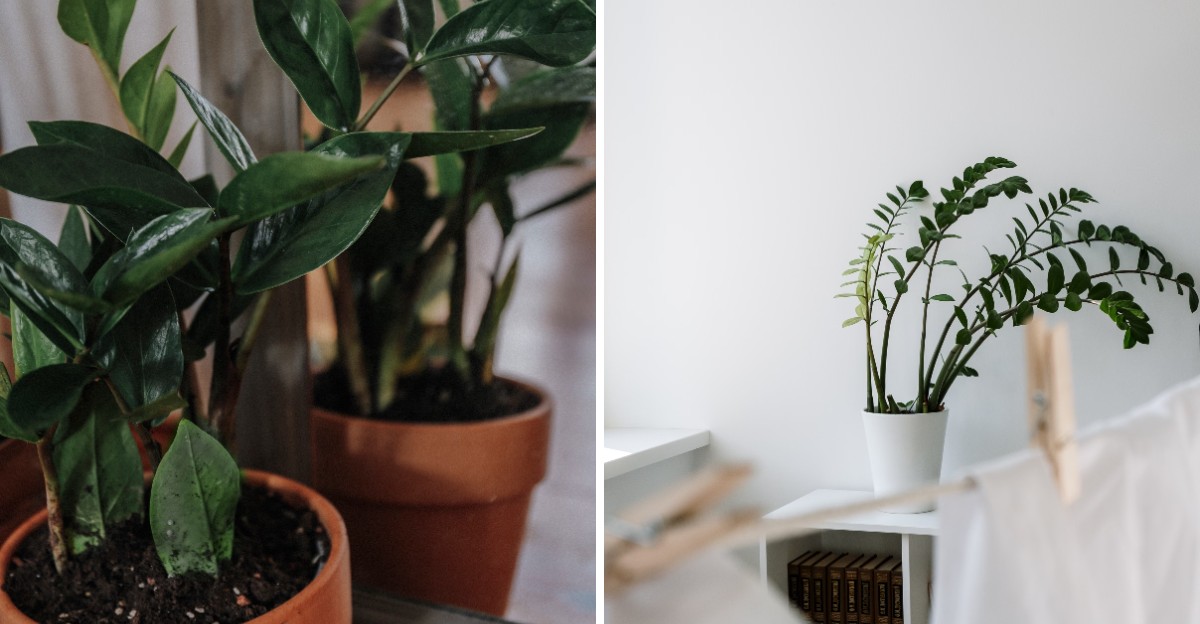
The ZZ plant is often called the “eternity plant,” and it’s easy to see why. Its glossy leaves look almost artificial, it shrugs off missed waterings, and it rarely seems to struggle.
Many Texans buy one specifically because it’s supposed to be nearly impossible to mess up. Here’s the catch. Surviving and thriving aren’t the same thing.
Plenty of ZZ plants sit in the same spot for years, looking healthy enough but never really changing. A few tall stems lean awkwardly to one side.
New shoots barely appear. Instead of a full, lush clump, you end up with something sparse and a little lopsided.
In most cases, the plant isn’t sick at all. It’s simply responding to one common setup mistake that many owners don’t realize they’re making.
Fix that one issue, and your ZZ plant can finally grow into the full, bushy beauty it was meant to be.
Keeping It In A Dark Corner
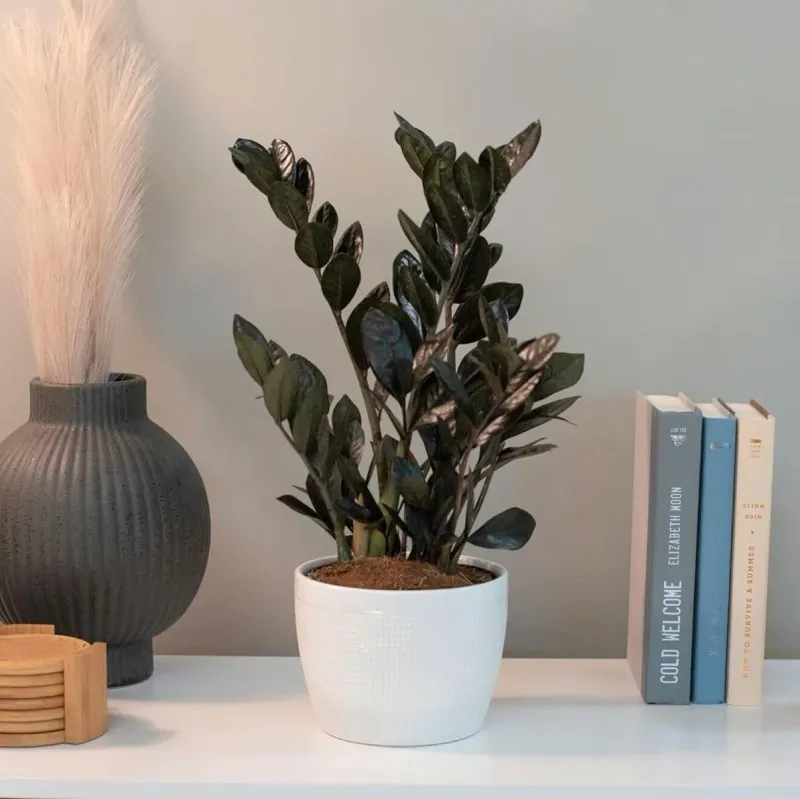
Walk into almost any Texas home and you might find a ZZ plant hiding in a hallway. Maybe it sits on a bathroom counter. Maybe it is tucked behind the couch in a shadowy corner.
Store tags often call the ZZ plant a low-light plant. Many people read that and think it means no light. So they put it in the darkest spot in the house and hope for the best.
Here is the tricky part. The plant does not complain right away. It stays green and alive for a long time, so it seems like everything is fine. Months later, though, it looks the same or even thinner than when you bought it.
Surviving and thriving are two very different things. A ZZ plant can hang on in a dim corner for years. It just will not grow much while it is there. You may see one new stem a year, or none at all.
Think of it like a person eating only crackers every day. They would stay alive, but they would not have much energy to grow strong. Your plant is in the same boat when light is scarce.
Texas homes often have deep covered porches and big shade trees. Those features keep houses cool, which is great in July. They also mean that rooms deep inside the house get very little natural light.
Take a quick look at where your ZZ plant sits right now. Can you read a book there comfortably without turning on a lamp? If not, the spot is probably too dark for good growth.
Moving it closer to a window is the first big step toward a bushier plant. The rest of this list will show you how to do it the smart way.
Why Low Light Keeps It Sparse
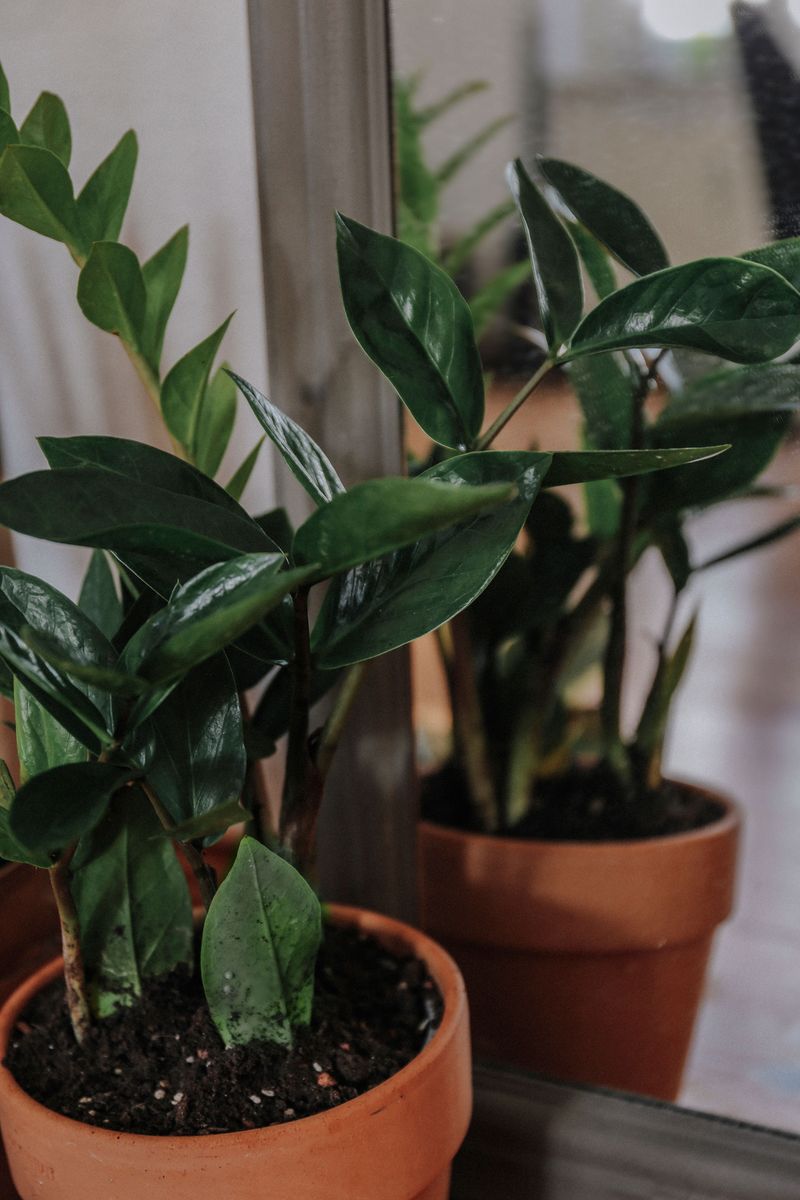
Did you know a ZZ plant stores food underground like a potato? Under the soil sit thick, round structures called rhizomes. They hold water and energy for hard times.
Every new stem on a ZZ plant starts from one of those rhizomes. The stem pushes up through the soil as a tight green spike. Then it slowly unrolls into a tall stalk covered in shiny leaves.
Your Texas Garden Changes Every Week. Your Plan Should Too.
Gardening in Texas changes quickly throughout the season. Every Friday you’ll receive a simple weekly plan showing exactly what to plant, prune, fertilize, harvest, and protect so you never miss the right timing.
Making a new stem takes a lot of energy. The plant gets that energy from light through its leaves. More light means more fuel, and more fuel means more new shoots.
In a dim room, the plant earns only a small paycheck of energy. It spends most of that just staying alive. There is little left over for building new stems.
So what happens to the stems you already have? They start to stretch. The plant tries to reach for any light it can find, so the stalks grow longer and thinner.
Long, thin stems are weak. They flop over, bend sideways, or lean on the edge of the pot. The plant ends up looking messy instead of full and upright.
Fun fact: the ZZ plant comes from eastern Africa, where it grows under trees and shrubs. Even there, sunlight filters through the branches in bright patches. That is far more light than a windowless Texas bathroom provides.
Once you understand the rhizome connection, the fix makes sense. Give the plant more light, and those underground storage bulbs can finally send up fresh shoots. Over time, the pot fills in, and the plant looks lush and thick again.
The Light It Actually Prefers
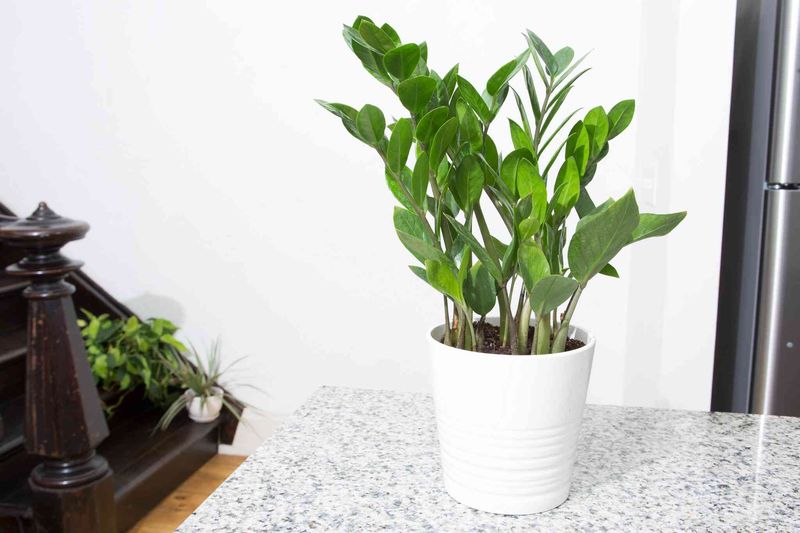
Bright but gentle. That is the sweet spot for a happy ZZ plant. Experts call it bright, indirect light.
What does that look like in real life? It means the room feels sunny, but the sun’s rays do not land right on the leaves. The plant sees lots of sky without getting baked.
East-facing windows are a great choice in Texas. They get soft morning sun that is not too strong. A ZZ plant can sit right next to one of these windows and enjoy the glow.
South and west windows are a different story. The afternoon sun in places like San Antonio or El Paso can be fierce, even through glass. Set the plant three to six feet back from these windows instead.
Sheer curtains also help a lot. They soften harsh rays while still letting plenty of light pass through. Blinds tilted upward can do the same job.
Too much direct sun causes problems too. Leaves may turn yellow, pale, or get brown, crispy patches. Those burned spots will not heal, so it is better to prevent them.
Here is an easy test. Hold your hand about a foot above the plant around midday. If you see a soft, fuzzy shadow, the light is just right. A sharp, dark shadow means it is too strong, and no shadow means it is too weak.
North-facing windows work in a pinch, though growth will be slower. You can also add a simple LED grow light if your home is very shady. Many affordable bulbs fit into a regular desk lamp and can give your plant a real boost.
Signs Your ZZ Plant Needs More Light
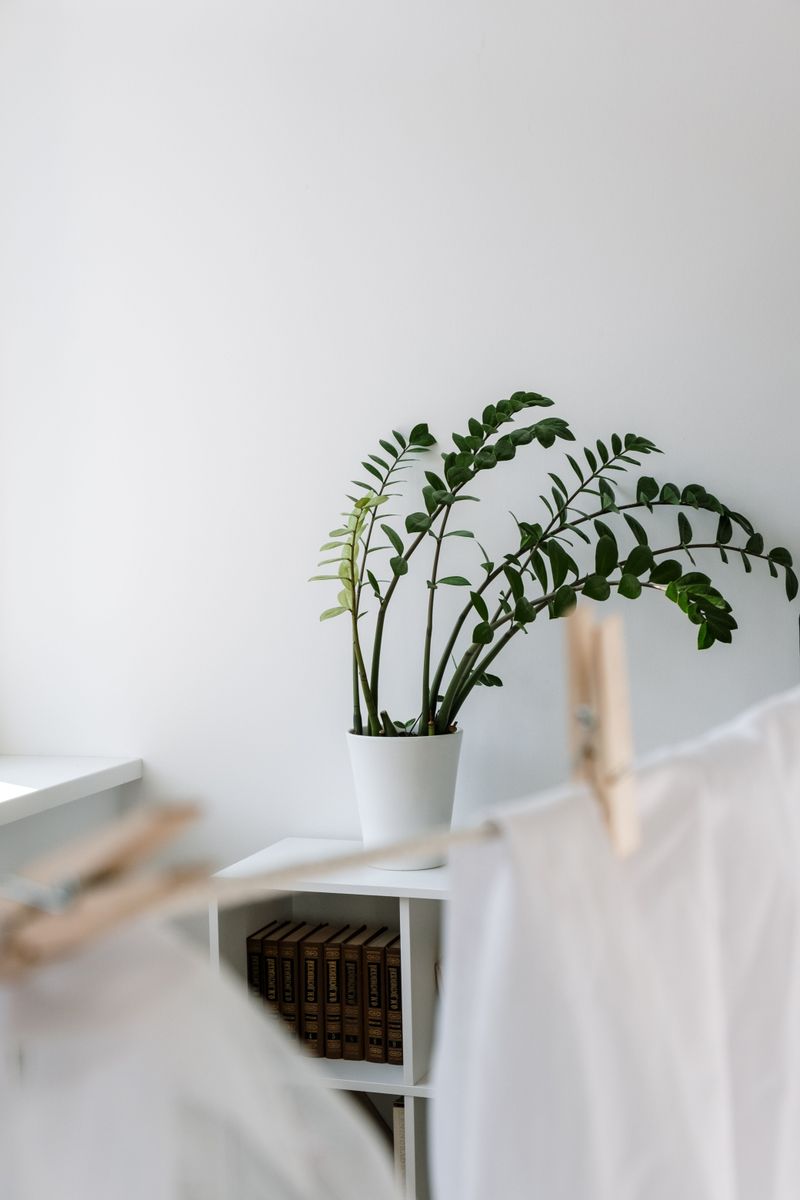
Your plant is talking to you. It just uses leaves and stems instead of words. Learning to read those clues makes you a much better plant parent.
Start by checking the angle of the stems. Are they leaning hard toward one side of the room? A ZZ plant bends toward its light source when it does not get enough.
Next, look at the spacing between the leaves. Healthy stems have leaves packed fairly close together. If you see big bare gaps along the stalk, the plant has been stretching for light.
Leaf size matters too. New leaves should be about the same size as the older ones. Tiny new leaves often mean the plant lacks the energy to build full-sized ones.
Then there is the biggest clue of all. Count how many new shoots came up during the last spring and summer. In Texas, the growing season is long and warm, so a healthy ZZ plant should send up at least a few.
A plant that has not made a single new stem in a whole growing season is probably too far from a window. It is basically on pause.
Some folks mistake these signs for a need to water or fertilize more. That usually makes things worse, not better. Extra water in a dim room can lead to soggy soil and rot.
Try snapping a photo of your plant once a month. Comparing the pictures side by side makes small changes easy to spot. You will quickly see whether things are improving after you adjust the light.
Move It Gradually And Rotate It
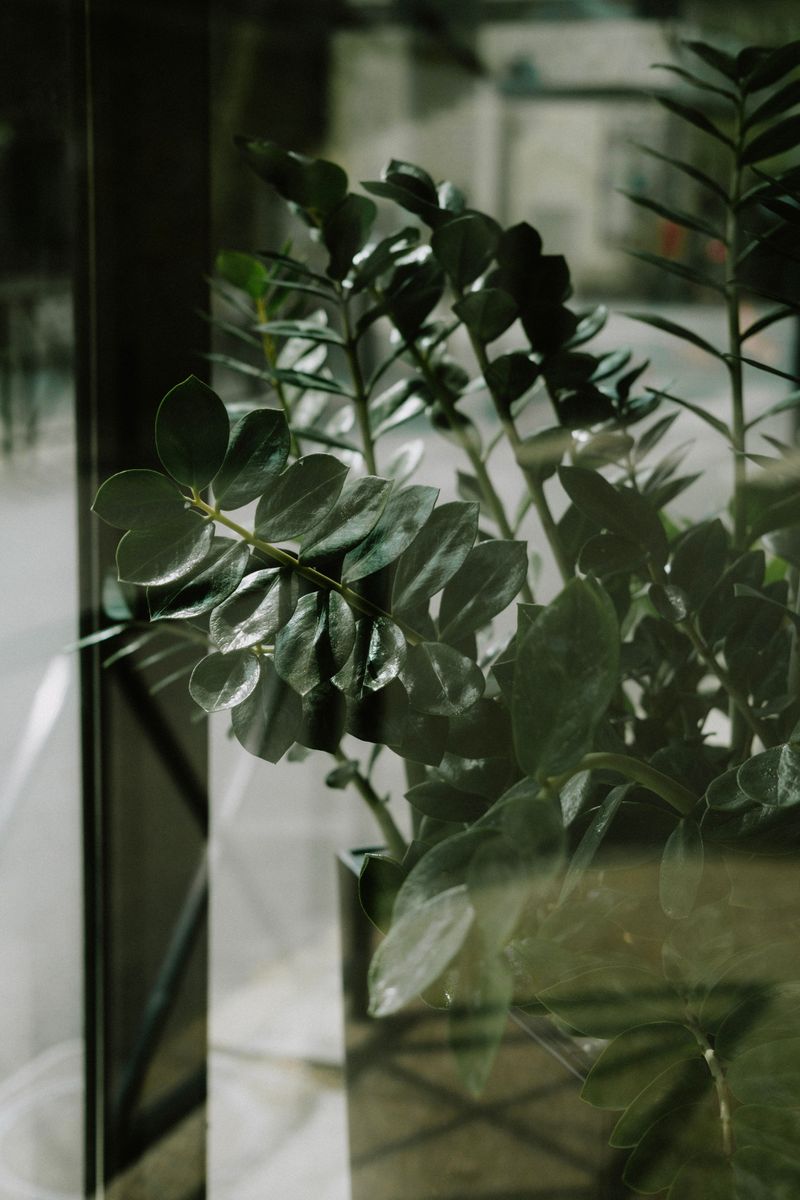
Slow and steady wins this race. Your ZZ plant has spent months, maybe years, in dim light. Its leaves are used to that setting.
Moving it straight into a bright spot can shock it. Leaves that are used to shade can scorch quickly. You might see yellow or bleached patches within days.
A better plan is to take baby steps. Move the plant a few feet closer to the window every couple of days. Over one to two weeks, it can reach its new home without stress.
Keep an eye on the leaves as you go. If any start to look pale or crispy, back the plant up a bit. Give it a few more days before moving forward again.
Once the plant settles in, rotation becomes your best friend. Plants grow toward light, so one side tends to get all the attention. Before long, your ZZ plant can look lopsided.
The fix is simple. Give the pot a quarter turn every week or two. Each side gets its fair share of light, and the plant grows straight and even.
A handy trick is to tie rotation to something you already do. Turn the pot every time you take out the recycling or water other plants. You could even put a small sticker on one side of the pot to track which way it faces.
Texas sunlight also shifts with the seasons. Winter sun sits lower and reaches farther into rooms. In summer, you may need to pull the plant back a little to avoid hot afternoon rays.
Support Growth With The Right Care
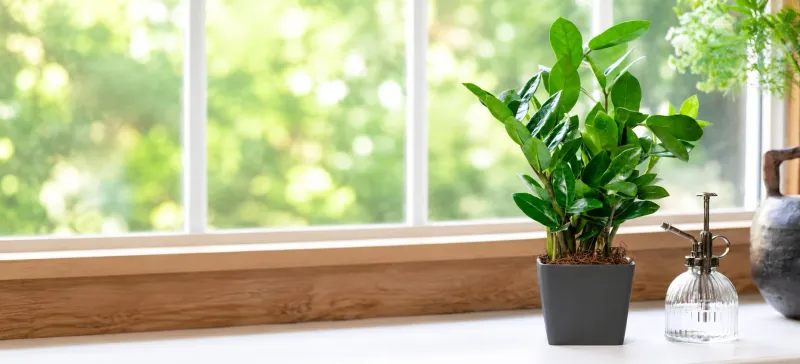
Light is the star of the show, but good care plays a big supporting role. Get watering and feeding right, and your plant will reward you.
Water is where many ZZ owners slip up. Those underground rhizomes already store plenty of moisture. If the soil stays wet, they can rot and turn mushy.
Wait until the soil dries out completely before watering. Stick your finger a few inches deep to check. In most Texas homes, that means watering every two to four weeks, depending on the season and your air conditioning.
When you do water, soak the soil well and let the extra drain away. Always use a pot with drainage holes. Never let the plant sit in a saucer full of water.
Feeding helps too, but go easy. Use a houseplant fertilizer mixed at half strength. Feed once a month in spring and summer, then skip it in fall and winter.
Now for a surprise. Cutting a ZZ stem will not make it branch out. Each stem grows from the rhizome, not from side buds, so trimming just removes that stem.
Want a fuller look faster? Plant two or three ZZ plants together in one wide pot. Many nurseries sell small ones at a good price, and grouping them creates an instant bushy display.
Patience is the final ingredient. ZZ plants are slow growers even in perfect conditions. With bright light, careful watering, and a little food, though, new shoots will pop up season after season. Before long, that skinny plant can become a thick, glossy showpiece.