What Georgia’s Strong El Niño Winter Could Mean For Fruit Trees
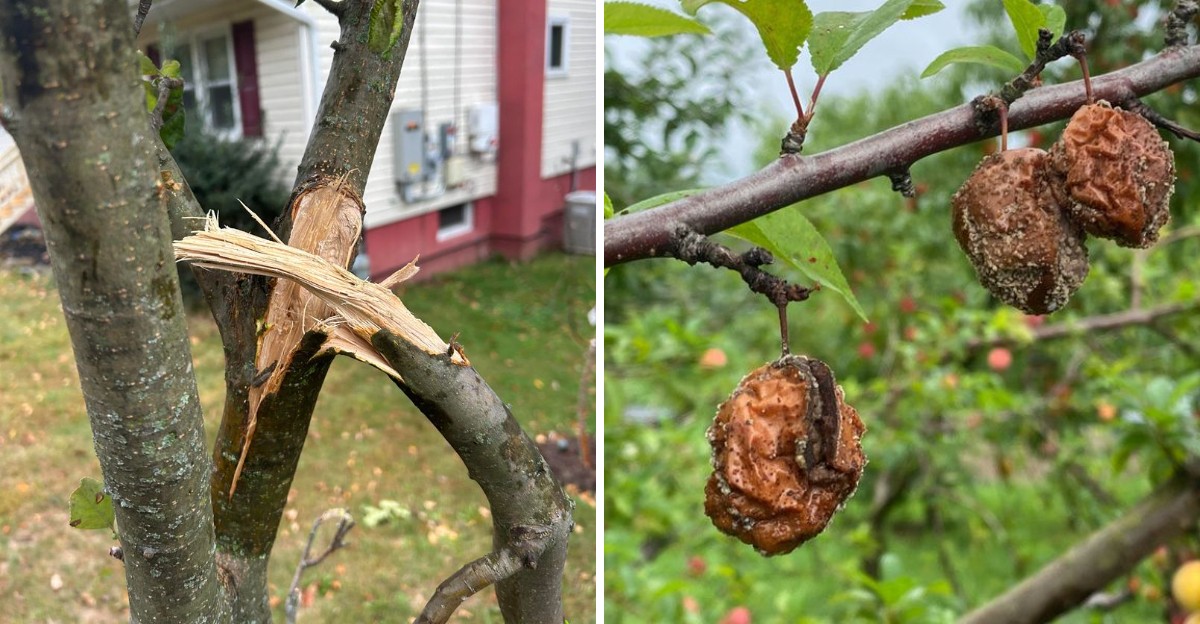
Fruit trees depend on winter weather more than you might realize, and an unusually wet season can influence how they perform when spring arrives.
A strong El Niño often shifts weather patterns across the southern United States, bringing increased chances of cooler and wetter conditions.
But that does not mean every orchard will experience the same effects.
For Georgia fruit growers, prolonged wet weather may create drainage problems, while changing temperatures can complicate winter care.
Peaches, apples, and other deciduous fruit trees also need adequate winter chilling for normal spring development.
Pay attention to soil moisture around young trees, particularly after repeated heavy rainfall.
El Niño does not guarantee a particular winter outcome, so local forecasts still matter. Understanding how these weather patterns interact with your trees can help you prepare without assuming every cold spell or rainstorm spells trouble.
1. A Very Strong El Niño Points Toward A Wet Winter Ahead
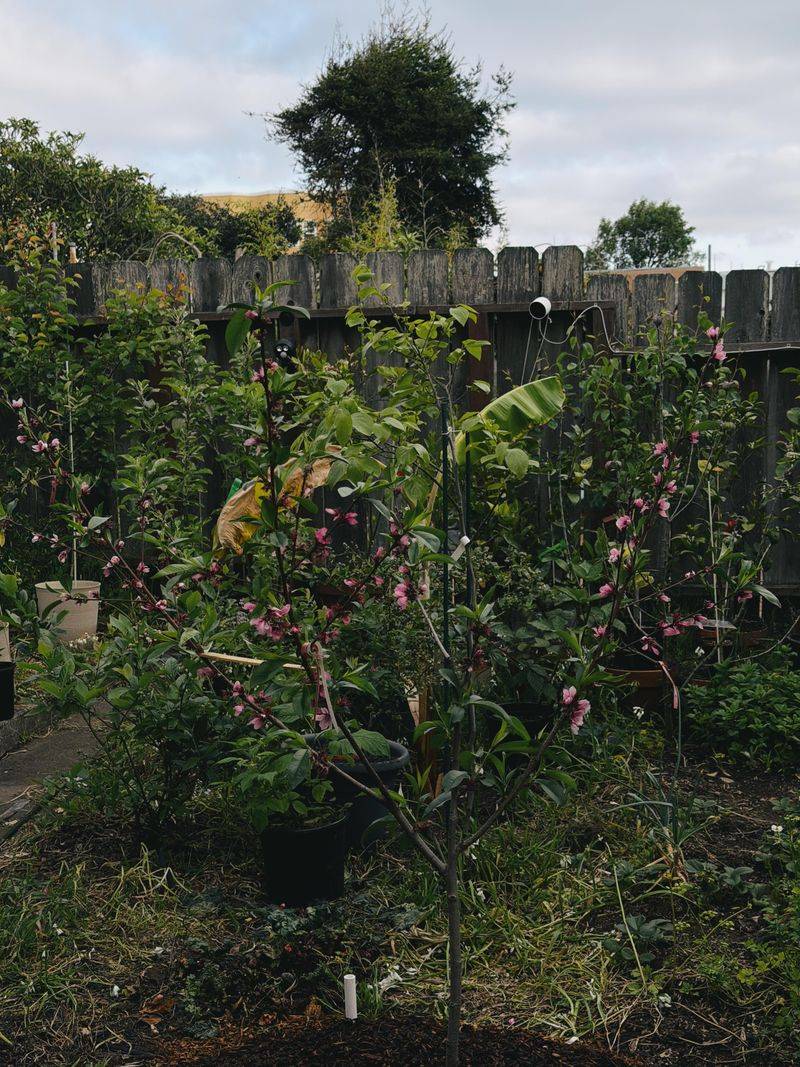
Rain gauges across the Southeast tend to stay busy during strong El Niño winters. Warmer Pacific waters nudge the jet stream south, which often steers more storms over the Gulf Coast and into the region.
In Georgia, that pattern usually means a wetter and cloudier winter than normal, especially in the southern half of the state.
Keep in mind that a forecast tilt is not a promise. Some El Niño winters bring heavy rain, while others turn out closer to average than expected.
Cooler daytime highs can come along with all those clouds, since less sunshine reaches the ground.
So what does that mean for your fruit trees? Soggy soil is the biggest concern, because roots need air as well as water to stay healthy.
Disease pressure may also rise when bark and leftover debris stay damp for long stretches.
Cold snaps remain possible in any winter, El Niño or not. Mild spells followed by sudden freezes can still catch trees off guard in late winter.
Watching the Climate Prediction Center outlooks and your local forecast is a smart habit right now.
Your county Extension office is another helpful resource. Agents there track how conditions are shaping up in your part of the state and can answer questions about specific trees.
Planning ahead gives you a calmer winter and stronger trees by spring.
2. Chill Requirements Vary Widely Between Fruit Varieties
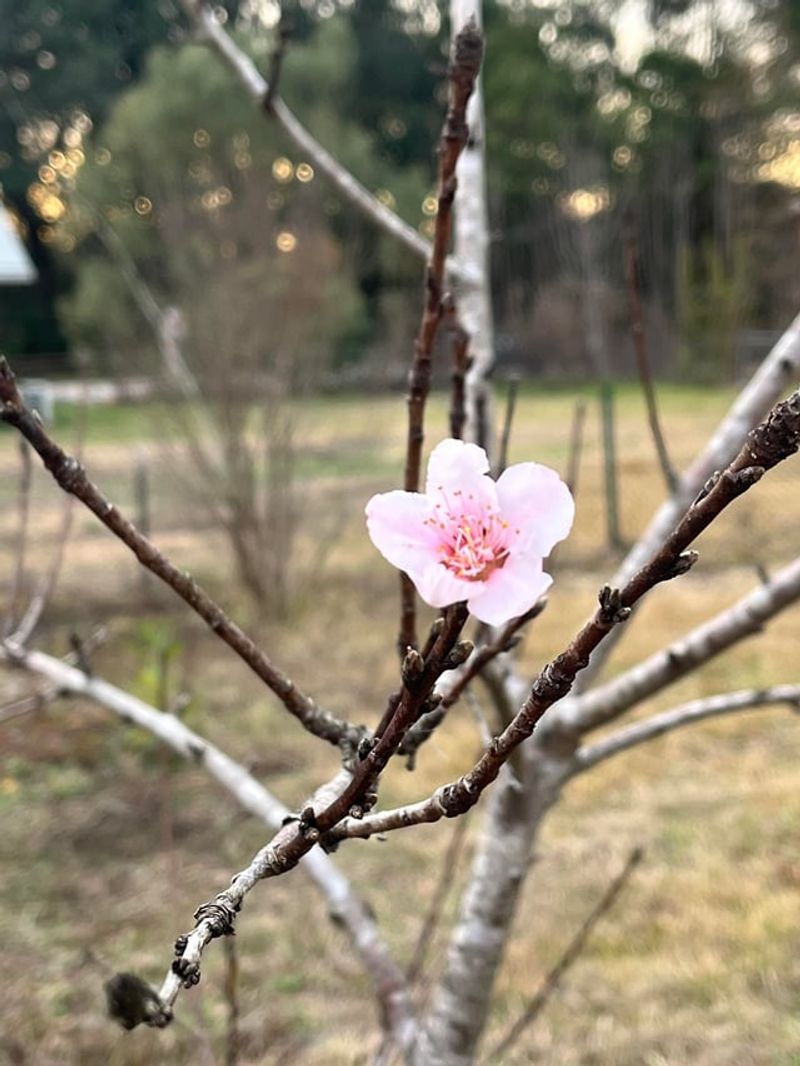
Peach trees keep a quiet count all winter long. Each variety needs a certain number of chill hours, usually counted as time spent roughly between 32 and 45 degrees, before it blooms well.
Low-chill varieties may need only a few hundred hours, while high-chill types can need well over a thousand.
Here is where El Niño gets interesting. Cloudier days can keep temperatures cooler, which might help chill pile up, but mild nights can slow that progress too.
Results really depend on your location and the weather that actually shows up.
North Georgia mountains usually collect far more chill than coastal counties near Savannah or the Florida line. A variety that thrives in Blue Ridge may struggle to bloom evenly in Valdosta.
Your Georgia Garden Changes Every Week. Your Plan Should Too.
Gardening in Georgia changes quickly throughout the season. Every Friday you’ll receive a simple weekly plan showing exactly what to plant, prune, fertilize, harvest, and protect so you never miss the right timing.
Trees that miss their chill target often leaf out late or bloom in a scattered, uneven way.
Not sure what your tree needs? Check the plant tag, the nursery receipt, or the variety name online through a university source.
Matching varieties to your area is the best long-term fix, since you cannot control how much chill a winter provides.
Blueberries, apples, and plums have their own chill ranges as well. If you plan to add new trees, ask your local Extension office which varieties tend to do well where you live.
3. Waterlogged Low Spots Need Better Drainage Before Heavy Rains
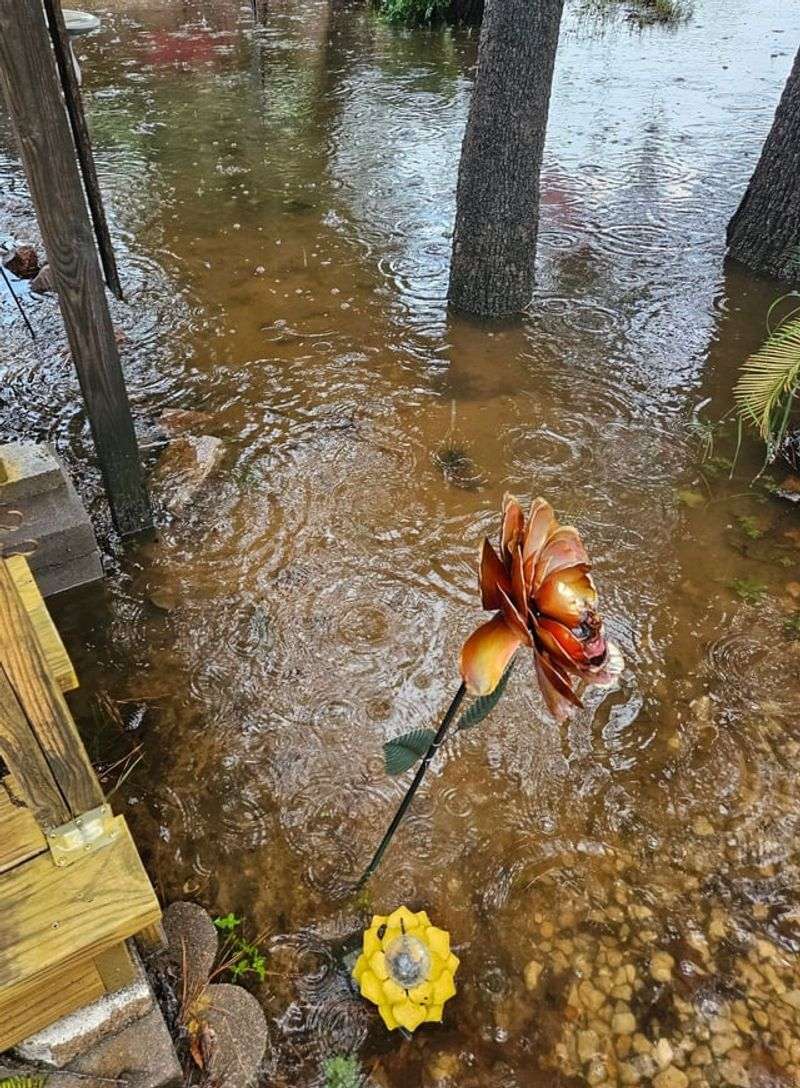
Standing water and fruit tree roots rarely get along. When soil stays saturated, roots can run short on oxygen, and that stress opens the door to root rot problems.
Peaches and cherries tend to be especially sensitive to wet feet.
Walk your yard after the next good rain and watch where water collects. Puddles that linger for a day or more near a tree are worth noting.
Heavy clay, common across much of the Georgia Piedmont, drains slowly and can hold water longer than sandy soils farther south.
Simple fixes often help. Shallow swales or small trenches can guide runoff away from the root zone, as long as they send water somewhere it can safely go.
Gutters and downspouts deserve a quick look too, since they sometimes dump water right beside young trees.
Got a tree already planted in a soggy pocket? Moving it during dormancy is an option for smaller trees, though success varies with size and root health.
For future plantings, raised beds or wide, gently mounded rows can lift roots above the wettest soil. Extension guides often suggest this approach for peaches in heavier ground.
Avoid piling soil high against an existing trunk, since that can create other problems.
4. Late-Season Nitrogen Can Push Tender Growth Ahead Of Cold Snaps
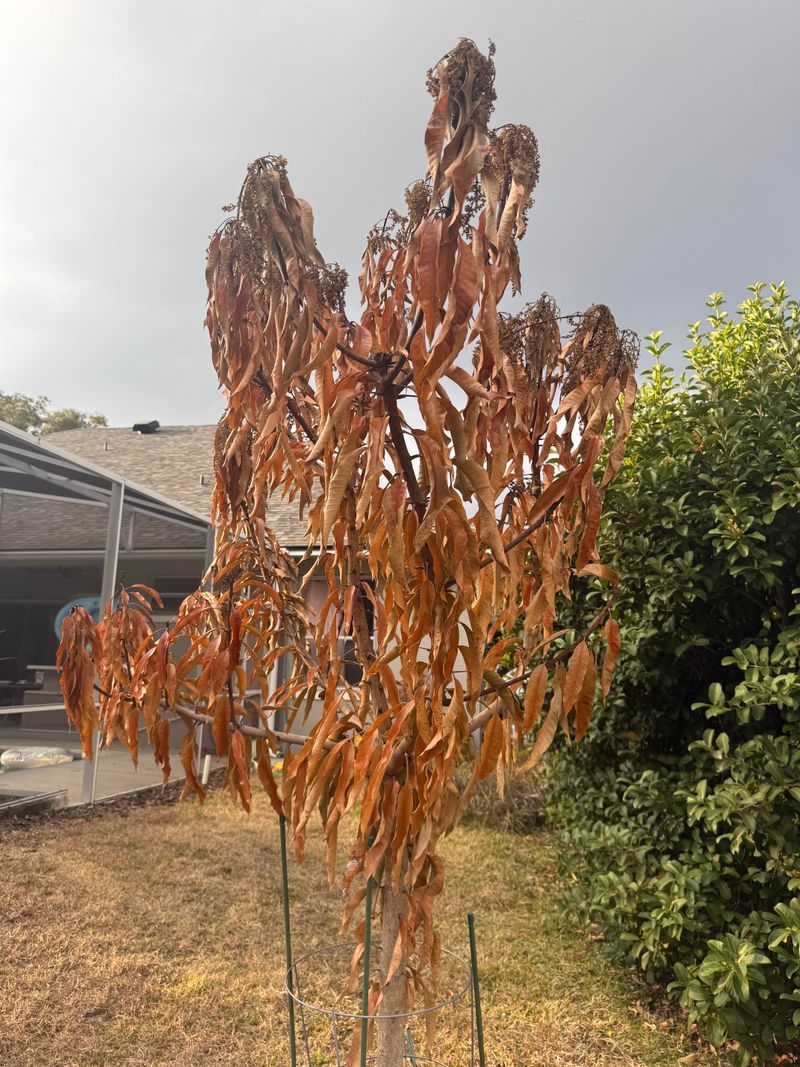
Fertilizer timing matters more than most people think. Nitrogen fed in late summer or fall can encourage soft new shoots right when a tree should be slowing down.
That tender growth may not harden off in time, leaving it open to freeze injury.
Fruit trees naturally shift toward rest as days shorten. Hold off on nitrogen now and let that process happen on its own schedule.
Most Georgia Extension guidance points to late winter or early spring for feeding established fruit trees, often around bloom or shortly before.
Exact timing depends on the crop, the tree’s age, and your soil test results.
Wet winters add another wrinkle. Heavy rain can wash nitrogen down through sandy soils, so fertilizer applied too early may not even reach the roots when they need it.
Soil testing is cheap and genuinely useful here. Your county Extension office can process a sample and suggest how much, if any, fertilizer your trees need.
Too much nitrogen can also lead to leafy growth at the expense of fruit.
Leftover bags should stay sealed and dry in a shed or garage. Clumped or soaked fertilizer is harder to spread evenly later.
Patience now usually pays off with steadier growth when the season turns warm.
5. Mulch Pulled Back From The Trunk Lets Bark Stay Dry
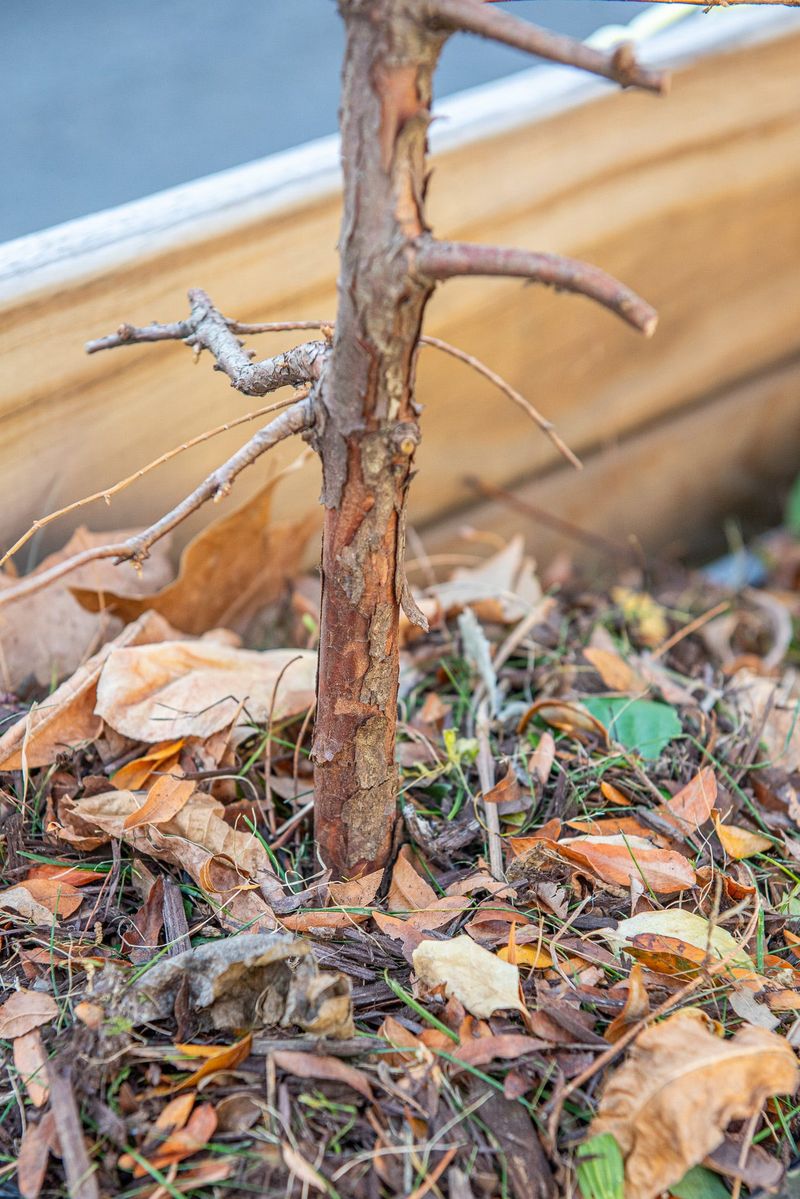
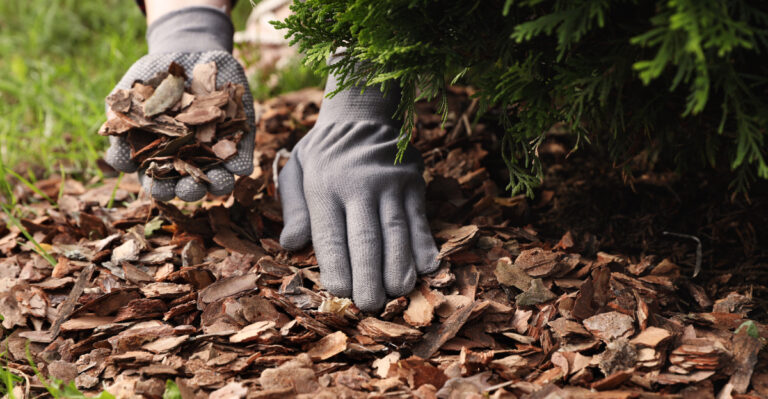
Mulch volcanoes look tidy but can cause trouble. When mulch piles up against the trunk, it holds moisture right against the bark for days at a time.
Damp bark may invite rot, fungal problems, and gnawing from rodents hiding underneath.
Grab a rake or your hands and pull mulch back a few inches from the base. A small gap around the trunk lets air move and helps the bark dry out between rains.
Spread the rest in a wide, even ring out toward the drip line.
Pine straw, shredded bark, and wood chips all work fine. Across Georgia, pine straw is easy to find and breaks down slowly.
Keep the layer moderate, usually a couple of inches, instead of piling it deep.
During a wet El Niño winter, a thick layer can keep soil soggier than you want, especially in clay. Lighter coverage often makes more sense where drainage is already slow.
Mulch still earns its place by protecting roots, slowing weeds, and holding steady soil temperatures.
Check the ring again after storms, since heavy rain can wash material back toward the trunk. A quick touch-up takes only a minute or two per tree.
6. Fallen Diseased Fruit Can Carry Infection Into Spring
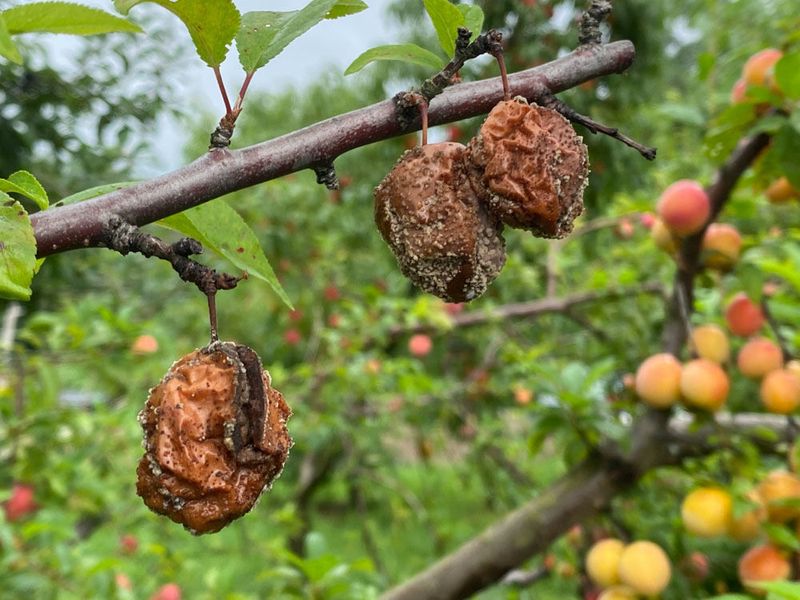
Shriveled, leathery fruit hanging on a branch is more than an eyesore. Those mummies, often left behind by brown rot on peaches and plums, can hold fungal spores through winter.
When spring rain arrives, spores may spread to new blossoms and young fruit.
Cleanup is one of the easiest steps you can take now. Pick mummies off branches, rake up dropped fruit, and remove fallen leaves from under trees that had disease problems.
Bag the debris and put it in the trash, or bury it if local rules allow.
Composting diseased fruit at home is usually not a great idea. Backyard piles often do not get hot enough to break down disease organisms reliably.
Wet winters can make sanitation even more useful, since moisture helps many fungi survive and spread.
Apples and pears may carry their own issues, like rot on old fruit or scab on fallen leaves. Clearing debris helps with several diseases at once, though it will not solve every problem.
Growers in Georgia often pair winter cleanup with a dormant spray program.
Ask your Extension office which products and timing fit your trees. Good sanitation simply lowers the amount of disease waiting around when blooms open.
7. Weak Or Cracked Branches Are Easier To Remove Before Ice Arrives
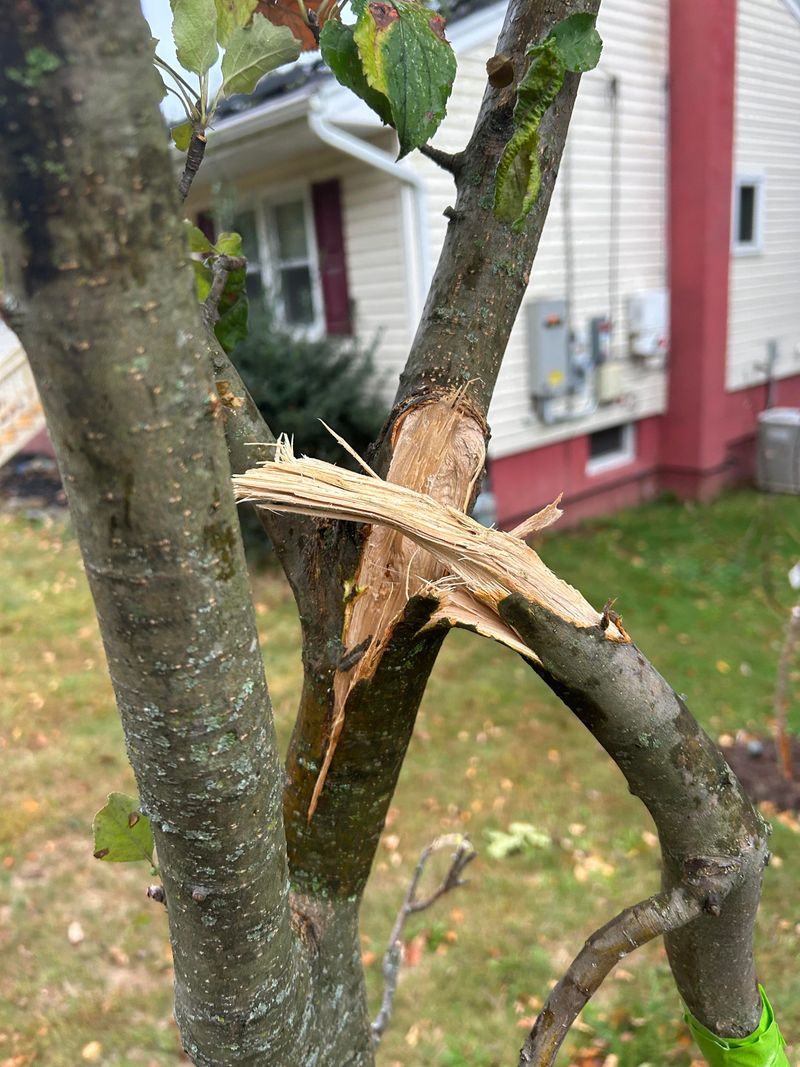
Ice storms are not common every winter, but they do happen. North Georgia and parts of the Piedmont see freezing rain now and then, and a thin coat of ice adds surprising weight to limbs.
Already weak branches are usually the first to break.
Take a slow walk around each tree and look closely. Watch for cracks, splits at narrow crotches, broken stubs from summer storms, and limbs rubbing against each other.
Removing a cracked limb now is far safer than dealing with a torn one hanging overhead later.
Clean cuts heal better than jagged breaks. Cut just outside the branch collar, the slightly swollen ring where a limb meets the trunk, and skip wound paint.
Sharp pruners or a small saw make tidy work of most home-tree limbs.
Full structural pruning is a different job. Many Extension specialists suggest pruning peaches in late winter, closer to bloom, so save major shaping for then.
For now, focus only on clearly damaged or hazardous wood.
Large limbs or anything near power lines belong to a certified arborist. Safety matters more than saving a few dollars.
Disinfecting tools between trees with diseased wood can help limit spread too.