9 Things To Do When A Coyote Starts Hanging Around Your Arizona Yard
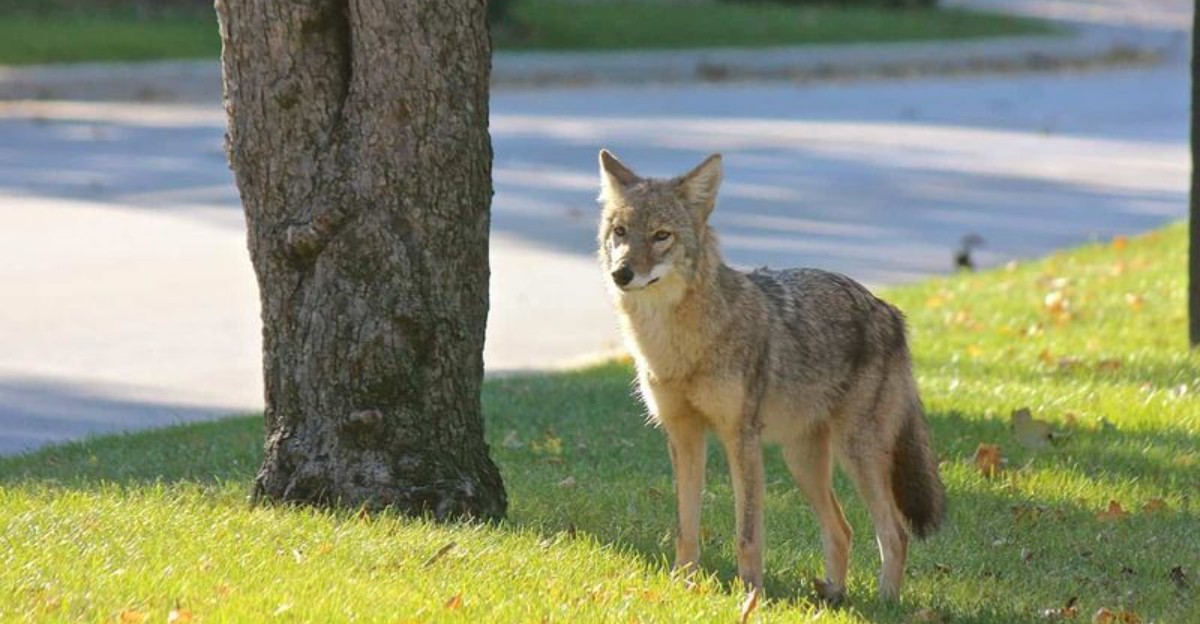
You step outside at dawn with your coffee and spot a lean, sandy-colored coyote trotting past your palo verde like it pays rent. In the Phoenix and Tucson suburbs, that moment is more common than most people think.
Coyotes are smart, adaptable, and always on the lookout for an easy meal or a cool hiding spot. The good news is that a few simple changes can teach your visitor that your yard is not worth the trip.
1. Haze It With Noise and Motion
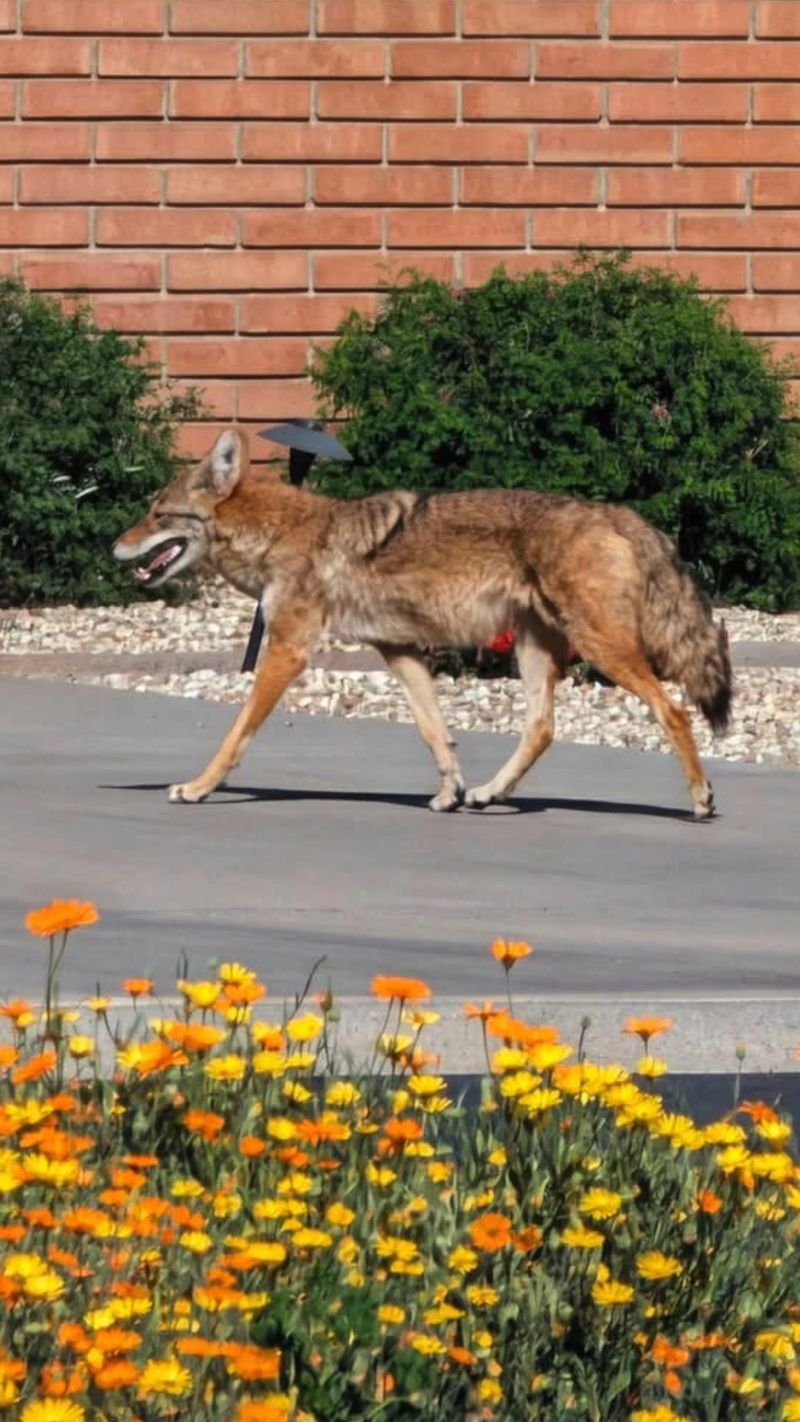
Picture a coyote strolling across your gravel like a tourist at a resort. Your job is to ruin its vacation, fast.
Hazing means making the animal feel unwelcome so it relearns a healthy fear of people.
Shout in a deep voice, clap your hands, or bang a pot with a metal spoon. Wave your arms over your head to look bigger, and step toward the coyote instead of backing away.
Running can trigger a chase instinct, so stand tall and stay bold.
Tossing small pebbles or sticks in its direction, not at it, adds extra encouragement to leave. A blast from the garden hose works wonders too, and in July it may be the only cool water that coyote sees all day.
Some homeowners keep an empty soda can filled with a few coins by the back door for a quick rattle.
Consistency is the secret ingredient. If every person in the house hazes the coyote every time it shows up, the lesson sticks much faster.
One timid response can undo a week of progress, so get the whole family on the same page.
Keep going until the coyote fully leaves your property, then watch for a repeat visit.
2. Never Offer Food on Purpose
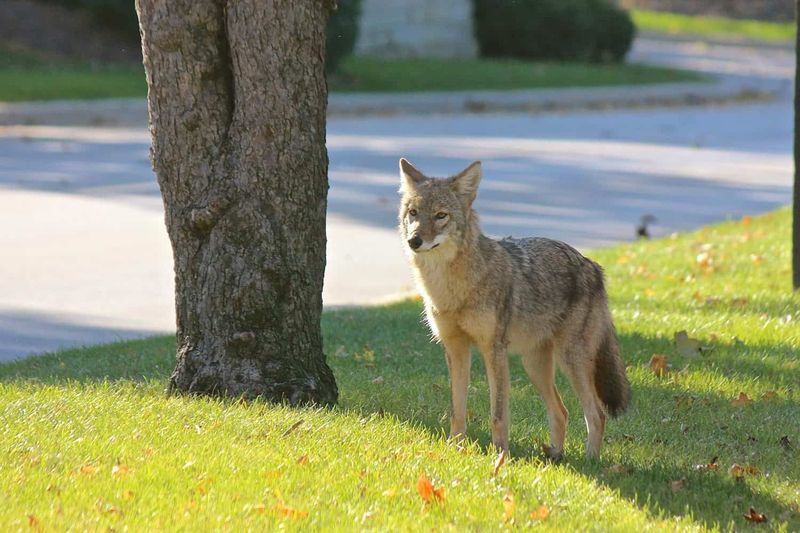
Kindness can backfire in the desert. Tossing a coyote leftover chicken might feel generous, yet it teaches the animal that humans equal snacks.
Once that link forms, the coyote may grow bolder around kids, pets, and front doors.
Here is a detail many newcomers miss. Feeding wildlife, with exceptions for birds and tree squirrels, is unlawful in Maricopa, Pinal, and Pima counties.
That covers most of the Valley and the Tucson area, so a well-meant handout can actually land you in trouble.
Talk with your neighbors, too. A single household leaving out scraps can draw coyotes to an entire block, and then everyone pays the price.
A friendly chat over the fence or a note in your HOA newsletter can go a long way.
Remember that coyotes are skilled hunters on their own. They thrive on rabbits, packrats, insects, and desert fruit like prickly pear.
They do not need our help, and they stay healthier and more naturally cautious when they forage the way nature intended.
Think of it as respect rather than neglect. A wild coyote that keeps its distance is a coyote with a much better future in your neighborhood.
3. Bring Pets and Their Bowls Inside
Your fluffy Maltese looks like family to you. To a hungry coyote, it may look like dinner.
Your Arizona Garden Changes Every Week. Your Plan Should Too.
Gardening in Arizona changes quickly throughout the season. Every Friday you’ll receive a simple weekly plan showing exactly what to plant, prune, fertilize, harvest, and protect so you never miss the right timing.
Small dogs and outdoor cats are at real risk, especially during dusk, night, and early morning when coyotes are most active.
Start with mealtime. Feed pets indoors whenever possible, and if you serve food outside, pick up the bowls as soon as your pet finishes.
Kibble left on the patio overnight is basically a dinner bell for coyotes, packrats, and roaches alike.
Water bowls deserve attention too. During a 112-degree summer, a full dish of water is a magnet for thirsty wildlife.
Bring it in after your pet drinks, or keep fresh water inside the house.
Supervision matters more than any gadget. Step outside with small pets for evening potty breaks, use a short leash, and flip on the porch light first.
A quick scan of the yard before opening the door takes just seconds.
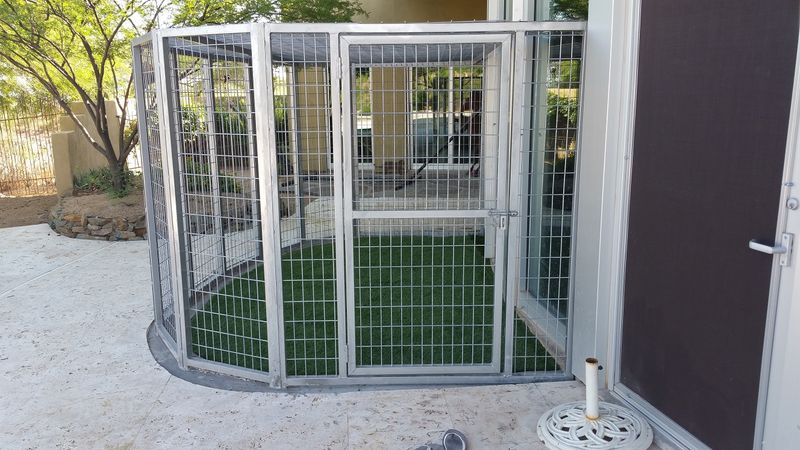
Cats are safest as indoor companions in coyote country. If your kitty loves fresh air, a screened catio lets it watch lizards and hummingbirds without becoming a target.
4. Lock Down Trash and Compost
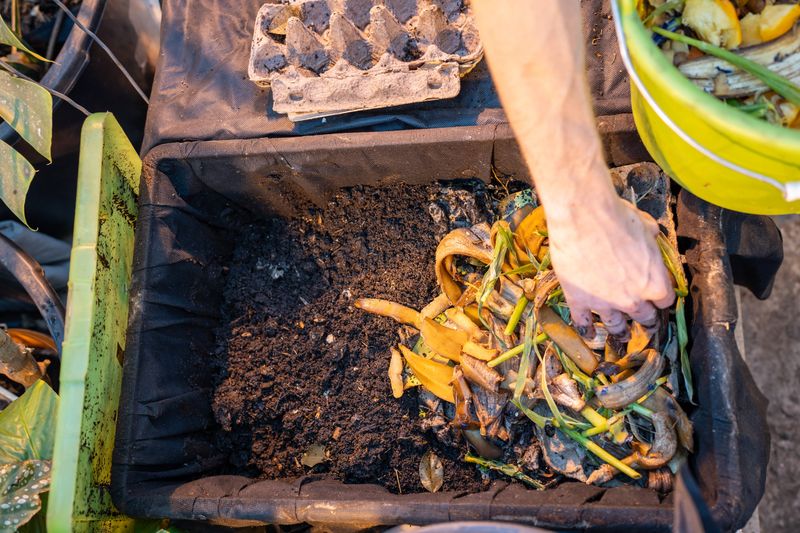
Ever found your garbage scattered across the driveway like confetti? Coyotes, along with javelinas in some neighborhoods, are expert dumpster divers.
A loose lid is an open invitation.
Choose trash cans with locking or tight-fitting lids, or strap them shut with sturdy bungee cords. Even better, store the bins in your garage or a shed until collection morning.
Rinsing out greasy food containers before tossing them also cuts down on tempting smells.
Compost is a wonderful habit for desert gardeners, since it builds soil that caliche never gives you naturally. Still, it needs some rules.
Keep piles securely covered, use an enclosed tumbler if possible, and skip meat, dairy, and eggs completely.
Stick to vegetable scraps, coffee grounds, shredded paper, and dry palo verde leaves. Turning the pile regularly helps it break down faster, which means fewer odors drifting through the yard at night.
Fun fact: a coyote can smell food from a surprising distance, so even a small whiff from a trash bag can draw one in from the wash behind your house. Sealing up these scents may help your yard fade from its nightly route map.
5. Pick Up Fallen Fruit Fast
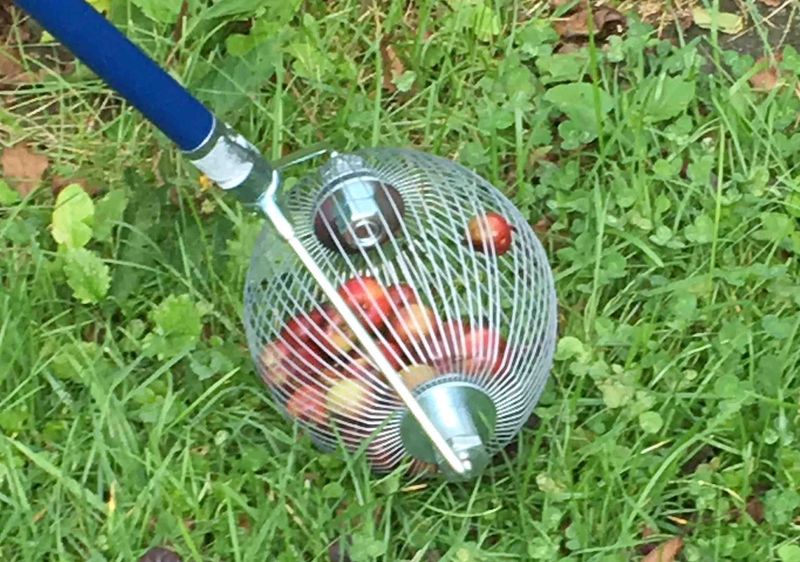
That backyard orange tree is a treasure from December to March. It is also a midnight buffet if fruit piles up underneath it.
Coyotes happily munch on citrus, dates, figs, and even ripe prickly pear.
Fallen fruit creates a double problem. Coyotes eat it directly, and rotting fruit draws roof rats, mice, and birds, which happen to be favorite coyote prey.
In other words, one messy tree can stack up several reasons for a coyote to visit.
Make cleanup part of your routine. Walk under citrus, pomegranate, and fig trees daily during peak season, or at least once a week.
A grabber tool or a fruit picker on a pole saves your back and makes the job quicker.
Harvest ripe fruit before it drops, too. Many Arizona neighborhoods have groups that collect extra citrus for food banks, so your surplus can help people instead of feeding wildlife.
If you are planning new trees, consider how much cleanup you are willing to handle. A desert willow or a native mesquite with managed pods may give you shade and pollinator visits with less late-night snacking traffic.
6. Rethink Your Bird Feeders
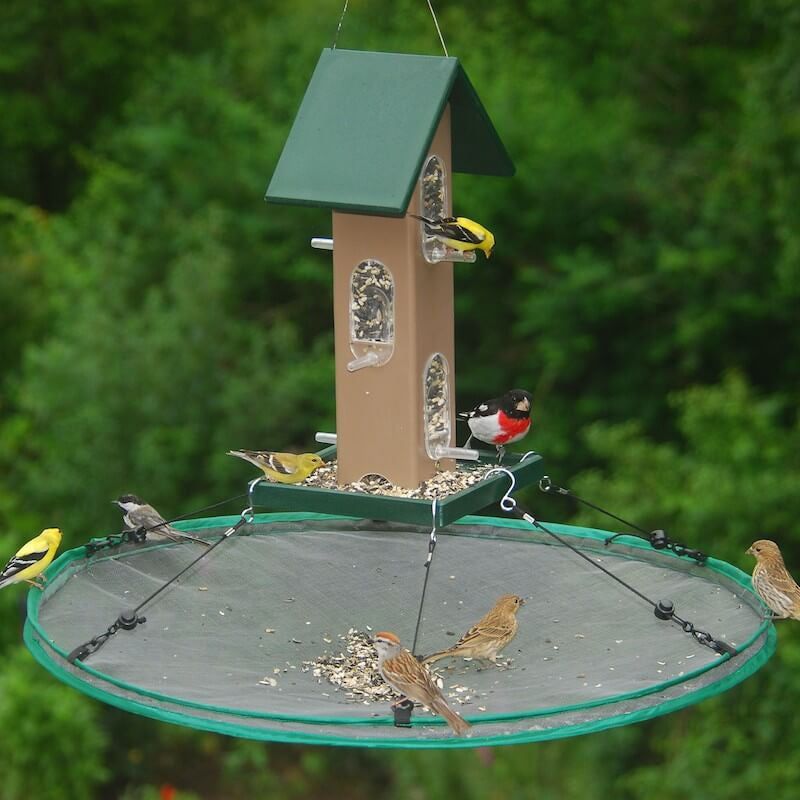
Watching Gambel’s quail and cactus wrens visit your feeder is pure joy. Unfortunately, the seed that drops to the ground tells a different story after dark.
Spilled seed brings rodents, and rodents bring coyotes.
You do not have to give up birding completely. Start by adding a seed catcher tray under each feeder, and sweep up spills every day or two.
Switching to no-mess seed blends, like hulled sunflower chips, also leaves far less waste behind.
Placement helps as well. Hang feeders away from dense shrubs and fences where a coyote could hide while stalking ground-feeding quail and doves.
Bring feeders in at night if rodent activity seems high.
Better yet, let native plants do the feeding. Penstemon, chuparosa, and desert honeysuckle draw hummingbirds with nectar instead of loose seed.
Brittlebush and globe mallow offer seeds in a more natural, spread-out way that tends to attract fewer rodents to one spot.
A small bird bath with a drip line kept off the ground can still give birds a cool drink in summer. You get a lively, wildlife-friendly yard without ringing the dinner bell for coyotes.
7. Open Up Hiding Spots and Sightlines
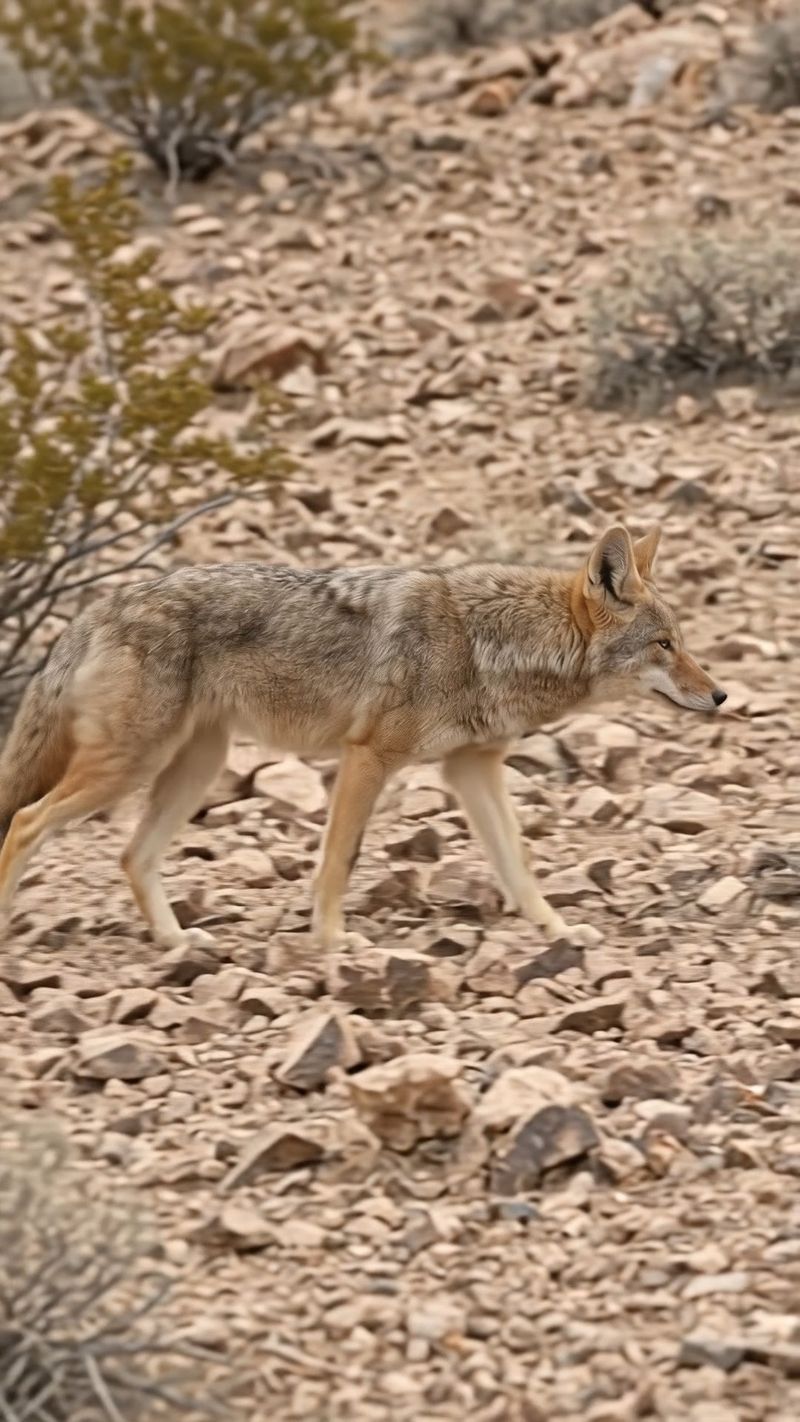
Coyotes love a good hideout. An overgrown oleander hedge or a tangle of brush against the back wall makes a perfect shady den during a scorching afternoon.
Take away the cover, and your yard feels far less cozy.
Trim shrubs so you can see underneath and through them. Raise the canopy on mesquite and palo verde trees by removing low-hanging branches, which also improves airflow and helps the trees handle monsoon winds.
Fall and late winter are great times for this work, when temperatures are friendly for both you and your plants.
Pay special attention to anything near fences. A woodpile, a stacked pallet, or a thick shrub can act like a ladder for a coyote hopping over your wall.
Clear a buffer zone along the perimeter.
Bonus perk: tidying up dense debris and woodpiles also makes your yard less inviting to scorpions and packrats. Fewer hiding places for small critters means less prey for coyotes, too.
Motion-activated lights aimed across open areas can startle a nighttime visitor. Pair them with clear sightlines, and you will spot movement long before a coyote gets comfortable.
8. Upgrade Your Fence and Gates
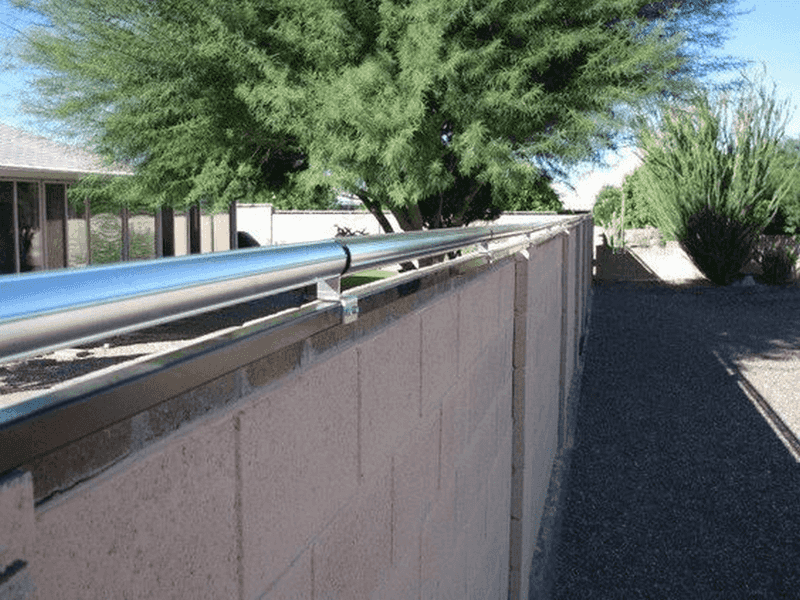
Think your six-foot block wall is a fortress? Coyotes might disagree.
These athletic animals can leap fences taller than six feet, scramble up with their back paws, and dig under weak spots in soft soil.
Coyote rollers are a clever fix. These spinning tubes or bars mount along the top of a wall or fence, so when a coyote tries to grip the edge, the roller turns and it slides right off.
Many Arizona homeowners find them a tidy option that blends in with stucco walls.
Digging calls for a different defense. Install an L-shaped apron of heavy-gauge wire mesh along the base, extending at least one to two feet outward on the ground.
Cover it with gravel or decomposed granite so it disappears into your landscape.
Gates are often the weakest link. Check for gaps underneath, especially where soil has washed out after monsoon storms.
A threshold strip, extra mesh, or a few pavers can seal those openings.
Walk your fence line every few months. Look for loose blocks, sagging wire, or fresh dig marks.
Small repairs now save headaches later.
9. Plant a Prickly Native Barrier
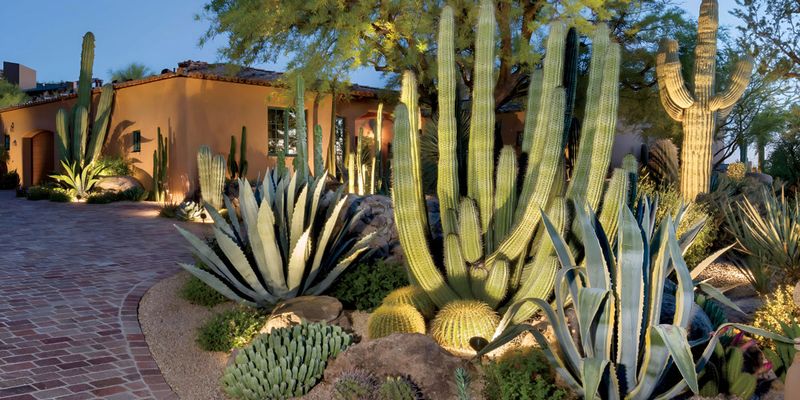
Mother Nature already built some of the best coyote deterrents, and many of them thrive in Arizona heat. A spiny living border can make your yard less appealing to cross while saving water and supporting pollinators.
Try lining property edges with agave, prickly pear, ocotillo, or desert spoon. Ocotillo even works as a living fence when canes are planted close together, and its red spring flowers bring hummingbirds.
These natives handle 110-degree summers and alkaline soil with very little irrigation.
Thorny shrubs like firethorn and barberry are often suggested elsewhere, but they can struggle in the low desert without extra care. Native options usually make a smarter, lower-fuss choice here.
Plant them in fall, from October through November, so roots establish before summer.
Scent may play a role too. Rosemary, lavender, and Mexican marigold release strong aromas that coyotes might find unpleasant, and rosemary shrugs off Phoenix heat beautifully.
Results vary, so think of scented plants as a helpful bonus rather than a force field.
Finally, favor plants that do not drop heaps of berries or fruit. Less dropped food means fewer rodents, and fewer rodents can mean fewer coyote visits.