The Texas Native Plants That Handle A Dry Fall Without Extra Water
Fall is supposed to bring relief. Cooler mornings, milder afternoons, and a few good rain showers to soak the ground. In Texas, the rain doesn’t always show up.
Some years, autumn turns into a long, dry stretch. The temperatures ease, but the soil stays parched for weeks. Many popular landscape plants start to struggle, dropping leaves, wilting by afternoon, or looking dull.
Native plants tend to handle those dry spells with far less fuss. Many have deep roots that tap into moisture well below the surface.
Others have fuzzy, silvery, or waxy leaves that help them hold on to water. A few simply slow down and wait for better conditions, then bounce back when rain finally returns.
Planting more of these tough natives means less time dragging the hose and more time enjoying the season.
1. Texas Sage Brings Silver Leaves And Surprise Blooms
Old-time Texans call it the barometer bush. Why? It often bursts into flowers right before or after a rain, almost like it can feel the weather changing.
Texas sage, also known as cenizo, is one of the toughest shrubs you can grow in the Lone Star State.
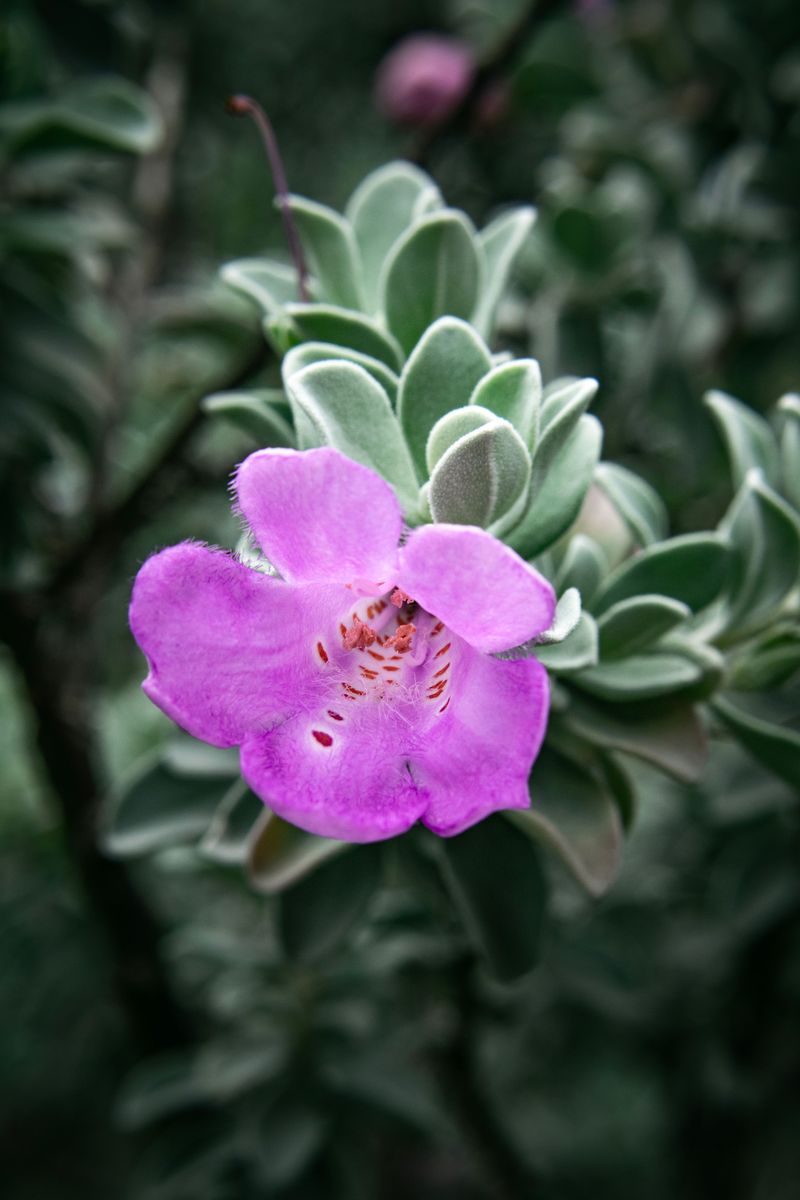
The first thing most people notice is the silvery foliage. Those soft gray leaves reflect harsh sunlight and help the plant hold on to moisture.
Even during a long dry fall, the shrub keeps looking neat and bright. Then, after even a small shower, it covers itself in lavender-purple blooms. The show can be so thick that the whole bush seems to glow.
Texas sage loves full sun. Give it at least six hours of direct light each day, and it will reward you. Shade makes it leggy and shy about flowering. It also needs soil that drains fast.
Rocky, sandy, or gravelly ground is perfect. Heavy clay that stays soggy can cause root rot, so mix in some gravel or plant it on a slight slope.
Water it regularly for the first year while the roots grow deep. After that, you can mostly put the hose away. Rainfall is usually enough. In fact, too much water and fertilizer can make the plant floppy and less colorful.
Pruning is simple. Skip the tight boxy shapes you see in some parking lots. Instead, trim lightly in late winter to keep a natural, rounded form. Most types grow four to six feet tall and wide, so give them room.
Bees love the flowers, and deer usually leave the plant alone. That makes it a smart choice for rural and suburban yards alike.
2. Skeleton-Leaf Goldeneye Keeps The Sunshine Going
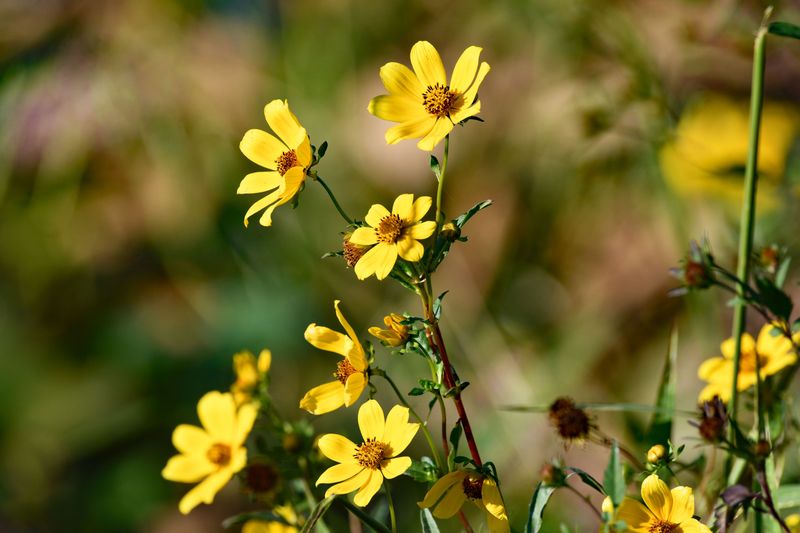
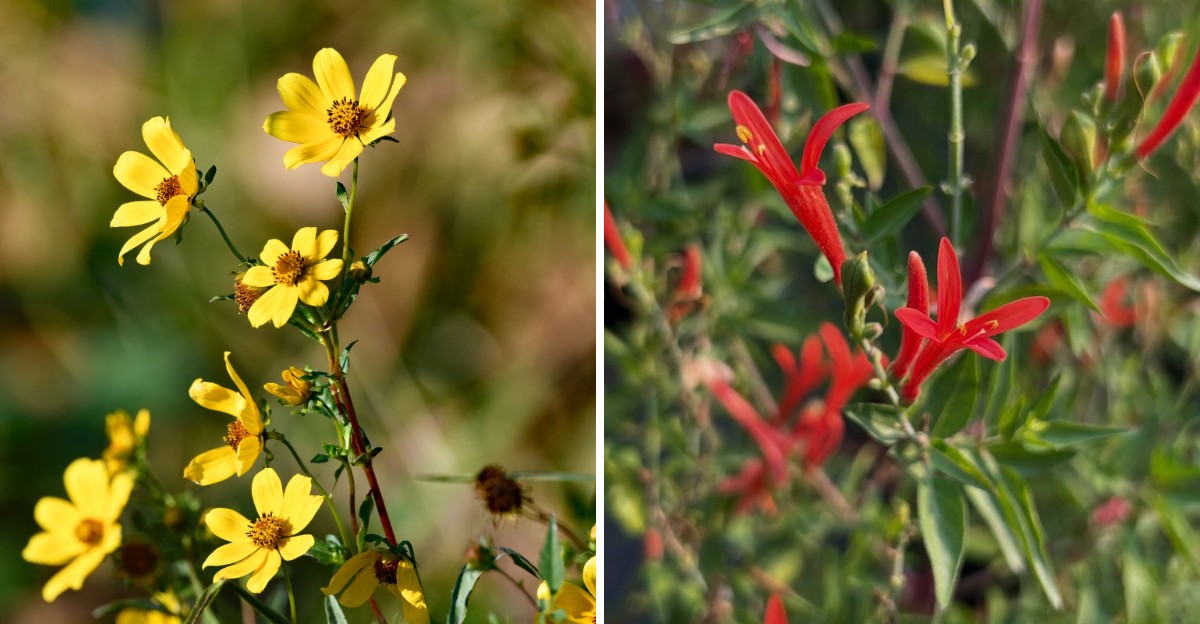
Don’t let the spooky name fool you. Skeleton-leaf goldeneye is one of the cheeriest plants in any Texas garden. Its name comes from its thin, deeply cut leaves, which look a bit like tiny bones or fish skeletons.
Those narrow leaves are the secret to its toughness. Less leaf surface means less water lost to hot sun and dry wind.
So while other plants droop in October, this little shrub keeps on blooming. Small yellow flowers with golden centers pop up from spring all the way into late fall. Sometimes it even blooms into early winter if frost stays away.
Your Texas Garden Changes Every Week. Your Plan Should Too.
Gardening in Texas changes quickly throughout the season. Every Friday you’ll receive a simple weekly plan showing exactly what to plant, prune, fertilize, harvest, and protect so you never miss the right timing.
Goldeneye grows wild across West and Central Texas, often in rocky hills and dry canyons. That tells you a lot about what it likes.
Think lean soil, lots of sun, and good drainage. Rich garden beds with lots of compost are not needed. Actually, poor soil keeps the plant compact and tidy.
Plan for a shrub about two to three feet tall and just as wide. It works nicely along a sidewalk, in a rock garden, or tucked near a hot driveway where few other plants survive. Pair it with Texas sage or blackfoot daisy for a natural mix of colors.
Here is a handy tip. Cut it back by about one third in late winter. That light haircut encourages fresh, full growth and even more flowers. Water deeply a few times during its first summer, then let nature take over.
Butterflies and small native bees visit the blooms often. Later, seed-eating birds may pick at the dried flower heads. One plant can turn a dull corner into a busy little wildlife stop.
3. Blackfoot Daisy Thrives On A Little Neglect
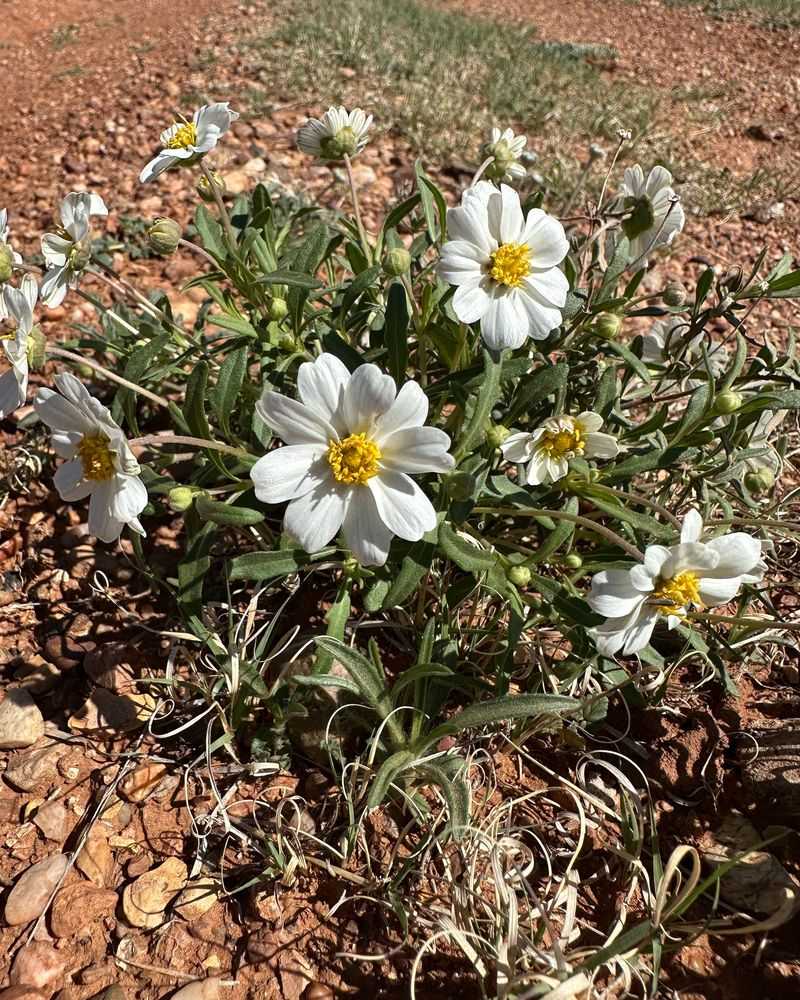
Some plants want constant care. Blackfoot daisy is the opposite. Treat it like a fussy houseplant, and it will actually sulk. Give it a hot, rocky spot and then mostly walk away, and it will thrive.
Blackfoot daisy forms low, rounded mounds about a foot tall and up to two feet wide. From spring into fall, those mounds are sprinkled with white flowers that have sunny yellow centers.
The blooms smell faintly of honey, which is a nice surprise when you bend down for a closer look.
So where does the odd name come from? Look at the base of an older plant. The stems near the ground often turn dark, almost black. That is how this sweet little flower earned its name.
The biggest mistake gardeners make is overwatering. Wet roots cause the plant to decline fast. Avoid planting it near sprinklers or in low spots where water collects.
Instead, choose a sloped bed, a raised border, or a crack between paving stones. Gravel mulch works better than wood mulch because it keeps the crown dry.
Once established, blackfoot daisy shrugs off long dry falls. Its deep taproot reaches moisture far below the surface.
You might give it a drink during its first few months, but after that it can live on rainfall alone in most of Texas.
For a pretty look, plant several in a row along a path edge. They also spill nicely over rock walls and containers.
A light trim in late winter keeps them full. Bees and small butterflies stop by all season, so you get a lot of life from one small plant.
4. Fall Aster Throws A Purple Party For Monarchs
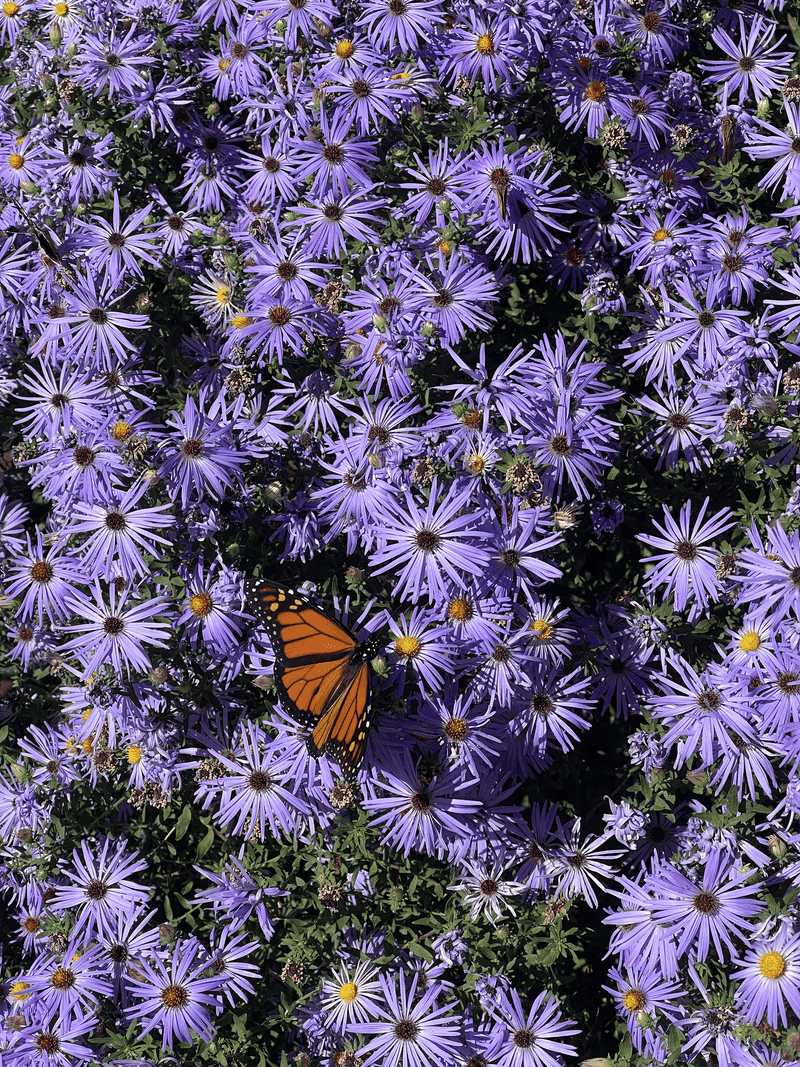
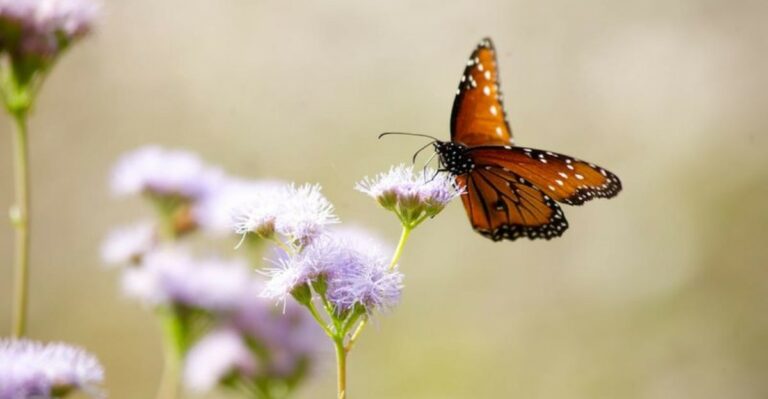
Every October, a big orange parade flies over Texas. Millions of monarch butterflies travel south to Mexico, and they need food along the way. Fall aster is like a roadside diner for them, open right when they need it most.
For most of the year, fall aster is a quiet, green mound. You might hardly notice it in summer.
Then, as the days get shorter, it suddenly covers itself in small purple flowers. The bloom can be so thick that you can barely see the leaves. It usually peaks in October and November, when many other plants are finished.
The best part is how little it asks for. Once the roots are settled, fall aster handles dry weather like a pro.
It keeps blooming even when the autumn rains don’t show up. Full sun is best, though it can take a bit of afternoon shade.
Want a neat, round shape? Try this trick used by many Texas gardeners. Pinch or trim the stems back by about half in late spring and again in early summer.
Stop trimming by mid-July. This keeps the plant compact and helps it make more flower buds.
After the blooms fade, cut the plant back to a few inches tall. New growth will appear in spring. Every few years, you can dig up and divide large clumps to share with friends or spread around your yard.
Plant several fall asters together for a bigger splash of color. Watching a cluster of monarchs sip nectar on a cool fall morning is a sight you will not forget.
5. Flame Acanthus Fuels Hungry Hummingbirds
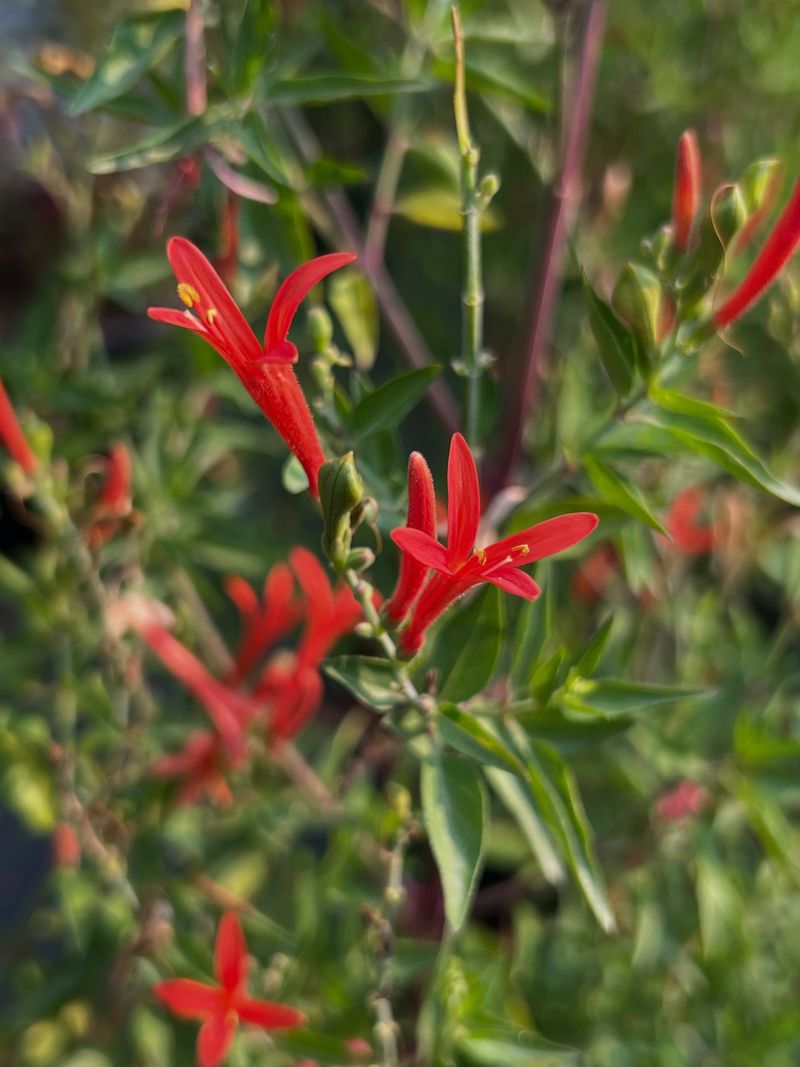
Hummingbirds have a favorite gas station in Texas, and it is called flame acanthus. Plant one, and you may soon see tiny birds zipping in to sip from its glowing flowers.
Flame acanthus is a native shrub from South and West Texas. It handles brutal heat and long dry spells without complaint.
From early summer until the first frost, it is loaded with skinny orange-red flowers shaped like little tubes. That shape fits a hummingbird’s long beak perfectly.
Timing matters here. In late summer and fall, hummingbirds fatten up before flying across the Gulf of Mexico or down to Central America.
Some birds double their weight for the trip. A shrub full of nectar during a dry fall can make a real difference for them.
Growing flame acanthus is about as easy as it gets. Give it full sun or light shade and soil that drains well. It grows about three to four feet tall and wide.
Water it during its first summer, then let it rely on rain. Extra water just makes it grow faster and floppier.
Every late winter, cut it back hard, down to about a foot tall. That may feel scary, but the plant loves it. Fresh stems pop up in spring and produce even more flowers. Without pruning, it can turn woody and thin.
Fun fact: the plant sometimes goes by the name hummingbird bush. Butterflies visit too, so your yard gets double the action.
Deer usually ignore it, which is great news for Hill Country gardeners. Put it near a window or patio so you can enjoy the busy visitors up close.
6. Zexmenia Shines With Easygoing Charm
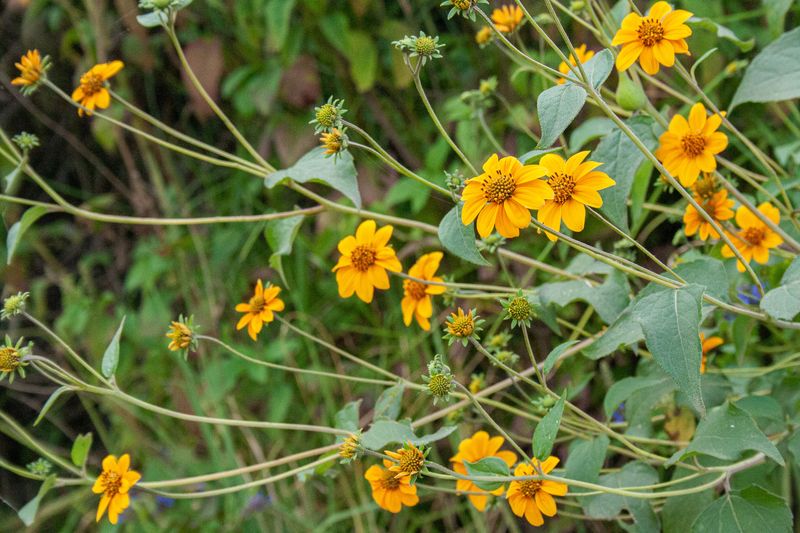
Here is a plant with a funny name and a laid-back attitude. Zexmenia, pronounced zex-MEE-nee-uh, is a low, shrubby perennial that simply keeps going. Heat, drought, poor soil? It barely notices.
From summer into fall, zexmenia is dotted with orange-yellow flowers that look like tiny sunflowers.
The color is warm and rich, a little deeper than plain yellow. The leaves feel slightly rough, like fine sandpaper. That texture helps the plant hold water during hot, dry weeks.
Most plants grow about two feet tall and a bit wider. That size makes zexmenia a great choice for borders, slopes, and the front of a flower bed.
It also fills in sunny spots where grass struggles. Many Texas homeowners use it to replace patches of thirsty lawn.
Sun is key. Plant it where it gets at least six hours of direct light. In too much shade, it grows lanky and makes fewer blooms.
As for soil, almost anything works as long as water drains away. Rocky limestone soil in Central Texas suits it just fine.
Care is very simple. Water it weekly the first summer, then cut back to only during extreme drought, if at all.
In late winter, trim the plant back by about half to keep it tidy. You can also shear off old flowers in midsummer for a fresh round of blooms.
Butterflies love the bright flowers, and finches sometimes snack on the seeds. Zexmenia is also fairly deer resistant. If you want steady color without a lot of fuss, this cheerful little plant is hard to beat.
7. Lindheimer’s Muhly Adds Graceful Movement
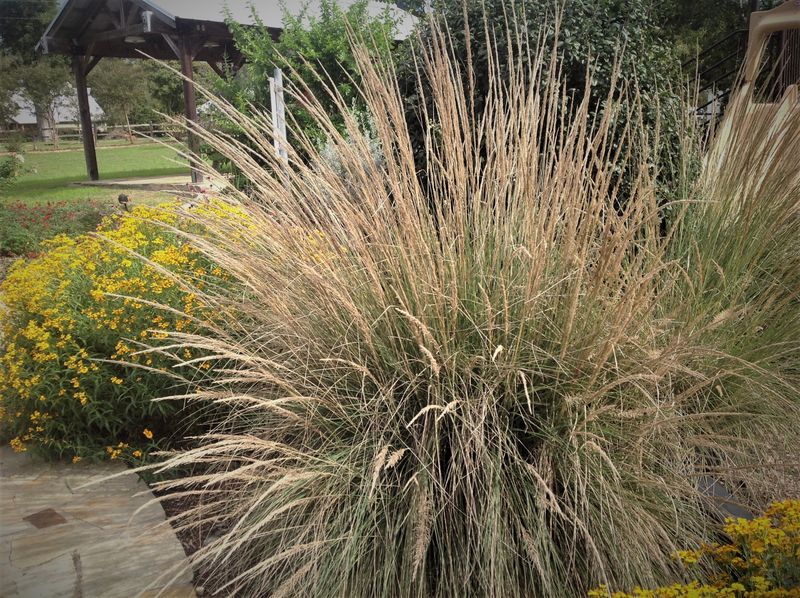
Ornamental grasses add something flowers cannot. They move. When a breeze rolls through, Lindheimer’s muhly sways and shimmers like a calm ocean wave right in your yard.
The plant is named after Ferdinand Lindheimer, a German botanist who explored Texas in the 1800s. He is often called the father of Texas botany. Many native plants carry his name, but this grass might be the most handsome of them all.
Lindheimer’s muhly forms big, fountain-shaped clumps of blue-green leaves. They can reach three to five feet tall and wide.
In fall, tall stems rise above the leaves, topped with silvery plumes. When the late afternoon sun hits them, they practically glow.
Its real strength lies underground. The deep roots reach far down to find moisture, so the grass handles long dry spells once it is established.
That makes it a smart swap for thirsty grasses like pampas grass, which can also spread where it is not wanted.
Plant it in full sun or partial shade. It tolerates many soils, even clay, as long as water does not sit around the roots. Water regularly the first year, then let rainfall do most of the work.
Leave the plumes standing through winter. They look lovely with frost on them, and birds may use the clumps for shelter. In late winter, cut the whole plant down to about six inches. Fresh green leaves will come back in spring.
Use one as a centerpiece, or plant a row to make a soft screen. Either way, you get beauty with very little water.
8. Red Yucca Stands Tall With Coral Spikes
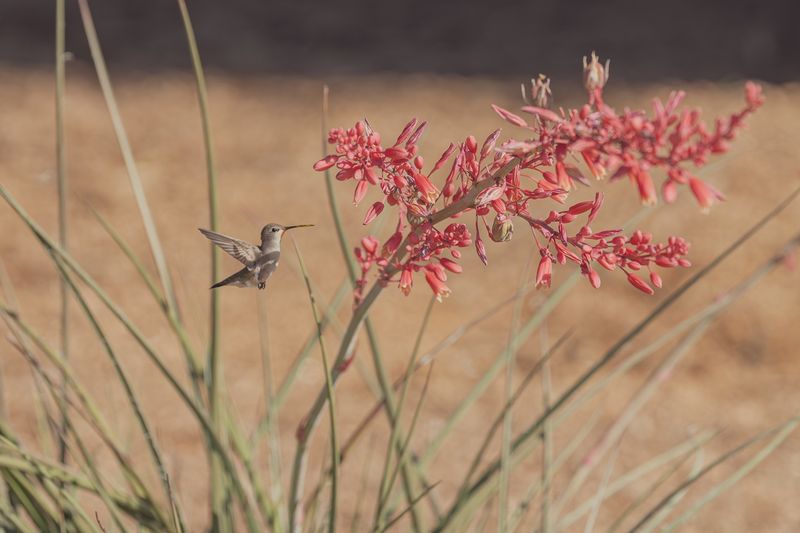
Surprise! Red yucca is not really a yucca at all. It belongs to a different plant group, even though its long leaves look a lot like its spiky cousins. The good news is that it has no sharp tips, so it is safe to plant along walkways.
Red yucca grows in a tidy clump of narrow, arching leaves about two to three feet tall. The leaves stay green all year, which means your garden never looks bare.
In spring, tall flower spikes shoot up as high as five feet. Coral-red, bell-shaped flowers line the stems, and they often keep blooming well into fall.
Hummingbirds adore those flowers. You may see them hovering around the spikes for hours. Bees visit too, making the plant a lively spot in the yard.
When it comes to water, red yucca is a champion. Once established, it needs almost none. It thrives in full sun, blazing heat, and dry, sandy, or rocky soil.
You will often see it in parking lots and highway medians across Texas because it is so tough.
Care takes just a few minutes a year. Snip off old flower stalks once they turn brown. Remove any dried leaves at the base. That is about it. Over time, the clump slowly gets wider, and you can divide it to make new plants.
One tip for deer country. Deer sometimes nibble the flower stalks, so plant red yucca closer to the house or among less tasty plants. Want a yellow twist? Look for the yellow-flowered variety for a fun change of color.