Fireplace Ash Can Help Your Missouri Garden, But Only Where The Soil Needs It
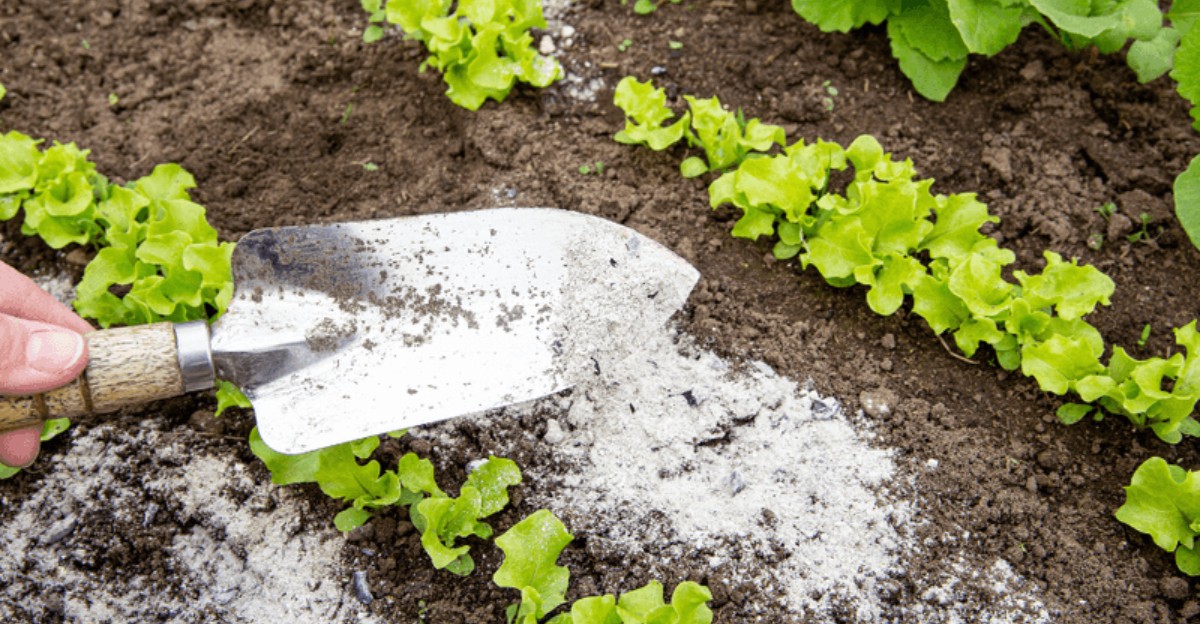
The gray powder left in a fireplace can raise soil pH, much like the lime sold at garden centers. Most of that power comes from calcium, which makes up much of what remains after hardwood burns.
Missouri soils vary a lot, and many Ozark gardens lean acidic while some river bottom soils sit near neutral. I believe that difference matters a great deal, because the same scoop can help one bed and hurt another.
A fire can look cold by bedtime, yet buried coals in the pile can stay hot for several days. You need to treat that leftover heat with respect before anything heads outside to the garden or compost bin.
October in Missouri brings the first chilly evenings, and I like how a crackling fire turns into a garden question. So what is your soil actually asking for this fall, and has anyone checked it lately?
A Liming Boost Reserved For Acidic Soil
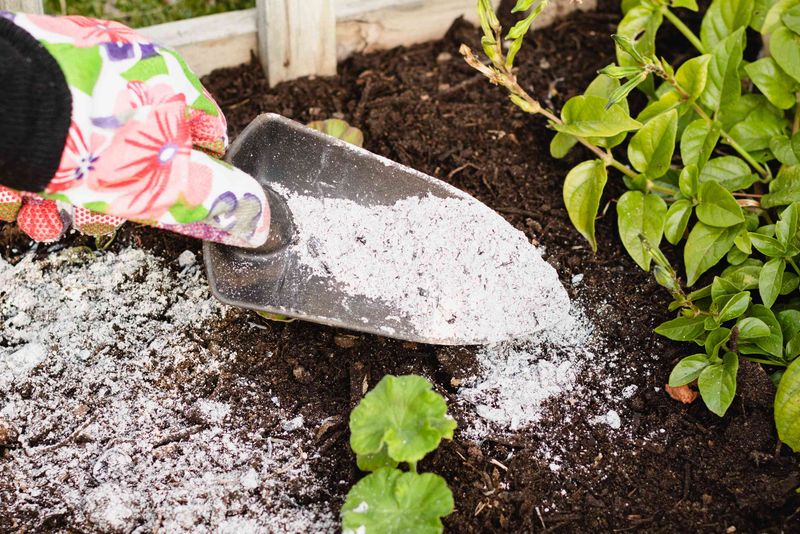
Wood ash from your fireplace acts as a mild liming material, so it mainly helps overly acidic soil. University extension services report that wood ash has roughly half the acid-neutralizing power of ground agricultural limestone.
Most vegetables and lawn grasses grow best when soil pH sits between about 6.0 and 7.0 on the scale. Below that range, nutrients like phosphorus become harder for roots to reach, and plants often look pale or stunted.
Ash also carries potassium, along with smaller amounts of magnesium and phosphorus that garden plants can use over time. It contains almost no nitrogen, though, so it cannot replace compost or a balanced fertilizer in your beds.
Soil that sits near neutral or above gains little from ash, and extra alkalinity can create new problems. High pH can lock up iron, manganese, and zinc, which often shows up as yellow leaves with green veins.
Missouri has both situations, since many Ozark soils are acidic while some prairie and urban soils are not. City lots often contain buried concrete and mortar, which can push soil pH higher than you would expect.
Fall is a good time to apply ash where needed, because winter rain and snow help it mix in. Lime and ash both work slowly, so changes made in October have months to settle before spring planting begins.
Think of ash as a targeted fix for sour soil rather than a general treat you spread everywhere. Used that way, your fireplace leftovers can save money and return useful minerals to the ground they came from.
A Soil Test Comes Before The First Scoop
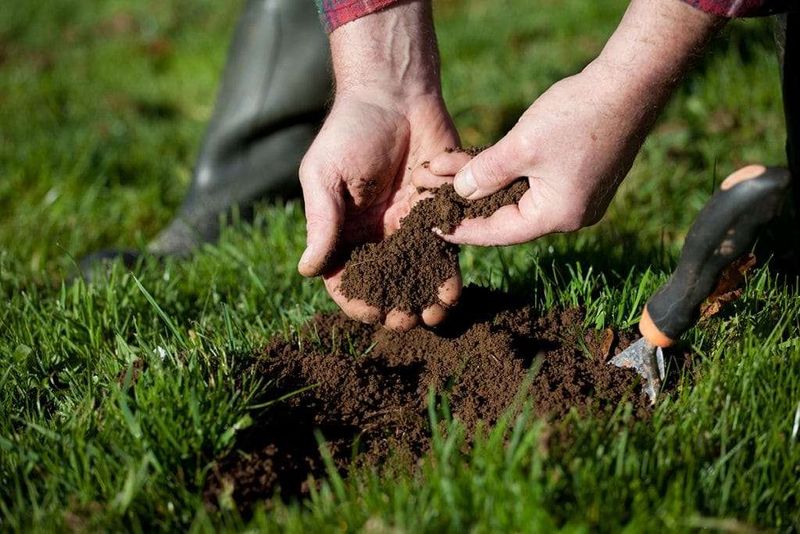
Guessing at soil pH is a bit like guessing your shoe size, and the wrong answer pinches for years. A basic soil test removes the guesswork and tells you whether ash belongs in that bed at all.
University of Missouri Extension offers soil testing through its lab and county offices for a modest fee. The report lists pH, key nutrients, and lime recommendations, so you have a clear idea of how much correction the soil needs.
To collect a sample, take small slices of soil from about ten spots across one garden area. Dig down roughly six inches for vegetable beds, or about three inches for lawns, then mix everything in a bucket.
Your Missouri Garden Changes Every Week. Your Plan Should Too.
Gardening in Missouri changes quickly throughout the season. Every Friday you’ll receive a simple weekly plan showing exactly what to plant, prune, fertilize, harvest, and protect so you never miss the right timing.
Keep separate samples for areas that are treated differently, such as the lawn, the vegetable patch, and flower borders. Mixing them together blends very different results and can hide the one spot that truly needs a pH boost.
October is a smart month for testing because labs are often less busy than during the spring rush. Results come back with time to spare, so any ash or lime you add can start working over winter.
Many gardeners skip testing because a home kit seems good enough, but those kits often give rough estimates only. A lab test also measures buffer capacity, which shows how strongly your soil resists a change in pH.
Retesting every three or four years helps you track progress and catch any drift toward alkaline soil early. That small habit protects your plants from well-meant ash that slowly pushes the pH past the healthy range.
Clean Hardwood Ash From Untreated Logs Only
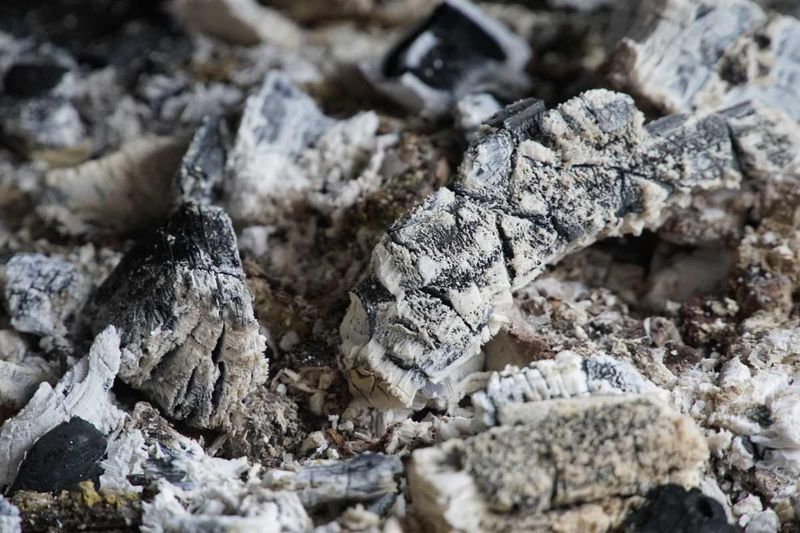
Oak, hickory, and maple logs produce more ash per cord than pine, and that ash usually carries more nutrients. Missouri forests are rich in oak and hickory, so many local woodpiles already supply the better kind of ash.
The source of the fire matters even more than the type of tree that went into it. Pressure-treated lumber, painted boards, and stained furniture scraps can leave behind metals and chemicals you do not want in soil.
Older treated wood may contain metal-based preservatives, and that concern is enough reason to keep its ash out of beds. Plywood and particleboard are also poor choices because of the glues and binders pressed inside each sheet.
Charcoal briquettes from the grill belong in the trash, since many brands include additives that help them light. Ash from colored paper, glossy magazines, or cardboard boxes with heavy printing should also stay out of the garden.
Manufactured fire logs are another item to skip, because they are made with wax and other fillers. Plain, seasoned firewood with no paint or treatment is the main source extension experts suggest for garden use.
Before scooping, sift out nails, screws, and chunks of charcoal that did not burn all the way down. A hardware cloth screen over a bucket makes this job quick and keeps sharp bits out of your soil.
Store the clean ash somewhere dry, because rain washes away much of the potassium before it reaches your beds. A covered metal can in the garage keeps the mineral value intact until you are ready to spread it.
A Thin Dusting Instead Of Heavy Piles
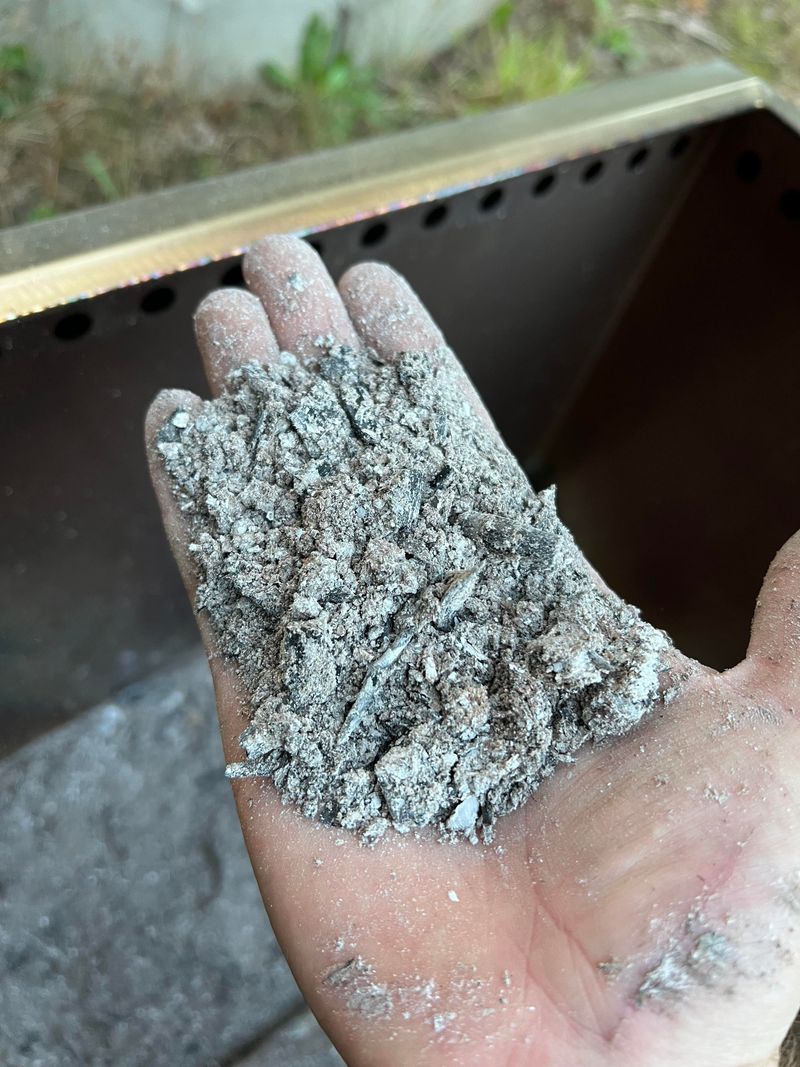
Ever notice how a little salt improves soup while dumping in a whole cup spoils the pot? Wood ash works much the same way in garden soil, where small amounts help and big amounts cause trouble.
Many extension guides suggest no more than about 15 to 20 pounds of ash per 1,000 square feet each year. That works out to roughly a five-gallon bucket spread over an area the size of a small backyard lawn.
Your soil test results should set the final amount, since sandy soils change faster than heavy clay. Much of Missouri has clay-rich subsoil, which resists pH changes and often needs patience more than extra ash.
Spread ash on a calm day, scattering it in a thin, even layer that looks like a light frost. Then rake or till it into the top few inches so it mixes with soil instead of crusting on top.
Heavy piles create pockets of very high pH and salt, which can burn roots and hurt young seedlings. Keep ash away from newly seeded rows, and give amended beds a few weeks before planting anything tender.
Wear gloves, safety glasses, and a dust mask, because fresh wood ash is caustic and irritates skin and eyes. It forms lye when wet, which is the same reason pioneers once used it to make homemade soap.
Avoid mixing ash with nitrogen fertilizers like urea or ammonium sulfate, since the reaction releases ammonia gas. Spacing those applications a few weeks apart keeps the nitrogen in your soil where plants can actually use it.
Acid-Loving Plants Better Left Untreated
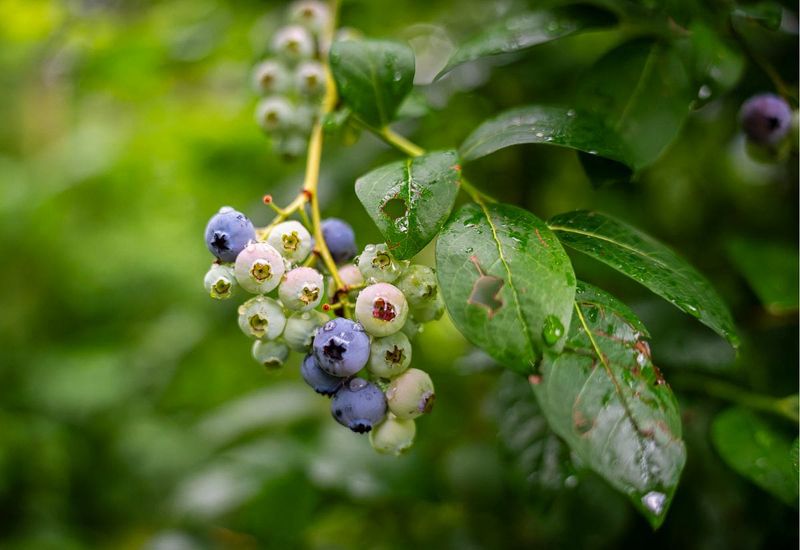
Blueberry bushes are a favorite in Missouri backyards, yet they want soil pH between about 4.5 and 5.5. Ash around their roots can raise the pH and undo the careful work of keeping that soil acidic.
Azaleas, rhododendrons, and mountain laurel also prefer acidic ground and often struggle when the pH climbs too high. Their leaves turn yellow between the veins, a sign called iron chlorosis that shows the roots cannot absorb iron.
Pin oaks planted in Missouri lawns often show this same yellowing when soil runs neutral or alkaline. Spreading ash under their canopy can make the problem worse, so skip those areas when you head outside.
Potatoes are another surprise, because higher soil pH encourages potato scab, a disease that roughens the skin. The tubers stay edible, but the corky patches make them look rough and harder to store for winter.
Grandparents who tossed ash around every plant meant well, and I still smile picturing those old habits. Today we know a little planning keeps acid-loving shrubs and berry patches healthy for many seasons to come.
Sketch a quick map of your yard and mark every bed holding plants that like sour soil. Keep that map with your ash bucket so nobody accidentally dusts the blueberries during a busy fall cleanup.
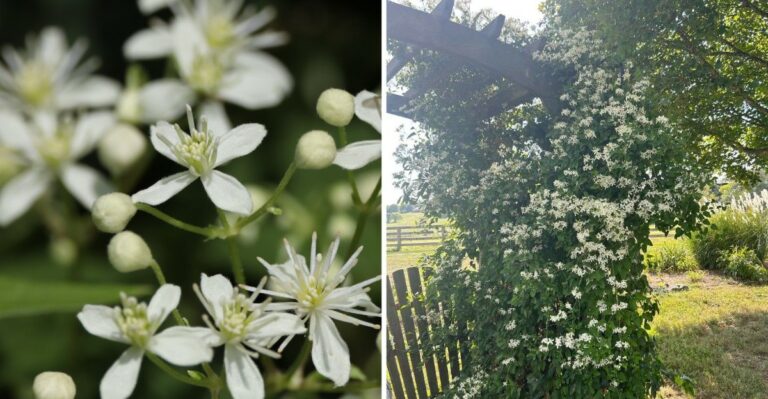
Vegetables like beans, cabbage, and garlic tolerate a slightly higher pH and their beds are better spots for the ash. Lilacs and clematis also handle near-neutral soil well, so they can share your fireplace leftovers when tests allow.
Metal Bins Keep Hidden Embers From Causing Trouble
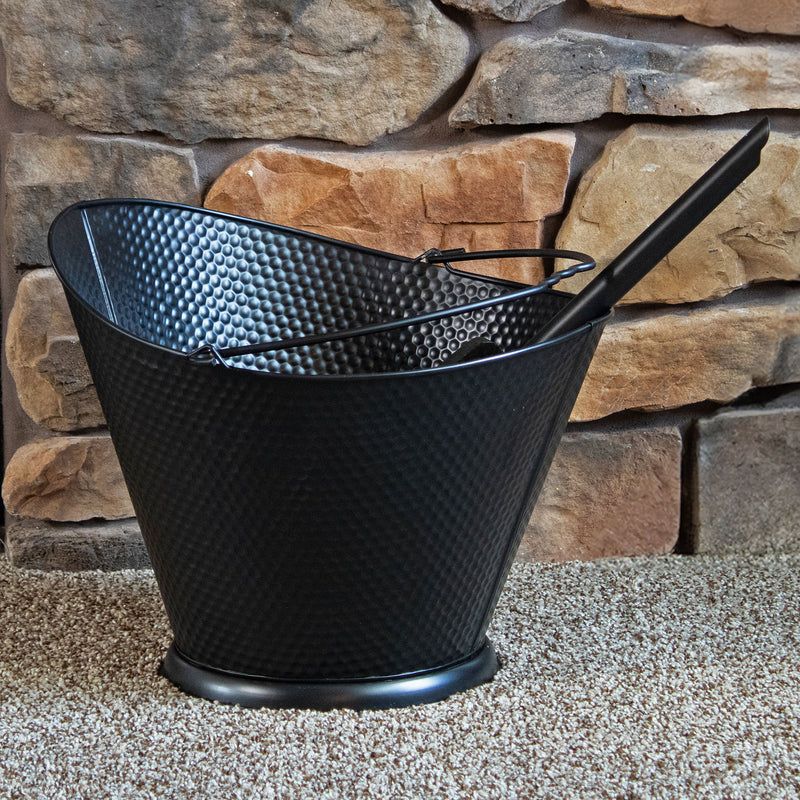
Fire departments across the country report house and garage fires that started from ash dumped into plastic buckets. Coals buried under a gray layer can hold enough heat to melt plastic and ignite paper bags for days.
The National Fire Protection Association advises using a metal container with a tight-fitting metal lid for fireplace ash. The lid limits oxygen, which helps any remaining coals cool down instead of flaring up in the wind.
Set the closed can outside on concrete or bare ground, at least ten feet from your house. Keep it away from decks, wood piles, and dry leaves, since October winds can scatter sparks surprisingly far.
Let the ash sit for several days before moving it to the garden or a storage container. Stir it with a metal shovel and feel for warmth over the pile without touching the ash directly.
Many gardeners like adding ash to compost, but hot coals in a compost pile can start a smoldering fire. Add only cooled ash in thin layers, since large amounts also raise compost pH and slow helpful microbes.
Vacuums are another risk, because a shop vac can pull a glowing ember straight into its dusty filter. A fireplace shovel and metal can handle the job safely, and both cost far less than repairs.
Once the ash is cool and dry, it becomes a useful resource for the parts of your garden needing it. A little patience in fall keeps your family safe and gives your acidic beds a steady supply next spring.