The Simple Mustard Test To Spot Jumping Worms In Your New York Garden And Mulch
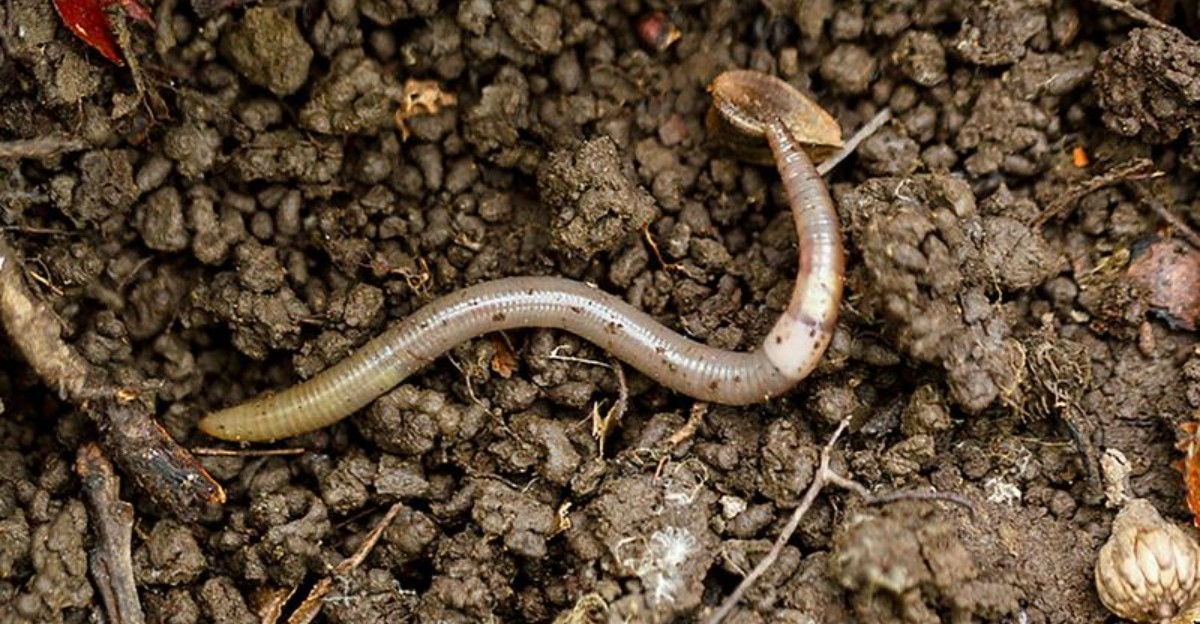
You nudge the mulch and a worm launches itself at your wrist. That rapid wriggle signals an Asian jumping worm, now well established in New York.
They consume leaf litter in weeks and leave grainy, crumbly soil that roots cannot grip. A jar of ground mustard, stirred into water, coaxes them into surfacing.
Pour the mixture across open soil and step back. Within minutes, jumpers emerge, twisting and leaping across the soil in bursts.
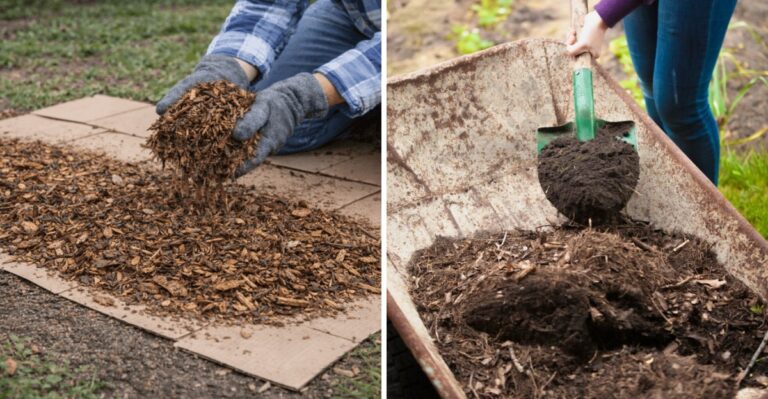
Jumpers also coat the surface with pebbly castings that crumble between your fingers. Check your compost and purchased mulch, since jumpers travel in New York nursery soil.
Tiny cocoons endure winter frost and hatch into a fresh wave each spring. Spot them early and you protect your perennials from weakened roots. Master the precise ratio of mustard to water that brings jumpers into the open fast.
A Spicy Soil Drench That Brings Hidden Wrigglers To The Surface
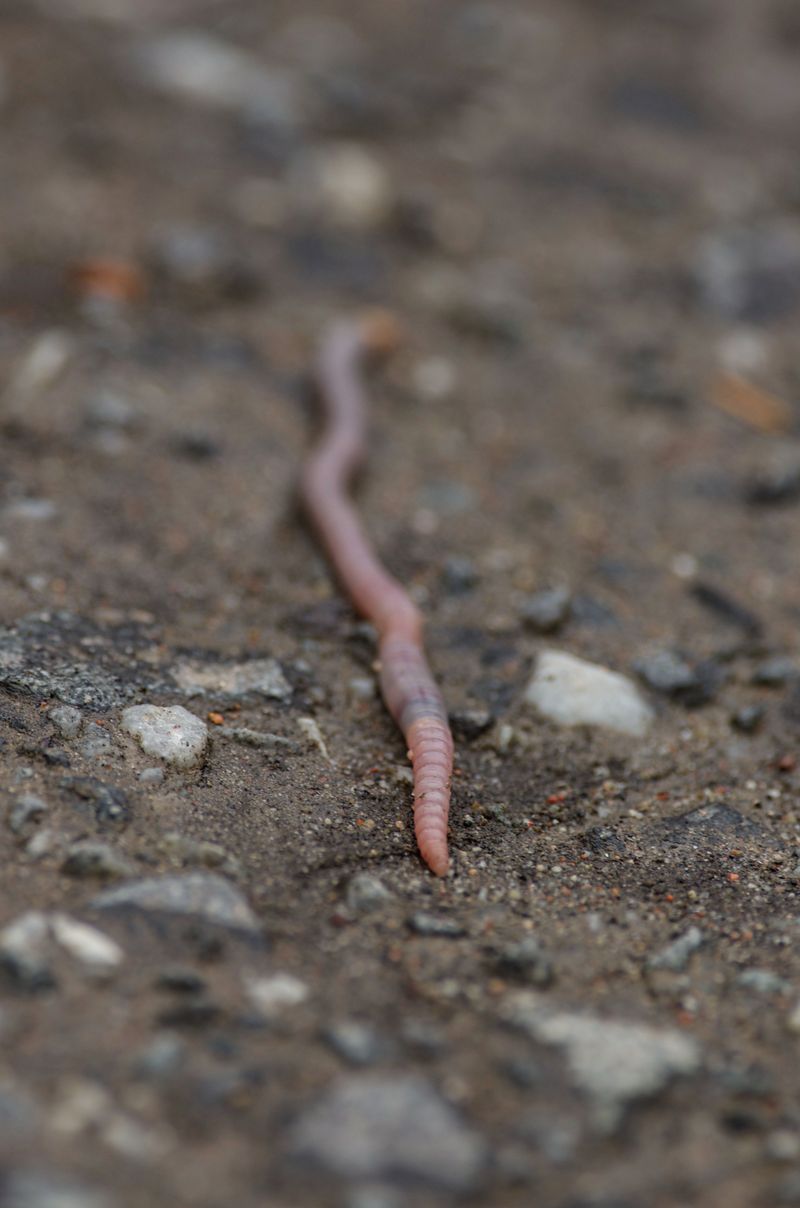
Think of it as a gentle nudge for anything living in your top few inches of soil. A mild mix of ground mustard and water seeps down and tickles the skin of worms.
Worms breathe through their moist skin, so the spicy liquid feels irritating rather than harmful in small doses. Within minutes, they wriggle upward to escape the tingle and land right where you can see.
Jumping worms, known to scientists as Amynthas species, live mostly in the upper soil and mulch layer. Because they stay so shallow, the mustard drench reaches them quickly and brings them out in big numbers.
Digging can scatter cocoons, damage roots, and spread worms to new spots on your boots or shovel. A pour-and-watch method leaves the ground alone, which makes it kinder to your plants and soil life.
Common nightcrawlers may surface as well, but they move slowly and calmly by comparison. Jumping worms react sharply to the mustard, thrashing and flipping with surprising vigor and speed.
University extension programs in New York and nearby states recommend the test because it is cheap and reliable. A single jar of mustard powder can cover several test spots across your whole yard.
You also learn where the problem lives, not just whether it exists somewhere on your property. Mapping affected areas helps you focus cleanup efforts on beds that truly need attention.
Kids enjoy helping too, since it is a simple, hands-on activity with a quick and visible payoff. Hand them a notebook and let them tally each wiggly visitor.
The Right Mix And Pour For Accurate Results
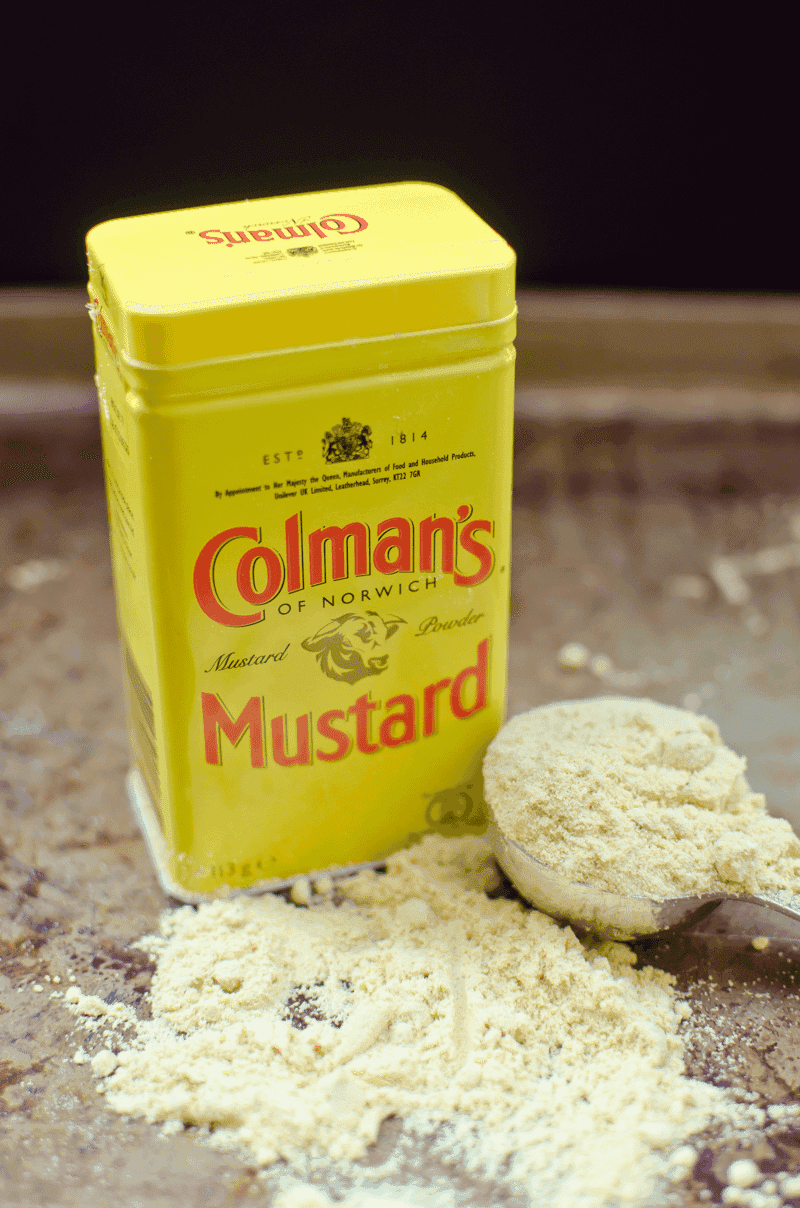
Grab a gallon jug, a measuring cup, and plain yellow mustard powder from the grocery store. Most guides suggest about one-third cup of powder stirred into one gallon of water.
Skip prepared mustard from a squeeze bottle, since vinegar and salt can affect soil organisms and plants. Dry powder is cheaper anyway, and one small container handles many tests.
Shake the jug hard until the mixture looks like thin, cloudy lemonade with no clumps floating around. Let it sit for a minute, then shake again so the powder stays evenly spread.
Your New York Garden Changes Every Week. Your Plan Should Too.
Gardening in New York changes quickly throughout the season. Every Friday you’ll receive a simple weekly plan showing exactly what to plant, prune, fertilize, harvest, and protect so you never miss the right timing.
Choose a test area about one foot square, and gently pull back loose mulch if it is thick. Slowly pour half the gallon over the spot, letting it soak in rather than run off.
Wait two or three minutes and watch closely, because jumping worms often appear quickly. Pour the remaining liquid over the same patch and give the soil another few minutes.
Keep a pair of gloves and a zip-top bag nearby so you can collect anything that surfaces. Rinsing worms in plain water afterward helps any harmless natives recover and return to the soil.
Test several areas, including garden beds, mulch piles, and the edges of lawns or woods. Affected areas are often patchy, so one clean result does not guarantee your whole yard is clear.
Write down each location and what you found, even if nothing showed up. A simple sketch of your yard turns into a handy record for comparing results next year.
October Timing And Cool Weather Clues
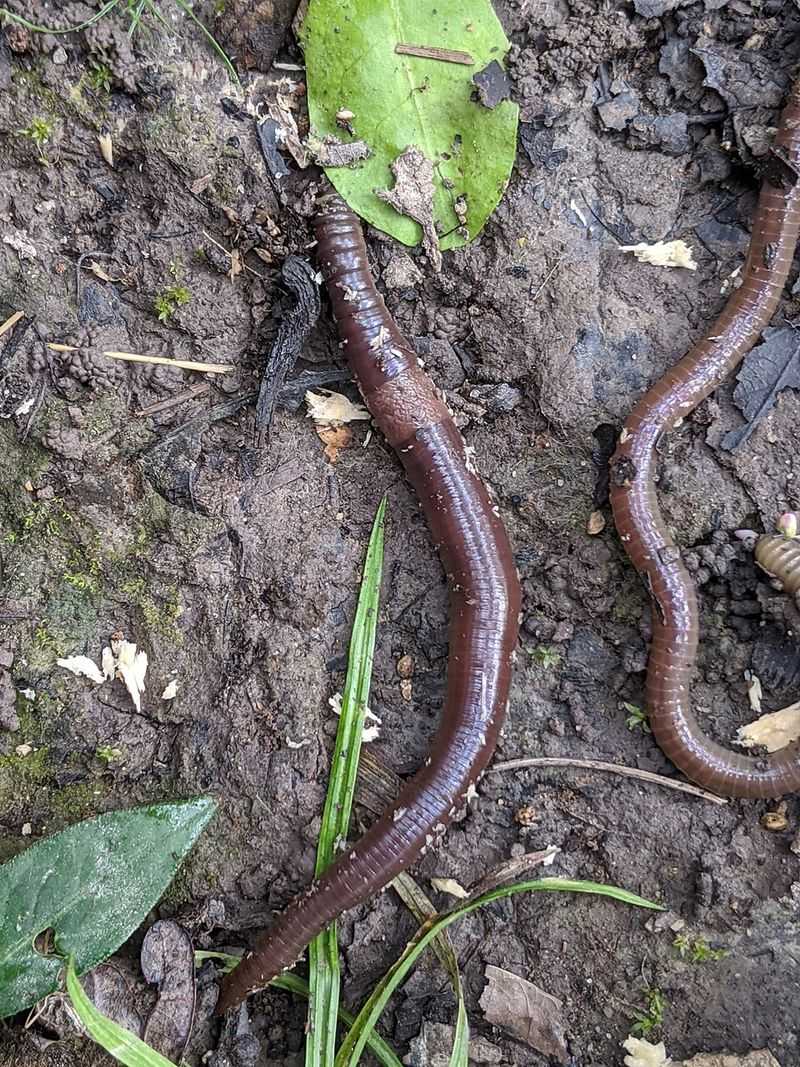
October works well for this test in New York before frost, and the calendar explains a lot. Jumping worms hatch in late spring and reach full adult size by late summer and early fall.
Adults are larger, easier to spot, and far more noticeable when the mustard water hits them. Testing now gives you the clearest picture of how many worms settled in this season.
Soil temperature matters a great deal, since worms slow down when the ground gets chilly. Aim for mild days when the soil is moist and worms are active.
Mid-morning or early afternoon works best, after the sun has warmed the top layer slightly. Frosty dawns can leave worms sluggish and tucked deeper, which may hide them from view.
Moist soil helps the mustard mixture soak in evenly and reach every corner of your test patch. If the ground feels dusty, water it lightly the day before you plan to test.
Avoid testing right after a heavy downpour, when worms may already be crawling on the surface. You want them to come up because of the mustard, not because of a flooded bed.
Adult jumping worms do not survive the hard freezes that arrive in late fall. Their tiny cocoons stay behind in the soil, ready to hatch when spring returns.
Testing before winter shows you exactly which beds will need extra care next year. October results offer a useful preview of what to expect early next spring.
The Snakelike Thrash And Milky Collar Band
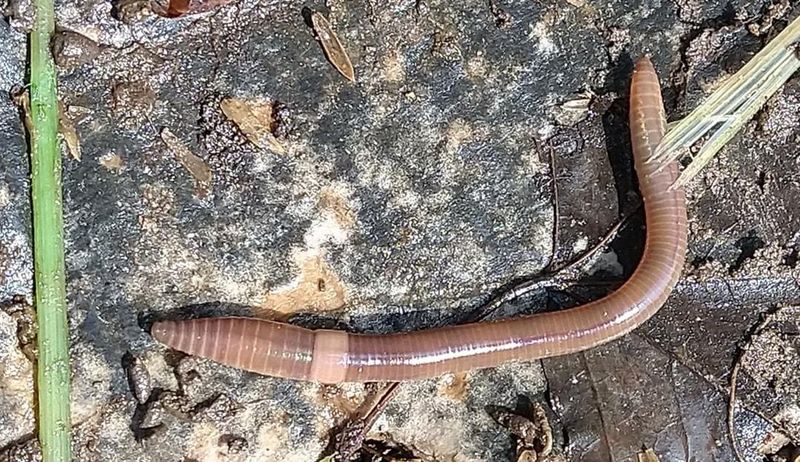
Imagine a worm that moves more like a garden snake than a typical earthworm. That rapid, wiggly motion is often the very first clue you have found a jumping worm.
When disturbed, these worms whip side to side and may even leap off your gloved hand. Some even break off their tails to escape, much like certain lizards do when grabbed.
Look closely for the clitellum, a band that circles the body near the head. On jumping worms, it looks smooth, milky white to light gray, and wraps fully around.
European nightcrawlers have a pinkish, raised, saddle-shaped band that does not circle the body all the way. Their band also sits farther back from the head than the jumping worm version.
Color offers another hint, since jumping worms often look glossy brown or gray with a slightly metallic sheen. Their skin feels firm and smooth, almost like a rubber band left in the sun.
Sizes range from about one and a half to eight inches long once they are fully grown. October adults tend toward the larger end, making identification much easier this time of year.
The soil itself can back up your findings, so check the texture where worms surfaced. Jumping worms leave behind loose, grainy castings that resemble coffee grounds or ground beef.
Snap a few clear photos beside a coin or small ruler for scale. Your county Cornell Cooperative Extension office can confirm your identification if you feel unsure.
Common Mulch, Compost, Testing And Disposal Missteps
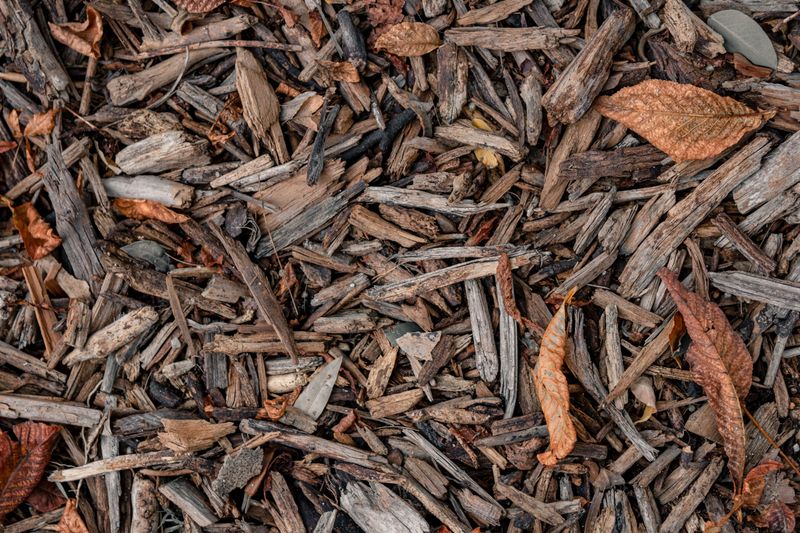
Picture a neighbor proudly announcing a clean test, only to find worms in the mulch next spring. Small slipups can hide a real problem, so a little care goes a long way.
Testing just a single spot is a fairly common error that gardeners make. Jumping worms gather in patches, so one quiet corner may sit beside a crowded bed.
Thick layers of wood chips can soak up the mustard mixture before it reaches the soil. Pull back heavy mulch first, or test both the mulch layer and the ground beneath.
Using too little mustard powder makes the drench weak, and worms may simply ignore it. Too much powder can stress plant roots, so stick close to the recommended ratio.
Another misstep happens when people pour fast and walk away to check their phones. Jumping worms can surface and dart back under leaves within seconds, so stay put and watch.
Bagged mulch and compost from friends can carry cocoons the size of a mustard seed. Testing only your old beds ignores fresh piles, which are frequent hiding places for newcomers.
Dumping collected worms in the trash without bagging them can let survivors crawl back out. Seal them in a clear plastic bag and leave it in direct sun for at least ten minutes.
Finally, skip the urge to toss surfaced worms to the birds or onto a neighbor’s lot. Moving them anywhere spreads the infestation, which is exactly what you are trying to stop.
Smart Cleanup And Prevention For Next Season
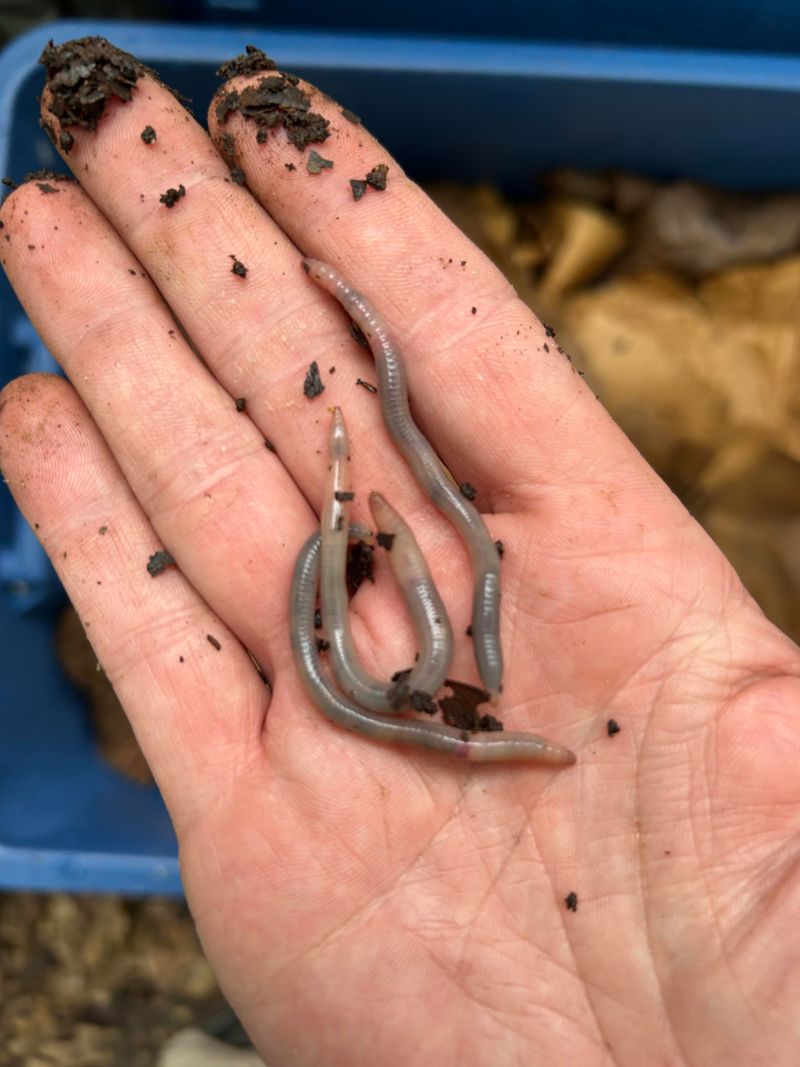
Finding jumping worms can be a setback, but many New York gardeners keep them contained. A positive test is simply your starting line, not the end of your garden dreams.
Hand-pick every worm you can during warm months and seal them in clear plastic bags. Leave the sealed bags in direct sun for at least ten minutes before placing them in the household trash.
Solarizing works best on mulch, compost, and removed topsoil, since worms in beds can escape the heat. Spread a six-inch layer on clear plastic in full sun, wrap it, and hold it above 104 degrees Fahrenheit for three days.
Report your findings to NY iMapInvasives, the state’s invasive species mapping system, or to your extension office. Your data helps scientists track where these invasive worms spread across the state.
Buy only mulch and compost that has been heated to proper temperatures to inactivate cocoons. Ask suppliers directly about their heat treatment, and choose products held at 130 degrees Fahrenheit for at least three days.
Brush off boots, tools, and wheelbarrow tires before moving between garden beds or properties. Sharing plants with friends is lovely, but bare-root swaps are safer than sending soil along.
Plan another mustard test next October to measure how well your efforts are working. Fewer worms over time may suggest your efforts are working, though weather also affects results.
Your soil may take a few seasons to bounce back from that grainy, crumbly texture. Sturdy perennials and a little heat-treated compost help restore structure and keep your beds productive.