9 Fast Arizona Shade Plants That Stop Your West Windows From Baking The House Next Summer
Every summer afternoon, the sun swings around and slams straight into your west windows, turning rooms into ovens by 4 p.m. Blinds and AC can only do so much when a wall soaks up hours of 110 degree heat.
The good news is that the right fast-growing plants can start shading that glass within a season or two while bringing in birds, bees, and hummingbirds. Here are nine tough, desert-ready picks that can help your house stay cooler next summer.
1. Desert Museum Palo Verde
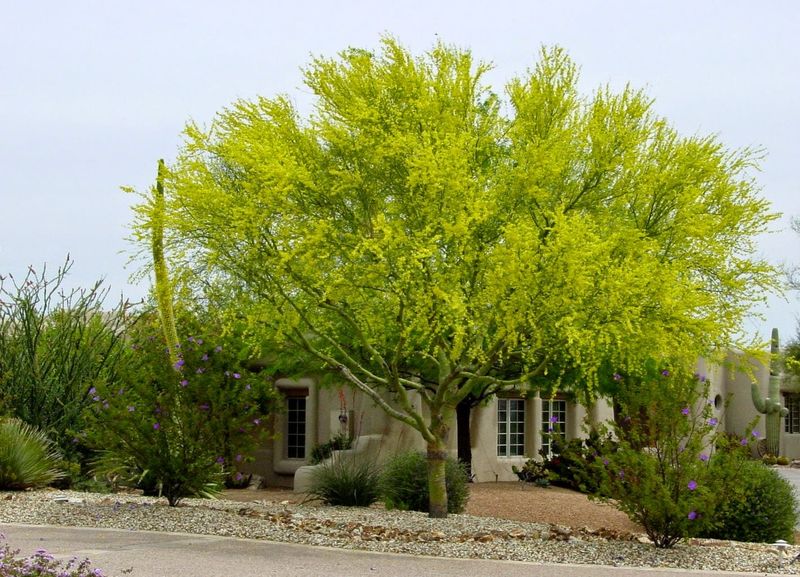
Picture a tree that wears green bark like a uniform and still looks cheerful in July. The Desert Museum palo verde is a native hybrid that can add 2 to 3 feet of height a year, which makes it one of the quickest ways to put a canopy between the sun and your glass.
Its wide, umbrella-shaped crown throws light, filtered shade rather than deep gloom. That dappled cover is often enough to take the sting out of afternoon sun hitting a west window, while still letting some light inside.
Better yet, the variety is nearly thornless, so pruning and walking past it will not feel like a battle.
Spring is the showstopper season. Branches disappear under bright yellow flowers that pull in native bees and other pollinators, giving your yard a real habitat boost.
Once established, it needs very little extra water, which suits anyone watching their bill. Plant it in fall, around October or November, or in early spring so the roots settle in before the heat returns.
Set it roughly 10 to 15 feet from the house on the west or southwest side, then water deeply and slowly during the first couple of summers to push roots downward.
2. Velvet Mesquite
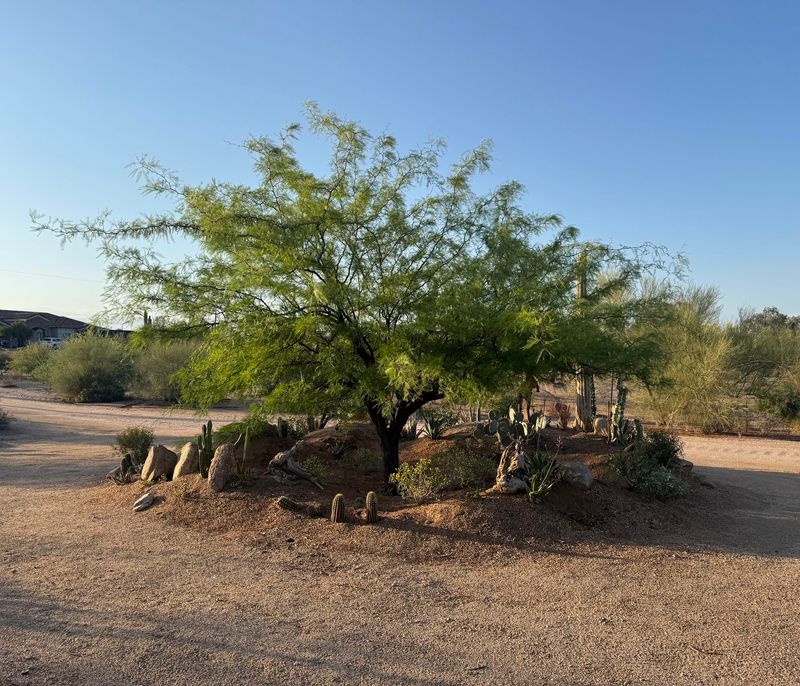
Ask an old-timer in Tucson which tree makes the deepest shade and you will probably hear one word: mesquite. Velvet mesquite is a true Sonoran Desert native with a twisted, sculptural trunk and a spreading canopy that grows fast and casts some of the densest shade on this list.
Its secret is underground. Roots can travel far below the surface to find moisture, which helps the tree shrug off drought once it settles in.
That same rooting power means you need to plan ahead, so give it 25 to 30 feet of clearance from foundations, pipes, and walkways.
Wildlife loves this tree. Seed pods feed native birds and small animals, and roadrunners may use mesquites for nesting.
Since roadrunners happily snack on scorpions and lizards, a mesquite can help make your yard a friendlier stop for one of the desert’s best natural pest patrollers.
Care is refreshingly simple. Water deeply and infrequently while young, thin the canopy lightly before monsoon storms to reduce wind damage, and let it do its thing.
Planted on the west side of a big lot, a velvet mesquite can turn a sun-blasted backyard into the place everyone wants to sit at sunset.
3. Desert Willow
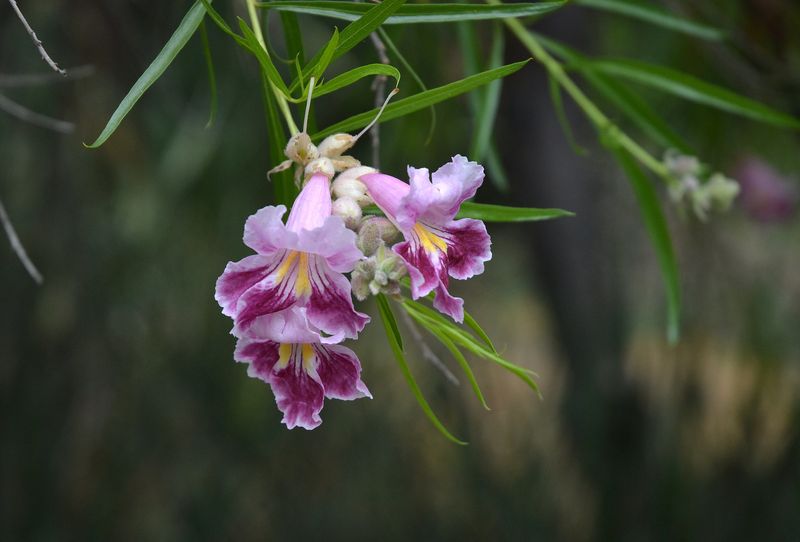
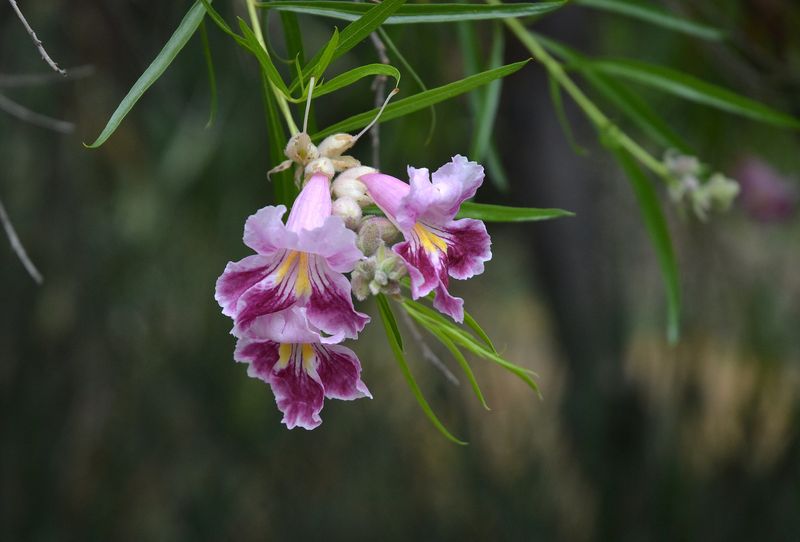
Hummingbirds treat a blooming desert willow like a drive-through that never closes. From spring into fall, its trumpet-shaped flowers in pink, lavender, or burgundy keep hummingbirds and native bees buzzing around your west wall.
Your Arizona Garden Changes Every Week. Your Plan Should Too.
Gardening in Arizona changes quickly throughout the season. Every Friday you’ll receive a simple weekly plan showing exactly what to plant, prune, fertilize, harvest, and protect so you never miss the right timing.
Growth is quick, often 2 to 4 feet a year, with a mature height of about 15 to 25 feet. That size makes it a smart fit for smaller yards or spots near windows where a giant shade tree would feel crowded.
You get light, airy shade that softens harsh afternoon rays without darkening rooms.
Here is a bonus many people miss. Desert willow is deciduous, so it drops its leaves in winter and lets low winter sun warm the house when you actually want that heat.
Summer shade, winter sunshine, no extra effort.
Despite the name, it is not a true willow and does not crave water. Once established, it gets by on very little irrigation and only occasional pruning to shape it into a single trunk or a multi-stem tree.
Plant it in full sun during fall or early spring, keep the soil from staying soggy, and enjoy a flowering screen that seems to bloom right through the hottest stretch of the year.
4. Arizona Ash
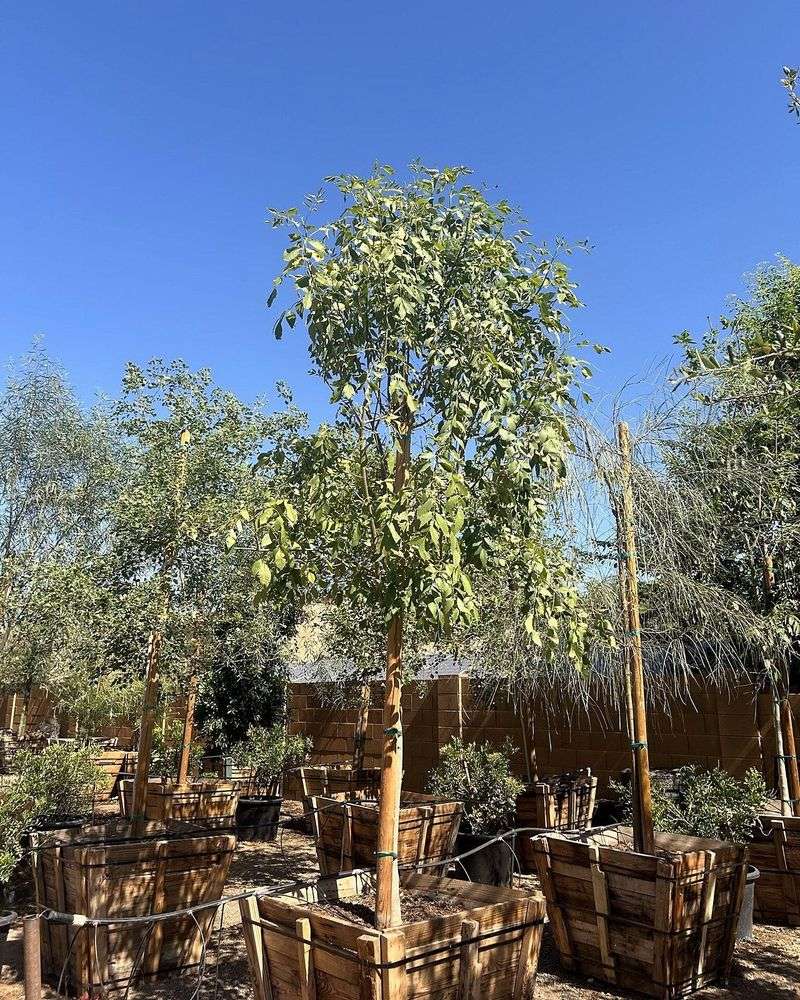
Sometimes you just want a classic, rounded shade tree, the kind you see in old neighborhood photos. Arizona ash delivers that look, and it is native to the state’s canyons and washes, so it handles local heat better than many leafy imports.
The big selling point is speed paired with density. Few trees fill out a full, cooling crown faster, which is why it has shaded play areas and patios across the Valley for decades.
Because it is deciduous, it lets winter sun reach your windows after the leaves fall.
Be honest with yourself about water, though. Arizona ash drinks more than true desert natives like palo verde, so it fits best where you already irrigate.
The key is deep, slow watering. Shallow sprinkles tend to create surface roots that can crack walkways and bother foundations.
Spacing matters too. Plant it 15 to 20 feet from the house so the canopy reaches the window without the roots crowding the slab.
As a native, it can also offer perches and cover for local birds. Choose this one if you want a traditional, generous shade umbrella and you are willing to trade a bit more water for quick, heavy cooling.
5. Tipu Tree
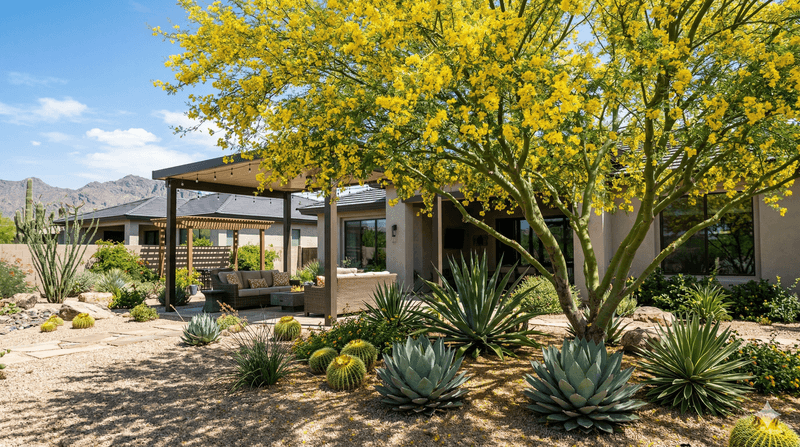
Need shade yesterday? The tipu tree is often called one of the fastest shade trees for Phoenix, with growth of 3 to 6 feet a year when it gets steady water early on.
Originally from South America, it has earned its place in low-desert yards thanks to a wide, spreading canopy that can eventually cover a whole side of a house. In late spring, it sprinkles golden-orange blossoms across the branches, adding a cheerful pop of color.
The catch is size. Tipu trees get big, so plant them at least 20 feet from structures.
From that distance, the crown can still stretch over west-facing walls and windows and block the worst of the late-day blast.
Plan on consistent deep watering for the first one to two years to fuel that fast growth. After that, it becomes much more drought and heat tolerant.
Insects visit the foliage and flowers, which may in turn draw insect-eating birds that help keep bug numbers in check. If you have room and want the biggest shade payoff in the shortest time, a tipu tree planted this fall could be noticeably shading your house within a few summers.
6. Willow Acacia

Tall, slim, and a little bit graceful, willow acacia is the plant for tight spaces between the house and the property line. Its long, drooping leaves give it a soft, weeping look that feels almost tropical, yet it laughs at Arizona summers.
Growth runs about 3 to 5 feet a year, so a young tree can reach window height fast. Because it stays fairly narrow, you can tuck it closer to a west wall than a sprawling mesquite or tipu.
What sets it apart from most picks here is its semi-evergreen habit. Leaves hang on nearly year-round, so you get filtered shade in spring and fall when the sun is already brutal but deciduous trees are just leafing out or dropping.
The tradeoff is less winter sun on the glass, which is rarely a problem in the low desert.
Small cream flowers attract pollinators, and the tree adapts to many soil types, including tough alkaline ground. Water deeply while it establishes, then cut back.
Staking may help young trees during monsoon winds. For a tidy, vertical screen that keeps working through the long warm season, willow acacia is hard to beat.
7. Sweet Acacia
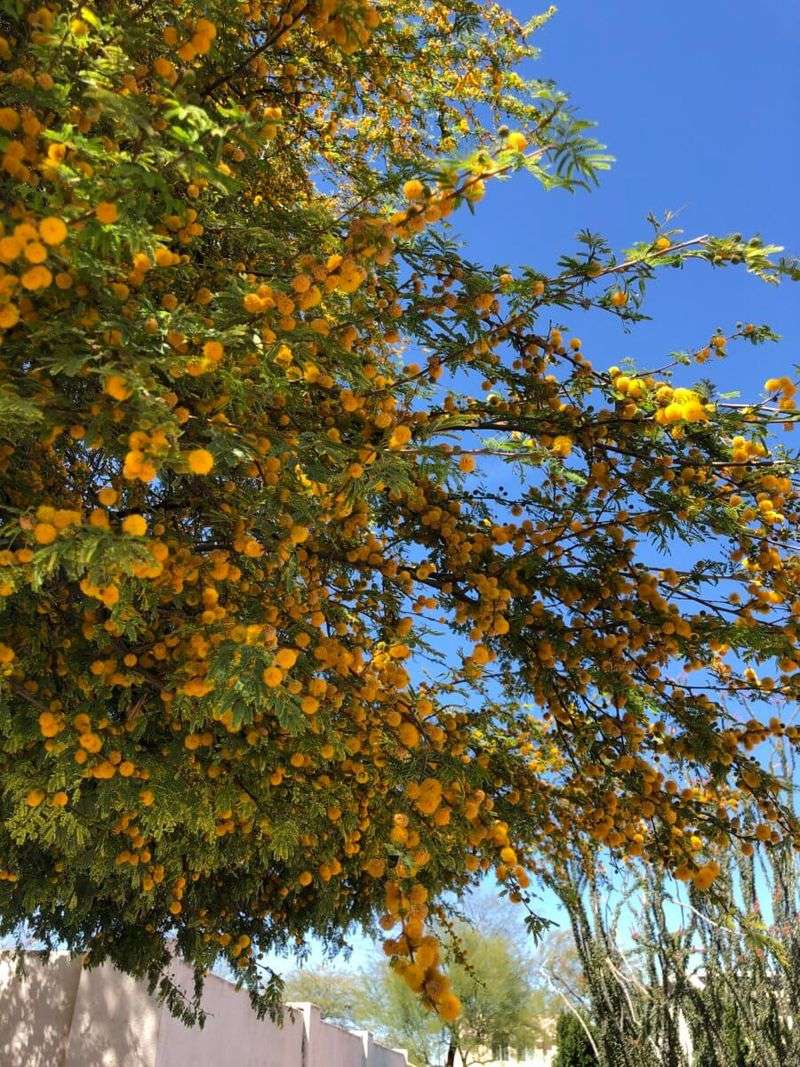
Walk past a sweet acacia in late winter and your nose will notice before your eyes do. Fluffy golden puffball flowers fill the air with a scent that bees, butterflies, and other helpful insects find hard to resist.
This native shrub or small tree grows quickly and can be shaped either way. Leave it bushy and it becomes a thick screen in front of a low west window.
Train it to a few trunks and it turns into a compact tree with filtered shade, letting a little light through while cutting glare and heat.
Heat and drought barely faze it. Once established, it does best with infrequent, deep soaks that build a strong root system rather than frequent light watering.
That makes it a nice fit for drip systems running on a water-wise schedule.
One thing to know: the branches carry thorns. Plant it a few feet back from paths and doors, or use those thorns to your advantage as a living barrier under a window.
Fall and early spring are the best times to plant. If you want fragrance, pollinator traffic, and summer shade in one modest-sized package, sweet acacia packs a lot into a small footprint.
8. Mexican Honeysuckle on a Trellis
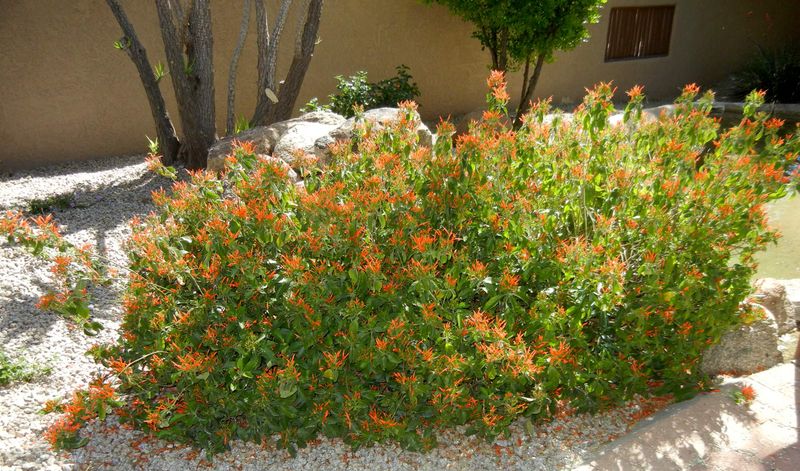
Not every west window has room for a tree. If yours sits right next to a patio or a narrow side yard, a planting of Mexican honeysuckle grown up a trellis or ramada can step in as living shade.
Native to Mexico, it grows fast and fills out with soft green leaves and clusters of bright orange tubular flowers. Hummingbirds go wild for those blooms, so you may find yourself watching tiny visitors zip past the glass while the room behind it stays cooler.
The trick is to build the structure a foot or two away from the wall. That gap lets air move and keeps heat from getting trapped against the stucco.
As the plant spreads across the frame, it acts like a leafy screen that cuts direct sun before it ever reaches the window.
Mexican honeysuckle prefers filtered sun or part shade, so it does well under an existing patio cover or beside a taller plant. It needs little pruning, though a light trim after winter keeps it full.
Protect it on rare frosty nights, and water deeply during summer. It is a smart, small-space fix that brings color and hummingbirds along with cooler afternoons.
9. Red Bird of Paradise
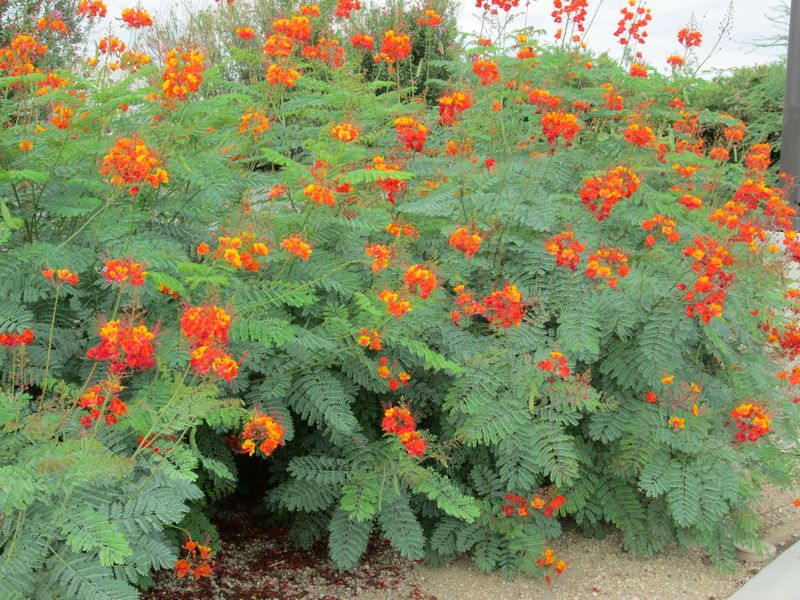
When July hits and everything else looks tired, red bird of paradise is just getting started. Its fiery red and orange blooms explode through the hottest months, as if the plant feeds on the heat.
Growth is fast, and with a bit of pruning it can stand 8 to 10 feet tall, either as a big shrub or a small multi-trunk tree. That height makes it a good partner for shorter west windows, adding seasonal shade right when the sun is fiercest.
Think of it as a layering plant. Tuck it under or in front of a taller tree like a palo verde, and together they create stacked shade that may help keep both the wall and the window cooler.
Hummingbirds and bees visit the flowers all summer, so your yard gets a steady stream of wildlife activity.
It dies back or loses leaves in cold winters, and many gardeners cut it down low in late winter to encourage a fresh flush. Water deeply during summer while it is young, then less once established.
Full sun is a must. For bold color and summer cooling with almost no fuss, this flamboyant shrub earns its spot.