Why October Is the Last Safe Window to Plant Tomatoes in Florida
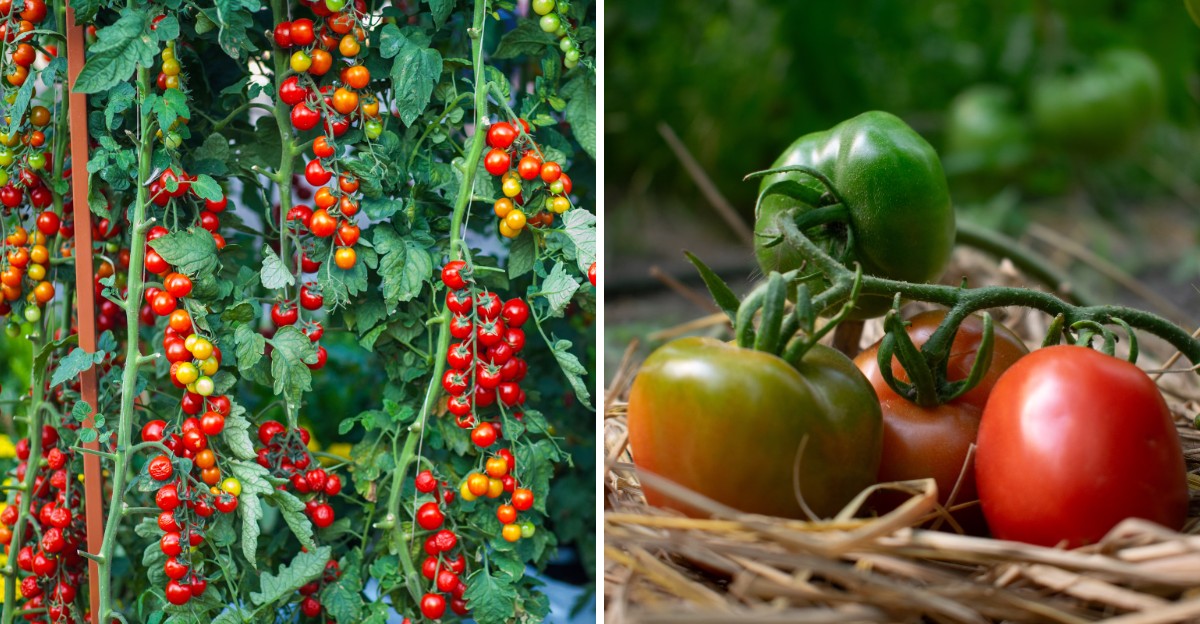
Your favorite summer crop can bloom like crazy for weeks and still refuse to set a single fruit. Nights above about 75 degrees make the pollen fail. The pretty yellow flowers simply drop to the ground.
Cold snaps bring the opposite problem. Nights under 55 degrees stall fruit set too, and frost can blacken tender leaves overnight. That leaves a surprisingly narrow sweet spot in Florida.
Personally, I learned this lesson the hard way. I planted way too late one December and got a handful of hard green fruit in February. You need the calendar on your side much more than fancy fertilizer.
Your timing this fall matters more than any other choice you make. A few weeks can mean a basket of ripe, juicy slices on your counter or a pile of tired vines. So which side of that line will your garden land on?
That Cooler October Air Gives Your Tomato Flowers a Real Shot
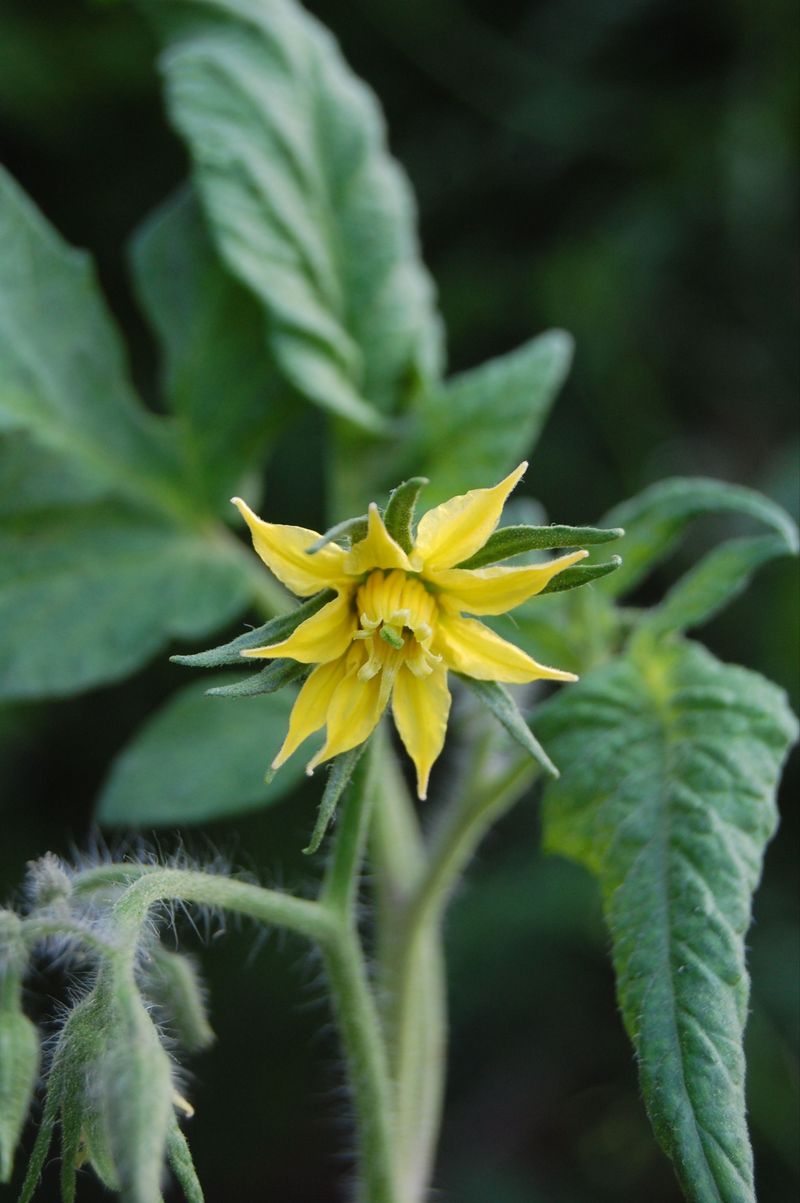
Walk outside on an October morning and you can feel it. The sticky summer air finally loosens its grip.
For a tomato plant, that small shift is a very big deal.
Tomatoes are picky about temperature. They set the most fruit when days stay between about 70 and 85 degrees and nights sit between 60 and 70.
In much of the state, October is when those numbers start lining up day after day.
Mid-autumn is also the last stretch where plants have enough warm weeks ahead to grow. A tomato transplant often needs 70 to 90 days to give you ripe fruit.
Planting in October puts that harvest in December or January, right before the coldest and wettest part of winter.
Location matters a lot here. University of Florida experts suggest North Florida gardeners plant fall tomatoes in August, so October is usually too late up there.
Central gardeners can push into early fall, and South Florida has the widest window, with planting possible from August into the new year.
For many of you in the central and southern parts of the state, October is the final comfortable chance. Wait much longer and your plants run into shorter days and chilly nights.
Their growth slows down, and fruit takes ages to ripen.
So check your region, grab healthy transplants, and get them in the ground soon. Your future sandwiches will thank you.
Hot Summer Nights Make Tomato Blossoms Drop Before Fruit Forms
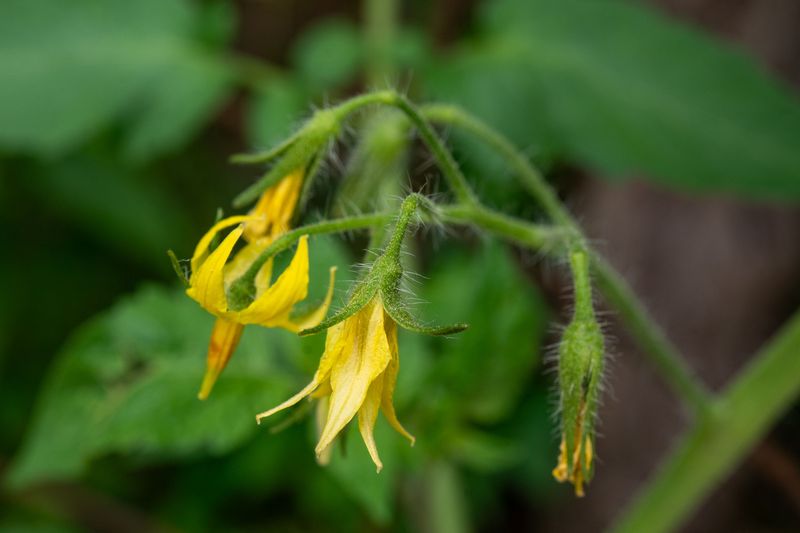
Nothing stings quite like a tomato plant covered in flowers that never turn into fruit. I have stood over plants like that in August, scratching my head.
The culprit was the heat, plain and simple.
Pollen is surprisingly delicate. When daytime temperatures climb above about 90 degrees, or nights stay above roughly 75, the pollen becomes sticky and weak.
It cannot do its job, so the blossom falls off. Gardeners call this blossom drop.
Humidity makes things worse. Thick, damp air can keep pollen from moving freely inside the flower.
Even a healthy, leafy plant may give you almost nothing during the steamiest months.
Your Florida Garden Changes Every Week. Your Plan Should Too.
Gardening in Florida changes quickly throughout the season. Every Friday you’ll receive a simple weekly plan showing exactly what to plant, prune, fertilize, harvest, and protect so you never miss the right timing.
Summer heat also stresses roots and leaves. Plants burn through water fast, and fruit that does form may crack or develop sunscald.
Hot, wet soil can also invite root problems and wilting.
That is why late summer and early fall planting works so well in warmer regions. Young plants spend their first weeks growing leaves while it is still warm.
By the time they start blooming, the nights have cooled off enough for fruit to set.
A quick tip from my own garden: watch your local nighttime lows in the forecast. When they start dipping into the low 70s and below, your flowers have a much better chance.
Pair that timing with steady watering and a layer of mulch, and you will see little green fruit forming in no time.
Whiteflies and Hornworms Finally Ease Up on Your Tomato Vines
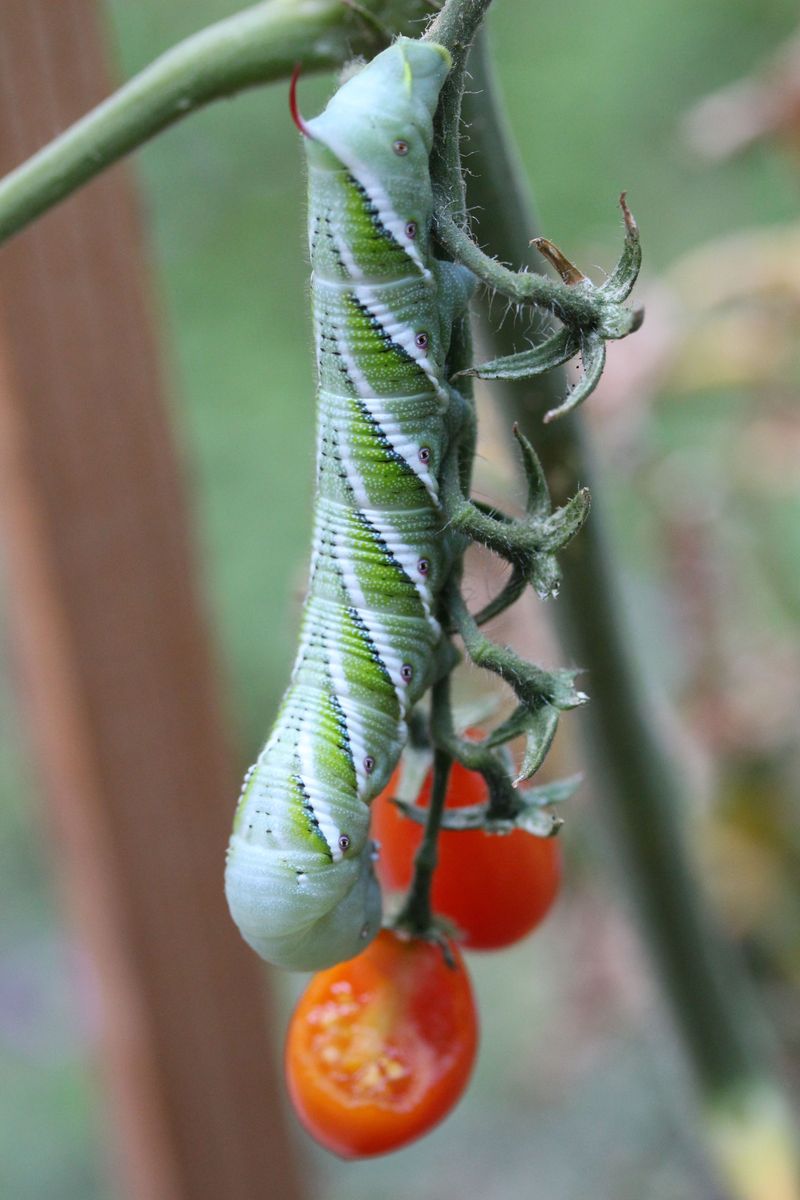
Ever found a fat green caterpillar the size of your finger munching on your plants? Meet the tomato hornworm, one of the hungriest garden visitors around.
In the hottest months, it has plenty of company.
Warm weather lets many insects breed fast. Whiteflies are a big concern in Florida because they can spread tomato yellow leaf curl virus.
Once a plant catches it, leaves curl and turn yellow, and fruit production drops sharply.
Stink bugs, leaf miners, and spider mites also love the heat. They can multiply into large groups in just a few weeks.
Keeping up with them in summer can feel like a full-time job.
As temperatures ease in fall, many of these pests slow down. They do not vanish, though.
Bugs stay active year-round in warm climates, so you still need to keep an eye out.
Here are a few simple ways to stay ahead:
Check the undersides of leaves twice a week for tiny white insects or eggs. Hand-pick hornworms and drop them into a bucket of soapy water.
Use yellow sticky cards to catch whiteflies and spot problems early.
Choosing varieties that resist leaf curl virus can help a lot too. Reflective mulch and floating row covers are other smart tools for young plants.
With fewer bugs to battle, your October plants get a calmer start. That breathing room helps them grow strong roots and healthy leaves before the fruit arrives.
Count Backward From Harvest and October Tomato Planting Makes Sense
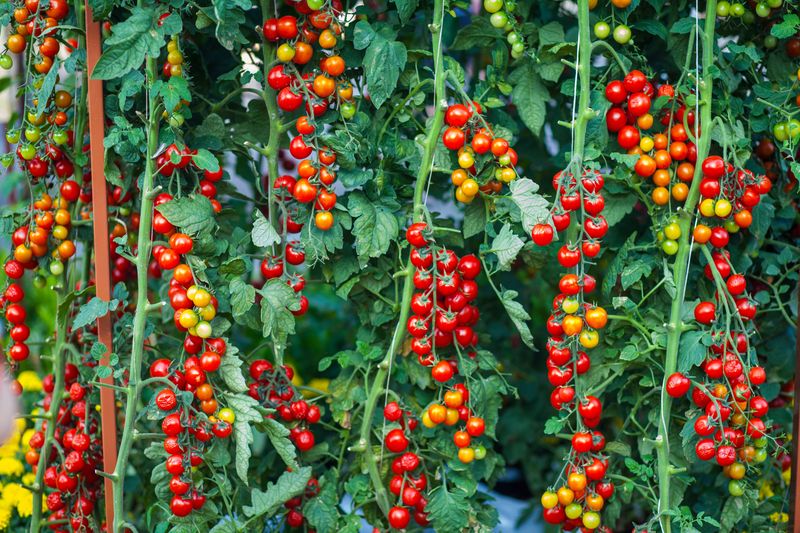
Grab a calendar and a pencil for a second. Gardening math sounds boring, but it explains exactly why October matters so much.
Most tomato varieties need somewhere between 65 and 90 days from transplant to the first ripe fruit. Cherry types are often quicker.
Big beefsteak types usually take the longest.
Now count forward from mid-October. Adding about 80 days lands you in early January.
That gives your plants enough mild weather to bloom, set fruit, and ripen before the chilliest stretch of the year.
Plant in late November instead, and the picture changes. Your plants would be trying to set fruit during January and February.
Cool nights below about 55 degrees slow fruit set, and ripening crawls along when days are short.
Shorter daylight plays a role too. Tomatoes love lots of sun, ideally six to eight hours or more.
In winter, the sun sits lower and the days are shorter, so plants make less energy for growing fruit.
This is why I like to plan backward. I pick the date I want my first harvest, subtract the days listed on the plant tag, and then add a week or two of cushion.
That small buffer covers cloudy spells and slow starts.
Start with transplants instead of seeds if you are running late. Seeds need an extra five to seven weeks before they are ready for the garden.
Store-bought seedlings let you catch the window with time to spare.
Cool, Damp Winter Weather Invites Blight on Tomato Leaves
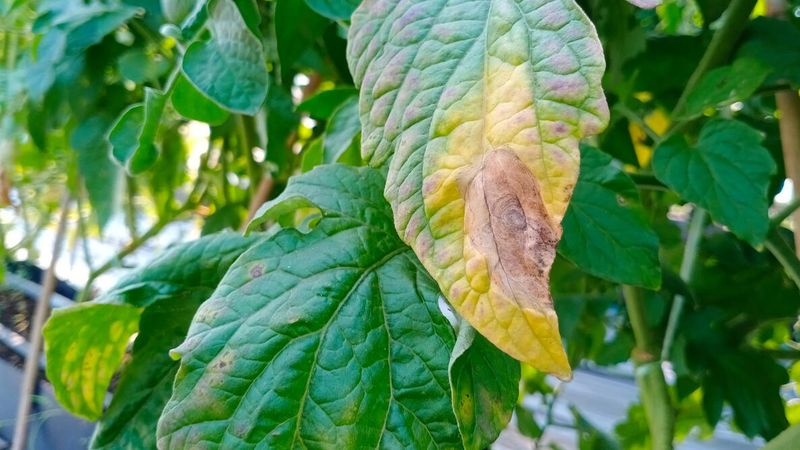
Brown spots on lower leaves usually show up quietly. One day your plant looks great.
A week later, half the bottom leaves are yellow and spotted.
Fungal and bacterial diseases are often to blame. Late blight is one of the most serious, and it thrives in cool, wet weather with temperatures around 60 to 70 degrees.
In Florida, that kind of weather tends to show up more in winter, especially during foggy or rainy stretches.
Early blight and bacterial spot are other common troublemakers. They spread through splashing water and wet leaves.
Long periods of damp foliage give them the perfect chance to settle in.
Planting in October helps your plants get big and productive before those conditions peak. Mature plants with good airflow often handle disease pressure better than small, struggling ones.
You may also finish most of your harvest before the worst weather arrives.
A few habits make a huge difference:
Water at the base of the plant in the morning, not over the leaves. Space plants about two to three feet apart so air can move freely.
Stake or cage them to keep leaves off the soil.
Remove spotted lower leaves as soon as you see them, and toss them in the trash rather than the compost. Mulch helps stop soil from splashing onto foliage.
If disease keeps returning, rotate your tomatoes to a new bed next season.
Healthy leaves mean more energy for fruit, and that adds up fast.
A Surprise Frost Can Wreck Young Tomato Plants Overnight
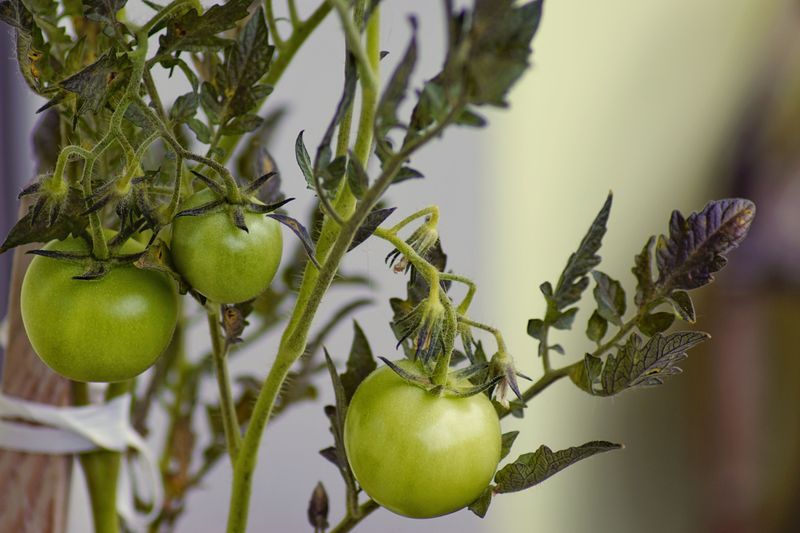
One chilly night is all it takes. Tomatoes are tender plants, and temperatures near 32 degrees can turn their leaves black and mushy by morning.
Frost is not common everywhere in the Sunshine State, but it does happen. North and Central regions see freezing nights most winters, usually from December through February.
Even South Florida gets an occasional cold snap that catches gardeners off guard.
Plants do not need actual frost to struggle, either. Long stretches of nights in the 40s slow growth and can cause fruit to ripen poorly.
Some fruit may stay hard and pale for weeks.
Getting your plants started in October gives them a head start. By the time the coldest weather arrives, many will already be loaded with fruit.
You can pick the mature green ones and let them ripen indoors if a freeze threatens.
Keep a simple cold kit ready in the garage:
Frost cloth or old bedsheets to drape over plants in the evening. Stakes or hoops to keep covers from crushing branches.
A few clips or bricks to hold edges down against the wind.
Water the soil a day before a cold night, since moist soil holds heat better than dry soil. Remove covers in the morning once temperatures rise, so plants do not overheat.
Container growers have an easy trick. Just roll pots into a garage or against a warm wall.
I have saved more than one crop that way.
You Will Want These Heat-Tough Tomato Varieties in Your Fall Bed
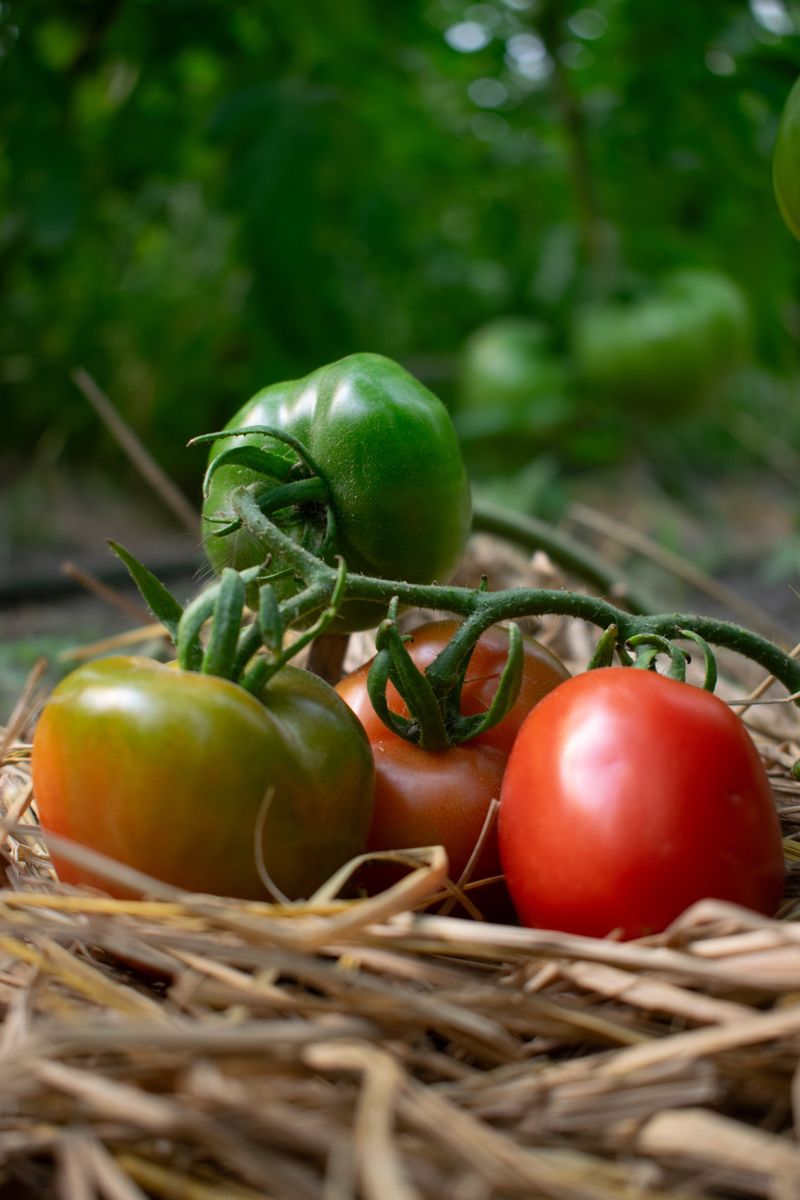
Picking the right variety is like choosing the right shoes for a hike. The wrong pair can make the whole trip miserable.
The right one keeps you going strong.
Warm-climate gardeners do best with tomatoes bred for heat and disease resistance. University of Florida researchers have developed several great options.
Look for names like Florida 91, Solar Fire, and Tasti-Lee, which handle warm nights better than many old favorites.
Heat Master and Phoenix are other solid picks for fruit set in warm weather. If whiteflies are a worry, search for varieties labeled resistant to tomato yellow leaf curl virus.
Plant tags often list resistance codes, so read them closely.
Cherry tomatoes deserve a spot too. Sweet Million, Sun Gold, and similar types ripen fast and often keep producing in tricky weather.
Kids love grabbing them straight off the vine.
Fun fact: the native wild currant tomato, a tiny relative from South America, helped breeders add disease resistance to modern varieties. Those little genes are working hard in your garden.
A few final setup tips can boost success. Choose a spot with at least six to eight hours of full sun.
Work compost into the soil, and keep moisture steady to reduce blossom end rot and cracking.
Visit your local extension office or garden center for transplants suited to your area. Get them planted this month, and you could be slicing homegrown tomatoes by the holidays.