These Plants Can Handle Windy Texas Yards
Amarillo is often ranked among the windiest cities in the United States. But you don’t have to live in the Panhandle to know Texas wind can be relentless.
From spring gusts to blue northers to storms rolling across open prairies, many Texas yards take a beating. Strong winds dry out leaves faster than roots can keep up.
They snap tall stems, shred delicate flowers, and topple young trees before they’ve had a chance to settle in. Potted plants tip over. Fresh mulch ends up in the neighbor’s yard.
Some plants simply aren’t built for that kind of punishment. Others actually thrive in it. Flexible stems bend instead of breaking. Tough, narrow, or silvery leaves hold on to moisture.
Deep roots keep everything anchored firmly in place. Choosing the right plants can turn a blustery yard into one that stands strong no matter which way the wind blows.
1. Texas Sage Laughs At Strong Gusts
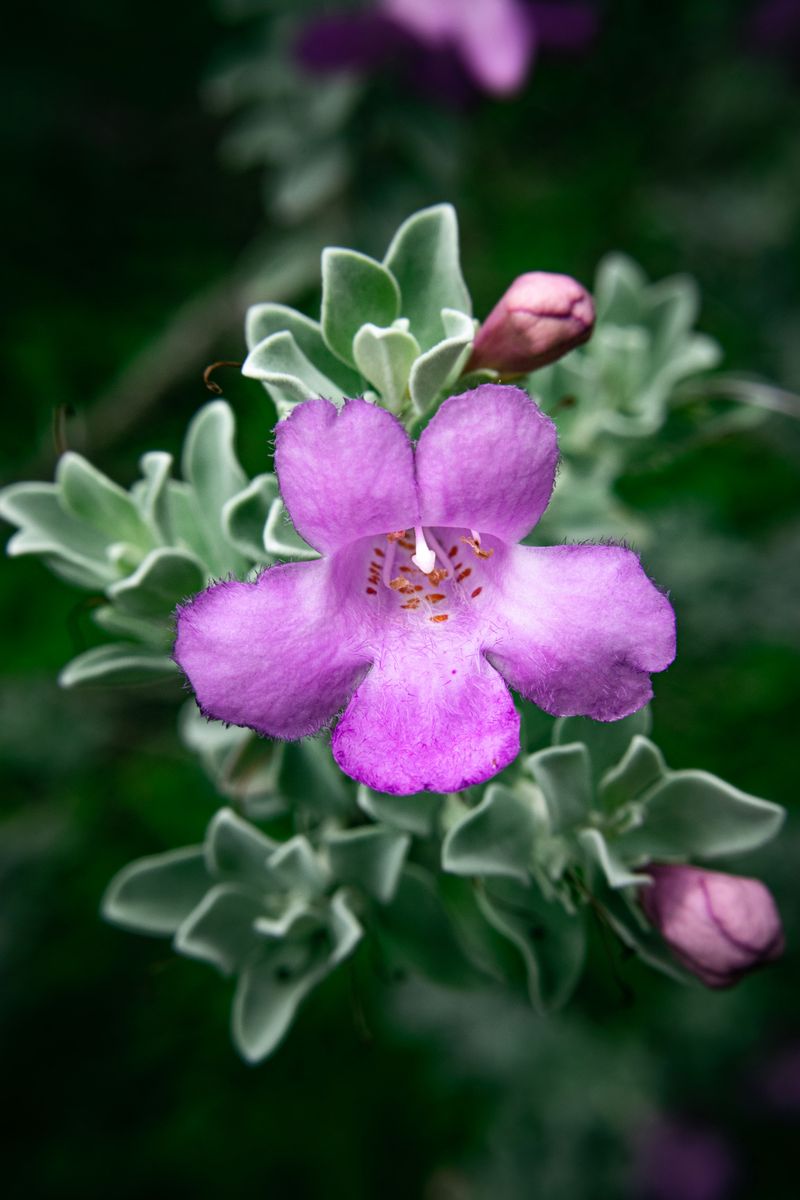
Ranchers in West Texas have a nickname for Texas sage. They call it the barometer bush because it often bursts into purple blooms right before a rain. That fun trick is only one reason gardeners love it.
The real magic is in its leaves. They are small, soft, and silvery. Tiny hairs cover them, which helps keep moisture inside even when hot wind blows all day. Small leaves also give the wind less to grab, so they rarely tear.
The branches are thick and bendy too. When a strong gust hits, the shrub sways a little and then settles right back. You will not see broken limbs scattered across your lawn after a storm.
Texas sage grows best in open, sunny spots. It is a natural fit for West and Central Texas, where the wind sweeps across wide land. It can reach about five feet tall and wide, so give it room.
Planting is simple. Choose a place with full sun and soil that drains fast. Heavy clay that stays wet can cause root rot, so mix in some gravel or plant on a small slope if needed.
Water it well for the first summer while the roots settle in. After that, it needs very little help. Too much water and fertilizer can actually make it floppy and less showy.
Skip the tight trimming into boxes. Let it keep its natural, rounded shape, and just cut back a bit in late winter if it gets leggy.
Bees and butterflies will visit the blooms all season. You get a tough, pretty shrub that handles both wind and drought with ease.
2. Little Bluestem Dances With The Breeze
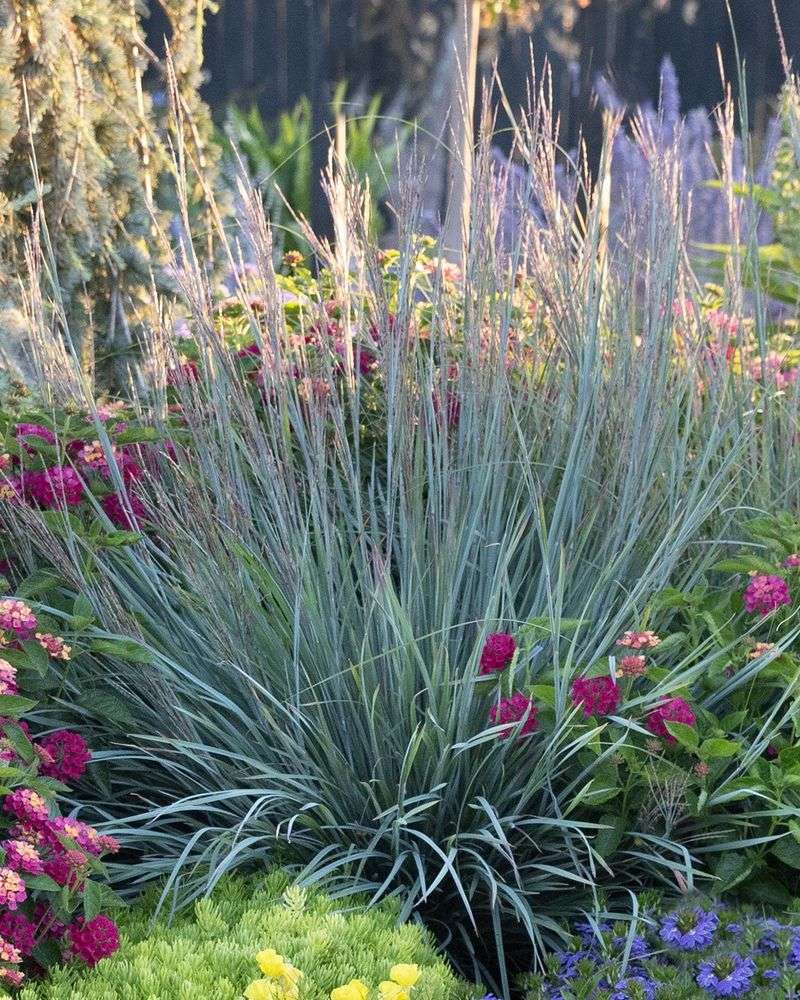
Stand near a patch of little bluestem on a breezy afternoon and watch it move. The thin blades ripple like waves on a lake. It is one of the most calming sights a yard can offer.
Long before neighborhoods and highways, this grass covered huge parts of the Texas prairie. It learned to live with wind a long time ago. Instead of standing stiff and breaking, it simply bends and then springs back up.
Below the surface, there is even more going on. The roots can grow several feet deep. They grip the soil tightly, so the plant stays put even during strong storms. Those roots also help stop soil from blowing or washing away.
Color is another big perk. In spring and summer, the leaves are a cool blue-green. When fall arrives, they turn copper, orange, and even a little red. The color often lasts into winter, giving your yard warmth when most plants look dull.
Little bluestem grows in neat clumps about two to three feet tall. It works well in borders, along driveways, or in groups on a slope. Planting it in drifts of five or more looks especially natural.
Care is easy. Give it full sun and soil that drains well. It does not like rich, soggy ground, which can make it flop over.
Once established, it rarely needs extra water. In late winter, cut the clumps down to a few inches tall. Fresh green growth will pop up in spring. Birds also enjoy the seeds, so you may get some feathered visitors in fall and winter.
3. Sideoats Grama Proudly Represents The Lone Star State
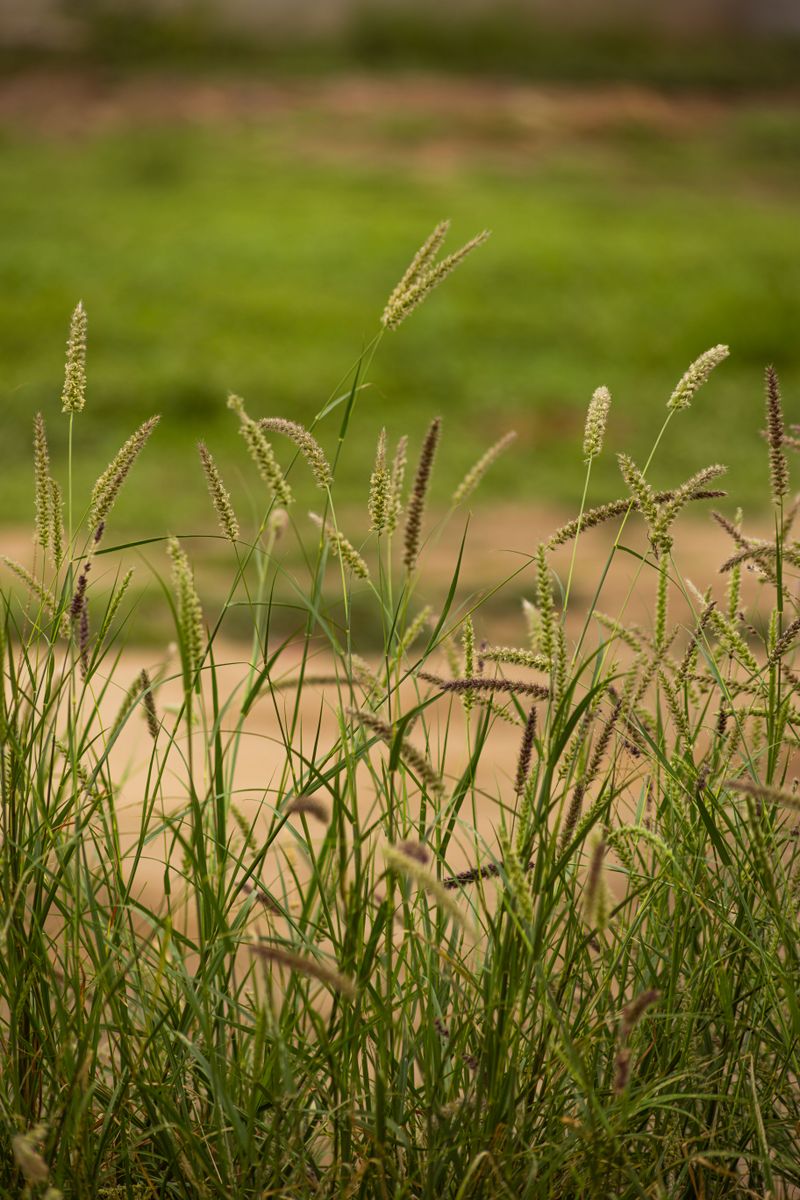
Did you know Texas has an official state grass? It is sideoats grama, and it earned that title in 1971. Picking it for your yard is a small way to show some Texas pride.
The name comes from its seeds. They hang in a neat row along just one side of the stem. Each one looks like a tiny oat dangling in the breeze. In summer, the seed heads may even show little orange or purple flowers.
Wind is no problem for this grass. It grew up on the open, windy prairies of Texas, where nothing blocks the gusts. The stems are thin and flexible, so they sway without snapping.
Deep roots make a big difference too. They dig far into the ground and hold the soil in place. That makes sideoats grama a smart pick for slopes or bare spots where dirt tends to blow away.
Height usually lands between one and three feet. It looks great mixed with wildflowers or other native grasses. Some people even use it in a low-water lawn mix that only gets mowed a few times a year.
Growing it is easy. Plant seeds or small plants in full sun. It can handle poor, rocky, or sandy soil, and even some clay.
Water regularly until the plants are established. After that, rainfall is usually enough in most parts of the state.
A quick trim in late winter keeps it tidy. Kids often love looking at the funny seed rows up close, so it can be a fun teaching plant too.
4. Red Yucca Brings Hummingbirds And Toughness
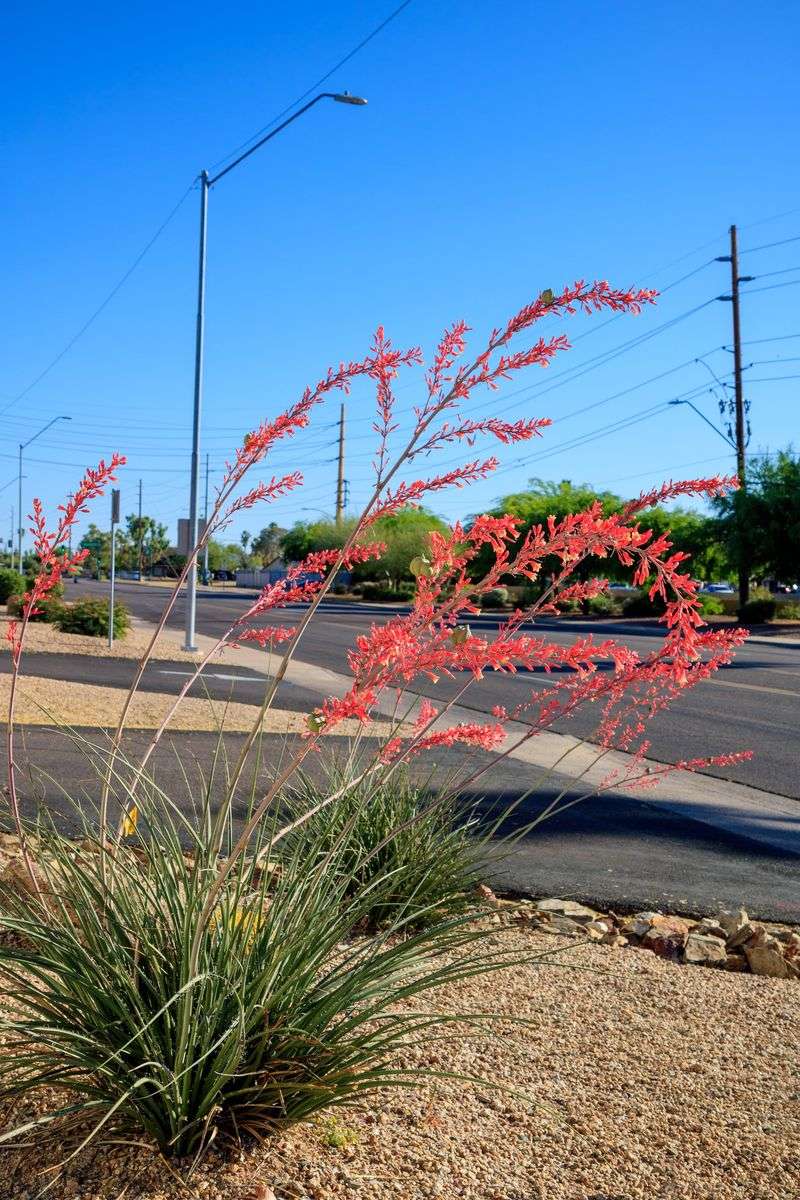
Hummingbirds seem to have a map with every red yucca marked on it. Plant one, and before long you may spot those tiny birds zipping in for a sip. It is like hosting a little air show in your own yard.
Despite the name, red yucca is not a true yucca. It is a related plant with long, narrow leaves that look like stiff grass. Those leaves have no sharp spines at the tips, so it is safer near paths and play areas.
Wind barely bothers it. The leaves are tough and low, so gusts slide right past them. In late spring, tall flower stalks shoot up four or five feet. They bend in strong wind but rarely snap.
The coral-red blooms last a long time. They often keep coming from spring into fall. Some types even have yellow flowers if you want a different look.
Full sun is a must. Red yucca loves heat and dry soil, which makes it great for those hot spots by the street or near a driveway where other plants struggle.
Good drainage keeps it healthy. Avoid places where water puddles after rain. A gravel or rock garden is perfect.
Once settled, it needs almost no watering. Deer usually leave it alone, though they may nibble the flower stalks.
Cut off old stalks after blooming to keep it neat. You can also divide large clumps every few years and share the extra plants with friends.
5. Blackfoot Daisy Stays Low And Cheerful
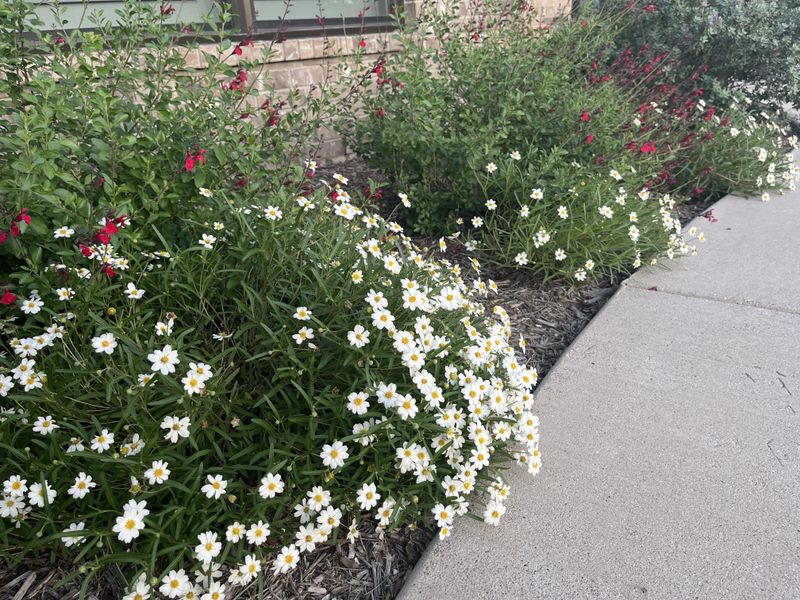
Sometimes the smartest way to beat the wind is to duck. Blackfoot daisy does exactly that. It grows in a tight, low mound that hugs the ground, so the worst gusts pass right over it.
Most plants are only about a foot tall and a little wider. That small size makes it perfect for front borders, rock gardens, and the edges of walkways. It fits nicely in spots where bigger plants would get battered.
The flowers are the best part. Little white daisies with sunny yellow centers cover the plant from spring into fall. They also smell a bit like honey, which draws in bees and butterflies.
Where does the funny name come from? Look at the base of the stems. They can turn dark, almost black, as the plant ages.
Heat and rocks are its happy place. In nature, it grows on dry, rocky hillsides in Central and West Texas. That means it handles blazing sun and poor soil like a champ.
Drainage is the key to success. Heavy, wet soil is its biggest enemy. Plant it in gravelly ground, a raised bed, or between stones where water runs off fast.
Go easy on the watering can. Too much water causes more trouble than too little. Once it settles in, natural rain is usually enough.
A light trim in late winter keeps it compact. Pair it with red yucca or Texas sage for a tough, low-water garden full of color.
6. Desert Willow Offers Orchid-Like Beauty
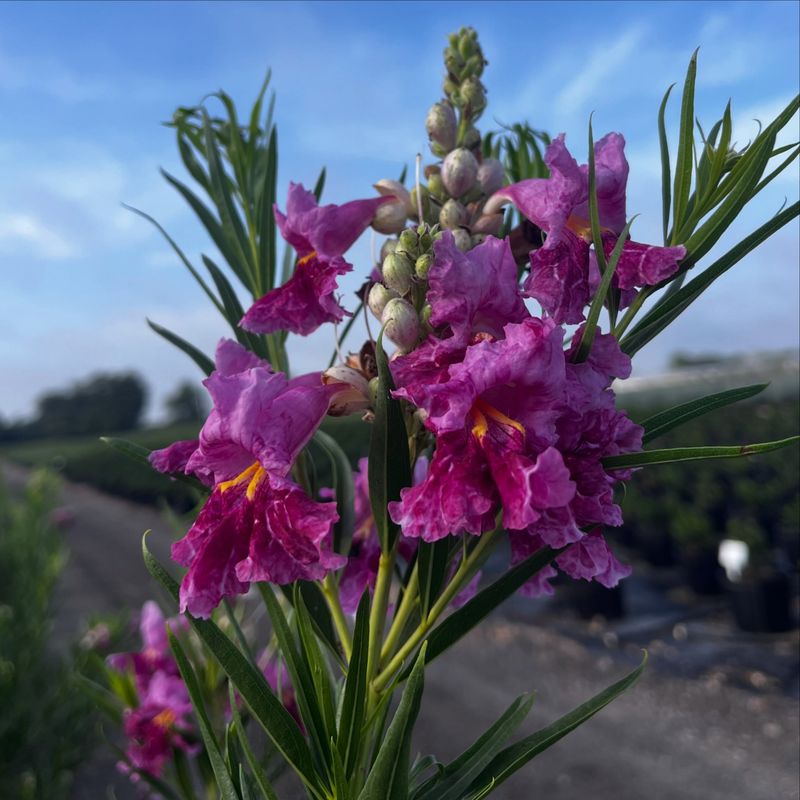
Here is a fun surprise. Desert willow is not a willow at all. It just has long, skinny leaves that look like willow leaves, and it is actually related to the trumpet vine.
For a small tree, it puts on a big show. From late spring through summer, it fills with frilly blooms in pink, lavender, or deep purple. Many people say they look like orchids.
Wind tolerance comes from its slim leaves and bendy branches. Narrow leaves do not catch much wind, so they stay on the tree. The branches flex during storms instead of cracking.
Native to West and Central Texas, it is built for tough weather. It grows along dry creek beds where water comes and goes. That makes it extremely drought tolerant once it gets going.
Size is just right for most yards. It usually reaches fifteen to twenty-five feet tall. You can grow it as a single trunk tree or let it keep several trunks for a more natural look.
Planting tips are simple. Choose full sun and well-drained soil. It will bloom less in shade and may struggle in soggy ground.
Water deeply but not often during the first year or two. After that, it handles dry spells well. Extra water in summer can bring more flowers, though. Hummingbirds and bees adore the blooms.
In winter, the tree loses its leaves, letting sunlight warm your yard. It also stays fairly small, so it will not crowd your house or power lines.
7. Live Oak Stands Strong Through Storms
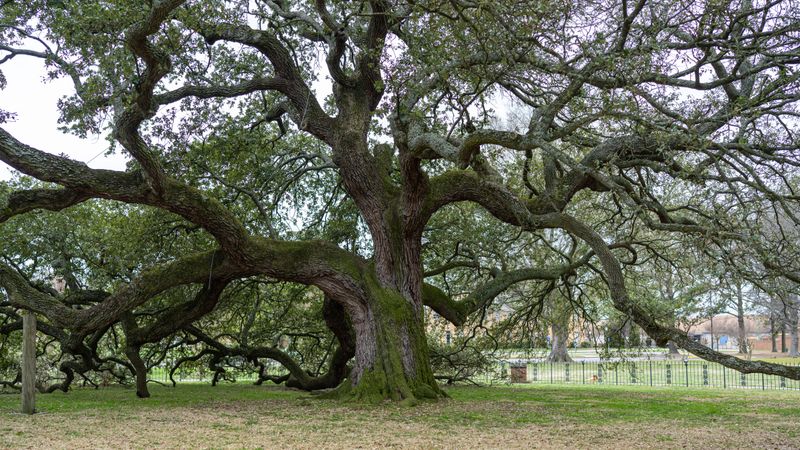
Along the Texas Gulf Coast, some live oaks have stood for hundreds of years. They have seen hurricane after hurricane and are still standing tall. That kind of track record is hard to beat.
Strength starts with the wood. It is very hard and dense, so branches do not break easily. Early shipbuilders even prized live oak wood for making strong warships.
Shape matters as well. Live oaks grow low and wide, often spreading far more than they grow tall. With a lower center, wind has less leverage to push the tree over.
Underground, a deep and wide root system anchors the trunk firmly. Studies after big Gulf storms have found live oaks among the trees most likely to survive with little damage. That makes them a top pick for windy yards anywhere in the state.
Shade is another huge benefit. A mature live oak can shade a big part of your yard and even help cool your house. The leaves stay green most of the year, dropping mainly in spring as new ones grow.
Give it space. These trees can spread sixty feet or more, so plant well away from your home, driveway, and sidewalks.
Young trees need regular deep watering for the first couple of years. Prune only in the coldest part of winter or the hottest part of summer to lower the risk of oak wilt.
Always paint fresh cuts. With good care, your live oak could shade your family for generations.
8. Yaupon Holly Makes A Sturdy Windbreak
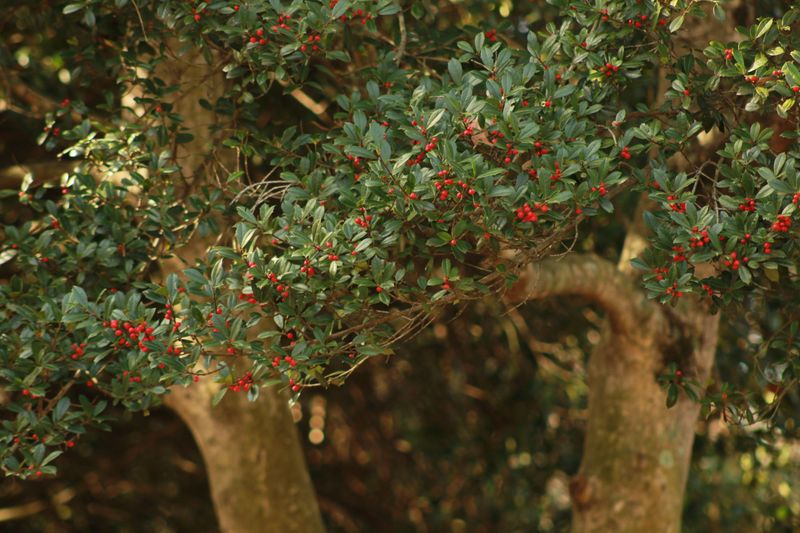
Need a living wall to block the wind? Yaupon holly might be your new best friend. Plant a row of it, and you get a green barrier that slows down gusts before they reach your patio.
The secret is in its build. Branches grow thick and close together, yet they stay flexible. The leaves are small and leathery, so they hold up against drying winds without tearing.
Evergreen leaves mean it stays green all year. On female plants, bright red berries show up in fall and winter. Birds like cardinals and mockingbirds love to snack on them.
Here is a cool history bit. Yaupon is the only plant native to North America that contains caffeine. Native peoples brewed its leaves into a tea long ago, and some companies sell yaupon tea today.
Toughness is its middle name. It handles heat, drought, and many kinds of soil, from sandy to clay. It even tolerates salty air near the coast and a bit of shade.
Several sizes are available. Dwarf types stay small and round, which works well for low borders. Taller forms can grow into small trees up to twenty feet, great for screens and windbreaks.
For a hedge, space plants a few feet apart so they fill in quickly. Water regularly during the first year. After that, it rarely needs help.
You can shear it into neat shapes or let it grow naturally. Either way, it shelters your yard and feeds local wildlife at the same time.