What Coyotes Are Looking For In Your Pennsylvania Yard Before Winter
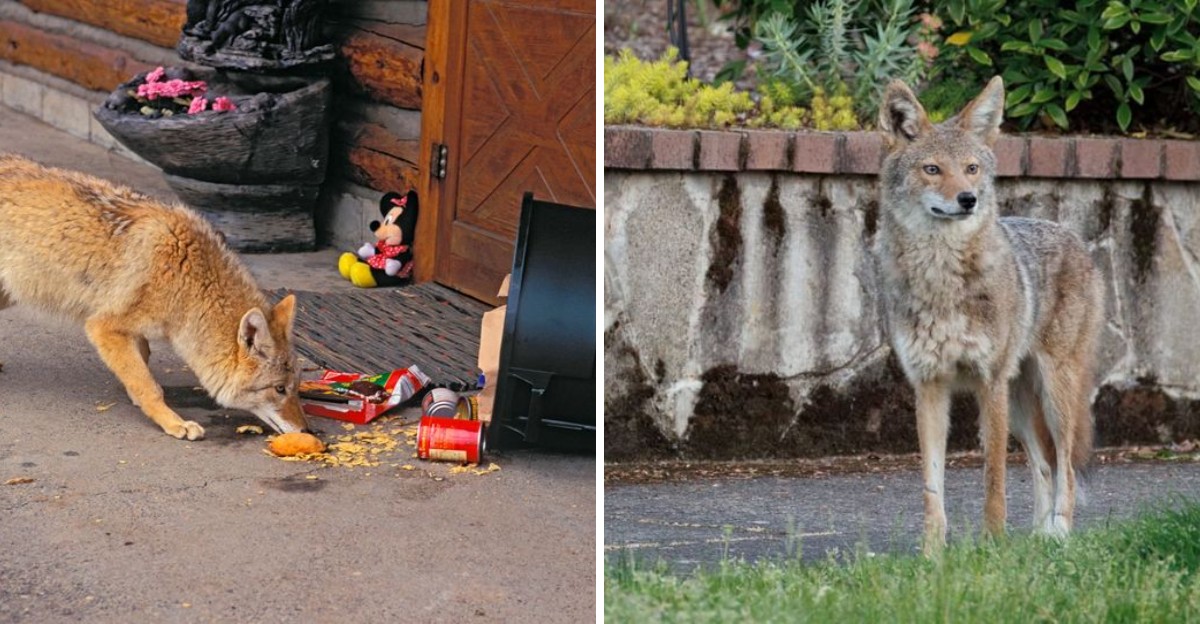
Coyotes don’t spend the fall just wandering aimlessly. Many of them are scouting. As winter approaches in Pennsylvania, these clever predators are looking for places that can carry them through the cold months.
Breeding season kicks off in mid-to-late winter, so pairs are also staking out territory and eyeing spots that might work for raising pups come spring. Your yard could be on their checklist.
They’re searching for steady food, like rodents hiding in tall grass, fallen fruit, birdseed, or pet food left outside.
They want quiet cover, such as brush piles, overgrown corners, or the dark space beneath a deck or shed. Easy travel routes along wooded edges, creeks, and fence lines make a yard even more appealing.
Understanding what coyotes are looking for can help you make your property a lot less attractive before they decide to settle in.
1. Mice, Voles, And Rabbits
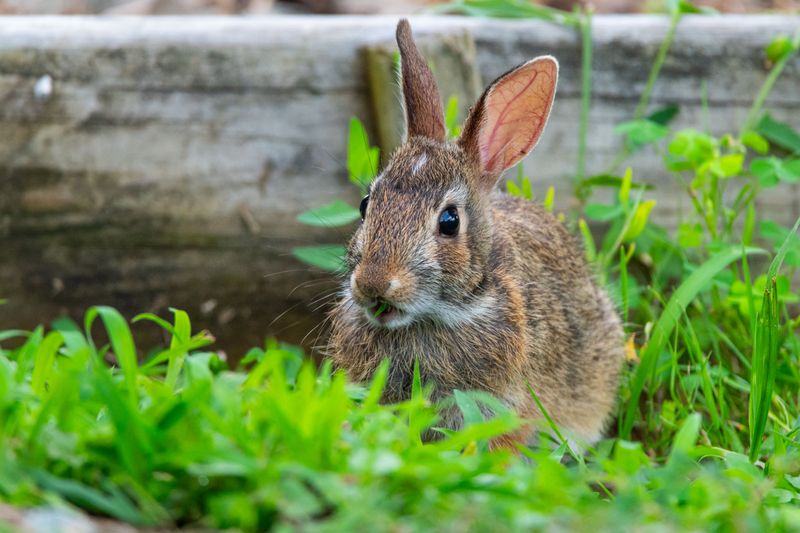
Tiny critters are a big deal to a coyote. In fact, mice, voles, and rabbits make up a huge part of what coyotes eat all year long. As fall turns cold, these small animals become even more important.
Here is why. Many foods that coyotes enjoy in summer, like insects and berries, start to fade away.
Rodents and rabbits are still around, though, and they are busy getting ready for winter too. That makes them a steady snack for a hungry hunter.
Your yard might be a rodent hotel without you knowing it. Tall grass gives voles places to hide and tunnel. Brush piles and woodpiles make cozy homes for rabbits and mice. Spilled birdseed under feeders is like a free buffet for them.
Where small animals gather, coyotes follow. A coyote can hear a mouse moving under the grass from many feet away. It will pounce high in the air and land right on top of its target, a move people often call a mouse leap.
So what can you do? Start by mowing your lawn short before winter. Clear away brush piles or move them far from your house. Stack firewood neatly and keep it off the ground.
Bird feeders deserve some attention too. Use a tray under the feeder to catch seed. Sweep up spills often, or take feeders down for a while if you spot coyotes nearby.
Fewer hiding spots mean fewer rodents. Fewer rodents mean fewer reasons for a coyote to visit. It is a simple chain, and you get to break it with a rake and a mower.
2. Easy Meals From Pet Food And Trash
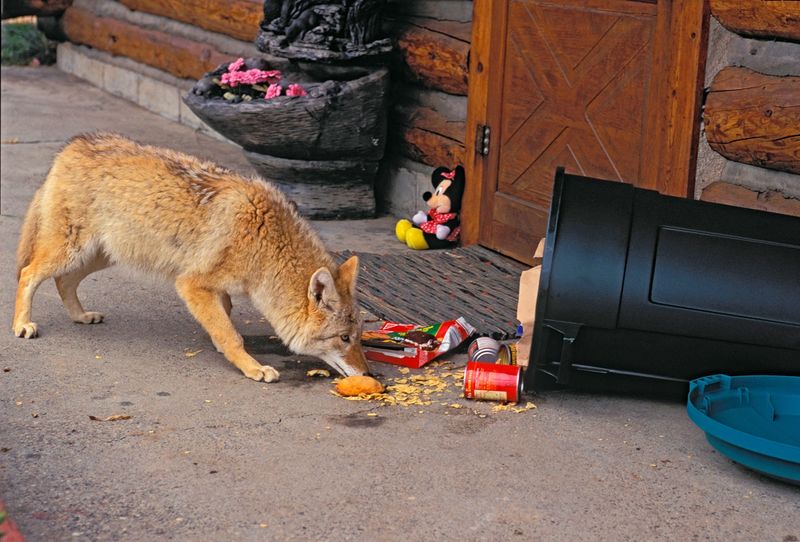
Let’s be honest. If someone left free pizza on your porch every night, you would probably keep coming back. Coyotes think the same way about easy food.
Pet food left outside is one of the biggest coyote magnets around. A bowl of kibble on the back deck smells amazing to a wild animal with a sharp nose. Even an empty bowl can hold enough scent to bring one sniffing around.
Trash cans are another favorite. Leftover meat, bones, and greasy wrappers are hard to resist. A coyote can tip over a loose can in seconds and spread garbage across your lawn.
Your Pennsylvania Garden Changes Every Week. Your Plan Should Too.
Gardening in Pennsylvania changes quickly throughout the season. Every Friday you’ll receive a simple weekly plan showing exactly what to plant, prune, fertilize, harvest, and protect so you never miss the right timing.
Compost piles can be tricky too. Fruit peels and veggie scraps are fine for most bins. But tossing in meat, dairy, or cooked leftovers turns your compost into a dinner table.
Fixing these problems is pretty easy. Feed your pets indoors whenever you can. If they must eat outside, pick up the bowls as soon as they finish.
Choose trash cans with tight lids that lock or clip shut. Store them in a garage or shed until pickup day if possible. A bungee cord across the lid works in a pinch.
For compost, use a closed bin instead of an open pile. Keep meat, bones, and dairy out of it completely.
Here is a fun fact. Coyotes that get used to human food often lose their fear of people. That can lead to bolder behavior over time. Keeping food locked away helps them stay wild and wary, which is better for everyone, including the coyotes themselves.
3. Fallen Fruit And Berries
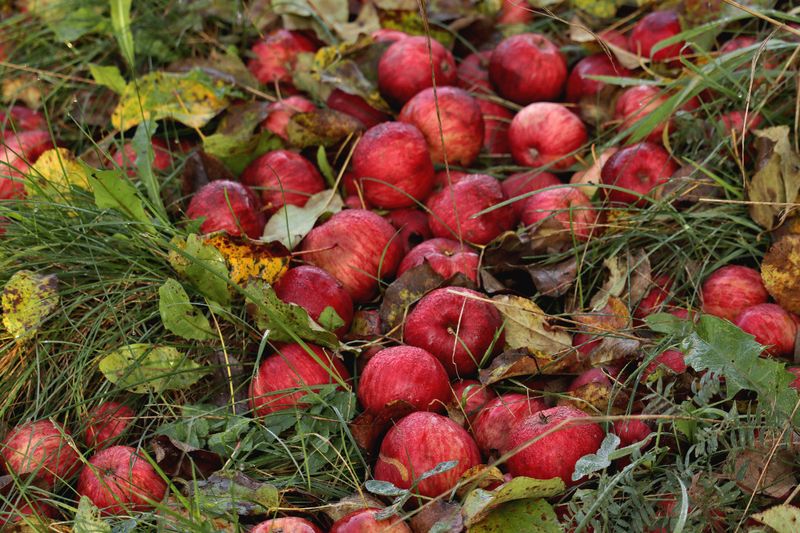
Surprise! Coyotes are not just meat eaters. They happily munch on apples, pears, berries, and even persimmons when they find them.
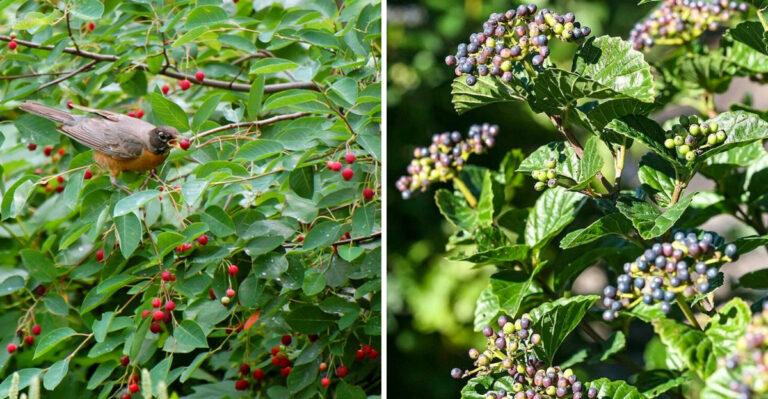
Fall is fruit season across Pennsylvania. Backyard apple and pear trees drop their extra fruit onto the grass. Wild grapes and berry bushes do the same along fences and woods.
To a coyote, a lawn covered in soft, sweet apples is a treasure. The fruit is easy to grab and full of sugar. That sugar gives them quick energy as they bulk up for the cold months ahead.
Once a coyote finds a good fruit spot, it remembers. It may start stopping by night after night. Before long, your yard becomes part of its regular dinner route.
Fallen fruit also pulls in other animals. Deer, raccoons, mice, and opossums love it too. More animals in your yard can mean even more interest from coyotes.
Keeping things tidy is the best plan. Walk around your trees every day or two and pick up fallen fruit. A bucket and a pair of gloves are all you need.
Do not just toss the fruit into an open pile at the edge of your yard. Bag it up and put it in a secure trash can, or use a closed compost bin.
If you have more fruit than you can use, try picking it early. Share extra apples with neighbors or a local food pantry.
Your friends get a treat, and coyotes get one less reason to visit. Many people even look forward to their neighbor’s homemade apple pie in return!
4. Backyard Chickens And Small Pets
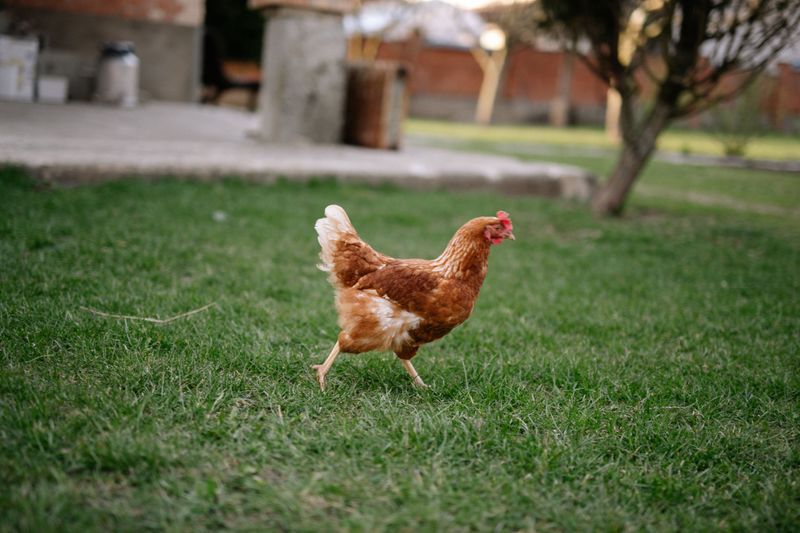
A plump hen pecking in the yard looks peaceful to us. To a hungry coyote, it looks like dinner with feathers. The same goes for pet rabbits, cats, and very small dogs.
Coyotes are smart hunters who look for easy chances. An animal that cannot run fast or hide well is a tempting target. In late fall, when coyotes need extra food, that temptation grows.
Timing matters a lot. Coyotes are most active at dawn, dusk, and during the night. Those are the hours when pets and poultry are most at risk.
Chicken owners have the biggest job. Lock your birds in a strong coop every evening before sunset. Use hardware cloth instead of chicken wire, since coyotes can tear through thin wire.
Bury fencing about a foot into the ground or add an apron of wire around the base. Coyotes are good diggers and will tunnel under a weak spot.
For pets, the rules are simple. Keep cats indoors, especially at night. Walk small dogs on a leash and stay close to them in the yard.
Do not leave pet rabbits in outdoor hutches overnight. Bring them into a garage or the house when the sun goes down.
A motion light near the coop or back door can also help. Sudden light often startles coyotes and makes them think twice.
Did you know? A coyote can jump a fence that is five or six feet tall. Adding a rolling bar or angled top to your fence can make climbing over much harder for them.
5. Deer Scraps From Hunting Season
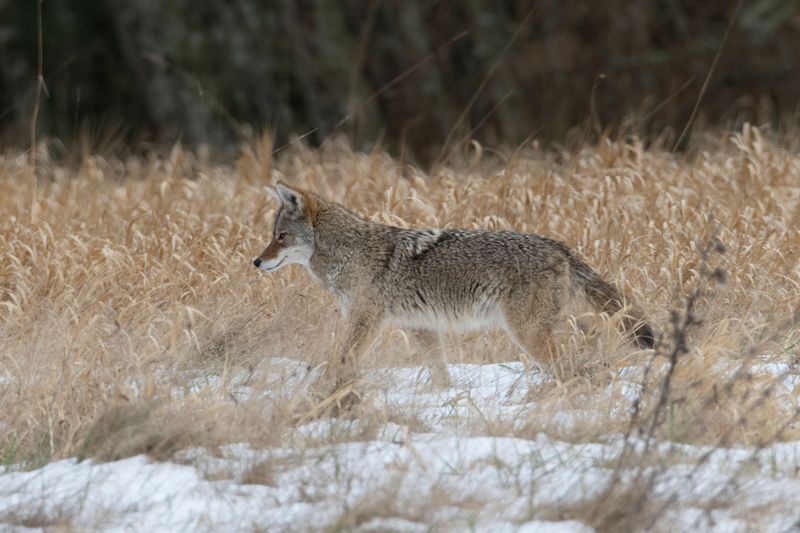
In Pennsylvania, fall means one thing to many families. Hunting season! Thousands of hunters head into the woods for deer each year.
Here is something many people forget. Deer scraps left behind after processing can draw coyotes from a long way off. Bones, hides, and leftover parts give off a powerful smell that travels on the wind.
Coyotes have an amazing sense of smell. Some experts say it may be many times stronger than ours. A pile of deer remains behind a shed is like a giant dinner bell ringing across the hills.
Once coyotes find a good food source, they come back. They may even bring along family members. That can quickly turn a quiet yard into a busy coyote hangout.
Hunters can help a lot with a few smart habits. Process deer as far from your house as you can. Clean up the area well when you are done.
Bag scraps in heavy-duty trash bags and seal them tight. Check with your local trash hauler about pickup rules. Some areas also have special drop-off spots for hunting waste.
Never dump remains near your home, a neighbor’s yard, or a walking trail. If you leave remains in the field after a hunt, place them deep in the woods, far from homes and roads.
Rinse down any tables, buckets, or tools you use. Blood left on surfaces can still attract animals for days.
Even if you do not hunt, a neighbor might. A friendly chat about scrap cleanup can make your whole street less inviting to coyotes this season.
6. Cover And Safe Travel Routes
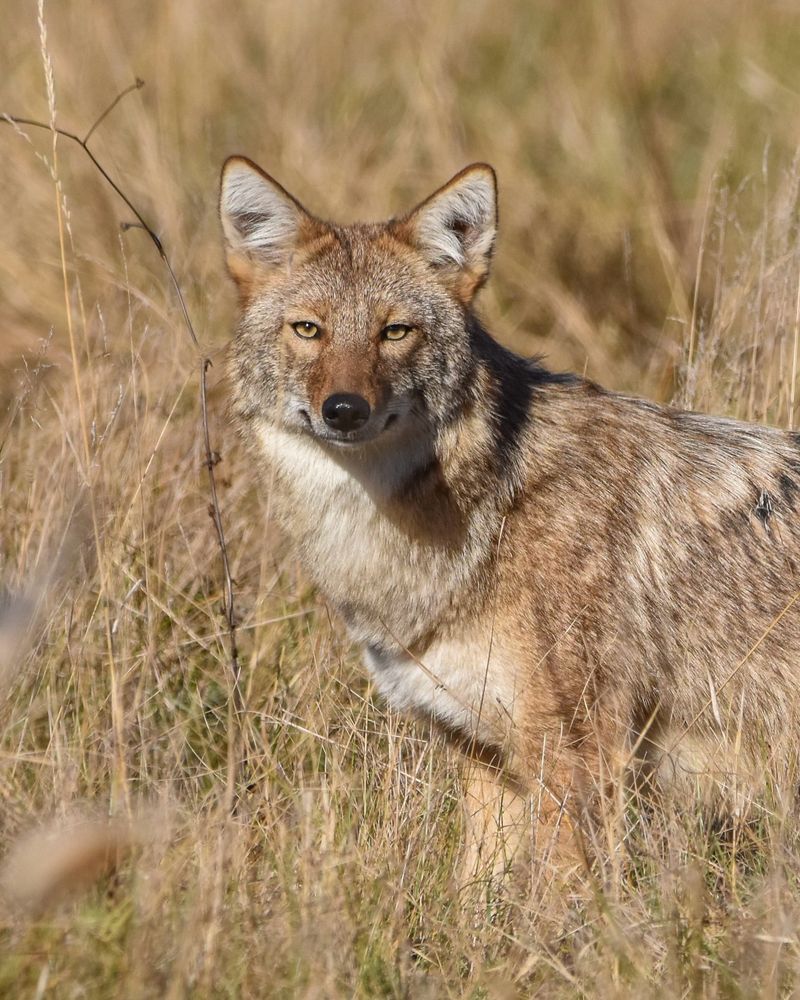
Think of coyotes as nature’s sneaky commuters. They do not like walking across wide open spaces where they can be seen. Instead, they stick to hidden paths.
Woodland edges, hedgerows, and brushy strips make perfect travel lanes. These areas give coyotes cover while they move from one hunting spot to the next. They can watch for danger without being spotted.
If your yard borders woods or farm fields, you may be right on one of these routes. Thick brush along your property line can act like a hallway for wildlife. Coyotes may pass through on a nearly daily schedule.
Creeks and drainage ditches also work as highways. Many Pennsylvania neighborhoods have these running behind homes. They connect larger wild spaces and make travel easy.
You cannot move the forest, but you can change your yard. Trim back thick shrubs near your house. Clear out tangled brush and overgrown corners where an animal could hide.
Look under decks, porches, and sheds too. Coyotes sometimes use these spots to rest or even raise pups in spring. Close off openings with sturdy wire or lattice.
Good lighting helps as well. Coyotes feel safer in the dark. A few motion lights along the edge of your yard can make them feel exposed.
A solid fence can block a favorite path. Make sure it reaches the ground with no gaps underneath.
Here is a cool fact. Coyotes often use the same trails over and over. Look for narrow worn paths in the grass, and you may spot their route.
7. A New Territory Of Their Own
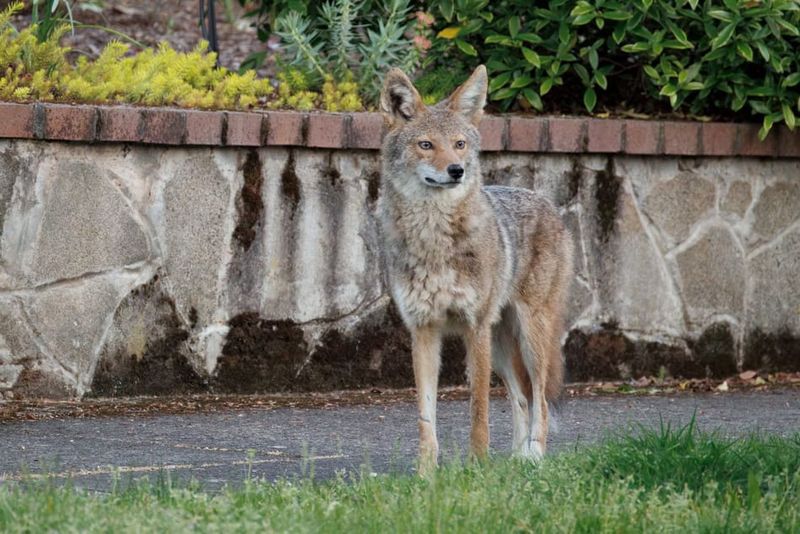
Growing up is hard, even for coyotes. Every fall, young coyotes born in spring leave their families. They head out to find a home of their own.
These young travelers can cover many miles. Some wander more than 50 miles looking for open space. Along the way, they often pass through towns and neighborhoods they have never seen before.
A young coyote does not yet know where it is welcome. It is curious and still learning. If your yard seems quiet and safe, it might decide to stick around.
That is where you come in. Wildlife experts suggest a method called hazing. It simply means making a coyote feel uncomfortable so it moves on.
When you see one, stand tall and make yourself look big. Wave your arms and shout in a loud, firm voice. Bang pots together or shake a can filled with coins.
Spraying a garden hose works well too. Some people keep an air horn or whistle by the back door. The goal is to scare, never to hurt.
Do not run away from a coyote. Keep facing it and keep making noise until it leaves. Stay at a safe distance and never try to corner it.
Consistency is the secret. If every neighbor hazes coyotes, they quickly learn the whole area is not friendly. Share these tips with people on your street.
Coyotes play a helpful role by keeping rodent numbers in check. With a little effort, you can enjoy them from afar while they find a better place to settle.