The Pennsylvania Native Tree That Feeds Wildlife Without Constant Pruning
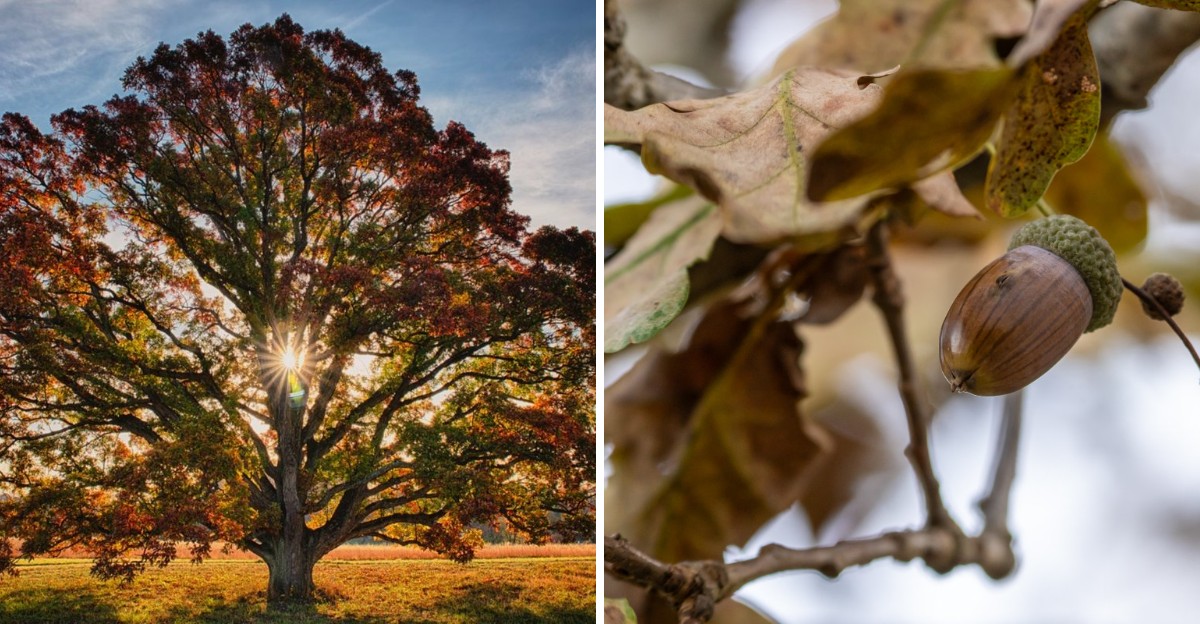
Some trees support a handful of insects. This one supports hundreds. Research has found that this native Pennsylvania tree hosts more species of caterpillars than almost any other plant around.
Caterpillars are a crucial food source for songbirds, especially when they’re raising hungry chicks in spring. More caterpillars mean more birds in your yard.
The benefits keep going. Its sweet, low-bitterness acorns feed deer, wild turkeys, blue jays, squirrels, and countless other animals each fall.
Best of all, it doesn’t demand much from you. This long-lived tree naturally grows a strong, balanced shape, so it rarely needs heavy pruning to stay healthy. Some specimens live for centuries.
If you want a tree that quietly supports an entire ecosystem, this one might be the best investment you’ll ever plant.
A Wildlife Powerhouse
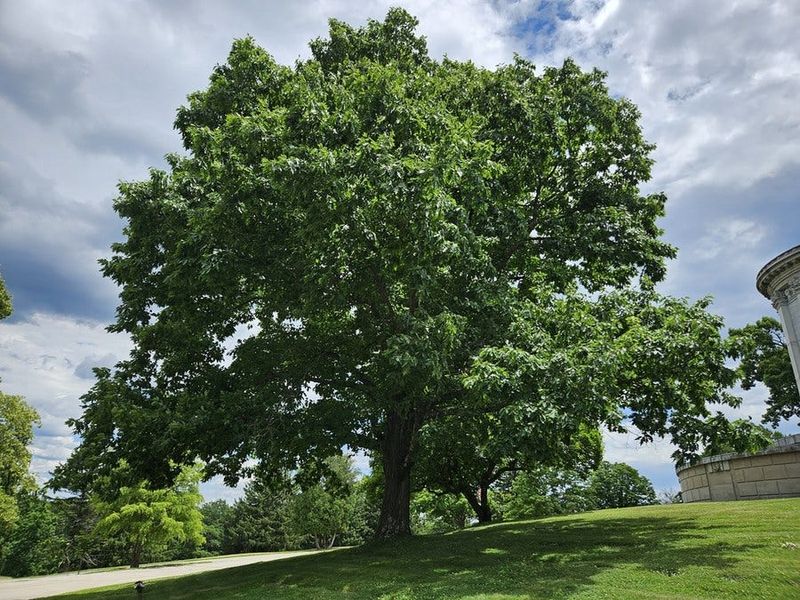
Walk through almost any Pennsylvania forest, and you might pass a white oak without even knowing it. Its scientific name is Quercus alba, and “alba” means white in Latin. The name comes from its pale, light gray bark.
White oak is one of the most important native trees in the eastern United States. It grows naturally from the hills of western Pennsylvania all the way to the Delaware River. You can find it in woods, parks, old farm fields, and even some city streets.
The bark is easy to spot once you know what to look for. It looks flaky and scaly, almost like loose shingles on a roof. On older trees, the bark forms long, shallow plates that peel a little at the edges.
Here is the wild part. A healthy white oak can live for 300 years or more. Some famous trees have lasted over 500 years. That means a tree planted today could still be standing when your great-great-grandchildren are grown.
As it ages, the tree becomes a broad, majestic shade giant. Many reach 80 to 100 feet tall. Their crowns can spread just as wide, creating a cool, leafy roof overhead.
Fun fact: the white oak is the state tree of Maryland, Illinois, and Connecticut. Pennsylvania picked the eastern hemlock instead, but white oak is just as much a part of our state’s story.
For wildlife, few trees do more good. White oak offers food, nesting spots, and hiding places all year long. Birds raise families in its branches. Squirrels build leafy nests high up.
Even bats tuck themselves under loose bark. Planting one is like opening a free restaurant and hotel for nature.
Acorns That Feed A Long List Of Animals
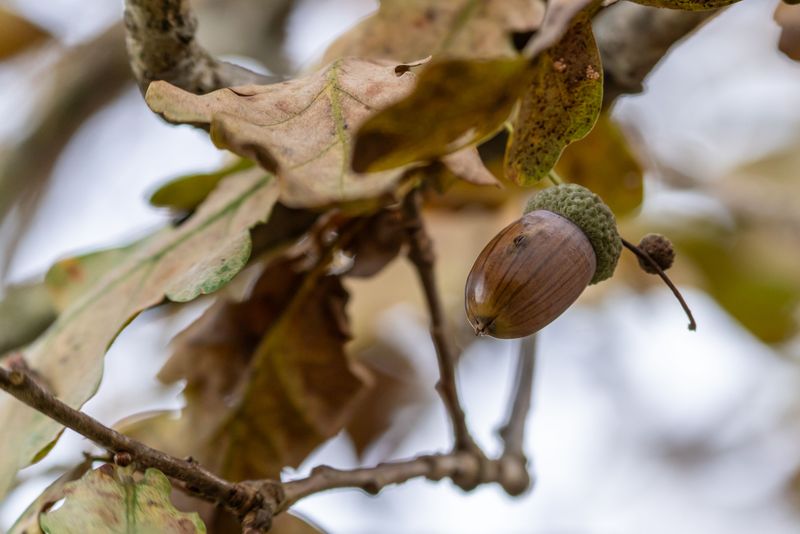
Ask a hungry squirrel about its favorite snack, and it would probably point straight at a white oak. Every fall, these trees drop piles of acorns. For many animals, that is the best meal of the year.
White oak acorns are special for one simple reason. They taste sweeter than most other acorns. Red oak acorns hold more tannins, which make them bitter. White oak acorns have far less, so animals often eat them first.
The list of fans is long. White-tailed deer munch them to fatten up for winter. Wild turkeys scratch through the leaves to find them. Blue jays grab them and fly off to hide them.
Chipmunks stuff their cheeks until they look like tiny balloons. Black bears, wood ducks, raccoons, and mice join the feast too.
Fall is a tough season for wildlife. Food is getting scarce, and cold weather is coming fast. Acorns are packed with fat and energy, which helps animals build up reserves for the long months ahead.
Here is a cool bonus. Blue jays and squirrels often bury more acorns than they can eat later. The forgotten ones may sprout into new trees. In a way, these animals are nature’s tree planters.
One thing to know is that acorn crops change from year to year. Some years bring a huge harvest, called a mast year. Other years are lighter.
Want to enjoy the show? Set up a chair near your oak in October. Keep pets indoors for a bit and watch quietly. You may spot deer, turkeys, and busy squirrels all visiting the same tree on the same afternoon.
A Host For Hundreds Of Insect Species
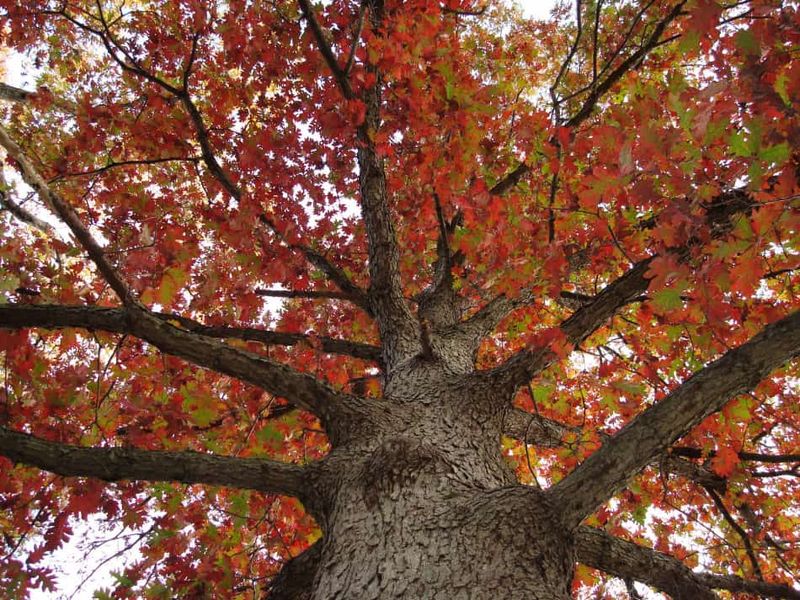
Caterpillars might not sound exciting, but songbirds would strongly disagree. To a baby chickadee, a fat green caterpillar is the perfect dinner. And oaks grow more of them than almost any other tree.
Doug Tallamy is an entomologist, which means he studies insects. He teaches at the University of Delaware, not far from Pennsylvania. His research found that oaks in the eastern U.S. support over 500 species of caterpillars. Most other trees host far fewer.
Why does that matter? Nearly all songbirds feed insects to their young, even birds that eat seeds as adults. Caterpillars are soft, easy to swallow, and full of protein.
The numbers are amazing. Tallamy found that one pair of chickadees needs between 6,000 and 9,000 caterpillars to raise a single nest of chicks. That is a lot of hunting in just a few weeks!
A big white oak can provide a steady supply all spring. Warblers, vireos, wrens, and orioles all flit through the leaves searching for snacks. Your yard becomes a busy bird nursery.
You might worry that caterpillars will ruin your tree. Relax. A healthy oak handles leaf nibbling just fine.
Most damage is small and barely noticeable from the ground. Here are a few easy tips to help the insect world thrive:
Skip bug sprays around your oak. Leave fallen leaves under the tree when you can, since many caterpillars finish growing in the leaf layer.
Plant native flowers or shrubs nearby to create a cozy habitat. Small choices like these turn one tree into a whole food web. Birds, bugs, and you all win.
Naturally Strong Structure Means Little Pruning
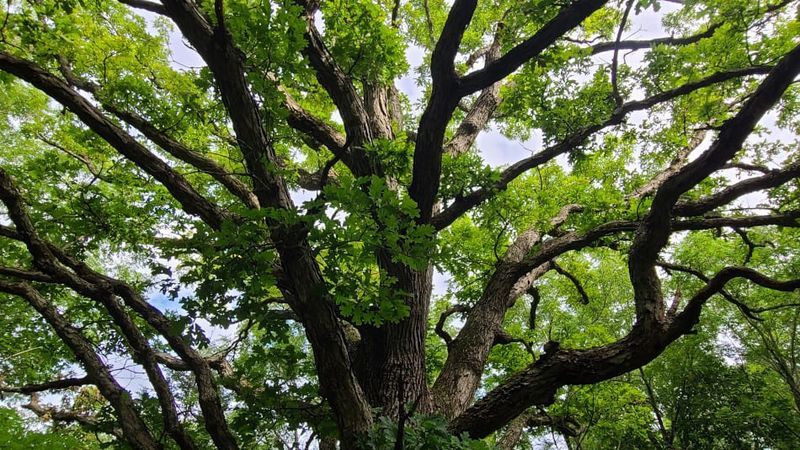
Good news for busy people: white oak does not need you hovering over it with pruning shears. It builds a strong frame all by itself. That makes it one of the easiest big trees to own.
The wood of a white oak is hard, heavy, and tough. In fact, it was once used to build ships, including the famous USS Constitution. Its branches usually grow at wide, sturdy angles, which helps them hold up in wind, ice, and heavy snow.
Some fast-growing trees, like Bradford pears or silver maples, often split apart in storms. White oak grows slower, and that slower growth creates denser, stronger wood.
So what work is left for you? Mostly, just keep an eye out for dry, broken, or damaged branches. Remove those when you spot them. On a young tree, you might also trim a branch that rubs against another one.
Timing is the key part. In Pennsylvania, never prune oaks from about April through July. That is when oak wilt is most likely to spread. Oak wilt is a serious fungus disease carried by small sap beetles that are drawn to fresh cuts.
The safest time to prune is late fall or winter, when the tree is dormant. Beetles are not active then, so the risk is very low.
If a storm breaks a branch during summer, clean up the damage right away. Some experts suggest covering the fresh wound with a little tree wound paint in that case.
For large limbs or tall branches, call a certified arborist. Climbing big trees is risky. A pro has the right gear and know-how to keep you and your oak safe.
Beautiful Fall Color
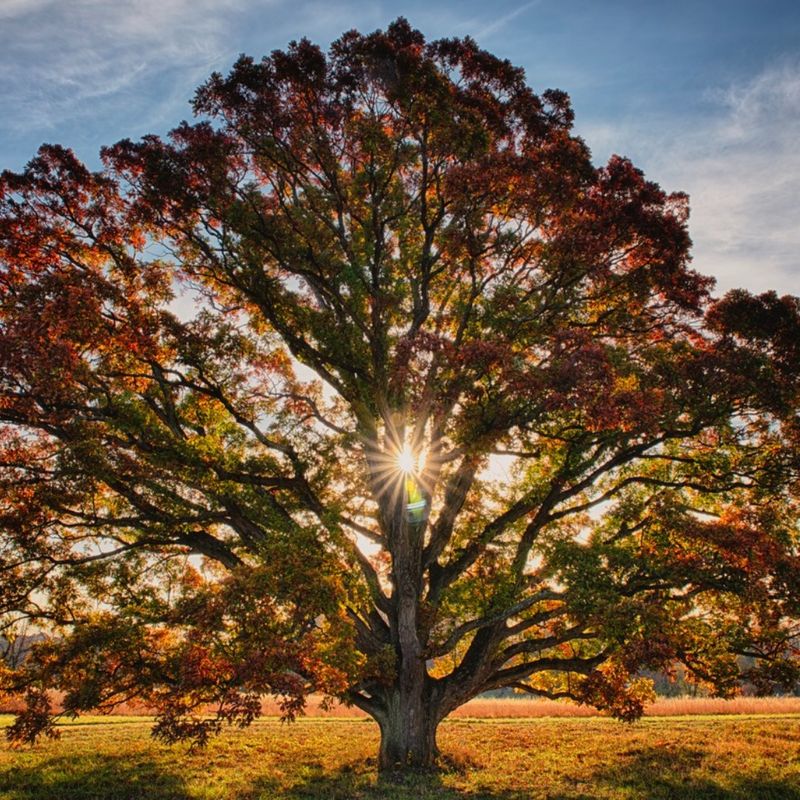
October in Pennsylvania feels like a giant art show, and white oak deserves a spot in the gallery. While maples steal attention with bright orange, this oak brings a richer, deeper style.
Look closely at a white oak leaf. It has rounded lobes, kind of like soft fingers on a mitten. Red oak leaves have pointed tips, so this is a handy way to tell the two apart.
As the weather cools, those leaves slowly change color. They shift into deep red, wine-like burgundy, and warm russet brown. Some trees glow almost purple in the late afternoon sun.
The show tends to come a little later than many other trees. Just when the maples are bare, your oak may still be full of color. That stretches out the fall season in your yard.
Here is a quirky habit worth knowing. Many white oaks hold onto some of their dried leaves all winter. This is called marcescence. The tan leaves rattle softly in the wind and add texture to a gray landscape.
Those leftover leaves also give small birds a little cover from cold winds. Come spring, new buds push the old leaves off at last.
When the leaves do fall, try not to bag them all up. Rake some into garden beds or under shrubs as free mulch. They break down slowly and feed the soil. They also shelter moths, fireflies, and other helpful insects through winter.
A tip for photographers: snap pictures on a cloudy day. Soft light makes those deep reds and browns look rich instead of washed out. Your oak might become the star of your fall photo album.
Plan For Its Size And Patience
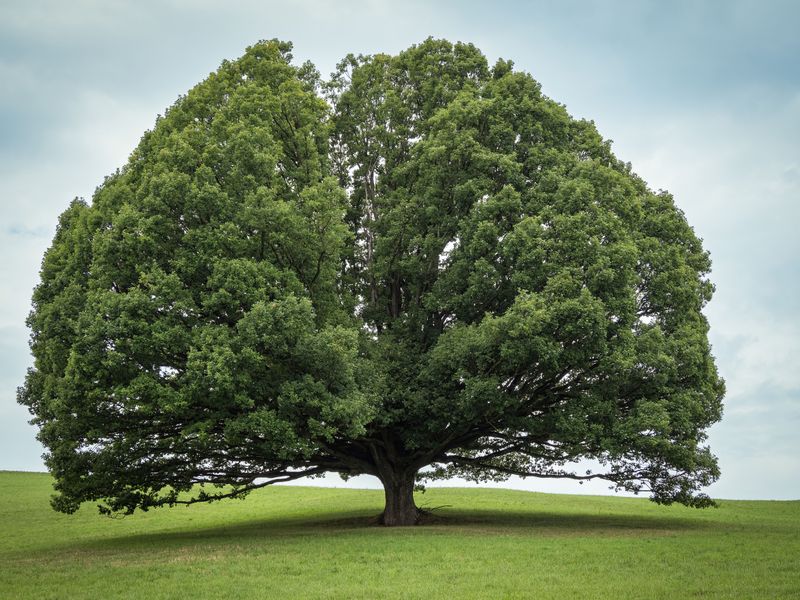
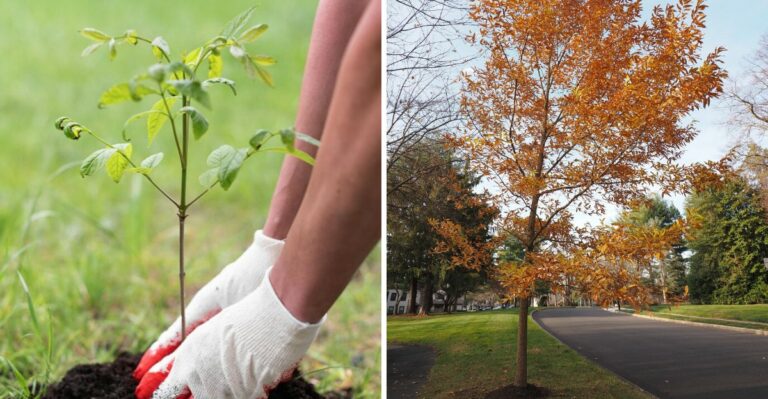
There is an old saying that the best time to plant a tree was twenty years ago. The second best time is today. Nothing fits that idea better than a white oak.
Patience is part of the deal. White oaks grow at a slow to moderate pace, often about one foot per year when young. Still, they keep going for decades and become true giants.
Size is the biggest thing to plan for. A mature tree can reach 80 feet tall and 80 feet wide. Plant it at least 30 to 50 feet away from your house, garage, and septic system.
Look up before you dig. Avoid spots under power lines, since the tree will eventually reach them. Also call 811 before digging so buried utility lines get marked for free.
Pick a sunny spot with soil that drains well. White oaks do not like soggy ground that stays wet for days.
Fall is the ideal planting season in Pennsylvania. Cooler air and steady rain help roots grow strong before summer heat arrives. White oak forms a deep taproot, so smaller young trees usually settle in faster than big ones.
A few simple steps help a lot. Dig a hole as deep as the root ball and twice as wide. Water deeply once a week during the first two dry summers. Spread mulch in a wide ring, but keep it from touching the trunk.
Young oaks also attract hungry deer. A wire cage around the trunk keeps them from nibbling the tender bark.
Planting a white oak is a gift to the future. Your family and local wildlife will thank you for generations.