What It Really Means When Robins Gather In Your North Carolina Yard In November
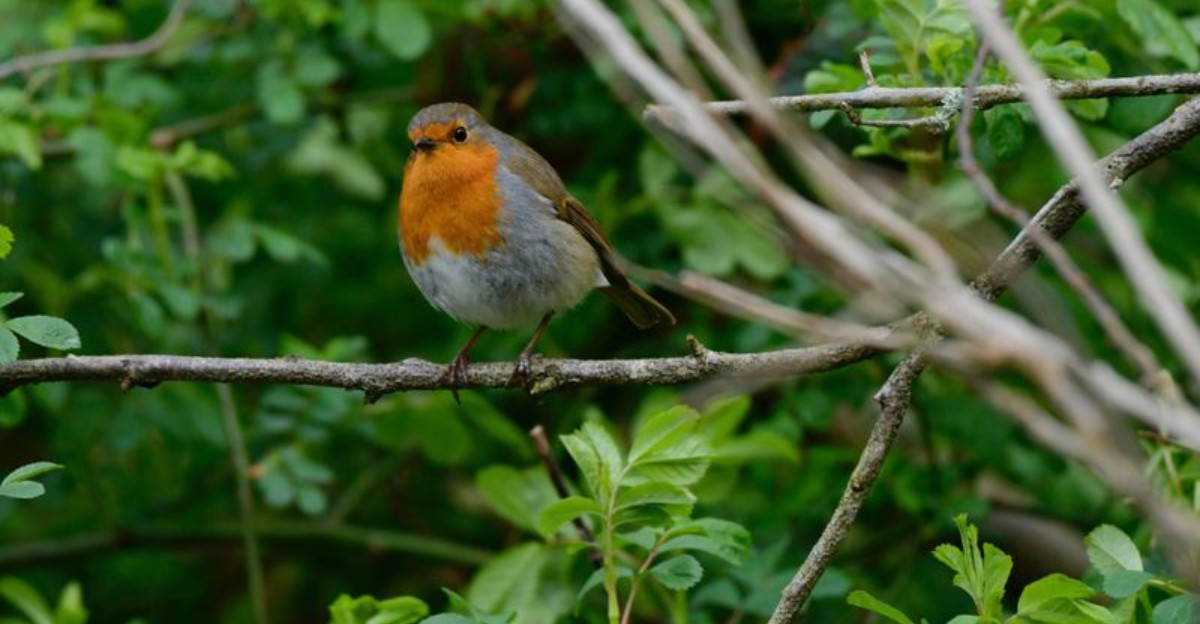
Robins are supposed to be signs of spring, so a crowd of them on a November lawn feels backwards. They are not lost. Many of the robins in North Carolina this time of year come from farther north, and they travel in loose flocks.
They also behave differently from the lone bird you watched pulling worms in April. Look at what they are eating, and where they gather, and the whole picture changes.
Their winter diet surprises many people, and it affects how they act around your trees and shrubs.
Sometimes the results are almost comical. A yard with the right plants can host dozens at once. Understanding why robins show up now answers a question many gardeners have asked every fall without ever finding the reason.
1. Robins Don’t All Fly South For Winter
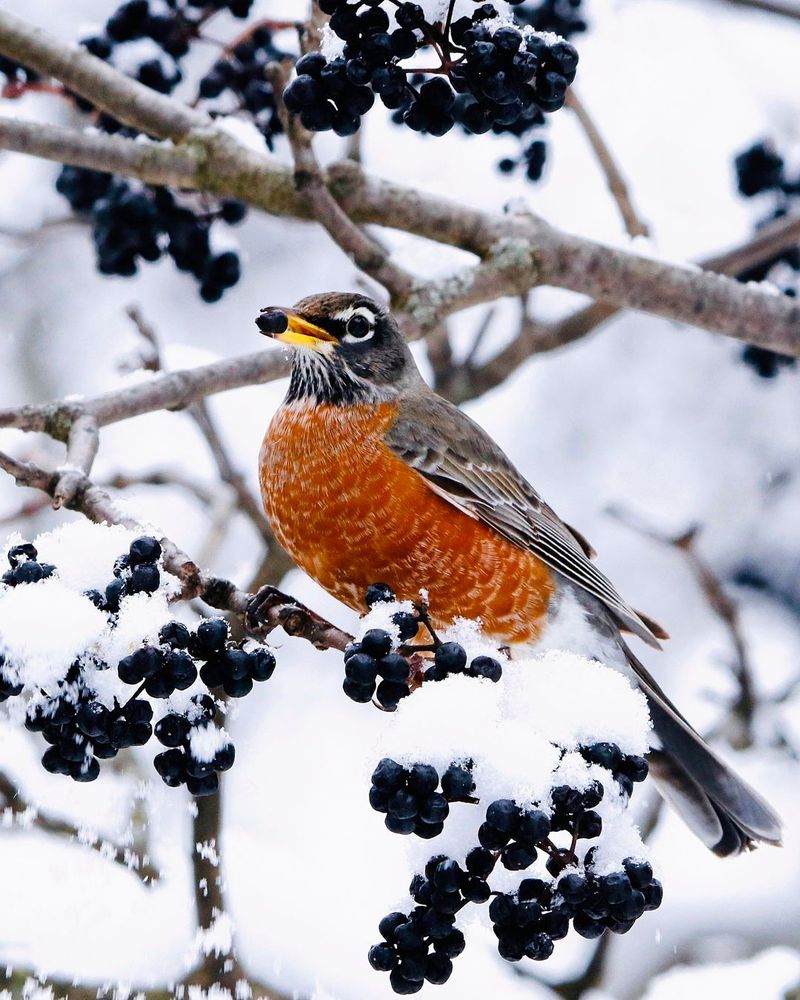
Ask almost anyone, and they will tell you robins vanish when the weather turns cold. That idea sounds right, but it only tells half the story.
The American robin, known to scientists as Turdus migratorius, is far tougher and more flexible than its springtime reputation suggests. Robins living in colder northern places like Canada and the upper Midwest often do head south as winter arrives.
Snow covers the ground there, and food gets hard to reach. Many of those travelers end up in the Southeast, and North Carolina is one of their favorite stops. Meanwhile, plenty of robins already live in North Carolina all year long.
When the northern birds show up, they join the locals instead of replacing them. The result is a mix of hometown birds and out-of-state visitors sharing the same yards and woods.
So if you spot robins in November, nothing strange is going on. You are simply seeing a normal part of their yearly rhythm. In fact, you may notice more of them now than you did back in June.
Size is the biggest clue. In spring and summer, robins usually show up as pairs busy building nests and feeding chicks. Winter brings a totally different picture, with larger groups that move together and grab your attention.
Across North Carolina, from the mountains to the coast, robins stay a common sight in yards, parks, and forests through the colder months.
They just act a little quieter and keep a lower profile. Knowing they are still around helps you watch for them, enjoy them, and plan a yard that gives them what they need until spring rolls back in.
2. Flocking Means They’ve Switched To Winter Mode
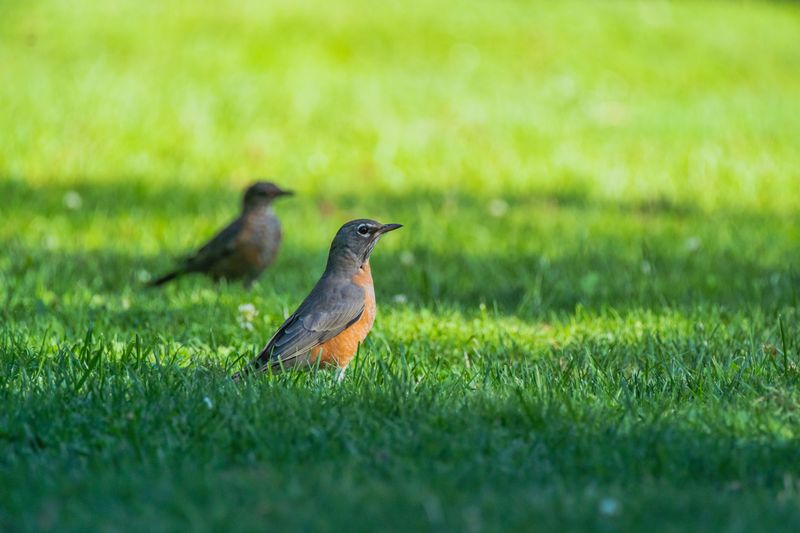
One minute your lawn is empty. The next, thirty robins drop in like a surprise party, poke around for a while, and then zoom off together. That sudden crowd is one of the clearest signs that robins have changed gears for the cold season.
During nesting season, robins act like tiny property owners. Each pair claims a patch of ground and chases away other robins that wander too close. Singing from rooftops and fence posts is their way of saying, this spot is taken.
Once fall arrives, that bossy behavior fades. Nesting is over, so there is no need to guard a territory. Robins begin traveling in flocks, and teamwork becomes their new strategy.
Why bother sticking together? A group can find fruit faster, since many eyes scan the landscape at once. More birds also means more lookouts for hawks, cats, and other hungry predators.
Flock size can vary a lot. Sometimes only five or six birds show up, while other times you may count dozens or even hundreds moving through your neighborhood. They often hop from yard to yard all day long, following the best food they can find.
For North Carolina homeowners, this explains a common puzzle. You might see a lawn full of robins on Tuesday and none at all on Wednesday. Nothing is wrong, and the birds have not left the area.
They are simply on the move, checking berry bushes, lawns, and streams across a wide range. Keep binoculars near a window, and you may start noticing the same flock returning on a loose schedule whenever your yard offers something tasty.
3. Your Yard Probably Has Fruit They Want
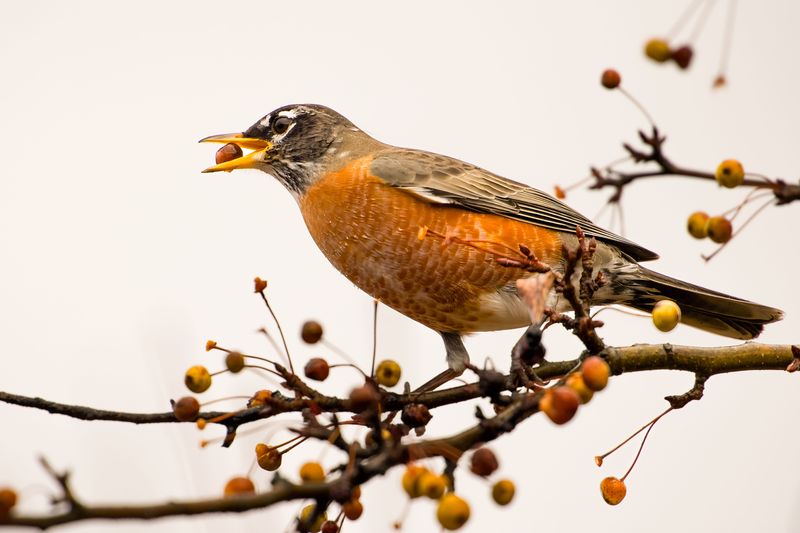
Watch a robin strip a holly branch bare, and you will understand why your yard suddenly became so popular. Fruit is the big draw in late fall. If robins keep visiting, something growing on your property is likely on their menu.
In warm months, robins feast on earthworms, beetles, caterpillars, and other insects. That diet shifts as temperatures fall and bugs become scarce. Berries and fruit take over as their main fuel, so flocks gather wherever fruit hangs thick on branches.
Take a closer look at which plants they visit most. American holly, flowering dogwood, eastern red cedar, hackberry, winterberry, crabapple, and American beautyberry are all robin favorites.
Jot down what you see, since that list becomes a handy planting guide. Native plants make the best choices for future winters.
They grow well in local soil, handle North Carolina weather, and produce fruit at the right time for hungry birds. Winterberry holly, for example, keeps its glowing red berries well into the cold months.
Planting tip: many hollies and winterberries need both male and female plants nearby to make berries.
Ask your local nursery for a matching pair so your shrubs actually fruit. Fall is also a great time to plant trees and shrubs in North Carolina, because cooler air and moist soil help roots settle in.
Native fruiting plants do more than feed robins. Cedar waxwings, bluebirds, mockingbirds, and thrushes enjoy them too.
Every berry bush you add turns your yard into a small winter pantry, helping local birds get through chilly months with full bellies and plenty of energy.
4. Robins On The Lawn After Rain Are Hunting Worms
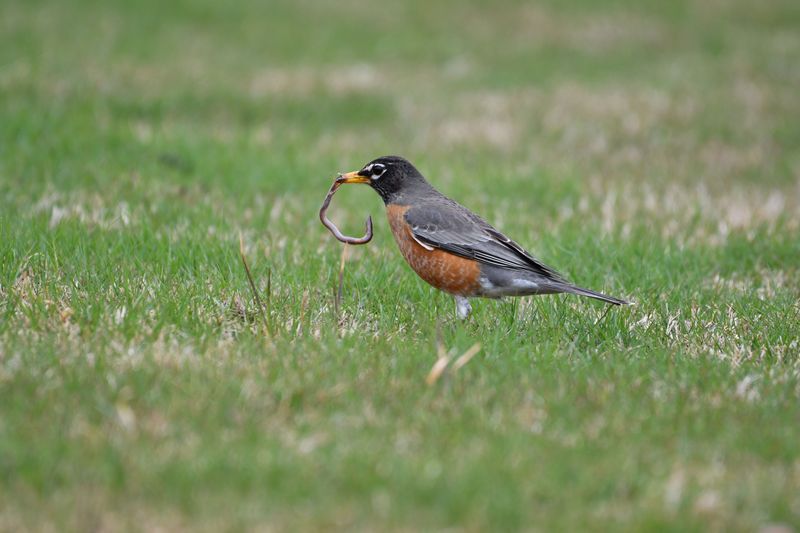
Run, stop, tilt, grab. If you have ever watched a robin work a soggy lawn, you know that quick little routine. It looks almost like a game, but it is actually a skilled hunting method.
Rain plays a big part in the show. Wet weather softens the soil and pulls earthworms up closer to the surface. Suddenly, a meal that hid deep underground is right within reach of a sharp beak.
Even though robins lean on fruit during winter, they never truly give up on worms. Whenever the ground thaws and the soil stays damp, they jump at the chance for a protein-packed snack. A rainy afternoon can turn your lawn into a busy buffet.
Scientists believe robins find worms mostly by sight, spotting tiny movements in the soil. They may also use hearing to pick up faint sounds below the grass. That head tilt you notice helps them get a better look.
You can support this natural feast with a few simple habits. Skip lawn pesticides and grub poison whenever possible, since those products can reduce worms and harm other creatures robins eat.
A healthy, chemical-free lawn is full of life just below the surface. Leaving grass clippings and fallen leaves in garden beds also helps. They break down into rich soil that worms love. More worms mean better hunting for birds.
North Carolina winters suit this habit nicely. Mild, rainy days often show up between cold snaps, giving robins regular chances to feed on worms. Keep an eye on your yard after the next shower, and you just might catch a robin tugging a long worm free.
5. They Often Roost Together At Night
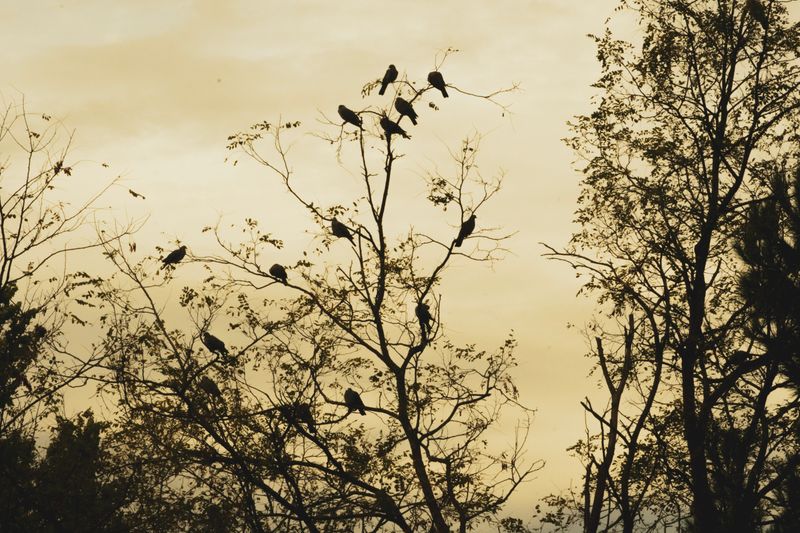
As sunset fades on a winter evening, robins from miles around may stream through the sky toward the same patch of woods. It is a quiet rush hour that many people never notice. Those birds are heading to a shared bedroom called a roost.
Winter roosts can be truly impressive. Some hold hundreds of robins, and the largest ones can contain thousands packed into dense trees and thickets. During the day, the birds spread out to feed, then gather back together as darkness falls.
Sleeping in a crowd has real benefits. Thick branches block cold wind and help trap a little warmth. A big group also offers safety, since owls and other predators have a harder time sneaking up on so many alert birds.
Your yard can offer some of that same shelter. Dense evergreen trees and shrubs give robins and other birds a cozy hiding spot on chilly nights. American holly, eastern red cedar, and southern magnolia are excellent native picks for North Carolina properties.
Bonus points go to plants that do double duty. Holly and red cedar provide both shelter and berries, so birds can eat and rest in the same place. That combination makes your yard extra appealing during cold stretches.
Try not to trim evergreens too heavily in fall and winter. Thick, full branches give birds better protection than neatly sheared shapes. Brush piles in a back corner can add even more cover.
In North Carolina, large winter roosts often form in wooded areas near food and water. If you live close to forest edges, step outside at dusk and listen for chattering robins settling in for the night.
6. Fresh Water Draws Them In
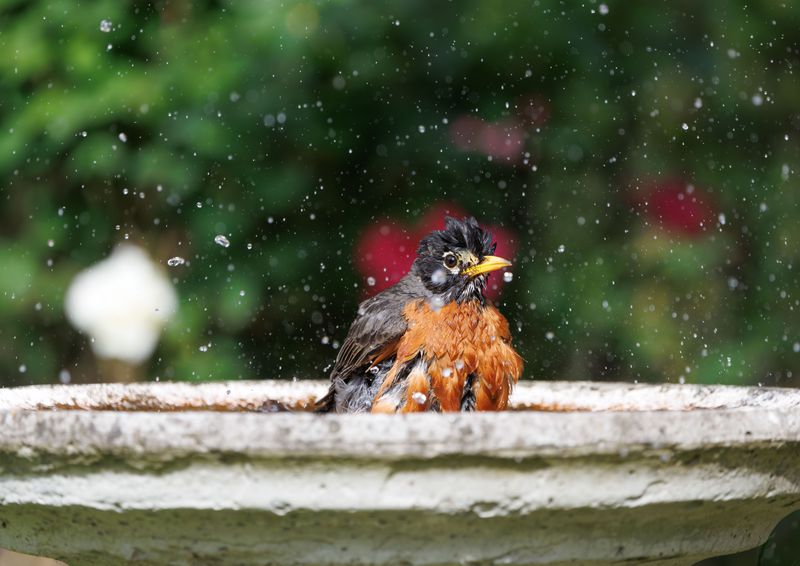
Few things beat the sight of a robin splashing in a birdbath, feathers fluffed and droplets flying everywhere. Food gets most of the attention, but water matters just as much. Clean water can pull a passing flock right into your yard.
Robins drink and bathe all year long. Bathing helps keep their feathers clean and in good shape, which matters a lot in winter. Well-kept feathers trap warm air and keep birds cozy on frosty mornings.
Finding water is not always easy, though. During dry spells, puddles and small streams can disappear. When temperatures drop below freezing, ponds and birdbaths may turn to solid ice.
A simple setup can make a big difference. Choose a shallow birdbath, about one to two inches deep, with a rough surface so birds can grip it. Placing it near shrubs gives robins a quick escape route if a hawk shows up.
Keep it fresh by changing the water every couple of days. Scrub the basin regularly with a brush and a mix of nine parts water to one part vinegar, then rinse well. Dirty water can spread disease among birds.
On freezing days, a birdbath heater keeps a patch of water open. Never add antifreeze, salt, or any chemicals to stop ice from forming, because these can seriously harm birds.
North Carolina has faced drought across much of the state this year, so natural water sources may be limited. That makes your birdbath even more valuable. A little effort with a hose and brush can turn your backyard into a busy, lively watering hole all winter.
7. It’s Not A Sign Of Early Spring
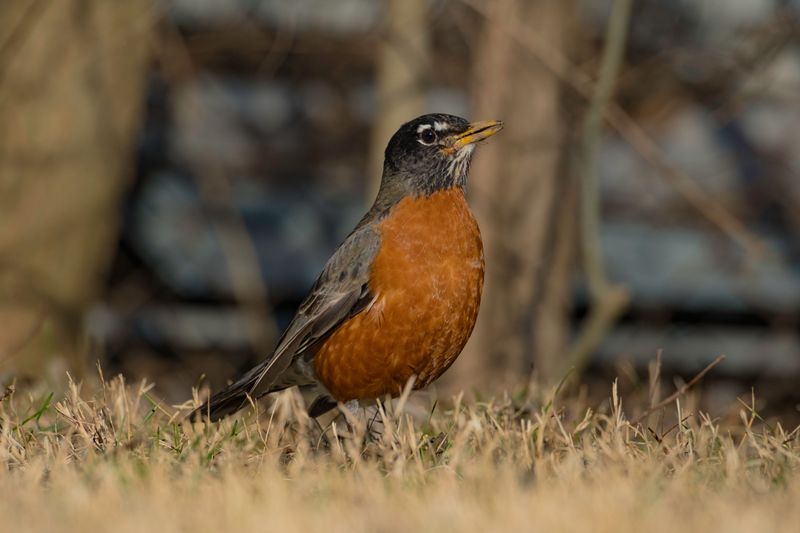
Generations of people have cheered the first robin of the year as a promise that spring is near. It is a sweet tradition, and the idea has been around for a long time. Sadly for anyone hoping for an early thaw, the belief does not hold up in North Carolina.
Remember, many robins never leave the state at all. They spend the whole winter here, eating berries and roaming around in flocks. Spotting one in November, December, or January tells you about their food search, not about the weather ahead.
So why does spring feel like robin season? Their behavior changes in ways that make them stand out. As days grow longer, flocks break up, and birds spread out to claim nesting territories.
Males start singing their bright, bubbly songs from treetops and rooftops, often before sunrise.
Robins also return to lawns in big numbers, pulling worms from soft, thawing soil. Suddenly they seem to be everywhere, even though they were nearby the whole time.
In winter, robins tend to stay quieter and spend more time in woods and berry-filled trees. Many people simply walk past them without noticing. Spring just brings them out into the open.
For North Carolina gardeners, this is wonderful news. You get to enjoy robins during the gray months instead of waiting for March. Their warm orange chests add cheerful color to a bare winter landscape.
Keep native berry plants growing, offer fresh water, and leave some dense evergreens for shelter. Your yard will become a favorite stop, and you will enjoy front-row seats to robin life in every season.