Those Fallen Oak Leaves Can Become Free Mulch Instead Of Yard Waste In Florida
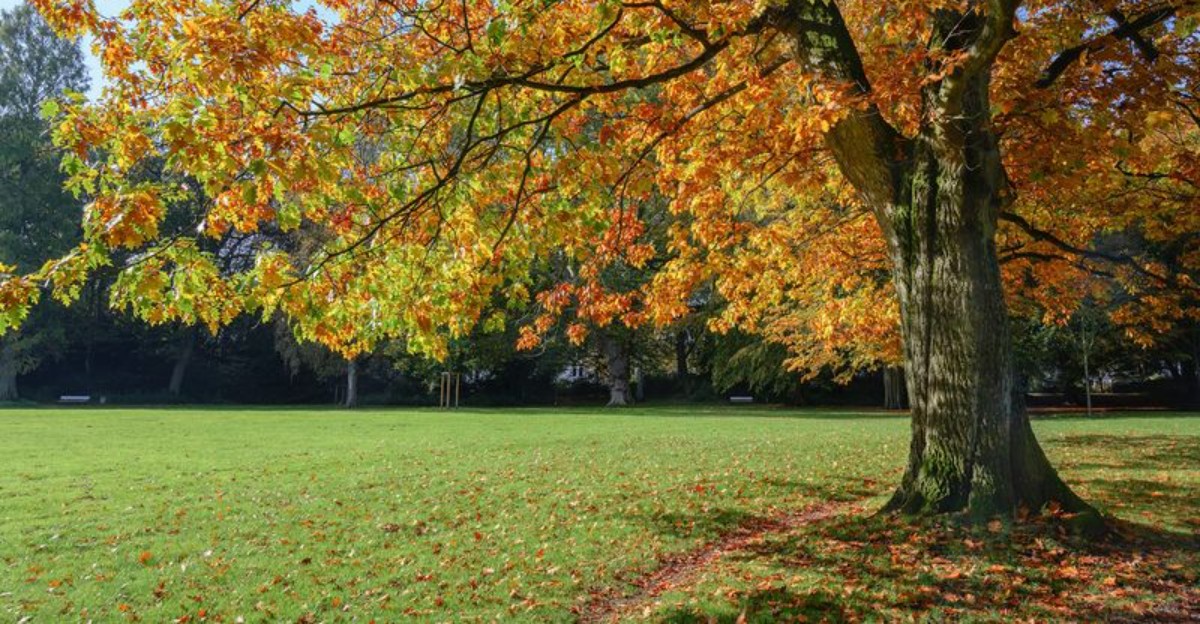
Many of the big shade trees here drop most of their leaves in spring, not in the fall. Still, October brings a steady sprinkle from several native trees, and I like how those leaves pile up quietly.
Those tough, waxy leaves break down slowly, so they can sit on a garden bed for months. That slow breakdown is exactly what you want from a mulch that guards soil through the cooler season.
University of Florida experts suggest a mulch layer about two to three inches deep around most landscape plants. You can reach that depth with leaves from your own lawn, which means skipping the store bags.
I believe raking feels different once you see each pile as a gift for your flower beds. Who knew the leaves we haul to the curb could quietly feed the very trees that dropped them?
Your Fallen Leaves Already Make Great Mulch
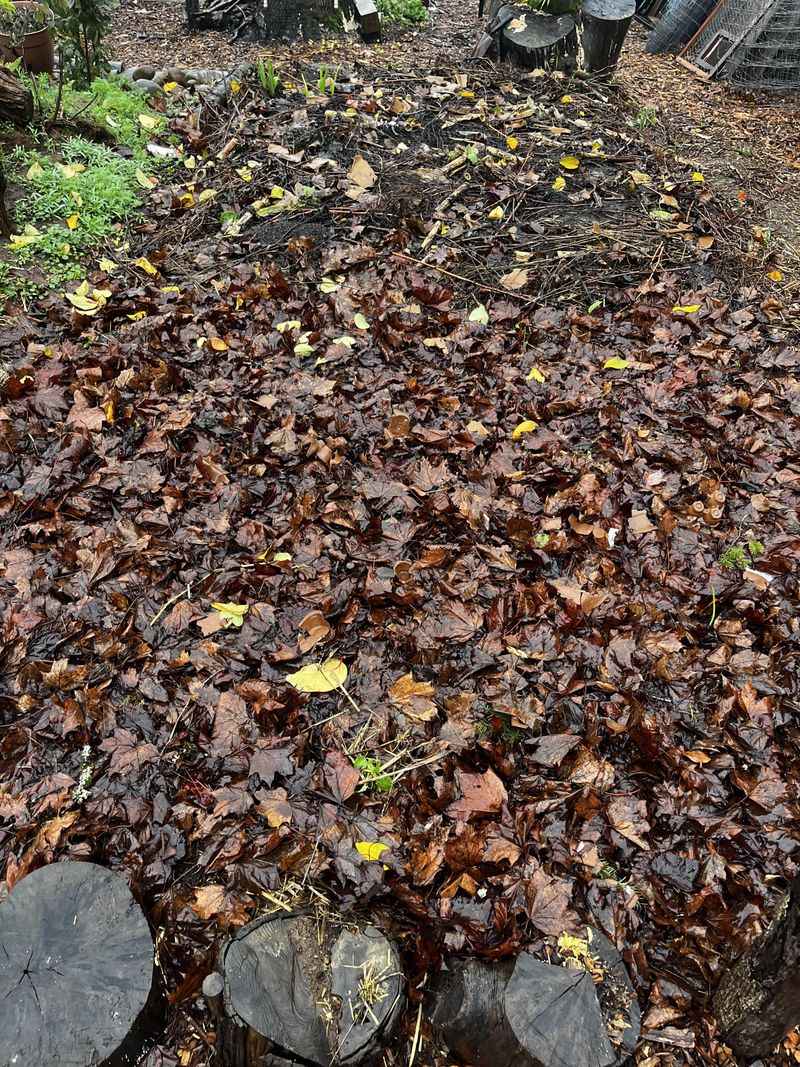
Oak leaves landing on your lawn this October are free mulch, and they work in garden beds right away. University of Florida IFAS Extension lists leaves among the easy organic mulches homeowners can use around plants.
A layer of leaves holds moisture in the soil, which helps during the drier months of fall. It also shades the ground, so fewer weed seeds get the sunlight they need to sprout.
As the leaves slowly break down, they add organic matter to sandy soil that often struggles to hold nutrients. Earthworms, fungi, and tiny insects do most of that work, turning the old leaves into dark, crumbly material.
Many people worry that oak leaves will make their soil too acidic for vegetables or flowers. Extension researchers report that the change in soil pH from oak leaf mulch is usually small and short-lived.
Oak leaves also cost nothing, while bagged pine bark or cypress mulch can add up quickly for a big yard. Some groups, including the Florida-Friendly Landscaping program, also discourage cypress mulch because harvesting it can affect wetlands.
You can rake leaves straight into shrub beds, around young trees, or under the edges of a hedge. A quick pass with the lawn mower first will chop them smaller and help them settle into place.
So before you fill another yard waste bag, take a second look at that brown pile by the fence. It may be the most useful thing your trees give you all year, aside from their cool shade.
Florida Oaks Follow Their Own Leaf Calendar
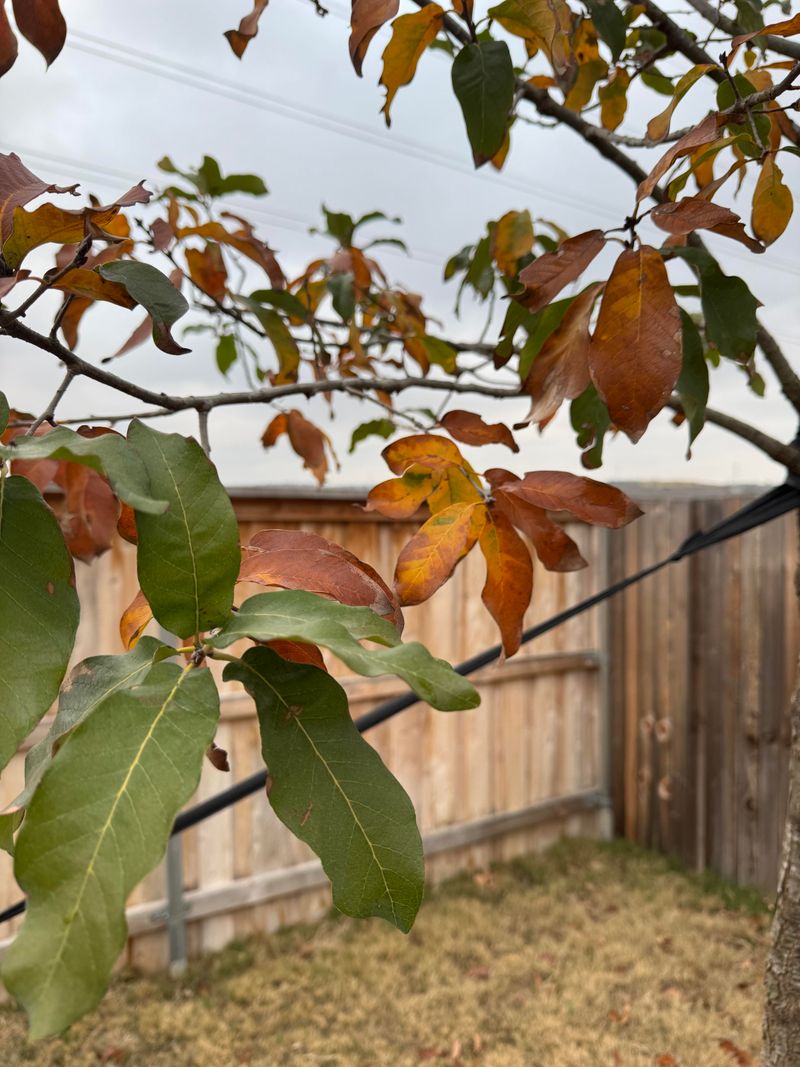
Plenty of newcomers are surprised that live oaks rarely put on a big leaf drop in October. Live oaks usually shed old leaves in late winter or early spring, just as fresh new leaves push out.
Laurel oaks follow a similar pattern, so their heaviest drop often lands in February or March. Other oaks, such as turkey oak and southern red oak, lose more of their leaves in fall and early winter.
Water oaks can drop leaves over a long stretch, and timing often shifts from North Florida to Central Florida. Weather each year plays a role too, so the exact timing in your yard is hard to predict.
Your Florida Garden Changes Every Week. Your Plan Should Too.
Gardening in Florida changes quickly throughout the season. Every Friday you’ll receive a simple weekly plan showing exactly what to plant, prune, fertilize, harvest, and protect so you never miss the right timing.
That means your October pile may be smaller than the spring flood, but it still counts as free mulch. Many yards also collect a slow, steady sprinkle of leaves from oaks all through the fall months.
Fall is a smart time to start, because cooler days make raking easier and beds need protection anyway. Mulch helps moderate soil temperature, which can protect roots on the occasional chilly night in North Florida.
Watching your own trees for one full year will show you exactly when each one drops its leaves. Jot down the months in a notebook or phone, and you can plan your mulching around those dates.
Neighbors with different oak species may hit their leaf peak weeks before or after you do. Some gardeners even trade bags, so one yard’s extra leaves become another yard’s fresh mulch supply.
Shredded Leaves Work Better Than Whole Piles
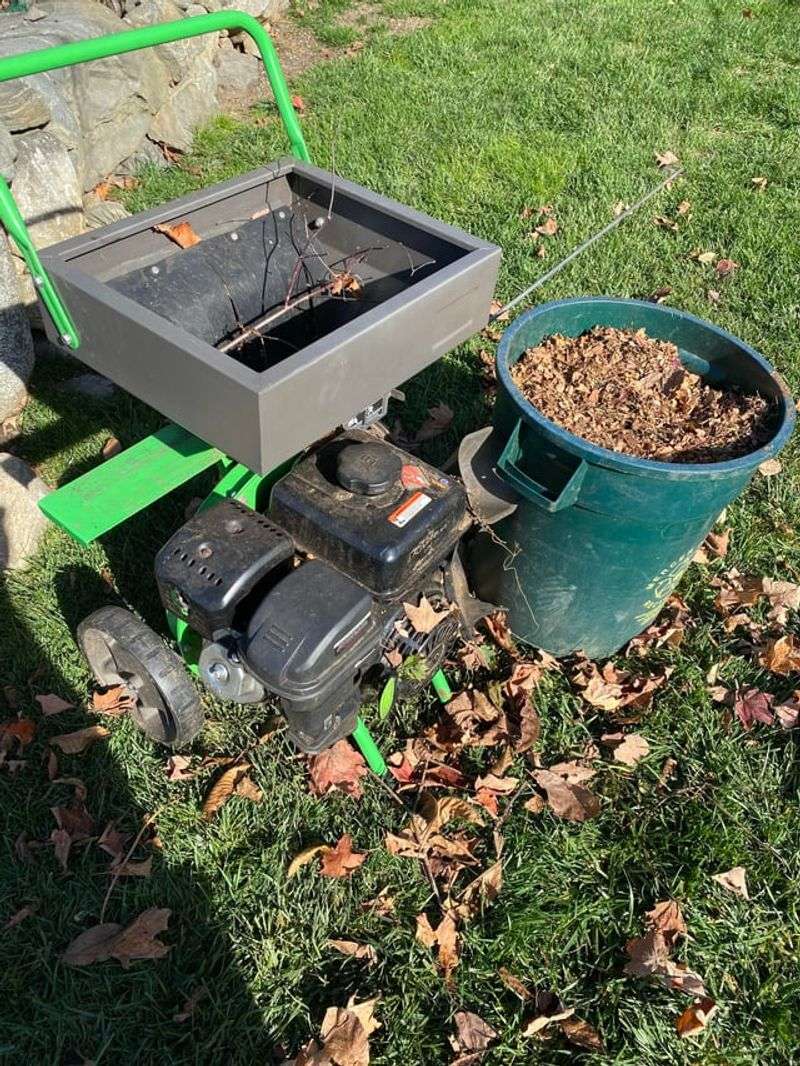
Whole oak leaves can lie flat and stick together after rain, forming a mat that sheds water. Shredding them first keeps the layer loose, so water and air can still reach the roots below.
A mulching mower makes the job simple, especially if you leave the bag off and make two passes. Another option is to run the mower with the bag attached, then empty the chopped leaves into your beds.
Some people use a leaf vacuum with a shredding setting, which can cut leaves into small, even pieces. Small pieces break down faster than whole leaves, so they feed soil organisms a little sooner.
Oak leaves contain natural compounds called tannins, which help explain their slow breakdown compared with many softer leaves. That slower pace is a plus for mulch, since you will not need to refill beds very often.
Spread the shredded leaves about two to three inches deep, which matches common University of Florida mulch guidance. Whole leaves settle a lot, so you may need to start a bit thicker to land at that depth.
Too much mulch can hold excess moisture and keep oxygen from reaching roots, so more is not better here. Check the depth with a ruler or your finger after a few weeks, and fluff the layer if needed.
Remember to wear gloves and eye protection while shredding, since small sticks and acorns can fly out quickly. A quick sweep of the lawn for pinecones and toys first will also protect your mower blade.
Keep The Mulch Away From Trunks Or Stems
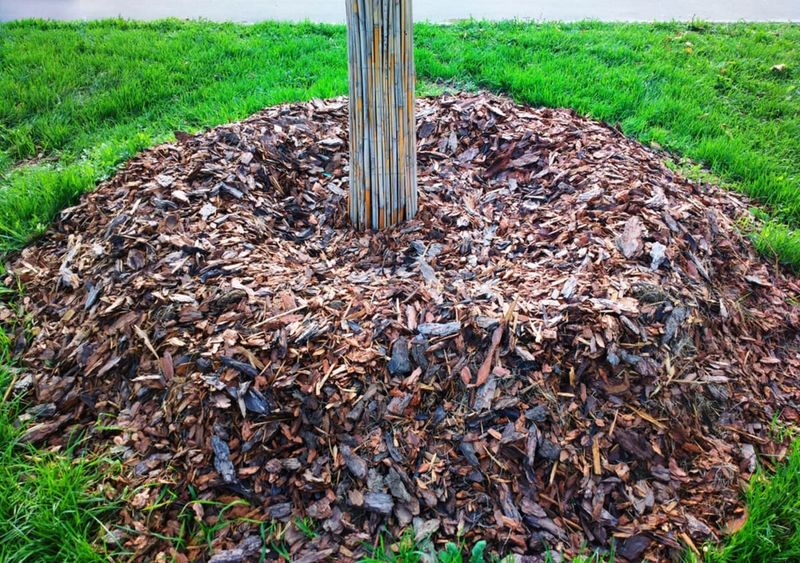
Mulch piled high against a tree trunk looks tidy to some people, but it can cause real trouble. Extension experts call these piles mulch volcanoes, and they often lead to rot, pests, and weak bark.
Moist leaves resting on bark hold water against the trunk, which invites fungus and disease to move in. Rodents and insects may also hide under deep mulch and chew on bark where you cannot easily see.
University of Florida guidance suggests leaving a gap of a few inches between mulch and the base of shrubs. For trees, many arborists recommend pulling mulch back even farther, so the root flare stays visible and dry.
The root flare is the wide spot where a trunk spreads out before it meets the ground. If you cannot see that flare on your trees, mulch or soil may already be piled too high.
Use a rake or your hands to pull leaves away from trunks, stems, and the crowns of perennials. A ring shaped like a doughnut, not a cone, is the shape most extension services recommend for trees.
Keep leaf mulch a short distance from your house foundation, too, since damp material can attract termites. Florida homes face real termite pressure, so many pest experts suggest a bare strip right along the walls.
Walkways and driveways need attention as well, because wet leaves on pavement can turn slick after fall rain. Sweep stray leaves back into the beds, and your mulch stays useful instead of becoming a slipping hazard.
A Backyard Leaf Pile Turns Into Rich Compost
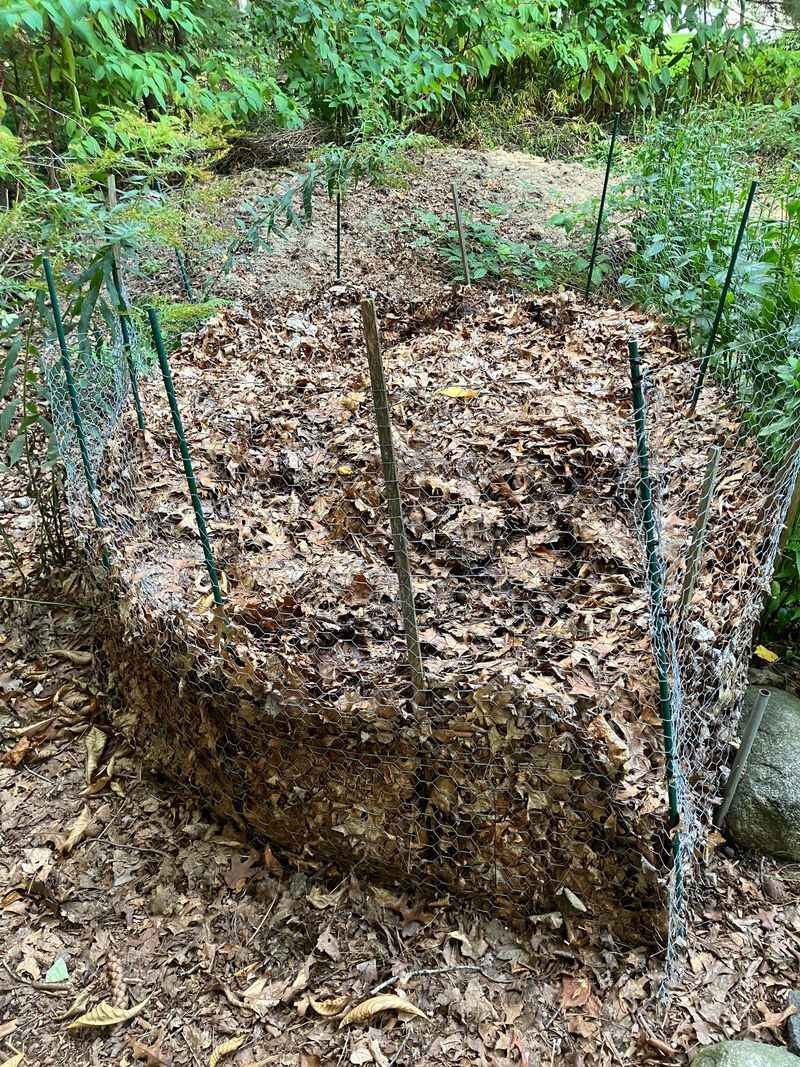
Got more leaves than your flower beds can hold this fall after you finish mulching every shrub and tree? A plain backyard pile can slowly turn those extras into leaf mold, a dark and crumbly soil booster.
Leaf mold forms mostly through fungi, so it needs moisture and time more than constant turning or fancy bins. Oak leaves may take a year or longer to fully break down, especially if you leave them whole.
Mixing leaves with green material such as grass clippings or kitchen scraps can speed things up quite a bit. Many composting guides suggest roughly two or three parts brown material for every one part green material.
Warm weather helps compost piles stay active through much of the fall and winter in most regions. Keep the pile about as damp as a wrung-out sponge, and water it lightly during dry stretches.
A simple ring of wire fencing about three or four feet wide holds a pile neatly in place. Tuck it in a shady corner, away from your house, and give it a stir every few weeks.
Finished leaf mold smells earthy, and you can mix it into vegetable beds or use it as potting material. It improves how sandy Florida soil holds water, which helps plants stretch the time between irrigation days.
Skip leaves from areas recently sprayed with herbicide, since some chemicals can linger and harm sensitive garden plants. Clean oak leaves from an untreated lawn are the safest choice for any pile meant for food crops.
Save A Few Bags For Later Garden Beds
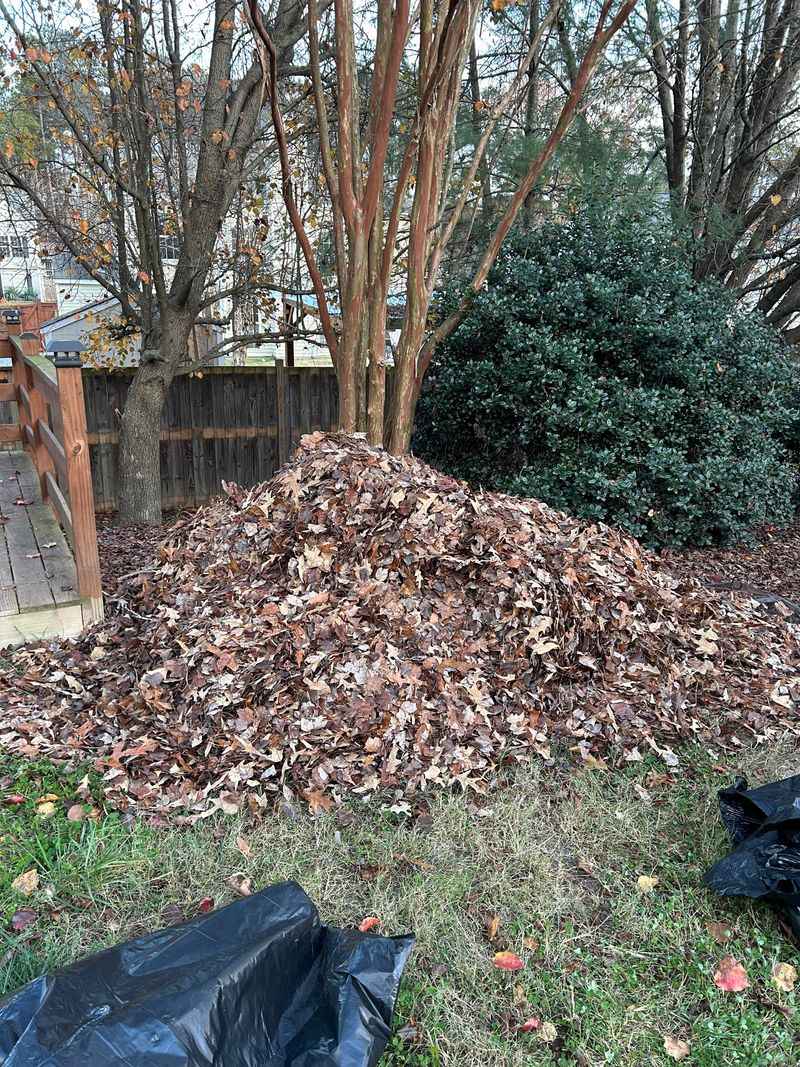
Storing a few bags of leaves now gives you free mulch later, when beds start to look thin. Leaf mulch slowly settles and breaks down, so most beds need a fresh top layer once or twice a year.
Paper yard bags or old feed sacks work well, and they let a little air reach the leaves. Plastic bags hold moisture, so poke a few holes in them if you plan to store leaves for months.
Stack the bags behind a shed or along a fence where they stay out of sight but easy to grab. Many gardeners use these stored leaves in spring, when new vegetable beds or flower plantings need quick cover.
Saving leaves also reduces the load on local yard waste trucks, which often haul material to distant processing sites. Some Florida counties do turn yard waste into mulch, but keeping leaves at home skips that extra trip.
Florida banned yard trash from lined landfills in the early 1990s, which pushed many counties toward composting and mulching programs. Your backyard version of that idea is smaller, but it keeps nutrients right where your plants can use them.
Check any homeowner association rules first, since some neighborhoods have guidelines about visible leaf piles or compost bins. A neat bin or a few tidy bags rarely bother neighbors, especially once they see your healthy beds.
Next October, those same oaks will drop another round, and your soil will be ready to welcome it. Each year of leaf mulch builds a little more organic matter, giving your garden a stronger base over time.