A Bee Not Seen In Virginia For 100 Years Turned Up In Someone’s Backyard
A bee that hadn’t been recorded in the state for about a century recently turned up on a patch of private land. Experts were thrilled, and gardeners started wondering what else might be hiding in their own yards.
The tiny reddish bee is called Protandrena abdominalis, and its return to Virginia is full of surprises. It reappeared on a cluster of minty, purple-spotted flowers, which turned out to be no coincidence.
This rare find shows how much a single property can matter for wildlife. Native plants and sandy soil both played a big part in the comeback.
Where the bee showed up, who spotted it, and why it looks so unusual all make for a fascinating story. So does the one flower it depends on most.
It Was Found On Private Land In Isle Of Wight County
Some of the best surprises happen far from famous parks and nature centers. The rare Protandrena abdominalis bee turned up on a private property in Isle of Wight County.
Isle of Wight sits in southeastern Virginia, not far from the James River. Its sandy soils and warm summers create a welcoming setting for many native insects.
What made this property special was the hard work of its owners. For years, they had been restoring native plants across their land.
Instead of planting only grass or imported flowers, they brought back species that belong in the region. Over time, the land started to look more like the wild habitat it once was.
Native plants act like a welcome sign for local wildlife. Many bees, butterflies, and birds evolved alongside these plants and rely on them for food.
The owners did not set out to find a lost bee. They simply wanted a healthier, more natural landscape around their home.
Their patience paid off in a way few people could have predicted. A bee missing from state records for a century chose their land as a stopping point.
Here is a helpful takeaway for any homeowner reading this story. Even small restoration projects can attract creatures that scientists have not seen in years.
Try replacing a section of lawn with a few native wildflowers this season. Your local extension office can suggest plants suited to your soil and climate.
Who knows what might buzz by once your yard starts feeling a little wilder? The next big discovery could happen just outside your back door.
A State Zoologist Spotted It During A Survey
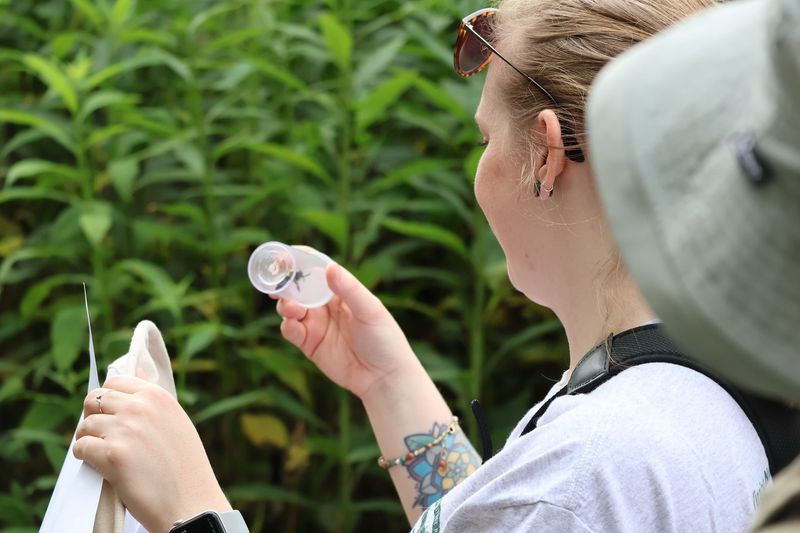
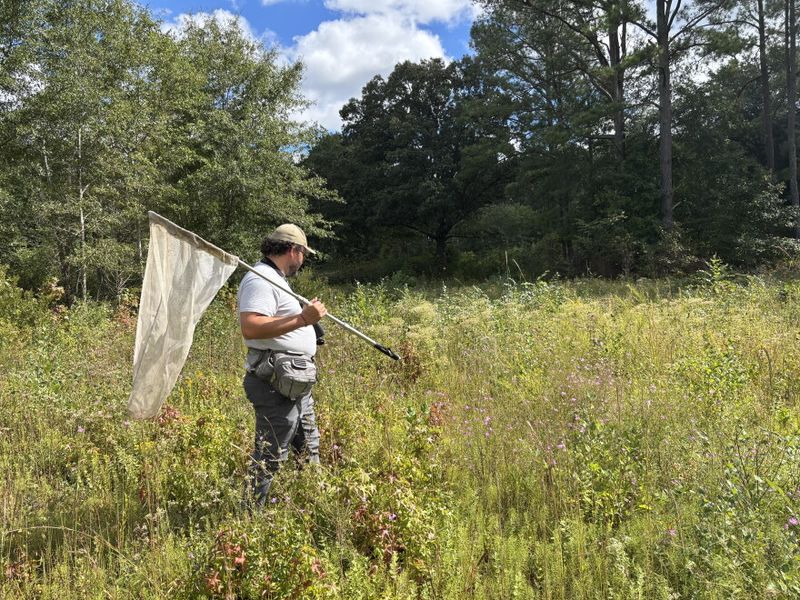
Picture a scientist walking through tall flowers, net in hand, eyes scanning every blossom. Ellison Orcutt was doing just that when the rare bee came into view.
Orcutt serves as lead field zoologist for the Virginia Natural Heritage Program. His team works to find and document rare native bees across the state.
His tools are surprisingly simple for such important work. A butterfly net and a few glass sample vials usually do the job.
The big moment came in late summer, when flowers were in full bloom. A small bee was buzzing around a patch of spotted beebalm.
Your Virginia Garden Changes Every Week. Your Plan Should Too.
Gardening in Virginia changes quickly throughout the season. Every Friday you’ll receive a simple weekly plan showing exactly what to plant, prune, fertilize, harvest, and protect so you never miss the right timing.
Spotting a rare bee takes sharp eyes and lots of practice. Many native bees are tiny and look alike at first glance.
Field surveys like this one involve hours of slow, careful searching. Scientists often visit the same spots several times to catch insects at the right moment.
Once collected, specimens are studied closely to confirm their identity. Experts check body shape, color, and other tiny details under magnification.
Want to try a gentler version of this at home? Grab a phone camera and photograph the bees visiting your garden flowers.
Apps like iNaturalist let you share pictures with experts who can help identify them. Your photos might even help researchers track where certain species live.
Fun fact: many rare insect records come from everyday people sharing careful observations. Curiosity and patience are often the most useful tools of all.
It Hadn’t Been Recorded In Virginia In Over A Century
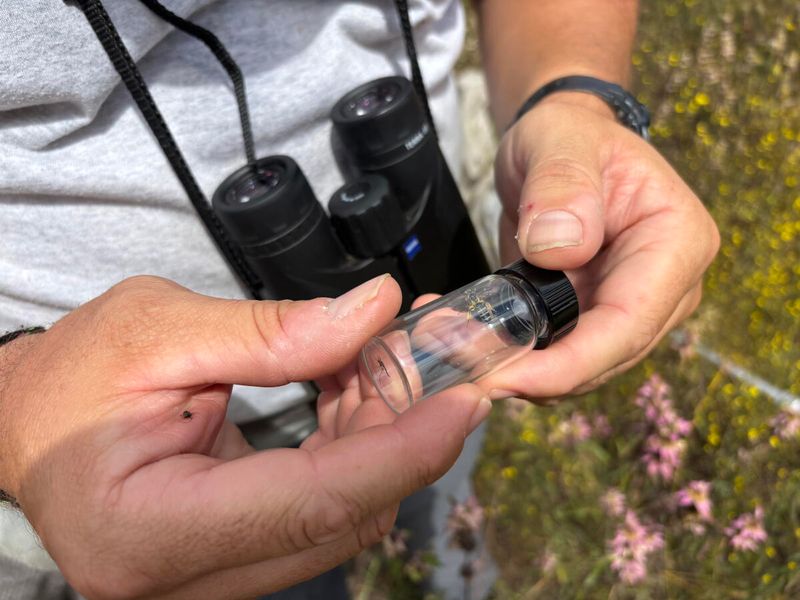
A hundred years is a long time to stay out of sight. Cars were still new and radios were a novelty when this bee was last recorded in the state.
Protandrena abdominalis had not been officially documented in the state for roughly a century. Its return feels a bit like finding a letter lost in the mail for generations.
So how does a bee hide for so long? Part of the answer is simple numbers.
Virginia is home to more than 460 native bee species. With so many kinds buzzing around, a specialized bee can slip by unnoticed for decades.
Until recent years, this species was rarely reported anywhere on the East Coast. Then sightings began popping up in New Jersey, Delaware, and Maryland.
Those nearby reports gave scientists hope that the bee might still live farther south. Searching for it became a goal for researchers who know its habits well.
Habitat loss likely played a role in its long absence. When native plants and sandy open ground disappear, specialist bees lose their homes and food.
Still, a missing record does not mean a species is truly gone. Sometimes nobody looks in the right place at the right time.
Here is an interesting insight for nature lovers. Old museum collections often hold the last known specimens of rare insects.
Comparing those century-old samples with fresh finds helps scientists confirm identities. It also shows how habitats have changed over time.
Its Reddish Body Sets It Apart
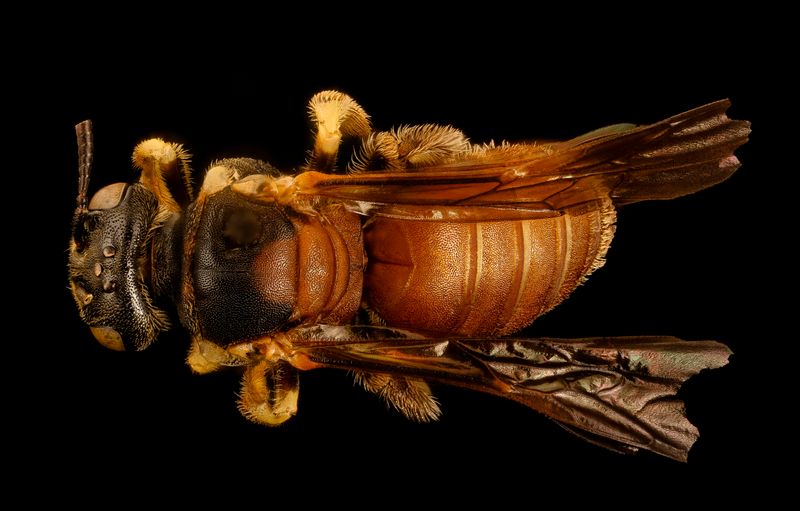
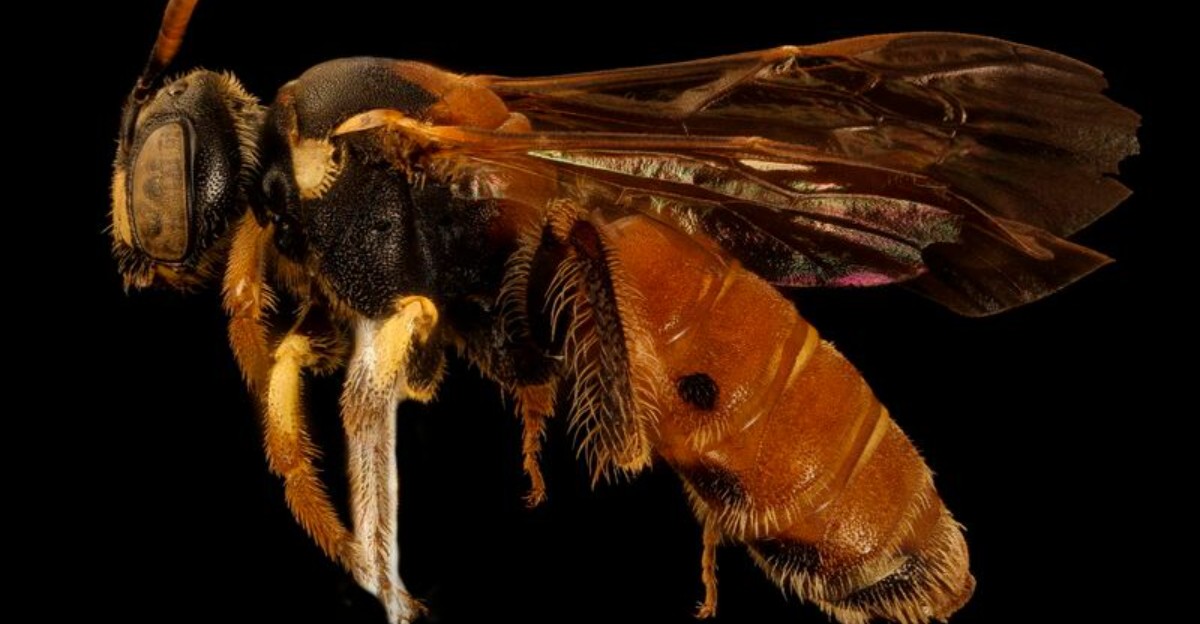
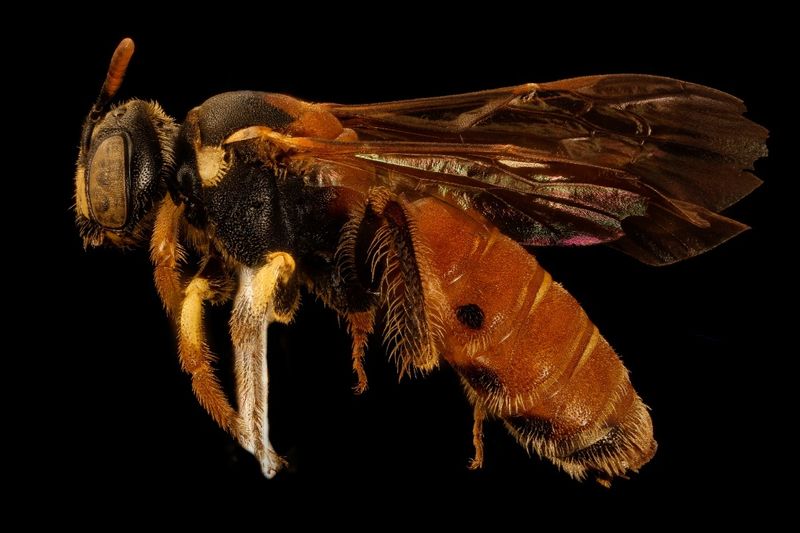
Forget the fuzzy yellow-and-black bee from cartoons. Protandrena abdominalis shows off a striking reddish body that catches the eye right away.
Most bees in the Protandrena group are slender and mostly black. Some members, though, carry red coloring on the metasoma, the scientific name for the abdomen.
For this species, that rusty red shade is a big clue. Ellison Orcutt pointed to its trademark red coloring as a key way to recognize it.
The U.S. Geological Survey has also photographed this colorful bee up close.
Those images reveal a slim insect with a warm, glowing abdomen.
Color alone does not confirm a species, but it helps narrow things down. Experts still check wing veins, body hair, and other small features.
Why do some bees wear bright colors? Scientists think color may help with warning signals, temperature control, or simply family traits.
Spotting reddish bees in your garden can be exciting, but stay careful. Several other native bees and wasps also sport red or orange markings.
A good tip is to take clear photos from the side and from above. Those angles show the body shape and color pattern much better.
Try to note which flower the insect was visiting, too. Plant choice can be a powerful hint about a bee’s identity.
Did you know? Bees see colors differently than people, including ultraviolet patterns on flowers that our eyes miss entirely.
It Feeds Almost Only On Horsemint Flowers
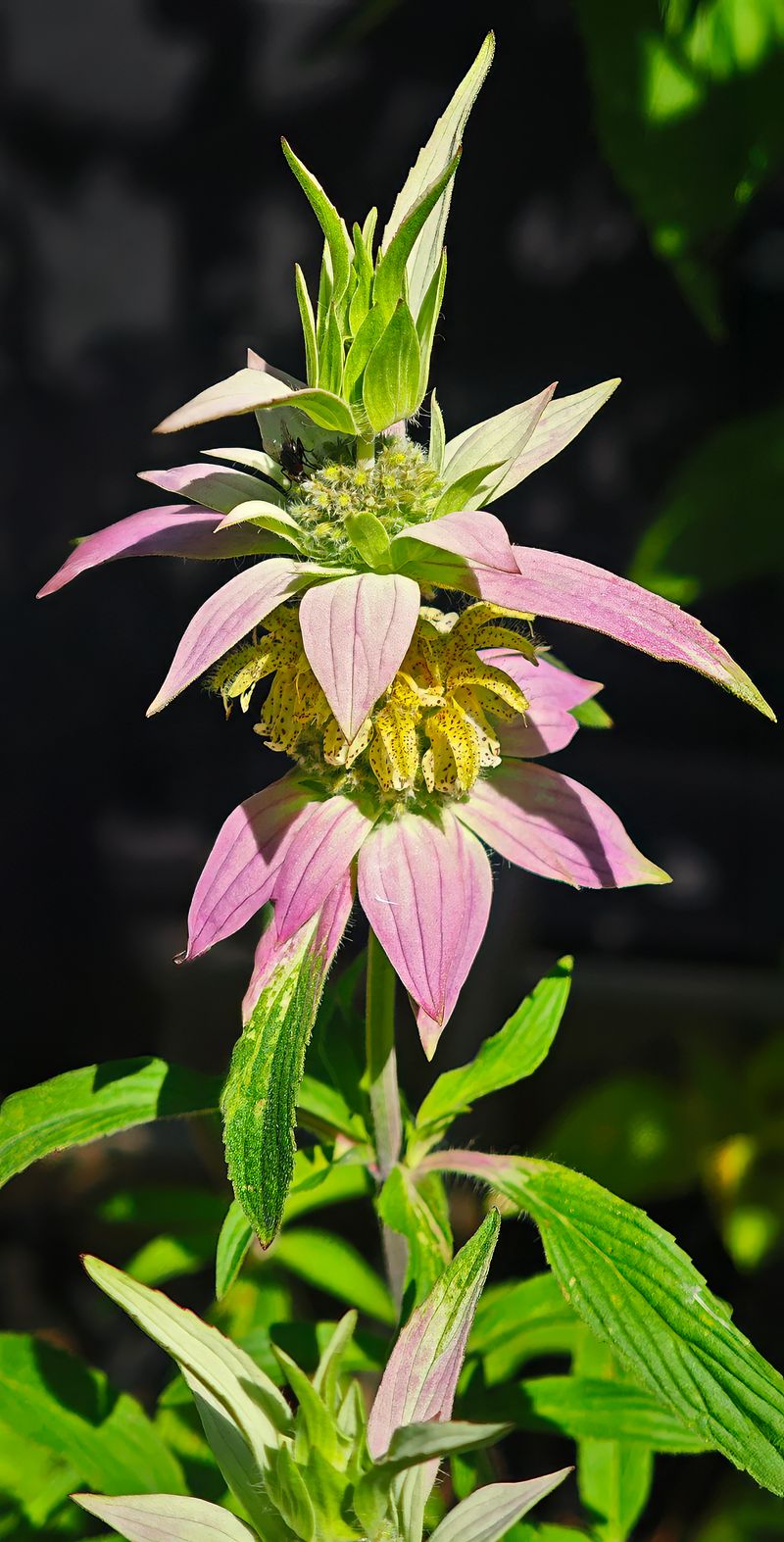
Some eaters will try anything, while others stick to one favorite meal. Protandrena abdominalis falls firmly into the picky eater category.
Scientists call it a pollen specialist. It gathers pollen almost entirely from horsemint, also known as spotted beebalm or Monarda punctata.
Horsemint has a quirky, eye-catching look. Its pale yellow flowers are dotted with purple spots and surrounded by pinkish leaf-like bracts.
The plant grows naturally across the eastern United States, often in sandy places. In Virginia, it blooms from late July through September.
That timing matters a great deal for the bee. Its active season lines up neatly with the plant’s flowering window.
Female bees carry horsemint pollen back to their nests. The pollen becomes food for the young bees developing underground.
Being a specialist has a downside, though. If horsemint disappears from an area, the bee has very few backup options.
Spotted beebalm also supports other specialist bees. One modest plant can feed a surprising number of local pollinators.
Here is a practical tip for curious gardeners. Crush a horsemint leaf, and you will notice a strong oregano-like scent.
People once brewed the leaves into teas and home remedies. Today, the plant earns praise mostly for helping bees, butterflies, and other helpful insects.
Sandy Soil Is Where It Nests
Forget hives and honeycomb. This bee builds its home underground, tucked into warm, loose sand.
Protandrena abdominalis is a ground-nesting bee. It digs tunnels in sandy soil, usually in sunny spots with little plant cover.
Inside, the nests have a clever feature. Bees line them with a special substance that helps block fungi and bacteria.
Young bees grow inside these protected chambers. They spend the winter underground as mature larvae before emerging the next summer.
Ground nesters are hardly unusual in the state. About 70 percent of native bees nest in soil.
Many of these bees live solitary lives, with no queen or workers. Even so, they often nest close together in small neighborhoods.
Dry, sandy ground on south-facing slopes is a favorite location. The sunshine keeps the soil warm and the drainage keeps nests from flooding.
Gardeners can help with one surprisingly easy step. Leave a few small patches of bare, sunny ground without mulch or grass.
Thick mulch and landscape fabric make digging nearly impossible for these tiny builders. A sunny strip of open soil can become a valuable nursery.
Fun fact: solitary ground-nesting bees rarely sting and are generally calm around people. You can watch them come and go without much worry.
A Second Rare Bee Showed Up In The Same County
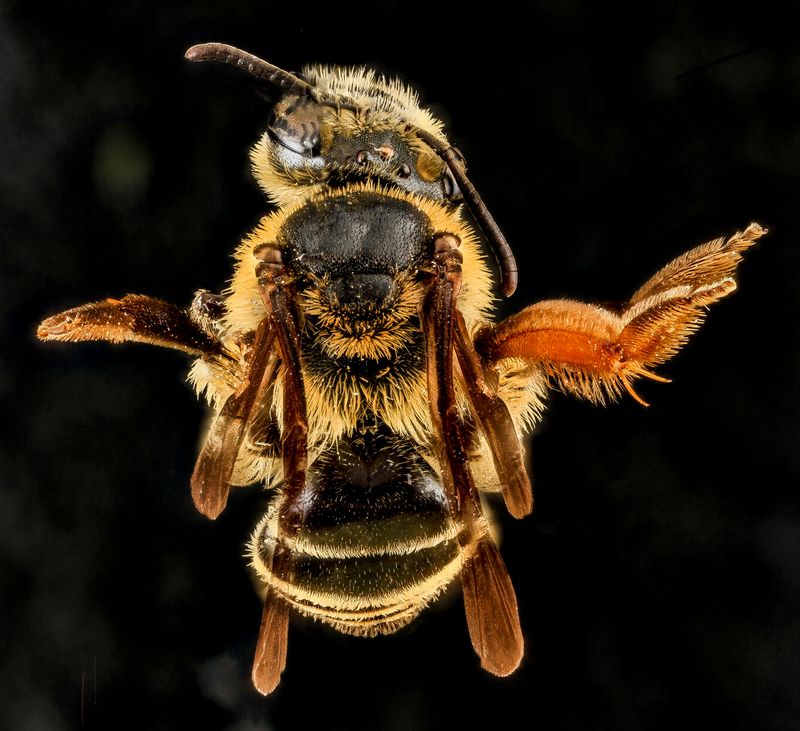
Lightning rarely strikes twice, but rare bees apparently can. Isle of Wight County delivered another exciting find shortly after the first discovery.
Ellison Orcutt returned in late September, hoping to locate more Protandrena abdominalis. Instead, he collected a different rare bee called Andrena fulvipennis.
Andrena bees are often called mining bees. Like the reddish bee, they dig nests in the ground.
Finding two uncommon species nearby suggests the area offers excellent habitat. Sandy soil and native flowers seem to be working together nicely.
Meanwhile, the reddish bee popped up at other sites, too. A few days after the first sighting, another was found at Antioch Pines Natural Area Preserve.
Later, one appeared at Chub Sandhills Natural Area Preserve in Sussex County. These extra records hint that the species may be more widespread than anyone guessed.
Each new sighting adds to the map scientists are building. Knowing where rare bees live helps guide smart protection plans.
Preserves like these protect sandhill habitats that are becoming harder to find. Many specialized plants and insects depend on those open, sandy landscapes.
Want to see this kind of habitat for yourself? Check whether nearby natural area preserves offer public trails or guided walks.
Bring a camera and a little patience during late summer. Bees are most active on warm, sunny afternoons when flowers are open.
Private Yards Might Hide More Rare Species
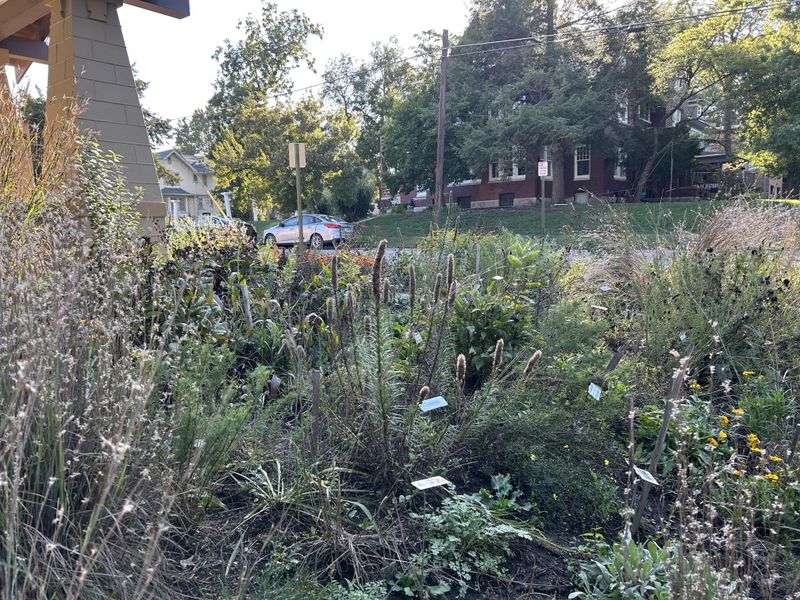
Your backyard could be more important than you think. Scientists say private land may shelter many species that rarely show up in official records.
A large share of endangered species rely on private property for habitat. Parks and preserves help, but they cover only a small slice of the landscape.
With more than 460 native bee species in the Commonwealth, some can easily go unnoticed. Specialists with short seasons are especially easy to miss.
Habitat loss remains a major reason some bees fade from view. Paved surfaces, tidy lawns, and imported plants offer little food or shelter.
Native plantings flip that story around. They restore food sources and help bring back the natural balance of an area.
Studying rare bees also tells scientists how well conservation work is going. When specialists return, it often signals a healthier ecosystem overall.
Citizen science programs give everyday people a role in this research. Volunteers record sightings, share photos, and help spot rare species.
The Virginia Natural Heritage Program leads much of the state’s native bee research. Public reports can point its experts toward promising new locations.
Here is an easy way to start. Spend ten minutes each week watching one flowering plant and noting every visitor.
Over a season, you will be amazed at the variety. You might even capture a sighting that experts find genuinely exciting.
Planting Native Horsemint Can Help
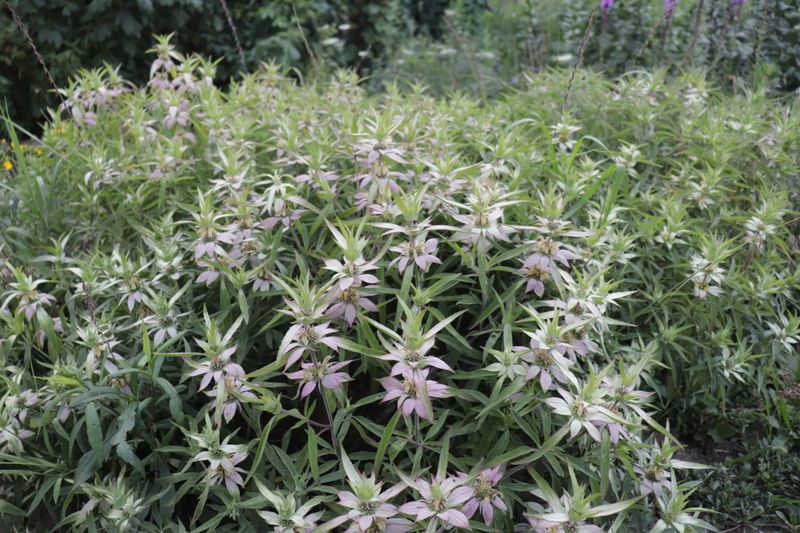
Want to roll out the welcome mat for a rare bee? A few clumps of horsemint might be the friendliest invitation you can offer.
Since Protandrena abdominalis relies heavily on this plant, more horsemint means more food. Every new patch could support its comeback.
The benefits reach well beyond one species. Spotted beebalm draws many bees, butterflies, and even hummingbirds.
It supplies plenty of pollen and nectar for helpful insects. Several other specialist bees also count on it for raising their young.
Luckily, horsemint is easygoing in the garden. It thrives in full sun and well-drained, sandy soil.
Once settled, it handles dry spells quite well. That makes it a smart pick for low-maintenance pollinator beds.
You can grow it from seed or buy small plant plugs. Plugs give faster results, while seeds are budget friendly.
Look for local native plant nurseries or plant sales for regional stock. Plants grown from nearby seed often adapt best to your conditions.
Pair your planting with a sunny patch of bare soil. Ground-nesting bees need open ground for building their underground nurseries.
Skip pesticides around these plants whenever possible. Even small doses can harm the very pollinators you hope to attract.