Why More New Yorkers Are Keeping Bees Above The City, And What The Legal Rules Require
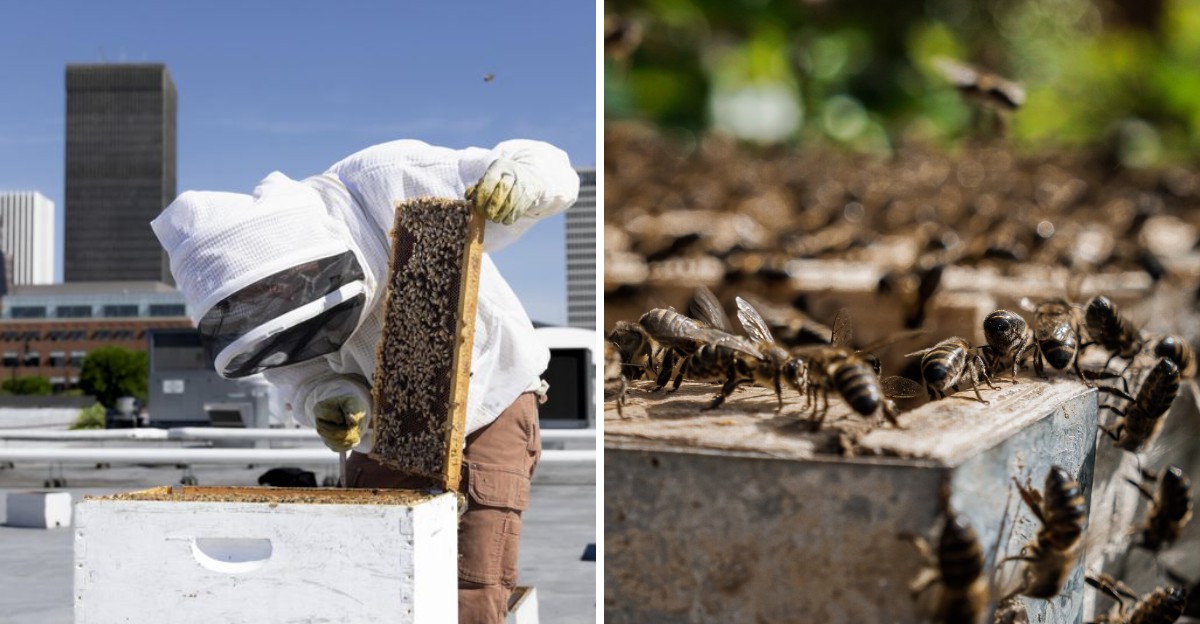
Picture a hive humming beside your sneakers, high above honking taxis. That buzz comes from workers who forage miles from the hive.
Across Brooklyn, Queens, and the Bronx, neighbors turn flat roofs into honey operations. New York City legalized hives, and the rules are friendlier than you expect.
You register each hive with the city and the state, then renew yearly. Bees ignore property lines and forage across miles of parks, gardens, and street trees.
Rooftop honey tastes different in each neighborhood, shaped by the blossoms your bees visit. Friends will ask for jars you label by borough.
Your bees pay rent in honey. Many colonies keep foraging through city noise. Sirens pass by below them.
Drivers below usually have no idea hives sit overhead. After a full season, you taste your own New York block, bottled in amber glass.
1. Hyper-Local Honey With A Neighborhood Flavor
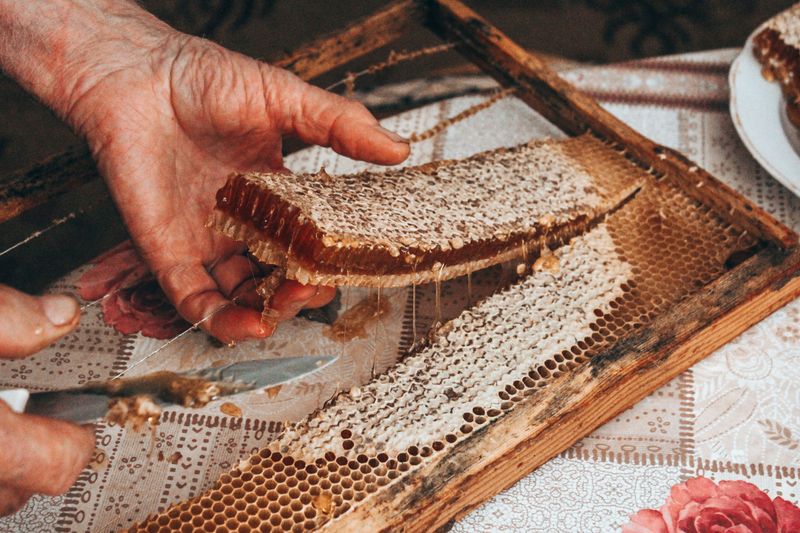
A jar from a Harlem rooftop can taste different from one from Red Hook. City bees forage on whatever blooms nearby, so each neighborhood produces its own flavor.
Linden trees along the avenues give early summer honey a minty, bright flavor. Later in the season, goldenrod and fall bloomers can add deeper, darker notes.
Some keepers report noticing a hint of fruit when bees visit community garden berry patches. Tasting your harvest becomes a sweet little map of your own neighborhood.
Store-bought honey often blends nectar from many places, sometimes from different countries. Rooftop honey skips the long trip and travels only as far as your kitchen.
First-year colonies often yield less, and surplus honey varies by hive, season, and neighborhood. That is plenty for your family, friends, and a few lucky neighbors.
Many New Yorkers say sharing jars is a favorite part of the whole hobby. A labeled jar makes a thoughtful holiday gift, and October is prime time for planning.
Keep in mind that bees need enough honey to make it through winter. Experienced keepers leave plenty of honey in the hive before taking any for themselves, so ask a local mentor how much your colony needs.
Selling honey at markets may require extra food safety steps, so check state, city, and market rules. For home use, a clean kitchen and patient hands are enough.
Think of each jar as a souvenir from your very own rooftop. Your rooftop produces honey with a flavor profile shaped by your block.
2. Pollinators That Help City Gardens Grow
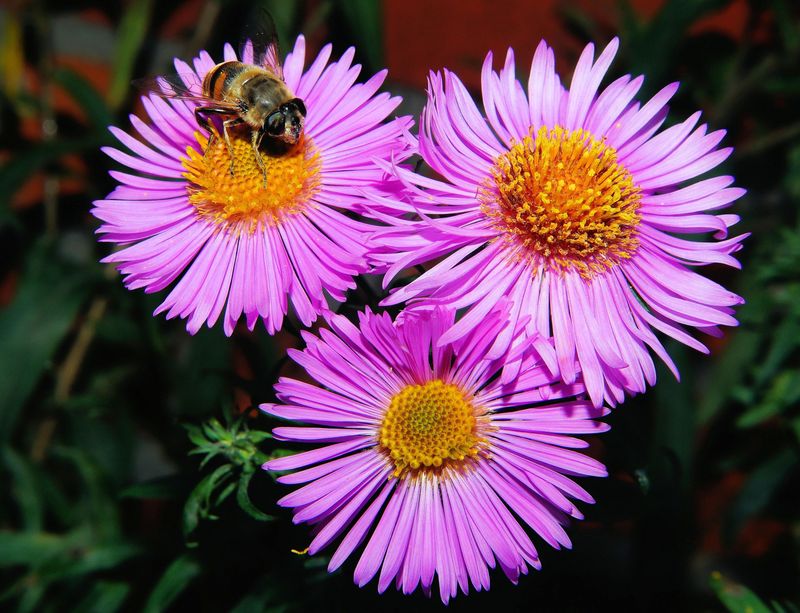
Squash on a Bronx fire escape needs a little help to become fruit. Pollinators carry pollen from flower to flower, and city crops depend on that delivery service.
New York City has over 550 GreenThumb gardens, plus many backyard plots and planter boxes. Crops like squash, cucumbers, and apples benefit from honey bees and wild bees.
A single honey bee can visit hundreds of flowers on one trip. Multiply that by tens of thousands of bees, and a rooftop hive becomes a busy pollination crew.
Wild native bees matter too, and New York City is home to more than 200 species. Many of them nest in the ground or in hollow stems, not in hives.
Your New York Garden Changes Every Week. Your Plan Should Too.
Gardening in New York changes quickly throughout the season. Every Friday you’ll receive a simple weekly plan showing exactly what to plant, prune, fertilize, harvest, and protect so you never miss the right timing.
Responsible keepers think about those wild cousins before adding more mouths to feed. Too many hives in one small area can crowd out native pollinators competing for nectar.
Honey bees are managed, non-native livestock, so plant flowers that also feed wild bees. Try asters and goldenrod for autumn, and add mountain mint for late summer.
In autumn, goldenrod and asters are still among the last big food sources of the year. Bees work them hard to pack their pantry before cold weather arrives.
Your hive adds a busy pollinator crew to a block of concrete. Neighbors may notice more bees nearby and wonder what changed on your own roof.
Feel free to tell them the secret over a slice of fresh garden pie. Good gossip and good pollination tend to travel together.
3. A Calm Hobby For Busy City Minds
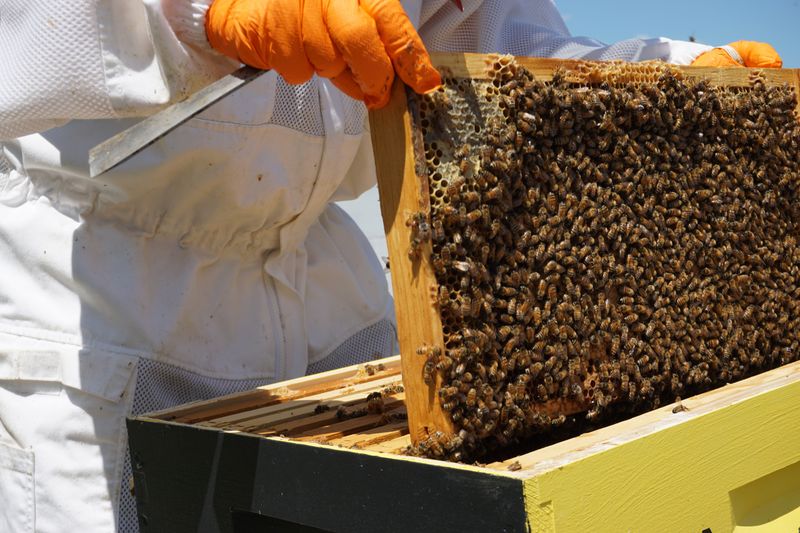
Ask a rooftop beekeeper why they started, and many will describe the quiet. Opening a hive forces you to slow down, breathe evenly, and move with care.
Bees respond to fast, jerky motions, so rushing simply does not work. After a few visits, that slower rhythm starts showing up in the rest of your day.
City life comes with sirens, crowded trains, and constant notifications. Standing among buzzing frames gives your brain one clear job, and the noise below seems to fade.
Many keepers compare an inspection to meditation with a small bit of adventure mixed in. You watch for eggs, count capped honey, and spot the queen if you are lucky.
The hobby also builds friendships across neighborhoods and ages. Local groups like the New York City Beekeepers Association have offered meetups, classes, and mentoring for new keepers.
Parents often say kids light up when they see a frame full of golden comb. Children learn patience, science, and respect for small creatures without opening a textbook.
Of course, the hobby is not for every personality or every schedule. Hives need checking every week or two in spring and summer, with lighter care in fall.
Autumn visits are short and calm, mostly checking food stores and blocking cold drafts. Many people find these crisp October afternoons on the roof to be very relaxing.
Bring a thermos of cider and enjoy the skyline while the colony settles. Stings may happen, so anyone with a bee allergy should see a doctor first.
4. The 2010 Rule Change That Made It Legal

For years, keeping honey bees in New York City was officially against the rules. The Health Code classified honey bees as dangerous animals, alongside others that residents could not keep.
Some hobbyists kept hives anyway, hiding them on roofs and risking fines up to 2,000 dollars. Their hidden hives helped show that urban bees could live peacefully beside people.
In March 2010, the city Board of Health voted to change the code. Honey bees, known by the scientific name Apis mellifera, became legal to keep across all five boroughs.
The change covers only non-aggressive honey bees, not bumblebees or wasps. Keepers must use movable frame hives, follow care rules, and register each hive with the city.
After the vote, interest grew quickly across the city. Hives have appeared on hotels, office towers, and even the Empire State Building.
Some of the best-known rooftop colonies sit atop hotels and landmark buildings whose restaurants and bars serve the honey. Others live on smaller rooftops and in gardens across the boroughs.
Rules can change over time, so check the latest Health Code before you start. The city posts updates on the NYC Health website, and local clubs share news quickly.
Knowing this history helps when a curious neighbor asks if your hobby is allowed. A polite answer with the facts can turn a worried look into an excited one.
Some keepers even print the rule summary and tape it inside their gear box. Being prepared makes you an instant ambassador for city bees everywhere.
5. Registering Your Hive With The City And The State
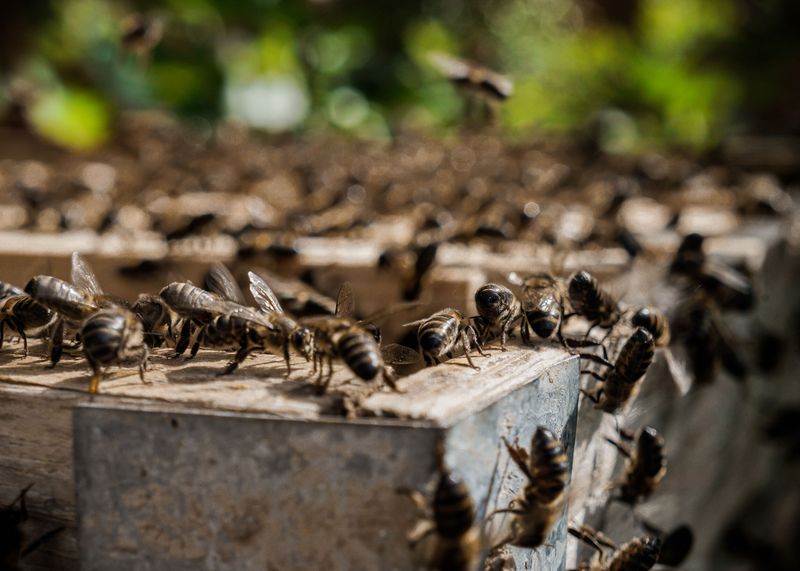
Paperwork may sound dull, but this step keeps you on the right side of the law. Registration is free, quick, and done online with the NYC Health Department.
Start with the state, since the city asks that each hive be registered with New York State first. Then find the NYC Health beekeeping registration form online, or contact the NYC Health Department with questions.
The form asks for your name, contact details, and the address where your hive will sit. Submit a separate form for each hive that you keep.
Be honest and specific, since inspectors may use this information if a complaint comes in. Accurate details show you are a responsible keeper from day one.
If your number of colonies or hive location changes, notify the Health Department within 10 business days. Renew your city registration by May 31 each year, and renew with the state annually too.
Registration helps the city locate hives and resolve complaints. State registration through the Department of Agriculture and Markets is also required and free, helping track honey bee health statewide.
Renters and condo owners should get written permission from the building owner or board. A signed note protects you if a new manager arrives and starts asking questions.
Keep copies of your registration confirmation and permission letter in a safe folder. Snapping a photo on your phone works well when you need proof fast.
Register once your hive is in place, and use October to plan next spring. Bee suppliers often sell out of packages by winter, so early planning pays off.
6. Picking A Safe Rooftop And Getting Permission
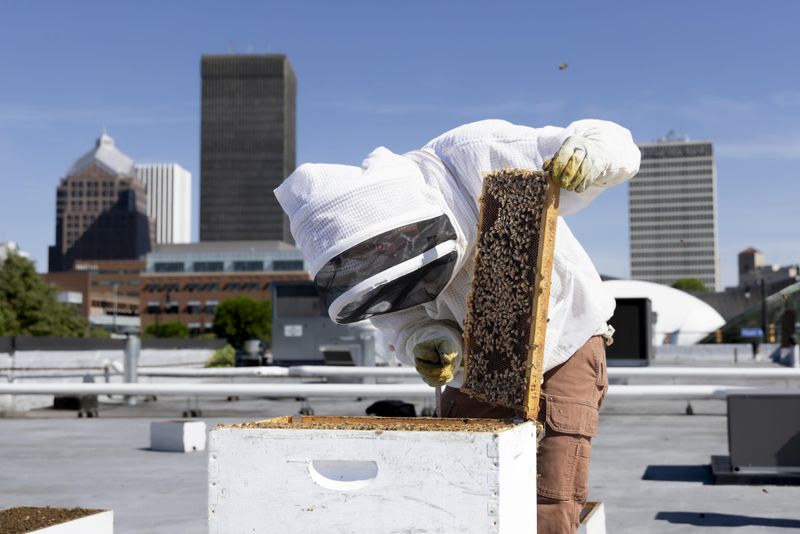
Not every roof is ready for thousands of new tenants. Before hauling boxes upstairs, give your rooftop a careful inspection like a picky apartment hunter.
Start with access, since you will carry heavy frames and gear up and down regularly. A full honey box can weigh 40 pounds or more, so steep ladders get tricky.
Check that the roof can handle the weight of hives, stands, and a full harvest. A building manager or engineer can confirm load limits if you feel unsure.
Wind is another big concern on tall buildings, especially during fall storms. Strap hives down and place them near a wall or parapet for shelter.
The city requires a constant, adequate water source, and bees will happily visit a neighbor’s pool if you forget. A shallow tray with pebbles or corks gives them a safe place to drink.
Think about flight paths, too, since bees fly straight out from the entrance. Point the hive away from doors, walkways, and the spot where people sunbathe.
A tall fence, screen, or row of planters forces bees to fly up and over people’s heads. That simple trick keeps everyone more comfortable.
Talk to neighbors early, before the first buzzing guest lands on their balcony. Offering a jar of future honey works wonders for building goodwill on the block.
Backyards and community gardens can work as well if your roof is off-limits. Some gardens welcome keepers who want to share both space and sweet rewards.
7. Gear, Bees, And Training For First-Timers
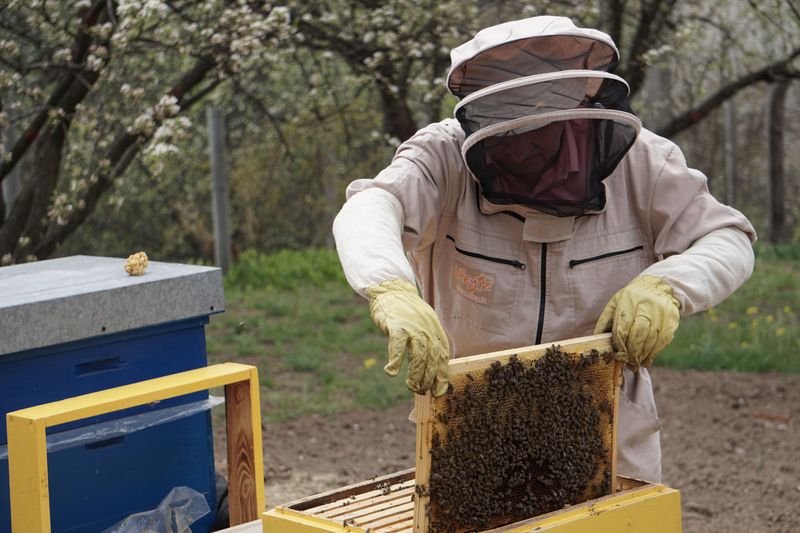
Nobody becomes a confident keeper overnight, and that is perfectly fine. A good class and the right starter kit make the learning curve feel much gentler.
Most beginners choose a Langstroth hive, the classic stack of wooden boxes with removable frames. It meets the city’s movable frame rule, and most teachers use it in classes.
You will also need a veil, gloves, a hive tool, and a smoker. A full bee suit costs more but helps nervous beginners feel brave during early inspections.
Starter kits and bees both carry real costs that vary by supplier and season, so compare current prices before you buy.
A nucleus colony, often called a nuc, is a small established family with a laying queen. Many teachers recommend nucs because they settle in faster than loose packages.
Buy bees from a reputable supplier, ideally one in the Northeast with cold-hardy stock. City rules expect keepers to manage calm, non-aggressive bees, so temperament matters.
Classes run through groups like the New York City Beekeepers Association and garden programs such as Brooklyn Botanic Garden. Some classes run in winter, so check current schedules and sign up this fall.
Finding a mentor can be one of the smartest moves. An experienced keeper can spot problems quickly and answer questions that no book quite covers.
Start with one or two hives, not five. Two colonies let you compare their health and borrow resources if one struggles.
Your first season will bring mistakes, surprises, and plenty of sticky clothes. The experienced keepers you admire also began as beginners, just like you.
8. Good Neighbor Habits For Calm Colonies
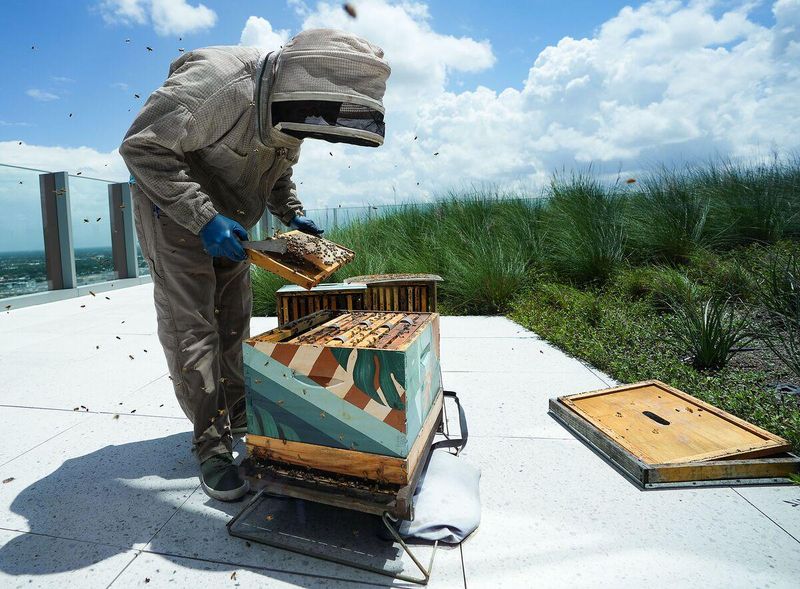
Imagine your downstairs neighbor finding a cloud of bees on their fire escape. Swarms can startle, but they are a natural way colonies split and multiply.
Most swarms happen in late spring when a crowded hive raises a new queen. Adding space and checking frames often can lower the chances of a surprise departure.
If a swarm does escape, stay calm, call 911, and then contact your local club. Experienced beekeepers can collect the cluster and give it a new home.
Inspect hives during calm, sunny weather, ideally around midday when many foragers are out. Bees grow defensive on cloudy days and can bother neighbors.
Watch for pests like varroa mites, which can weaken colonies quickly if ignored. Healthy hives are calmer hives, and calmer hives make happier neighbors.
Keep the area tidy by storing spare equipment and cleaning up spilled honey or wax. Sticky messes attract robbing bees, wasps, and the occasional curious pigeon.
In October, keepers reduce hive entrances to help colonies defend their honey. That small fix also keeps mice from moving in for the winter.
Sharing honey is the classic peace offering, and it works surprisingly well. A small jar can turn a nervous neighbor into your biggest fan.
Try hosting a rooftop open house so people can watch from a safe distance. Curiosity grows into respect when folks see how calm a well-kept colony can be.
Good habits protect your hobby and the city’s reputation for welcoming bees. Each friendly keeper makes it easier for the next New Yorker to start.