8 Venomous Species Indiana Residents May Run Into As Fall Temperatures Drop
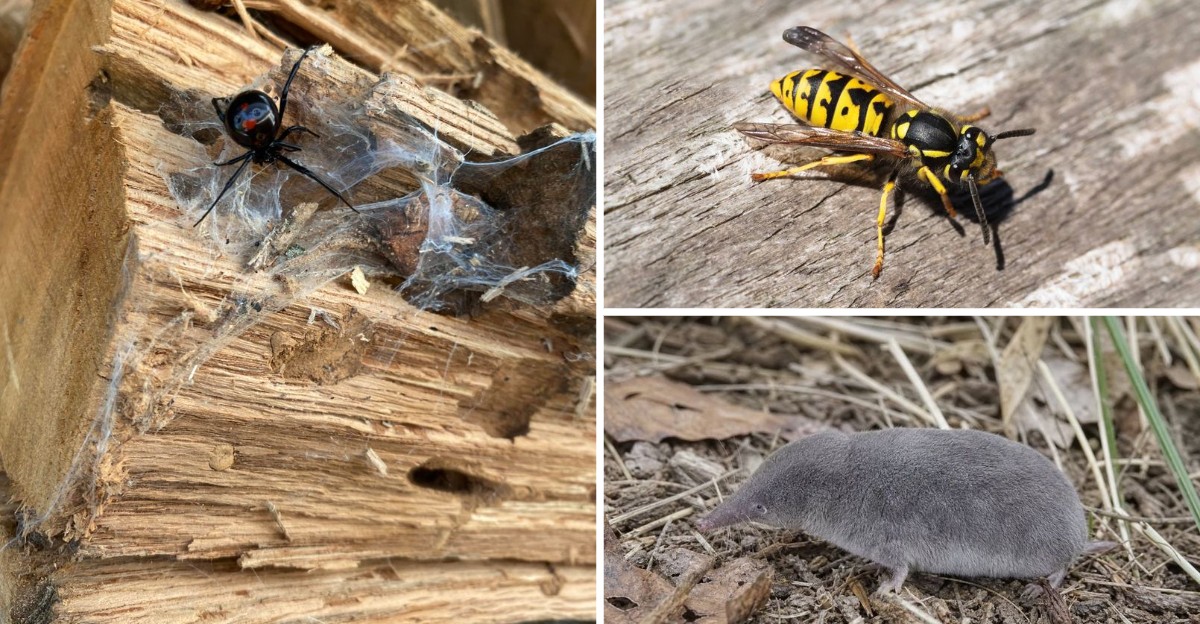
A tiny furry animal that tunnels through leaf piles in fall carries venom in its saliva to stun worms and beetles. I still find it wild that something smaller than a mouse can paralyze prey for later meals.
Some snakes in the southern hills travel back to the very same rocky den each fall, often for many years. Researchers have tracked individual snakes returning to one ledge, sharing winter space with other snakes of several kinds.
Mated female insects spend October searching for quiet cracks in attics, sheds, and wall spaces to wait out winter. You need to check those spots carefully, because a sleepy visitor can still sting when a hand surprises it.
I believe fall is the best time to learn who shares your yard, since many creatures move closer to shelter. Have you ever lifted a board in the garden and wondered what was watching you from underneath?
1. Copperheads Along Rocky Southern Indiana Hillsides
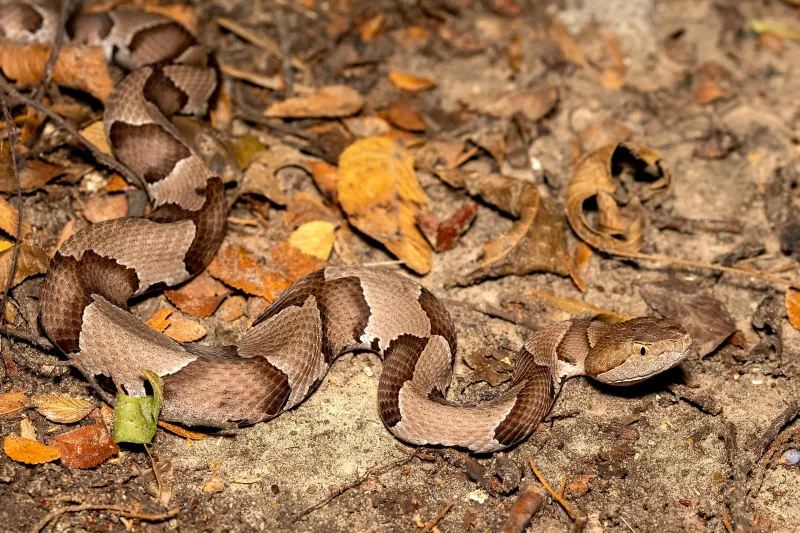
Copperheads are the venomous snake people meet most often in this region, especially in the rocky, wooded hills south of Indianapolis. Their tan bodies carry darker hourglass bands that blend almost perfectly with fallen oak and hickory leaves.
In October, copperheads start moving toward rocky slopes, old stone walls, and ledges where they will spend the winter. Many share these dens with other snakes, including eastern rat snakes and sometimes timber rattlesnakes.
Late summer is birthing season, so fall hikers may also spot young copperheads about eight inches long. Babies have bright yellow tail tips that they wiggle like a worm to lure small frogs closer.
Bites usually happen when someone grabs a pile of leaves, firewood, or rocks without looking first. Copperhead venom is the mildest among the venomous snakes found here, but a bite still needs quick medical care at a hospital.
You can lower your risk by wearing sturdy boots and long pants while hiking places like Hoosier National Forest. Use a flashlight on warm fall evenings, since copperheads often hunt after sunset when temperatures allow.
Around the house, keep brush piles, stacked lumber, and tall grass away from doors, patios, and children’s play areas. Fewer hiding spots means fewer mice, and fewer mice means fewer reasons for snakes to visit.
If you see a copperhead, simply back away slowly and give it plenty of room to leave on its own. Leaving them alone is the safest choice for everyone involved.
2. Yellowjackets Near Fallen Fruit Or Trash Bins
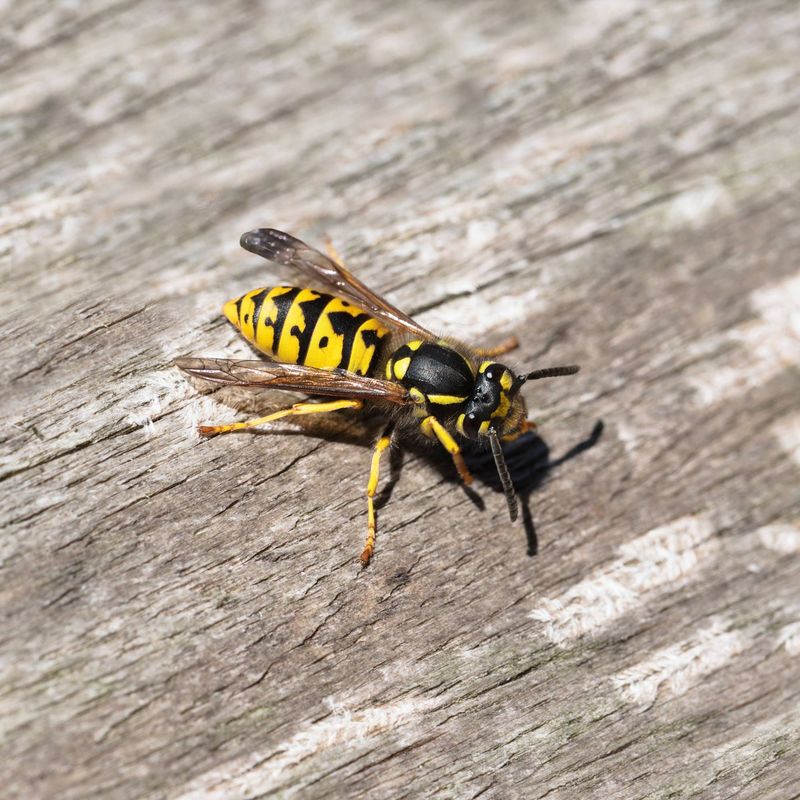
Anyone who has held a can of soda at an October football game knows how pushy yellowjackets can get this time of year. Their colonies reach peak size in late summer and early fall, with thousands of workers searching for food.
Earlier in the season, workers hunt insects to feed young larvae back at the nest, which is often hidden underground. By fall, the colony stops raising young, and workers switch to craving sweet foods like ripe fruit and sugary drinks.
Fallen apples, pears, and grapes become yellowjacket magnets in backyards and orchards across the state during September and October. Open trash bins, recycling containers, and picnic tables draw them in just as quickly, especially on sunny afternoons.
Your Indiana Garden Changes Every Week. Your Plan Should Too.
Gardening in Indiana changes quickly throughout the season. Every Friday you’ll receive a simple weekly plan showing exactly what to plant, prune, fertilize, harvest, and protect so you never miss the right timing.
Unlike honeybees, yellowjackets can sting more than once, and a disturbed ground nest may send out many angry defenders. Lawn mowing and raking leaves near a hidden nest entrance cause plenty of painful surprises for homeowners each fall.
You can cut down on visitors by picking up fallen fruit every few days and keeping trash lids closed tightly. Pour drinks into cups with lids, and glance inside any open can before taking a sip outdoors.
People with allergies to stings should carry prescribed epinephrine and tell friends where to find it in an emergency. Swelling of the face or throat, dizziness, or trouble breathing after a sting needs immediate medical help.
Relief usually arrives with the first hard freeze, when worker yellowjackets decline and only new queens survive the winter. Those queens hide alone in sheltered spots, and each one may start a fresh colony next spring.
3. Timber Rattlesnakes In Forested South-Central Ridges
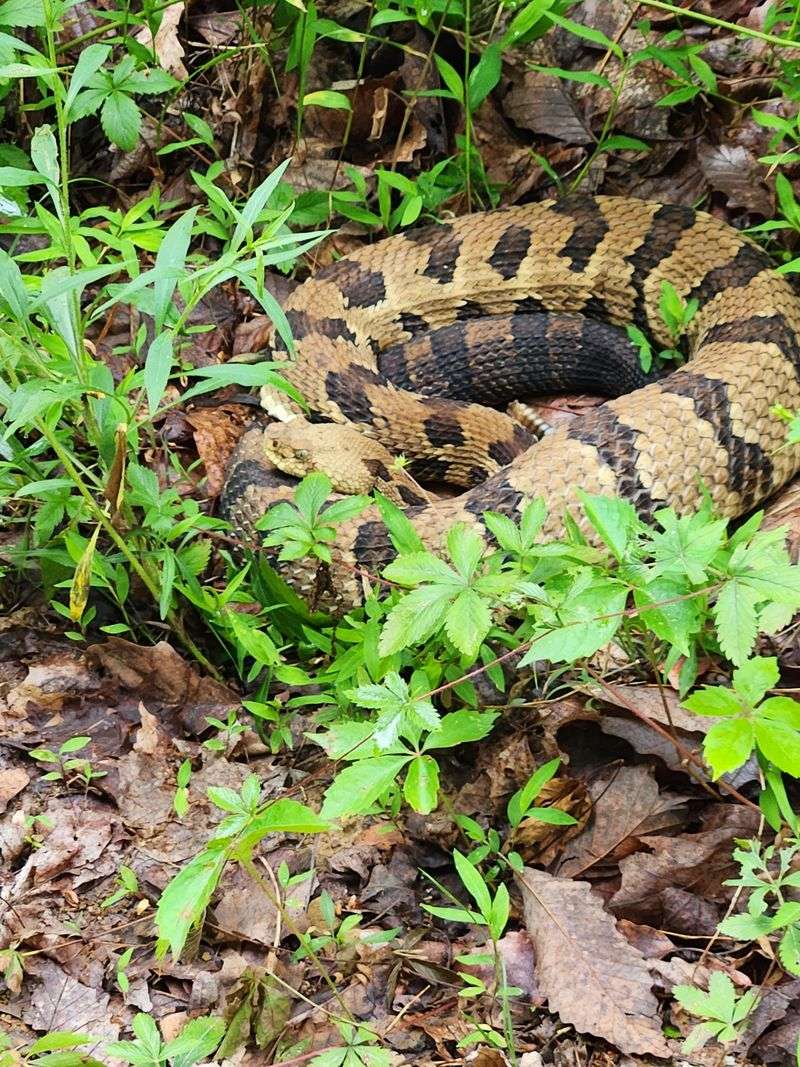
The timber rattlesnake is a heavy-bodied snake that can reach five feet. The species is listed as state endangered, and it survives mainly in forested ridges of the south-central part of the state.
Most remaining populations live in the forested hills of southern Indiana, according to the Indiana DNR. The snakes favor large, unbroken forests with rocky, south-facing slopes that soak up warm autumn sunshine.
Each fall, timber rattlesnakes travel back to the same den, sometimes covering more than a mile to get there. You might spot one basking near a rock ledge in October before it slips underground until April.
Their colors range from yellow to nearly black, with dark, jagged crossbands running down the back toward a black tail. The rattle buzzes like an angry insect, and that sound is a polite request for space.
Encounters are rare, and timber rattlesnakes are known for staying calm unless someone steps on or handles them. Many bites in the United States happen when people try to capture, move, or harm a venomous snake.
If you hear a rattle, freeze long enough to locate the snake, then step away in the opposite direction. Call 911 for any bite, keep the person calm, and skip ice, tourniquets, or cutting the wound.
Seeing one of these rare snakes is a special moment, so take a photo from a distance and report it. The Indiana DNR welcomes sightings because they help biologists track and protect this struggling species.
4. Northern Short-Tailed Shrews Under Leaf Litter
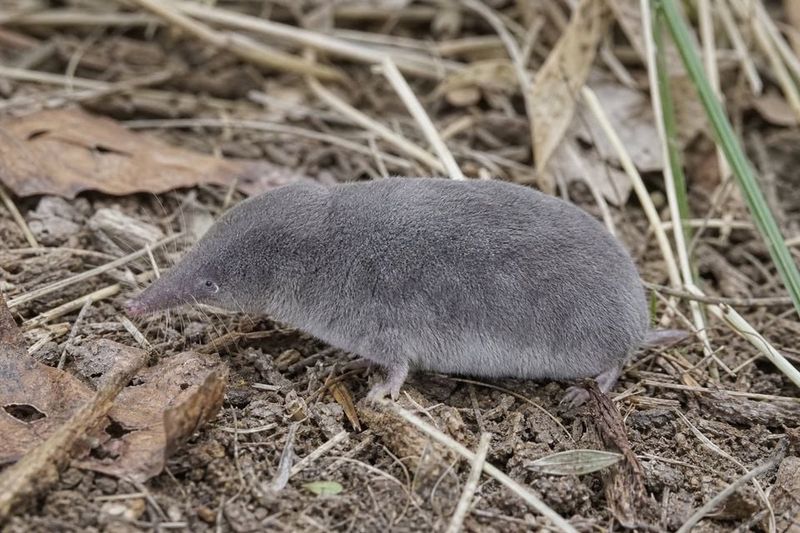
Small enough to fit in your palm, the northern short-tailed shrew is one of the few venomous mammals in North America. Its saliva contains a toxin that slows down earthworms, insects, and snails so it can store them alive.
The gray, velvety animal has tiny eyes, no visible ears, and a short tail, and it lives across the whole state. Shrews tunnel through leaf litter, mulch, and loose soil, which makes fall leaf piles a favorite hunting ground.
Their bodies burn energy so fast that they must eat often, sometimes consuming close to their own weight in food daily. They stay active all winter, scurrying beneath snow and leaves instead of hibernating like many other small animals.
Shrews also use echolocation, making tiny clicking sounds to find their way through dark tunnels, much like bats do. Scientists still study this ability, since only a handful of land mammals are known to use it.
A shrew bite is not dangerous to people, though it can cause burning pain and swelling that lasts for several days. Bites mostly happen when someone picks one up, so wear gloves if you must move one from a garage.
Pet cats often catch shrews but rarely eat them, because scent glands on the shrew’s sides give off a strong musky smell. Finding one on your porch usually means a cat was hunting, not that shrews are invading.
Shrews actually help yards by eating slugs, grubs, and insect pests that damage garden plants and lawns. Leaving a few leaves under shrubs this fall gives these busy little hunters a natural place to work.
5. Eastern Massasaugas Near Northern Indiana Wetlands
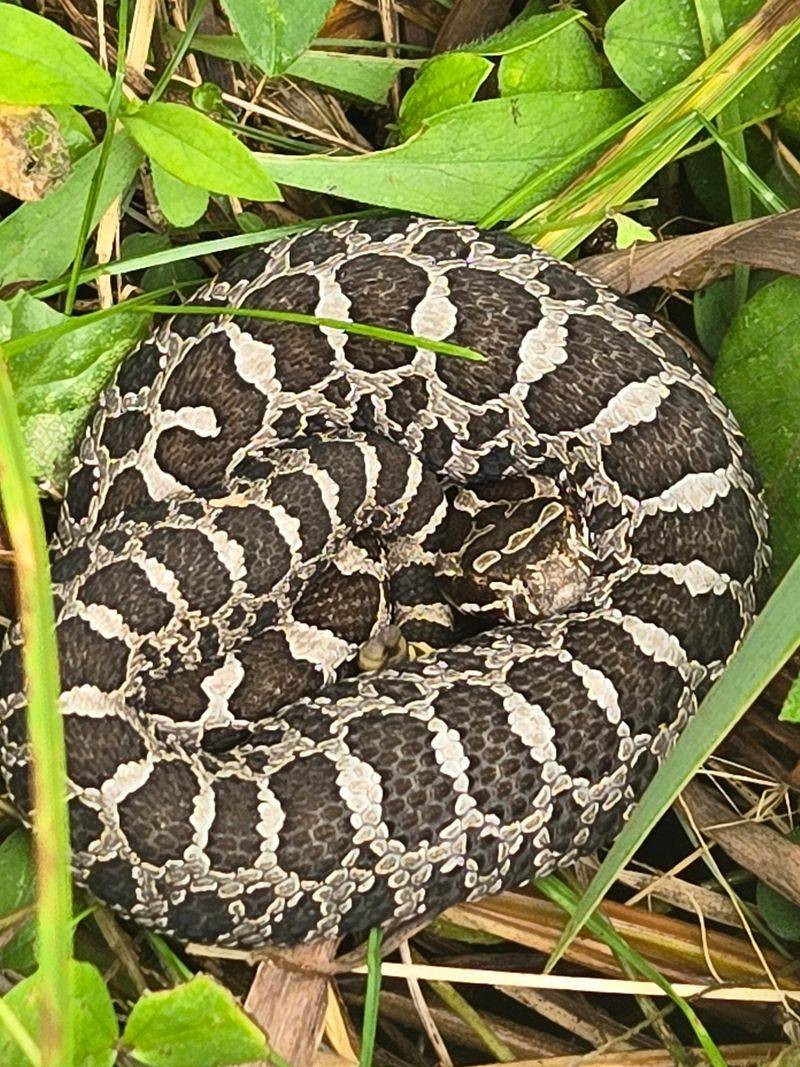
Small, shy, and federally threatened, the eastern massasauga is one of the rarest snakes you could come across in the Midwest. Adults usually measure around two feet long, with gray or brown bodies covered in dark, rounded blotches.
Massasaugas live mainly in the northern part of the state, in wet prairies, sedge meadows, fens, and marsh edges. Habitat loss has reduced them to scattered spots, and Indiana lists the species as state endangered as well.
Fall is a key moment for them, because massasaugas spend winter in crayfish burrows near the water table. They often slip underground in October, staying where groundwater keeps them from freezing during the coldest months.
Hikers walking boardwalks or trails near northern wetlands may catch one sunning itself on a clump of grass. Their small rattles make a buzz that sounds more like a grasshopper than the deep rattle of larger snakes.
Bites are very uncommon, mostly because massasaugas hide or freeze in place instead of striking at passing people. Still, their venom is potent, and anyone who is bitten should get emergency care without waiting for symptoms.
You can help by staying on marked trails, keeping dogs leashed, and watching where you place your feet near water. Avoid flipping logs or boards in wetland areas, since those spots often shelter snakes getting ready for winter.
Spotting a massasauga is worth reporting to the Indiana DNR or the U.S. Fish and Wildlife Service with a photo. Confirmed sightings add useful information for scientists working to keep these little rattlesnakes on the landscape.
6. Black Widows In Woodpiles Or Garden Sheds
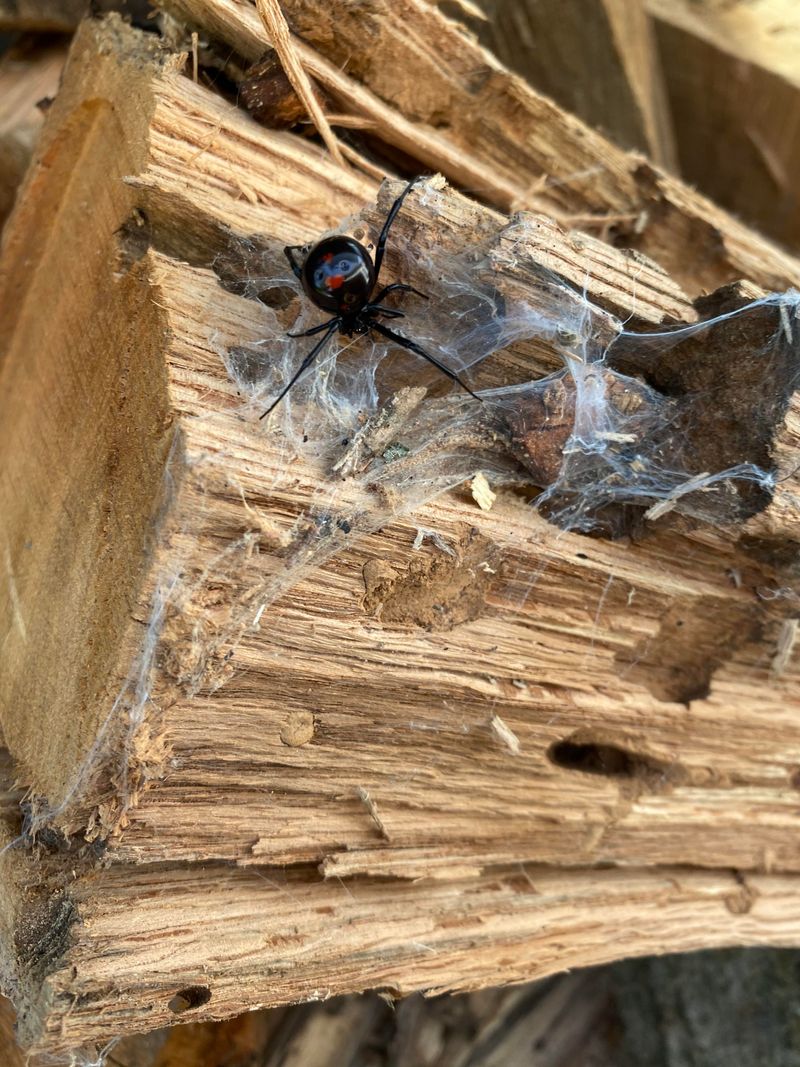
Shiny, round, and dressed in glossy black, the female black widow looks almost like a tiny piece of costume jewelry. Flip her over, and you will usually find a red hourglass shape painted on the underside of her belly.
Both the northern and southern black widow live in the state, and both enjoy dark, dry, undisturbed places close to the ground. Woodpiles, garden sheds, old flower pots, and stacks of bricks make perfect fall hiding spots for them.
October is when many people haul in firewood or pack away garden tools, which puts hands right near their webs. Black widow webs look messy and tangled, and they are often built low in corners or under ledges.
Their venom affects the nervous system and can cause strong muscle cramps, sweating, and belly pain within a few hours. Bites are rare and seldom serious for healthy adults, but children and older adults should see a doctor quickly.
You can avoid most bites by wearing thick gloves whenever you move firewood, flower pots, or lawn furniture this fall. Shake out boots and gardening gloves stored in sheds before slipping them on, especially after weeks of sitting untouched.
Stack firewood off the ground and at least twenty feet from your house, then bring in only what you need. Spiders can hitch a ride indoors on logs, so checking each piece first is wise.
A good sweep of shed corners with a broom removes webs and egg sacs without harsh sprays. Purdue Extension notes that clearing clutter is one of the best long-term ways to keep black widows away.
7. Brown Recluses In Southern Indiana Basements
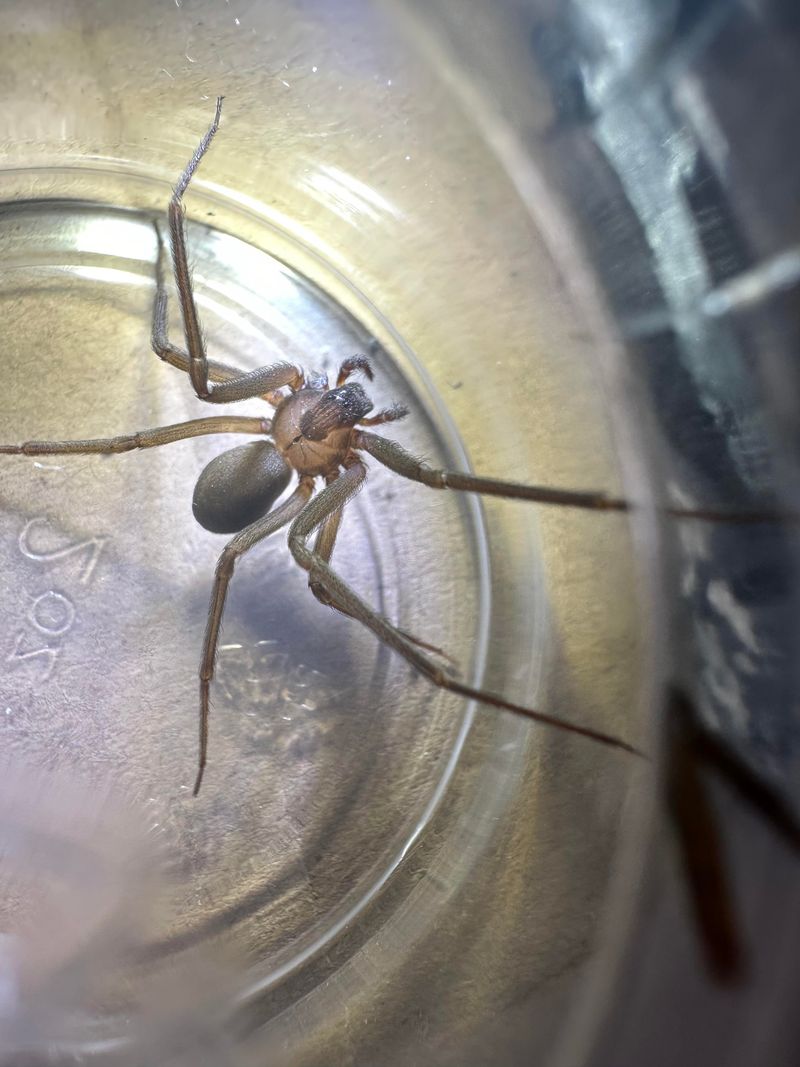
Plenty of spider bites get blamed on the brown recluse, yet scientists say most of those claims turn out to be something else. Here, true recluse populations show up mainly in the southern part of the state, often inside older homes.
Brown recluses are tan to brown, about the size of a quarter with legs, and carry a darker violin shape behind the eyes. A better clue is their six eyes arranged in three pairs, though you need a magnifier to see them.
Unlike many spiders, recluses prefer living indoors, tucked inside basements, closets, boxes, and the gaps behind stored furniture. As fall temperatures drop, people spend more time sorting holiday decorations, which can disturb spiders hiding in cardboard.
Most bites happen when a spider gets trapped against skin inside clothing, shoes, or bedding that has been sitting unused. The bite can cause a slow-healing sore in some cases, so a doctor should check any wound that worsens.
Purdue Extension suggests storing items in sealed plastic bins instead of cardboard, since recluses love the folds and dark edges. Keep beds pulled a few inches from walls, and avoid letting blankets drape down to the floor.
Sticky traps placed along basement walls and behind furniture help you spot recluses early. They also help you learn whether you truly have recluses or just harmless cellar spiders sharing your space.
If you think you found one, place it in a sealed jar and bring it to your county extension office. Experts there can often identify the spider, which saves a lot of worry over a possible case of mistaken identity.
8. Paper Wasps Under Eaves Or Inside Attics
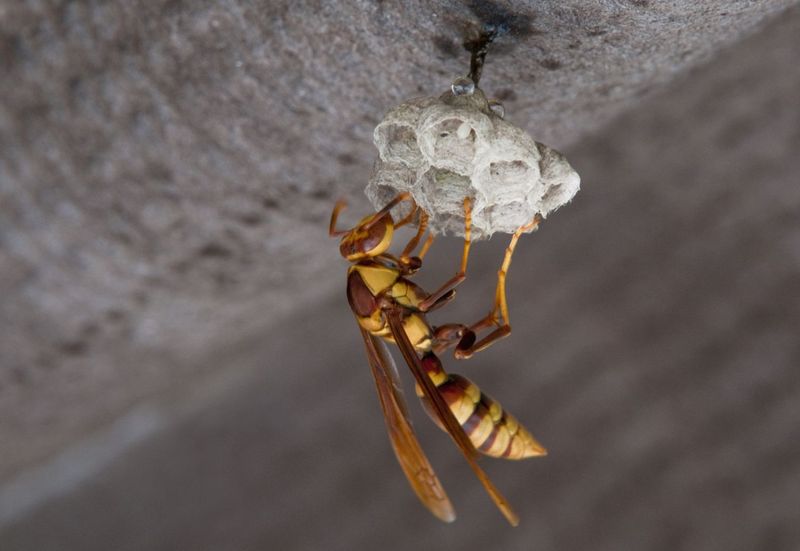
Those umbrella-shaped nests hanging under porch roofs belong to paper wasps, skilled builders that chew wood fibers into gray paper. Their long legs dangle below them in flight, making them easy to tell apart from stockier yellowjackets.
Here, paper wasp colonies break up in fall, and most workers and males fade away as nights grow colder. Mated females survive by searching for protected places to spend the winter, often closer to people than expected.
Attics, wall gaps, window frames, and the spaces behind siding all appeal to these overwintering wasps looking for shelter. On warm October days, some wander indoors through cracks and end up buzzing slowly against sunny windows.
Paper wasps are usually calm away from the nest, but they can sting if pressed against skin or grabbed. A sting hurts and swells for a day or two, and allergic reactions need quick medical attention.
Fall is a smart time to seal gaps around window screens, vents, and siding with caulk or fine mesh. Purdue Extension points out that blocking entry points works better than spraying wasps once they are already inside.
Old nests under eaves are rarely reused, so you can knock them down safely after a few hard frosts. Wear gloves and long sleeves, and check that the nest is empty before removing it with a long broom.
Paper wasps do help gardeners by hunting caterpillars that chew on tomatoes, cabbage, and other vegetable plants all summer. Giving them space outdoors while keeping them out of your attic is a fair deal for everyone.