The Overlooked Step That Helps Italian Oregano Thrive In Alabama
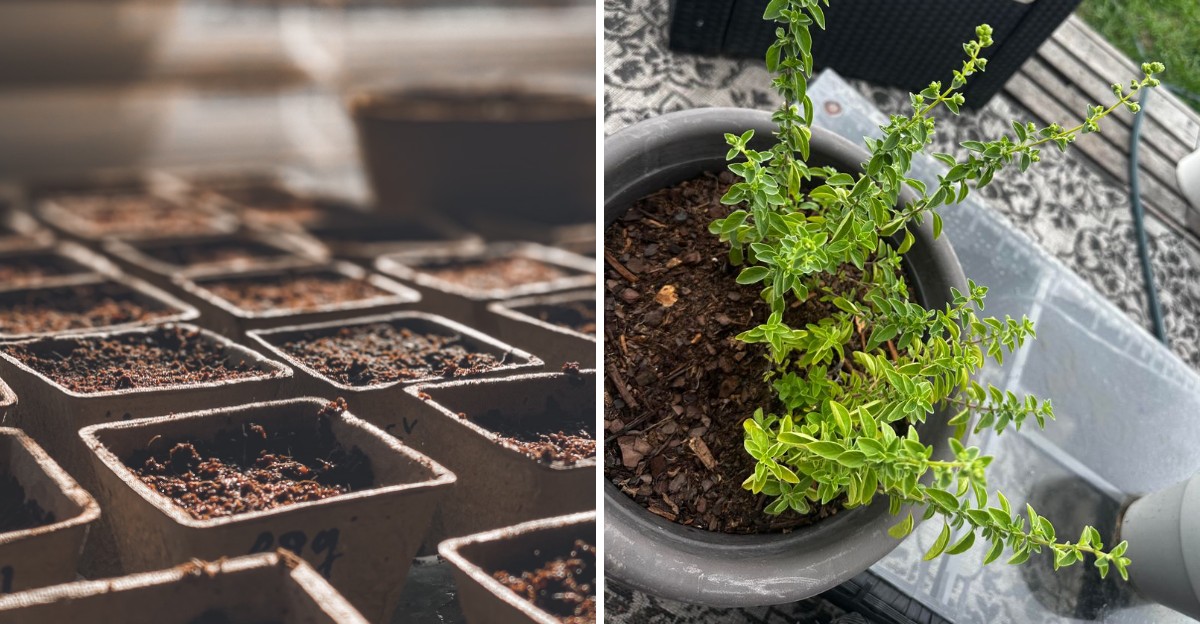
Your oregano looks thirsty, yet its mix is brimming with water. Watering less changes little, and the leaves keep drooping.
Alabama summers send heavy rain to your pots for days. Packed potting mix then turns into a dense sponge around your roots.
Roots need oxygen, and heavy mix blocks it. Damage begins quietly, and you will not spot it above the surface.
You can fix this by repotting into a gritty blend that drains fast. Delay it, and your Alabama herbs lose vigor by August. The fix costs less than a large pizza. It needs a cool fall afternoon and a bag of grit.
Terracotta pots wick extra moisture, which gives your roots a head start. Perlite and coarse sand open channels that let water exit in seconds. Soon you will read the drainage clues that protect your hidden roots.
Fast-Draining Soil Comes First
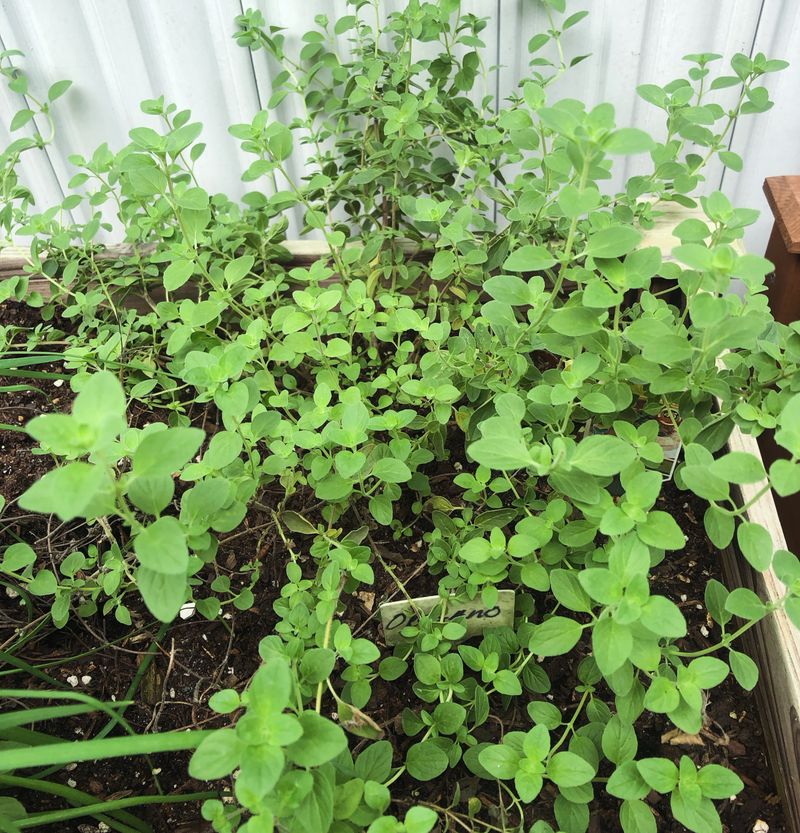
Mediterranean hillsides are where this herb grew up, clinging to rocky slopes above the sea. Rain there drains away fast, so roots stay airy and dry between storms.
Wet feet are the main reason Italian oregano struggles in Alabama yards. Fixing drainage is a top priority, alongside full sun and sensible watering.
Think of roots like tiny straws that need to breathe. When soil stays soggy, air pockets fill with water and the roots lose access to oxygen.
Soon the roots turn brown and mushy instead of firm and white. Above ground, you notice yellow leaves, weak stems, and a stressed plant.
Some Alabama gardeners blame heat or bugs when this happens. Heat does play a part, but standing water usually starts the trouble.
A simple test tells you a lot about your spot. Dig a hole one foot deep, fill it with water, and watch how long it takes to empty.
Water that drains within an hour means you are in great shape. Water still sitting after four hours means the soil needs real help before planting.
Good drainage also helps the leaves taste stronger. Slightly lean, dry soil pushes the plant to pack more fragrant oils into every tiny leaf.
Wet soil does the opposite, giving you floppy growth with a weak, watery flavor. Bland, watery herbs do little for a pizza.
Once drainage is handled, Italian oregano becomes one of the easiest herbs you can grow. It shrugs off heat, spreads happily, and fills your kitchen with flavor.
Rich Potting Mix And Other Moisture Mistakes
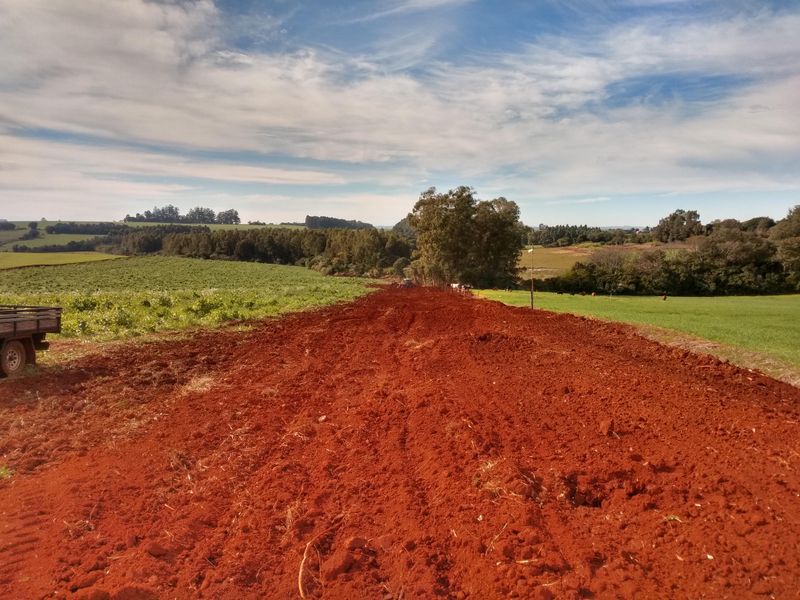
Many gardeners who have dug a hole in Alabama know that orange-red clay sticks to shovels like peanut butter. It stains your sneakers, your gloves, and sometimes your patience.
Clay is made of very small, flat particles packed tightly together. Those particles leave pores too tiny for water to drain or air to move freely.
Alabama also gets plenty of rain, often more than fifty inches a year. Mobile and the Gulf Coast see even more, especially during summer storms.
Put heavy rain and dense clay together, and you get a soggy bathtub underground. Water pools around roots for days while the surface looks dry.
Your Alabama Garden Changes Every Week. Your Plan Should Too.
Gardening in Alabama changes quickly throughout the season. Every Friday you’ll receive a simple weekly plan showing exactly what to plant, prune, fertilize, harvest, and protect so you never miss the right timing.
That trick fools many gardeners into watering again. The top inch feels crusty, but a few inches down, the soil still feels like wet modeling clay.
Italian oregano does not tolerate that kind of setup. Its fine roots can begin to rot, and fungal diseases can develop quickly during warm, humid weather.
Northern Alabama has rocky, clay-heavy ground in many spots, while southern areas mix sand and clay. Even sandy-looking yards can hide a hard clay layer below.
Grab a handful of moist soil and squeeze it tight. If it forms a smooth ribbon when you press it between your fingers, clay is in charge.
Knowing your soil type helps you choose the right fix. A little detective work now saves you from replanting struggling herbs next spring.
The goal is keeping clay’s nutrient power while fixing the soggy parts. Think of it as giving your soil a better plumbing system.
October Timing For Fixing The Ground
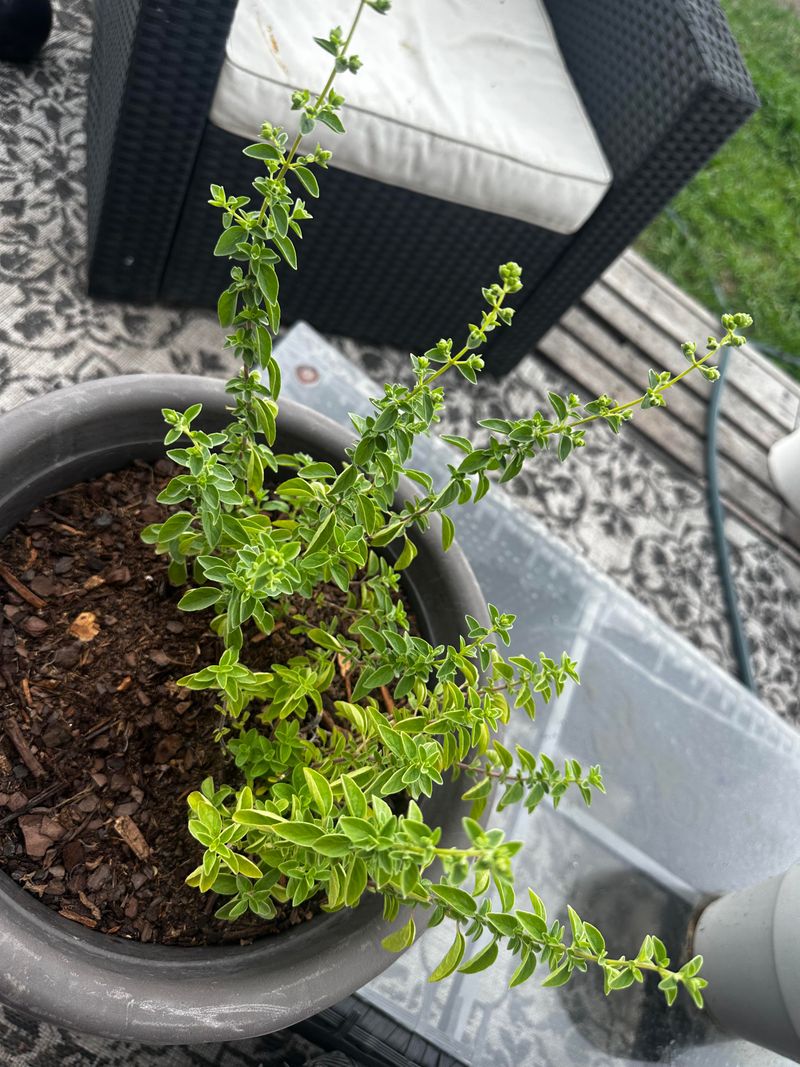
October in Alabama brings relief as the heat eases across the state. The sticky heat fades, the ground is still warm, and digging becomes pleasant again.
Fall is the sweet spot for fixing drainage. The soil is usually drier than in spring, so it crumbles instead of turning into sticky lumps.
Working wet clay is a classic mistake. Digging or tilling soggy soil squishes it flatter and makes drainage worse than before you started.
Wait for a dry spell of a few days before you grab the shovel. Soil should crumble in your hand, not smear like frosting.
Fall work also gives amendments months to settle in. Compost and bark break down slowly over winter, blending into the soil by spring.
Alabama winters bring a lot of rain, especially from December through March. Fixing drainage now means your herbs face those soaking months with dry feet.
Planting in October also works well across much of the state. Roots grow steadily in cool soil while the tops stay calm and compact.
Gardeners in the Tennessee Valley may want to finish before their first frost date. Folks near the coast can usually keep working into November without much worry.
A light frost will not bother established Italian oregano much. Soggy, frozen soil is the main risk, since cold water around roots invites rot.
Garden centers may discount soil, gravel, and bagged compost in fall. That sale timing can stretch your garden budget.
So pick a crisp weekend, pour some apple cider, and get dirty. Your spring self will be glad you made the effort.
Rich Potting Mix And Other Moisture Mistakes
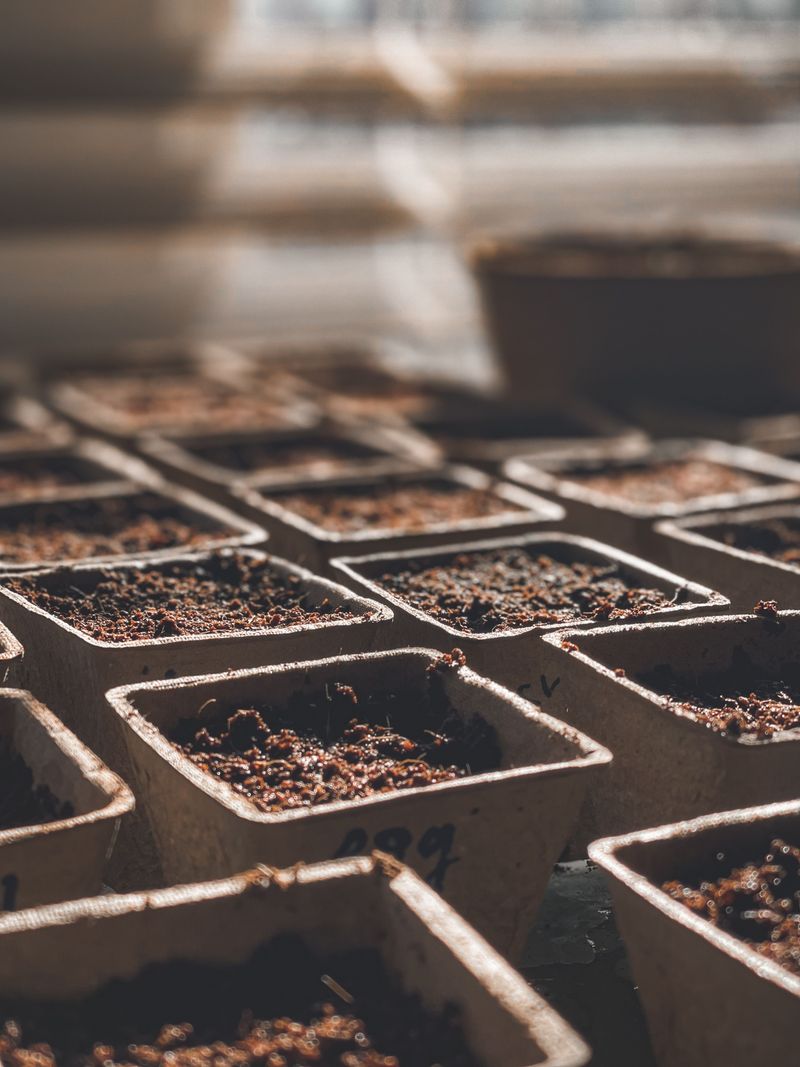
Some herb lovers share this confession. They bought the richest, darkest, moisture-holding potting mix on the shelf and watched their oregano struggle.
Rich, spongy soil sounds like a gift to a plant. For Italian oregano, it feels more like wearing wet socks all day long.
Many bagged mixes contain water-holding crystals or lots of peat moss. Those ingredients are great for ferns and tomatoes, but they keep oregano roots far too damp.
Heavy fertilizer causes trouble too. Extra nitrogen makes fast, floppy growth with less flavor and more room for disease.
Another common slip is digging a nice hole in clay and filling it with fluffy mix. Water rushes into that soft pocket and gets trapped like a pool.
Gardeners call this the bathtub effect. Roots sit in the soggy pocket while the surrounding clay slows drainage.
Overwatering adds to the problem, especially with automatic sprinklers. Oregano planted near thirsty lawn grass often gets watered each morning.
Saucers under pots are common culprits as well. Water collects there after storms, and the bottom roots soak like tea bags.
Empty those saucers soon after rain, or raise pots on little feet. Small habits like that keep roots breathing between storms.
The fix for each mistake is pleasantly simple. Choose a lean, gritty mix, skip the crystals, and keep sprinklers pointed somewhere else.
Italian oregano actually prefers soil that seems a little poor. Think rocky Italian hillside, not damp forest floor, and you will be on the right track.
Raised Beds, Gravel, And Grit As The Fix
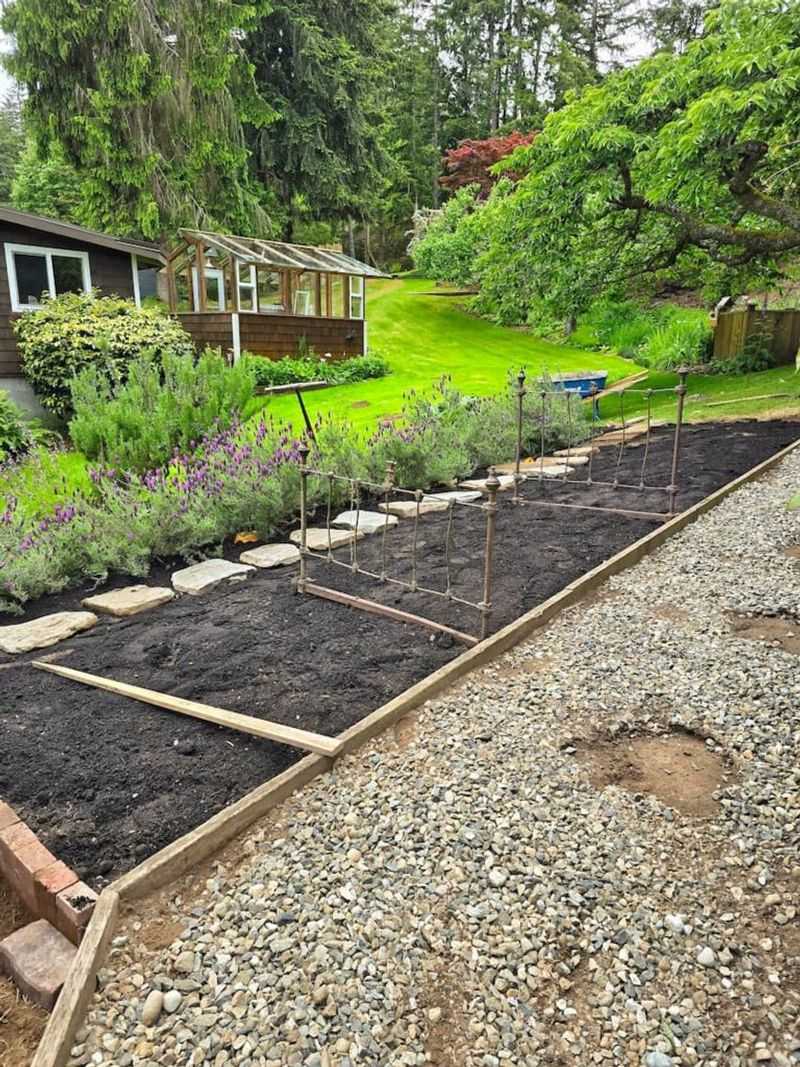
Picture your oregano sitting on a small throne above the soggy ground. Raised beds and mounds do exactly that, lifting roots away from standing water.
A bed just eight to twelve inches tall makes a big difference in clay country. Water drains down and away instead of pooling around the crown.
Fill the bed with a mix of garden soil, compost, and coarse grit. A good lean starting recipe is two parts garden soil, one part compost, and two parts coarse grit.
Coarse sand, pea gravel, or expanded shale all work as grit. Skip fine play sand, since it can pack down and act a lot like cement.
Expanded shale is popular among Southern gardeners for good reason. Its porous little chunks hold air and help loosen heavy clay for years.
No room for a raised bed? A simple mound of amended soil about a foot high works nicely in borders.
Pots are another smart choice, especially for small patios. Pick terra cotta with a large drainage hole, since clay pots breathe and dry quickly.
Topping the soil with a thin layer of pea gravel helps too. It keeps the crown dry and stops mud from splashing onto the leaves.
Avoid thick wood mulch right up against the stems. Bark holds moisture, and oregano prefers its neck to stay dry and breezy.
Loosening the native soil beneath the bed with plenty of grit or expanded shale helps water exit. That reduces the bathtub effect.
Water the new planting well to settle the soil. Then water every few days for the first few weeks, easing off as roots establish and rain arrives.
A Yearly Drainage Habit For Bushy, Flavorful Plants
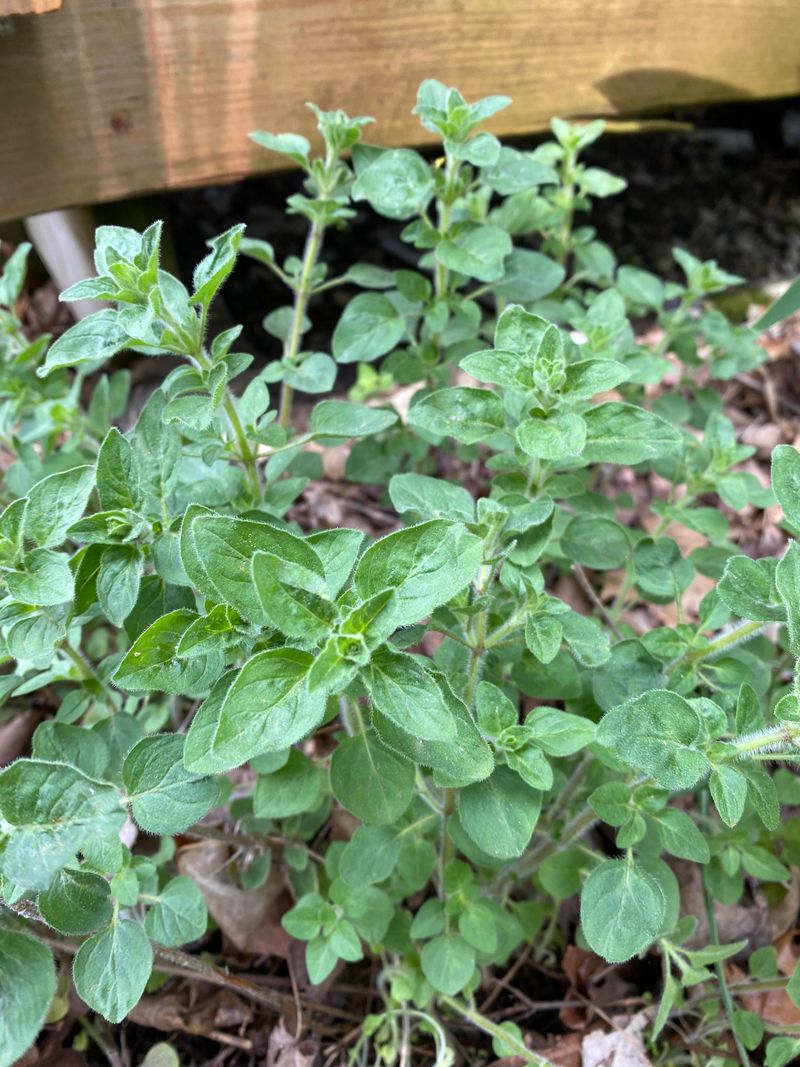
Come next July, the payoff shows up on your cutting board. Healthy oregano grown in well-drained soil forms thick, bushy mounds packed with rich, savory flavor.
Plants with healthy, well-drained roots tend to handle Alabama heat better too. They often recover faster after summer storms and hold up well through long humid stretches.
Keeping that success going takes a little yearly attention. Every fall, check your beds after a heavy rain to see where water collects.
Puddles that linger more than a few hours are a warning sign. Add a bit more grit or raise that low corner before winter rains arrive.
Compost breaks down over time, so beds slowly sink and pack tighter. A fresh inch of gritty mix each October keeps the soil loose and airy.
Trim plants lightly after summer harvests to improve airflow. Open, airy branches dry faster after rain, which helps prevent fungus problems on the leaves.
Watch your downspouts and gutters, too. A single downspout aimed at the herb bed can flood it during a strong thunderstorm.
Divide crowded clumps every three or four years in early fall. Replant the divisions in fresh, well-drained soil and share extras with neighbors.
Snip a few sprigs before each dinner to keep plants compact. Regular harvesting also encourages fresh, flavorful growth all season.
Gardeners in Italy have grown this herb for centuries on stony, sunny ground. Your Alabama bed can copy that same spirit with a little planning.
Good drainage is not flashy or exciting work. Yet it quietly turns a struggling herb into a reliable performer in your kitchen garden.