Do Pine Needles Make Good Mulch? What Texas Gardeners Should Know
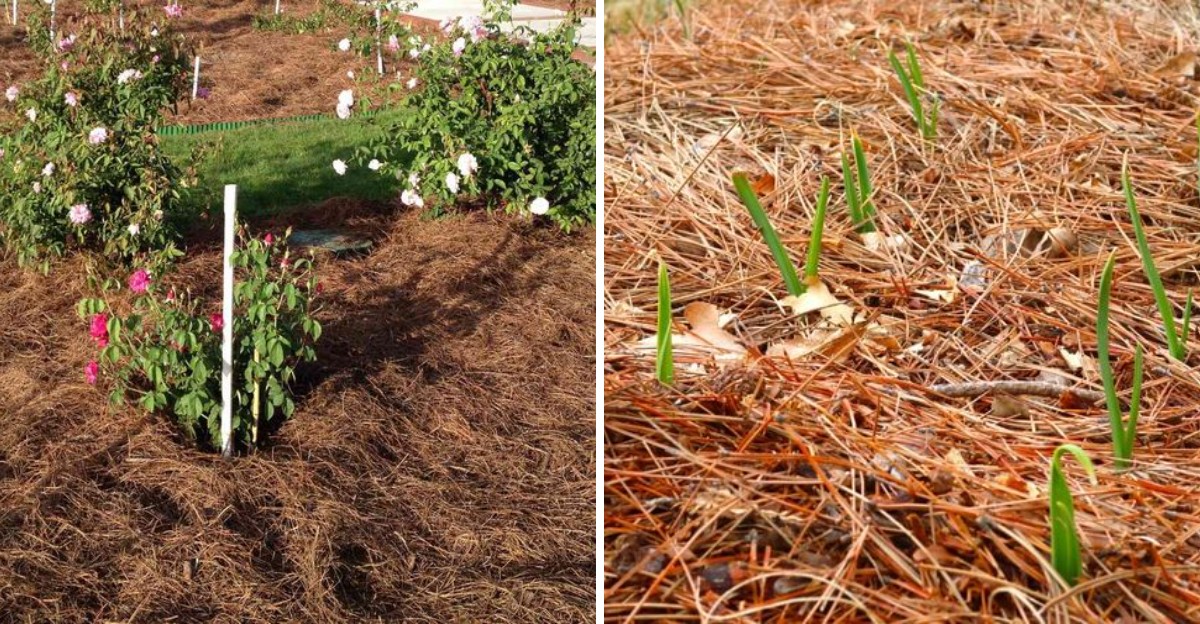
In the Piney Woods of East Texas, pine needles are everywhere. They blanket forest floors, pile up along fences, and drift into flower beds with every breeze.
Across much of the South, gardeners even buy them by the bale and call it pine straw. Are they worth using as mulch in your own yard?
The answer depends on where you live and what you’re growing. Pine needles are light, airy, and slow to break down.
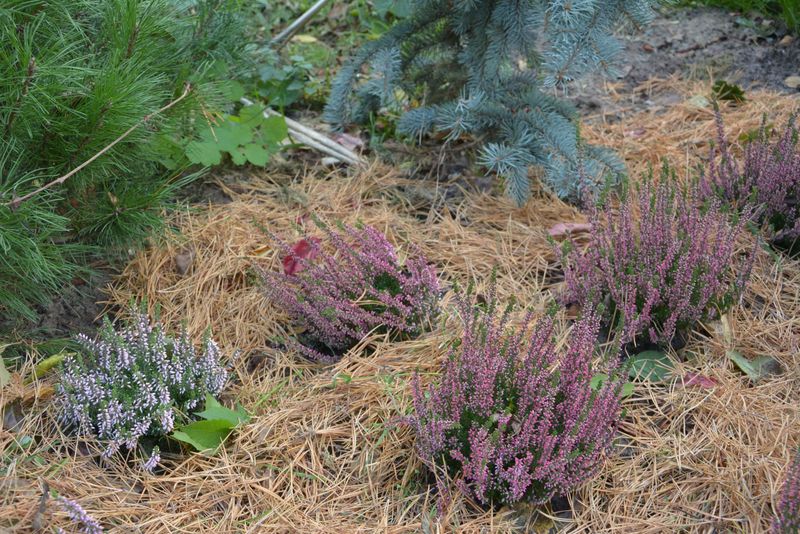
They let water soak through easily, stay put on slopes, and give beds a tidy, natural look. They’re a favorite around azaleas, blueberries, and other acid-loving plants.
But they won’t fix alkaline soil, as many people hope. And in drier parts of the state, where wildfire risk runs high, they can be a poor choice near homes.
Knowing the pros and cons can help you decide if pine needles are right for your garden.
Yes, They Make An Excellent Mulch
Good news first. Pine needles really do make a great mulch, and gardeners across the South have trusted them for generations. You will often see them sold in neat bales labeled pine straw at garden centers.
One big perk is weight. A bale of pine straw is light enough for most people to carry with one arm. Spreading it is easy too, since you can just pull apart the flakes and toss them over your beds by hand.
Pine needles also let air and water move through to the soil. Some heavy mulches can form a crust that sheds water away from roots. Pine straw stays loose and airy, so rain soaks right down to where your plants need it most.
Here is a cool trick of nature. As the needles settle, they hook and weave together like a loose mat.
That interlocking pattern helps them stay put on slopes and hillsides where other mulches tend to slide or wash away.
Heavy Texas storms can dump inches of rain in a single afternoon. Wood chips may float off into the street during a gully washer. Pine straw usually holds its ground, which saves you time and money on cleanup.
Like other mulches, pine needles help keep weeds down by blocking sunlight from reaching weed seeds.
They also shade the soil, which keeps roots cooler during our blazing summers. Less water escapes into the air, so you may water a bit less often.
Fun fact: in parts of the South, raking and baling pine straw is an actual business. Some landowners earn money from the needles that fall in their forests every year.
They Won’t Change Your Soil’s pH Much
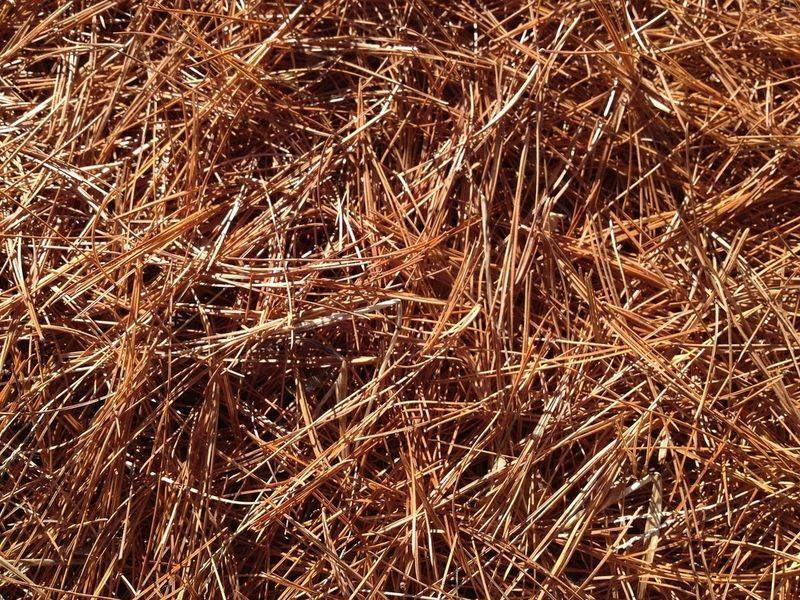
Ask ten gardeners about pine needles and soil, and several will warn you that they make dirt sour. The idea sounds logical. Fresh pine needles are a bit acidic, so people assume they turn the ground acidic too.
Research tells a different story. Studies on mulch show that pine needles spread on top of the soil have very little effect on soil pH. The change is so small that most plants never notice it.
So what does that mean for you? It means you can safely use pine straw around most plants without worry. Roses, vegetables, perennials, and shrubs will all do just fine with a layer of needles on top.
There is a flip side, though. Many gardeners in Central and West Texas deal with alkaline soil. Places like Austin, San Antonio, Midland, and El Paso often have chalky, limestone-based ground with a high pH.
If you were hoping pine needles would fix that, you may be let down. A pine straw layer will not lower your pH in any real way.
You would need other methods, like adding sulfur or growing plants in raised beds with special soil mixes.
A simple soil test can clear up the guesswork. Your county AgriLife Extension office can test a sample for a small fee. The results will tell you your pH and what nutrients your soil may need.
Quick tip: if you love acid-loving plants but live on limestone, try large containers. You control the soil completely, and pine straw still makes a handsome topping.
They’re A Natural Fit In East Texas
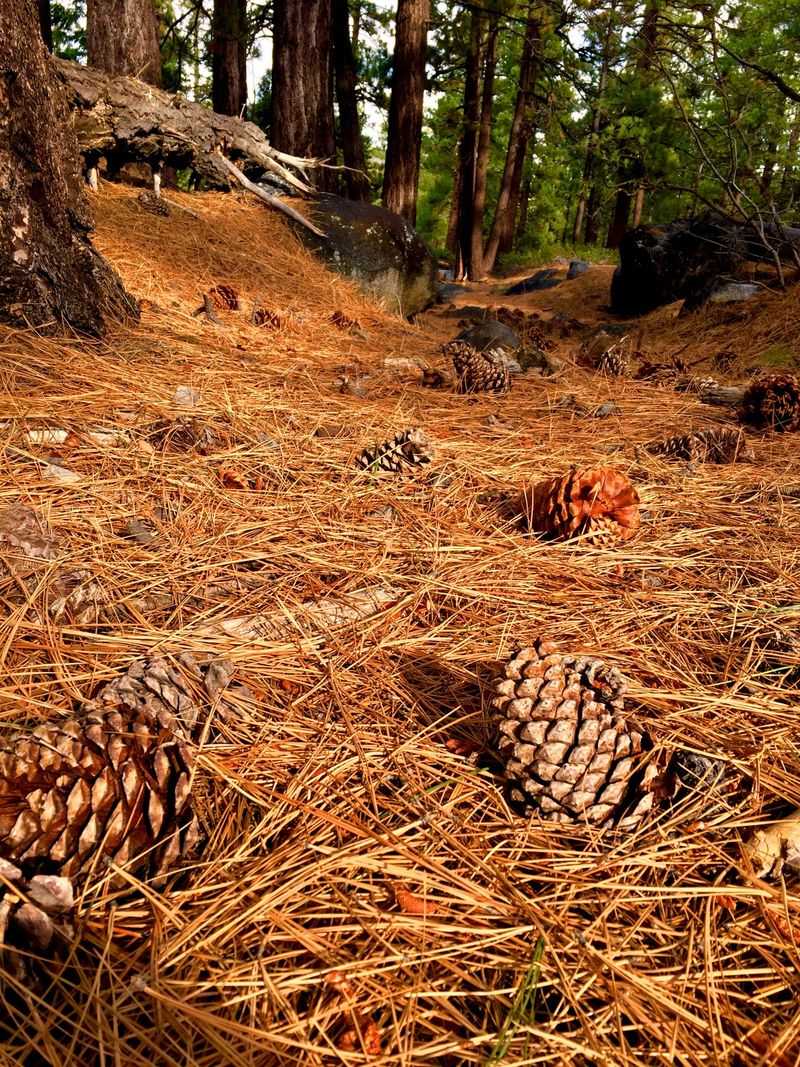
Drive east toward Nacogdoches in spring, and the scenery says it all. Towering pines stand over yards bursting with pink and white azaleas. Down below, a thick layer of brown needles covers the ground.
East Texas is pine country. Loblolly, shortleaf, and longleaf pines grow all over the region, and they drop needles every single year. That makes pine straw cheap, easy to find, and sometimes totally free.
Many homeowners simply rake needles from their own yards. If you have pines on your land, you already own a mulch factory. Just gather the clean needles and move them to your beds.
The soil in this part of the state is naturally acidic. Plants that love sour soil grow wonderfully here. Azaleas, camellias, and blueberries are the classic stars of East Texas gardens.
Pine straw looks right at home around these plants. The warm, rusty color matches the woodland feel. It also mimics the forest floor where many of these shrubs would grow in the wild.
Blueberry growers like pine straw for another reason. Blueberries have shallow roots that dry out fast. A cozy layer of needles keeps moisture in and protects those delicate roots from summer heat.
Did you know? Longleaf pines have some of the longest needles of any pine in North America. They can reach over a foot long, which makes them a favorite for mulch because they cover ground quickly.
If you live in Tyler, Longview, or Lufkin, pine straw may be the easiest choice you ever make for your garden.
They Last Longer Than Many Mulches
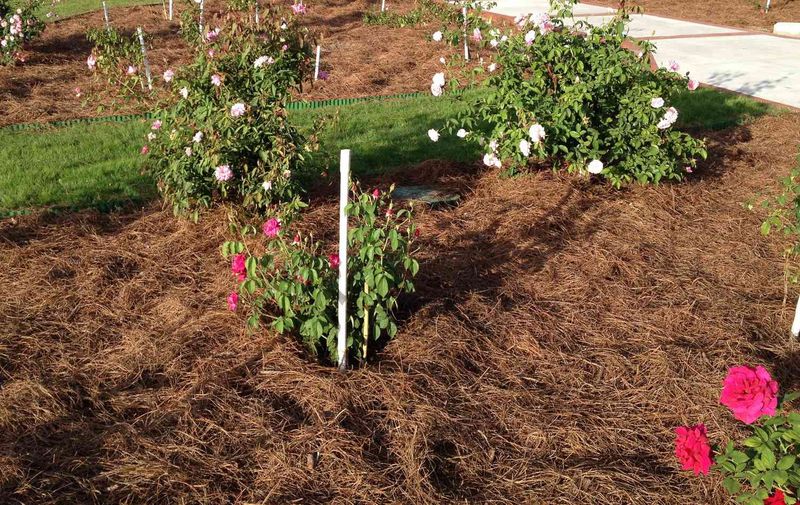
Lazy gardeners, rejoice. Pine needles might be the mulch that asks the least of you. Once you spread them, they tend to stick around for a good long while.
The secret is in their tough, waxy coating. That outer layer helps needles resist rot. Bacteria and fungi take their time breaking them down, so your mulch stays looking nice for months.
Compare that with grass clippings. Fresh clippings can turn slimy and flat in just a couple of weeks. Shredded leaves also break apart quickly, especially after a few rainy spells.
Pine straw holds its shape much better. In most Texas yards, a fresh layer can last six months to a year before it looks thin. That means fewer trips to the store and less hauling on hot weekends.
Slow does not mean useless, though. As the needles finally decay, they still feed the soil. They add organic matter, which helps soil hold water and gives earthworms something to munch on.
Over a few seasons, you may notice darker, crumblier soil under your pine straw. That is the good stuff. Healthy soil like that helps roots grow deeper and stronger.
Here is a money-saving idea. Instead of removing old pine straw, just add a thin new layer on top. The bottom layer keeps breaking down while the top layer keeps things looking fresh.
One small heads-up: needles that sit in deep shade and stay damp may break down a bit faster. Sunny beds usually hold their mulch the longest.
They Can Be A Fire Hazard In Dry Weather
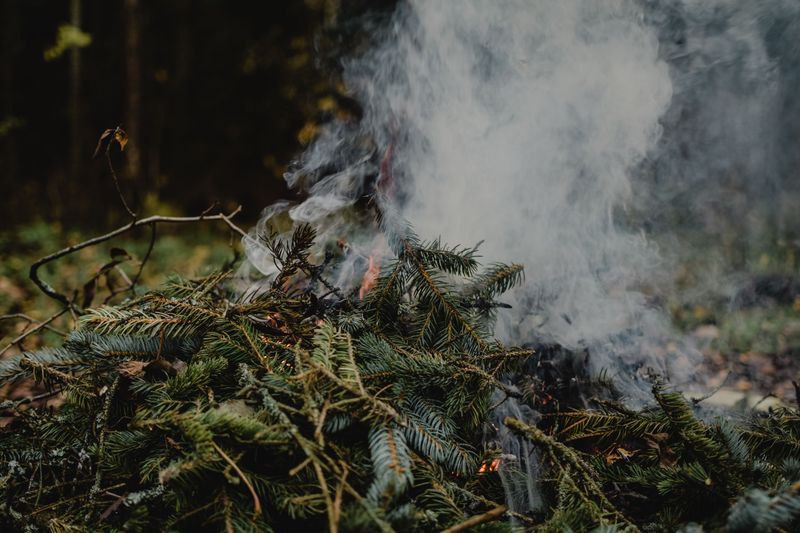
Every Texan knows the sight of a burn ban sign at the county line. Long droughts and triple-digit heat can turn yards into tinder boxes. Sadly, dry pine needles are one of the easiest things to catch fire.
Thin needles have lots of surface area and very little moisture when dry. Add some oils and resin, and a single spark can start a blaze. A tossed cigarette, a stray ember, or a hot grill can be enough.
Please do not let that scare you away completely. You just need a smart plan. Placement is everything when it comes to pine straw safety.
Keep pine needles several feet away from your home’s foundation. Many fire experts suggest a clear zone of at least five feet around the house. Also leave space near wooden decks, fences, grills, and fire pits.
For the area closest to your walls, try rock or gravel mulch instead. River rock, decomposed granite, and crushed stone will not burn. They look sharp and work well in hot, sunny Texas yards.
Water helps too. During dry spells, give pine straw beds a light soak now and then. Damp needles are much harder to light than crispy ones.
Watch for local fire alerts, especially in West Texas and the Hill Country, where wildfires spread fast. Clear needles off roofs and out of gutters as well.
A little caution goes a long way. With some planning, you can enjoy pine straw and still keep your family and home safe.
Apply It The Right Way
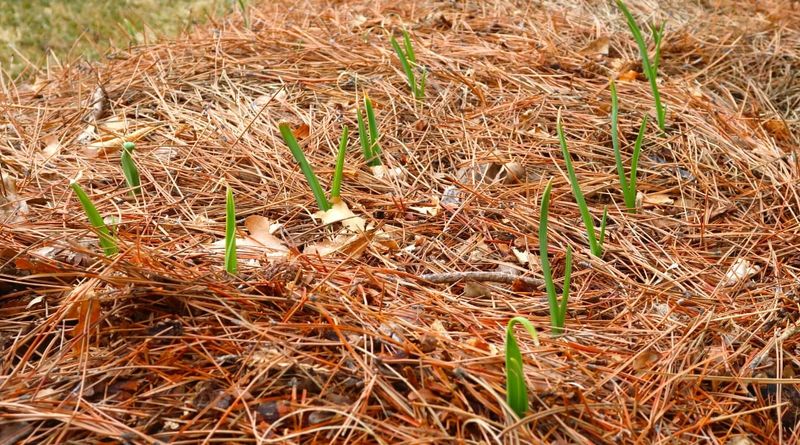
Spreading pine straw is simple, but a few small details make a big difference. Think of it like making a bed. A neat, even layer works much better than random lumps.
Start by clearing out weeds and watering the soil. Moist ground under fresh mulch gives your plants a head start. Then grab a bale, cut the strings, and break off loose flakes.
Aim for a layer about 2 to 4 inches deep. That may look puffy at first, but pine needles settle and pack down over a few weeks. Once they settle, you will have the right depth for blocking weeds.
Now for the most common mistake. Never pile mulch right up against plant stems or tree trunks. Those mulch volcanoes trap moisture against bark and invite rot, bugs, and disease.
Instead, leave a gap of a few inches around each stem and trunk. Picture a donut shape around trees, not a cone. Your plants will breathe easier and stay healthier.
How many bales do you need? One bale usually covers about 50 square feet at a typical depth. Measure your beds first so you do not make extra trips.
Plan to refresh pine straw once or twice a year. Many Texas gardeners add a new layer in early spring and again in fall. Just fluff the old layer and top it with fresh needles.
Pro tip: wear gloves while spreading. Needles can be prickly, and gloves keep your hands clean and comfortable while you work.