Why North Carolina Fescue Seed Struggles Under Heavy Tree Shade Even During Fall Seeding Season
Fall has a way of making every North Carolina homeowner feel hopeful. The air turns crisp, the soil stays warm, and that bare patch under the big oak starts calling your name.
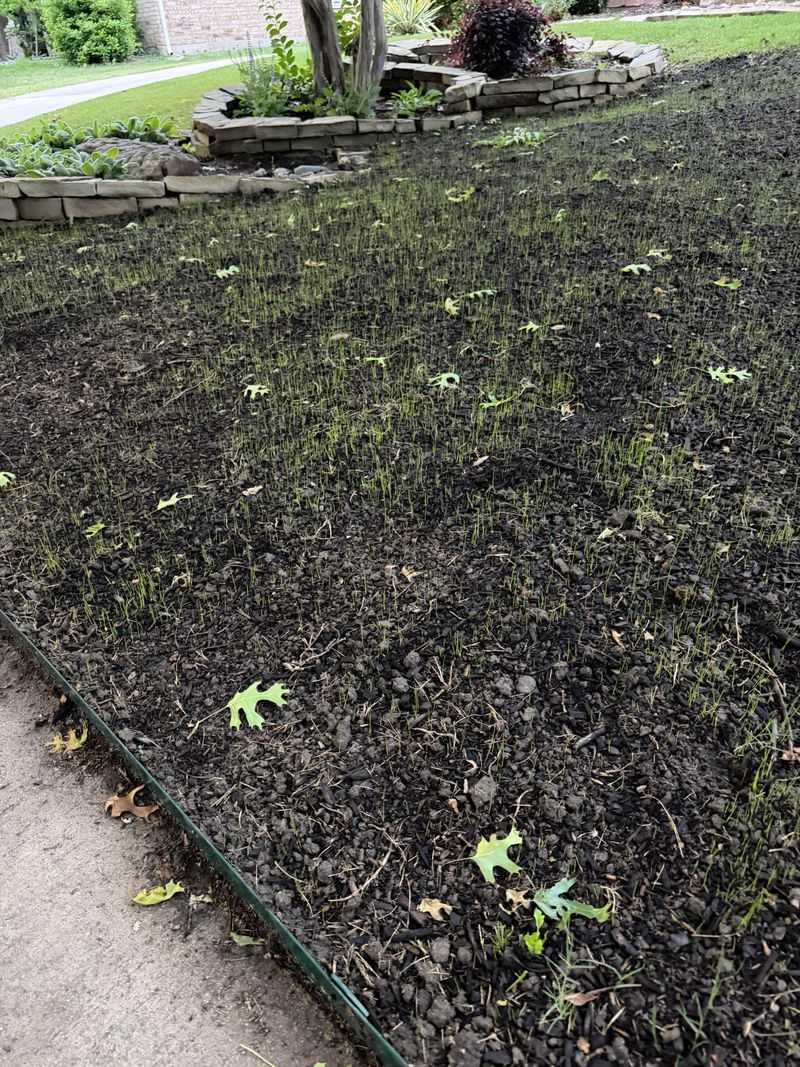
So you rake, you spread, you water with care. A few weeks later, you get a thin fuzz of green that looks more like a bad haircut than a lawn.
The trouble is rarely your effort or your timing. Something quieter is going on under those branches, and it starts long before the first sprout pokes up.
Shade, roots, falling leaves, and even soil chemistry all team up against young grass. Once you see how they work together, you can make smarter choices and stop wasting money on seed that cannot keep up.
1. Sunlight Shortage Starves Young Seedlings
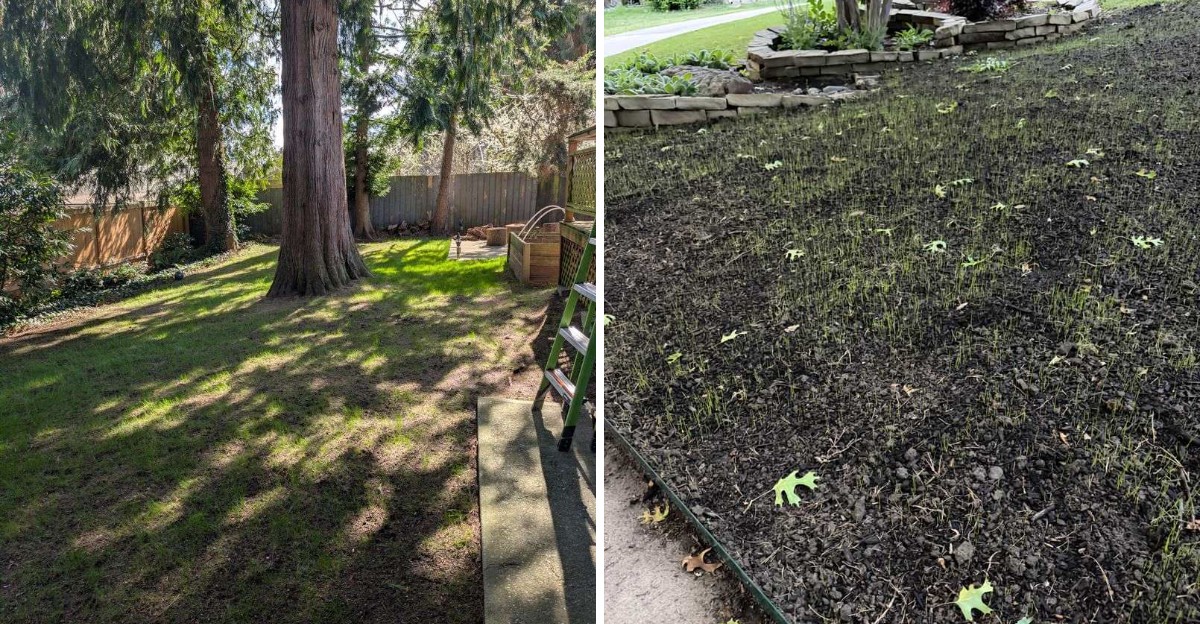
Grass runs on sunshine the way a car runs on gas. Without enough light, a fescue seedling cannot make the food it needs to grow strong roots and leaves.
NC State Extension notes that tall fescue thrives in sun or medium shade across the North Carolina mountains and Piedmont. Heavy shade is a different story.
As a general guide, tall fescue wants roughly four to six hours of direct or filtered sun each day, and a dense maple or oak canopy can cut some lawns down to as little as two hours.
Young seedlings feel that shortage first. They start with a small energy reserve in the seed, and once it runs low, they depend on photosynthesis.
When light is scarce, the blades stretch tall and skinny as they reach for brightness. Gardeners call that legginess, and it leaves the plant weak, floppy, and easy to damage.
A quick test can save you a lot of frustration. Check your shady patch every two hours on a sunny day and jot down how long real sunlight touches the ground.
If the total falls under four hours, regular seeding will likely give you disappointing results. You may need to thin the canopy, choose a more shade-tolerant fine fescue blend, or switch that area to mulch or a groundcover.
Along the North Carolina coast, tall fescue already struggles with summer heat, so warm-season grasses like St. Augustine or zoysia often cope better with partial shade there.
Knowing your light budget first keeps you from spending money on seed that has little chance. It also helps you plan a realistic lawn that actually fits your yard.
2. Thirsty Tree Roots Steal The Water
Ever notice how the soil under a big tree feels dusty even after a decent rain? Those roots are working overtime, and they are winning the water fight.
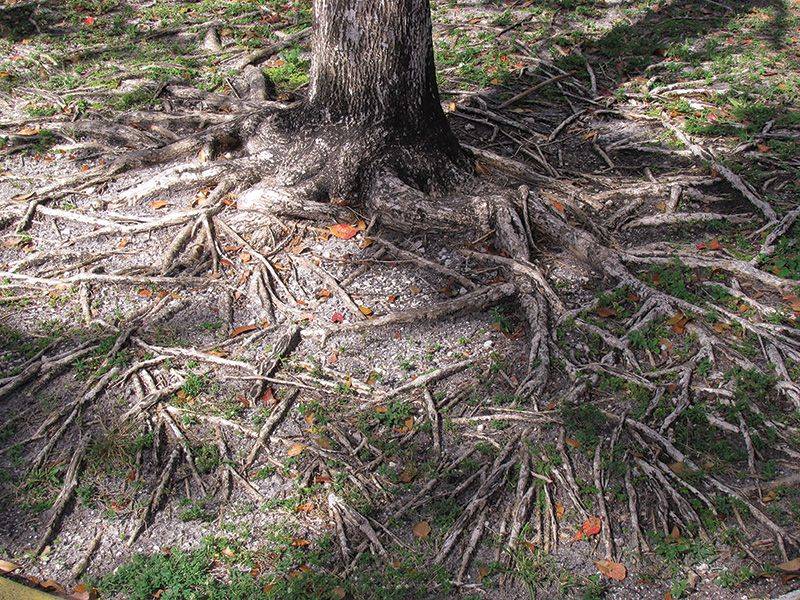
A mature oak, maple, or sweetgum can pull a lot of water from the ground, even in fall. Most of its feeder roots sit in the top twelve inches of soil, right where your new grass is trying to settle in.
Fescue seedlings have tiny root systems at first, often less than an inch deep. They simply cannot compete with a network that has been growing for decades, and North Carolina red clay can make the competition even tougher by drying out hard between rains.
Your North Carolina Garden Changes Every Week. Your Plan Should Too.
Gardening in North Carolina changes quickly throughout the season. Every Friday you’ll receive a simple weekly plan showing exactly what to plant, prune, fertilize, harvest, and protect so you never miss the right timing.
Rain also has trouble reaching the ground under thick leaves. The canopy acts like an umbrella, catching a good share of light showers before they ever touch the soil.
So what can you do about it? Water the shaded area more often than the sunny lawn, especially during the first month after seeding.
Light, frequent watering two or three times a day keeps the top layer moist while seeds sprout. Once the grass is a few inches tall, shift to deeper soakings a couple of times each week.
A simple rain gauge placed under the tree can show you how much water truly gets through. Many homeowners are surprised to find it collects noticeably less than an open spot nearby.
3. Falling Leaves Smother New Grass
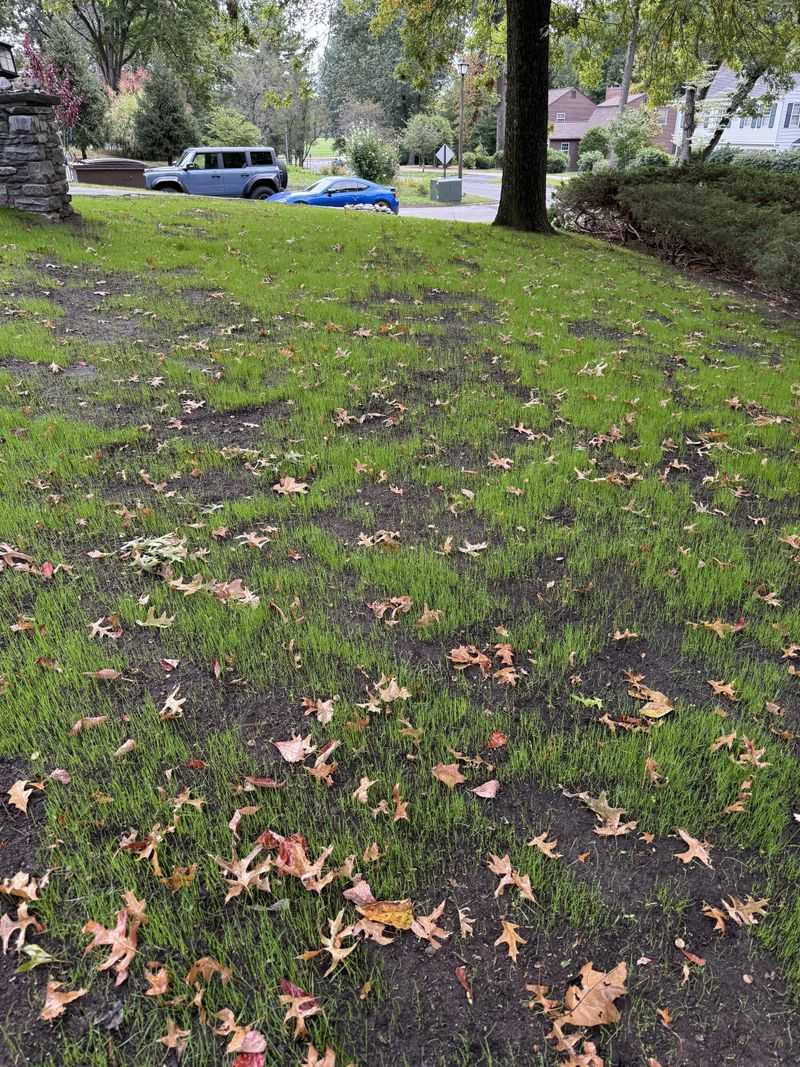
Timing can feel almost unfair here. You seed in September, the grass sprouts in October, and then the tree drops a thick blanket of leaves right on top.
NC State turf specialists advise getting seed down before the leaves begin to fall, which is one reason the target seeding window runs from mid-September to early October in the Piedmont, and one to two weeks earlier in the mountains.
Those leaves block what little light was reaching the seedlings in the first place. A wet mat of maple or oak leaves can quickly turn a hopeful green patch yellow.
Trapped moisture adds another problem. Damp, crowded conditions under soggy leaves invite mold and fungus that young grass is not ready to handle.
Raking new grass can feel risky, and it is. Heavy metal rakes can rip tender seedlings right out of the soil before they have a chance to anchor.
A leaf blower on a low setting is a much kinder choice. Another option is a soft plastic leaf rake used with light, sweeping strokes.
Try to clear leaves every few days during peak drop instead of waiting for one big cleanup. Smaller loads are easier to remove and do far less harm to the grass below.
If you can water reliably, seeding at the early end of the recommended window gives young grass a few extra weeks before the autumn leaf rush. Seeding earlier than that risks heat stress, so stick with the window for your part of the state.
4. Cool Shady Soil Slows Germination
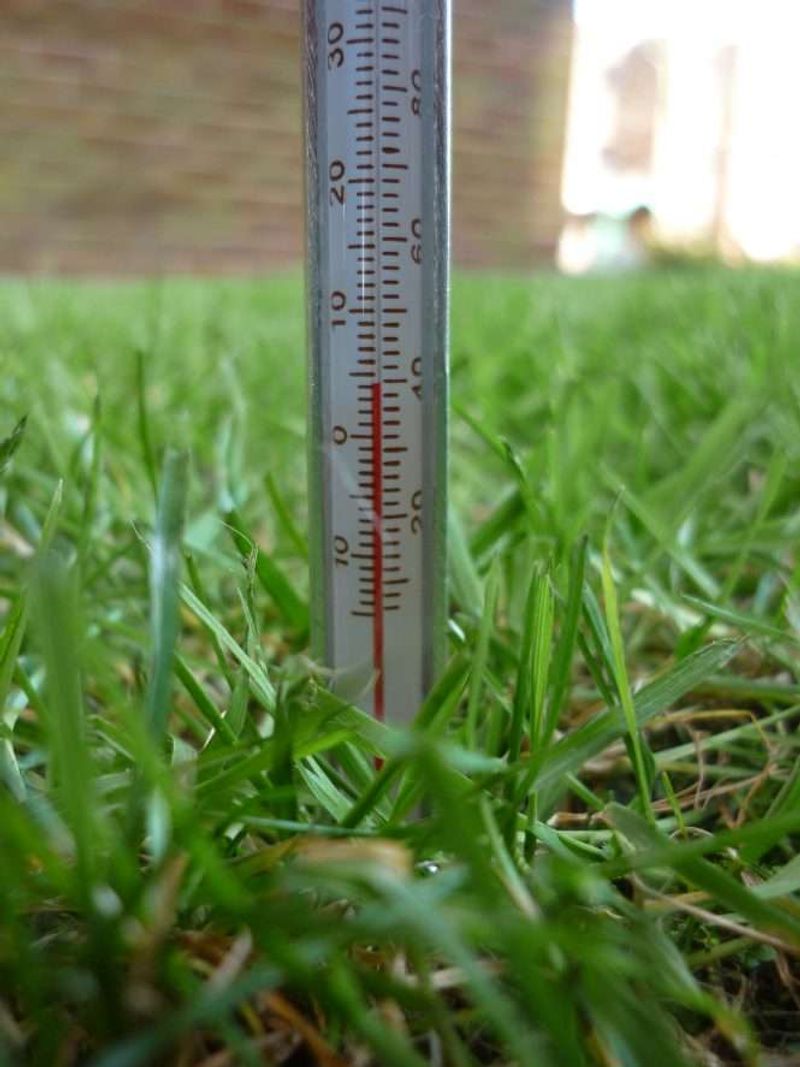
Here is something many people overlook: shaded soil runs cooler than sunny soil. Even a few degrees can change how fast seeds wake up and get growing.
NC State Extension notes that tall fescue germinates best when air temperatures sit between about 68 and 77 degrees and soil temperatures are above 60 degrees. In open areas, early fall in the Piedmont often delivers those conditions for several weeks.
Under heavy shade, the ground cools off faster as the season moves along. Germination that normally takes one to two weeks can stretch toward three weeks, depending on the weather and moisture.
That delay matters more than you might think. Every lost week is a week the seedling does not get to build roots before winter arrives.
Grass that sprouts late heads into cold weather small and fragile. NC State warns that seeding under too-cool or dry conditions can leave you with a thin stand going into winter.
A cheap soil thermometer is one of the best tools a lawn lover can own. Stick it about two inches deep in the shady area and compare it with a sunny spot nearby.
If the shady soil is running noticeably cooler, aim to seed that patch at the early part of the recommended window instead of waiting.
A note for late seeders: NC State says that by mid-October, the odds of slow or low germination rise. If you are reading this in late October, ask your county Extension office whether to seed now or wait for next fall, since spring-seeded tall fescue is more prone to drought, heat, and disease.
5. Fungal Diseases Love Damp Shade
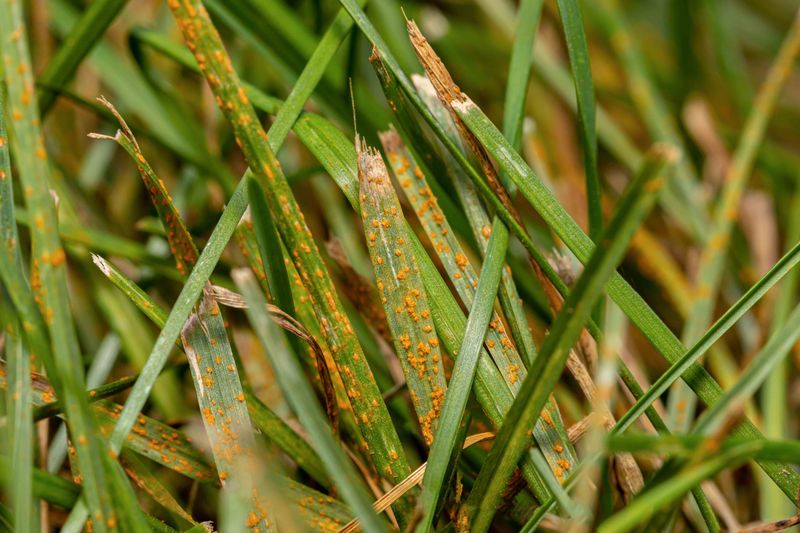
Moisture plus shade plus poor airflow is basically a welcome mat for lawn fungus. Young fescue sitting under trees often lives in exactly that kind of setting, and North Carolina’s humid air only adds to it.
Damping-off, powdery mildew, and brown patch are common troublemakers in shady lawns. Damping-off is especially sneaky because it attacks seedlings right at the soil line, causing them to flop over.
Brown patch is mostly a warm, humid summer problem on fescue, but it can linger on warm fall days. Damping-off and other seedling diseases are the bigger worry for new fall seedings.
In sunny areas, morning dew dries off quickly. Under a canopy, grass blades can stay wet for hours, giving fungus spores plenty of time to settle in.
Overwatering makes things worse, even if your heart is in the right place. Soggy soil and wet leaves create the damp mood fungus thrives in.
Watering early in the morning is one of the simplest fixes. The grass then has the whole day to dry instead of sitting wet overnight.
Pruning lower tree branches can open up airflow too. Even raising the canopy by a few feet lets breezes move through and helps blades dry faster.
Look for seed labeled as disease resistant when shopping. NC State’s TurfFiles website lists top performing tall fescue and fine fescue cultivars, and many newer varieties handle fungal pressure better than older types.
6. Compacted Soil Under Trees Blocks Roots
Kids play under shade trees, dogs nap there, and people set up chairs on hot days. All that foot traffic packs the soil tight, and new grass roots hate tight soil.
Red clay across the North Carolina Piedmont is already prone to compaction. Add foot traffic and tree roots, and there is very little room left for air and water.
Seedling roots struggle to push through compacted ground, so they stay short and shallow. Shallow roots mean the grass dries out faster and gets less nutrition.
In a shady spot that already lacks light, that is a double whammy.
You can test your soil with a simple screwdriver. If it is hard to push the tool into moist ground more than a couple of inches, compaction is likely an issue.
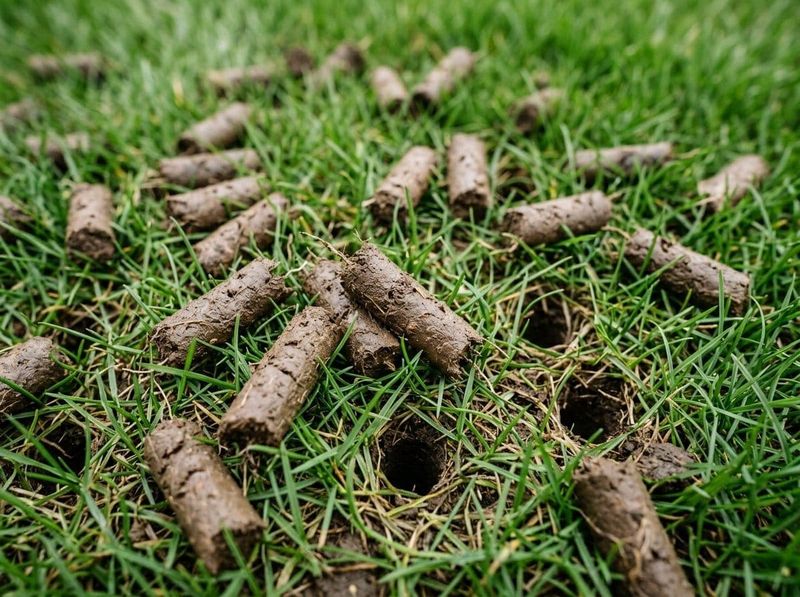
NC State Extension recommends core aeration before seeding. The machine pulls out small plugs of soil, leaving holes that capture seed and hold moisture, and seedlings often come up as little tufts from those holes.
Be careful near the trunk, though. Tree roots close to the surface can be damaged by aggressive aerating, so work gently and stay a few feet away from large roots as a rough guide.
Adding a thin layer of compost after aerating gives seeds a soft, rich bed. Just keep it under half an inch, since piling soil on tree roots can stress the tree itself.
7. Acidic Soil From Leaf Litter Hurts Growth
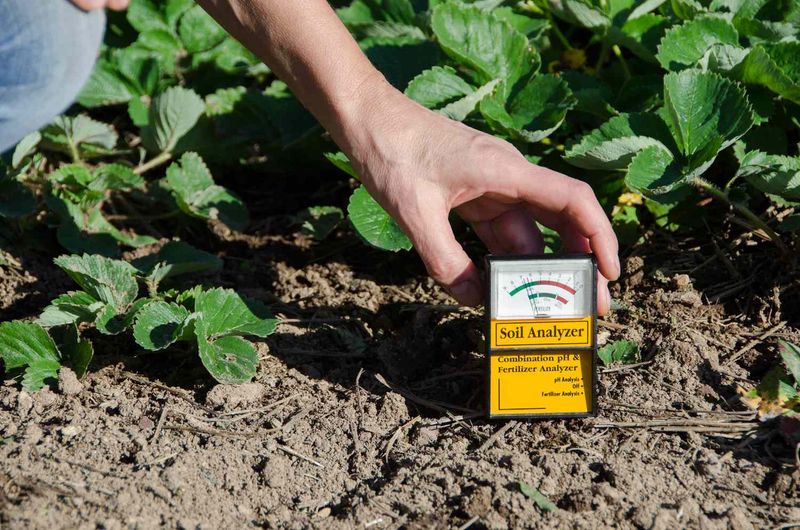
Years of fallen leaves and needles can quietly shift your soil. Oak leaves and pine needles can contribute to a more acidic soil over time, and much of North Carolina’s soil already leans acidic.
Tall fescue grows best when soil pH sits around 6.0. Once it drops well below that, the grass has a harder time pulling nutrients from the ground.
Acidic soil also welcomes moss, which loves shady, damp places. If you see a green velvety carpet where grass used to be, low pH and low light may both be part of the story.
A soil test is the only reliable way to know what is happening. The North Carolina Department of Agriculture tests soil free from April through November, with a $4 fee per sample from December through March, so testing right now costs nothing.
Your local Cooperative Extension office can give you the boxes and forms. Testing every few years keeps you on track, since shady lawns tend to benefit from a regular checkup.
If the numbers come back low, garden lime can bring the pH up. Follow the test recommendations closely, since adding too much can create a new set of problems.
Lime works slowly, often taking several months to show its full effect. Applying it before or during seeding, if your test calls for it, sets the stage for better growth next year.
8. Wrong Seed Blend For Shady Spots
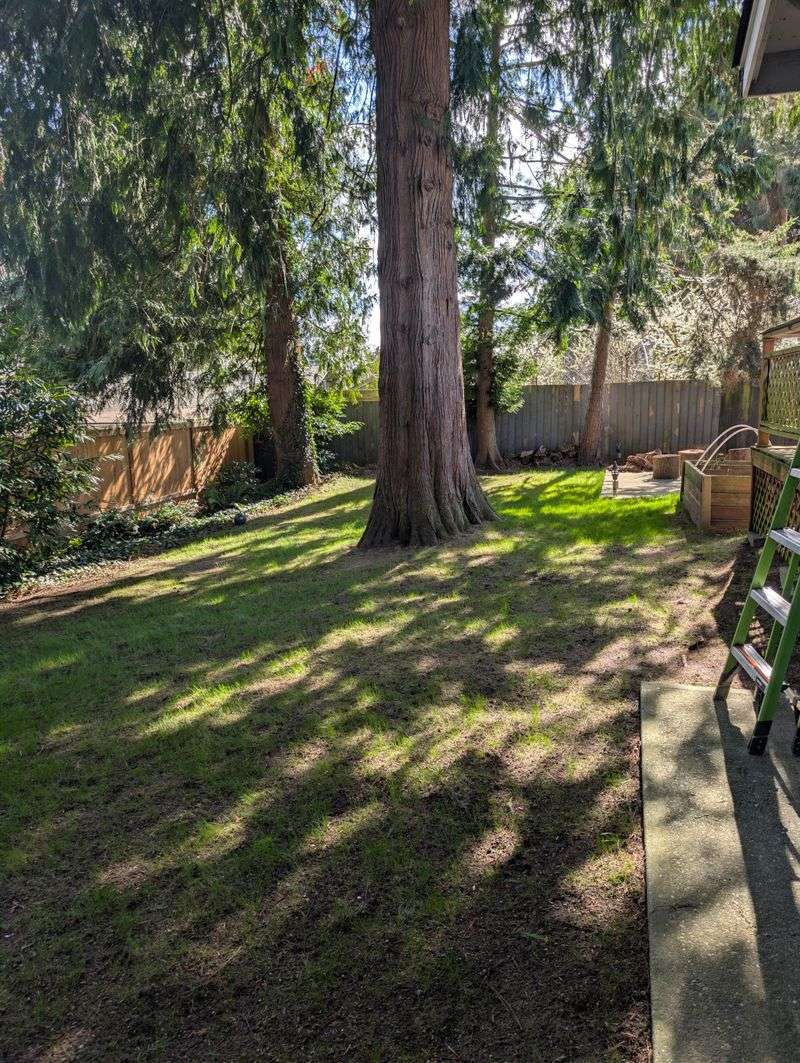
Walk into any garden store and you will find a wall of seed bags with bright promises. Not every blend is built for life under a heavy canopy, even if the bag says fescue.
NC State Extension notes that tall fescue can be seeded alone or mixed with Kentucky bluegrass or fine fescue, particularly where shade is a concern. Tall fescue handles medium shade well in the mountains and Piedmont, but it still needs a decent amount of light.
Fine fescues, like creeping red, chewings, and hard fescue, tend to cope better in part shade. NC State also notes they suit drought-prone and poor soil conditions, which helps when tree roots are hogging the water.
Fine fescues have narrow blades that need less sunlight to stay healthy. They are generally less heat tolerant than tall fescue, so they fit best in the cooler mountains and Piedmont.
Many shade mixes combine tall fescue with fine fescues for a balance of toughness and shade tolerance. Reading the label closely tells you exactly what percentage of each type you are getting.
Steer clear of cheap blends packed with annual ryegrass. It sprouts fast and looks great for a few weeks, but it fades after one season and leaves you starting over.
NC State’s TurfFiles site publishes lists of top performing tall fescue, Kentucky bluegrass, and fine fescue cultivars. National Turfgrass Evaluation Program ratings are another handy guide, especially for shade performance.
For tall fescue, NC State suggests a seeding rate of about 5 to 6 pounds per 1,000 square feet. Check your seed label, since coated seed needs a higher rate to make up for the coating.
A little label reading goes a long way. The right seed for the right spot can turn a patchy mess into something you are proud of.
9. Smart Fixes For A Greener Shady Lawn
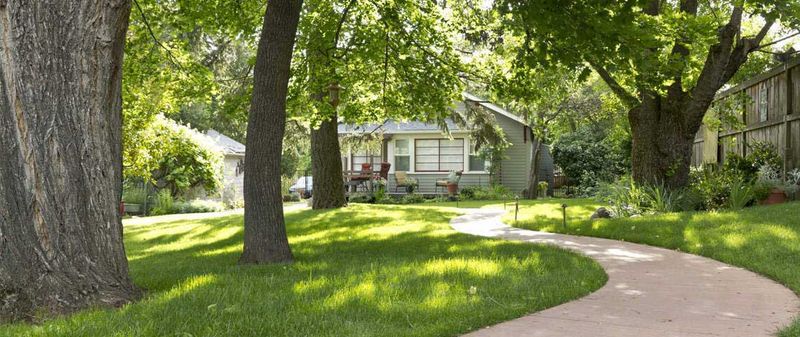
Good news: a shady lawn is not a lost cause. With a few smart moves, you can tip the odds in favor of your grass.
Start by letting in more light. Hiring a certified arborist to thin the canopy or raise lower limbs can boost sunlight by a surprising amount without harming the tree.
Next, adjust how you care for the grass once it grows. NC State recommends mowing tall fescue at 3.5 inches or higher, and shady fescue does well at the taller end, around three and a half to four inches, so the blades have more surface to catch light.
Go easy on fertilizer in shaded areas too. Grass in low light grows slower, so it generally needs somewhat less nitrogen than sunny turf.
A soil test tells you exactly how much your lawn needs.
Overseeding every fall helps fill in thin spots before they turn into bare dirt. Tall fescue grows in bunches rather than spreading, so damaged areas need to be reseeded, and mid-September to early October is the target in the Piedmont.
Mark your calendar for next year.
Some spots will stay stubborn no matter what you try. In those places, shade-loving plants can look lovely and save you a lot of effort.
Hostas and ferns are classic choices, and native options like wild ginger and Green-and-Gold fit North Carolina woodland conditions well.
A healthy yard does not have to be grass across the whole property. Mixing lawn with planting beds under trees often creates a space that looks better and works harder for you.