How to Build a Bee Hotel Before Texas’s Pollinators Slow Down for Winter
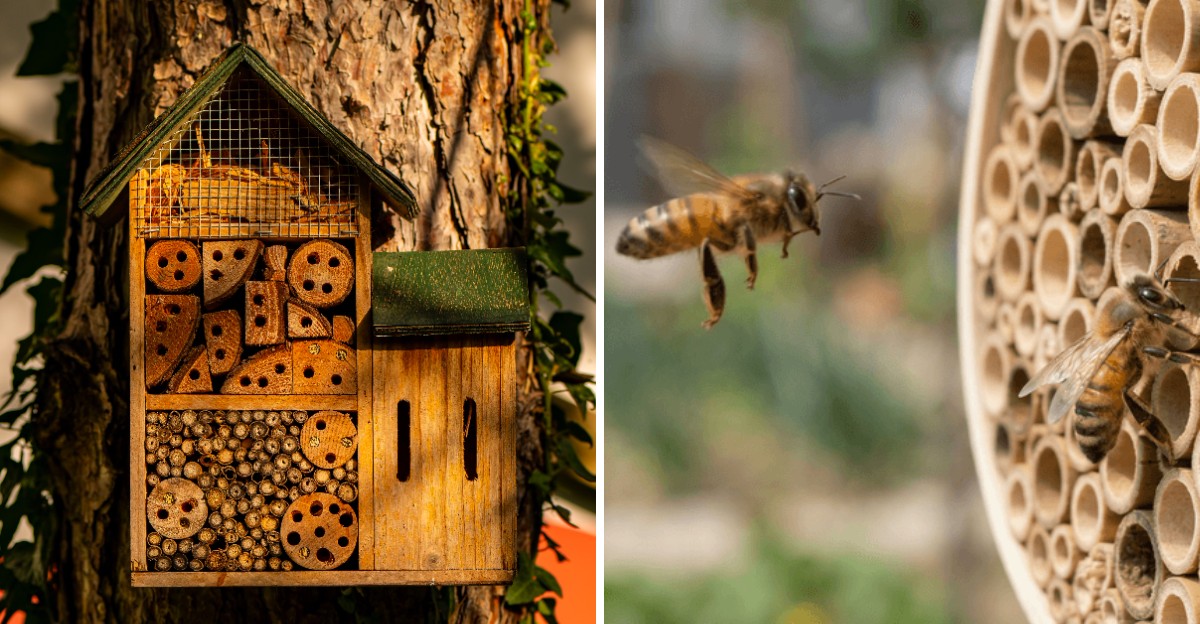
Some of the best pollinators in your yard spend winter sealed inside a hollow plant stem, tucked behind a tiny wall of mud.
Nobody feeds them or keeps them warm. They simply wait for spring.
Texas has hundreds of native bee species, and most of them live alone. No hive, no honey, no royal family.
A single mother builds every nursery room herself, packs it with pollen, and seals it shut.
I love how little these bees ask of us. Personally, I think a block of drilled wood is one of the easiest gifts a gardener can offer.
You need only a few basic tools, an afternoon, and a sunny wall.
Fall is a quiet turning point for these tiny builders. Some are finishing their last nests right now, while others are already curled up for the cold months.
So what kind of shelter would they actually choose?
1. Those Tiny Holes in Wood Blocks Attract a Special Kind of Bee
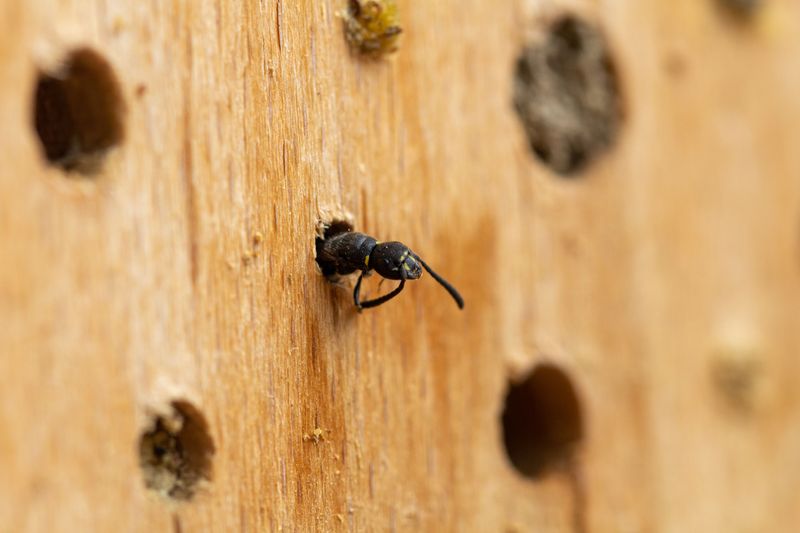
Most Texans picture a buzzing hive when they hear the word bee. The bees that use a bee hotel are a whole different crowd.
Mason bees, leafcutter bees, and small resin bees look for ready-made tunnels instead of building colonies.
Out in nature, they nest in beetle holes in old trees or in hollow plant stems. A bee hotel copies those tunnels so a female can move right in.
She lays an egg, adds a ball of pollen and nectar, then builds a wall and starts the next room.
Leafcutter bees seal their rooms with neat circles of leaf. Mason bees use mud.
If you spot little round notches cut from your redbud or rose leaves, you have leafcutters nearby already.
Here is a fun bit that surprises people. Roughly 70 percent of native bees nest in the ground, so a hotel helps only part of the bee world.
Still, the cavity nesters are some of the easiest bees to watch up close.
These solitary bees are mild-mannered because they have no hive to guard. Stings are rare and usually happen only if a bee gets squeezed.
That makes a bee hotel a friendly project for kids and grandparents alike.
Once you know who you are building for, every choice gets easier. Size, depth, and material all come down to what these lone builders prefer in the wild.
2. Start With an Untreated Block of Wood and a Drill
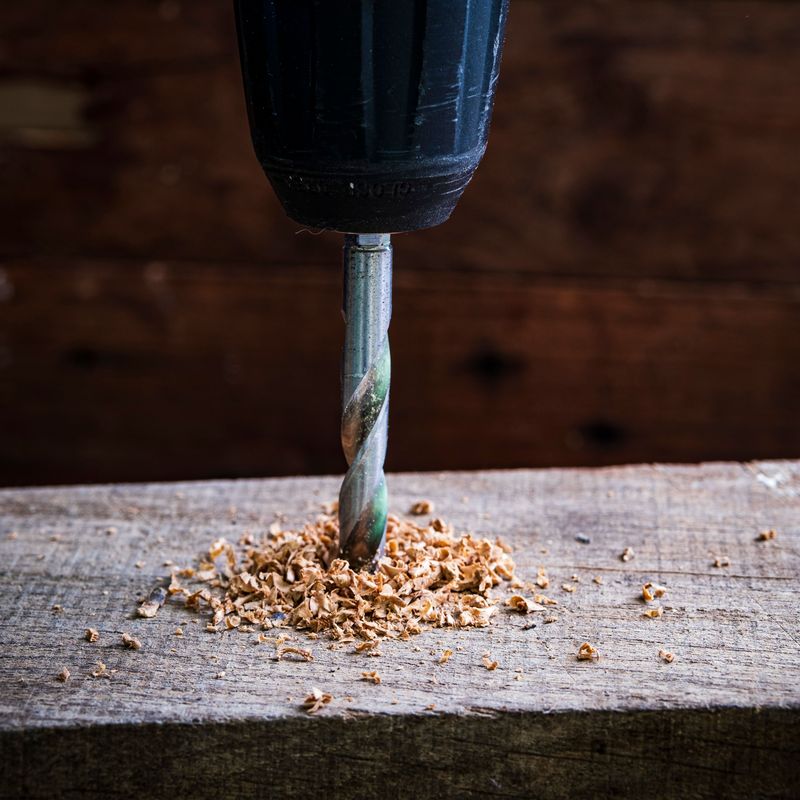
Grab a scrap of untreated lumber and you are already halfway there. A 4×4 or 4×6 post works great, as long as it was never pressure treated, painted, or stained.
Chemicals in treated wood can harm developing bees.
Pine, fir, cedar, or any solid hardwood will do the job. Skip plywood, particleboard, and chipboard because they crumble and soak up water.
You want something sturdy that lasts a few seasons.
Next, pick your drill bits. A set ranging from about 1/8 inch up to 3/8 inch covers most cavity nesting bees.
I like drilling a mix so different species can find a fit.
Your Texas Garden Changes Every Week. Your Plan Should Too.
Gardening in Texas changes quickly throughout the season. Every Friday you’ll receive a simple weekly plan showing exactly what to plant, prune, fertilize, harvest, and protect so you never miss the right timing.
Space the holes about 3/4 inch apart, measured from center to center. Crowded holes can split the wood and make it easy for pests to travel from nest to nest.
A neat grid looks nice too.
Drill straight in, but do not go all the way through. Bees want a tunnel with a closed back, like a cozy hallway with one door.
An open tube on both ends invites wind, light, and hungry visitors.
Finish by adding a simple slanted roof. A small board nailed on top with a couple inches of overhang keeps rain away from the entrances.
That one extra piece makes a big difference during a stormy fall week.
3. Hole Size and Depth Decide Which Bees Check In
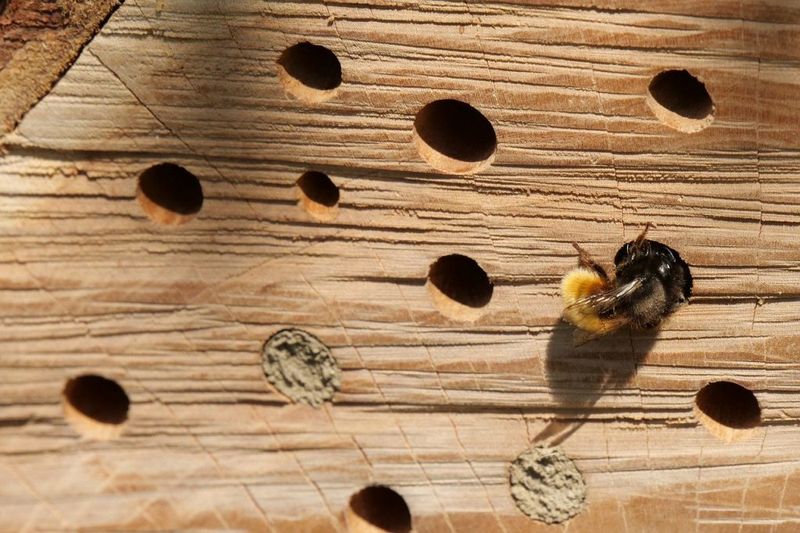
Measuring tape in hand, you can play matchmaker with your local bees. Different sizes call in different guests.
Smaller holes near 1/8 inch suit tiny resin bees, while holes around 5/16 inch are a favorite of mason bees.
Leafcutter bees often pick holes between 1/4 and 3/8 inch. A spread of sizes gives your Texas bee hotel the best shot at variety.
Think of it as offering studios and family suites in one building.
Depth matters just as much. Larger holes work best around 5 to 6 inches deep, and smaller holes can be 3 to 4 inches.
Deeper tunnels give a mother room for more female eggs, which she tends to place in the back.
That detail is kind of amazing. Many solitary bees lay female eggs deep inside and male eggs near the entrance.
The males come out first in spring and wait for the females.
Take a few minutes to sand each entrance smooth. Rough splinters can tear thin wings.
A quick twist with rolled sandpaper or a slightly bigger bit cleans the edge.
Tap out loose sawdust before hanging the block. You can also line holes with paper straws or rolled parchment.
Liners slide out later for cleaning, which keeps your hotel healthier year after year.
4. Hang Your Bee Hotel Where Morning Sun Hits First
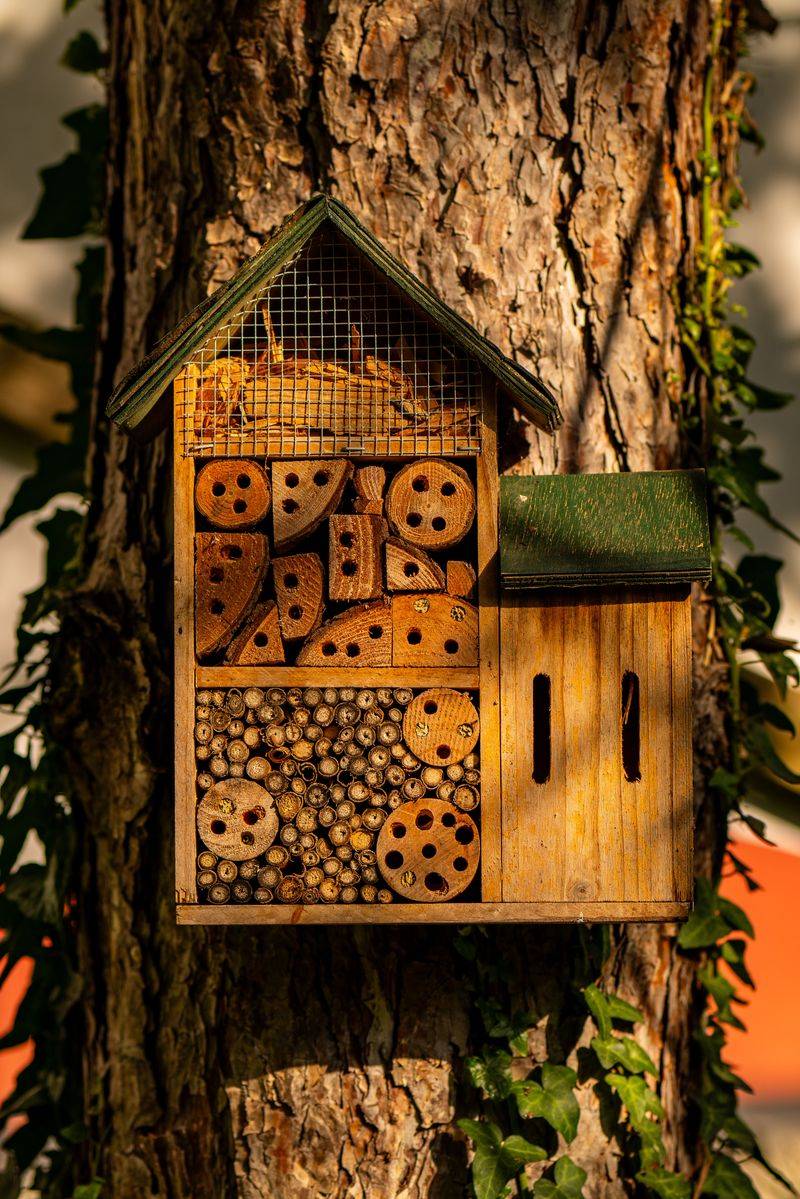
Bees are cold-blooded little engines. They need warmth before they can fly.
That is why an east or southeast facing spot works so well.
Morning sun warms the entrances early, so your guests get a head start on foraging. In much of Texas, afternoon heat can get intense even in fall.
A bit of shade after lunch keeps the nests from baking.
Mount the hotel about 3 to 6 feet off the ground. A fence post, shed wall, or sturdy tree trunk all work.
Avoid hanging it from a string, since swaying makes landing hard for bees.
Tip the front slightly downward so rain drains out. Your roof overhang will do the rest.
Moisture leads to mold, which is bad news for the larvae tucked inside.
Food and building supplies should be close by. Many cavity nesters forage within a few hundred yards of home.
Plant native bloomers nearby and leave a patch of bare, damp soil for mason bees to gather mud.
One more tip from my own yard. Two or three small hotels spread around the garden tend to beat one giant tower.
Big crowded hotels can draw parasites and birds that learn to pick at the holes.
5. Fall Timing Gives Overwintering Bees a Safe Place to Rest
Autumn in Texas does not shut the bee world off overnight. Asters, goldenrod, and frostweed still pull in pollinators in October and November.
Some leafcutter and resin bees are wrapping up late nests right now.
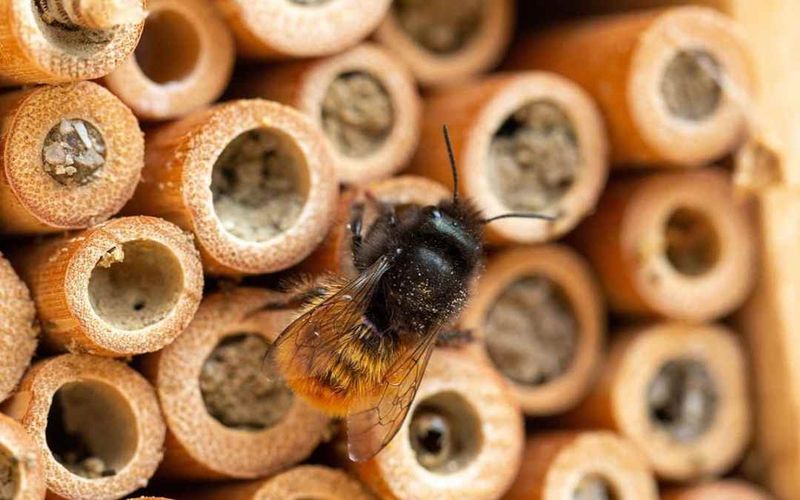
Those sealed holes you might see are the real prize. Inside, young bees develop and then rest through winter.
Mason bee offspring finish growing into adults inside their cocoons and wait for spring warmth.
Putting up a hotel in early fall gives late season mothers one more option. It also lets the wood weather a bit before the busy spring rush.
Many gardeners say slightly aged blocks get more attention.
Timing varies across the state. North and Panhandle regions cool off sooner, while South Texas and the Gulf Coast stay mild much longer.
Watch your own flowers and bee traffic instead of the calendar alone.
Be honest with your expectations, though. A hotel hung in late fall might sit empty until spring.
That is normal, and it still counts as a head start.
When spring arrives, mason bees often come out first, around the time fruit trees bloom. Leafcutters follow later in the warm season.
Your hotel will be ready for every wave.
6. Skip Plastic Straws and Uncleanable Bamboo Tubes
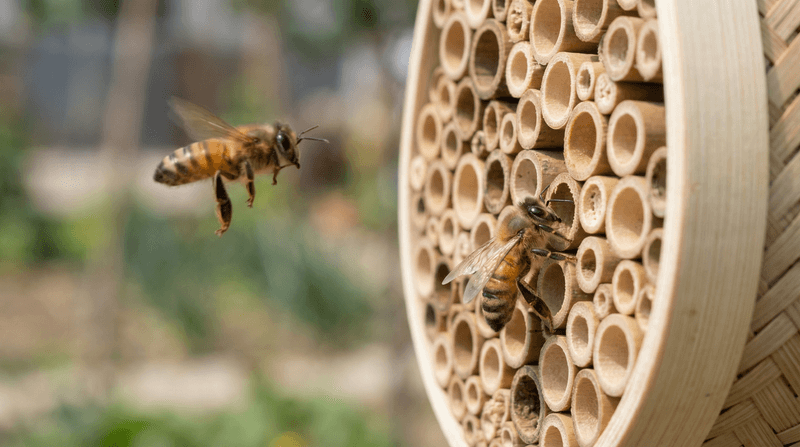
Cute bee hotels at big box stores in Texas can look perfect on the shelf. Many of them hide problems.
A few smart swaps keep your bees much healthier.
Plastic straws and glass tubes trap moisture. Damp nests grow mold and fungus, and larvae often struggle to survive.
Paper liners, cardboard tubes, and natural reeds breathe much better.
Bamboo is a tricky one. It is easy to find, but you usually cannot open it to clean it.
Over time, pollen mites and a fungal disease called chalkbrood can build up inside.
Pine cones, straw, and random sticks also show up in decorative hotels. Bees rarely nest in them, but earwigs and spiders love them.
Keep the design simple and focused on real tunnels.
Watch out for holes that are too short or too shallow. Tunnels under 3 inches may not give a mother enough room.
She might move on without laying many eggs.
Avoid stuffing your hotel with dozens of loose tubes jammed together. Rain can sneak in, and birds can pull tubes right out.
A snug frame and a solid roof solve both issues.
Buying a ready-made hotel is fine. Just look for untreated wood, removable liners, and closed backs before you bring it home.
7. Clean Nesting Tubes Keep Mites and Mold Away
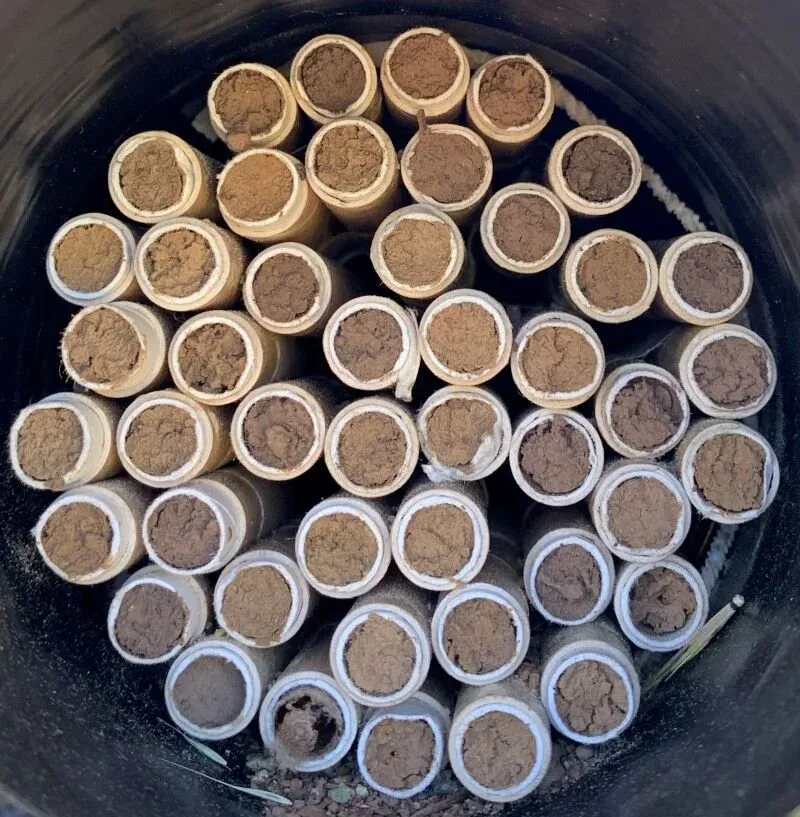
Think of hotel housekeeping, just at a much tinier scale. A little care each year keeps pests from taking over.
Without it, a busy hotel can turn into a mite factory in a few seasons.
Paper liners make the job easy. In Texas fall or winter, after nesting ends, you can unroll them and gently remove mason bee cocoons.
Rinse off mites and debris, then let the cocoons dry.
Store cleaned cocoons in a cool, sheltered spot like an unheated garage or shed. Some gardeners use a refrigerator in a ventilated container.
Keep them out of warm rooms, where bees could wake too soon.
Leafcutter nests usually stay put over winter. Many gardeners simply leave those tubes in a protected place until warm weather returns.
Learning which bees you host helps you choose the right routine.
In spring, set the cocoons in a small box near the hotel with an exit hole. Newly emerged bees will fly out and find fresh tubes.
Swap in new liners every year.
Drilled blocks without liners are harder to clean. Plan to replace them every two or three years.
Burn or discard old blocks so diseases do not spread around the yard.
8. Native Wildflowers and Standing Stems Finish the Bee Habitat
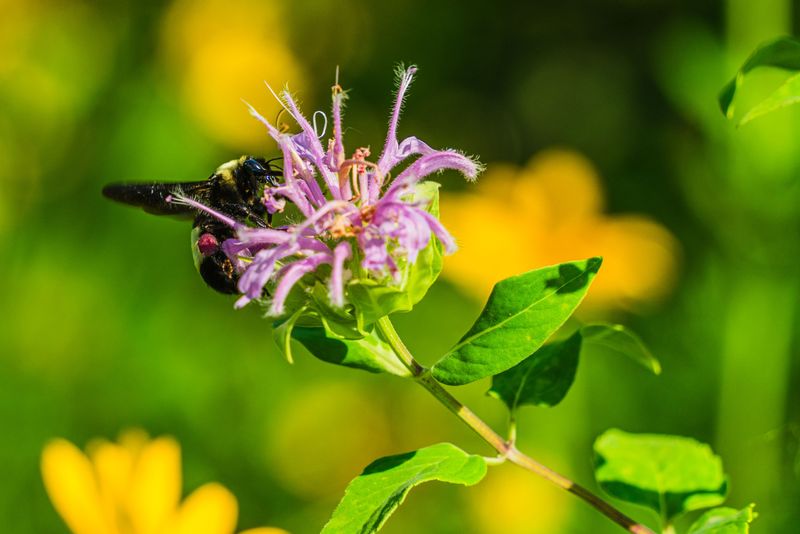
A hotel without a restaurant nearby gets lonely fast. Bees need steady food from early spring through late fall.
Native plants are the easiest way to deliver it.
Fall bloomers like goldenrod, fall asters, Gregg’s mistflower, and frostweed carry bees into cooler weather. Spring brings bluebonnets, redbuds, and winecups.
Summer has horsemint, coneflowers, and Mexican hat.
Your local Texas Master Gardener or Native Plant Society chapter can suggest plants for your region. Soil and rainfall differ a lot from East Texas pines to West Texas desert.
Picking the right natives saves water and effort.
Go easy on fall cleanup. Hollow and pithy stems from plants like sunflowers, coneflowers, and native grasses can become natural nesting sites.
Cut some stems to about 12 to 18 inches and leave them standing.
Leaf litter in quiet corners shelters many helpful insects too. Ground nesting bees appreciate bare patches of soil without heavy mulch.
A slightly messy yard is often a busier one.
Cut back on pesticides, especially on blooming plants. Even a single spray can harm bees visiting flowers.
Hand pulling and patience usually work just fine.
Put all these pieces together and your bee hotel becomes part of a real neighborhood. Come spring, you may notice sealed holes, busy wings, and fuller harvests.