Maryland Homeowners Can Shred Fall Leaves Right Into The Lawn Instead Of Raking Them
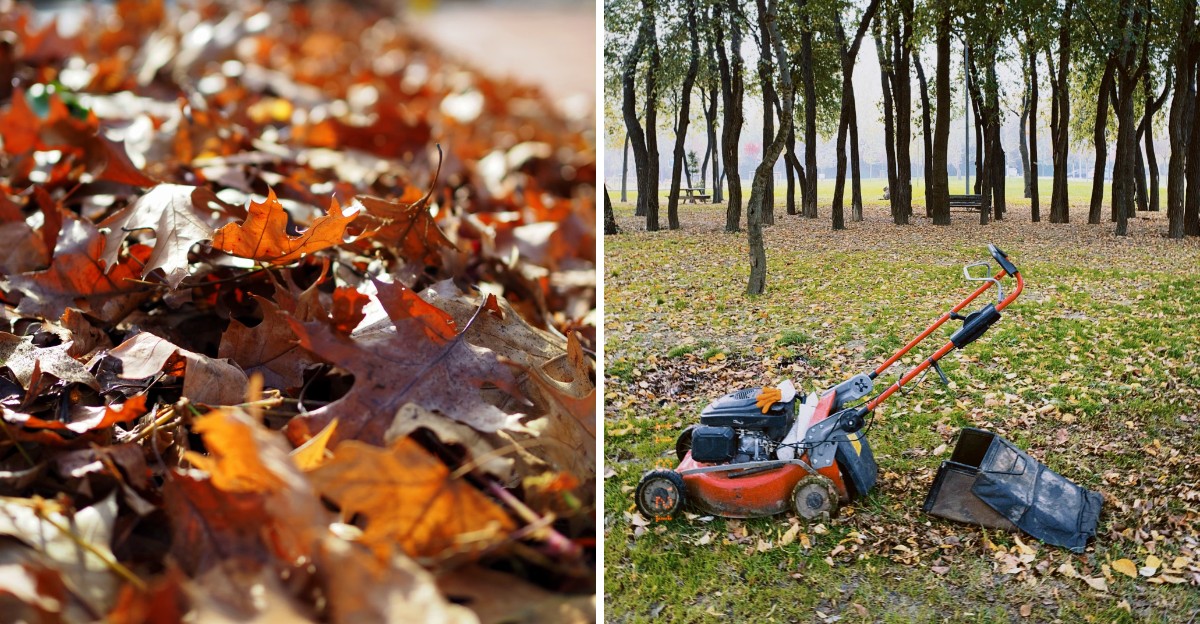
Michigan State University turfgrass researchers once chopped up to 450 pounds of leaves per 1,000 square feet into test lawns, and the grass handled it just fine.
That number still makes me grin. It means the pile of oak and maple leaves on your Maryland yard may not be a chore at all.
Most of us were raised on rakes, tarps, and paper bags lined up at the curb. For years, I hauled leaves away without asking where all that free organic matter was going. It turns out your grass could have used some of it.
The trick is surprisingly simple, and you probably already own the tool for it. There are a few rules about thickness, timing, and wet weather, though. So how much of that crunchy golden layer can your lawn actually swallow?
That Crunchy Leaf Pile On Your Lawn Is Worth More Than You Think
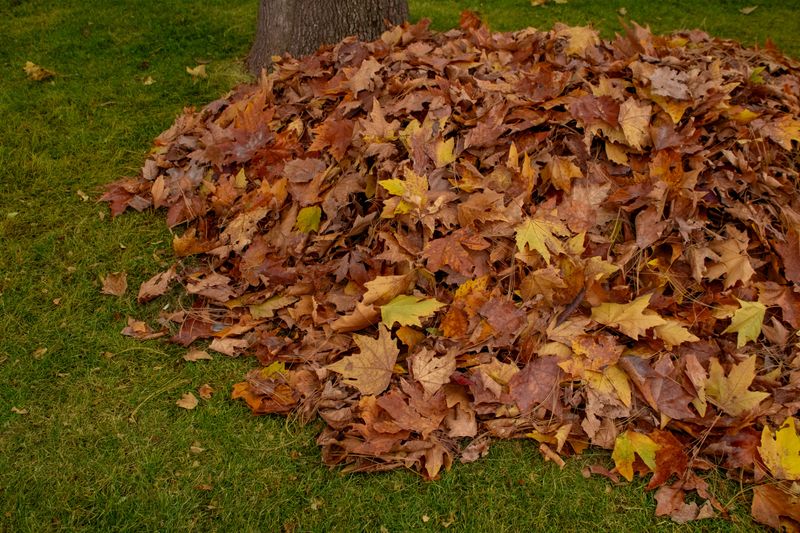
Every autumn, a mature shade tree can drop a surprising amount of organic matter onto your yard. Those leaves hold carbon plus small amounts of nitrogen, phosphorus, and potassium that the tree pulled from the soil all summer.
When you bag them, that material leaves your property. When you chop them up and let them settle into the turf, soil microbes and earthworms go to work on them over winter and spring.
Research from Michigan State University and Purdue found that mulching leaves into lawns did not harm turf quality. Some studies even noted fewer dandelions in mulched plots, though results can vary by lawn and weed pressure.
I love that the payoff is quiet and gradual. You will not see a dramatic change overnight, but you are adding organic matter season after season.
Over time, that organic matter can help soil hold moisture better and crumble more easily. Heavy clay, common across much of central Maryland, often benefits from that slow improvement.
So that leaf cover is not trash. It is a small, free soil upgrade dropping right where you need it.
Run The Mower Over Dry Leaves Until They Look Like Confetti
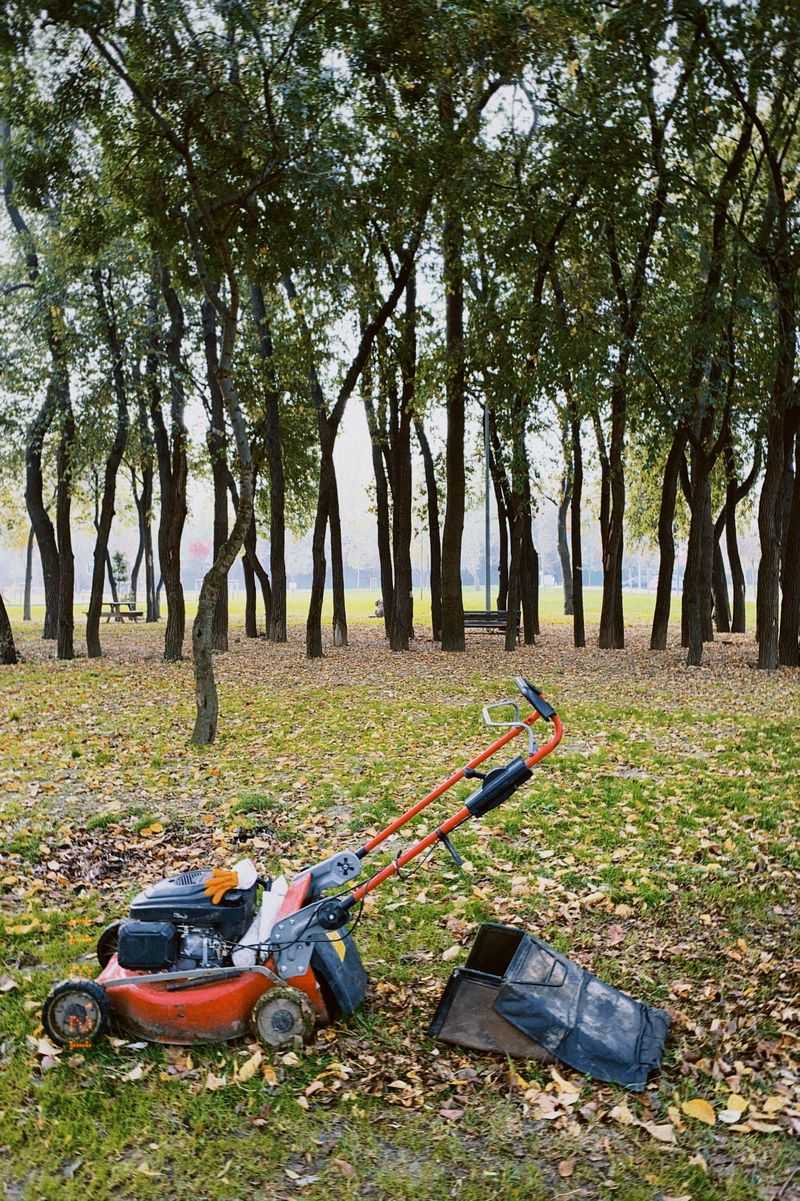
Here is the whole method in one line. Take off the bagger, set your mower at its normal height, and mow right over the leaves.
Most rotary mowers can do this job. Aim for pieces about the size of a dime or smaller, because tiny bits slip down between grass blades and break down much faster.
You may need two or three passes when the layer is thick. Changing direction on the second pass helps catch pieces the first round missed.
Dry leaves shred far better than soggy ones. Wet leaves tend to clump, clog the deck, and leave flat mats behind.
After mowing, take a quick look at the lawn. You should see plenty of green grass peeking through the chopped bits, not a solid brown sheet.
Personally, I find this faster than raking, and my back agrees. A typical suburban yard can often be finished in about the time it takes to mow it on a summer weekend.
Your Maryland Garden Changes Every Week. Your Plan Should Too.
Gardening in Maryland changes quickly throughout the season. Every Friday you’ll receive a simple weekly plan showing exactly what to plant, prune, fertilize, harvest, and protect so you never miss the right timing.
Keep your blade sharp, too. A dull blade tears leaves into ragged chunks instead of fine flakes, and it does your grass no favors either.
Grass Blades Should Still Peek Through The Shredded Leaf Layer
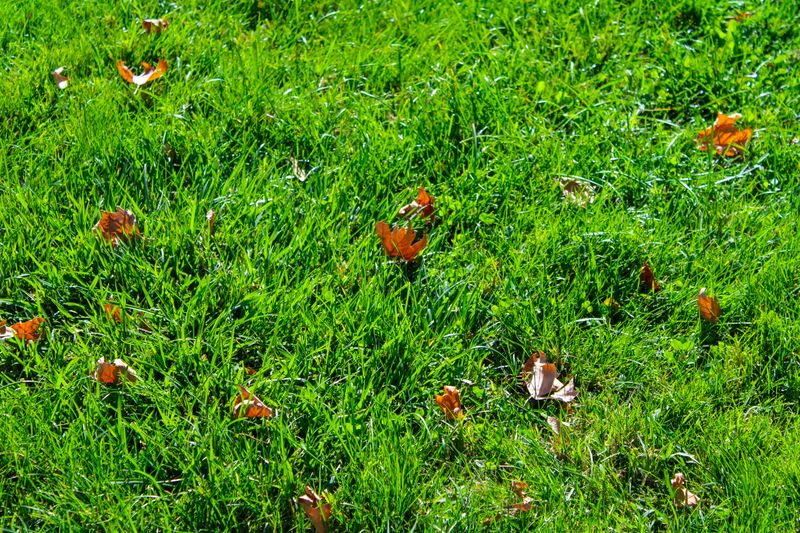
A good rule of thumb is simple. If you can still see about half the grass blade above the chopped leaves, you are in good shape.
Many lawn experts suggest keeping the shredded layer around half an inch or less after mowing. That leaves room for sunlight and air to reach the turf.
Fall is a busy season for Maryland lawns. Tall fescue and Kentucky bluegrass, the cool-season grasses most homeowners grow here, build roots and store energy during these cooler weeks.
If a thick layer blocks light for a long stretch, grass can turn yellow and weaken. Matted patches may also hold extra moisture, which can encourage problems like snow mold in colder parts of the state.
So think of the leaf layer as a light sprinkle, not a blanket. Mowing every week or so during peak leaf drop keeps things manageable.
It also helps to stay ahead of the fall. Shredding a moderate layer several times beats trying to tackle a foot-deep pile once in late November.
Your lawn will tell you if you overdid it. Flattened, pale grass is a sign to lighten the load.
Soggy Maryland Leaves Need A Little Patience Before Mowing
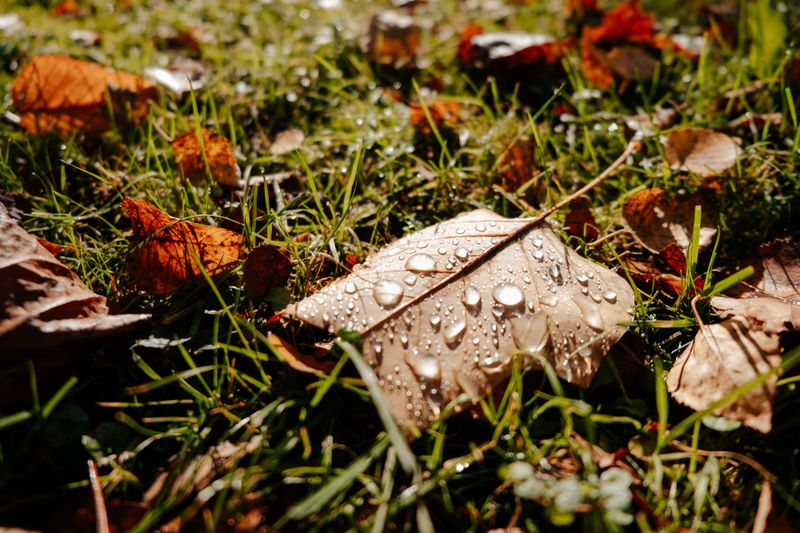
Rain and fallen leaves are a messy combination. Mid-Atlantic autumns often bring damp stretches, and wet leaves stick together like papier-mache.
Mowing them in that state usually goes poorly. The deck clogs, the mower struggles, and you end up with clumps instead of fine flakes.
Your best move is to wait for a dry afternoon. A day or two of sun and breeze usually dries the top layer enough to shred cleanly.
Wet grass is also harder to cut evenly. Slick turf can be slippery underfoot, so a dry day is the safer pick for you as well.
Timing across Maryland varies a bit. Leaves in western mountain counties like Garrett often drop earlier, while trees on the Eastern Shore and around the Chesapeake may hold on into late November.
Willow oaks and pin oaks can be especially stubborn, clinging to leaves well into early winter. You may need one more shredding session after the rest of the yard looks finished.
A flexible schedule works best. Watch the forecast, mow when it is dry, and do not stress about catching every last leaf on the same weekend.
Mulching Blades Turn Big Oak Leaves Into Tiny Flakes
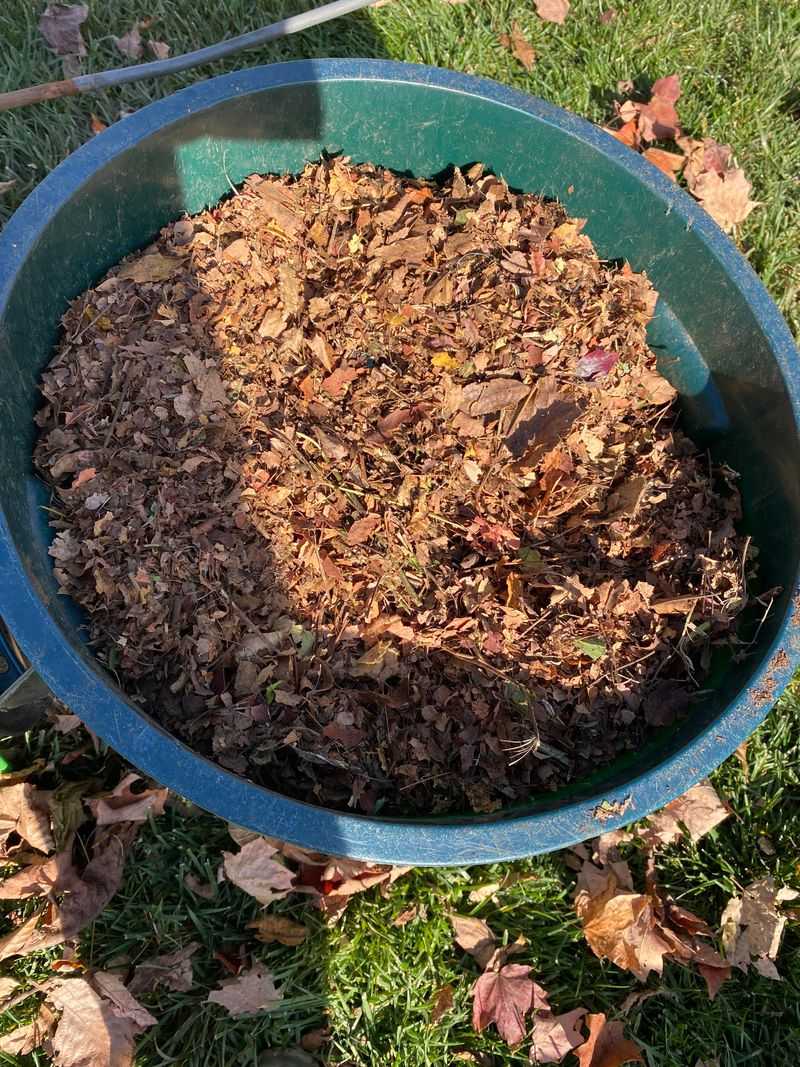
Ever wonder why some mowers chew up leaves so much better than others? The blade design makes a big difference.
A mulching blade has extra curves and cutting edges. It keeps leaves circulating under the deck longer, so they get chopped several times before dropping back down.
Standard blades still work, just a bit slower. You may need an extra pass to reach that fine, confetti-like texture.
Big, tough oak leaves are the hardest to shred. Softer maple and tulip poplar leaves break apart much more easily.
Many mower brands sell mulching kits that include a blade and a plug for the discharge chute. Check your mower manual to see which fits your model.
Battery-powered mowers can handle leaf mulching too, though very thick piles may drain the battery faster. Plan shorter sessions if your yard has heavy tree cover.
One safety reminder matters a lot here. Turn off the mower and disconnect the spark plug or remove the battery before you reach under the deck to clear a clog.
A sharp blade and a little patience usually beat fancy equipment. Most homeowners already have what they need parked in the garage.
Extra Leaves Make Great Mulch For Garden Beds And Compost Piles
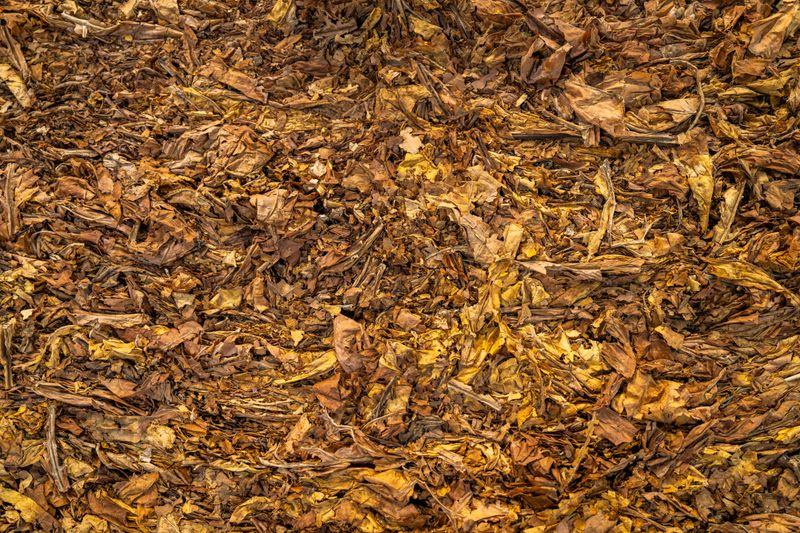
Some yards simply get buried. Under a big oak grove, the lawn may not be able to take every leaf without getting smothered.
When that happens, shred what the grass can handle and move the rest. A mower with the bagger attached makes collecting chopped leaves easy.
Shredded leaves make a fine mulch for flower beds and around shrubs. A layer around 2 to 3 inches helps hold moisture and insulate roots through winter, just keep it a few inches away from stems and trunks.
Vegetable gardeners can use them too. Spread them over empty beds or work them into the soil for added organic matter by spring.
A leaf pile or wire bin turns into leaf mold over a year or two. That dark, crumbly material is wonderful for improving garden soil.
Many pollinators and other insects overwinter in leaf litter as well. Leaving a corner of whole leaves under trees or in beds offers them cover.
I like having options. Instead of one giant chore, the leaves get split into lawn food, bed mulch, and next year’s soil booster.
Blowing Leaves Into The Street Can Hurt The Chesapeake Bay
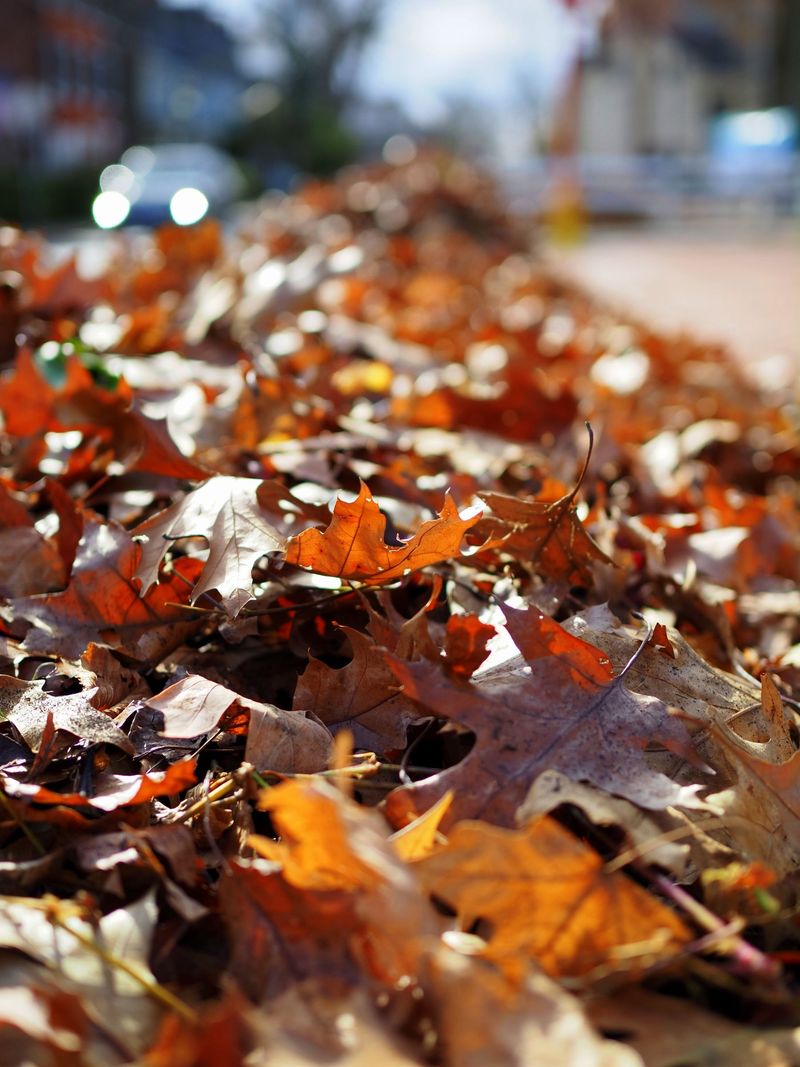
Leaves in the gutter seem harmless. Once rain washes them into storm drains, though, they often flow straight to local streams and eventually the Chesapeake Bay.
As those leaves break down in the water, they release phosphorus and nitrogen. Extra nutrients can feed algae blooms that lower oxygen levels for fish, crabs, and other aquatic life.
Clogged storm drains can also cause street flooding during heavy fall rains. That creates headaches for whole neighborhoods.
Several Maryland counties ask residents to keep yard debris out of streets and gutters. Baltimore County, for example, notes that blowing leaves into the roadway or storm drains is not allowed.
Rules and collection programs vary by county and town. Check your local public works website to learn about curbside pickup, vacuum service, or drop-off yard waste sites near you.
Mulching leaves right into the lawn sidesteps the whole problem. The nutrients stay in your soil instead of ending up in the water.
It also cuts down on trips to the curb. Many Maryland counties keep yard waste out of the regular trash, so keeping leaves on your property eases pressure on local collection systems too.
A Thin Layer Of Chopped Leaves Sets Up A Greener Spring Lawn
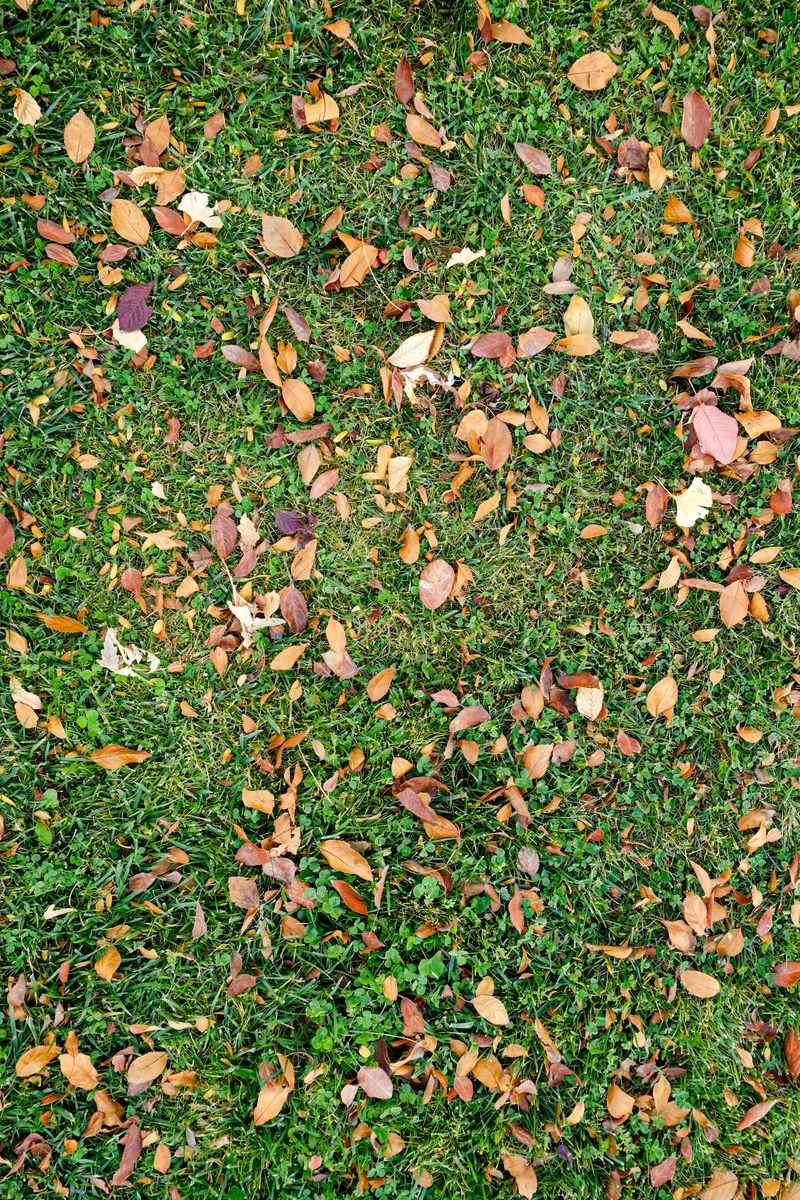
Spring is when the work you did in November really shows. Lawns that received steady doses of shredded leaves often green up looking healthy and full.
You can keep things simple. Mow over dry leaves regularly, keep grass visible through the layer, and move any big surplus to beds or compost.
Fall is also prime time for a few other Maryland lawn chores. University of Maryland Extension recommends early fall as the best window for seeding and fertilizing cool-season grasses.
Leaf mulching fits right alongside those tasks. Just try to finish overseeding before heavy leaf drop so young seedlings are not shaded out.
A soil test every few years is worth the small cost. It tells you whether your lawn needs lime or nutrients, so you are not guessing.
Keep mowing until the grass stops growing, usually in late fall. That final cut doubles as one more round of leaf shredding.
Honestly, this might be the easiest lawn upgrade you ever try. Park the rake, grab the mower on the next dry afternoon, and let those leaves feed your yard instead of the curb.