The Black Spots On Your New York Maple Leaves Look Alarming. Here’s The Truth
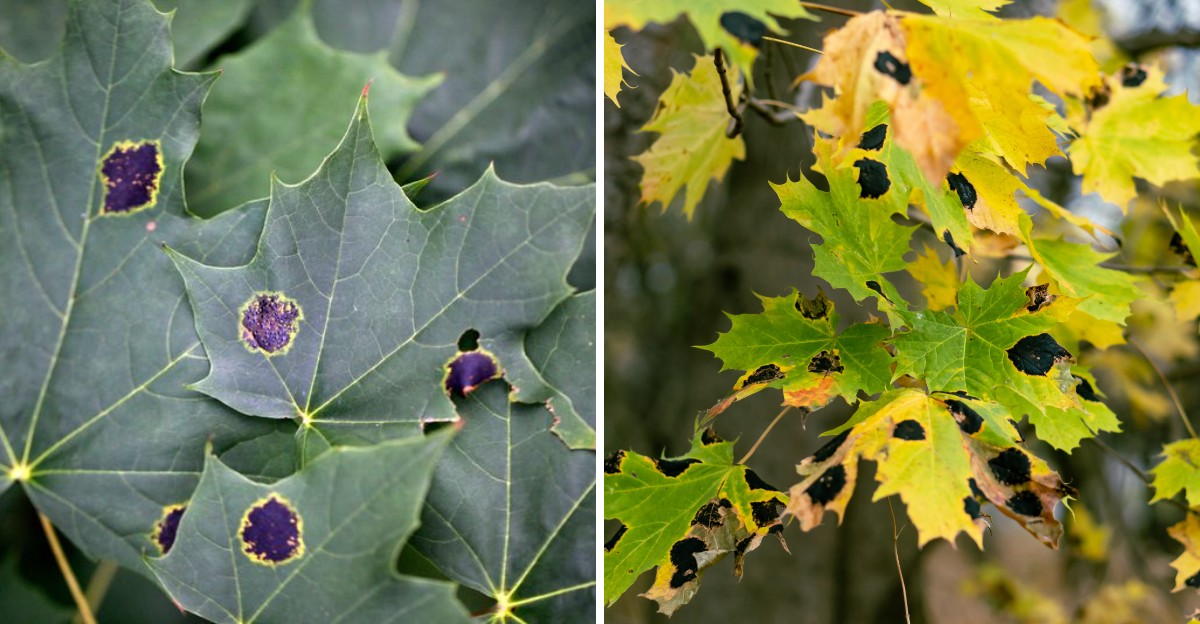
Some maple leaves end up looking like someone flicked hot tar across them with a paintbrush. The spots are raised, shiny, and as black as a fresh driveway.
I remember the first time I saw them on a neighborhood tree in New York. My stomach dropped, and I started mentally pricing a tree removal.
The culprit behind those inky blotches has a life story that runs a full year. It starts on the ground in spring, sneaks onto fresh leaves, and hides for weeks before showing its true colors in late summer.
You need to know one thing before you call anyone or buy any spray. Those scary splotches usually tell you more about last spring’s weather than about your tree’s future.
So what exactly is living on those leaves, and should you worry at all?
Those Tar-Black Blotches On Maple Leaves Tell A Familiar Story
Every late summer, garden centers across the Northeast get the same worried phone calls. A homeowner spots black blotches on a maple and assumes the worst.
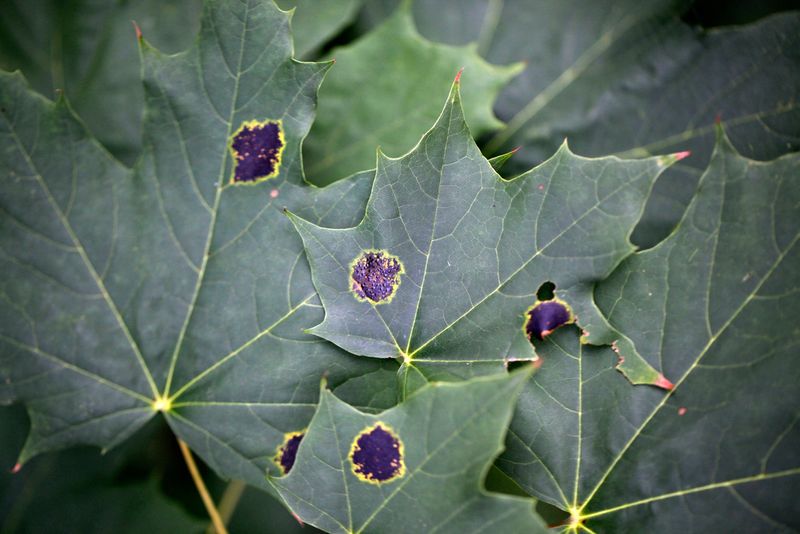
I get it, because those marks look dramatic. They are raised, slightly shiny, and often about the size of a pencil eraser or bigger, sometimes merging into larger patches.
On some leaves you might see a dozen spots, and on others just one or two.
The pattern itself is a clue. When black spots show up on many trees in your neighborhood at once, especially after a damp spring, you are usually looking at a common seasonal visitor, not a rare emergency.
Maples are tough trees with wide-spreading roots and a long history in our landscapes. A single season of spotty leaves rarely changes how a healthy tree grows the next year.
Personally, I find it reassuring to remember that fall leaves drop anyway. Whatever is happening on that foliage, the tree will shed those leaves in a few weeks and grow a fresh set in spring.
Before you panic, take a closer look. Notice whether the spots look like smooth tar drops, whether they sit on top of the leaf, and whether the rest of the tree has full, normal foliage.
Those details point straight toward the real answer.
Meet The Rhytisma Fungus Behind Maple Tar Spot
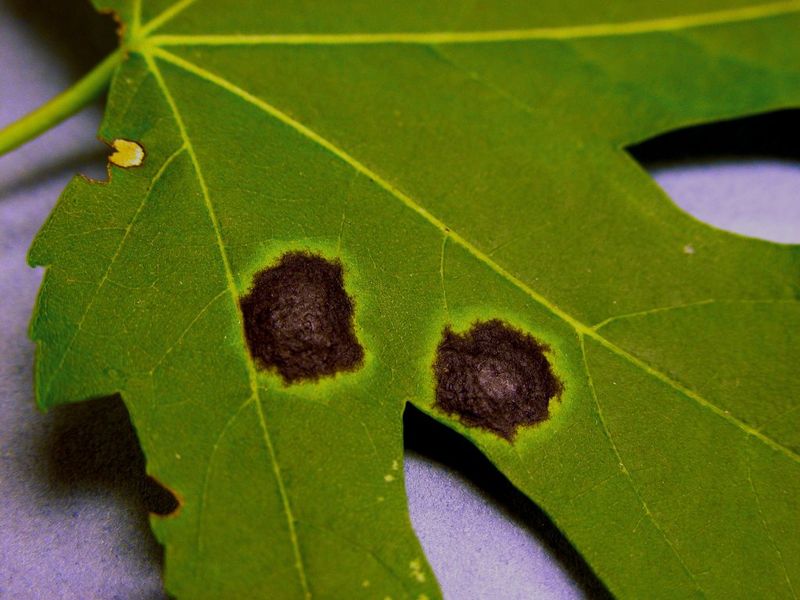
Mystery solved: the name is tar spot, and it comes from fungi in the genus Rhytisma. Cornell and other university extension programs describe it as one of the most common maple leaf diseases in the region.
Several species are involved. Rhytisma acerinum shows up as large black spots, often on Norway maples, while Rhytisma punctatum creates clusters of tiny black dots that look like spilled pepper.
Norway, silver, red, and sugar maples can all get tar spot. Norway maples tend to be hit hardest, and in some upstate communities whole streets of them look speckled by September.
One fun detail makes me smile. The fungus is very picky, so it only infects maples.
Your lawn, your vegetable beds, your pets, and your kids are not at risk from it.
Your New York Garden Changes Every Week. Your Plan Should Too.
Gardening in New York changes quickly throughout the season. Every Friday you’ll receive a simple weekly plan showing exactly what to plant, prune, fertilize, harvest, and protect so you never miss the right timing.
The black spots are actually fungal structures called stromata. They form a protective crust where the fungus will spend the winter and get ready to release spores later.
It also helps to know that Norway maple is considered invasive in New York. If you have been thinking about adding a maple, native choices like red or sugar maple are better picks for local wildlife.
So when someone asks what those tar drops are, you can say Rhytisma with confidence. It sounds fancy, but the problem is mostly cosmetic.
A Healthy Maple Tree Shrugs Off These Spots
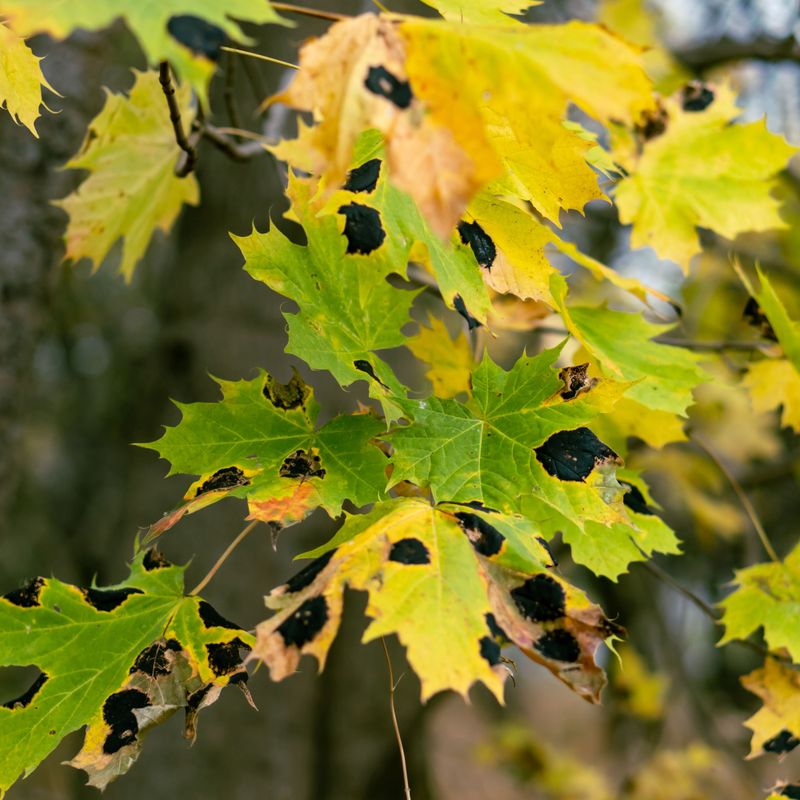
Breathe easy, because tar spot is overwhelmingly a cosmetic issue. Extension specialists at UMass, UConn, and Cornell agree that it rarely causes lasting harm to a vigorous maple.
The spots appear late in the growing season. By then, the leaves have already spent months making food for the tree through photosynthesis, so the tree has stored most of the energy it needs.
Heavy infections can cause some leaves to drop a few weeks early. That looks messy, but it is mostly a stress response, not a sign of a tree in serious decline.
I like to think of it like a bad hair day for your maple. It looks rough for a while, but nothing deep inside is broken.
Even trees that get tar spot year after year often stay strong for decades. The biggest cost is usually the look of the canopy and the extra raking.
Fungicide sprays are generally not recommended for mature trees. Getting full coverage on a tall canopy is hard, the timing has to be perfect in spring, and the payoff is small for a disease that is mainly about appearance.
Save your money and energy for steps that actually help. Simple yard care does far more good than chemicals here.
Raking Fallen Maple Leaves Breaks The Tar Spot Cycle
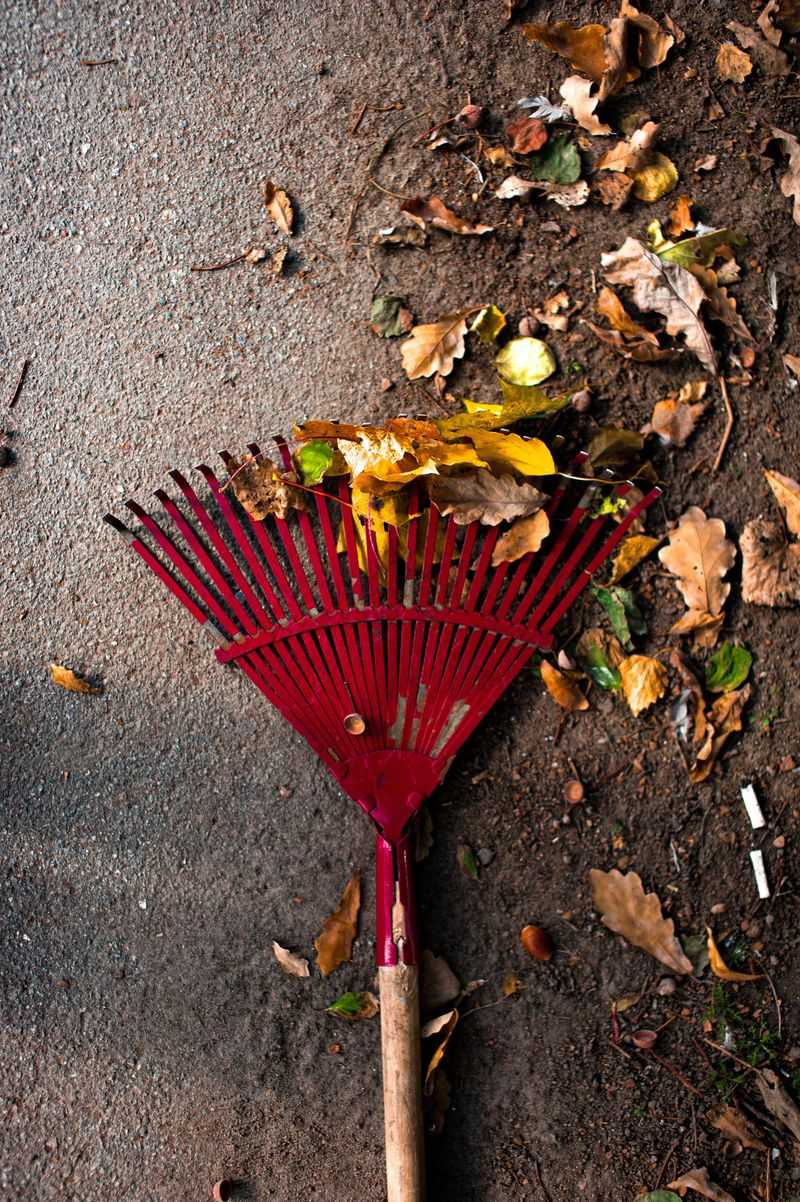
Grab a rake, because this is where you have real power. The tar spot fungus spends the winter in fallen leaves on the ground.
In spring, those old leaves release spores that ride wind and rain up to the fresh new foliage. Removing the leaves in fall cuts down on that spore supply.
Here are a few simple options that work well:
Rake and bag spotted leaves, or set them out for municipal leaf pickup if your town offers it. Many New York towns, including Buffalo, run seasonal leaf collection programs.
Composting works too, but only if your pile heats up to around 140 degrees. A cool backyard pile may not break down the fungus, so bury the leaves deep inside the pile or cover it before spring.
Mowing leaves into small pieces can speed up breakdown on the lawn. It helps, though bagging gives you more control.
One honest note matters here. Spores can blow in from neighbors’ trees, so your yard may still see some spots even after a careful cleanup.
Talk with your neighbors if a whole block of maples is affected. When everyone rakes, the results are much better for every tree on the street.
Pale Yellow Leaf Spots In June Come Before The Black Ones
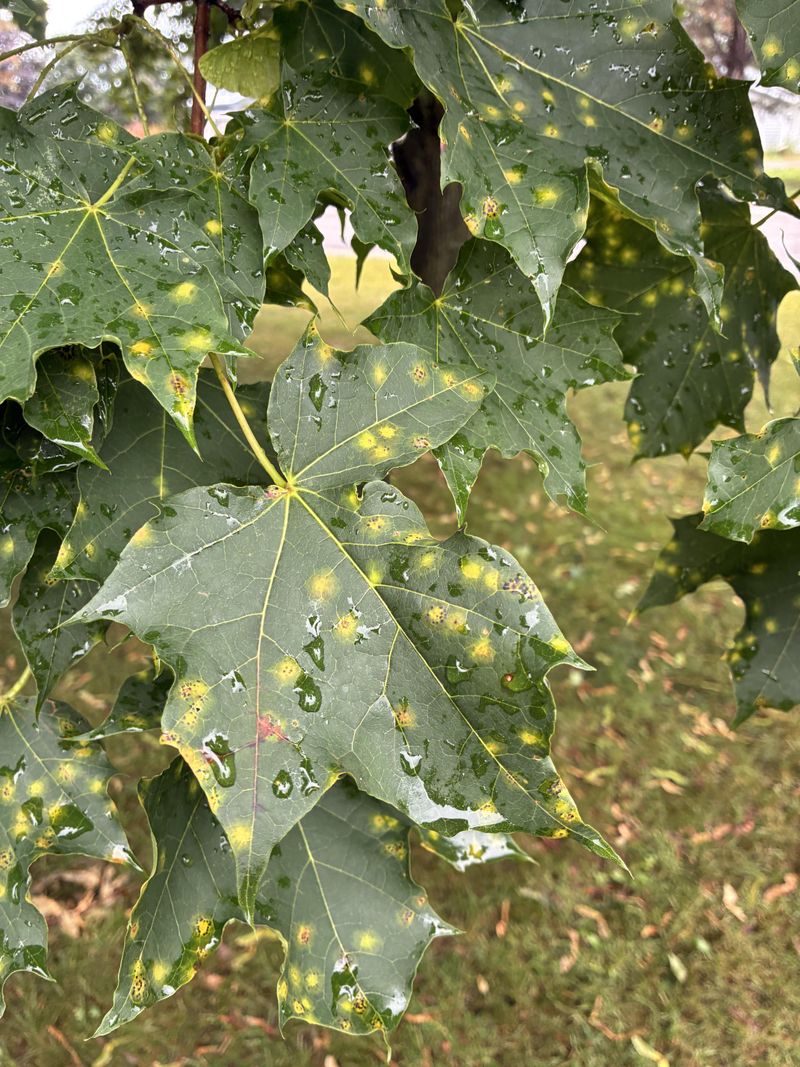
Funny thing about tar spot is that it shows up in disguise first. The infection actually starts weeks before you notice anything black.
In spring, as new maple leaves unfold, spores land and begin infecting the soft tissue. Cool, rainy weather during leaf-out gives the fungus its best chance to take hold.
By early summer, often around mid-June in New York, small pale yellow or light green spots appear. Most people miss them because they blend into the leaf.
As summer rolls on, those spots grow larger. By mid-to-late August, black raised areas form in the center, sometimes surrounded by a thin yellow ring.
That timing explains why the problem seems to appear suddenly. You did not miss a big event, the fungus was just quietly developing for months.
Weather plays a huge role from year to year. A dry spring often means fewer spots, while a soggy May and June can turn a whole neighborhood speckled.
Keep a little garden journal if you enjoy tracking patterns. Jot down when you first see yellow spots and how wet the spring was, and you will start predicting tar spot years before they peak.
Maple Anthracnose And Decline Can Look Similar At First
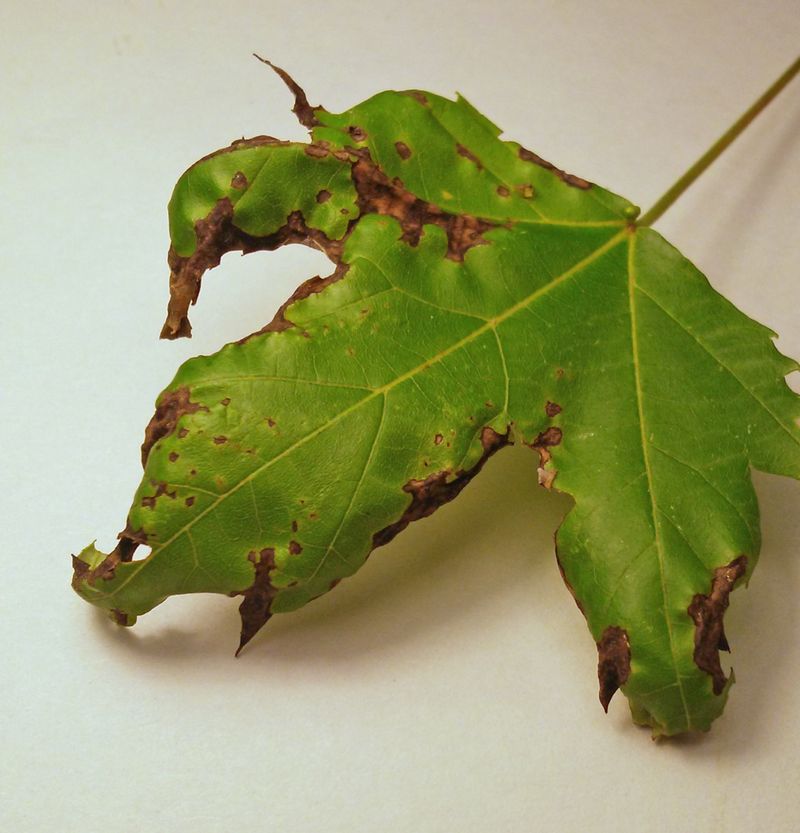
Not every dark spot on a maple is tar spot, and that difference matters. A quick look at shape and location can help you tell them apart.
Maple anthracnose is another fungal disease that loves wet weather. It causes brown to purplish-black blotches that are irregular or angular, often following the leaf veins.
Unlike tar spot, these marks are flat and dull, not raised and glossy.
Both diseases can show up on the same tree in a rainy year. Anthracnose is usually cosmetic too, though repeated early leaf loss can stress a tree.
Maple decline is a more serious story. Watch for leaves that change color or drop in July or early August, thin and sparse foliage, and withering twigs or branches in the upper canopy.
Decline usually comes from long-term stress like drought, compacted soil, root damage from construction, or road salt. Street trees near busy roads are especially at risk in winter months.
So here is my rule of thumb. Spots on otherwise full green leaves usually mean a leaf disease, while thinning branches and early fall color mean the whole tree needs attention.
When in doubt, snap a few clear photos and compare them to extension fact sheets.
Mulch, Water, And An Arborist Keep Your Maple Strong
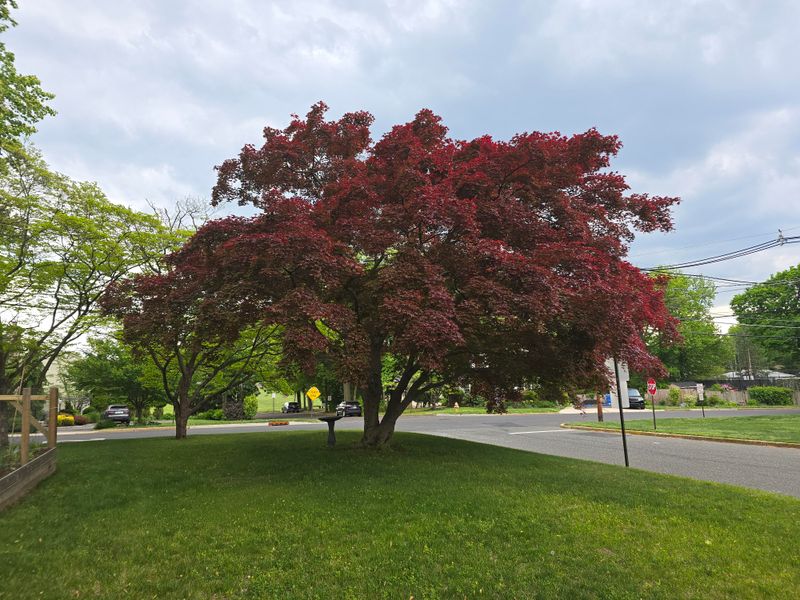
Strong trees handle almost everything better, tar spot included. A little steady care goes a long way.
Water deeply during dry spells, especially in late summer. A slow soak around the drip line every week or two helps more than a quick daily sprinkle.
Spread two to three inches of wood chip mulch in a wide ring around the trunk. Keep it a few inches away from the bark, since mulch piled against the trunk can trap moisture and invite rot.
Protect the root zone from heavy equipment, parked cars, and digging. Compacted soil is one of the quiet stresses behind maple decline.
Avoid piling road salt or salty snow near your maples in winter. Their roots are sensitive, and salt damage builds up over the years.
Call a certified arborist if your tree shows withering branches, thinning, cracks, or symptoms that do not match tar spot. You can search for one through the International Society of Arboriculture.
My takeaway after years of watching these trees is simple. Rake in fall, water in drought, and give your maple room to breathe, and those black spots stay just a seasonal quirk on a tree that keeps shading your yard for many years.