Before Frost Hits Virginia, Put Geranium Cuttings In An Egg Carton. Here’s Why
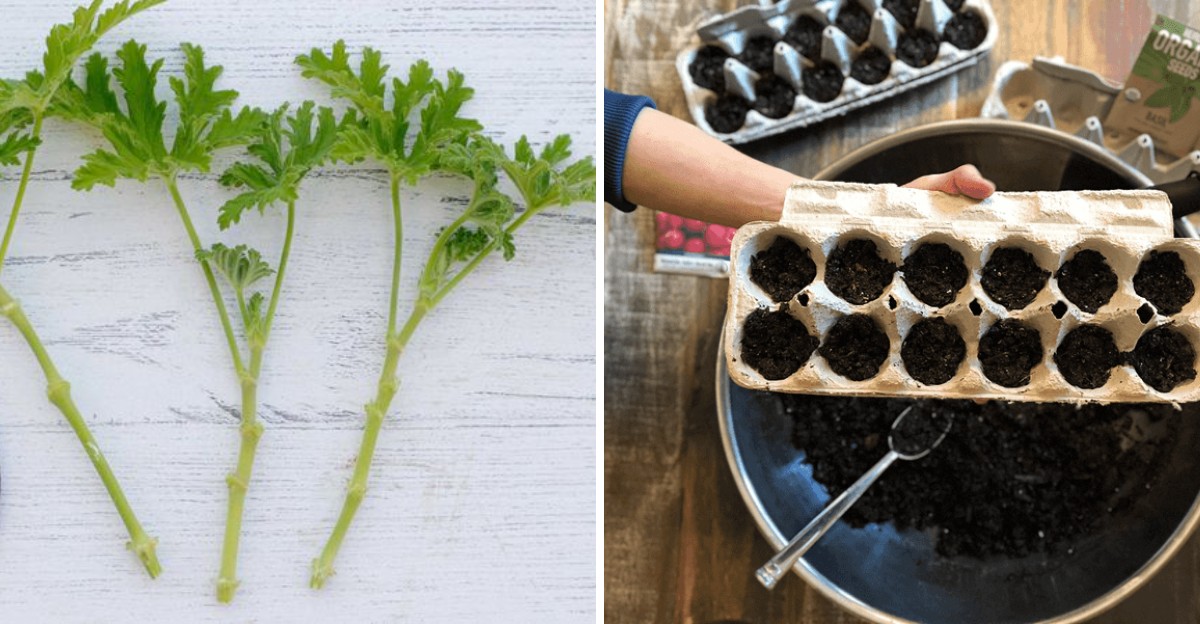
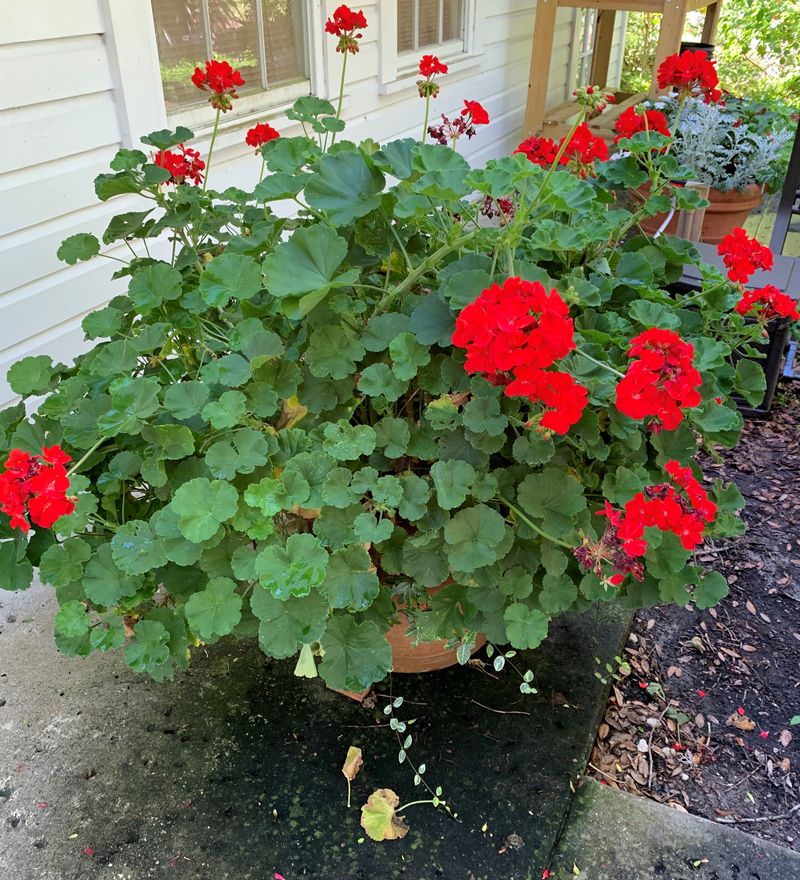
A single summer geranium can quietly become dozens of new plants, and each one is a perfect clone of its parent. Those blooms on your porch are actually tender perennials from South Africa, not true annuals at all.
I love that a pair of clean scissors and a recycled kitchen container can save a favorite plant. Personally, I find it a little thrilling to cheat winter with trash I would have tossed anyway.
In Virginia, the first frost can sneak in anywhere from early October in the mountains to mid-November near the coast. One cold night is often enough to turn lush leaves into limp, blackened mush.
You need a plan before that night arrives. The humble cardboard tray sitting in your fridge might be the cheapest greenhouse you will ever own. So why does that little carton work so well, and what are its limits?
One Healthy Geranium Stem Holds Next Summer’s Whole Show
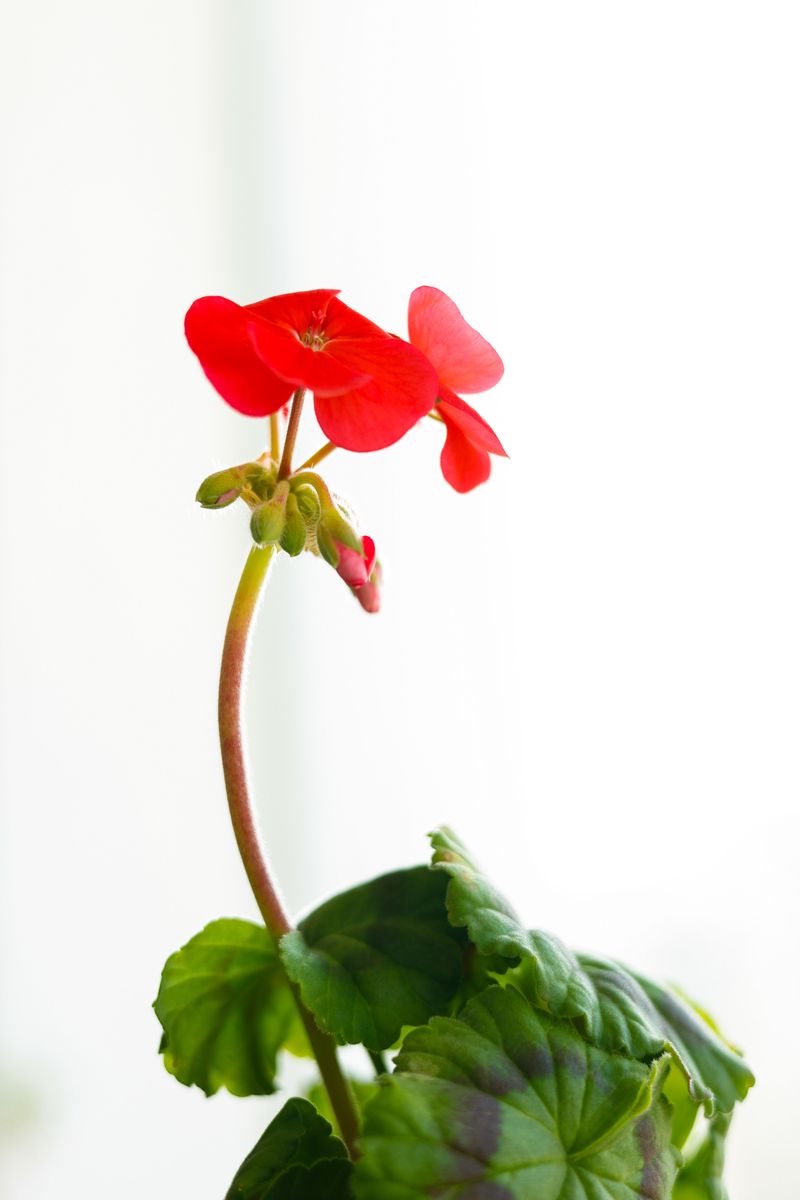
Garden geraniums are really Pelargoniums, and they come from the warm hills of southern Africa. That history explains why our cold Virginia winters are too much for them outdoors.
A hard freeze collapses their soft, water-filled stems almost overnight. Most extension services, including North Carolina State and Illinois, treat them as tender perennials that need indoor help to survive winter.
The fun part is how easily a small piece of stem grows into a brand new plant. Each cutting is a clone, so it keeps the exact flower color, leaf pattern, and growth habit of the parent.
If you have a fancy zonal variety with dark leaf rings or a peachy bloom you cannot find again, cuttings are the surest way to keep it.
Cuttings also take up far less room than full plants. A sunny windowsill that holds one bulky pot could hold a dozen little starts instead.
I like thinking of it as shrinking my whole garden down for the season. You carry summer inside in miniature, then let it grow big again when spring warms up.
Timing is the real secret, though. Take cuttings while the plants are still healthy and green, not after a cold snap has already weakened them.
Early to mid-fall gives you the strongest material to work with.
Cardboard Egg Cartons Make Tiny Rooting Pots for Geranium Starts
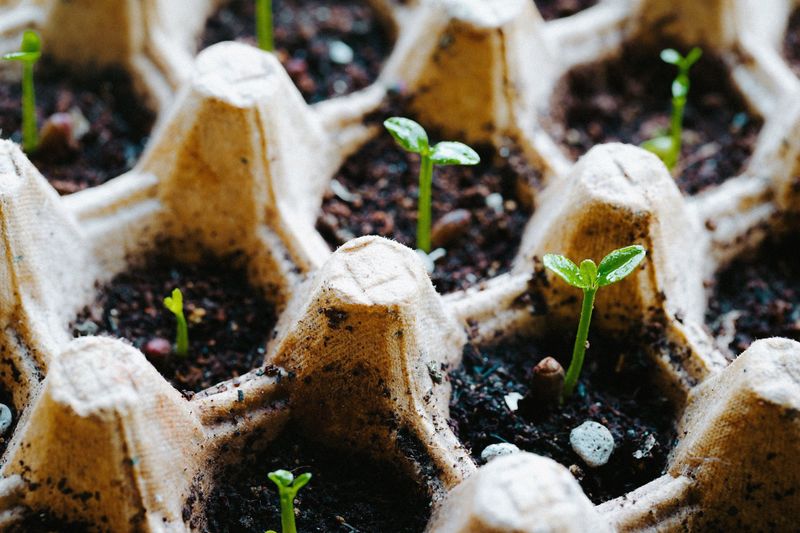
Twelve little cups, one cutting each, and zero dollars spent. That is the main appeal of a cardboard egg carton for rooting geraniums.
Each compartment keeps a single cutting separate, so roots do not tangle together. When it is time to move a start into a bigger pot, you can tear or snip that cup away and plant it whole.
The cardboard softens and breaks down in the soil, which cuts down on root disturbance.
Fill each cup with a light, fast-draining mix. Good choices include perlite, vermiculite, coarse sand, or a seed-starting blend with a little peat or coir.
Poke a small hole in the bottom of every cup first. Set the carton on a tray or old plate to catch drips, and your rooting station is ready.
Your Virginia Garden Changes Every Week. Your Plan Should Too.
Gardening in Virginia changes quickly throughout the season. Every Friday you’ll receive a simple weekly plan showing exactly what to plant, prune, fertilize, harvest, and protect so you never miss the right timing.
Choose cardboard or paper pulp cartons, not foam or plastic. Pulp breathes and absorbs extra moisture, while foam can trap water around the stem.
Personally, I keep a few cartons stacked under the sink every fall just for this. They also make labeling simple, since you can write variety names right on the lid with a marker.
One thing to remember is that the carton is a short-term nursery. It works for rooting, not for months of storage.
Snip Geranium Cuttings Just Below a Leaf Node
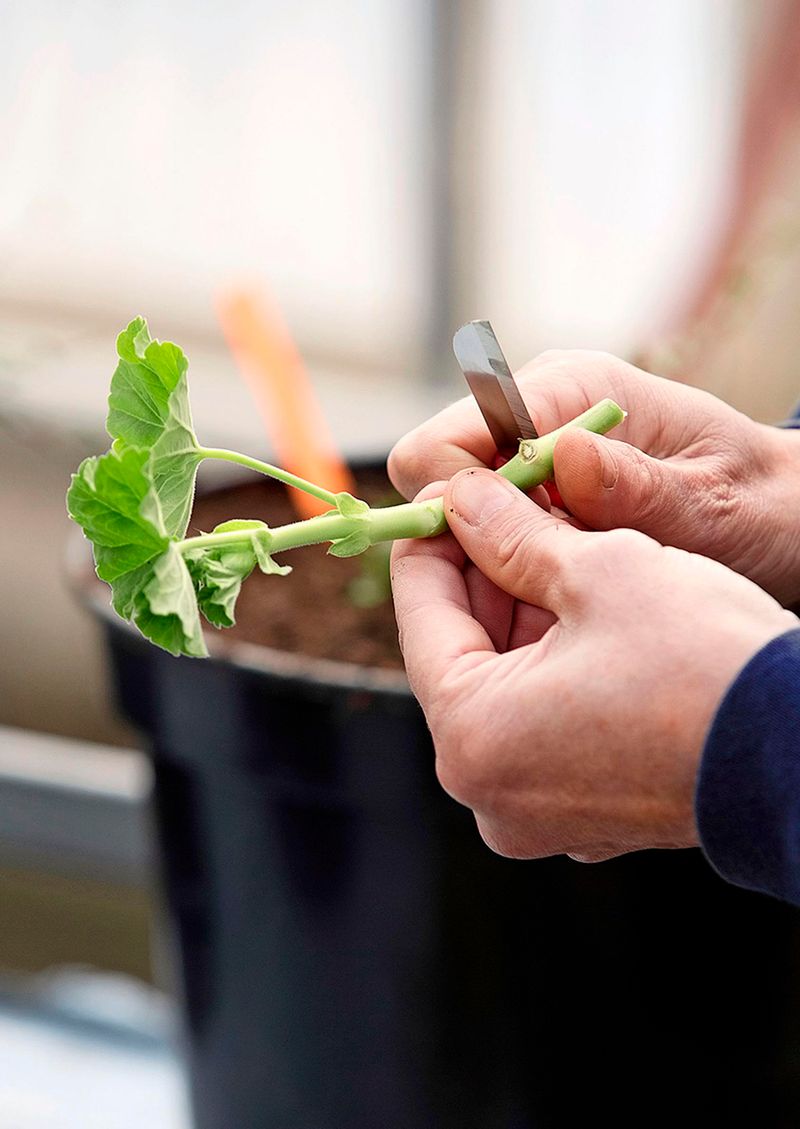
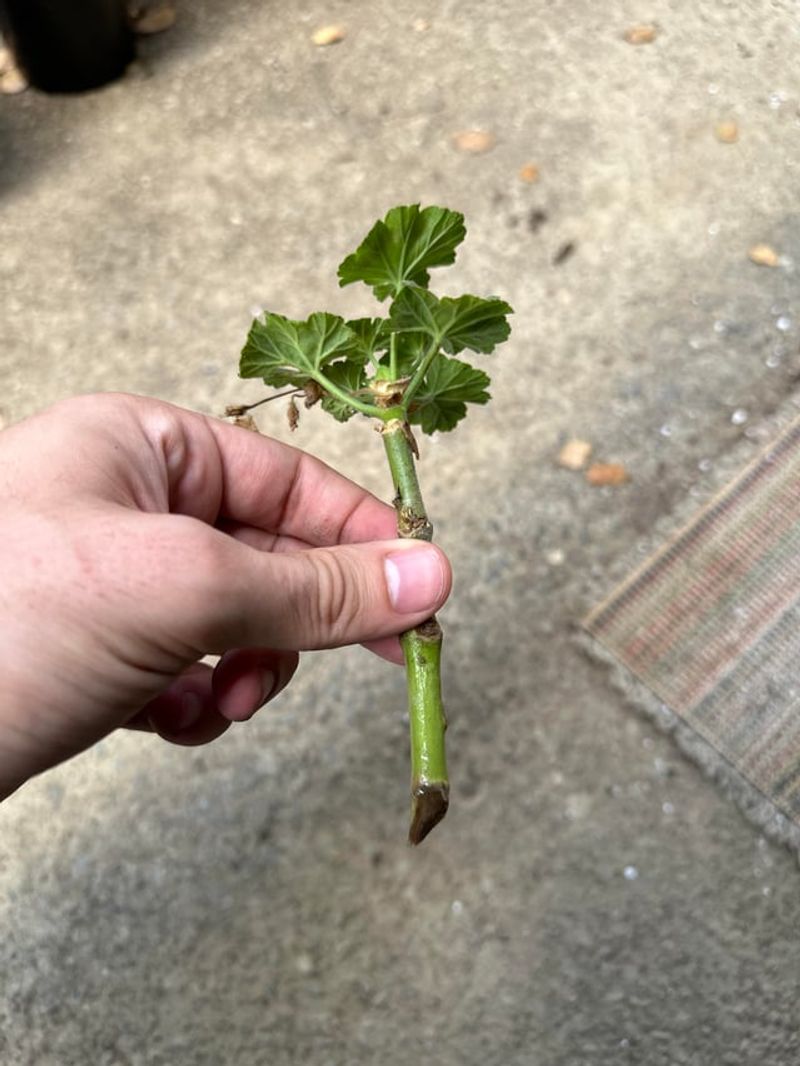
A good cut makes all the difference. Look for firm, green stems with no flower buds, about 3 to 6 inches long.
Make your snip just below a leaf node, which is the small bump where a leaf joins the stem. Roots form most readily from that spot, so it gives your cutting a head start.
Next, strip off the lower leaves and keep two or three healthy ones at the top. Pinch off any flowers or buds too, because they pull energy away from root growth.
Here is a geranium quirk many gardeners miss. Unlike many houseplants, Pelargoniums root better if you let the cut end dry for a few hours before planting.
A slightly sealed end resists rot.
Rooting hormone can speed things up, but it is optional. Geraniums often root just fine without it.
Push each stem about an inch deep into its egg carton cup. Firm the mix gently so the cutting stands upright.
Skip the plastic bag dome that works for other plants. Geraniums have fuzzy, succulent-like stems and prefer drier air, so heavy humidity mostly invites mold.
Clean, sharp scissors matter as well. Wipe them with rubbing alcohol between plants to avoid spreading disease from one geranium to the next.
Virginia Frost Dates Decide When You Grab the Scissors
Virginia stretches from chilly mountain valleys to the mild Atlantic shore. That means frost shows up on very different schedules depending on where you live.
Gardeners in the Blue Ridge and southwest highlands, mostly zones 6a and 6b, can see frost as early as late September or early October. The Piedmont, around Charlottesville and Richmond, usually gets its first frost in mid to late October.
Out in Hampton Roads and the Eastern Shore, zone 8a areas often stay frost-free until early or mid-November. Ocean water holds warmth longer and buys coastal gardeners extra time.
My advice is to take cuttings about two to four weeks before your average first frost date. Your local Virginia Cooperative Extension office can share dates for your county.
Watch the forecast as well. A sudden clear, calm night can drop temperatures faster than averages suggest, especially in low spots where cold air settles.
Geraniums can handle a light chill around 35 degrees for a short time. A hard freeze below 28 degrees, though, usually ruins tender stems and leaves.
Do not wait for the plants to look tired. Cuttings taken from vigorous, unstressed geraniums root faster and resist rot better than those snipped in a last-minute rush.
Soggy Egg Carton Cups Can Rot Geranium Stems Fast
Cardboard soaks up water like a sponge, and that is both its strength and its weakness. Too much moisture is the biggest reason geranium cuttings fail.
Stem rot usually starts at the base and turns the stem black and mushy. Once it climbs upward, that cutting rarely recovers.
Gray mold called Botrytis can also show up as fuzzy patches on leaves in damp, still air.
The fix is pretty simple. Water lightly, then let the top of the mix dry a bit before watering again.
Your goal is barely moist, like a wrung-out sponge.
Bottom holes in each cup are a must. Without them, water pools and the cardboard stays wet for days.
Keep the carton out of standing water too. Empty the drip tray after every watering.
Watch for the cardboard getting flimsy or moldy. If one cup looks bad, snip it away so trouble does not spread to its neighbors.
Good airflow helps a lot. A small fan on low nearby, or simply a room that is not stuffy, keeps leaves dry.
Give the cuttings bright, indirect light around 65 to 75 degrees. In three to eight weeks, a gentle tug that meets resistance tells you roots have formed.
Rooted Geranium Starts Need Real Pots Before Midwinter
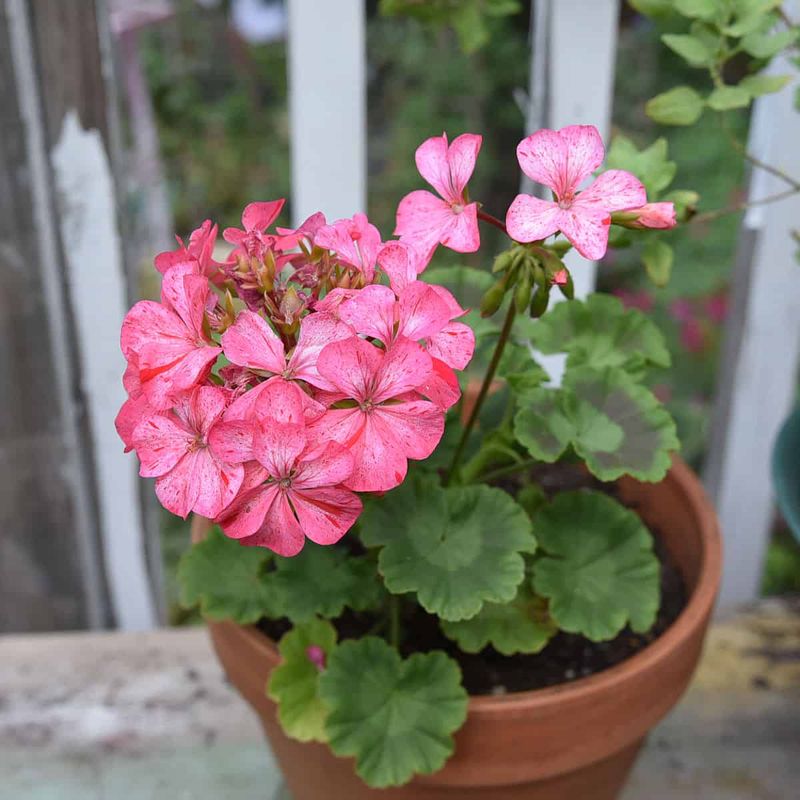
Those first white roots poking through the cardboard feel like a small victory. Now your little geraniums are ready for a roomier home.
Cut each cup free from the carton and plant it, cardboard and all, in a 3 to 4 inch pot. Use a well-drained potting mix, and tear off any carton edge that sticks above the soil so it does not wick moisture away.
Bright light matters most from here on. A south-facing window works well, though Virginia winter days can be short and gray.
A basic LED grow light running 12 to 14 hours keeps stems from stretching thin and floppy.
Cool rooms suit geraniums nicely. Daytime temperatures in the 60s and slightly cooler nights keep growth sturdy.
Water only when the top inch of soil feels dry. Geraniums tolerate a little neglect much better than wet feet.
Hold off on heavy feeding in winter. A diluted fertilizer once a month is plenty while growth is slow.
I like pinching the tips once plants have several sets of leaves. That simple pinch encourages branching, and branches mean more flower clusters later.
Keep an eye out for whiteflies or aphids. Indoor plants can pick up pests, and catching them early keeps things easy.
Spring Geranium Transplants Pay Off After the Last Frost
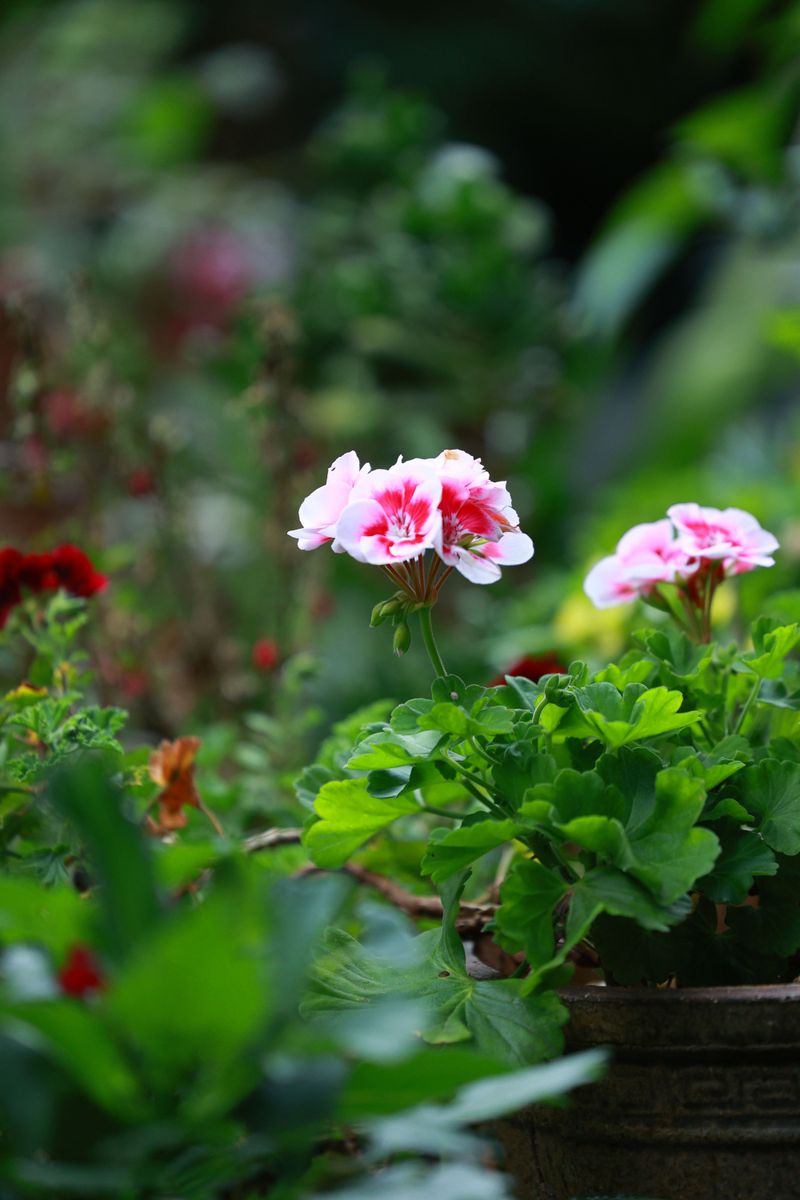
Picking geraniums from your own windowsill instead of a garden center cart is a special kind of pride. By spring, those egg carton babies can be bushy, budding plants.
Wait until after your last frost date to move them outside. Coastal Virginia often warms up by early to mid-April, while mountain gardeners may need to wait until mid-May.
Harden them off first over about a week. Start with a couple hours of shade outdoors, then slowly add more time and more sun each day.
Plant them in full sun to light afternoon shade with good drainage. In hot, humid summers, a bit of afternoon shade can keep them looking fresher.
Feed lightly every few weeks once they are growing strongly. Remove faded flower clusters to keep fresh blooms coming.
Save your best performers for next fall’s cuttings. Over a few years, you can build a collection of favorites without buying new plants.
Egg cartons are not magic, but they are a smart, thrifty tool for this job. Use them to root cuttings quickly, then graduate the starts to real pots.
So grab scissors and an empty carton this weekend. Your future window boxes will be glad you did.