The Gravel Trick Ohio Gardeners Use to Keep Lavender Alive Through Winter
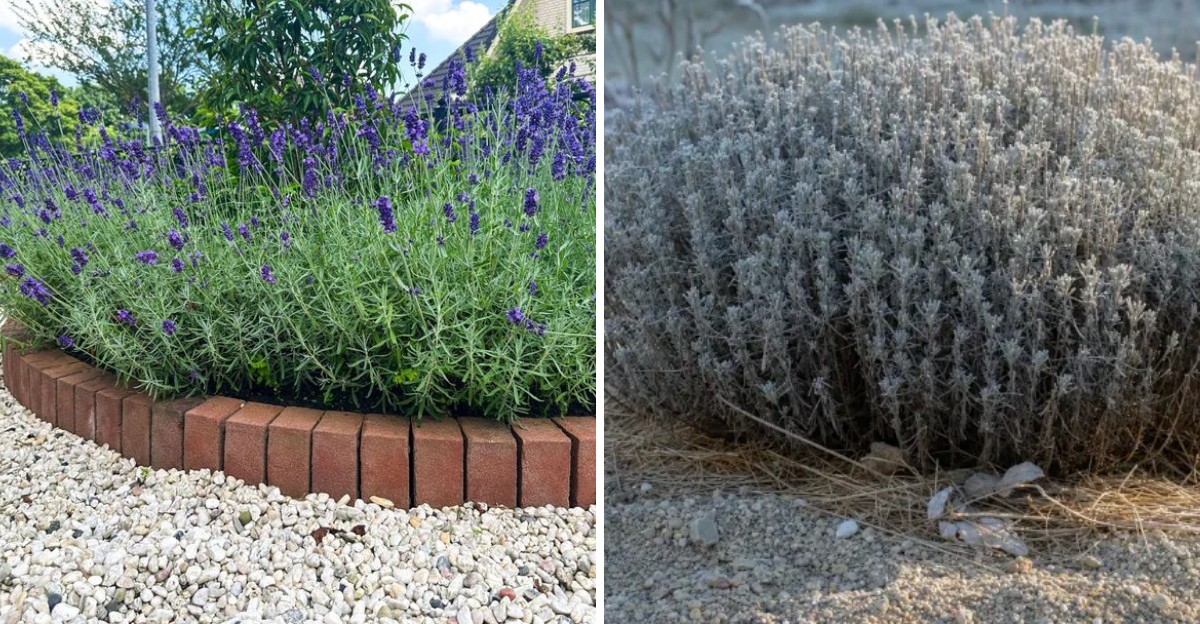
A Mediterranean herb that shrugs off zero degrees can still lose its battle to a puddle. Cold rarely ends its run. Soggy roots usually do.
That surprised me the first time I learned it. In its native hills, this silvery shrub grows in rocky, lean ground where rain drains away in minutes. Our heavy clay does the opposite and holds water like a sponge for weeks.
Here in Ohio, winter often brings more slush and freeze-thaw mush than deep, steady cold. You need to think less about blankets and more about drainage.
I can’t imagine how many fragrant plants have rotted quietly under a cozy layer of wet mulch.
Personally, I love a fix that costs a few dollars and fits in a bucket. The answer has been sitting in gravel driveways and creek beds all along. Could a handful of rocks really matter that much?
Those Lavender Roots Fear Soggy Clay More Than Snow
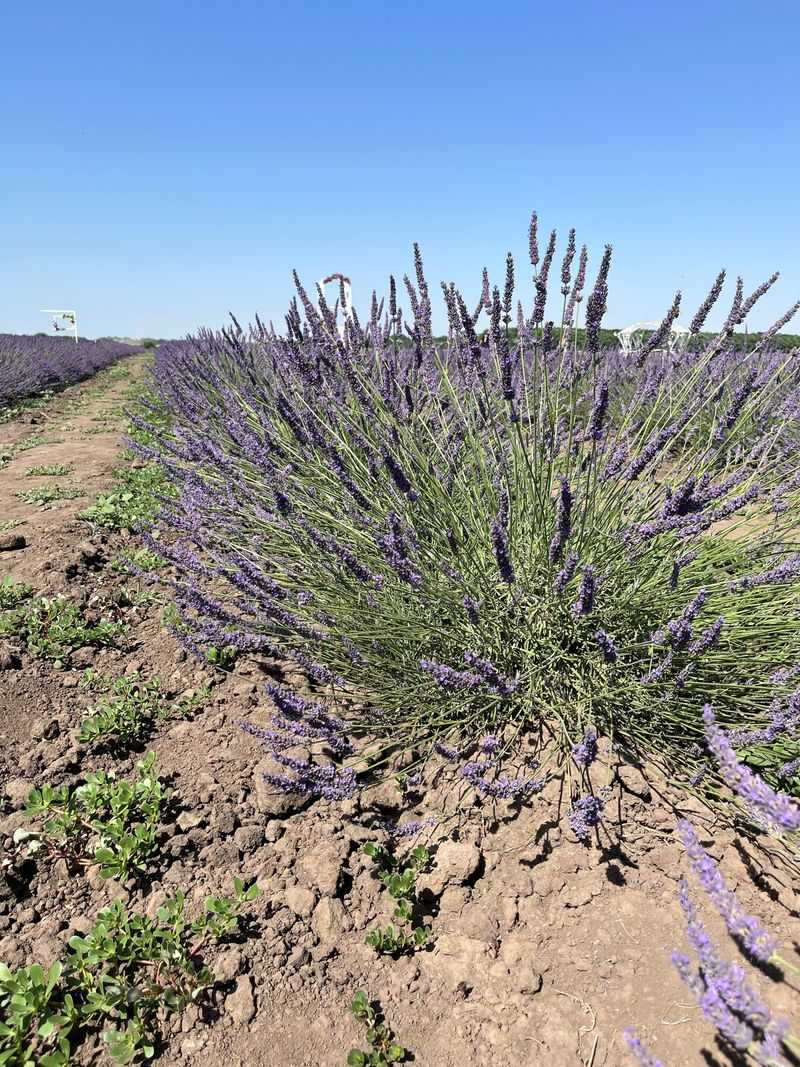
English lavender is rated hardy to USDA Zone 5, and most of Ohio sits in Zones 5b to 6b, with a few warmer pockets reaching 7a. On paper, the plant should cruise through our winters.
So why do so many gardeners find a gray, mushy clump in April?
Extension experts point to the same culprit again and again. Lavender roots need oxygen, and waterlogged soil pushes that oxygen out.
When cold, wet clay sits around the crown for weeks, root rot fungi move in while the plant is dormant and unable to fight back.
Ohio winters make this worse in a sneaky way. Snow melts, rain falls, the ground freezes, and then it thaws into slop again.
Each cycle keeps the soil saturated far longer than a steady freeze would.
I find this oddly comforting, because it means the problem is fixable. You can’t change the thermometer, but you can change how fast water leaves the root zone.
That single idea sits at the heart of the gravel trick.
Once you start seeing winter losses as a drainage issue instead of a cold issue, every step that follows makes a lot more sense.
A Collar of Pea Gravel Keeps the Lavender Crown Dry
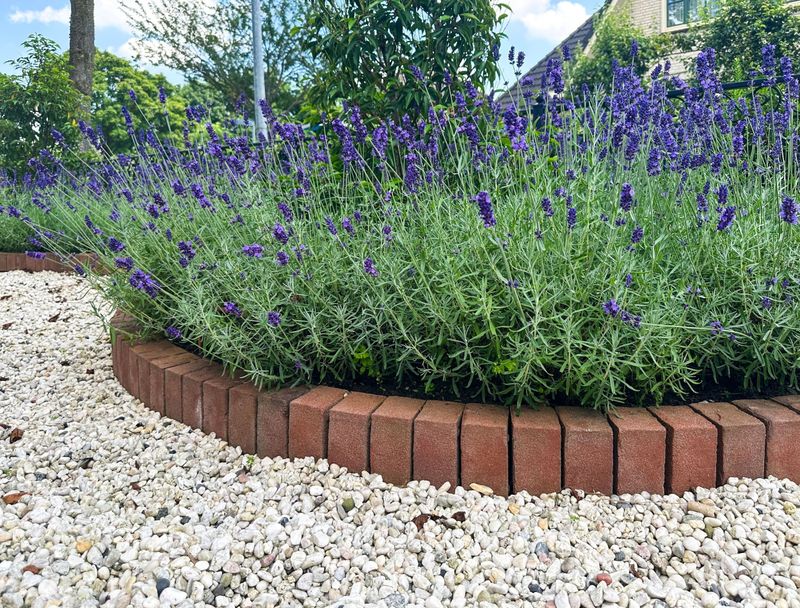
Picking up a bag of pea gravel might be the smartest five-dollar move you make all fall. Gardeners across the Midwest spread a thin layer of small stone around lavender instead of wood mulch, and the difference shows up by spring.
Gravel works because it doesn’t soak up water. Rain slips between the stones and moves down instead of sitting against the woody base.
The light-colored surface also reflects warmth and sunlight back onto the foliage, which helps the plant dry off quickly after a storm.
Aim for a layer about one to two inches deep. Pea gravel, crushed limestone, or chicken grit all work well, and limestone has a bonus since lavender likes slightly alkaline soil.
Keep a small gap of an inch or two right around the stems. That bit of open space lets air move through the center of the plant, which discourages fungal trouble.
Your Ohio Garden Changes Every Week. Your Plan Should Too.
Gardening in Ohio changes quickly throughout the season. Every Friday you’ll receive a simple weekly plan showing exactly what to plant, prune, fertilize, harvest, and protect so you never miss the right timing.
You can add gravel in fall before the ground freezes, or anytime during the growing season. Personally, I like doing it at planting time so the plant never knows anything different.
Either way, that rocky collar does quiet, steady work all winter long.
Mixing Gravel Into the Planting Hole Fixes Heavy Ohio Soil
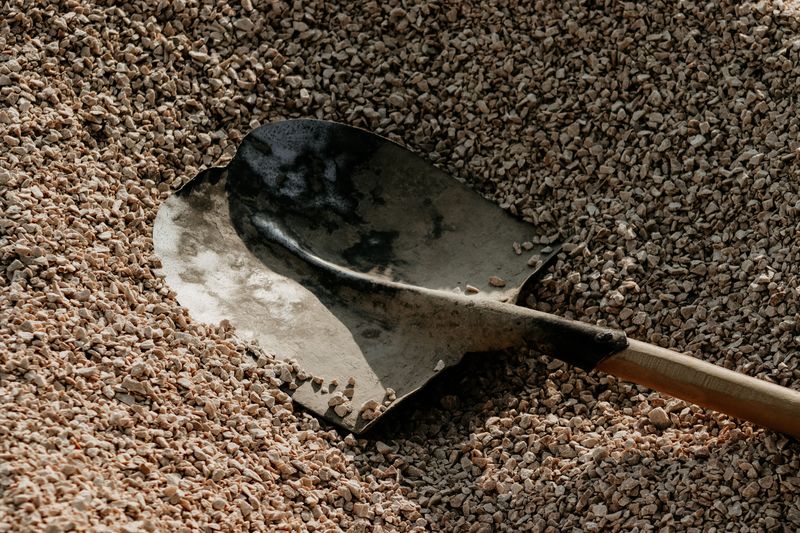
Surface gravel helps, but the real magic happens underground. Many growers loosen heavy soil by blending small stone straight into the planting area before lavender ever goes in.
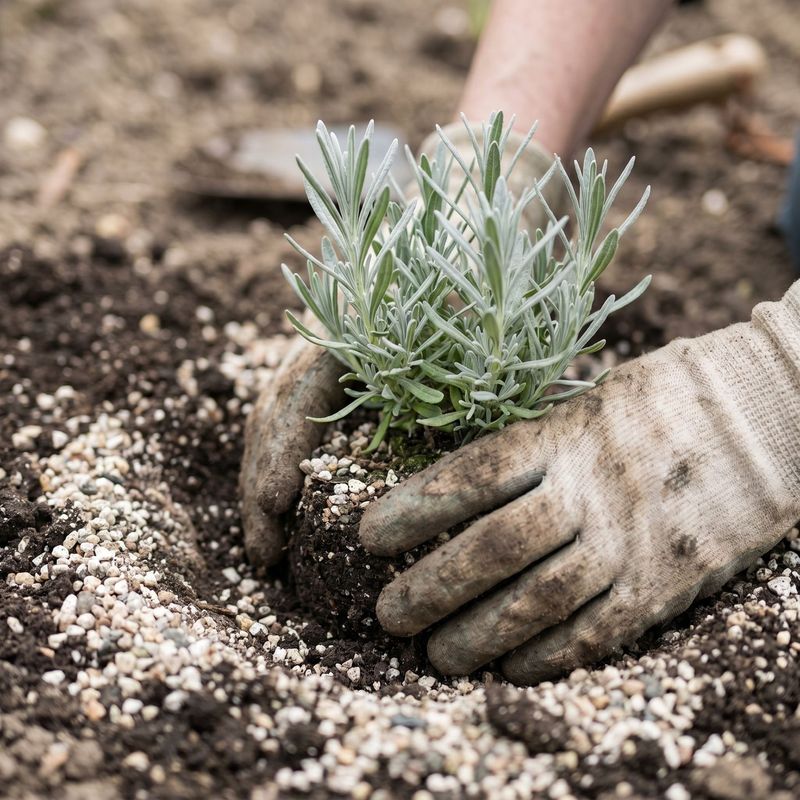
A common approach is to dig a wide hole, at least twice the width of the root ball, and mix the native soil with plenty of pea gravel or coarse grit. Some lavender farmers go as far as a roughly half-and-half blend in stubborn clay.
Coarse sand can help too, but skip fine play sand, since it can pack down with clay and make things worse.
Planting slightly high is another clever move. Set the crown an inch or so above the surrounding grade, then taper the gravel mix outward.
Water naturally runs away from the base instead of pooling there.
Got serious clay, like much of northern and central Ohio? Raised beds or mounded berms filled with a gravelly, low-fertility mix may be the easiest path.
Lavender actually prefers lean soil, so go light on rich compost.
I like to test a spot first by filling a hole with water. If it still holds water hours later, you know the bed needs serious help before planting.
Wood Chips and Straw Can Smother Winter Lavender
Shredded bark is the go-to mulch for most Ohio flower beds, and for good reason. Hostas, roses, and perennials love how it holds moisture.
Unfortunately, that same talent works against lavender.
Organic mulches stay damp for days after rain. Piled against a lavender crown, they trap moisture right where rot begins.
Thick straw or leaves heaped on for winter protection can do similar harm, creating a soggy, dark blanket that also invites voles.
So what about insulation? Gravel offers a bit of that, too.
Stone helps moderate soil temperature swings, which can reduce frost heaving, when freezing and thawing push young plants partly out of the ground.
If your lavender already sits in a bark-mulched bed, there is no need to panic. Pull the bark back several inches from the base and replace that inner circle with gravel.
The rest of the bed can stay as it is.
Some gardeners in colder northeast Ohio spots lay loose evergreen boughs over young plants after the ground freezes. Those branches breathe well and catch snow, which insulates nicely.
Just remove them in early spring before new growth starts and the weather warms.
Hardy Varieties Like Munstead and Hidcote Lavender Handle the Cold
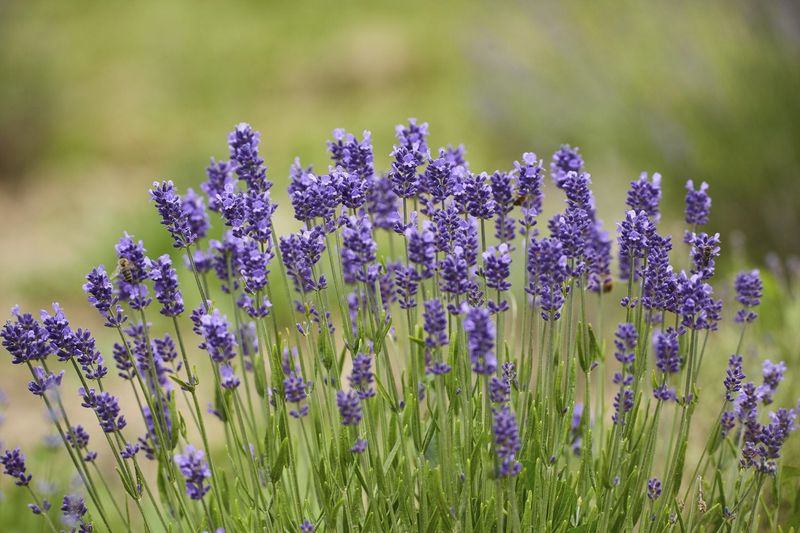
Fun fact for your next garden chat: Spanish and French lavenders, with their cute rabbit-ear blooms, generally don’t survive a Midwest winter outdoors. Gravel can’t save a plant that simply isn’t built for the cold.
English lavender, Lavandula angustifolia, is the safest bet. Munstead and Hidcote are classic, compact choices with a long track record in cold climates.
Phenomenal, a lavandin bred from English and spike lavender, has become popular for handling both winter chill and summer humidity. Grosso is another lavandin many growers trust, especially in milder parts of the state.
Variety matters even more in the colder, snowier pockets near Lake Erie and in higher eastern counties. Southern river valleys give you a little more wiggle room.
I always read the plant tag before buying. If it says Zone 7 or higher, treat it as a patio pot you bring inside, not a garden shrub.
Pair a tough variety with gravel and good drainage, and your odds jump noticeably. You’re giving the plant a winter coat and dry boots at the same time, which is exactly the combination it needs.
Put the Watering Can Away Once Lavender Goes Dormant
Kindness can backfire with lavender. Plenty of plants get loved to pieces with a hose in October, just when they need it least.
Once days shorten and growth slows, lavender’s thirst drops sharply. For established plants in the ground, Ohio rain and snowmelt usually supply plenty of moisture from late fall through early spring.
Extra watering mostly feeds the rot problem you are working so hard to avoid.
There is one exception worth knowing. If fall turns unusually dry, a deep drink before the ground freezes can help evergreen foliage handle winter wind.
Check by pushing a finger a couple of inches into the soil, and water only if it feels truly dry.
Young plants set out that same year need a little more attention. Their roots are shallow, so they dry out faster during a dry spell.
Personally, I keep a simple rule taped inside my shed door: when in doubt, wait. Lavender forgives a little thirst far more easily than soggy feet.
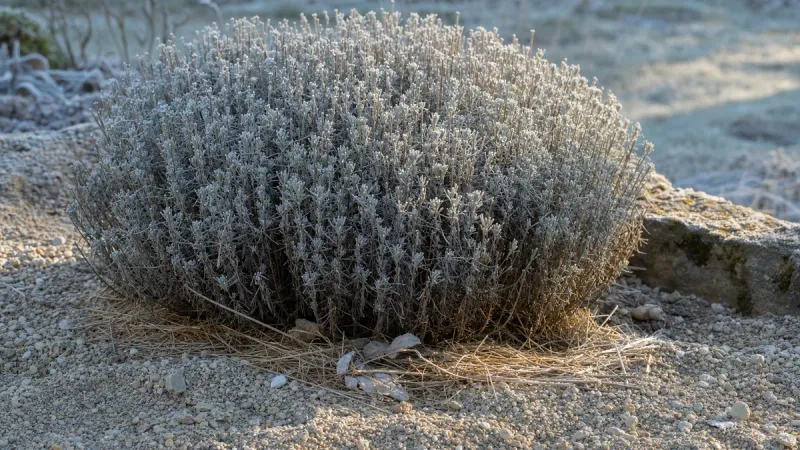
The silvery leaves may look dull in January, but that gray color is normal for a resting plant, not a cry for water.
Lavender Pruning Waits for Spring’s First Green Shoots
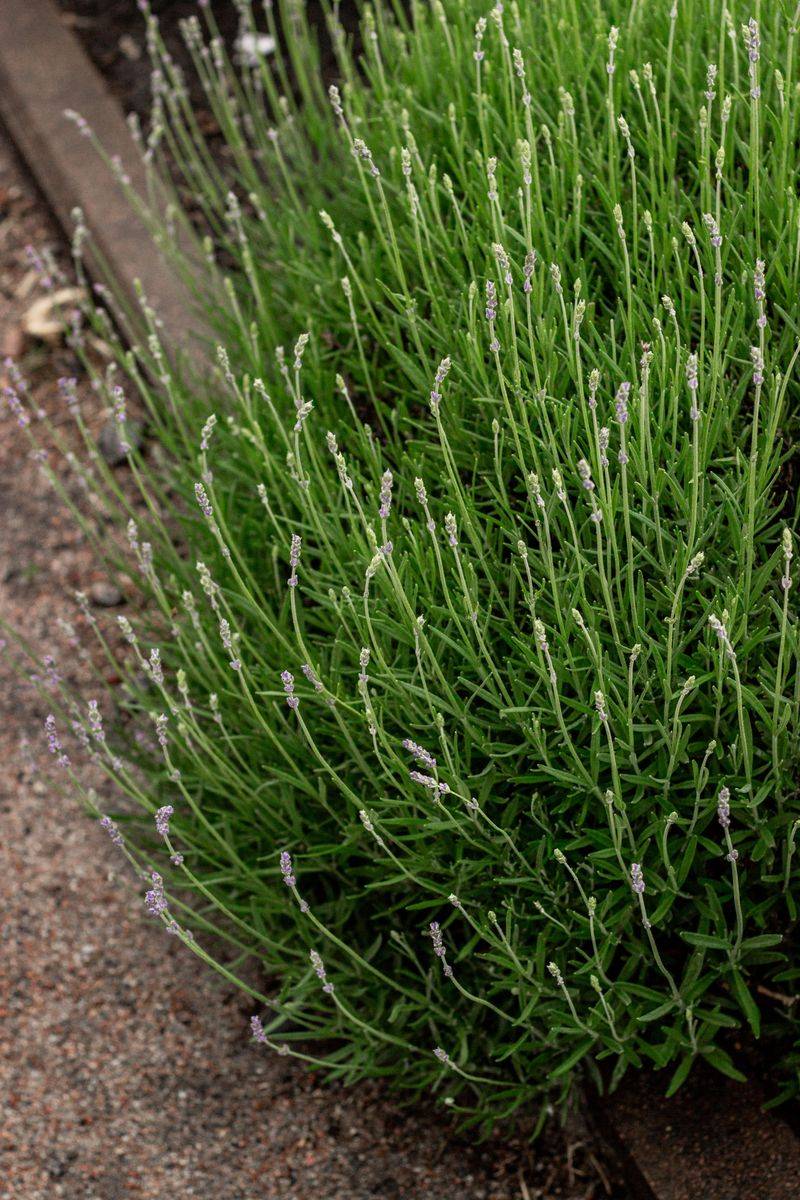
Snipping lavender into a neat little dome in November feels tidy. It can also leave the plant exposed right before the coldest weeks arrive.
Hard fall pruning removes foliage that shields the crown and can spark tender new growth with no time to toughen up. Light trimming of spent flower stems in late summer is fine.
Save the real shaping for spring.
In most of Ohio, that means waiting until new green growth appears along the stems, often in April. Cut back about a third of the plant, but stay above the leafy part.
Lavender rarely regrows from old, bare wood, so cutting into those brown stems can leave a permanent gap.
Spring is also the moment to check how your gravel did. Pull back a few stones and peek at the crown.
Firm, pale wood is a great sign, while brown, mushy tissue means drainage still needs work.
I treat that first spring trim like a report card. Every healthy shoot tells me the winter plan worked, and any trouble spots show exactly where to add more grit before next fall arrives.
Sunny Slopes and Gravel Pots Give Lavender Its Best Shot
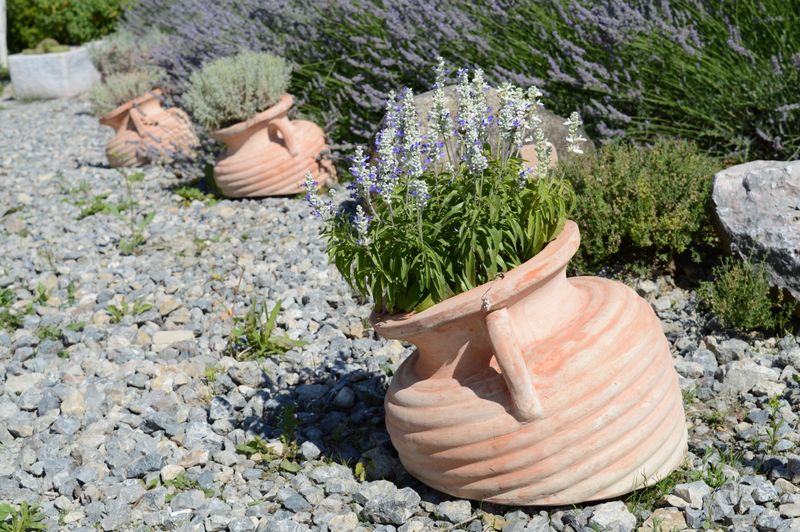
Smart placement is the final piece, and it might be the easiest one. Lavender thrives in full sun, at least six to eight hours a day, and it loves spots where water can’t linger.
Gentle slopes, rock gardens, and the edges of gravel paths make wonderful homes. A south-facing wall adds reflected warmth and blocks harsh winter wind, which helps young plants.
Low corners where puddles form after storms are best avoided.
Potted lavender needs extra care, since roots in containers freeze faster than roots in the ground. Use a gritty mix, a pot with drainage holes, and a gravel top dressing.
Move pots into an unheated garage or sheltered porch once nights stay in the low 20s, and water only lightly every few weeks.
A quick checklist for fall: hardy variety, raised or amended planting spot, gravel collar, no bark against the crown, and minimal watering. That simple routine costs little and takes an afternoon.
I believe the gravel trick wins because it works with lavender’s nature instead of against it. Give these plants a little bit of their rocky homeland, and summer fragrance has a real chance to return.