How To Build A Cold Frame Before Virginia’s First Frost
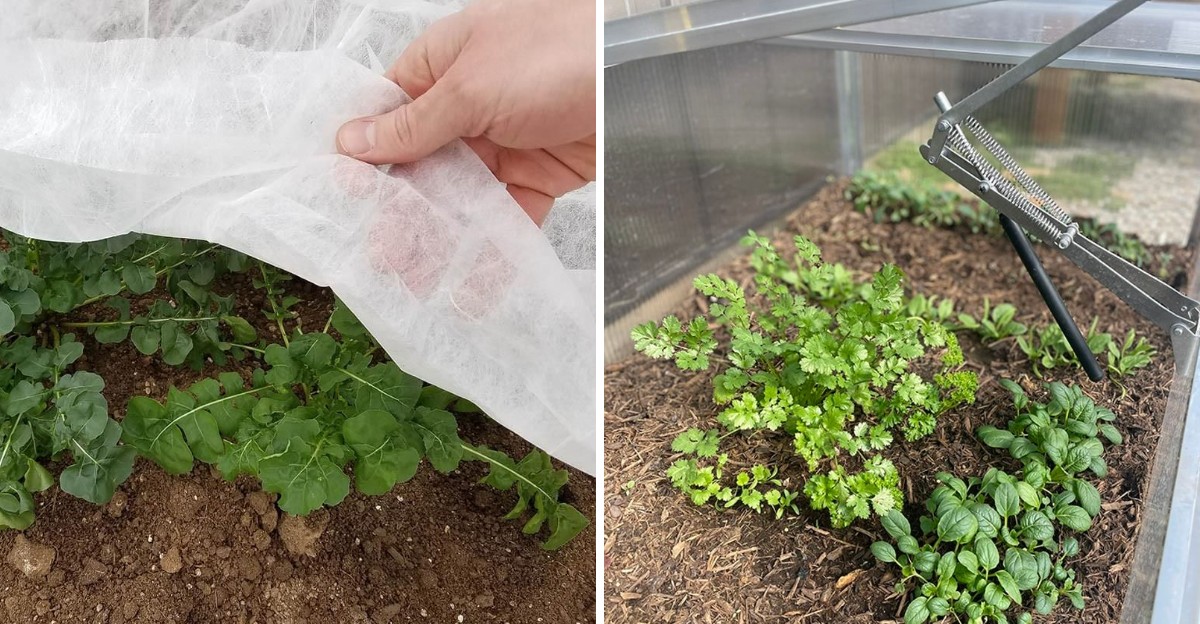
An old glass window lying on four boards can keep spinach sweet and crisp in January. I still grin every time I lift that lid on a frosty morning and smell warm, damp soil.
Gardeners have used this trick for centuries, long before plastic or fancy greenhouses existed. On a sunny winter day, the air under that glass can climb past 80 degrees while frost sits on the grass outside.
Virginia gives you a real advantage here. Our winters are cold enough to stop most gardens, yet mild enough that a simple box can carry lettuce, kale, and carrots through the darkest months.
I can’t imagine giving up fresh salads just because October turned chilly.
The best part might surprise you. You can build one in a single afternoon with scraps from your garage.
Why not beat the frost this year?
1. An Old Window And A Wooden Box Can Outsmart Frost
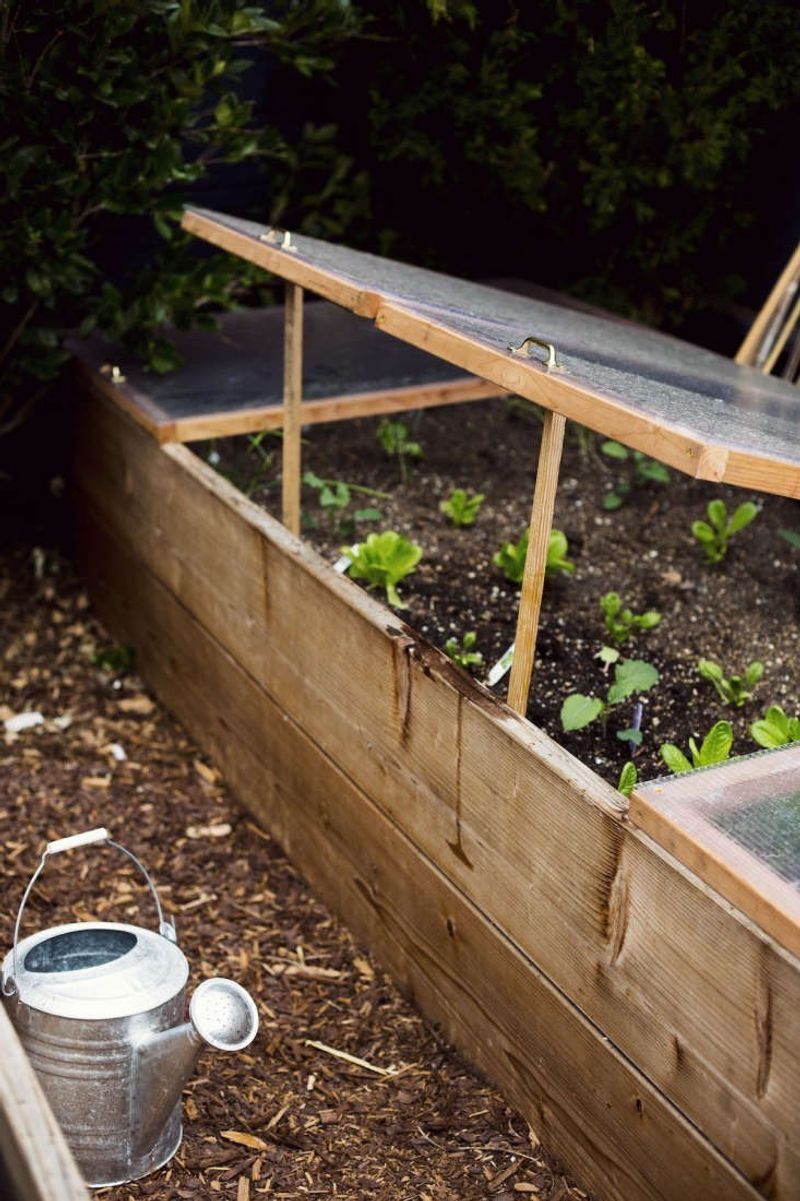
Sunlight is the only heater this little garden helper needs. A cold frame is a bottomless box with a clear lid that lets light in and holds warmth near the soil.
During the day, sunshine passes through the glass or plastic and warms the ground. At night, the soil slowly releases that stored heat, and the lid keeps much of it from escaping.
Extension experts often say the inside stays about 5 to 10 degrees warmer than the outside air, and it also blocks drying winds.
A few degrees may not sound like much. For cool-season crops, though, that small boost makes a huge difference.
Spinach and kale can handle light frost on their own, but a cold frame shields their leaves from the hard freezes that turn them mushy.
I like to think of it as a winter coat for your vegetable bed. It will not turn January into June, and tomatoes still won’t thrive in it.
What it does well is stretch your harvest by weeks or even months on both ends of the season.
Fun fact? French market gardeners in the 1800s lined fields with glass frames and sold fresh greens to Paris all winter long.
2. Your Frost Date Tells You When To Start Hammering
Timing is everything with this project. You want your cold frame built and planted before the first frost arrives, not scrambled together the morning after.
Virginia’s average first frost changes a lot depending on where you live. Mountain areas in the southwest, such as around Blacksburg, can see frost in early to mid-October.
The Piedmont and Richmond area usually get it in late October, while Northern Virginia and the Tidewater region often hold out until early or mid-November.
Look up the average date for your zip code, then plan to finish building about two to four weeks earlier. That gives the soil time to warm under the lid and lets new seedlings settle in.
Many fall crops also need to be sown in late summer or early fall so they grow big before short winter days slow them down.
Your Virginia Garden Changes Every Week. Your Plan Should Too.
Gardening in Virginia changes quickly throughout the season. Every Friday you’ll receive a simple weekly plan showing exactly what to plant, prune, fertilize, harvest, and protect so you never miss the right timing.
Personally, I aim for late September in the Piedmont. It feels early, but September weekends are far more pleasant for sawing boards than chilly November ones.
Remember that an average date is just that. Some years an early cold snap sneaks in, so being a little ahead of schedule keeps your greens safe.
3. A South Facing Spot Gives Your Cold Frame A Head Start
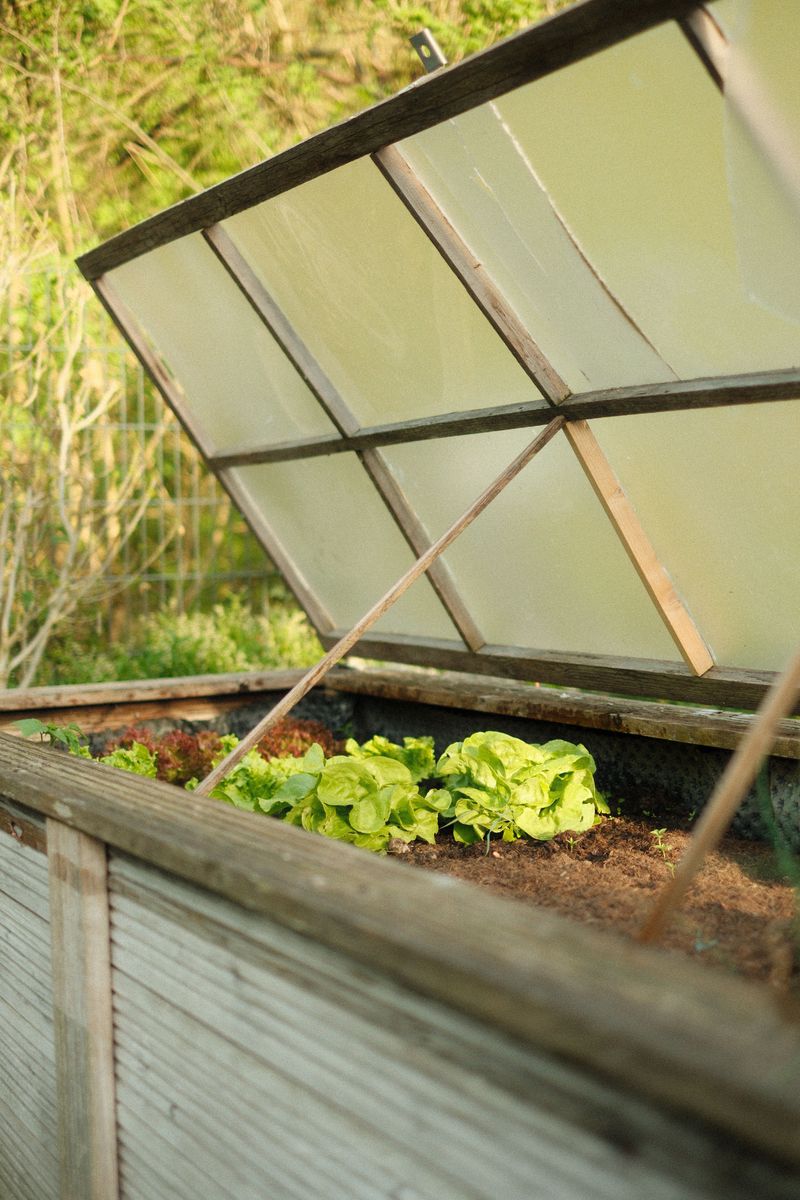
Where you put your cold frame matters as much as how you build it. A poorly placed box can stay chilly all winter, no matter how nicely it’s made.
Face the sloped lid toward the south. Winter sun sits low in the sky, so a south-facing slope catches the most light during those short days.
Avoid spots shaded by evergreens or buildings in winter, and remember that shadows stretch much longer in December than in summer.
Good drainage comes next. A soggy spot leads to cold, waterlogged soil and rotting roots, so pick slightly higher ground if you can.
A gentle slope helps rain move away from the frame.
You can also borrow some free protection. Placing the tall north side against a house wall, fence, or row of straw bales blocks cold winds.
A sunny wall even radiates a little stored heat back toward your plants at night.
Finally, choose a spot close to your kitchen door and a water spigot. On a sleety morning, you’ll be glad you don’t have to hike across the yard to check on your lettuce or crack open the lid.
4. Salvaged Storm Windows And Boards Make Great Building Supplies
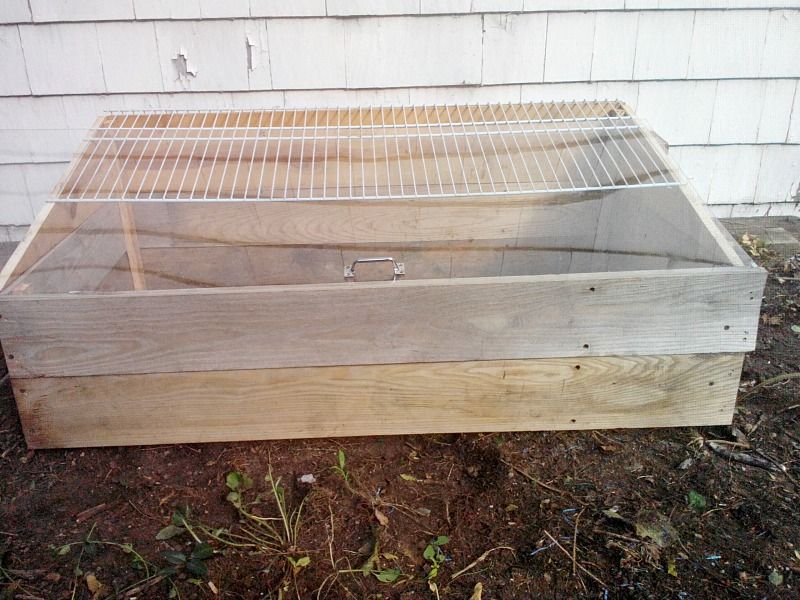
Some of the best cold frames start in a pile of leftovers. Old storm windows, glass shower doors, or clear polycarbonate panels all make fine lids.
For the sides, cedar and cypress resist rot naturally and can last for years. Untreated pine works too, especially if you paint the outside to slow decay.
Many gardeners skip pressure-treated lumber for food beds, though modern treatments are considered much safer than older ones.
Not into woodworking? Concrete blocks or straw bales arranged in a rectangle can hold up a window just as well.
Straw bales even add extra insulation, though they break down after a season or two.
One caution about old windows. Paint on windows made before 1978 may contain lead, so avoid sanding or scraping it, and consider sealing it or choosing a newer frame for your veggie patch.
Here’s a simple shopping list to get started:
Two or three boards for the sides, a clear lid, a pair of hinges, exterior screws, and a stick or notched prop to hold the lid open. Let the size of your window decide the size of your box, and you’ll save yourself a lot of cutting.
5. Slant The Lid So Every Ray Of Winter Sun Counts
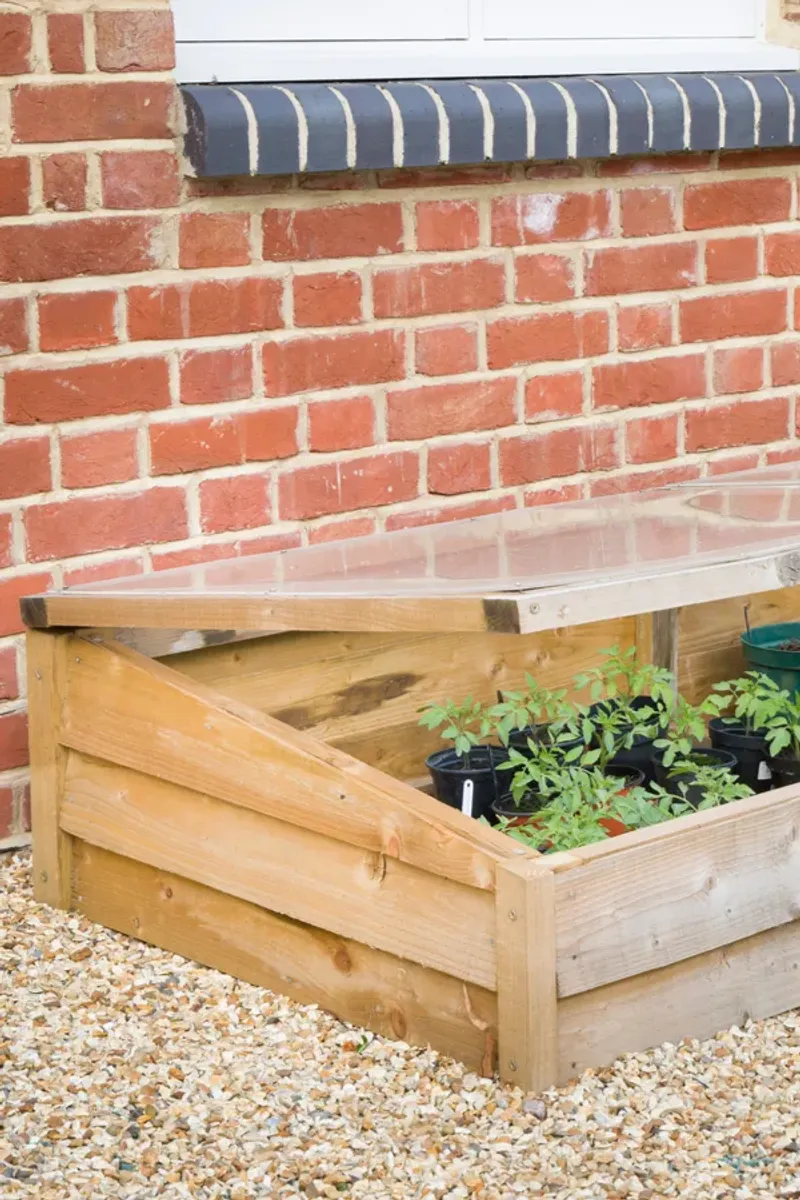
Ready for the fun part? The basic design is a bottomless box with a back wall taller than the front, so the lid sits at an angle.
A common plan uses a back about 18 inches high and a front about 12 inches high. That slope tilts the lid toward the low winter sun and helps rain and snow slide off instead of pooling.
Keep the depth from front to back around 3 feet so you can reach every plant without climbing in. Length is flexible, but a 3 by 6 foot frame is a popular size that fits most windows and beds.
Here’s how the steps usually go:
Cut the side boards on a diagonal to match the slope, then screw all four walls together at the corners using small blocks of wood for strength. Attach the lid to the back wall with hinges, and add a handle on the front edge.
Set the frame on loosened soil and press the bottom edges in slightly. Banking soil or mulch around the outside seals drafts.
Some gardeners even sink the box a few inches into the ground, using the earth itself as insulation.
6. Propping Open The Cold Frame Lid Saves Your Greens From Cooking
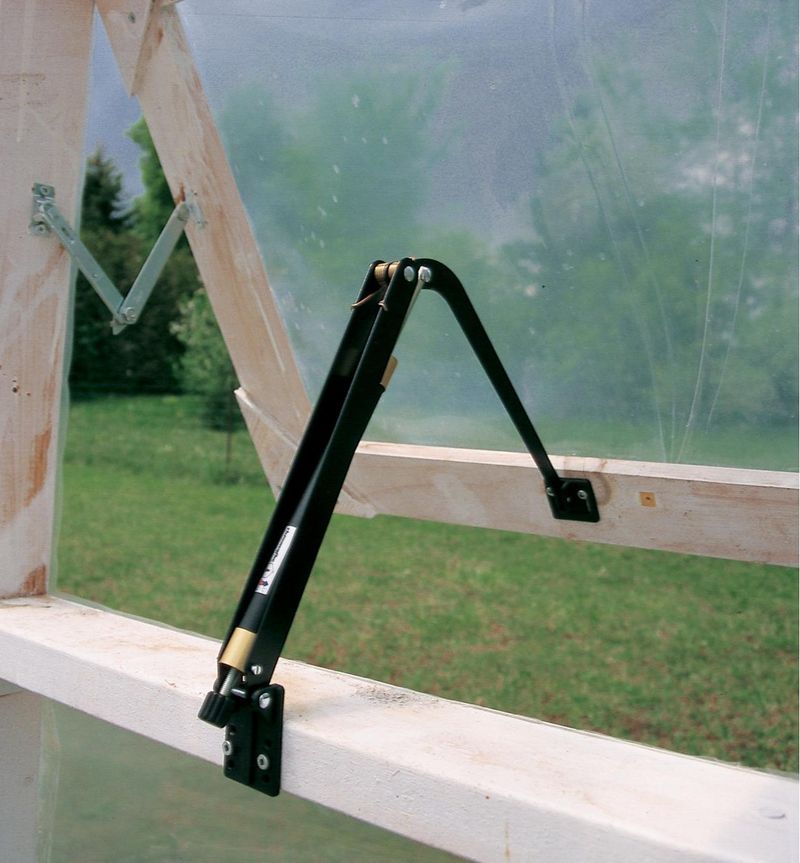
Surprisingly, heat causes more cold frame trouble than frost does. On a bright winter afternoon, a closed box can heat up fast, a lot like a car parked in a sunny lot.
Cool-season crops like lettuce and spinach prefer temperatures around 60 to 70 degrees. Once the inside climbs much past that, leaves can wilt, scorch, or bolt.
Put an inexpensive thermometer inside where you can read it without opening the lid.
A simple rule works for many gardeners. When the outside temperature rises above about 40 to 45 degrees and the sun is shining, prop the lid open a few inches.
On warmer days, open it wider or remove it for a while.
Close it again by mid-afternoon so the soil can trap the day’s warmth before evening chills set in.
Busy schedule? Automatic vent openers are worth a look.
These clever gadgets use a wax-filled cylinder that expands as it warms, lifting the lid on its own with no electricity needed.
I check my frame with my morning coffee and again after lunch. It quickly becomes a habit, and your plants will reward you with fresh, healthy leaves.
7. Spinach, Kale, And Lettuce Love Life Under Glass
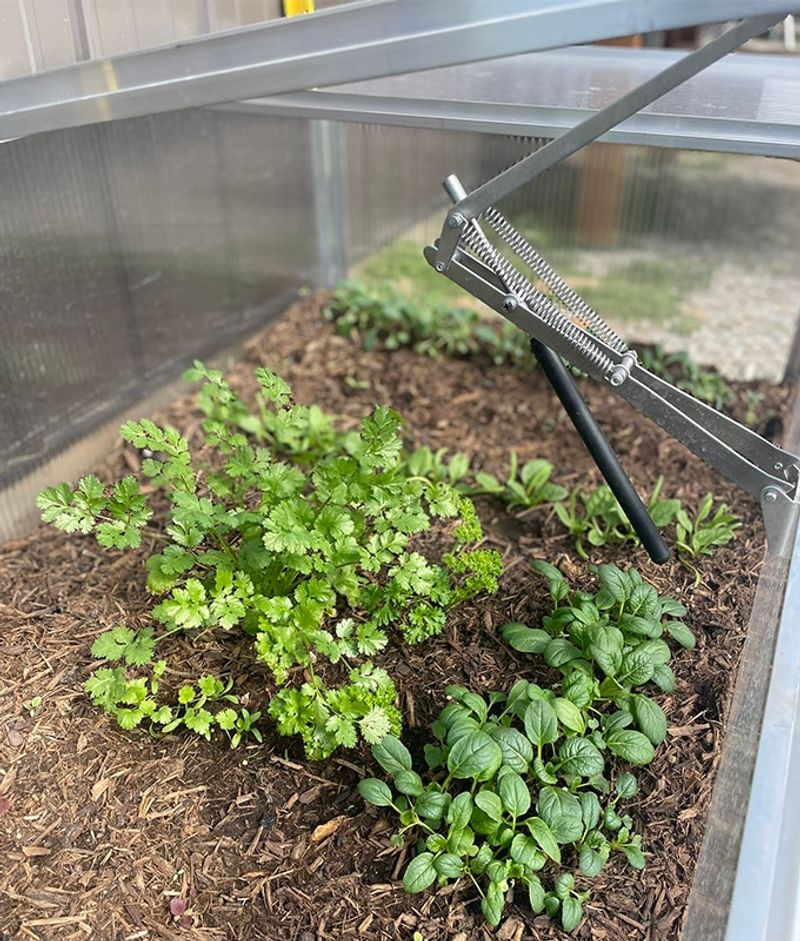
Not every vegetable belongs in a cold frame. Leafy greens and small root crops are the real winners here.
Spinach stands out as one of the toughest choices. It can survive temperatures well below freezing, and winter-grown leaves often taste sweeter because the plants store sugars in the cold.
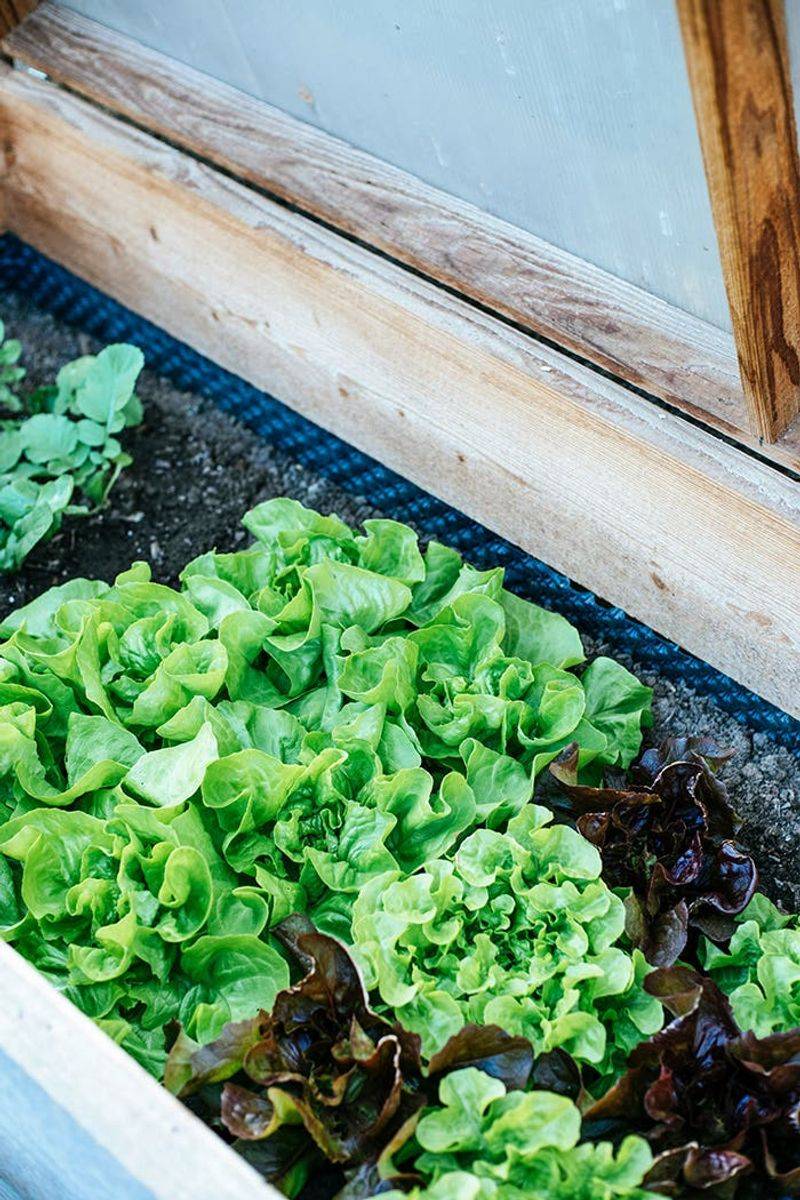
Kale, mache, arugula, and hardy lettuce varieties like Winter Density or Arctic King also do beautifully.
Radishes, green onions, and small carrots fit neatly under a low lid. Beets and Swiss chard work too, especially if you harvest them young.
Skip tall or warm-loving plants like tomatoes, peppers, and squash. They need more heat, more space, and pollinators that rarely show up in December.
For fall planting, sow seeds or set out transplants several weeks before your frost date. Growth slows a lot once days drop below about 10 hours of light, which in Virginia happens from roughly late November through mid-January.
Plants should be close to harvest size by then.
Think of winter as a time to hold crops rather than grow them fast. You can pick a little at a time for weeks, and the plants will perk up again as days lengthen.
8. Blankets Over The Cold Frame Help On Bitter Nights And Spring Starts
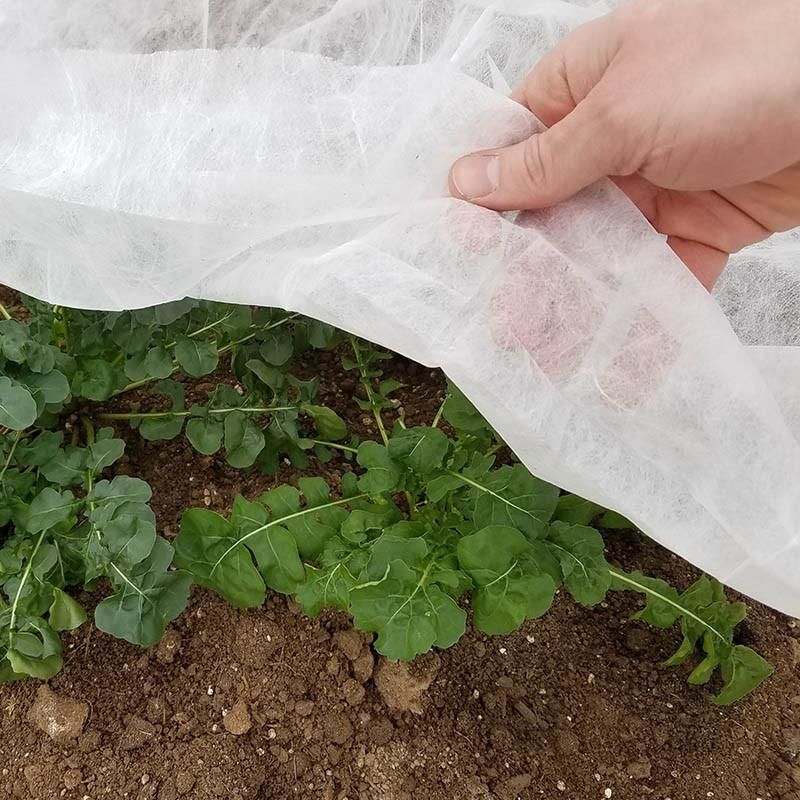
Even a well-built frame needs a little help when temperatures plunge into the teens. That’s when old blankets earn their keep.
Before sunset on a very cold night, toss a quilt, burlap, or a thick layer of straw over the lid. Remove it the next morning so sunlight can warm the soil again.
Filling gallon jugs with water and tucking them along the back wall adds a bit of stored heat too.
Snow can actually work in your favor as insulation. Still, brush heavy loads off glass lids so they don’t crack, and so light can reach your plants.
When spring rolls around, your cold frame gets a second job. It’s a perfect halfway house for hardening off seedlings started indoors.
Leave the lid open a bit more each day for a week or two, and your tomatoes and peppers will be ready for the garden after your last frost.
Here’s my favorite takeaway. One afternoon of building can give you fresh greens in winter and sturdier transplants in spring.
Grab those boards now, and you’ll be picking salad while the neighbors are thumbing through seed catalogs.