Tiny Black Dots Stuck To Indiana Siding Are Coming From Your Mulch
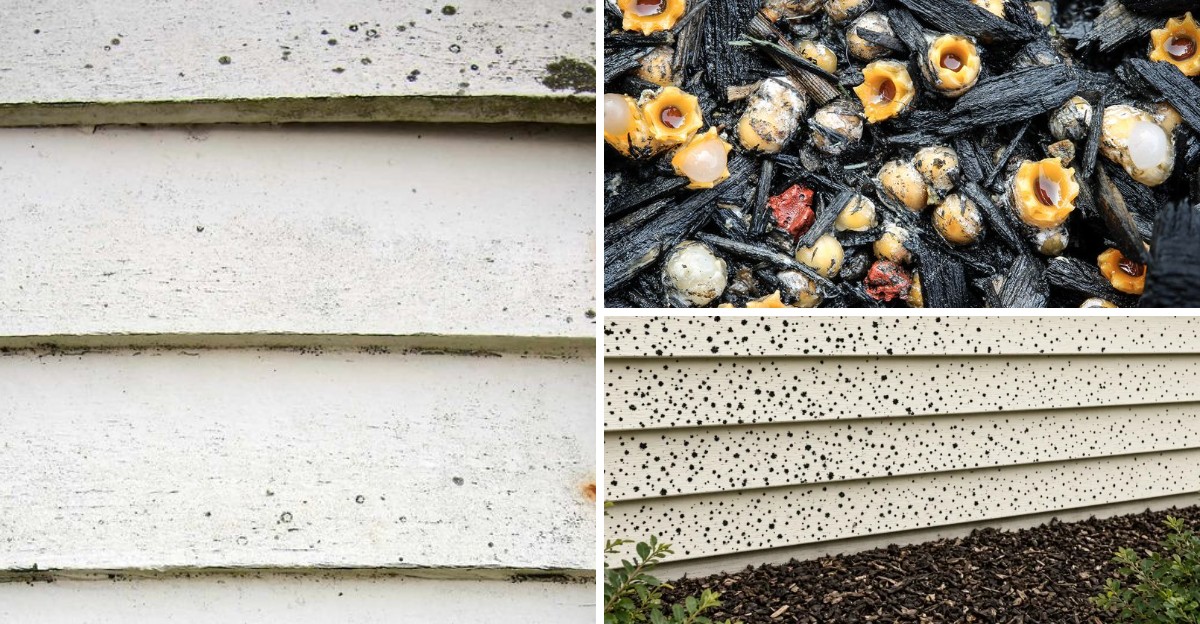
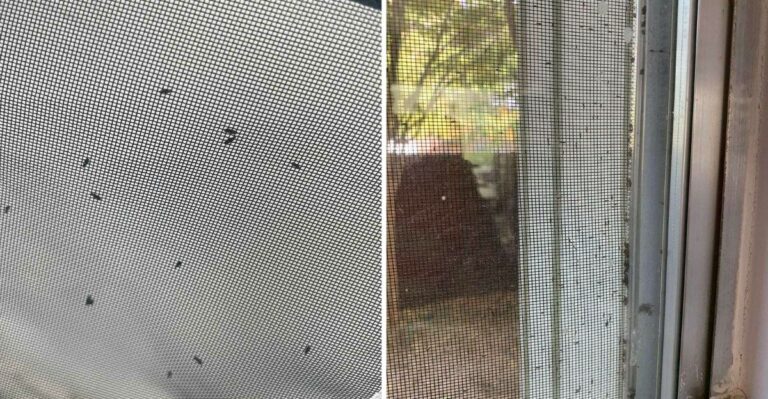
A living thing smaller than a pinhead can fire a sticky ball onto your house from several feet away. I didn’t see this coming the first time I spotted dozens of black specks on my pale siding.
They looked like flecks of tar, or maybe spatter from a bug with bad manners. I tried my thumbnail first, then a sponge, then the hose. The specks barely budged.
Here’s what gets me about them. They seem to favor the brightest, cleanest surfaces you own, like white vinyl, sunny windows, and the hood of a freshly washed car. Plenty of folks across Indiana find them in spring and fall, often right after spreading a fresh load of wood mulch.
So what is sitting quietly in your flower bed, aiming at your house like a tiny marksman, and how do you get it to stop?
Those Sticky Black Specks On Siding Started Out In Your Flower Bed
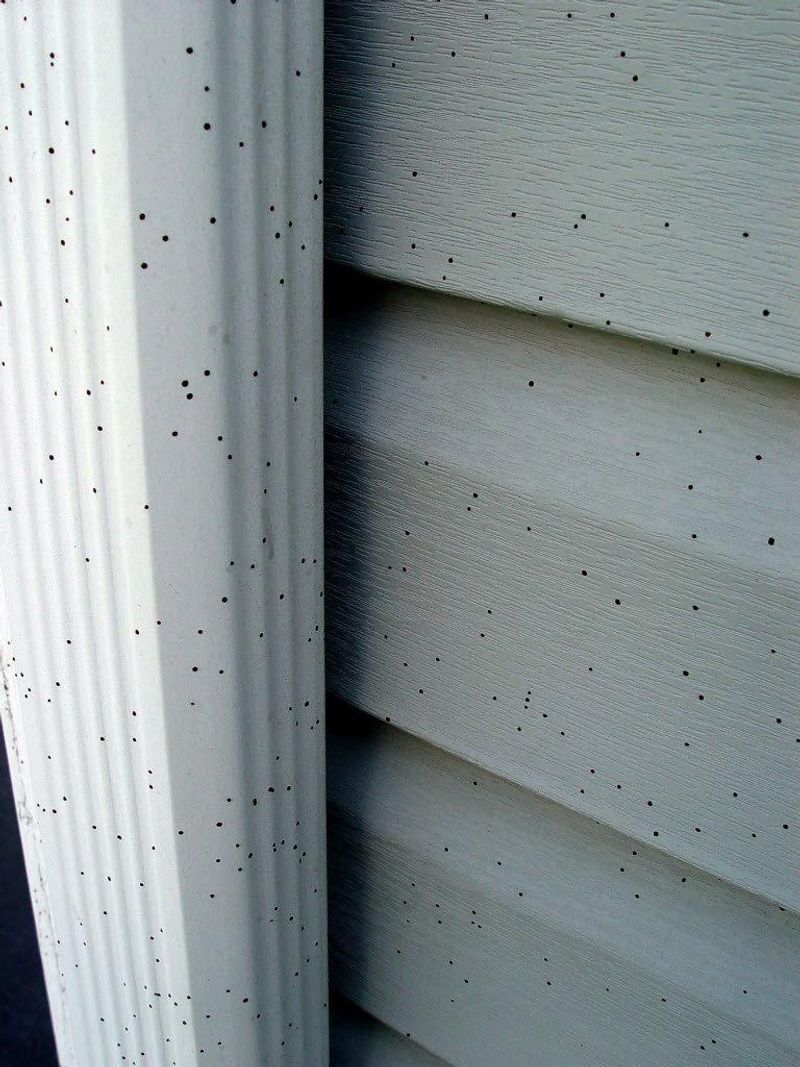
Grab a magnifying glass and look closely at one of those dots. You’ll see a smooth, shiny, slightly raised blob that looks like a speck of tar glued to the paint.
Each one is a spore mass from artillery fungus, a tiny wood-decaying organism in the genus Sphaerobolus. It lives in damp, rotting wood mulch, and it is so small that most people walk right past it. The cups it grows are often only about one-tenth of an inch wide, roughly the size of a mustard seed.
What makes it famous is how it travels. The fungus does not drift on the breeze like many others. It launches its spores in a little sticky packet, aiming at whatever catches the light.
That explains why the dots cluster on the lower parts of homes near mulch beds. Light-colored siding, windows, gutters, cars parked close by, and even patio furniture can end up speckled.
The specks are a cosmetic problem, not a health threat. Extension specialists say artillery fungus does not harm people, pets, or plants, and it does not rot your siding. It is simply a very stubborn eyesore with surprisingly good aim.
Tiny Fungus Cups In Wood Mulch Work Like Miniature Cannons
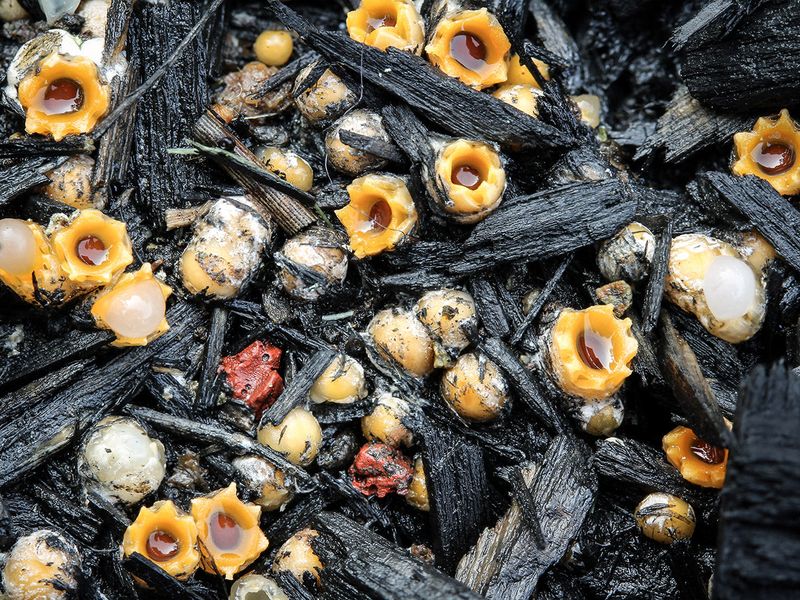
Nature built a catapult, then shrank it down to the size of a sesame seed. Kneel by a damp mulch bed in spring and you might spot clusters of tiny cream to orange cups, each holding a single dark ball.
Inside every cup, a thin layer of tissue builds up water pressure. When conditions are right, that layer suddenly flips inside out like a pop-up toy. The flip flings the sticky spore ball, called a peridiole, out of the cup at high speed.
Penn State researchers report these balls can travel many feet, with some estimates reaching up to 20 feet sideways and several feet high. Not bad for something you can barely see.
Light plays a big role here. The cups tend to tilt toward bright light, which is why pale or reflective surfaces get hit most often. A sunny white wall above a mulch bed makes an easy target.
Temperature matters too. The fungus is most active during cool, moist spring and fall weather. Very hot, dry summer weather usually slows the launches down, which is why outbreaks feel seasonal.
Fresh Spots On Vinyl Siding Come Off Easier Than Old Ones
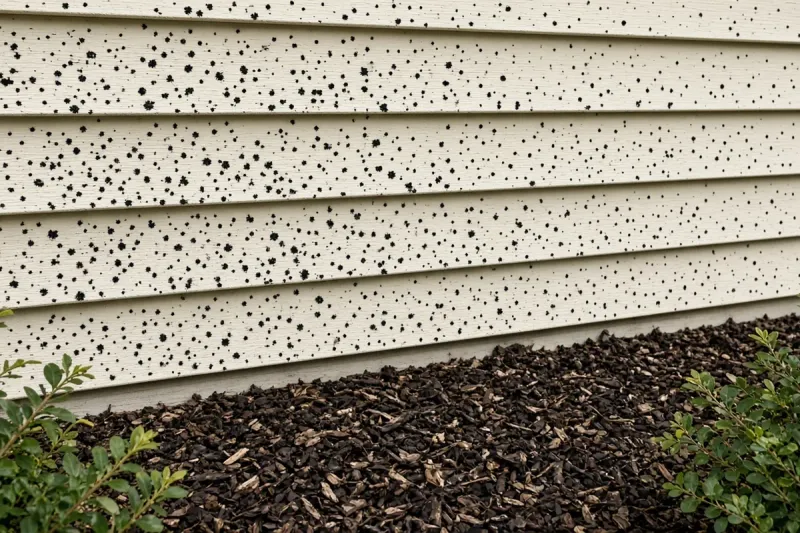
I learned the hard way that waiting is the worst plan. Those dots seem to tighten their grip a little more every week they sit on your house.
Once a spore ball lands, its outer coating dries and hardens into something Penn State plant pathologists have compared to super glue. Older spots often leave a faint brown stain even after the bump is gone.
Act quickly when you notice new specks. Many cleaning pros suggest working within the first few weeks, while the bond is still softer. A plastic putty knife, a soft nylon brush, or even a fingernail can lift individual dots.
Warm, soapy water helps loosen them a bit. Work slowly and test any cleaner on a hidden patch first, since harsh scrubbing can dull vinyl or scratch paint.
Skip the high-pressure blast. Power washing rarely removes cured spots, and it can damage siding, force water behind panels, or strip paint before the dots budge.
For heavily speckled walls, some homeowners accept partial improvement or eventually repaint or replace badly marked panels. Cars usually clean up better, since automotive clay bars and careful detailing can lift many spots from glossy paint.
Shredded Hardwood Mulch Is The Artillery Fungus Favorite
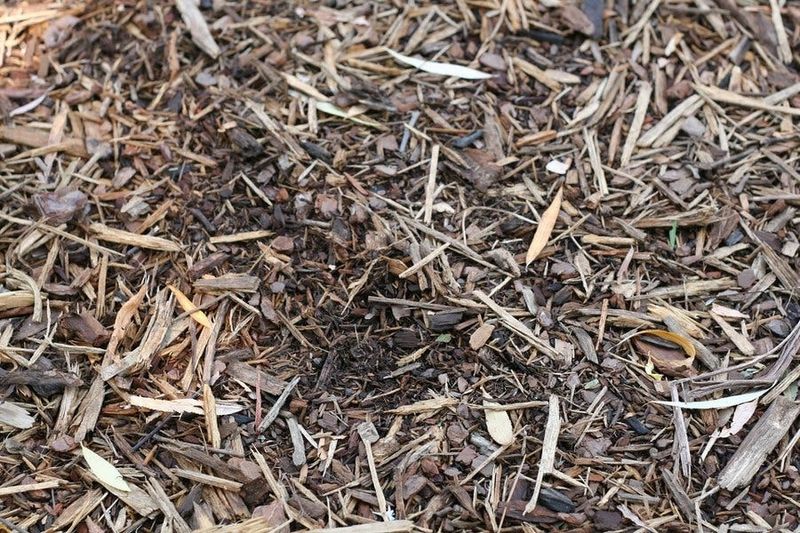
Call me stubborn, but I loved my finely shredded hardwood mulch for years. It looked tidy, smelled earthy, and was cheap by the truckload.
Unfortunately, artillery fungus loves it too. Research from Penn State found that fine hardwood mulches, especially older or partly decayed loads, tend to support more fungus activity than many other materials. Ground-up wood offers plenty of moisture and food.
Shade adds to the trouble. Beds on the north side of a house stay damp longer, giving the fungus a cozy spot to settle in and multiply. Thick layers that hold water for days make things even easier.
Indiana weather fits its preferences nicely. Cool, wet springs and mild, rainy autumns line up with the fungus’s peak activity in much of the state, from the lake-effect north to the hills down south.
Mulch quality varies from load to load. Material that has been sitting in big piles or contains bits of recycled wood may already be decaying when it reaches your yard.
None of this means hardwood mulch is a bad choice everywhere. It simply makes sense to think twice about using it right against bright siding.
Pine Bark Nuggets And Stone Mulch Give The Spores Fewer Chances
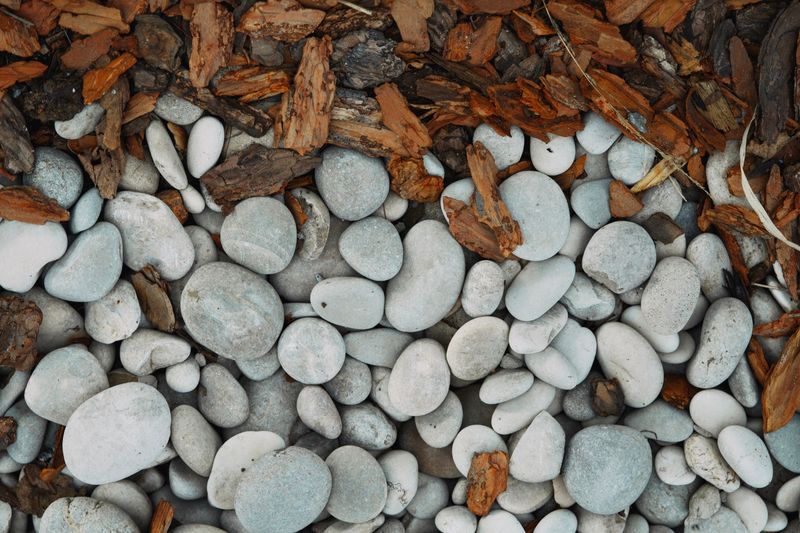
Switching mulch was the best gardening decision I made last year, and my siding agrees. Some materials simply make poor homes for artillery fungus.
Penn State testing found that large pine bark nuggets showed lower fungus activity than many shredded wood products. Shredded cypress mulch also tended to perform better. Pine straw is another useful option, especially around acid-loving plants like rhododendrons.
Bigger pieces dry out faster between rains, which makes life harder for the fungus. Keep in mind that lower risk does not mean zero risk.
For beds that hug the house, stone gives the strongest protection. River rock, pea gravel, and crushed stone offer no wood for the fungus to feed on. Stone can get hot in summer sun, so pair it with tough, heat-tolerant plants.
Rubber mulch also avoids the fungus, though some gardeners dislike how it breaks down or smells on hot days. Living groundcovers are another lovely choice.
Native options such as wild ginger, golden ragwort, or sedges can fill shady beds beautifully. Skip English ivy and wintercreeper, which are invasive and spread well beyond where you plant them.
Raking And Topping Off Mulch Beds Can Calm Things Down
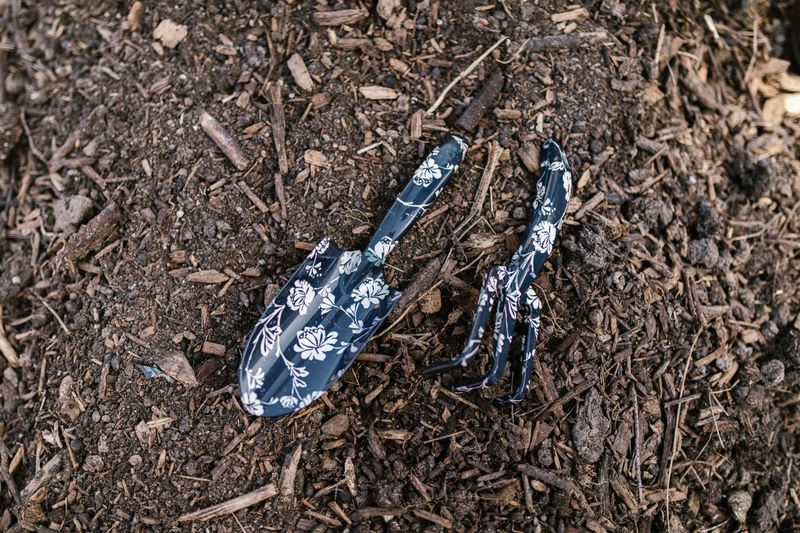
My knees have opinions about raking, but this chore really pays off. A little regular attention can make your beds much less welcoming.
Penn State researchers found that blending in about 40 percent spent mushroom compost helped suppress artillery fungus in tests. Many gardeners also rake and turn existing mulch now and then to break up the fungus and dry the top layer.
Keep the depth reasonable. Two to three inches is plenty for most beds, and thinner layers dry faster after storms. Pull mulch a few inches away from foundations and plant stems too.
Topping off with a fresh layer each year helps bury older, decaying material where the fungus thrives. Just avoid letting depth pile up year after year.
Already have a badly infested bed? Removing the old mulch is often the best move. Bag it and send it out with yard waste, rather than spreading it elsewhere in your landscape.
Fungicides are not a practical answer for home landscapes. No product is labeled to reliably control artillery fungus in mulch, so smart mulch management remains the go-to approach.
A Quick Spring Walk Around Your Siding Saves Plenty Of Scrubbing
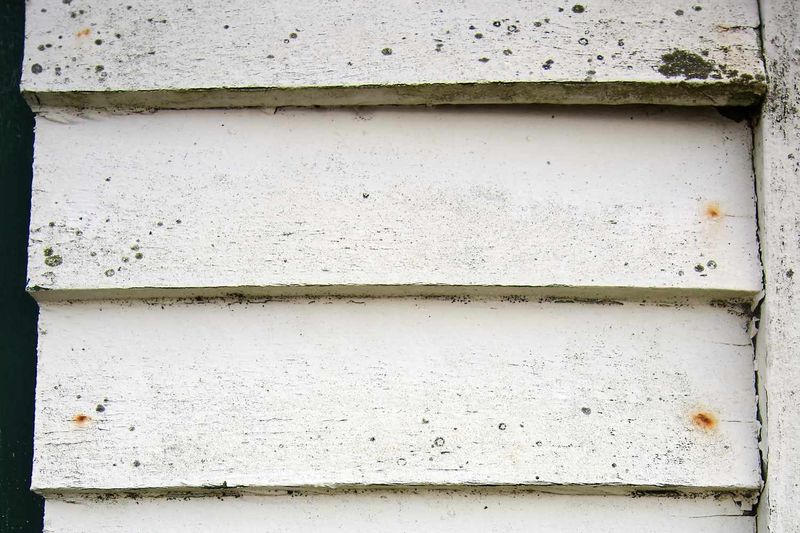
Trust me on this one: a five-minute stroll beats a five-hour scrubbing session. Catching fresh spots early makes every other step easier.
Make it a habit during cool, damp stretches. In Indiana, that usually means spring and fall, especially after a run of rainy days. Check the lower few feet of siding, window glass, downspouts, and any cars parked near mulch.
Look at the mulch itself while you’re there. Those tiny cups and dark balls are easier to spot than you’d expect once you know what to watch for.
Plan bed placement with this in mind too. When adding new landscaping, give bright surfaces some breathing room, or use stone or living plants in the strip closest to the house. Park cars a bit farther from big wood mulch beds when possible.
Above all, keep perspective. Artillery fungus is a nuisance, not a danger, and it actually helps break down wood in nature.
With smarter mulch choices and quick cleanup of fresh specks, most homeowners can keep the problem small. Your siding stays brighter, and your flower beds still look tidy and inviting.