The Florida Snake That Hides in Potted Plants on Cool Mornings
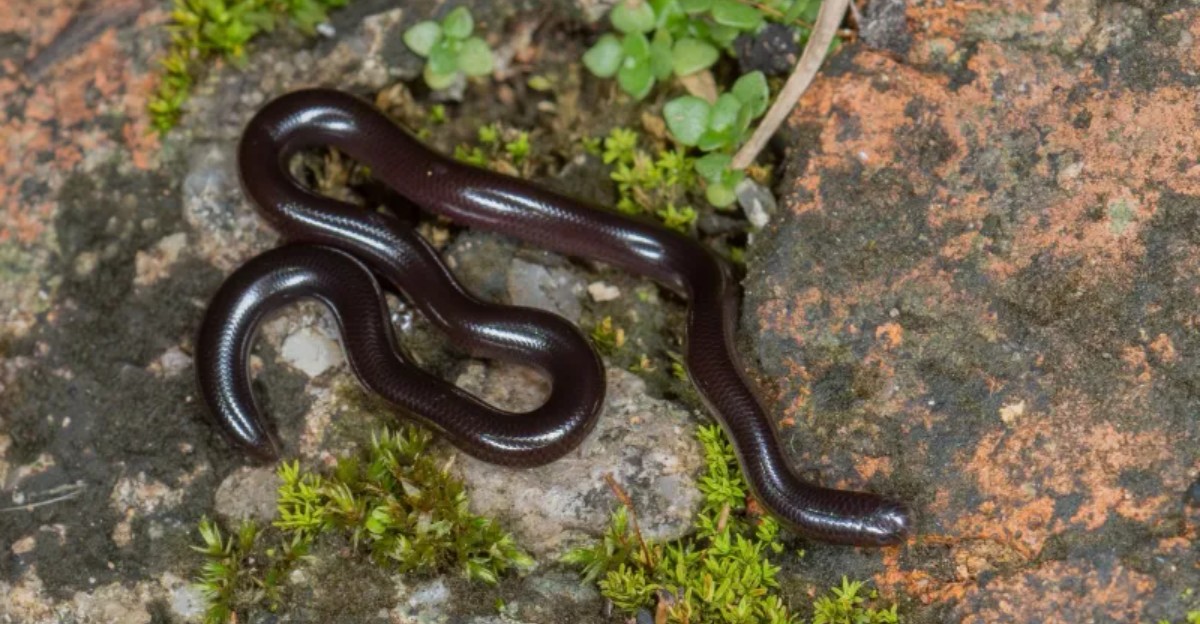
One of the smallest snakes on Earth can ride across oceans tucked inside a single flowerpot. It is shiny, purple-black, and about as thick as a cooked spaghetti noodle.
I still laugh about the first one I found. I lifted a pot of pothos on a chilly morning, and a tiny wriggler shot back into the soil faster than any earthworm I had seen. My brain said worm, but my eyes said something else.
You’re in for a big surprise if you garden in Florida, because this little visitor is far more common than most people realize. Every single one is female, and it has no interest in your fingers.
Personally, I think it might be the most misunderstood helper in the whole backyard.
So who is this tiny tenant, and why does it love your pots so much?
That Shiny Little Worm Under Your Flowerpot Has Scales
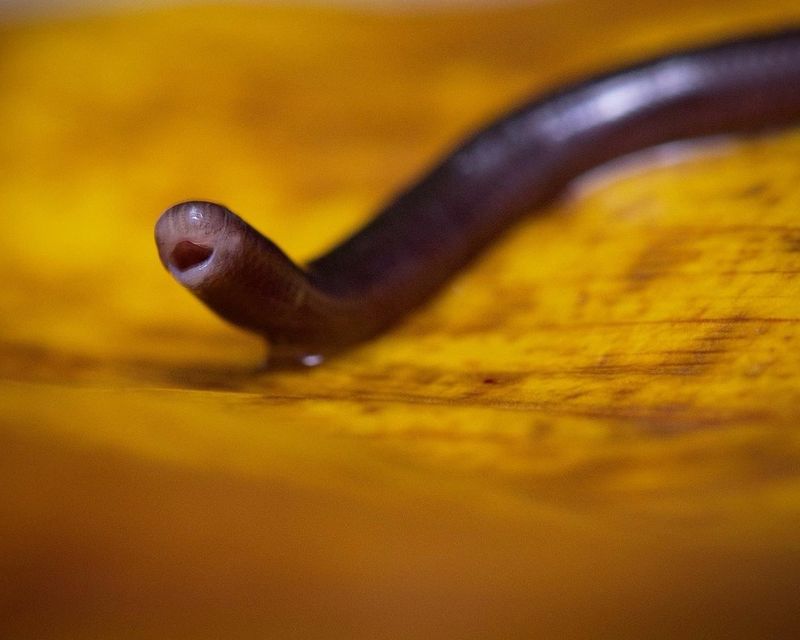
Lift a planter on a crisp winter morning, and you may spot a dark, glossy wriggler zipping back into the soil. Most of us shrug and call it a worm.
Look again, though, because that little critter is wearing scales.
Earthworms are soft, ringed, and a bit slimy. The creature under your pot is smooth, shiny, and moves with quick side-to-side wiggles instead of a slow stretch and squeeze.
That difference is your first big clue that you have met a snake, not a worm.
In Florida, these sightings tend to pop up when gardeners shuffle containers around, repot plants, or clean up patios. The soil gets disturbed, and the tiny resident suddenly has nowhere to hide.
It is a startling moment, but it is also a pretty special one.
I like to keep a magnifying glass on my potting bench for exactly these surprises. A quick look reveals details you would miss with the naked eye, like the even, polished scales and a blunt little head.
Kids love it too, and it turns a boring chore into a mini science lesson.
So before you toss that worm onto the compost pile, pause. You may be holding something far more interesting.
Say Hello to the Brahminy Blindsnake, the Original Flowerpot Snake
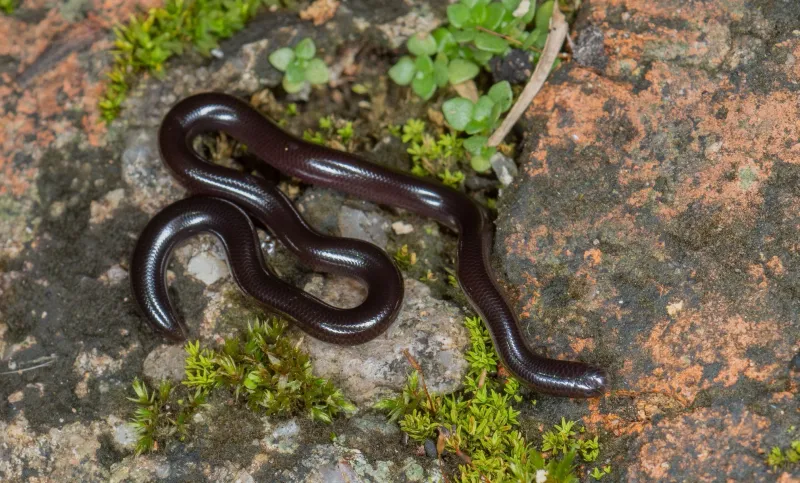
Its official name is the Brahminy blindsnake, or Indotyphlops braminus if you want to impress your gardening club. Folks also call it the flowerpot snake, and the nickname fits perfectly.
It earned that name by hitching rides around the world inside nursery containers.
Scientists believe this snake came from southern Asia. Over many years, it spread to Africa, Australia, Mexico, Hawaii, and the southern United States, mostly through the plant trade.
One shipped palm or houseplant could carry a hidden passenger without anyone noticing.
According to the University of Florida, it was first reported in the Miami area in the late 1970s. Today it shows up across much of the peninsula, especially in the southern and central regions.
Records also continue to appear farther north as potted plants travel.
Here is a fun bit of trivia. The Brahminy blindsnake is often listed as the most widespread land snake on the planet.
That is quite a title for a creature smaller than a pencil.
Since it is nonnative, wildlife experts keep an eye on it. Still, research so far suggests it causes little harm, likely because it mostly eats tiny insects that are already plentiful in soil.
Cool Morning Soil in Your Planters Feels Like a Cozy Blanket
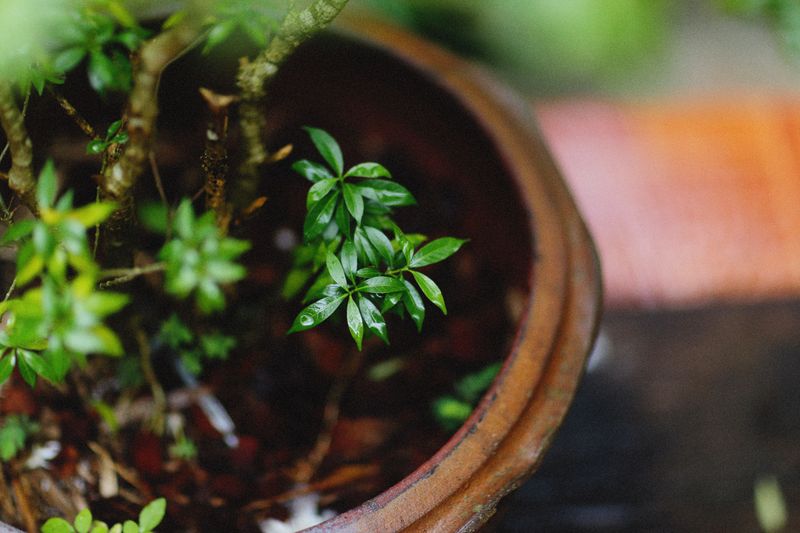
Snakes cannot make their own body heat, so temperature shapes nearly everything they do. A blindsnake living underground follows comfort, slipping up or down through the soil to find just-right conditions.
Potted plants happen to offer a sweet spot.
Container soil is loose, moist, and full of tiny tunnels left by roots. The pot walls block wind, and the soil holds onto warmth and humidity better than bare ground.
On a chilly Florida morning, that makes a planter feel like a snug little room.
Many people notice these snakes in cooler months simply because they handle their pots more. Fall cleanup, winter repotting, and dragging tender plants indoors before a cold front all disturb the soil.
Rainy weather can also push blindsnakes upward, since soggy ground leaves them little air.
To be clear, scientists have not proven that blindsnakes pick pots only on cool mornings. The most supported explanation is that they live in moist, sheltered soil year-round, and cool weather brings more human contact with it.
So when you find one, think of it as a tenant you just woke up. It was resting quietly in a spot that felt safe, damp, and comfortable.
No Fangs, No Fuss From This Harmless Garden Snake
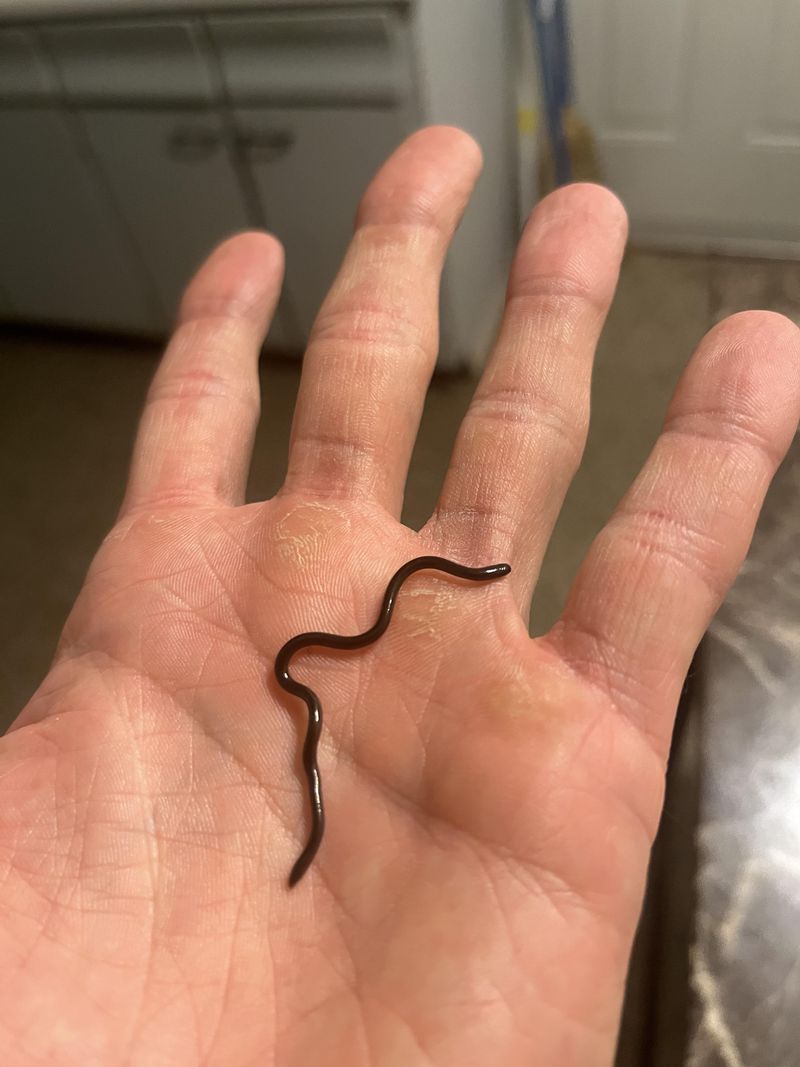
Relax, because this snake is about as threatening as a shoelace. It has no venom, and its mouth is so tiny that biting a person is basically impossible.
Wildlife experts at the University of Florida describe it as harmless to people and pets.
When you pick one up, it usually wiggles hard and tries to push its tail tip into your skin. That tail ends in a small, pointed scale.
It may feel like a light poke, but it cannot break skin or cause harm.
Some blindsnakes also release a musky smell when handled. That odor is simply a defense trick, and it washes off with soap and water.
Otherwise, their main plan is escape, and they can disappear into loose soil in seconds.
Pets may sniff or paw at one, and that is fine. Just guide curious dogs and cats away so the snake has a fair chance to get back underground.
Honestly, I think this is a great snake for nervous folks to meet. It lets you see a reptile up close with zero risk, and it might even soften your feelings toward its bigger cousins.
Spot the Blunt Head and Tiny Eyes That Give It Away
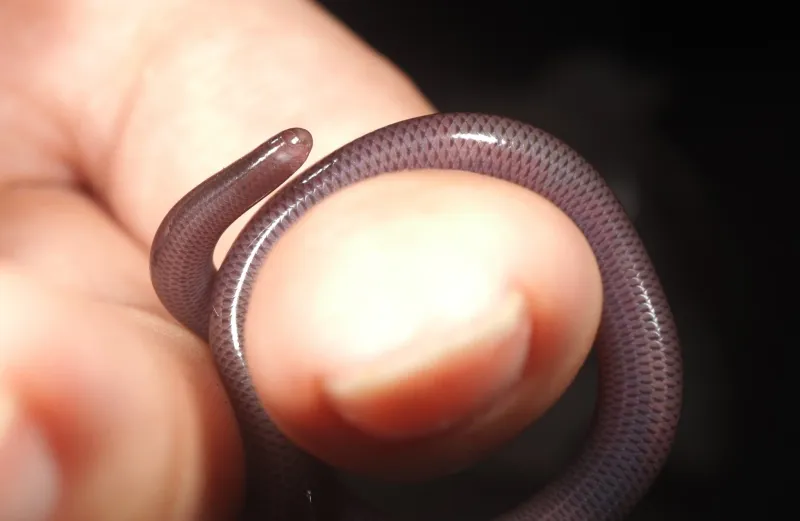
Telling one end from the other is half the fun with this little reptile. Both the head and the tail look rounded and blunt, so the snake can seem like it is going in two directions at once.
Watch which way it crawls, and you will figure it out.
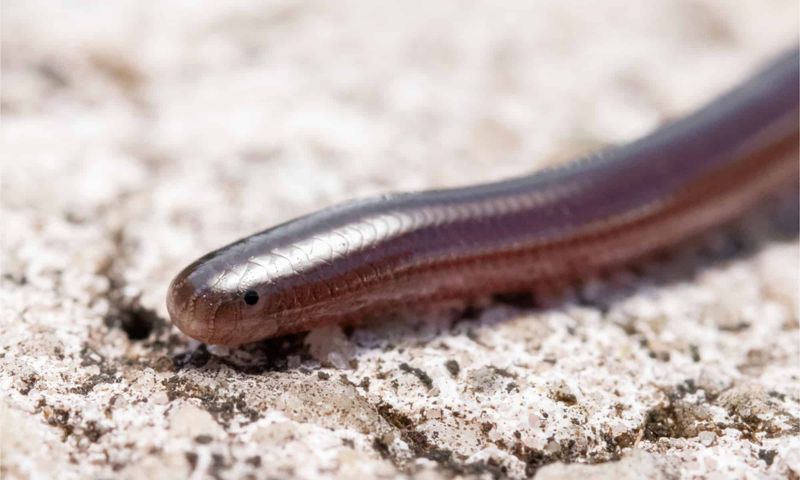
Adults usually measure about 2 to 4 inches long, rarely reaching 6.5 inches. They are dark brown, charcoal, or purplish black, with a glossy shine that almost looks wet.
The snout and tail tip are sometimes a bit paler.
Now check for eyes. You will see only two tiny dark dots tucked beneath head scales.
These eyes sense light and dark, but they do not form clear pictures, which explains the name blindsnake.
Earthworms, by contrast, have visible rings along their bodies and no scales at all. They also feel squishy and leave a slimy trail.
A blindsnake feels smooth and firm, a lot like a tiny strand of polished wire.
Newborns hatch at roughly two inches long and look like bits of black thread. If you spot something that small flicking through potting mix, take a close look before assuming it is a worm or a millipede.
Ant and Termite Babies Are on This Tiny Snake’s Menu
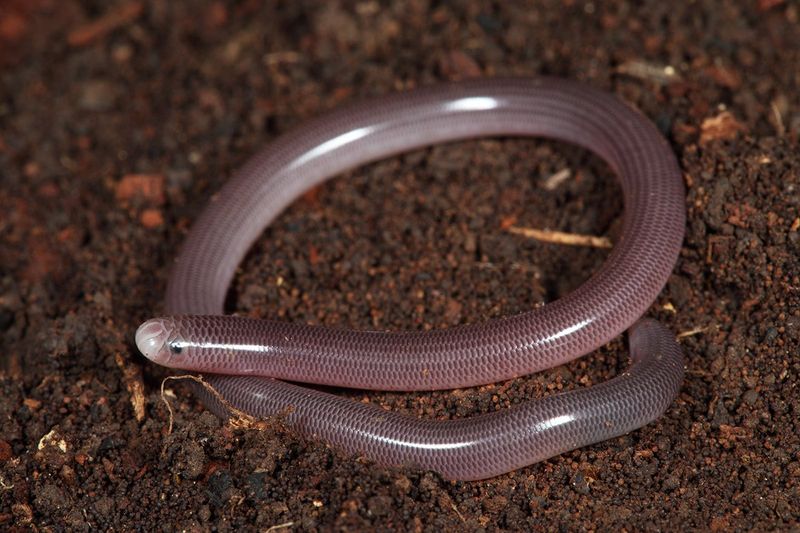
Ever wonder what a snake this small eats? The answer is wonderfully specific.
Brahminy blindsnakes feed mainly on the eggs, larvae, and pupae of ants and termites.
They find meals by following scent trails right into nests. Their slim bodies slip through narrow tunnels, and their smooth scales help guard against angry worker ants.
It is a clever lifestyle for a creature that relies on smell, not sight.
For gardeners, this diet makes them a quiet little helper. They will not clear out an ant problem on their own, so do not count on them to replace proper pest control.
Still, every nibble of young ants and termites is a small bonus for your soil.
Here is a useful tip. If you keep finding blindsnakes in indoor pots or near your home’s foundation, check for ant or termite activity nearby.
The snakes often go where the food is.
Termites deserve a real inspection by a licensed professional, especially in Florida, where they can damage wood structures. I treat a surprise blindsnake as a gentle hint to look around, not as a reason to panic.
Every Flowerpot Snake Is a Girl, and That Changes Everything
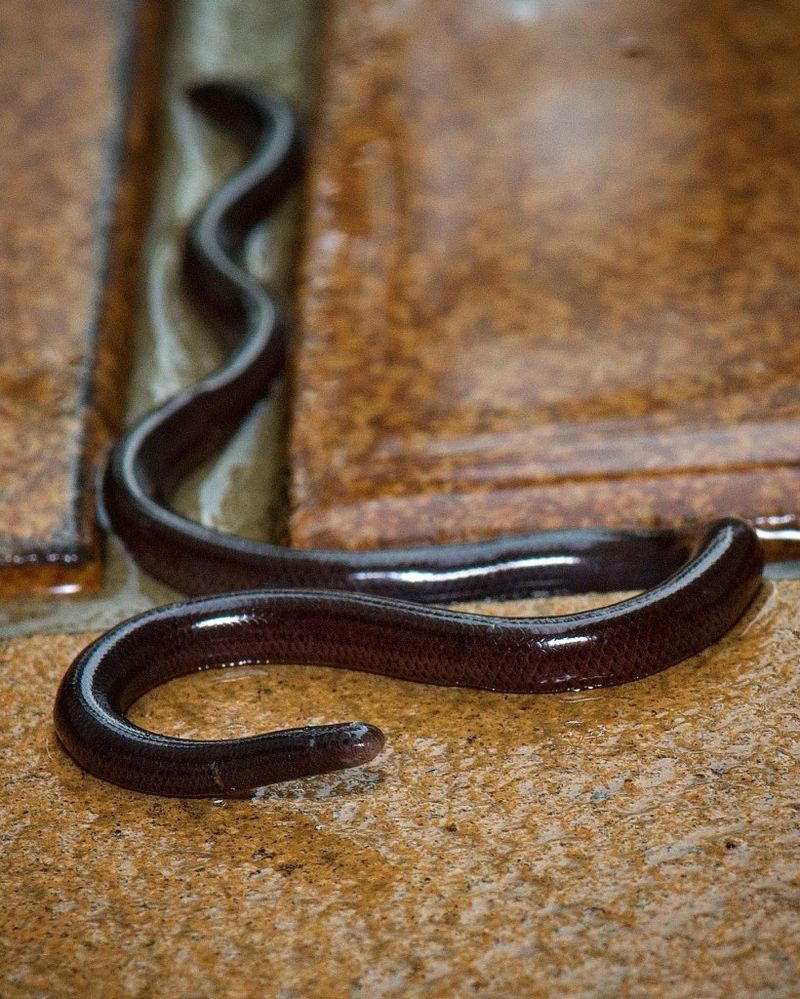
Not a single male Brahminy blindsnake has ever been confirmed. Every known individual is female, and each one can reproduce without a partner.
Scientists call this parthenogenesis.
A mature female lays a small clutch of tiny eggs, often around two to seven. The babies hatch as near-perfect copies of their mother.
Once grown, each daughter can start the process all over again.
Researchers believe this species carries three sets of chromosomes instead of the usual two. That unusual setup is linked to its all-female lifestyle.
It is a rare trait among snakes, which makes this species a real standout in the reptile world.
Now think about what that means for travel. A single snake hidden in one nursery pot can begin a whole new population wherever that pot lands.
No mate needed, no search for company, just one determined little traveler.
That ability helps explain how this snake spread across the globe so successfully. It also shows why checking new plants before bringing them home is a smart habit.
You might be carrying a founding mother along with that lovely new fern.
Gently Move That Little Blindsnake to a Mulched Garden Bed
Found one? Take a breath and enjoy the moment, because you just met a true soil specialist.
No sprays, traps, or panic required.
Scoop the snake up with a spoon, a trowel, or your hand, along with a little soil. Place it in a shady, moist spot like a mulched flower bed, a leaf pile, or under a log.
It will vanish underground almost instantly.
If one turns up indoors, it probably arrived in a houseplant or slipped in near a slab. Return it outside, then look over your indoor pots.
Repotting with fresh mix and checking new plants from the store can cut down on surprise guests.
Outdoors, there is no need to remove them. They do not harm plants, roots, or people.
Florida wildlife guidance generally treats them as a low concern, so peaceful sharing works just fine.
Want to help scientists? Snap a clear photo and report your sighting to EDDMapS or iNaturalist.
Those records help track where nonnative species live across the state.
My biggest takeaway is simple. Lift your pots slowly on cool mornings, keep your eyes open, and enjoy one of the strangest little neighbors your garden can host.