9 Things You Should Never Do to Your Ohio Lawn in November
Grass roots keep stretching through cold Ohio soil in November, even after the blades above stop growing much. Your yard may look sleepy from the porch, but plenty of quiet work is happening underground right now.
Cool-season grasses like Kentucky bluegrass and tall fescue store sugars in their crowns to get through winter. Those reserves fuel the first flush of green when spring finally warms Ohio ground again next year.
I have to admit that late fall is when I get lazy about the yard and start daydreaming. Personally, I learned the hard way that a few careless choices now can leave ugly patches come April.
Some of those mistakes feel helpful in the moment, which makes them sneaky for seasoned gardeners like us. Even a few innocent-looking chores can quietly sabotage your grass while it braces for the long cold stretch.
1. Skip Fertilizer Once The Ground Starts Freezing
Fertilizer pellets scattered on frozen ground behave like marbles on a tabletop, rolling around without soaking in anywhere. I love feeding my lawn, but timing matters far more than enthusiasm when the soil turns hard.
Ohio State turf experts note that a late fall feeding can help, as long as grass is still green. That window usually closes in early to mid November, depending on where you live in the state.
Once the soil freezes, roots cannot take up nitrogen, so much of it sits on the surface instead. Winter rain and melting snow can then wash those nutrients into storm drains and nearby streams.
Heavy doses of quick-release nitrogen also push soft leafy growth that handles cold poorly. Tender blades heading into winter are more likely to struggle with snow mold and frost injury later.
You need to check the weather and soil before reaching for the spreader this late in the season. If the grass is still green and the ground is workable, a modest feeding is reasonable.
Read the bag carefully and follow the label rate, because more product does not mean better results. Keep granules off sidewalks and driveways, sweeping strays back onto the lawn where they belong.
Personally, I would rather miss a feeding than waste money on fertilizer that ends up in the creek. Your grass will happily wait for a spring meal once the soil wakes up again.
2. Thick Mats Of Fallen Maple Leaves Smother The Grass
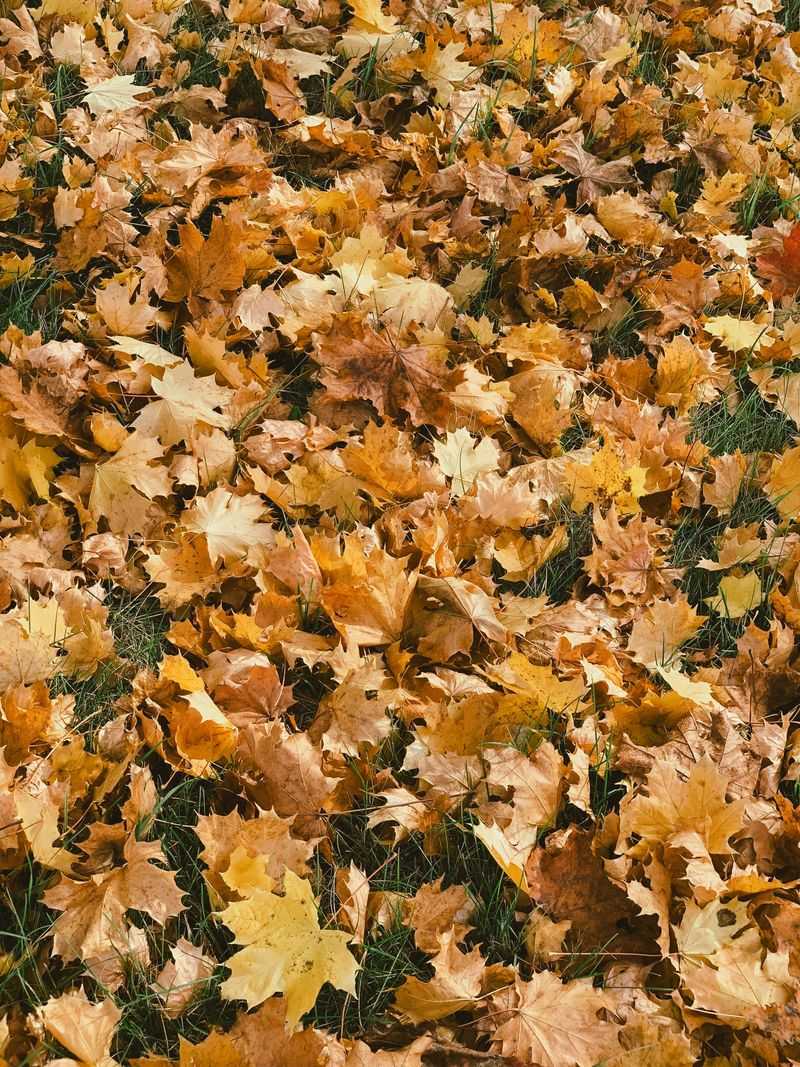
A soggy blanket of maple leaves looks cozy, yet the grass underneath is sitting in the dark. I can’t imagine sleeping under a wet quilt all winter, and your turf feels much the same.
Thick leaf mats block sunlight that grass still uses on mild days to make and store food. They also trap moisture against the blades, which creates a damp home for snow mold over winter.
Gray and pink snow mold show up as matted, crusty circles once the snow melts in early spring. Both diseases favor lawns that stayed wet and covered for long stretches during the cold months.
Raking is fine, but your mower can do the heavy lifting with far less sweat and fewer blisters. Run over the leaves a few times until the pieces are about the size of a dime.
Those shredded bits slip down between the grass blades and break down over the coming months. Research from Michigan State found mulched leaves can feed soil life without hurting healthy turf.
If the layer is too deep to mulch, bag some leaves or move them to your garden beds. Vegetable beds and compost piles welcome them as free organic matter for next season.
You might notice the lawn greens up faster in spring when it was not buried all winter long. Checking for leaf piles after every windy week keeps the job small and manageable.
3. Scalping The Lawn With A Super Short Final Mow
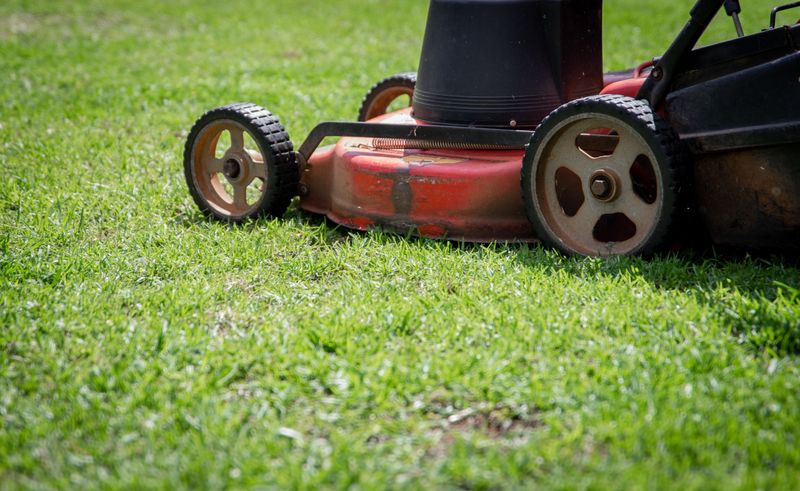
Buzzing the lawn down to a putting green height feels tidy, but your grass pays the price later. Short blades leave crowns exposed, and those crowns hold the energy the plant needs for spring.
Most cool-season lawns in Ohio grow best at about three to four inches during the main season. For the final mow, many experts suggest easing down to roughly two and a half inches.
That slightly shorter cut helps reduce matting under snow, which lowers the chance of snow mold patches. Going much lower than that strips away too much leaf and weakens the plant heading into winter.
Stick with the one-third rule, which means removing no more than a third of the blade at once. If your grass is four inches tall, take off a little over an inch and stop.
Lower the deck gradually over your last two or three mowings instead of dropping it all at once. I like how this slow approach keeps the lawn looking neat without shocking the plants.
Sharpen your mower blade before that last cut so it slices cleanly rather than tearing the tips. Ragged, shredded tips turn brown quickly and can give disease an easy place to start.
Wait until the grass is dry before mowing so clippings spread evenly instead of clumping in wet piles. After that final pass, clean the deck and store the mower until spring rolls around.
4. Frosty Footprints Leave Brown Tracks On The Lawn
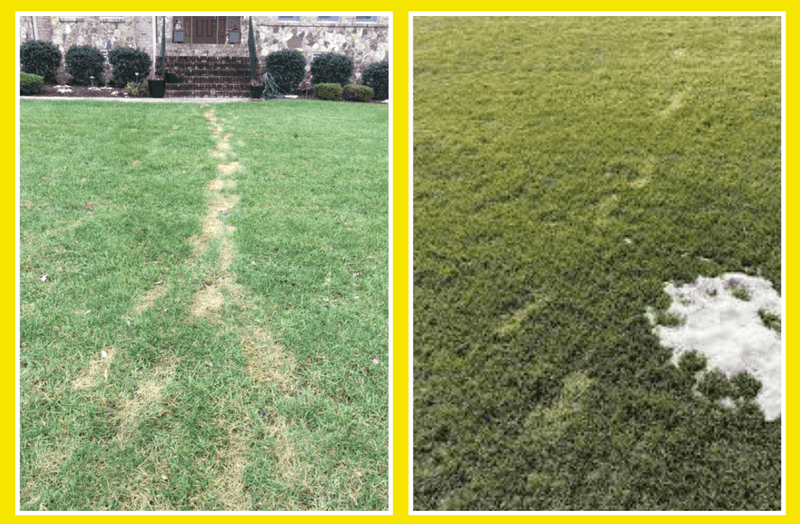
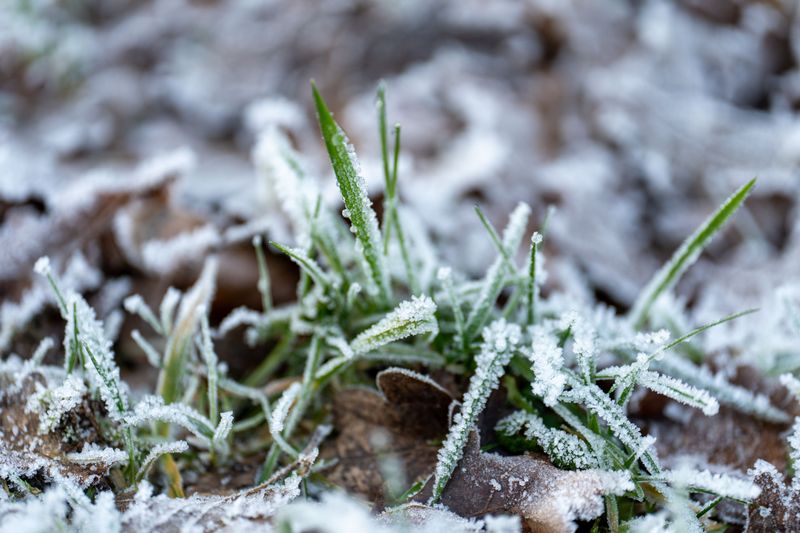
Frosted grass crunches under your boots like breakfast cereal, and every crunch is a blade snapping. What surprises me most is how clearly those footprints can still show up weeks later.
Ice crystals form inside and around the leaf tissue when temperatures dip below freezing overnight. Frozen blades lose their bend, so pressure from feet or tires cracks them instead of pressing them flat.
Damaged leaves turn brown in the exact shape of your path, almost like a map of your morning. Grass in a sleepy state recovers slowly, so those marks may linger until spring growth arrives.
You need to wait until the sun melts the frost, which often happens by late morning. A quick look at the lawn before heading out can save you from leaving a trail.
Kids and pets love racing across a sparkly white yard, so set up an easy alternate route. Stepping stones or a short mulch path near the back door can steer traffic away from tender spots.
Vehicles cause even more trouble because heavy tires crush crowns and compact the soil at the same time. Park trailers and wheelbarrows on the driveway rather than cutting corners across the grass.
Personally, I treat frosty mornings as a perfect excuse to sip something warm and admire the view. The lawn looks gorgeous glittering in the sunrise, and it stays healthier when left alone.
5. Spraying Broadleaf Weeds In Cold Weather Rarely Works
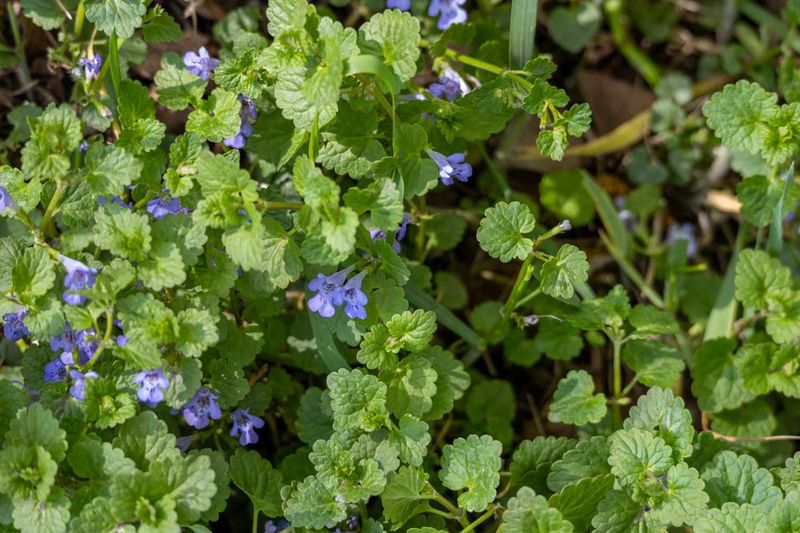
Dandelions and creeping Charlie can look stubborn in late fall, tempting you to grab the sprayer one more time. Unfortunately, cold weeds are not hungry, so they barely absorb what you spray on them.
Broadleaf herbicides work by moving through the plant along with the sugars it sends down to its roots. That process slows sharply as temperatures drop, so the product sits on the leaves doing little.
Extension specialists generally point to September and October as the best weeks for fall weed control. During that stretch, weeds are actively storing food, which pulls herbicide deep into the root system.
By late November, especially in northern Ohio, that useful window has usually closed for the season. Many labels also list minimum temperatures, often around fifty degrees, for good results.
Spraying anyway can waste money and leave extra chemicals sitting in the landscape all winter. Rain and melting snow may carry some of that product toward nearby ponds and storm drains.
Instead, jot down where the worst patches are so you remember them next year. I keep a simple sketch on my phone, which makes spring and early fall treatments much faster.
Hand pulling still works on mild days when the soil is soft enough to release the roots. A thick, healthy lawn is also one of the best long-term ways to crowd weeds out naturally.
6. Core Aerators Belong In The Shed Until Next Fall
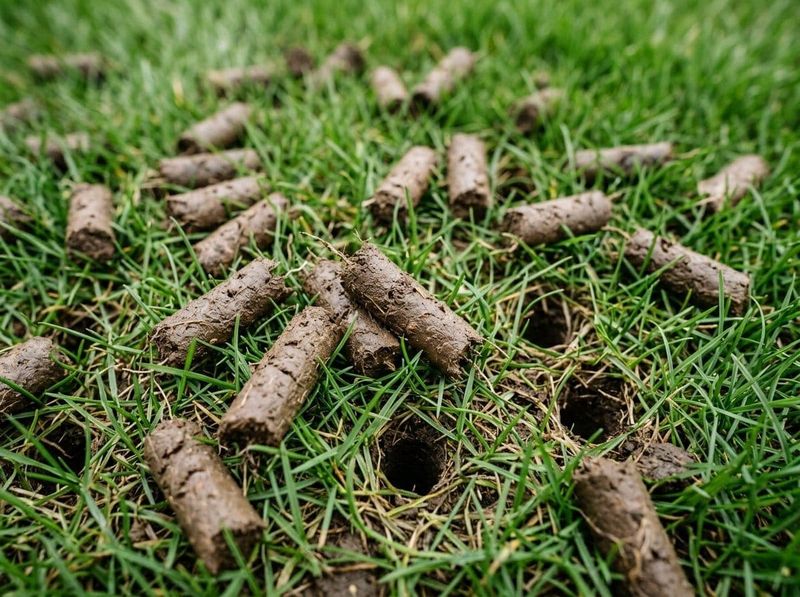
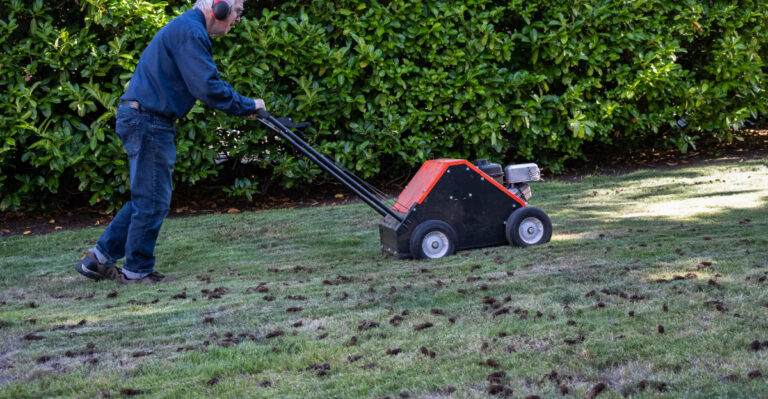
Pulling soil plugs with an aerator feels productive, and those little cores scattered everywhere look oddly satisfying. Late in the year, though, the grass simply lacks time to heal around all those holes.
Core aeration works best from late August through early October while roots are still actively growing. During that period, grass quickly fills the openings and takes advantage of the looser soil.
In cold, soggy ground, aerator tines can smear and compact the soil instead of opening it up. Frozen soil is even worse, since the machine may bounce across the surface and strain its parts.
Dethatching brings its own problems this late because it rips out living grass along with the debris. Torn turf heading into winter loses protection, and exposed crowns can dry out in harsh winds.
I believe patience pays off with these jobs, because the lawn rewards good timing with thicker growth. Mark your calendar for next late summer so you remember before the busy fall rush.
You can still check thatch now by cutting a small wedge of turf with a garden trowel. A spongy brown layer thicker than about half an inch suggests dethatching should be on next year’s list.
Heavy clay soils, common across much of the state, usually benefit most from regular aeration. Planning the work for early fall gives those roots room to breathe before the next growing season.
7. Fresh Grass Seed Struggles To Sprout In Cold Soil
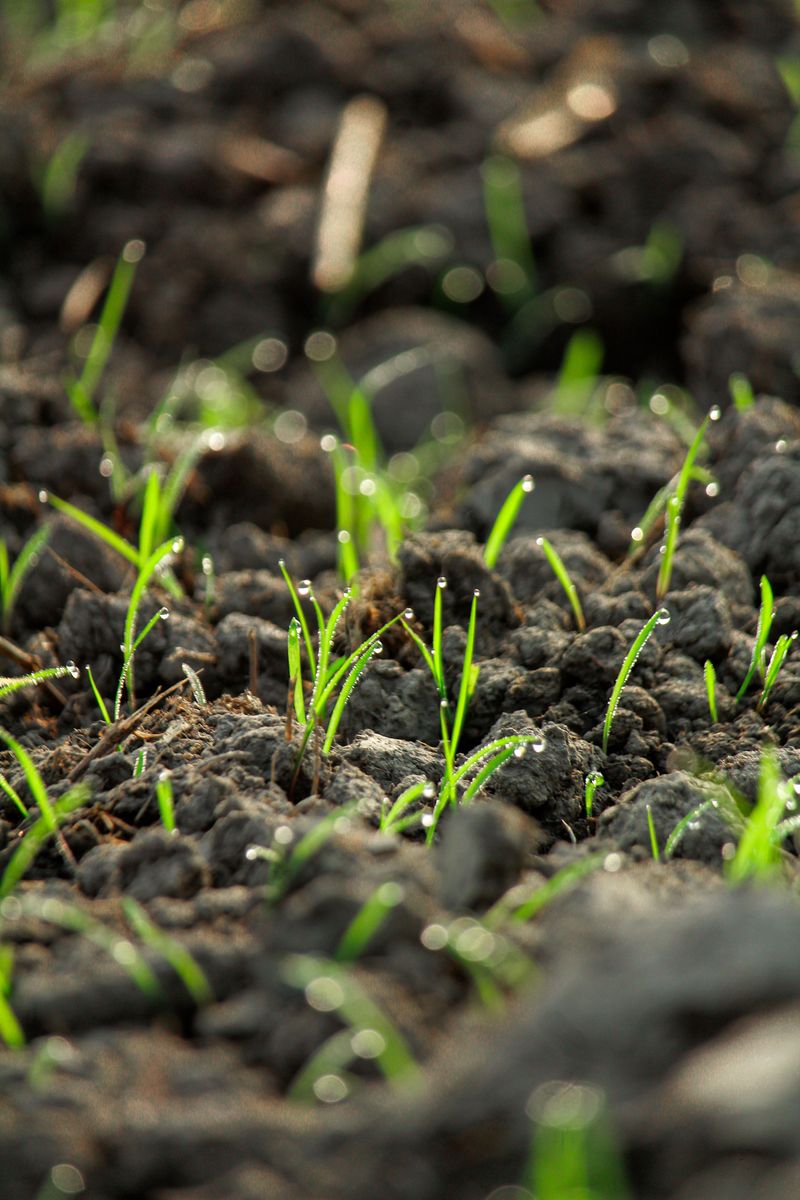
Throwing grass seed on bare spots in late fall feels hopeful, like planting a promise for next year. Sadly, most of that seed will sit there or sprout weakly before cold weather arrives.
The best seeding window for cool-season grass in Ohio runs from mid-August into early October. Warm soil and cool air during those weeks help seedlings root deeply and toughen up before winter.
Seed that sprouts in November often produces tiny, tender plants without enough roots to hold on. Freezing and thawing can heave those babies right out of the soil, leaving them to dry up.
Dormant seeding is the one exception, and it works differently from regular fall planting. You spread seed when soil is too cold for germination, so it waits quietly until spring warmth arrives.
Freeze and thaw cycles help work the seed into the soil surface over the winter months. Results are usually not as strong as early fall seeding, but it can help patch thin spots.
If you try it, rake bare areas lightly first so the seed makes good contact with the soil. Avoid using crabgrass preventer in those spots next spring, because it can stop new grass seedlings too.
I have to admit I find dormant seeding fun, almost like hiding a surprise for spring. Just keep expectations realistic and plan a backup seeding for late summer if needed.
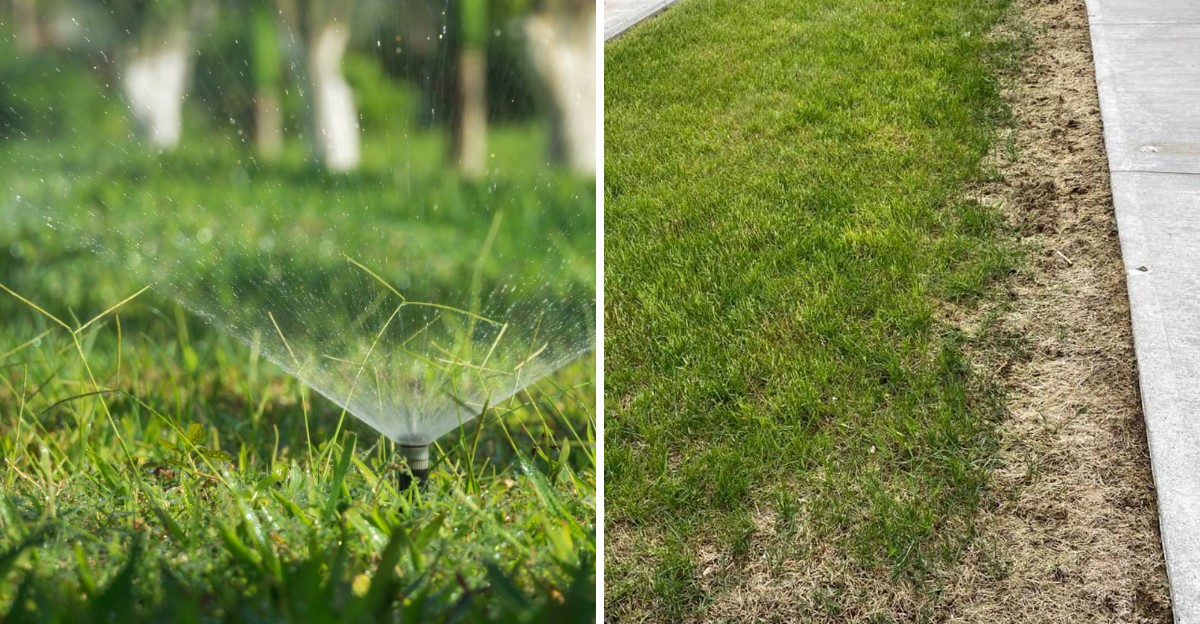
8. Lawn Sprinklers Can Take A Break After The Hard Freeze
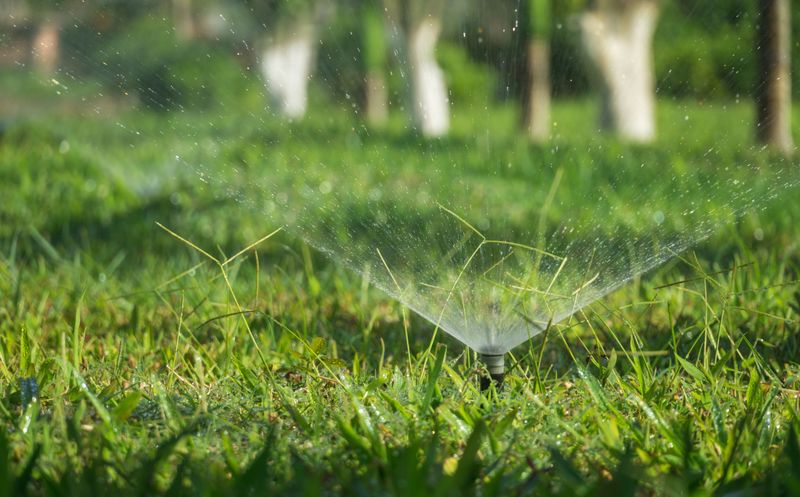
Sprinklers ticking on a frosty morning can glaze sidewalks with ice and soak a lawn that barely needs it. Cooler weather means grass loses far less water than it did during summer heat waves.
Soggy soil in late fall encourages snow mold and other fungal problems once the snow cover settles in. Waterlogged ground also holds less air, which leaves roots weaker heading into the coldest months.
Most Ohio lawns get plenty of moisture from November rain, so extra watering is usually unnecessary. Regular irrigation can typically stop after the first hard freeze arrives in your area.
Dry autumns are the exception, and they do happen more often than many people expect. If the soil feels dry several inches down, one deep soaking before the ground freezes can help.
You can test moisture easily by pushing a long screwdriver into the lawn after a few dry weeks. If it slides in smoothly, the soil has enough water, and the hose can stay coiled.
Once watering is done, drain garden hoses and store them in the garage or shed for winter. Shut off outdoor faucets from inside and blow out irrigation lines so frozen water does not crack pipes.
I like how this small chore protects both the lawn and the plumbing at the same time. Spring repairs on burst sprinkler heads are rarely cheap, and nobody enjoys digging up frozen pipe.
9. Rock Salt Burns The Grass Along Sidewalks And Driveways
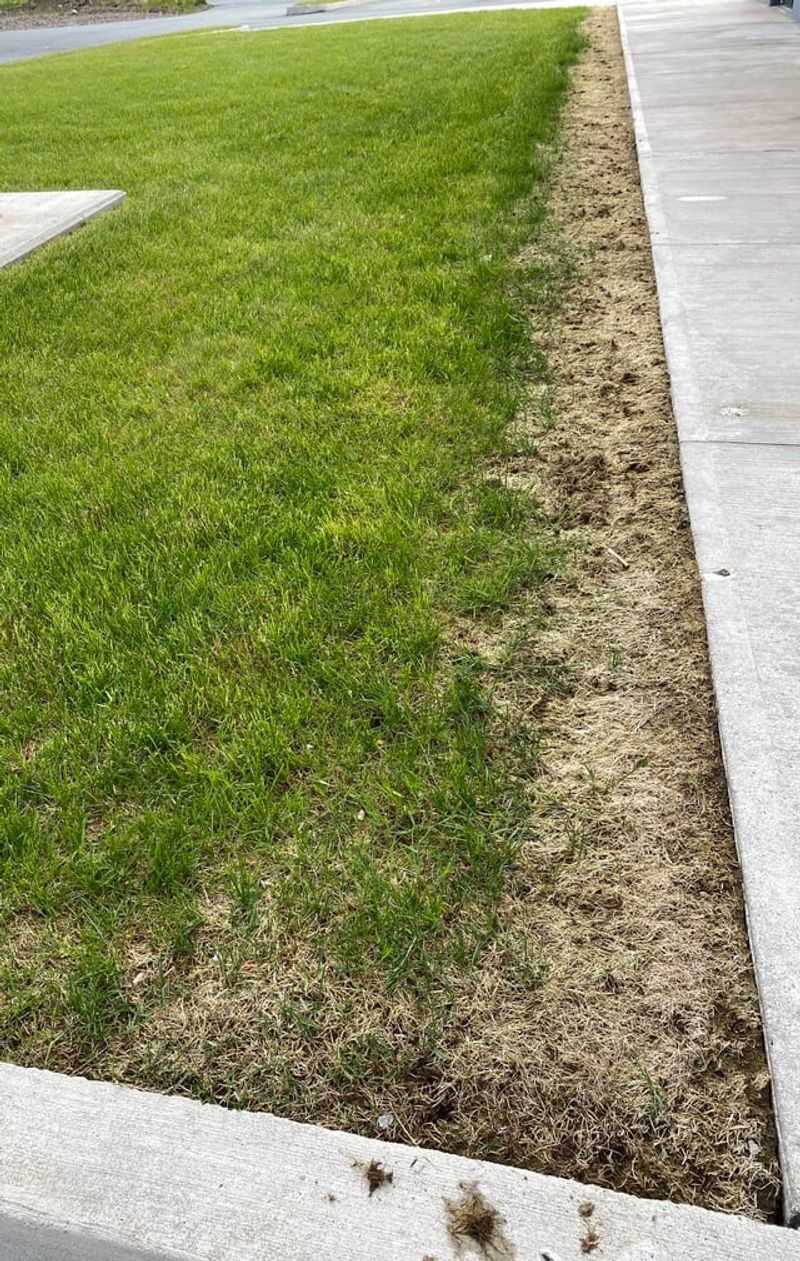
Every spring, you might notice a crispy brown strip of grass hugging the edge of the driveway. That stripe often traces right back to the bag of rock salt used during winter storms.
Sodium chloride pulls moisture away from grass roots, so plants dry out even when the soil is wet. Salt also builds up in the soil over time, harming soil structure and making regrowth harder.
Shoveling snow loaded with salt onto the lawn spreads the problem even farther into the yard. Plow spray from busy streets adds more, which explains why curbside grass often looks the roughest.
Calcium chloride and magnesium chloride are generally gentler on plants when used carefully and sparingly. They still count as salts, so the label rate matters just as much as with rock salt.
Sand or fine grit offers traction without any salt at all, and it is cheap and easy to find. Personally, I keep a bucket of grit by the steps for icy mornings when melting is not essential.
Shovel early and often so less ice forms, which cuts down on how much product you need. Pile snow away from the grass edges whenever possible, especially near spots that browned last year.
If salt damage appears in spring, soak those strips deeply with water to flush salt below the root zone. Reseeding with a salt-tolerant fescue blend can help the edges bounce back faster.