What It Really Means When Robins Flock To Your Texas Yard In November
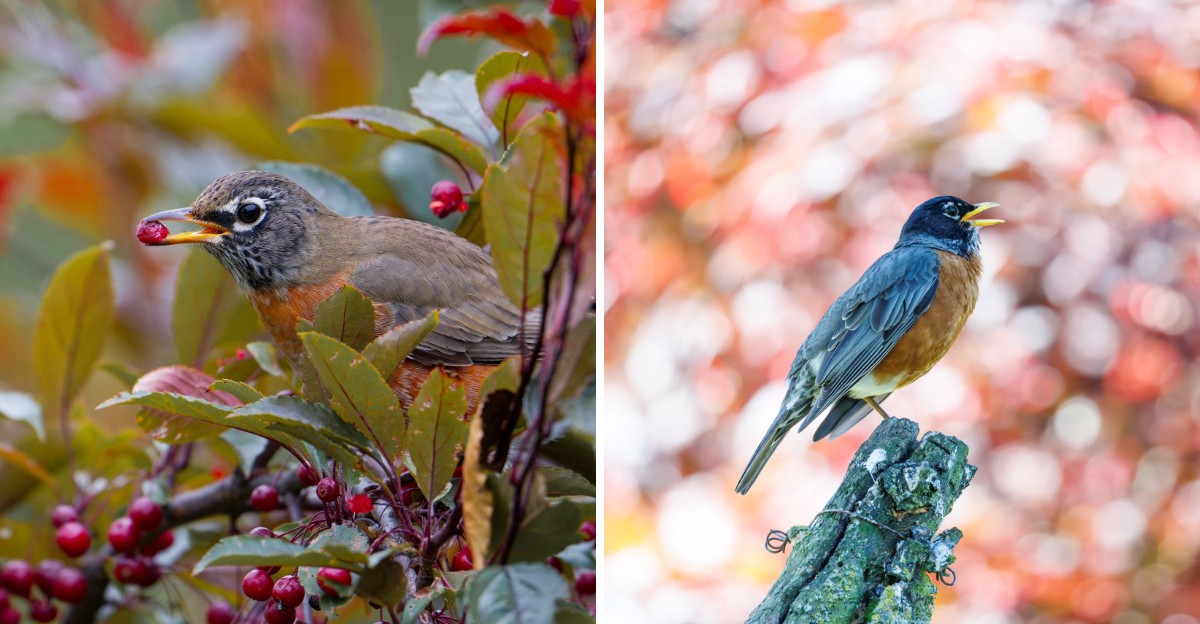
A single winter roost of these birds can hold tens of thousands of them, all packed into one patch of trees for the night. That fact stopped me in my tracks the first time I read it.
One morning you have a quiet lawn. The next, your holly bush looks like a busy diner at lunchtime, with birds hopping, gulping, and squabbling over every red berry.
I like how this scene flips everything we learned as kids about spring arrivals. These visitors are no early spring signal at all, and Texas gardeners see them every late fall.
So why do they show up as a crowd instead of one cheerful bird on the lawn? Why do they ignore the worms and go straight for your shrubs? The answers say a lot about your yard, and maybe more than you expect.
Those Red-Breasted Crowds Arrived Right On Schedule
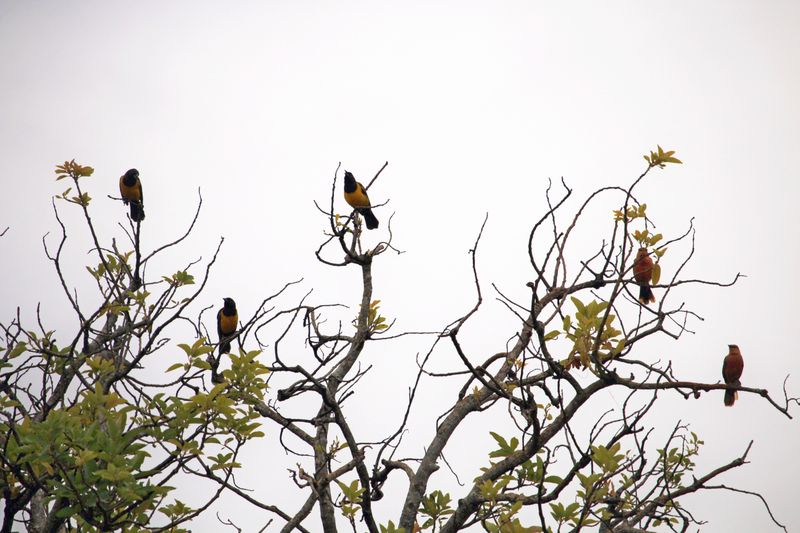
Relax, your calendar is fine. A November wave of robins in Texas is a normal seasonal event, and it happens across much of the state each year.
American robins live in parts of Texas all year, but many more pour in from the north as fall settles in. Cornell Lab of Ornithology notes that robins shift south and into milder areas when the ground up north freezes and worms become hard to reach.
Interestingly, cold air alone is not what pushes them. Robins handle chilly weather well by fluffing their feathers and shivering to stay warm. Food is the real driver, so they go where the menu is good.
That means your yard is not showing a strange warning sign. It is simply part of a winter range that millions of these birds rely on.
I find that comforting. Seeing a crowd of robins in late fall tells you the seasons are turning the way they should.
Numbers can still swing a lot from year to year. A big berry crop or a hard freeze farther north can bring far more birds than usual, while a mild winter up north may mean fewer visitors in your trees.
Berry-Loaded Shrubs Are Pulling Robins Into Your Yard
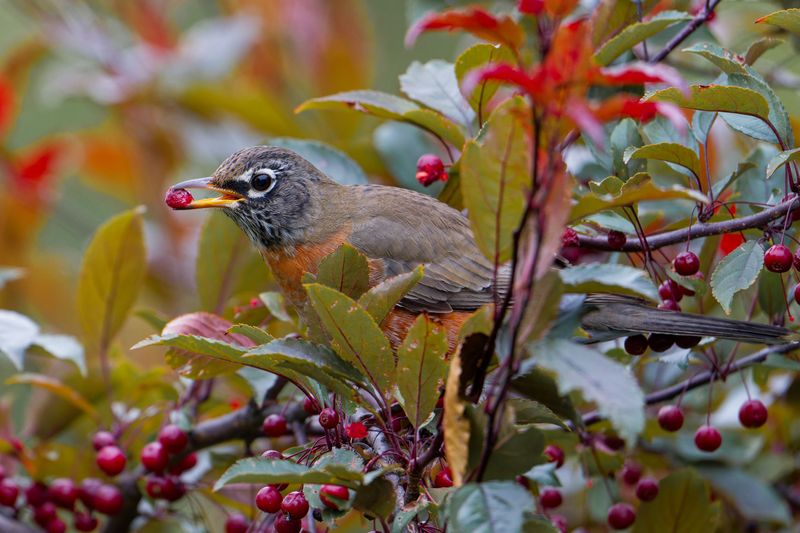
Ever notice robins skipping your lawn and heading straight for the holly? Their diet changes in a big way once fall arrives.
During spring and summer, they hunt earthworms, beetles, and caterpillars. By late fall, insects slow down and worms move deeper, so robins switch to fruit. Studies of their diet show fruit can make up most of what they eat in winter.
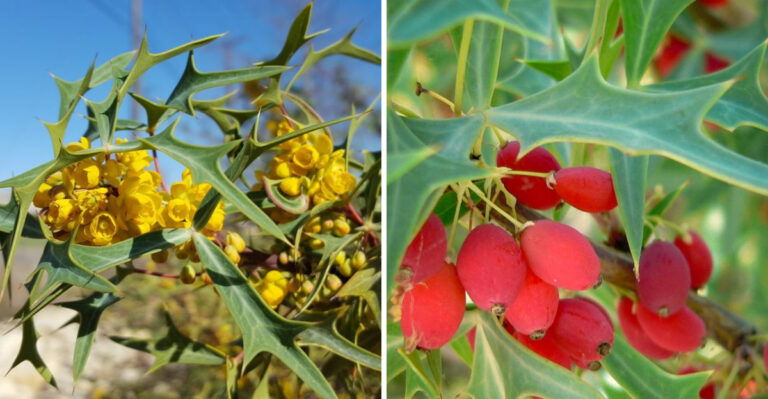
Your yard becomes a stop on their route when it has berries that hang on the branches. In Texas, favorites include yaupon holly, possumhaw, American beautyberry, hackberry, eastern red cedar, and Texas persimmon.
Here is something I love. When a flock finds a loaded shrub, they can strip it clean in a day or two, then move on.
So if your bushes suddenly look bare, the birds did the picking. That is a sign your plants are doing real work for wildlife.
It also gives you a simple clue. The yards with the most fruit-bearing natives often get the biggest crowds, so your berry choices shape your winter bird show more than anything else.
Territorial Summer Robins Turn Into Flock Travelers
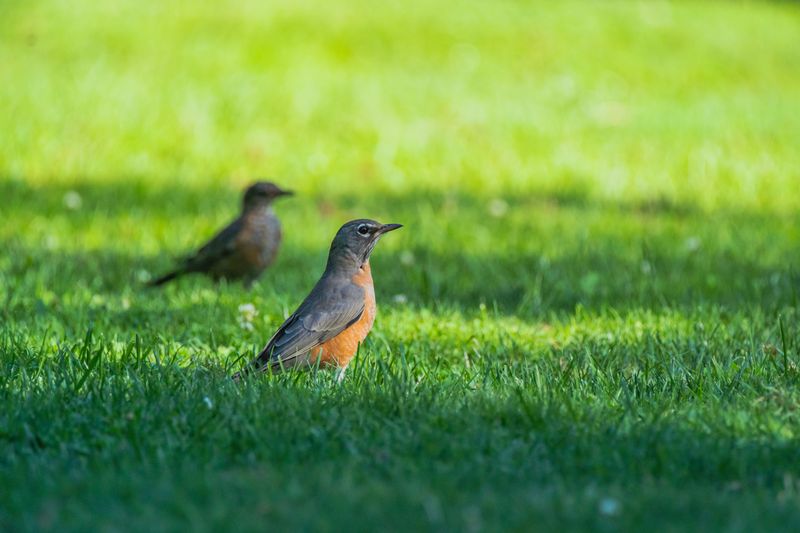
In spring, a male robin will chase rivals off his patch of lawn with real attitude. By November, that same bird is happy to share a tree with dozens of strangers.
Robins drop their territorial habits after nesting season ends. They form loose flocks that wander together, which helps them find food faster and spot hawks sooner. More eyes mean more warnings.
Those groups can get huge. Winter roosts sometimes hold thousands of birds, and some famous roosts have been counted in the tens of thousands.
Flocks usually feed during the day and fly off to roost at night in dense trees. That explains why you might see a swarm in the morning and an empty yard by evening.
Personally, I think this switch is one of the coolest parts of their year. It feels like watching a solo performer join a big band for the winter.
If you spot robins chasing each other at a fruit tree, do not worry. A little squabbling over the best berries is common, even in a friendly winter crowd that travels together.
Wandering Robins Follow The Fruit Instead Of A Map
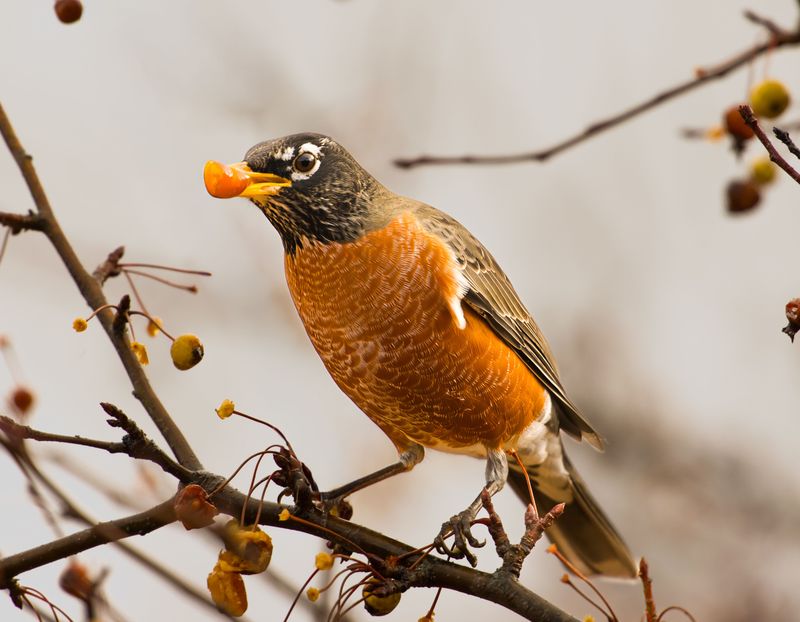
Some birds fly the same route to the same spot every year. Robins are far more casual about it.
Experts describe their winter travel as nomadic. Flocks move from place to place based on where fruit is plentiful, and they leave once supplies run thin. Journey North, a citizen science project, tracks this kind of shifting movement each season.
That flexible style explains a lot. You might host hundreds of robins one November and only a few the next, even if your yard looks the same.
Weather plays a role too. A hard freeze or snowstorm farther north can send fresh waves of birds into Texas within days.
Regional differences matter as well. North Texas, the Hill Country, East Texas, and the Gulf Coast all see winter robins, but timing and numbers can vary with local berry crops and rain.
My advice is to enjoy the visit while it lasts. A flock that empties your shrubs today might be several towns away tomorrow, chasing the next good meal.
Logging what you see on eBird or Journey North also helps scientists track these winter wanderings.
That Quiet Robin Chatter Sounds Different In Fall
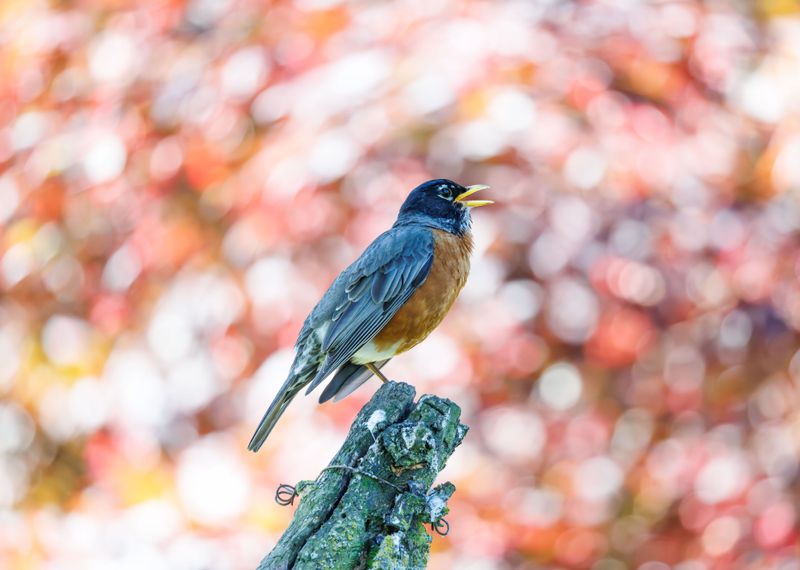
Listen closely next time a flock lands nearby. You will hear clucks, sharp tut calls, and thin whistles, but probably not that cheery spring song.
Male robins sing mainly to claim territory and attract mates. Once breeding ends, the full song mostly fades, and the birds rely on short calls to stay in touch.
That quieter style is one reason robins can seem to appear out of nowhere. They may be roosting or feeding nearby for days before a big group drops into your yard.
A quick tip from my own backyard watching: those rapid tut-tut notes often mean a bird spotted a cat or hawk. When you hear that, look around, because the flock may scatter fast.
You might still catch a bit of song on warm winter days. Some males start practicing early when temperatures rise, which can confuse anyone expecting silence.
Learning a few calls makes winter birding more fun. The free Merlin Bird ID app from Cornell can help you match those clucks and whistles to the bird hiding in your hedge.
Fermented Berries And Busy Windows Can Cause Robin Trouble
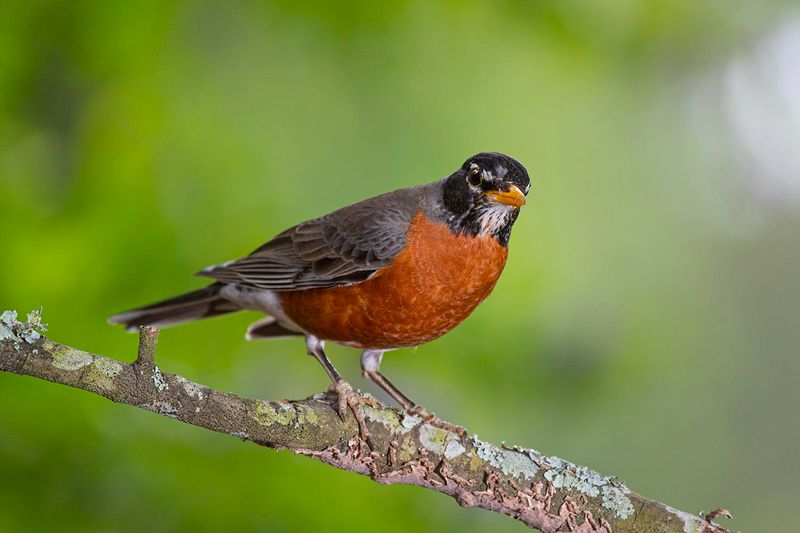
Not every robin visit goes smoothly. A couple of common winter problems are worth knowing about.
Overripe berries can ferment on the branch, especially after warm spells. Robins that gorge on them sometimes act clumsy or fly poorly for a while. It looks odd, but it usually passes.
Windows are the bigger concern. A flock darting between shrubs can easily strike glass that reflects trees and sky.
You can reduce collisions with simple fixes. Window decals spaced closely, outside screens, or dotted patterns help birds see the glass. The American Bird Conservancy recommends markings no more than two inches apart.
Another tip I use is to place feeders and birdbaths either very close to windows or more than 30 feet away. That keeps birds from building up speed toward the glass.
Keep cats indoors during busy flock days too. Ground-feeding robins are easy targets, and outdoor cats are a leading cause of bird losses in the United States.
Small changes like these keep your winter guests safe while you enjoy the show from inside.
Native Berry Plants Can Turn Your Yard Into A Robin Haven
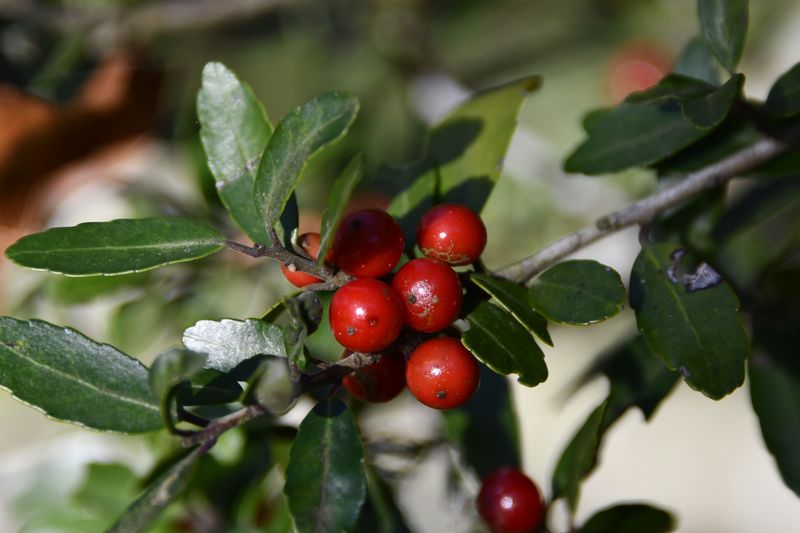
Want more robins next November? The best long-term move is planting native shrubs and trees that hold fruit into winter.
Good Texas choices include yaupon holly, possumhaw, American beautyberry, Carolina buckthorn, rusty blackhaw, and Texas persimmon. Texas A&M AgriLife and the Native Plant Society of Texas both list these as wildlife-friendly options for many regions.
Skip invasive plants like Nandina, Chinese privet, and Chinese tallow. They spread seeds into wild areas and crowd out native plants. Nandina berries can be toxic to birds that eat them in large amounts.
Fall and early winter are great planting times across much of Texas. Cooler weather helps roots settle before summer heat arrives.
Robins rarely eat seed from feeders, so skip the sunflower mix. Instead, try chopped apples, raisins soaked in water, or mealworms on a tray or flat surface.
Water may be the biggest draw of all. A shallow birdbath, cleaned every few days, gives flocks a place to drink and bathe.
I believe the real takeaway is simple. A November robin crowd means your yard offers food, shelter, and safety, so keep building on that.